Get in touch with Xiamen Yasin Industry & Trade Co., Ltd.

Bovine Collagen Peptides: Hydrolyzed Types I & III, Clinical Evidence, Dosing, and Quality Standards

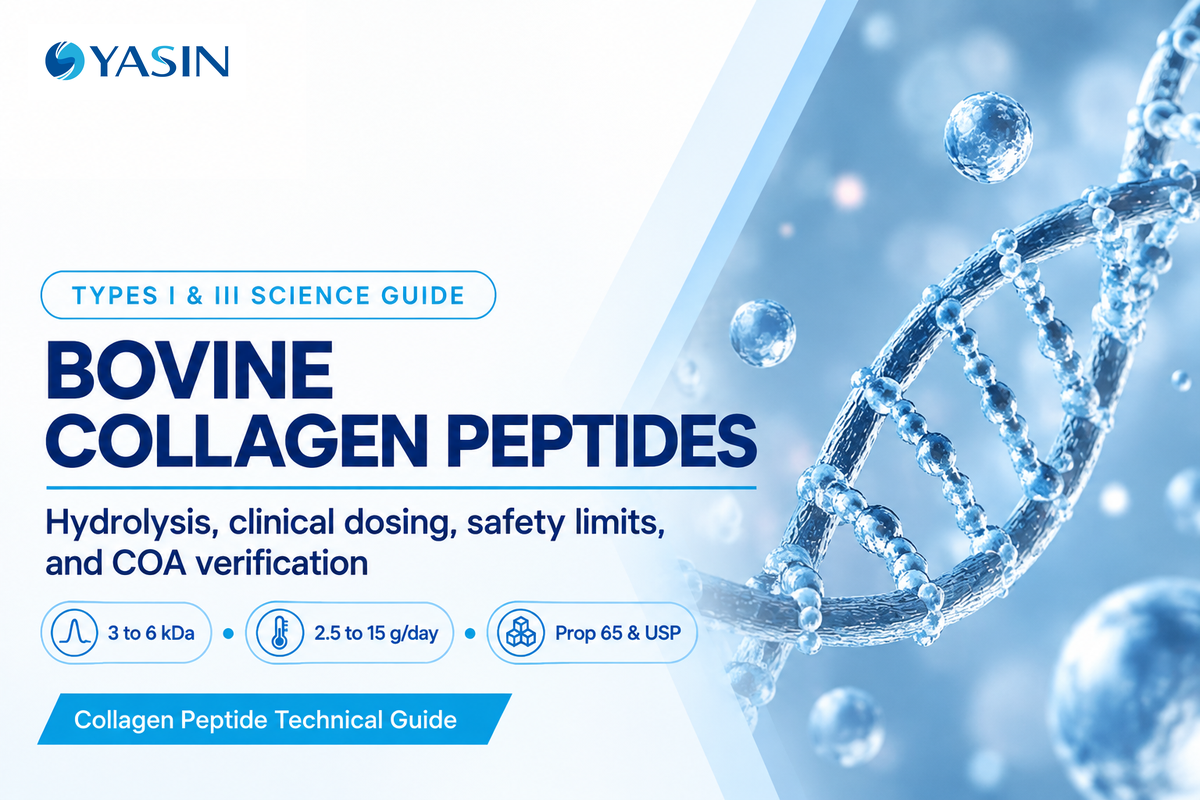
Bovine collagen peptides are enzymatically hydrolyzed protein fragments made from cow hides or bones. They supply Type I and Type III collagen at a low molecular weight of 3 to 6 kDa (León-López et al., Molecules, 2019). Unlike regular gelling gelatin, these short chains dissolve cleanly in hot or cold liquid. Human trials evaluate 2.5 to 15 grams per day for skin hydration, joint comfort, or bone density support.
Buyers run into two main traps when comparing bovine collagen products. Retail labels string together generic testing labels with inconclusive language such as “hydrolyzed type”.
Industrial buyers have to translate limit concentrations (ppm) into daily microgram exposure of heavy metals. This guide breaks down the biochemistry, human studies, source comparisons, daily dosing, safety thresholds, and Certificate of Analysis (COA) math for both everyday users and commercial formulators.
Quick Reference: Bovine Collagen Peptides at a Glance
- Primary Collagen Types: Type I (~90% of organic bone matrix) and Type III (skin, blood vessels, connective tissues)
- Molecular Weight: 3–6 kDa typical hydrolyzed range vs. 285–300 kDa native triple-helix collagen
- Gelling Properties – 0 Bloom (non-gelling, cold water soluble) vs. 120-300 Bloom regular bovine gelatin
- Research Daily Doses: 2.5-10 g/day (skin), 5-10 g/day (joints), 5 g/day (bone density), 10-15 g/day (tendons)
- Protein Quality Score: PDCAAS = 0.0 alone (zero tryptophan); fits up to 36%–39% of daily mixed protein at PDCAAS 1.0 (39% for tested bovine collagen peptides)
- Key Contaminants: Limit MADL, CA Prop 65 Lead 0.5 µg/day; USP <2232> Lead PDE 5 µg/day; EU 2023/915 Lead 3.0 mg/kg
What Are Bovine Collagen Peptides and Why Are They Primarily Types I and III?
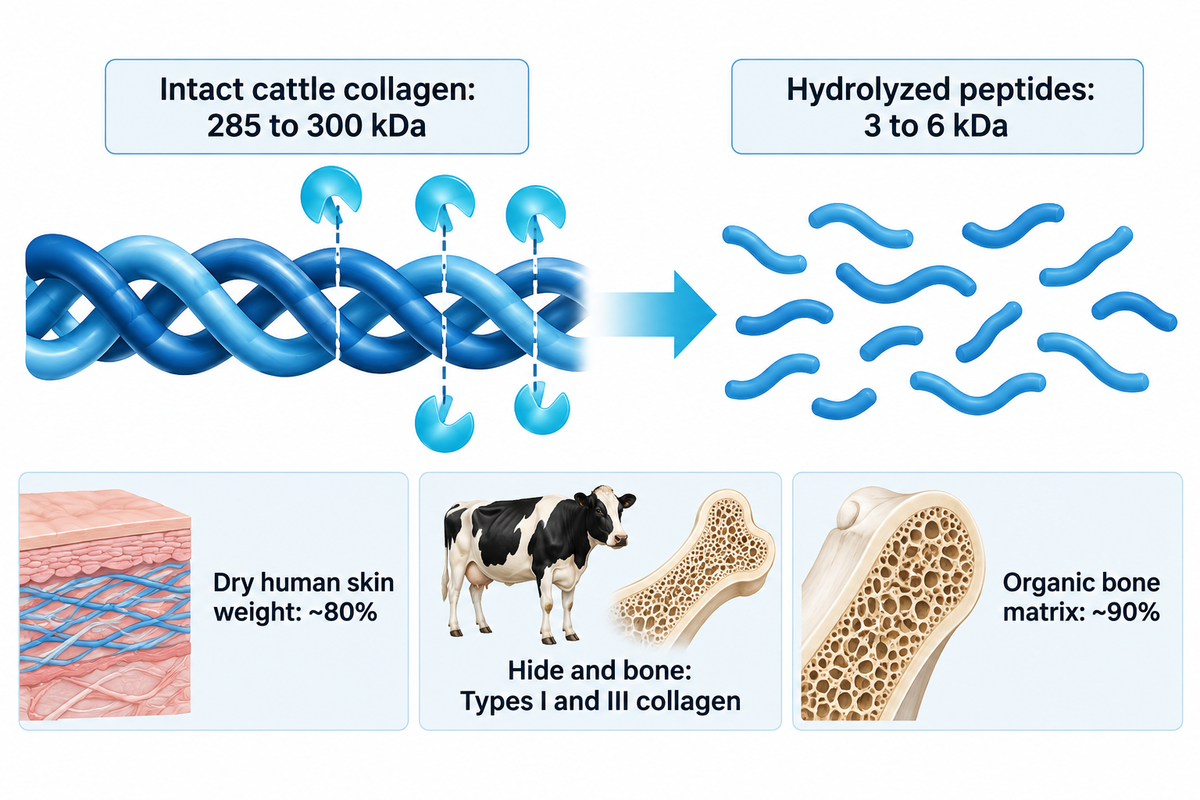
Bovine collagen peptides are short 3 to 6 kDa protein fragments cleaved from intact cattle collagen, which has a molecular mass of 285 to 300 kDa. The collagen in cowhide dermis and bovine bone is almost entirely Type I and Type III, which is why standard bovine collagen powder delivers those two types rather than cartilage-specific Type II.
Collagen is the most abundant protein in your body. It accounts for roughly 80% of dry human skin weight (Grimes & Mahto, Journal of Cosmetic Dermatology, 2026) and about 90% of the organic bone protein matrix (König et al., Nutrients, 2018). Inside bovine raw material, Type I collagen peptide characteristics give tensile strength to skin, tendons, ligaments, and bone. Alongside it, Type III collagen distribution in skin and vascular tissue maintains elastic structure in skin layers and vessel walls. Formulators auditing industrial lots can review bulk bovine collagen peptides specifications and lot COA documentation on Yasin’s product solution page.
Natural collagen production slows down, and daily stressors speed up that loss. Ultraviolet light (photoaging), smoking and high blood sugar (glycation) break down collagen fibers. Over decades, those hits cause decreased collagen production and lower collagen levels.
Slow-simmered bone broth and tough meat cuts supply cooked collagen, yet whole foods vary sharply in collagen content and peptide size per serving.
Here’s a sourcing mistake: sourcing bovine hide peptide for a Type II articular cartilage formula. Standard bovine hide and bone collagen hydrolysate have little or no Type II collagen. Formulators running a Type II pathway require bovine or avian cartilage raw material, not hide powder.
What Is the Difference Between Collagen Peptides and Bovine Collagen?
Collagen peptides describe the physical form of the protein: enzymatically cleaved short chains. Bovine collagen indicates that the animal source is bovine. Every bovine collagen peptide powder is both bovine-sourced and hydrolyzed.
Meanwhile, the universal blanket term “bovine collagen” refers to three different manifestation types: native intact fibrils, gelling gelatin, and hydrolyzed peptides.
Reading the supplement facts box immediately solves that. Look for “hydrolyzed bovine collagen” or “bovine collagen hydrolysate” when you need cold-liquid solubility. Products listed only as “bovine collagen” without “hydrolyzed” or “peptides” can swell or gel in cold water because the chains stay long.
How Enzymatic Hydrolysis Works: Molecular Weight, Amino Acid Profile, and Bioavailability
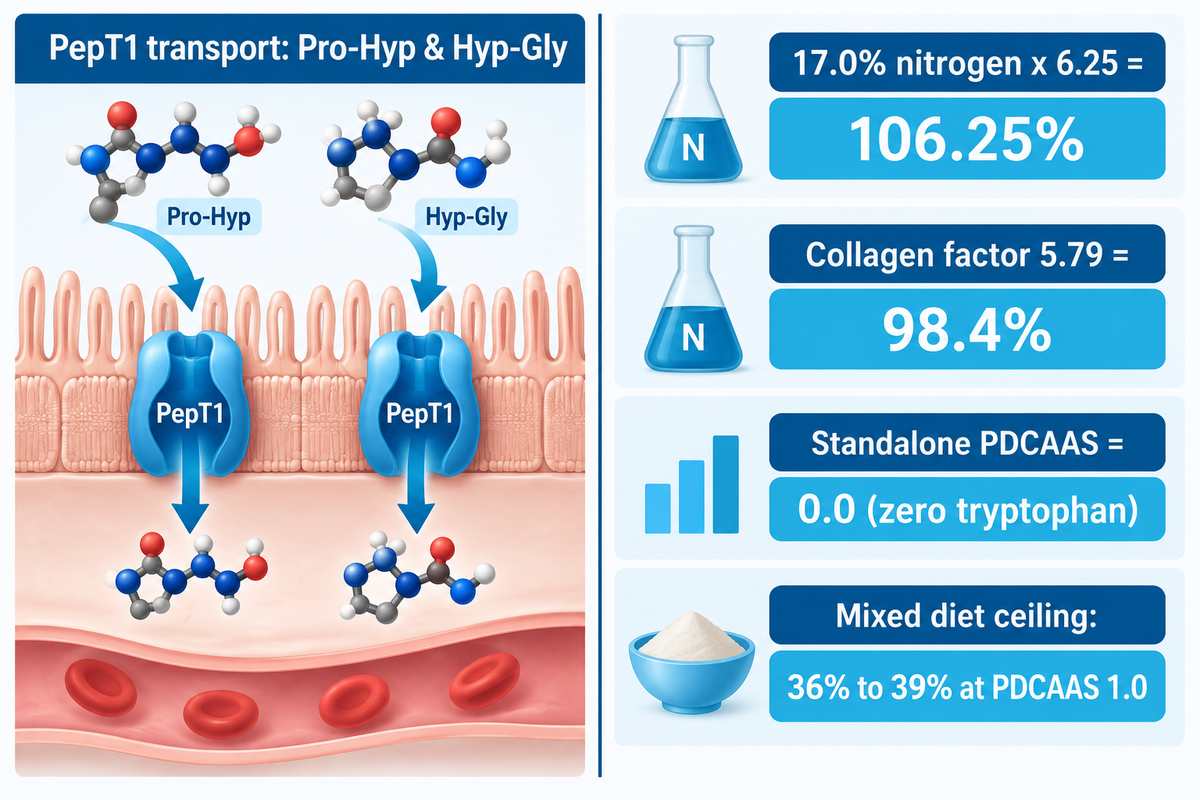
Enzymatic hydrolysis breaks intact triple-helix bovine collagen into cold-water-soluble short chains using heat denaturation followed by controlled protease cleavage (León-López et al., 2019).
Commercial manufacturing proceeds through a carefully managed multi-step regimen. Raw bovine hide or demineralized bone is subjected to wash, acid or alkaline pre-treatment, thermal extraction, and enzymatic cleaving on specific portions. Neutral and unflavored collagen peptide powder is created by ion-exchange purification, membrane filtration, and spray-drying.
The public patent disclosures, USPTO patent US9072724B2 and Chinese patent CN101948900A describe how different enzyme blends and incubation periods produce different end molecular weights.
Digestion doesn’t break down hydrolyzed collagen peptides exclusively into single free amino acids. Hydroxyproline-containing dipeptides and tripeptides such as prolyl-hydroxyproline (Pro-Hyp) and hydroxyprolyl-glycine (Hyp-Gly) aren’t fully cleaved. They’re transported across intestinal brush border via PepT1 oligopeptide transporters (Asai et al., 2019; König et al., 2018).
Human tissue synthesis rates remain lower than lab-dish models and shift with age and baseline diet.
Bovine collagen relies on repeating Glycine-X-Y amino acid triplets. Glycine makes up nearly one-third of all residues, followed by proline, hydroxyproline, and alanine. In table 1, published amino acid contents for 1,000 residues in commercial bovine collagen, and three marine sources are compared.
| Amino Acid (per 1,000 Residues) | Bovine Collagen | Codfish (Cold Water) | Atlantic Salmon | Sea Bass Scale |
|---|---|---|---|---|
| Glycine | 296.44 | 266.12 | 344.01 | 327.00 |
| Alanine | 102.04 | 91.48 | 115.87 | 133.00 |
| Proline | 89.89 | 62.69 | 96.82 | 108.00 |
| Glutamic Acid | 59.43 | 56.08 | 73.82 | 71.00 |
| Aspartic Acid | 36.65 | 38.82 | 51.36 | 44.00 |
| Arginine | 32.86 | 30.45 | 39.00 | 52.00 |
| Serine | 32.03 | 53.87 | 46.38 | 28.00 |
| Lysine | 22.20 | 19.62 | 24.79 | 27.00 |
| Leucine | 17.50 | 16.51 | 20.61 | 21.00 |
| Methionine | 7.81 | 15.04 | 16.43 | 15.00 |
Source: Residues compared in Table 1 of MDPI Marine Drugs, 2025, 23(5):190. Tryptophan occurs nowhere in collagen.
This nitrogen ratio of glycine to other amino acids also draws an analytical trap on lab sheets. Standard food testing multiplies Kjeldahl total nitrogen by 6.25, which inflates collagen protein past 100%. A bovine lot at 17.0% total nitrogen works out to 106.25% with the 6.25 multiplier.
Using the collagen-specific 5.79 factor gives a realistic 98.4% dry-basis collagen protein value.
Is Bovine Collagen a Complete Protein for Daily Nutrition?
No. Bovine collagen is a protein, yet it lacks the indispensable amino acid tryptophan. That gap gives it a 0.0 rating on the Protein Digestibility-Corrected Amino Acid Score (PDCAAS) (Paul et al., Nutrients, 2019). It can’t replace whey, eggs, soy, or meat as your main post-workout protein powder for muscle growth.
Within a mixed diet though, bovine collagen naturally complements complete proteins. Modeling by Paul et al. (2019) estimated functional collagen peptides to provide up to 36% of total daily protein and yet sustain PDCAAS 1.0 overall diet quality. That maximum for the tested bovine sample was 39% at PDCAAS 1.0, rising to 54% at PDCAAS 0.75.
Use collagen as an intentional addition, and gain complete essential amino acids from your fully intact foods.
What Do Human Clinical Studies Actually Show for Skin, Joints, Bones, and Tendons?
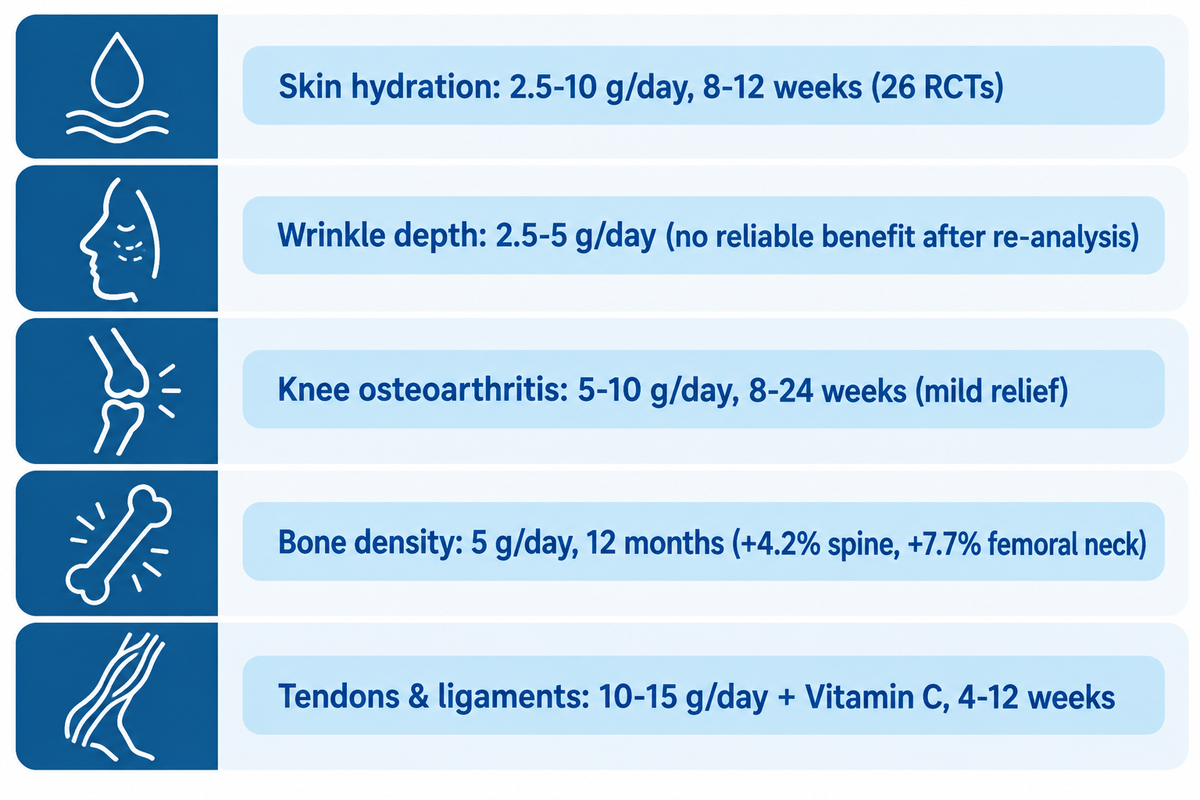
Human studies show modest skin elasticity and hydration gains at 2.5 to 10 g/day over 8 to 12 weeks, and mild knee pain relief at 5 to 10 g/day over 8 to 24 weeks. Bone density trials test 5 g/day for 12 months, while tendon protocols use 10 to 15 g/day with exercise.
Clinical strength varies sharply by endpoint and study funding. A 2023 systematic review pooling 26 randomized controlled trials (1,721 participants) reported statistically significant gains in skin hydration and skin elasticity after 8 to 12 weeks (Pu et al., Nutrients, 2023). Many buyers weigh those potential benefits when looking for benefits for your skin, where stronger skin collagen supports firmer texture. Yet independent methodological audits warn against sweeping promises about erasing the appearance of wrinkles.
“In sharp contrast to the reported results from prior meta-analysis, this investigation does not find evidence of benefit for supplementation from existing collagen studies. Evidence synthesis for collagen studies needs a stronger methodological underpinning if results are to be clinically relevant.”
Grimes and Mahto (2026) flagged primary-study data errors and mismatched metric pooling across prior skin aging meta-analyses. After correction for total dose, no stable wrinkle reduction was observed. In practice, collagen supplements may help support healthy skin hydration modestly, while visible wrinkle reversal remains inconsistent.
Similarly, collagen peptides may offer measurable beneficial effects only when paired with sunscreen, adequate protein, and sufficient vitamin C.
Joint and bone research shows similar boundaries. In knee osteoarthritis trials, 5 to 10 grams per day over 8 to 24 weeks modestly eased pain and stiffness scores in mild cases (Genç et al., Jt Dis Relat Surg, 2025; Campos et al., Heliyon, 2023). For bones and joints, a 12-month double-blind trial of 131 postmenopausal women (aged 46 to 80, mean 63 years) tested 5 grams per day of ~5 kDa specific bovine peptides (König et al., Nutrients, 2018). Relative to placebo decline, treated participants showed 4.2% higher lumbar spine BMD and 7.7% higher femoral neck BMD, alongside higher P1NP bone-formation markers. That trial indicates targeted peptides can help support your bones, though outcomes from one characterized preparation apply to that tested spec rather than every generic commodity powder. Athletic protocols pairing 10 to 15 grams per day with vitamin C and resistance training also study tendon and ligament synthesis, while nail health rests on small single-arm trials.
| Health Endpoint | Studied Daily Dose | Trial Duration | Observed Human Outcome | Key Scientific Boundary |
|---|---|---|---|---|
| Skin Hydration & Elasticity | 2.5–10 g/day | 8–12 weeks | Modest gains across 26 RCTs (n = 1,721; Pu et al., 2023) | 2026 re-analysis (Grimes & Mahto) flags pooling flaws & funding bias |
| Wrinkle Depth (Skin Aging) | 2.5–5 g/day | 8–12 weeks | Small reductions in some industry-sponsored trials | No reliable benefit after dose-adjusted independent meta-regression |
| Joint Health & Osteoarthritis | 5–10 g/day | 8–24 weeks | Modest pain/stiffness relief in mild knee OA | Does not regenerate lost cartilage; exercise remains primary care |
| Bone Mineral Density (BMD) | 5 g/day (~5 kDa) | 12 months | +4.2% spine & +7.7% femoral neck vs. control (König et al., 2018, n = 131) | Single characterized peptide ingredient; needs wider independent replication |
| Tendons & Ligaments | 10–15 g/day + Vitamin C | 4–12 weeks | Elevated collagen synthesis markers paired with mechanical loading | Requires targeted exercise stimulus; ineffective as passive recovery alone |
Check whether commercial collagen peptides for skin or joint health were actually tested in human clinical trials.
What Happens When You Take Bovine Collagen Peptides Every Day?
A daily dose of 2.5 to 10 grams provides a continuous source of glycine, proline, and hydroxyproline. It doesn’t work in days, but changes in the skin or in the relief of joint symptoms are seen in as little as eight to 12 weeks. Improvements in bone density take at least 12 months alongside calcium and vitamin D.
Changes during the first two weeks of taking collagen are minimal because connective tissues remodel slowly. Typical, healthy adults can handle normal doses with ease. Jumping straight to 15 or 20 grams on day one can trigger mild fullness.
Track one clear goal—like skin dryness or post-run knee stiffness—across 12 full weeks to judge real value.
Bovine Collagen Peptides vs. Marine Collagen, Gelatin, and Other Sources
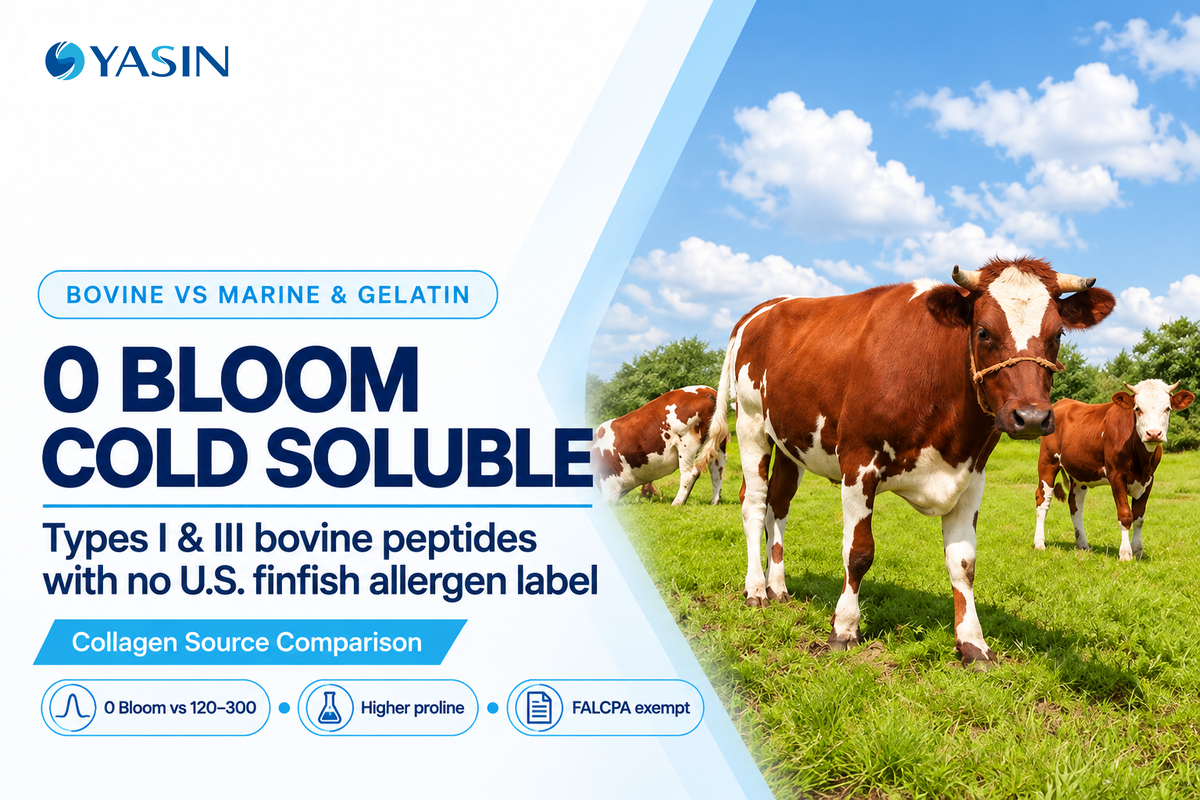
Hydrolyzed bovine collagen peptides at 3-6 kDa have zero Bloom strength and dissolve in cold water. Regular bovine gelatin measures 120–300 Bloom (20–220 kDa) and sets into a firm gel after hot mixing. Compared with marine collagen peptides, bovine peptides deliver both Type I and Type III collagen, avoid U.S. finfish allergen labels, and contain higher proline levels.
Marketing copy often claims marine collagen is always smaller and better absorbed than bovine collagen. Peer-reviewed extraction reviews show the opposite: final molecular weight stems from enzymatic hydrolysis settings rather than animal species (MDPI Marine Drugs, 2025; Campos et al., 2023). Both bovine and marine hydrolysates overlap heavily across the 1 to 6 kDa commercial range (with standard bovine grades typically at 3 to 6 kDa and targeted grades at 2 to 5 kDa). Cold-water fish collagen also holds less proline (62.69 vs. 89.89 per 1,000 residues in codfish vs. bovine), which lowers thermal stability and adds fishy odor hurdles during processing. Under the U.S. Food Allergen Labeling and Consumer Protection Act (FALCPA, 21 USC 343(w)), fish collagen products must declare the exact fish species, while bovine collagen isn’t a top-9 major allergen.
Each collagen type fits a distinct technical role. Gelling bovine gelatin (120–300 Bloom) excels in gummies, marshmallows, and sauces, yet it clumps in iced drinks. Undenatured Type II collagen works via oral immune tolerance at ~40 mg/day instead of the 2.5–15 g/day structural load of hydrolyzed peptides. Multi collagen peptides powder blends combine bovine, fish, chicken, and eggshell fractions. That approach adds cross-allergen exposure without increasing the active dose of any single collagen fraction.
The five-source collagen comparison chart which we’ve presented here positions each bovine peptide next to four other commonly seen competitors across a range of ten commercial, compliance or quality criteria.
| Comparison Criterion | Bovine Collagen Peptides | Marine Collagen Peptides | Regular Bovine Gelatin | Undenatured Type II | Whey Protein Isolate |
|---|---|---|---|---|---|
| Tissue Origin | Cow hide or bone | Fish skin, scales, or bones | Cow hide or bone | Chicken sternum cartilage | Bovine dairy milk |
| Collagen Type | Types I and III collagen | Primarily Type I | Types I and III (denatured) | Native Type II (intact) | Not applicable (dairy protein) |
| Molecular Weight | 3–6 kDa (commercial 1–6 kDa) | 1–6 kDa (enzyme-controlled) | 20–220 kDa | ~300 kDa intact triple helix | ~14–66 kDa globular proteins |
| Bloom Strength | 0 Bloom (non-gelling) | 0 Bloom (non-gelling) | 120–300 Bloom (firm gel) | Not applicable (insoluble) | Heat-coagulating |
| Cold-Water Solubility | Dissolves cleanly | Dissolves cleanly | Swells only; needs heat | Poorly soluble | Disperses with shaking |
| Typical Daily Dose | 2.5–15 g/day | 2.5–10 g/day | 5–15 g/day (culinary) | ~40 mg/day | 20–30 g/serving |
| PDCAAS Protein Quality | 0.0 (no tryptophan) | 0.0 (no tryptophan) | 0.0 (no tryptophan) | Negligible protein load | 1.0 (complete protein) |
| U.S. Major Allergen Law | None (watch alpha-gal) | FALCPA finfish species label | None (watch alpha-gal) | None (poultry source) | FALCPA milk allergen |
| Religious / Diet Fit | Halal/Kosher with certification | Pescatarian friendly | Halal/Kosher with certification | Non-vegetarian (avian) | Lacto-vegetarian |
| Best Practical Fit | Daily drinks, bars, skin/joint/bone | Pescatarian beauty shots | Gummies, jellies, capsules | Small-pill joint capsules | Muscle protein synthesis |
Inside cattle sourcing, bovine hide dominates global output because hides are abundant and skip demineralization. Bovine bone requires acid demineralization into ossein plus stricter BSE-region controls under 9 CFR 95.7. Hide peptides therefore serve as the standard raw material unless the formula specifically calls for bone grades.
Bovine Collagen Peptides Dosage, Timing, and Mixing: Choosing the Right Dose and Molecular Weight
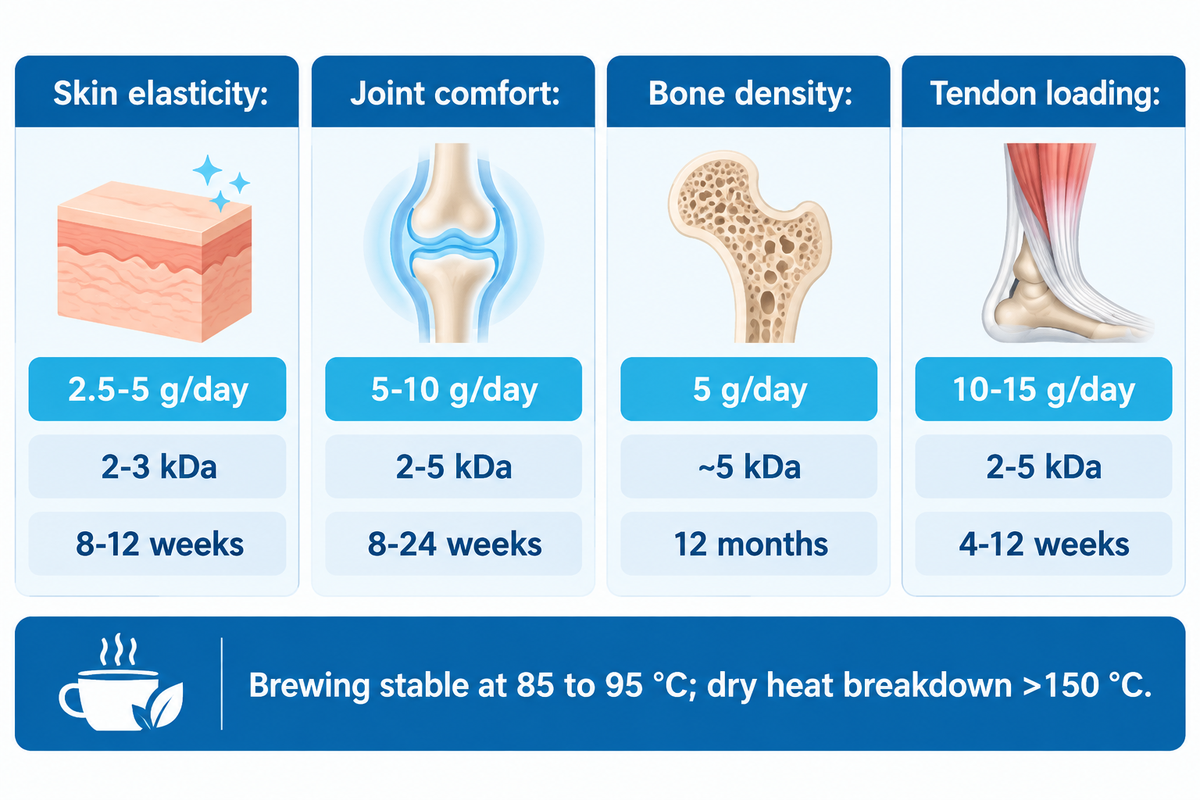
Clinical protocols use 2.5 to 5 grams per day (up to 10 grams in some trials) for skin hydration and elasticity, 5 to 10 grams per day for joint comfort, 5 grams per day for bone density, and 10 to 15 grams per day for tendon loading (König et al., 2018; Pu et al., 2023). Bone density studies test 5 grams per day, while tendon loading uses 10 to 15 grams per day (König et al., 2018; Pu et al., 2023).
Commercial grades averaging 2-5 kDa include virtually all oral applications and don’t necessitate any ultra-low sub-1 kDa claims. Avoid obsessing over the lowest headline Dalton average and dig into the full molecular weight distribution. A single mean value of “2,000 Da” might mask large unhydrolyzed fragments above 10,000 Da, or excess bitter-tasting free amino acids.
A gel permeation chromatography (GPC/SEC) distribution curve demonstrates that the peptide fraction remains well within the <10,000 g/mol constraint.
Vitamin C is an important co-factor for the prolyl and lysyl hydroxylase enzymes cross-linking the new collagen fibers. Numerous beauty blends include pairing collagen peptides with hyaluronic acid to support skin moisture retention. Time of intake can be adjusted as long as daily skin and bone target goals are met.
Sports nutrition protocols often pair 10 to 15 grams per day with roughly 50 mg of vitamin C 30 to 60 minutes before tendon loading.
| Primary Goal | Target Daily Dose | Typical MW Spec | Evaluation Window | Practical Pairing |
|---|---|---|---|---|
| Skin Elasticity & Hydration | 2.5–5 g/day (up to 10 g) | 2–3 kDa | 8–12 weeks | Vitamin C + hyaluronic acid |
| Joint Comfort / Stiffness | 5–10 g/day | 2–5 kDa | 8–24 weeks | Vitamin C + low-impact training |
| Postmenopausal Bone Density | 5 g/day | ~5 kDa characterized | 12 months | Adequate calcium + vitamin D |
| Tendon & Sports Loading | 10–15 g/day | 2–5 kDa | 4–12 weeks | ~50 mg Vitamin C taken 30–60 min pre-load |
Does Heat Destroy Bovine Collagen Peptides in Coffee or Baked Goods?
No. Hydrolyzed bovine collagen peptides don’t break down at the 85 to 95 °C brewing range of tea or coffee because the native helix was already cleaved during manufacturing; peptide breakdown requires dry heat over 150 °C, so collagen stirred into coffee, soups, or moist baked goods keeps its amino acid profile intact.
Mixing complaints come from technique rather than heat damage. Dropping fine unflavored powder onto ice-cold water forms sticky clumps on top. Put powder into a dry mug first, stir in a splash of warm water to form a smooth paste, and then top up with cold smoothies or iced coffee.
Powder, Capsules, Gummies, or RTD Drinks: Delivery Formats and Formulation Behavior

Unflavored powder, agglomerated granules, and concentrated RTD shots remain the most practical formats for 5 to 15 grams per day. A tamped Size 00 capsule takes 0.50 to 0.75 grams of collagen powder, so a 5-gram dose is 7 to 10 pills. When choosing between powders or capsules, capsules and gummies fit low-dose convenience blends rather than high-gram daily routines.
A Size 00 two-piece capsule holds 0.91 mL internally; with standard bovine collagen powder at an untamped bulk density of 0.40 to 0.55 g/mL, machine tamping yields a practical fill weight of 0.50 to 0.75 grams per capsule. Without tamping, a 10 g dose takes 20 to 28 capsules.
Gummies face an even stricter cap because heavy peptide loads soften pectin chew texture and raise added sugar.
| Delivery Format | Practical Dose per Unit | Units Needed for 10 g | Formulation Trade-Off |
|---|---|---|---|
| Agglomerated / Spray-Dried Powder | 5–20 g per scoop | 1 scoop | Zero added sugar; dissolves in hot or cold beverages |
| Collagen Peptides Capsules (Size 00) | 0.50–0.75 g per capsule (tamped) | 14–20 capsules | Tasteless and portable, but impractical above 2.5 g/day |
| Collagen Gummies | 0.5–1.5 g per gummy | 7–20 gummies | High sugar or polyol load; limited peptide capacity |
| RTD Liquids & Beauty Shots | 2.5–10 g per bottle | 1–4 bottles | Needs low-MW, low-turbidity grade and preservation |
For commercial supplement and beverage operations, particle engineering provides line speed and mixability control. Conventional spray-dried preparation of hydrolyzed collagen peptides powder is densely packed for tablets and capsules, yet it imbibes gradually in cold water. Agglomerated bovine collagen peptides powder uses porous granules at lower bulk density (0.25 to 0.45 g/mL). Those granules sink and disperse fast in stick packs and ready-to-drink collagen beverage formulations across pH 3 to 7 with minimal viscosity rise. A published formulation review reports hydrolyzed collagen’s low viscosity and cold-water solubility across beverage and food delivery systems (Molecules, 2019).
In high-protein bars, hydrolyzed collagen slows moisture migration and bar hardening compared with whey-only blends. Xiamen Yasin Industry & Trade Co., Ltd. makes 19,000 tons/year of hydrolyzed collagen peptides and 8.5 billion empty capsule shells.
Matching powder bulk density to the exact machine prevents both capsule weight drift and consumer clumping.
Bovine Collagen Supplements: Side Effects, Safety Boundaries, and Dietary Precautions
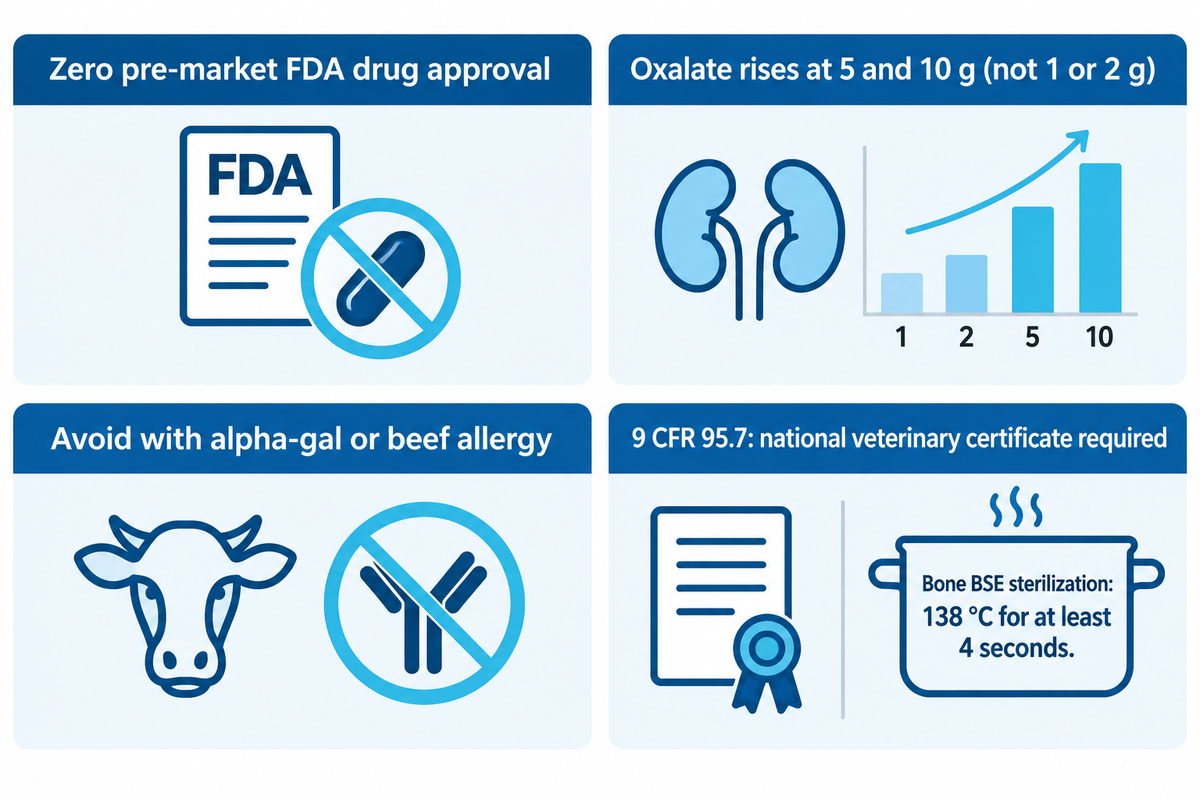
Bovine collagen supplements are well tolerated by most healthy adults, but four safety limits apply. U.S. dietary supplements receive zero pre-market Food and Drug Administration (FDA) approval. Dietary hydroxyproline in bovine collagen peptide at a daily dose of 5 to 15 g may increase urinary oxalate in stone-prone people.
Alpha-gal meat allergy can cause allergic reactions, and imported bovine bones are subject to BSE restrictions.
The majority of side effects were mild and transient, such as bloating, fullness, and an unpleasant aftertaste. A deeper physiological check applies to people with calcium oxalate kidney stones. As the human body transforms some of dietary hydroxyproline into glyoxylate and oxalate, well-defined dose thresholds were determined through controlled human feeding trials.
“Urinary glycolate excretion was 5.3-fold higher on the gelatin diet compared to the whey diet and urinary oxalate excretion was 43% higher. Significant changes in plasma hydroxyproline and urinary oxalate and glycolate were observed with 5 and 10 g gelatin loads, but not 1 and 2 g loads.”
Knight et al. estimated that hydroxyproline metabolism accounts for 5% to 20% of endogenous urinary oxalate. Healthy hydrated adults handle normal doses well. People with recurrent calcium oxalate stones or primary hyperoxaluria should consult a nephrologist before taking 5 to 15 grams daily.
Those with alpha-gal syndrome or confirmed beef allergy need to avoid bovine collagen altogether. Those who are pregnant, lactating, or on protein restriction in chronic kidney disease should also check in before using daily.
U.S. federal law sets explicit bovine spongiform encephalopathy (BSE) safeguards under USDA APHIS 9 CFR 95.7 (“Collagen derived from bovines”). Collagen made from cow hides and skins enters without bone demineralization when uncommingled with ineligible tissues and accompanied by a national veterinary certificate.
Bone-derived bovine collagen from controlled or undetermined BSE-risk regions faces strict processing rules. Processors must exclude skulls and vertebral columns from cattle aged 30 months or older, pass ante-mortem and post-mortem inspection, degrease, acid-demineralize, apply acid or alkaline treatment, filter, and sterilize at 138 °C (280.4 °F) or higher for at least 4 seconds. Suppliers are also required to obtain and submit an original certificate signed or endorsed by a full-time salaried national veterinary officer with each consignment.
Safe & Practical Use (Do)
- Select items that have third-party SKU testing or batch heavy-metal COAs.
- Start at 5 g/day if sensitive to digestive fullness and gradually increase.
- Sip on sufficient quantities of water to dilute the urinary oxalate at 10+ g/day doses.
- Pick single-ingredient unflavored tubs if managing food sensitivities.
Safety Flags & Precautions (Avoid / Consult)
- No to bovine collagen with alpha-gal syndrome or a confirmed beef allergy.
- Those with recurrent oxalate kidney stones or with CKD should seek medical advice initially.
- Collagen is a dietary supplement, and it is not approved by the FDA for use as a drug for arthritis or osteoporosis.
- Reject bone-derived imports that lack a veterinary BSE certificate under 9 CFR 95.7.
How to Read a Bovine Collagen COA, Heavy Metal Limits, and Third-Party Certifications

A generic “<1.00 ppm lead” COA line permits 10 µg/day of lead in a 10-gram scoop. That intake is twice the USP General Chapter <2232> limit of 5 µg/day and 20X California Proposition 65’s 0.5 µg/day threshold (California OEHHA, 27 CCR §25805).
Consumer retail seals and B2B plant audits answer different questions. Shoppers comparing major retail jars, such as Sports Research, BUBS Naturals, Momentous, or BulkSupplements, can search exact SKUs in NSF Certified for Sport, USP Verified, or Informed Choice registries. Note that an “NSF Gluten-Free” badge covers gluten only, not heavy metals or banned substances. On the industrial side, major global suppliers (GELITA, Rousselot/Peptan, PB Leiner/SOLUGEL, Nitta Gelatin/Wellnex) and export-grade Chinese plants hold GFSI food-safety audits like BRCGS, FSSC 22000, or ISO 22000 paired with accredited independent lab testing. Under U.S. FDA 21 CFR 111.75(a)(1), (2), supplement makers must run at least one identity test on every incoming dietary ingredient and qualify each supplier before trusting its COA. Importers must also keep written verification files under 21 CFR 1.511 (FSVP).
Ensure The 7-Point Collagen COA Verification Protocol is followed prior to approval of any batch or reliance on a brand’s lab sheet:
- Protein Factor Audit: Confirm protein uses the collagen factor N × 5.79 (or 5.55), not N × 6.25, which inflates 17.0% nitrogen to 106.25%.
- Hydroxyproline Authenticity: Examine hydroxyproline content (generally 10-12% in genuine bovine collagen) to eliminate unreliable low-cost non-collagen nitrogen ingredients.
- GPC/SEC Molecular Weight Curve: Require gel permeation chromatography (UV 214 nm) data showing molar mass distribution less than 10,000 g/mol.
- Heavy Metals in µg/day: Multiply ppm (µg/g) by daily gram dose and compare to Prop 65, USP <2232>, and Commission Regulation (EU) 2023/915 (Annex 3.1.28: lead 3.0 mg/kg, cadmium 1.0 mg/kg, mercury 0.10 mg/kg).
- Only apply the 0.5 µg/g lead and cadmium option for a ≤10 g/day product. Because the 20 g/day tub has 0.4 µg/g that results in 8 µg/day, it doesn’t meet the 5 µg/day PDE.
- Microbiology & Moisture/Ash: Specifications cover Total Plate Count, yeast/mold, absent Salmonella and E. coli, moisture ≤8%, and ash ≤2% for shelf stability.
- Origin & Religious Chain of Custody: For grass fed collagen peptides, pasture-raised claims, or Halal-certified bovine collagen sourcing and Kosher specs, require third-party certificates covering Halal slaughter and non-porcine hydrolysis enzymes.
Worked Example – Heavy-Metal Daily Exposure Estimation; Assumed: 1 ppm = 1 µg/g; Daily Exposure (µg/day) = COA Concentration (µg/g) × Daily Dose (g/day); Table of 0.05 to 1.00 ppm in 5, 10, and 15 g doses; Table Values: California Prop 65 oral Lead MADL (0.5 µg/day); USP <2232> Lead PDE (5.0 µg/day; Cadmium 5, Inorganic Arsenic 15, Total Mercury 15, Methylmercury 2 µg/day).
| Lead on COA (ppm = µg/g) | Daily Serving (g/day) | Daily Lead Intake (µg/day) | CA Prop 65 (0.5 µg/day MADL) | USP <2232> (5.0 µg/day PDE) |
|---|---|---|---|---|
| 0.05 | 5 g | 0.25 µg/day | Below safe harbor | Pass |
| 0.05 | 10 g | 0.50 µg/day | At safe-harbor ceiling | Pass |
| 0.05 | 15 g | 0.75 µg/day | Exceeds (warning review) | Pass |
| 0.10 | 5 g | 0.50 µg/day | At safe-harbor ceiling | Pass |
| 0.10 | 10 g | 1.00 µg/day | Exceeds (2× MADL) | Pass |
| 0.20 | 10 g | 2.00 µg/day | Exceeds (4× MADL) | Pass |
| 0.40 | 20 g | 8.00 µg/day | Exceeds (16× MADL) | Fail (>10 g voids 0.5 µg/g option) |
| 0.50 | 10 g | 5.00 µg/day | Exceeds (10× MADL) | At PDE ceiling |
| 1.00 | 10 g | 10.00 µg/day | Exceeds (20× MADL) | Fail (2× PDE) |
| 1.00 | 15 g | 15.00 µg/day | Exceeds (30× MADL) | Fail (3× PDE) |
In grass-fed collagen marketing, the phrase “sourced from grass-fed, pasture-raised bovine” describes cattle diet and segregated supply chains, not freedom from soil heavy metals.
Bovine Collagen Peptides Cost Breakdown: Bulk Per-Kilogram vs. Retail Per-Serving Pricing
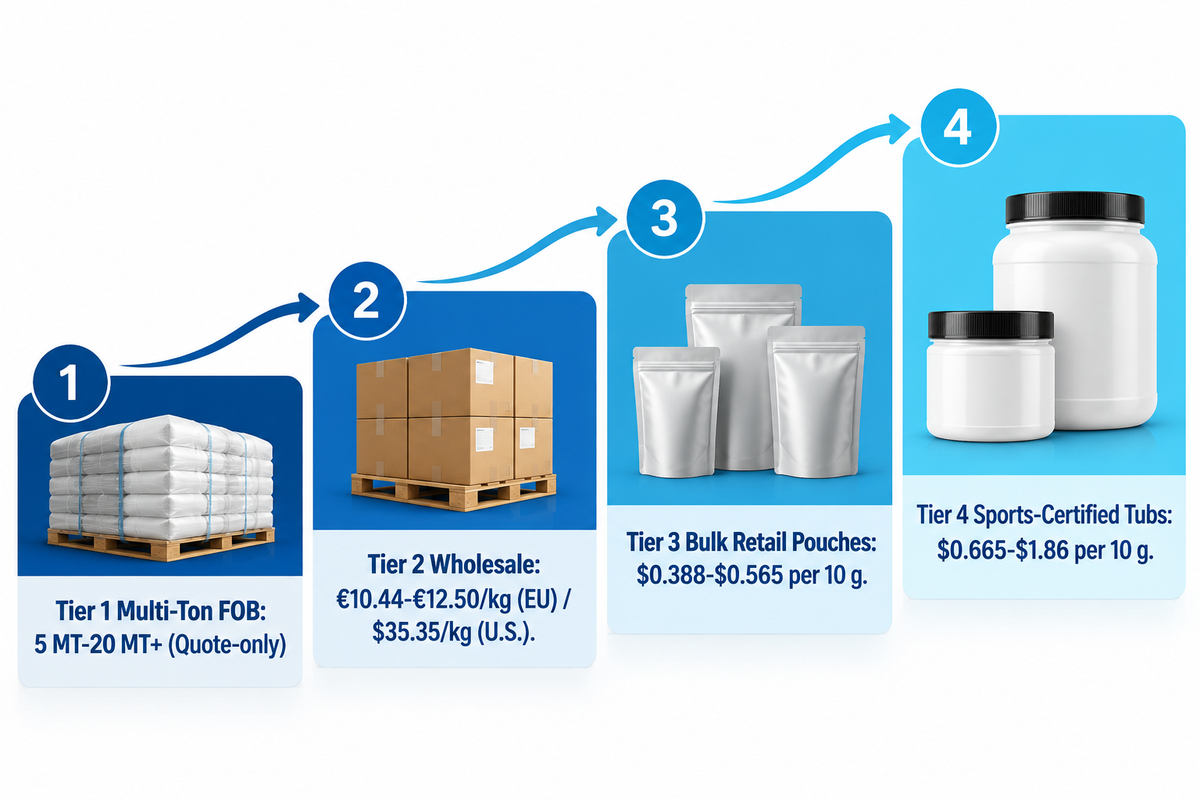
Posted European distributor listings start at €10.44 to €12.50 per kilogram for 20 to 4,000 kg orders (FDCM, checked November 2026). In the United States, small-lot 15 to 25 kg wholesale packs list at $35.35/kg for a 15 kg PureBulk bag (Aarise Pharma), while U.S. retail pouches and tubs span $0.388 to $1.86 per 10-gram serving (DeliveredDose). Multi-ton factory FOB pricing is quote-only because hide costs and freight shift quarterly.
Price confusion starts when buyers compare quotes across different channels. Four concrete drivers separate grades inside any tier. First, bovine bone needs acid demineralization into ossein, raising cost over hide.
Second, grass-fed hydrolyzed collagen carries cattle-audit premiums over conventional feedlot hides. Third, narrow 2 kDa or clinically characterized fractions cost more than broad 3–6 kDa hydrolysates. Fourth, instantized agglomeration for premium hydrolyzed grades and sports certifications add conversion and lab expenses.
The four-tier cost and selection table below matches purchasing volume and testing needs to the right channel.
| Buyer Tier | Typical Order Volume | Documented Posted Benchmark (Nov 2026) | Cost per 10 g | Decision Rule (If / Then) |
|---|---|---|---|---|
| Tier 1: Multi-Ton Factory FOB | 5 MT – 20 MT+ factory pallets | Quote-only (hide/bone, MW, Halal/Kosher, Incoterms) | Lowest unit landed cost | Choose if formulating commercial supplement, bar, or RTD lines |
| Tier 2: Regional Wholesale Lots | 15 kg – 4,000 kg (bags to multi-pallet) | EU listed €10.44–€12.50/kg for 20–4,000 kg (FDCM); U.S. 15 kg listed $35.35/kg (PureBulk via Aarise Pharma) | €0.10–€0.13 (EU) / $0.35 (U.S.) | Choose for pilot R&D runs or regional co-packing |
| Tier 3: Value Bulk Retail Pouches | 500 g – 2 lb pouch | U.S. listed $34.99/2 lb (Micro Ingredients) to $27.97/500 g (BulkSupplements) via DeliveredDose | $0.388–$0.565 per 10 g | Choose for daily personal 10 g intake when third-party lot tested |
| Tier 4: Branded / Sports-Certified Tubs | 3.9 oz – 32 oz tub | U.S. listed $59.95/32 oz to $12.95/3.9 oz (Sports Research, Informed Choice) via DeliveredDose | $0.665–$1.86 per 10 g | Choose if you need Informed Choice, NSF Certified for Sport, or small trial jars |
Buyer & Formulator RFQ Specification Checklist (Confirm Once Before Ordering)
- Raw Tissue & Origin: State bovine hide vs. bovine bone, cattle country of origin, and grass-fed or pasture-raised audit documentation.
- Need GPC/SEC mol wt curve (<10,000 Da), Kjeldahl protein on N x 5.79 basis, and % Hydroxyproline.
- Powder Handling: Pick spray-dried powder (capsules/tablets) or agglomerated granules (cold RTD/stick packs) with target bulk density (g/mL).
- Contaminant & Compliance File: Request ICP-MS heavy-metal ppb numbers (Pb, Cd, As, Hg), microbiology, GFSI plant certificate (BRCGS/FSSC 22000), Halal/Kosher paperwork, and 9 CFR 95.7 veterinary documents.
What Is Changing in Bovine Collagen Peptides for 2026: Traceability, Instantization, and Testing

Three structural shifts are reshaping bovine collagen peptides in 2026: tougher ppb heavy-metal screening, rapid expansion into clear ready-to-drink beverages, and stricter hide-to-bag traceability audits. Commodity powders with indistinct “<1 ppm" contamination lines and dirty, un-agglomerated dust trail behind cleaner, lab-verified standards.
First, functional food and beverage launches are pulling collagen far beyond plain tubs. Trade reports from FoodNavigator (December 2025) and NutraIngredients’ 2026 Mintel review (January 2026) track collagen entering carbonated drinks, cold coffees, dairy, and confectionery. Those applications demand neutral taste, fast cold-water wetting via agglomeration, and low turbidity in acidic drinks.
Stricter EU contaminant limits under Commission Regulation (EU) 2023/915 and California Prop 65 enforcement keep steady pressure on 10- to 20-g/day portions. Methodological critiques like Grimes and Mahto (2026) also push responsible brands toward narrower, characterized structure-function wording instead of broad anti-aging claims.
Those files tie hide lots to BSE-compliant regions, pasture-raised audits, and dual Halal/Kosher certification. Buyers locking in 2026 formulas should write ICP-MS ppb limits, cold-dispersion tests, and veterinary traceability directly into supplier specs.
Developing a Bovine Collagen Supplement, Beverage, or Food Formula?
Review full commercial grade specifications, batch COA parameters, and sample options on our bovine collagen peptides solution page, or request technical paperwork and a lab evaluation sample from the Yasin team.
Frequently Asked Questions About Bovine Collagen Peptides
Is it good to take bovine collagen every day?
Daily intake of 2.5 to 10 grams of hydrolyzed bovine collagen peptides is well-tolerated by most healthy adults. The literature in humans also points to sustained treatment for 8 to 12 weeks to modestly support skin hydration and elasticity. Joint comfort studies typically run 8 to 24 weeks (with formal evaluation windows often set at 12 to 24 weeks). It works as a targeted dietary supplement rather than a medical cure, and people with alpha-gal allergy or recurrent oxalate kidney stones should check with a doctor first.
How can you get bovine collagen naturally from food vs. peptide powders?
Natural bovine collagen features slow-simmered beef bone broth, oxtail, shank, tendon, and stews rich in gelatin. Cooking breaks native collagen into gelatin, supplying the same glycine, proline, and hydroxyproline building blocks found in powders. But homemade broth fluctuates in protein per cup and gels on cooling, making comparison against powders impractical.
Standardized bovine collagen peptide powders provide an exact 5 to 15 g dosage in seconds, dissolve in cold beverages without gelling, and undergo batch contaminant testing.
What should you not mix bovine collagen peptides with?
No common food or beverage chemically destroys hydrolyzed bovine collagen peptides. You can stir unflavored powder safely into coffee, tea, smoothies, or oatmeal. For those with calcium oxalate kidney stones, high daily doses shouldn’t be taken along with high-oxalate foods like raw spinach or rhubarb, and you should speak to a pharmacist about dose timing for your medications.
Does bovine collagen break a fast or fit keto and paleo diets?
Yes. A 10-gram scoop of plain unflavored bovine collagen peptides supplies roughly 35 to 40 calories and technically breaks a strict water-only fast. It still fits keto and paleo diets because it contains zero carbs, zero sugar, and pure animal protein.
What depletes collagen in the body the most, and can oral peptides offset it?
Chronic ultraviolet (UV) sun exposure depletes dermal collagen faster than almost any other external factor. UV rays activate matrix metalloproteinase enzymes that break existing collagen fibers in aging skin. Cigarette smoking decreases blood flow and output of skin fibroblasts; high blood sugar drives glycation cross-linking that renders connective tissues unyielding.
Intrinsic aging entails steadily diminishing collagen creation from your twenties onward. Oral hydrolyzed bovine collagen peptides cannot reverse ultraviolet damage or substitute for sunscreen, smoking cessation, or complete dietary protein intake. Paired with those core habits at 2.5 to 10 grams per day plus vitamin C, peptides supply bioavailable proline and hydroxyproline associated with modest skin hydration and elasticity gains.
Is there a downside to bovine collagen or any known drug interactions?
The main downsides are incomplete protein quality (PDCAAS 0.0 due to zero tryptophan), higher cost per gram than whey, occasional mild fullness, and higher urinary oxalate at 5 to 10+ gram doses in stone-prone users. Direct pharmacokinetic drug interactions are rare. Patients on prescribed drugs (such as citalopram, a common SSRI, or blood thinners) or with Chronic Kidney Disease should get their prescribing clinician’s advice on any new supplement.
Do bovine collagen peptides naturally contain biotin, hyaluronic acid, or lactose?
No. Pure single-ingredient bovine collagen peptides contain zero biotin, zero hyaluronic acid, zero lactose, and zero gluten. Certain beauty brands incorporate additional vitamin C, biotin, or hyaluronic acid into flavored tubs to create additional label claims.
Check the supplement facts panel to distinguish between the single-ingredient bovine collagen and the multiple-ingredient blends.
Related Articles & Product Resources
- Marine Collagen Peptides: Sourcing & Formulation Profile
- Bovine Gelatin (120–300 Bloom) for Gummies, Capsules and Food
- Collagen & Gelatin Applications in Dietary Supplements
References & Sources
- Hydrolyzed Collagen: Sources and Applications (Molecules, 2019) National Library of Medicine / PubMed Central
- Hydrolyzed Collagen for Skin Aging Meta-Analyses Are Unreliable (Journal of Cosmetic Dermatology, 2026) National Library of Medicine / PubMed Central
- Specific Collagen Peptides Improve Bone Mineral Density in Postmenopausal Women (Nutrients, 2018) National Library of Medicine / PubMed Central
- Patent US9072724B2: Collagen Hydrolysate for Human Skin Health United States Patent and Trademark Office (Google Patents)
- Patent CN101948900A: Method for Extracting Hydrolyzed Collagen from Bovine Cartilage China National Intellectual Property Administration (Google Patents)
- Food-Derived Collagen Peptides Pro-Hyp and Hyp-Gly Bioavailability (IJMS, 2019) National Library of Medicine / PubMed Central
- Recent Advancements in Marine Collagen: Sources, Processing, and Amino Acid Composition (Marine Drugs, 2025) Multidisciplinary Digital Publishing Institute (MDPI)
- Significant Amounts of Functional Collagen Peptides and Indispensable Amino Acid Balance (Nutrients, 2019) National Library of Medicine / PubMed Central
- Effects of Oral Collagen for Skin Anti-Aging: Systematic Review and Meta-Analysis (Nutrients, 2023) National Library of Medicine / PubMed Central
- Genç et al. (2025). Efficacy and Safety of Oral Hydrolyzed Collagen Peptides in Osteoarthritis (Jt Dis Relat Surg, 36(1):85–96) National Library of Medicine / PubMed
- Collagen Supplementation in Skin and Orthopedic Diseases: Review (Heliyon, 2023) Elsevier / ScienceDirect
- Hydroxyproline Ingestion and Urinary Oxalate and Glycolate Excretion (Kidney International, 2006) National Library of Medicine / PubMed Central
- 9 CFR § 95.7, Collagen Derived from Bovines (eCFR) U.S. Department of Agriculture, Animal and Plant Health Inspection Service (USDA APHIS)
- Proposition 65 No Significant Risk Levels (NSRLs) and Maximum Allowable Dose Levels (MADLs), 27 CCR §§ 25705, 25805 California Office of Environmental Health Hazard Assessment (OEHHA)
- 21 CFR § 111.75, Dietary Supplement Identity and Supplier Qualification (eCFR) U.S. Food and Drug Administration (FDA)
- 21 CFR § 1.511, Foreign Supplier Verification Program for Dietary Supplements (eCFR) U.S. Food and Drug Administration (FDA)
- Commission Regulation (EU) 2023/915 on Maximum Levels for Certain Contaminants in Food (Annex 3.1.28) Publications Office of the European Union (EUR-Lex)
- Why Collagen Is Set to Dominate 2026 (December 2025) FoodNavigator
- Mintel Report: Functional Ingredients to Watch in 2026 (January 2026) NutraIngredients
Editorial Review & Transparency Note: Reviewed by the Xiamen Yasin Industry & Trade Co., Ltd. technical team. Clinical effectiveness data, legal limits, and analytical guidelines are from peer-reviewed published sources or government standards listed in References & Sources.
Wholesale and retail price ranges are based on published market listings examined in November 2026, and vary according to supply and grade of cattle hide.