Get in touch with Xiamen Yasin Industry & Trade Co., Ltd.

Direct Manufacturer & Global Exporter · Xiamen Yasin Industry & Trade Co., Ltd. · 19,000 Tons Annual Capacity
Type III Collagen & Collagen Tripeptide: Bulk B2B Grades, COA Specs & Manufacturing
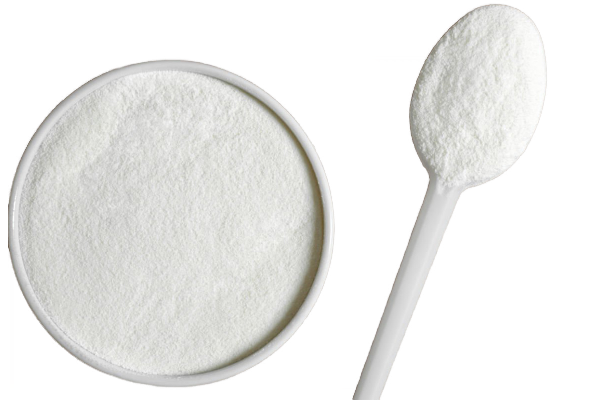
Xiamen Yasin Industry & Trade Co., Ltd. supplies two commercial raw material tracks for functional food, beverage, and dietary supplement brands: co-extracted bovine type I and III collagen peptides (2,000–3,000 Da) and patented 500 dalton fish collagen tripeptide or gly-pro-hyp 20 mg/g collagen tripeptide powder. Both lines are backed by 19,000 tons of annual collagen production capacity, a 500 kg minimum order quantity, and 200 g free evaluation samples.
Key Analytical & Commercial Commitments at a Glance
Definitive analytical thresholds are required by procurement teams and R&D formulators before qualifying a bulk collagen supplier. The table below describes our ISO 22000 factory-verified specification envelopes, regulatory test methods, and commercial delivery commitments.
| Commitment Dimension | ||
|---|---|---|
| Governing Product Standard | Enterprise Standard Q/HBJT 0022S-2022 · Patent CN 117815753 B | National Food Safety Standard GB 31645-2018 |
| Molecular Weight & Active Marker | Grade 1: CTP ≥ 20%, Gly-Pro-Hyp ≥ 20 mg/g · Grade 2: 500 Da average MW | 2,000–3,000 Da average molecular weight (<10,000 Da ≥ 90%) |
| Verified COA Protein (Dry Basis) | 99.0% protein (Total Nitrogen 17.1 g/100g × 5.79 per GB 5009.5-2025) | 98.4% protein (Total Nitrogen 17.0 g/100g × 5.79 per GB 5009.5-2025) |
| Physicochemical & Sensory Profile | White to light yellow powder · Bulk density 0.35 g/mL · pH 6.11 · Moisture 4.98% · Ash 1.2% | White to light yellow powder · Bulk density 0.37 g/mL · pH 5.96 · Moisture 3.76% · Ash 1.3% |
| In-Process Sterilization & Metal Control | 0.45 µm + 0.22 µm membrane filtration (≤0.40 MPa) · Metal detector Fe ≤2.0 mm, Non-Fe/SS ≤3.0 mm | 0.45 µm + 0.22 µm membrane filtration (≤0.40 MPa) · Metal detector Fe ≤2.0 mm, Non-Fe/SS ≤3.0 mm |
| Indicative Bulk FOB Price & MOQ | USD 10–15/kg FOB Xiamen · 500 kg MOQ · 200 g free sample | USD 6.5–8/kg FOB Xiamen · 500 kg MOQ · 200 g free sample |
| Standard Export Packaging & Shelf Life | 10 kg/carton moisture-barrier inner liner · 24 months shelf life | 20 kg/bag multi-wall kraft paper bag with PE liner · 24 months shelf life |
| Lead Time, Payment & Incoterms | Quotes within 24 hours · 10 days lead time · T/T and L/C (O/A for VIPs) · FOB and CIF | Quotes within 24 hours · 10 days lead time · T/T and L/C (O/A for VIPs) · FOB and CIF |
Bovine Type I & III Collagen Peptides
Produced from traceable fresh bovine hide under national standard GB 31645-2018, this hydrolyzed collagen grade is co-extracted from dermal tissue containing type I collagen and type III collagen. Whether specified on purchase orders as type i and type iii collagen, collagen type 1 and 3, type 1 and type 3 collagen, collagen peptides type 1 and 3, type 1 and 3 collagen peptides, hydrolyzed collagen type 1 and 3, or type i and iii collagen, each form of collagen has its molecular weight distribution verified by lot GPC-HPLC.
- Controlled average molecular weight of 2,000–3,000 Da with ≥90% below 10,000 Da
- Verified batch Certificate of Analysis (COA) showing 98.4% dry-basis protein (N × 5.79)
- Packed in moisture-barrier 10 kg cartons at an indicative bulk FOB price of USD 10–15/kg
Fish Skin & Scale Collagen Tripeptide
This effective form of collagen is enzymatically cleaved from freshwater tilapia or marine cod skins and scales under enterprise standard Q/HBJT 0022S-2022 and invention patent CN 117815753 B, delivering low-molecular-weight oligopeptide bioavailability. It provides low-molecular-weight oligopeptide bioavailability.
- Grade 1 specifies Collagen Tripeptide (CTP) ≥ 20% and Gly-Pro-Hyp (GPH) ≥ 20 mg/g
- Grade 2 specifies an average molecular weight of 500 Da for rapid oligopeptide dissolution
- Packed in moisture-barrier 10 kg cartons at an indicative bulk FOB price of USD 10–15/kg
Audited Food Safety & Fast Export
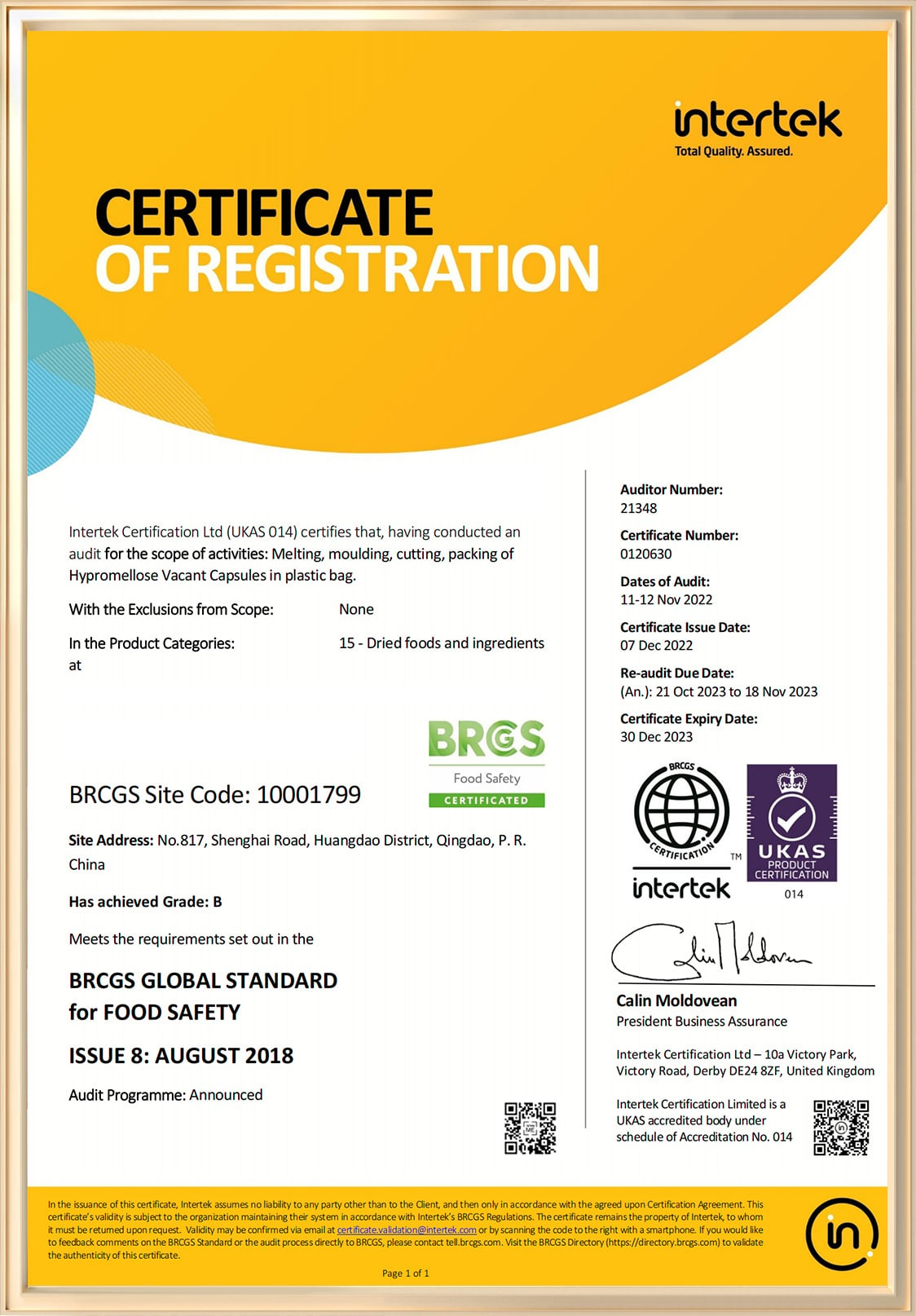
Xiamen Yasin holds Indonesian BPJPH Halal certification (ID00410024597950725), while our partner collagen production plant, Dezhou Lanli Biotechnology Co., Ltd., operates as a halal and brcgs certified collagen manufacturer base holding BRCGS Grade A+, ISO 22000, HACCP, and Kosher certifications.
- Quotes and grade recommendations are returned within 24 hours on business days
- Standard collagen peptide and collagen tripeptide orders ship within 10 days under FOB and CIF terms
- In-process 0.45 µm and 0.22 µm membrane filtration sterilization produces a 0.22 micron membrane filtered collagen peptide with low particulate turbidity
Need a batch Certificate of Analysis (COA) and Technical Data Sheet (TDS) for your laboratory review?
Request Your 200 g Free Evaluation Sample and Lot COA Within 24 HoursType III Collagen vs. Collagen Tripeptide: Molecular Structure and Raw Material Origins
In international nutraceutical sourcing, buyers frequently search for type III collagen (or type 3 collagen) and collagen tripeptide together while considering the effects of collagen on skin health, skin hydration, and vascular elasticity. Many Chinese traders label standard 3,000 Da fish collagen as ‘Collagen Tripeptide’ without giving an HPLC chromatogram for Gly-Pro-Hyp (GPH) or total CTP percentage. Unlike the popular belief, a prevailing myth in B2B ingredient sourcing is considering collagen type III and collagen tripeptide interchangeably: collagen type III is a structural protein isoform in the extracellular matrix, while a tripeptide is a three amino acid sequence length post enzymatic cleavage.
Endogenous Type III Collagen & Bovine Co-Extraction
In human connective tissue, type III collagen is a homotrimeric fibrillar collagen composed of three alpha-1(III) chains encoded by the COL3A1 gene. It is homotrimeric. Within dermal fibroblasts, three identical type III procollagen chains assemble to produce triple-helical type III collagen monomers, also known as tropocollagen. Type III collagen also co-assembles with Type I collagen in the dermal reticular fibers.
- The Gly-X-Y amino acid repeat is found 343 times in the type III triple-helical domain of type III procollagen, and is responsible for the structure and function of elastic tissues.
- X-ray studies of the crystal structure of human type iii collagen Gly991-Gly1032 cystine knot-containing peptide show how disulfide bonds stabilize the chain of type iii procollagen.
- Structural analyses of amino-terminal propeptide of human type III (the N-terminal propeptide of type III) and its relationship to type I procollagen and fibrillar collagen show the basis of fibrillar collagen trimerization and associated genetic pathways.
- Because type III collagen is essential for collagen I fibrillogenesis together with type I collagen, type III collagen affects dermal and vascular collagen fibrillogenesis and tissue integrity, regulating the diameter of type I collagen fibrils.
Fish Collagen Tripeptide (CTP) & Gly-Pro-Hyp Monomers
Unlike standard ISO 22000 collagen hydrolysate (2,000–5,000 Da), which contains long oligopeptide chains of 20–50 amino acid residues, collagen tripeptide is the smallest functional structural unit of collagen protein. Endoprotease digestion of marine collagen or freshwater fish collagen, yields tripeptides with high content of Glycine-Proline-Hydroxyproline (Gly-Pro-Hyp).
- A single Gly-Pro-Hyp collagen molecule fragment has an exact theoretical molecular weight of 285.29 Da, while mixed commercial tripeptide fractions center at 300–500 Da.
- Because complete native collagen molecules have an approximate molecular weight of 300,000 Da and are insoluble, formulators hydrolyze the collagen helix into bioactive peptides for oral dietary supplement absorption.
- High-tripeptide fish powder provides pre-cleaved signaling tripeptides, which goes directly to the small intestine and doesn’t need extensive breakdown by gastric pepsin or pancreatic trypsin.
Dual-Track Collagen Nomenclature and Grade Matrix
Our Dual-Track Collagen Nomenclature and Grade Matrix clarifies classification of each collagen type and molecular weight grade. In adult bovine dermis, type I and III collagens naturally co-assemble into heterotypic collagen fibrils, meaning that industrial hydrolysis of bovine corium yields a co-extracted type I and type III peptide complex.
Academic literature investigating the gene for type III procollagen (the gene for type III collagen) and the alpha 1 chain of type III collagen often examines clinical models such as the vascular type of Ehlers-Danlos syndrome. In that hereditary connective tissue syndrome type (historically termed Ehlers-Danlos syndrome type IV, distinct from basement membrane type IV collagen), multiple defects in type III collagen synthesis are associated with mutations and Ehlers-Danlos syndrome type IV or aneurysms and Ehlers-Danlos syndrome type IV due to a lack of type III collagen, and researchers track type III collagen aminopropeptide levels in serum (propeptide of type III procollagen) or study collagen genes in progressive systemic sclerosis.
In food and nutrition manufacturing, hydrolyzed bovine collagen and fish collagen tripeptide are food-grade protein ingredients that provide nutritional amino acid and peptide precursors that support skin elasticity and skin moisture and normal collagen production; they are not drugs to treat any genetic disorder.
Separating pure intact type III from cross-linked adult bovine skin is not interchangeable with standard food-grade enzymatic extraction. True single-isotype Type III on the market is fermentation-derived recombinant human type III collagen fragment used at micro-doses in topical cosmetics, whereas oral B2B buyers select either bovine Type I & III peptides (2,000–3,000 Da) or fish collagen tripeptide (CTP ≥ 20% / 500 Da).
Unsure whether your formula needs bovine Type I & III or fish collagen tripeptide?
Consult Our Food Technologists for a 24-Hour Grade Recommendation & Free SampleBovine Hide Type I & III vs. Freshwater Tilapia and Marine Cod Raw Material Traceability
Amino acid profiles, thermal stabilities of imino acids, allergen labeling and religious certifications differ for each collagen type based on the origin of raw materials. Under our ISO 22000 food safety system, every raw skin or scale batch enters production only from approved slaughterhouses or aquaculture processors, accompanied by veterinary quarantine certificates and factory inspection sheets.
Our bovine collagen line uses split bovine skin rich in native heterotypic collagen fibers, and where collagen type I and III are naturally interwoven.
- Offers a well-balanced spectrum of 18 amino acids rich in glycine, proline, and hydroxyproline.
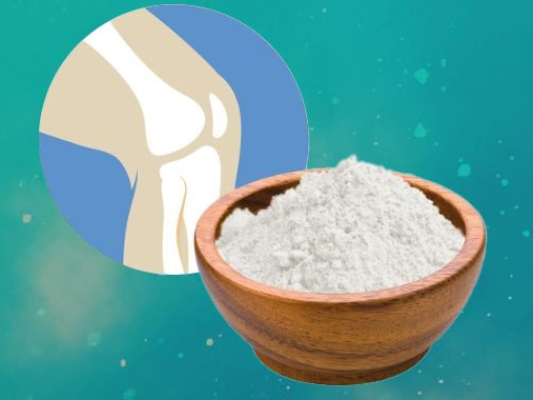
- Perfect for 5-10g/day bulk powder tubs, functional protein bars and joint health blends.
- Certified under Indonesian BPJPH Halal certificate ID00410024597950725 held directly by Xiamen Yasin
Sourced from inland aquaculture processing plants, the raw material for freshwater tilapia skin and scales, eliminated marine heavy metal bioaccumulation and volatile amine odor precursors.
- It has a higher content of hydroxyproline and more stable by thermal denaturation compared to cold-water marine species.
- Its clean and neutral sensory profile is suitable for unflavored beauty sachets and delicate fruit beverages.
- Heavy metals Pb, As, Hg, Cd, and Cr were not detected (ND) on batch COA 20260430111.
For brands requiring a wild-caught marine collagen label claim, we process North Atlantic and Pacific cod skin into both 500 Da tripeptide and 1,000–2,000 Da marine peptide grades.
- It satisfies the standards of North America and Europe for clean label marine collagen.
- Marine lipid oxidation notes have been stripped by two stage activated carbon and pearlite filtration.
- It is available with full species traceability records and health certificates for customs clearance.
Field Case & Mandatory Fish Allergen Control (FDA FALCPA & Factory OPRP2)
Deep-sea marine fish collagen triggered severe consumer allergic reactions in our drink line until we evaluated freshwater tilapia skin and scale peptides with strict fish allergen labeling. In Southeast Asia, to resolve consumer sensitivity concerns and reduce landed cost of raw materials, we switched to collagen peptide.

- Mandatory Regulatory Allergen Labeling: Contrary to the common assumption that 500 Da hydrolysis removes allergenicity, assuming low molecular weight exempts fish labeling is a critical compliance mistake. Under the United States FDA Food Allergen Labeling and Consumer Protection Act (FALCPA) and EU Regulation 1169/2011, fish of any species remains a regulated major food allergen.
- Factory OPRP2 Directive: In strict compliance with our factory’s Prerequisite Program 2 (OPRP2) on the fish collagen production line, the finished product label must contain “fish” to ensure that downstream brand owners maintain full regulatory compliance in all export markets.
Need species-specific raw material declarations for tilapia, marine cod, or Halal bovine hide?
Request Raw Material Origin Declarations & 200 g SamplesEnzymatic Cleavage, Patented Tripeptide Purification, and PEPT1 Absorption Kinetics
Converting native insoluble collagen fibrils into a bioavailable, odorless powder requires precision enzymatic engineering rather than harsh acid hydrolysis. Low-molecular-weight fish peptides turn bitter and develop a fishy smell in acidic RTD beauty shots if the manufacturer skips activated-carbon deodorization and 0.22 µm membrane filtration. Our partner collagen manufacturing facility, Dezhou Lanli Biotechnology Co., Ltd., solves this via an industrial enzymatic cleavage and membrane purification line protected by Chinese Invention Patent CN 117815753 B (Application No. ZL 2024 1 0238589.2, granted May 3, 2024).
Two-Stage Membrane Sterilization and Tripeptide Purification Ladder
Standard protease digestion yields dark pigments and bitter hydrophobic peptides, along with a broad molecular weight distribution. Our Two-Stage Membrane Sterilization and Tripeptide Purification Ladder ensures molecular weight distribution, clarity, and microbiological safety, and locks six verifiable operating stages:
-
Inspected bovine hides or fish skins/scales undergo washing, cutting, and sequence-specific protease hydrolysis under controlled temperature and pH to cleave the triple helix into target peptide lengths (2,000–3,000 Da for bovine Type I & III; 500 Da or ≥20% CTP for fish tripeptide).
-
Thermal inactivation of the enzyme stops the protease activity and leads to the termination of the hydrolysis of the peptide bonds. Stage 2, Thermal Enzyme Inactivation & Activated Carbon Deodorization: Rapid thermal inactivation halts protease activity at the exact degree of hydrolysis, followed by activated carbon adsorption and pearlite filter-aid filtration to remove lipid oxidation aldehydes and bitter amino acid terminals.
-
Specialized tangential-flow separation equipment removes high-molecular-weight polypeptides and isolates the low-molecular-weight tripeptide fraction enriched in Gly-Pro-Hyp.
-
Prior to concentration and drying, the liquid peptide stream passes through a 0.45 µm pre-filter and a 0.22 µm terminal sterilization membrane at an operating pressure of ≤0.40 MPa and flow rate of 800–1,500 L/h. This liquid-phase bioburden control stage removes microbial cells and sub-micron insoluble particulates without heat scorching.
-
Low-temperature vacuum concentration feeds a high-efficiency ISO 22000 spray drying tower, producing uniform hollow spherical powder particles with instant cold-water wettability.
-
Finished food-grade powder passes through precision vibrating screens and an inline metal detector calibrated to Fe ≤ 2.0 mm, Non-Fe ≤ 3.0 mm, and Stainless Steel (SS) ≤ 3.0 mm before moisture-barrier packaging.
PEPT1 Intestinal Absorption & Brush-Border Kinetics
The National Institutes of Health (PubMed/PMC), and Journal of Peptide Science articles describe mechanisms of proteolytic digestion on intestinal absorption of peptides, and how molecular weight influences bioavailability. While intact proteins must be digested into free amino acids, short oligopeptides use the intestinal H+/peptide cotransporter 1 (PEPT1) for absorption across the small intestine brush-border membrane.
- In porcine intestinal brush-border membrane vesicle models (Aito-Inoue et al., 2007), the collagen tripeptide Gly-Pro-Hyp is partially hydrolyzed by brush-border aminopeptidase N into glycine and the dipeptide Pro-Hyp, which is then actively transported across the intestinal brush-border membrane via PEPT1. Also, under the right conditions, brush-border aminopeptidase N can remove the first two amino acids from the tripeptide collagen tripeptide.
- In human clinical pharmacokinetic trials (Yamamoto et al., 2016, Biological and Pharmaceutical Bulletin), oral ingestion of tripeptide-enriched collagen resulted in higher plasma concentrations of Gly-Pro-Hyp, Pro-Hyp, and Hyp-Gly within 30 to 120 minutes compared to higher-molecular-weight macromolecular collagen.
- Once in the bloodstream and skin dermis, circulating Pro-Hyp and Gly-Pro-Hyp act as chemotactic signals for dermal fibroblasts to increase synthesis of collagen and secretion of hyaluronic acid.
Distinguishing Literature Test Formulations from Commercial Grades
Counter-intuitive to buyers who assume any 500 Da powder automatically guarantees 20% Gly-Pro-Hyp, an average molecular weight figure alone does not demonstrate sequence-specific tripeptide purity without reversed-phase HPLC verification. Published clinical trials evaluate experimental preparations spanning 300 Da to 600 Da with varying experimental tripeptide concentrations.
- Our commercial fish collagen tripeptide is supplied under enterprise standard Q/HBJT 0022S-2022 in two clearly separated grades: Grade 1 guarantees CTP ≥ 20% and Gly-Pro-Hyp ≥ 20 mg/g, while Grade 2 guarantees an average molecular weight of 500 Da.
- Our standard fish collagen peptide is controlled at 1,000–2,000 Da, and our bovine hide Type I & III collagen peptide is controlled at 2,000–3,000 Da under GB 31645-2018.
- Each sample shipment contains batch HPLC molecular weight chromatograms that allow your R&D team to match clinical dosage targets to exact commercial active markers.
"Many ingredient brokers sell standard 3,000 Da hydrolyzed fish powder under a tripeptide label without running a single HPLC column for Gly-Pro-Hyp. By combining our patented CN 117815753 B purification line with 0.45 µm and 0.22 µm membrane filtration at ≤0.40 MPa, we give formulators verifiable GPH ≥ 20 mg/g or 500 Da molecular weight profiles alongside 10–20 CFU/g microbiological cleanliness."
Technical Specifications: CTP, Gly-Pro-Hyp, and Molecular Weight Grades
To prevent specification ambiguity during procurement audits, we separate our Q/HBJT 0022S-2022 Fish Collagen Tripeptide Grade 1, Fish Collagen Tripeptide Grade 2, standard Fish Collagen Peptide (1,000–2,000 Da), and GB 31645-2018 Bovine Hide Type I & III Collagen Peptide (2,000–3,000 Da) into distinct specification columns. All values below reflect our official specification sheets and verified batch Certificates of Analysis (Lot 20260430111 for fish model LLCP-FS-G and Lot 20260917121 for bovine model LLCP-BS-G).
| Analytical Parameter | Test Method & Actual Lot COA Result | |||
|---|---|---|---|---|
| Product Model & Biological Source | LLCP-FS-CTP1 · Fish skin or fish scale (tilapia / marine cod) | LLCP-FS-CTP2 · Fish skin or fish scale (tilapia / marine cod) | LLCP-BS-G · Fresh bovine hide (co-extracted Type I and III) | Raw material quarantine & species traceability audit |
| Average Molecular Weight | Low-MW tripeptide-enriched distribution (<1,000 Da dominant) | 500 Da (500 Daltons average molecular weight) | 2,000–3,000 Da (<10,000 Da peptide fraction ≥ 90.0%) | GB 31645-2018 Annex A (GPC-HPLC) · Bovine Lot: 2,000–3,000 Da |
| Collagen Tripeptide (CTP) Content | CTP ≥ 20.0% | Controlled via 500 Da average MW specification | Polypeptide matrix (standard hydrolyzed collagen peptide) | Q/HBJT 0022S-2022 size-exclusion HPLC |
| Gly-Pro-Hyp (GPH) Tripeptide Marker | GPH ≥ 20 mg/g (≥ 2.0% dry basis) | Present within 500 Da oligopeptide fraction | Intact Gly-X-Y oligopeptide chains | Q/HBJT 0022S-2022 reversed-phase HPLC quantification |
| Protein Content (Dry Basis, N × 5.79) | ≥ 90.0% (Standard) · Verified COA: 99.0% | ≥ 90.0% (Standard) · Verified COA: 99.0% | ≥ 90.0% (Standard) · Verified COA: 98.4% | GB 5009.5-2025 Kjeldahl method (Collagen factor 5.79) |
| Total Nitrogen & Hydroxyproline | Total N ≥ 15.0 g/100g (COA: 17.1 g/100g) · Hyp ≥ 3.0% | Total N ≥ 15.0 g/100g (COA: 17.1 g/100g) · Hyp ≥ 3.0% | Total N ≥ 15.0 g/100g (COA: 17.0 g/100g) · Hyp ≥ 3.0% | GB 5009.5-2025 & GB/T 9695.23 hydroxyproline assay |
| Moisture & Ash Content | Moisture ≤ 7.0% (COA: 4.98%) · Ash ≤ 7.0% (COA: 1.2%) | Moisture ≤ 7.0% (COA: 4.98%) · Ash ≤ 7.0% (COA: 1.2%) | Moisture ≤ 7.0% (COA: 3.76%) · Ash ≤ 7.0% (COA: 1.3%) | GB 5009.3-2016 (Moisture) & GB 5009.4-2016 (Ash) |
| pH (10% Aqueous Solution) & Bulk Density | pH 5.0–7.5 (COA: 6.11) · Bulk density 0.25–0.45 g/mL (COA: 0.35 g/mL) | pH 5.0–7.5 (COA: 6.11) · Bulk density 0.25–0.45 g/mL (COA: 0.35 g/mL) | pH 5.0–7.5 (COA: 5.96) · Bulk density 0.25–0.50 g/mL (COA: 0.37 g/mL) | GB/T 22427.10 (pH meter) & USP/EP tapped density cylinder |
| Heavy Metals (Pb, As, Hg, Cd, Cr) | Pb ≤0.9, As ≤1.0, Hg ≤0.1, Cd ≤0.1, Cr ≤2.0 mg/kg | Pb ≤0.9, As ≤1.0, Hg ≤0.1, Cd ≤0.1, Cr ≤2.0 mg/kg | Pb ≤0.9, As ≤1.0, Hg ≤0.1, Cd ≤0.1, Cr ≤2.0 mg/kg | GB 5009.12-2023, GB 5009.11-2024, GB 5009.17-2021, GB 5009.15-2023, GB 5009.123-2023 · Both COAs: ND |
| Microbiology (Food-Grade Powder Release) | Aerobic Plate Count: m=1,000, M=30,000 CFU/g · Coliforms: m=10, M=100 CFU/g | Aerobic Plate Count: m=1,000, M=30,000 CFU/g · Coliforms: m=10, M=100 CFU/g | Aerobic Plate Count: m=1,000, M=30,000 CFU/g · Coliforms: m=10, M=100 CFU/g | GB 4789.2-2022 (COA: 10–20 CFU/g) & GB 4789.3-2025 (<10 CFU/g) |
| Pathogens (Salmonella & S. aureus) | Negative / Not Detected in 25 g (n=5, c=0, m=0) | Negative / Not Detected in 25 g (n=5, c=0, m=0) | Negative / Not Detected in 25 g (n=5, c=0, m=0) | GB 4789.4-2024 (Salmonella) & GB 4789.10-2016 (S. aureus) |
| Standard Packaging & Shelf Life | 10 kg/carton with inner food-grade PE moisture barrier · 24-month shelf life | 10 kg/carton with inner food-grade PE moisture barrier · 24-month shelf life | 20 kg/bag kraft paper bag with inner PE liner · 24-month shelf life | Sealed storage in cool, dry warehouse (≤25 °C, low ambient humidity) |
VERIFIED LOT COA DATA · LLCP-FS-G & LLCP-BS-G
Fish Lot 20260430111
99.0% Protein
17.1 × 5.79 · CTP ≥ 20.0% · GPH ≥ 20 mg/g
Bovine Lot 20260917121
98.4% Protein
17.0 × 5.79 · 2,000–3,000 Da (≥90% <10 kDa)
Heavy Metals (GB 5009)
ND (All 5 Elements)
Pb, As, Hg, Cd, Cr · Moisture 4.98% / 3.76%
Microbiology (GB 4789)
10–20 CFU/g APC
Coliforms <10 CFU/g · Pathogens Negative/25 g
Want to inspect our original signed PDF Certificates of Analysis for Bovine Lot 20260917121 and Fish Lot 20260430111?
Request 200 g Free Evaluation Sample + Batch COA & HPLC Molecular Weight ProfileWhy Nitrogen Conversion Factor 5.79 Matters on Your COA
When auditing a collagen peptide Certificate of Analysis (COA), quality managers frequently ask why dry-basis protein reaches 98.4% to 99.0% while generic dairy proteins use a 6.25 multiplier. Under China National Food Safety Standard GB 5009.5-2025, collagen and gelatin contain a uniquely high proportion of nitrogen-rich glycine, proline, and hydroxyproline, mandating a dedicated Kjeldahl nitrogen-to-protein conversion factor of 5.79 (or 5.55 for pure gelatin).
- On our Fish Collagen Peptide COA (Batch 20260430111), measured Total Nitrogen is 17.1 g/100g, yielding 17.1 × 5.79 = 99.0% protein on dry basis.
- On our Bovine Collagen Peptide COA (Batch 20260917121), measured Total Nitrogen is 17.0 g/100g, yielding 17.0 × 5.79 = 98.4% protein on dry basis.
- Using the generic food multiplier of 6.25 on collagen overstates apparent protein above true dry weight, whereas our 5.79 factor provides true collagenous peptide purity.
Interpreting Heavy Metal "ND" Results & Standard Fish Peptide (1,000–2,000 Da)
In analytical reporting, for laboratory tests, "ND" does not mean Absolute Zero. Every ISO 22000 batch COA explicitly states both the GB 5009 method number and the maximum statutory threshold.
- Lead (Pb ≤ 0.9 mg/kg per GB 5009.12-2023), Total Arsenic (As ≤ 1.0 mg/kg per GB 5009.11-2024), Total Mercury (Hg ≤ 0.1 mg/kg per GB 5009.17-2021), Cadmium (Cd ≤ 0.1 mg/kg per GB 5009.15-2023), and Chromium (Cr ≤ 2.0 mg/kg per GB 5009.123-2023) all tested ND on both reference batches.
- For formulators who do not require 500 Da tripeptide kinetics, we also supply standard Fish / Marine Collagen Peptide controlled at 1,000–2,000 Da in 20 kg bags under GB 31645-2018.
Formulation Performance: 500 Da Fish Tripeptide vs. 2,000–3,000 Da Bovine Type I & III Peptides
Choosing between 500 Da fish collagen tripeptide and 2,000–3,000 Da bovine Type I & III collagen peptide comes down to your dosage format, daily serving size budget, and beverage clarity threshold. While bovine peptides deliver high gram-weight protein nutrition at an economical price per kilogram, fish collagen tripeptides enable ultra-compact daily servings in beauty shots, capsules, and tablets.
| Formulation Dimension | |||
|---|---|---|---|
| Target Daily Dosage in Finished Product | 1.0–2.5 g/day (supported by human skin hydration and anti-wrinkle effects trials) | 2.5–5.0 g/day for marine beauty powders and stick packs | 5.0–10.0 g/day for multi-collagen canisters, smoothies, and functional foods |
| Acidic Beverage Clarity (pH 3.2–4.2 RTD Shots) | Optically clear in concentrated beauty shots; zero post-pasteurization sediment | Clear in standard RTD beauty drinks and fruit beverages | Clear in neutral to mildly acidic mixes; suited for powder tubs, coffee creamers, and bars |
| Cold-Water Wetting & Dissolution Time | Instant dispersion (<15 seconds in 10 °C water without mechanical high-shear mixing) | Rapid dissolution (<25 seconds) with low surface foaming | Agglomerated/spray-dried hollow granules dissolve cleanly in hot or cold liquids |
| Hygroscopicity & Powder Handling | High exposed hydrophilic terminals require dehumidified filling rooms and 10 kg barrier cartons | Moderate moisture sensitivity; packed in 20 kg lined kraft bags | Low hygroscopicity; excellent compressibility and flowability in 20 kg kraft bags |
| Primary Consumer Health Positioning | Facial skin hydration, skin barrier function, uvb-induced skin aging & skin wrinkle defense | Clean-label marine skin care, hair, and nail collagen supplementation | Dermal collagen and elastin support, connective tissue, bone, and joint health |
| Indicative Cost per Daily Effective Serving | 1.5 g/day × USD 10–15/kg = USD 0.015–0.0225 per daily dose | 3.5 g/day × USD 10–12/kg = USD 0.035–0.042 per daily dose | 6.0 g/day × USD 6.5–8/kg = USD 0.039–0.048 per daily dose |
Formulation Advisory: Cost-per-Serving Parity & Hygroscopic Caking Prevention
Buyers often assume fish collagen tripeptide (USD 10–15/kg) is costlier to formulate than bovine Type I & III collagen (USD 6.5–8/kg), but in reality evaluating raw powder price per kilogram alone is the wrong call. Because human clinical studies on skin moisture, transepidermal water loss, and skin roughness validate 1.0–2.5 g/day of collagen tripeptide supplement versus 5.0–10.0 g/day of standard collagen, the active ingredient cost per daily serving is lower for fish tripeptide ($0.015–$0.023/dose vs. $0.039–$0.048/dose) while fitting into two capsules or a 30 mL glass beauty ampoule.
- Preventing Hygroscopic Caking in 500 Da Powders: Ultra-low molecular weight 500 Da peptide powder is highly hygroscopic and cakes inside stick-pack augers if shipped in unlined bags instead of moisture-barrier 10 kg cartons.
- Why We Pack Tripeptide in 10 kg Cartons: Because cleaving collagen down to 500 Da exposes three times as many polar amino and carboxyl end-groups as a 3,000 Da peptide, we package Fish Collagen Tripeptide in 10 kg rigid cartons with heat-sealed food-grade PE moisture-barrier liners and advise contract manufacturers to use dehumidified rooms during stick-pack or tablet filling.
Bulk Pricing Drivers, MOQ, Lead Times, and Packaging Specifications
Unit FOB and CIF pricing is determined by raw material track (bovine hide vs. freshwater tilapia vs. deep-sea cod), specification grade (Grade 1 CTP ≥20% / GPH ≥20 mg/g vs. Grade 2 500 Da vs. 2,000–3,000 Da peptide), order volume tier (500 kg pilot lot vs. 5-ton to 20-ton full container load), and destination port freight. All commercial parameters below are confirmed factory commitments from Xiamen Yasin Industry & Trade Co., Ltd.
Confirmed MOQ, Indicative FOB Prices & 10-Day Lead Time
We support both emerging nutraceutical brands running 500 kg pilot launches and multinational food corporations booking ISO 22000 multi-container annual supply agreements:
- Indicative bulk FOB price benchmarks are USD 10–15/kg for fish (marine) collagen grades and USD 6.5–8/kg for bovine collagen peptides.
- Minimum order quantity is 500 kg for both Fish Collagen Tripeptide (10 kg/carton) and Bovine Type I & III Collagen Peptides (20 kg/bag).
- Free evaluation samples up to 200 g are available for collagen peptides and collagen tripeptide, allowing your lab to verify solubility, sensory neutrality, and HPLC molecular weight before placing an order.
- Quotes and grade recommendations are returned within 24 hours on business days.
- Standard collagen peptide and collagen tripeptide orders ship within 10 days after order confirmation (compared to 20 days for food and pharmaceutical gelatin lines), backed by 19,000 tons of annual collagen peptide capacity.
Payment Terms, Incoterms & Export Shipping Records
Our Xiamen International Trade Desk manages customs quarantine, vet health certs and logistics by sea or air to North, South and Central America, South East Asia and Oceania, Japan, Korea and the Middle East.
- We accept T/T and L/C payment terms, with O/A terms available for qualified long-term VIP buyers.
- We ship under FOB and CIF Incoterms from Xiamen, China, with air courier dispatch available for urgent trial lots.
- Sample packages ship with a batch Certificate of Analysis (COA) and Technical Data Sheet (TDS) for formulation testing.
- Every shipment is accompanied by a batch Certificate of Analysis (COA), Technical Data Sheet (TDS), commercial invoice, packing list, and bill of lading, plus Halal, Health, and Origin certificates as required by destination customs.
Comparing per-dose costs for a new beauty drink, capsule, or powder canister?
Request Bovine Type I & III vs. Fish Collagen Tripeptide Formulation Comparison Sheet & Get a 24-Hour QuoteQuality Control, Membrane Sterilization, and Global Food Safety Certifications
International dietary supplement and functional beverage brands require verifiable chain-of-custody between the exporting legal entity and the physical production line. Customers shipping to Indonesia and the Middle East experience blocked shipments because the trading company’s name is absent on the BPJPH/MUI Halal certificates and/or the plant lacks a BRCGS Grade A+ audit. We have full traceability of certificates across our Xiamen export headquarters and our collagen manufacturing plant, and paired with lot-by-lot testing in our CNAS accredited laboratory.
| Certification / Patent / Audit Scope | Certificate / Patent Number | Certifying Authority & Validity | Certified Legal Entity & Covered Product Scope |
|---|---|---|---|
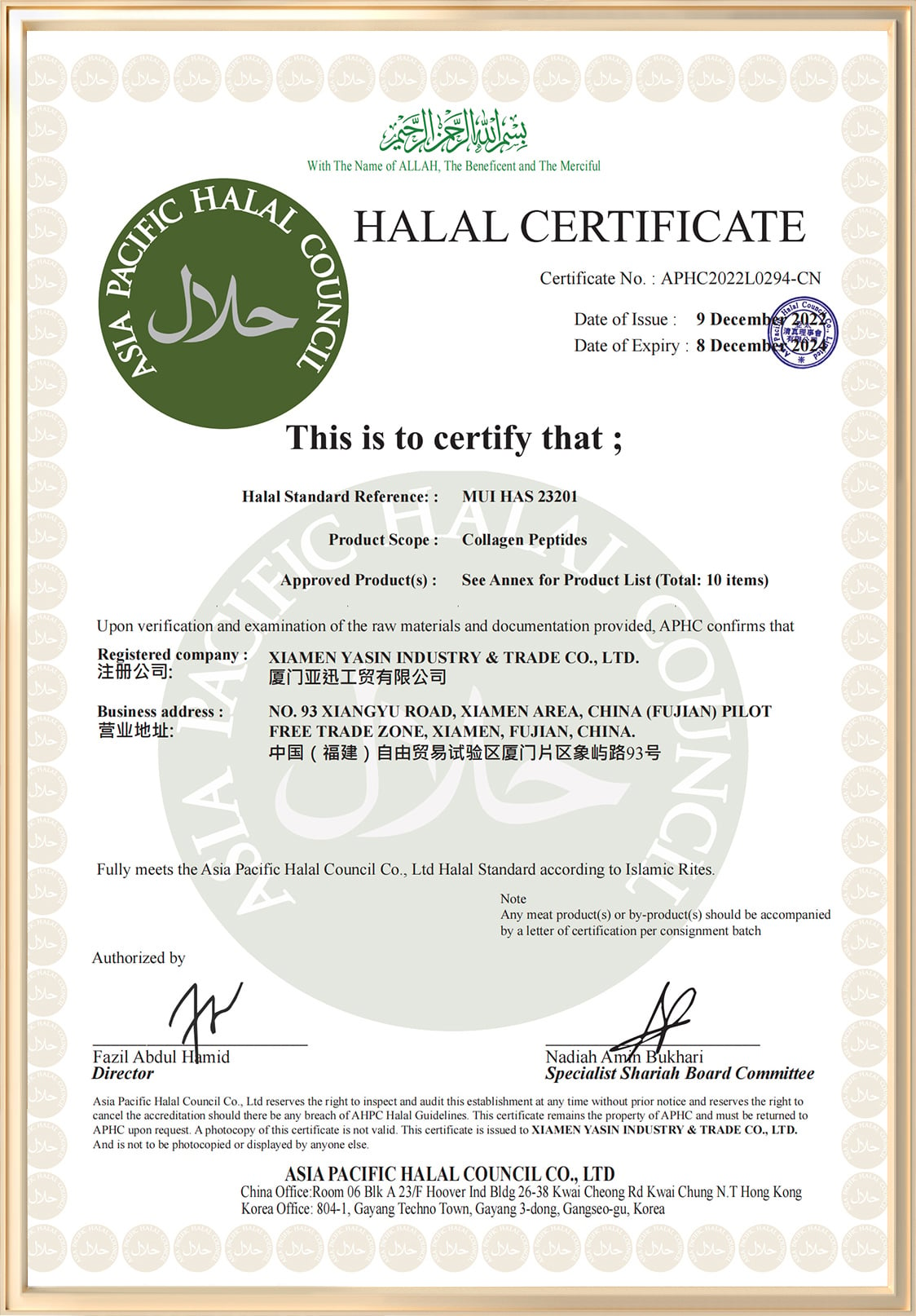
| Indonesian BPJPH / MUI Halal Certificate | ID00410024597950725 (MUI Decree: MUI-SI-003164440725) | BPJPH & Majelis Ulama Indonesia (Issued July 23, 2025) | Xiamen Yasin Industry & Trade Co., Ltd. · Explicitly covers Gelatin and Collagen for Halal export markets |
| BRCGS Food Safety Issue 9 (Grade A+) | BRC Site Code: 1513317 · Audit Ref: SZ017/26/01 | SGS United Kingdom Ltd (Unannounced Audit · Valid to July 6, 2027) | Dezhou Lanli Biotechnology Co., Ltd. (Partner Collagen Plant) · Scope: Collagen peptides & marine fish oligopeptide powder |
| ISO 22000:2018 Food Safety Management | 002FSMS2300160 | CQM Certification (Valid to June 12, 2029) | Dezhou Lanli Biotechnology Co., Ltd. · Explicitly includes bovine collagen peptide, fish collagen peptide, and fish collagen tripeptide |
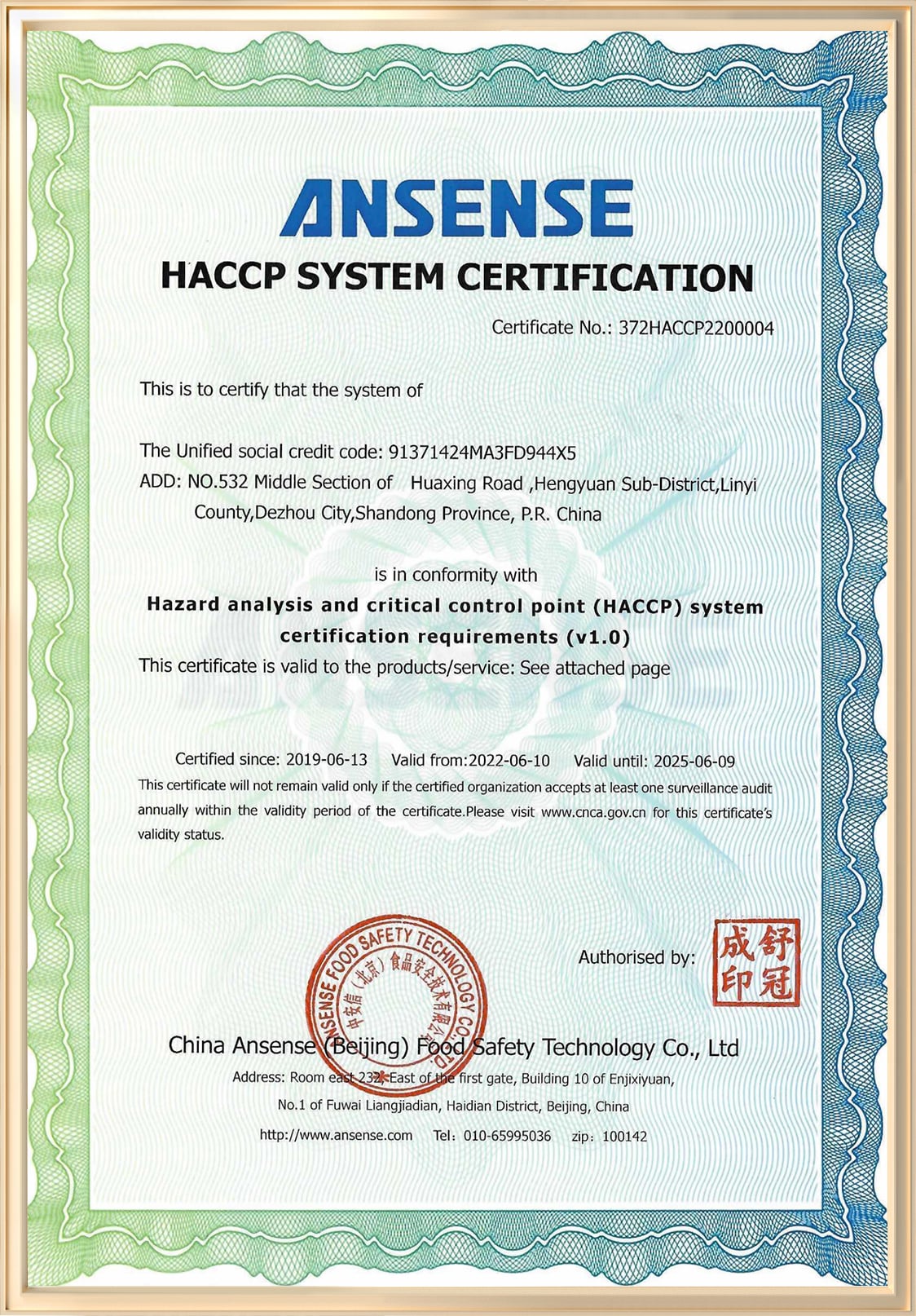
| HACCP Hazard Analysis & Critical Control | 002HACCP2300142 | CQM Certification (Valid to June 12, 2029) | Dezhou Lanli Biotechnology Co., Ltd. · Covers enzymatic hydrolysis, 0.45/0.22 µm filtration, spray drying, and metal detection |
| Kosher Certification | Annual Kosher Certificate | Adas Harabonim of Philadelphia (Valid through Dec 31, 2026) | Dezhou Lanli Biotechnology Co., Ltd. · Kosher certified fish and plant peptide processing lines |
| Patented Fish Collagen Tripeptide Separation | CN 117815753 B (ZL 2024 1 0238589.2 · Cert. 6970265) | China National Intellectual Property Administration (Granted May 3, 2024) | Dezhou Lanli Biotechnology Co., Ltd. · Invention patent for fish collagen tripeptide separation and purification equipment and method |
In-Process CCP1 Membrane Sterilization vs. Final Food-Grade Release
Enzymatic hydrolysis lines run 0.45 µm and 0.22 µm membrane filtration sterilization (≤ 0.40 MPa, 800–1,500 L/h) at Critical Control Point 1 (CCP1) and metal detection (Fe ≤ 2.0 mm, Non-Fe ≤ 3.0 mm, SS ≤ 3.0 mm) at Critical Control Point 2 (CCP2).
- Quality auditors should note that 0.45 µm and 0.22 µm membrane filtration at CCP1 is an in-process liquid bioburden control stage performed prior to concentration and spray drying, and is not a substitute for finished powder microbiological testing.
- Finished products are food-grade powder ingredients (not pharmacopeial sterile injectable preparations) and are released against strict food safety microbiological limits under GB 31645-2018 and Q/HBJT 0022S-2022.
- Every batch is tested to GB 4789.2-2022 for Aerobic Plate Count (n=5, c=2, m=1,000, M=30,000 CFU/g; actual COA measured 10–20 CFU/g) and GB 4789.3-2025 for Coliforms (n=5, c=2, m=10, M=100 CFU/g; actual COA measured <10 CFU/g). <10 CFU/g). <10 CFU/g).
CNAS-Accredited Laboratory & Batch-to-Batch Consistency
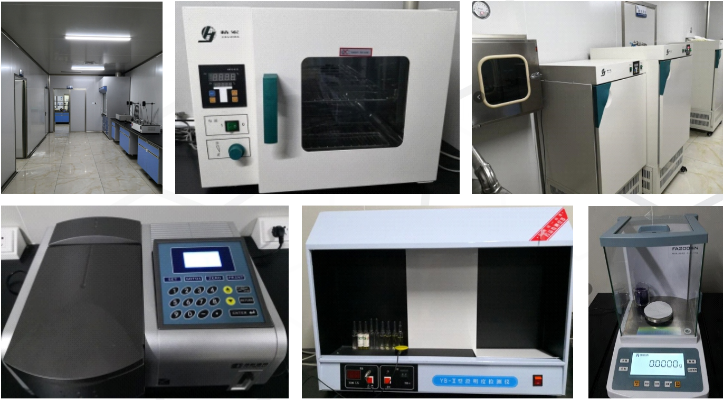
Collagen peptide batches are tested to national standard GB 31645-2018 and enterprise tripeptide standard Q/HBJT 0022S-2022 before warehouse release. Our quality control laboratory performs full spectrum analysis on every production lot:
- Gel Permeation Chromatography (GPC-HPLC) and reversed-phase HPLC verify molecular weight distribution (500 Da or 2,000–3,000 Da), CTP percentage (≥20%), and Gly-Pro-Hyp content (≥20 mg/g).
- Atomic absorption and ICP-MS instruments verify Pb, As, Hg, Cd, and Cr compliance prior to issuing the lot Certificate of Analysis (COA).
- Retained batch samples are archived for 24 months to provide full post-shipment traceability.
Conducting a vendor quality audit for Indonesian Halal, BRCGS Grade A+, or ISO 22000 compliance?
Verify Our Indonesian BPJPH/MUI Halal (ID00410024597950725) & BRCGS Grade A+ (1513317) Audit Dossier