
Get in touch with Xiamen Yasin Industry & Trade Co., Ltd.

Gelatin for Wine Fining and Beverage Clarification Solutions
Written engineering quote within 24 hours Free 500 g gelatin & 200 g peptide lab samples Beverage grade 80–120 Bloom (±10 Bloom) & 2.0–2.5 mPa·s per GB 6783-2013 20 days gelatin & 10 days peptide dispatch from 500 kg MOQ
Xiamen Yaxun Industry & Trade Co., Ltd. (Yasin) manufactures food-grade gelatin for wine fining, juice clarification, cider polishing, and beer stabilization. Established in September 2009 with manufacturing roots dating back to 1986, our facility operates 26,000 tons of annual gelatin capacity and 19,000 tons of collagen peptides. Every lot is verified in our CNAS-accredited laboratory for Bloom strength using a 6.67% gel, viscosity at 60 °C, sulfur dioxide, iron, and OIV heavy metal limits before export.
Free evaluation samples up to 500 g for wine fining gelatin and 200 g for plant or collagen peptides dispatch upon specification confirmation with a batch-matched CNAS Certificate of Analysis (COA).
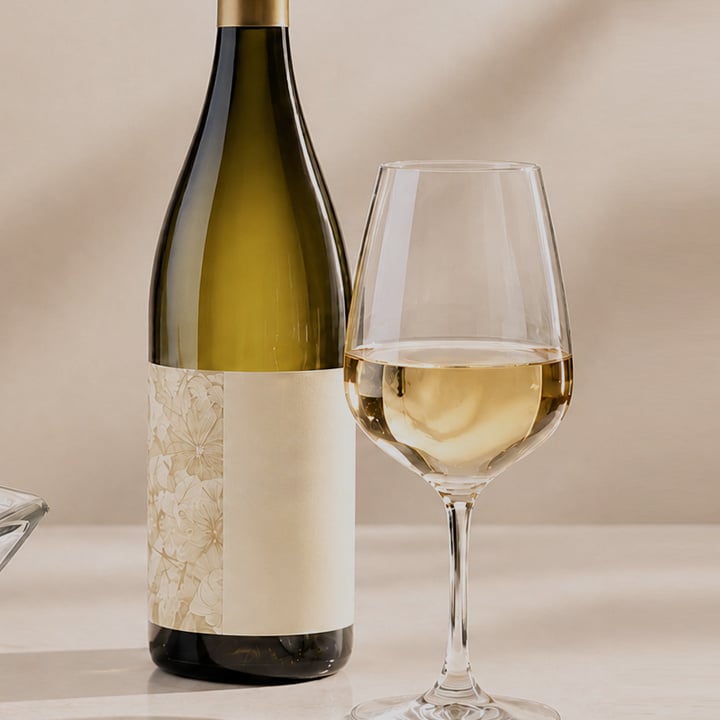
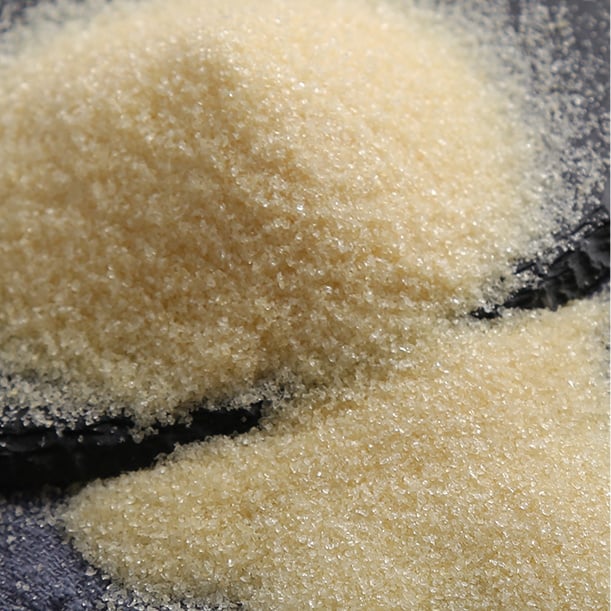
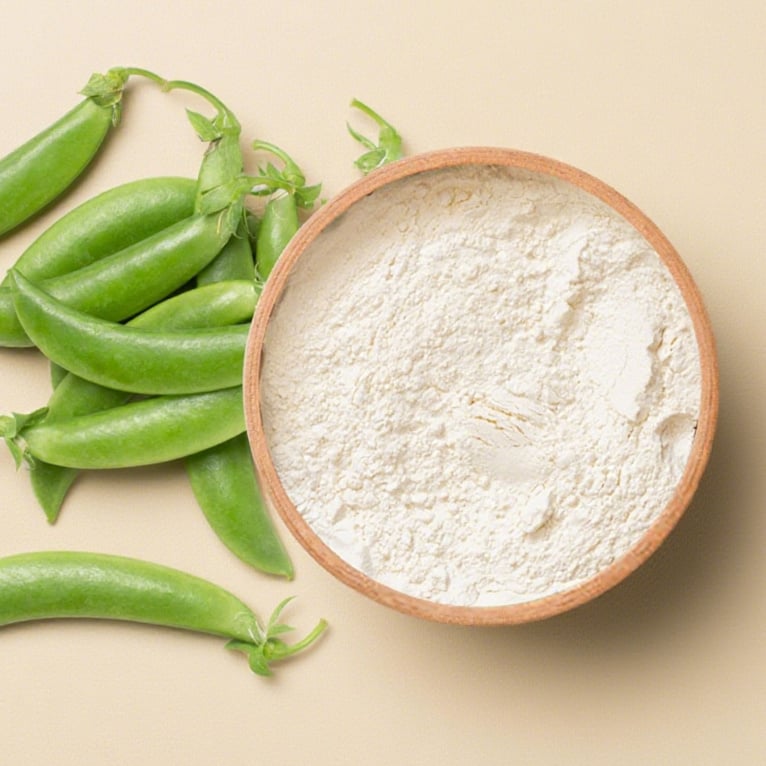
Beverage Fining Bloom Range80–120 Bloom low-Bloom clarification grade held to ±10 Bloom; 120–300 Bloom additional bovine hide grades
6.67% Solution Viscosity2.0–2.5 mPa·s at 60 °C for 80–120 Bloom fining gelatin per GB 6783-2013 (full range 2.0–5.0 mPa·s)
Halal, Kosher & Plant OptionsBovine hide gelatin, 150–250 Bloom tilapia fish gelatin, and <1,000 Da hydrolyzed pea peptides
MOQ & Packaging500 kg per grade in 25 kg multi-wall kraft paper bags, 1,000 kg bulk bags, or 20 kg peptide bags
Delivery Lead Time20 days for wine fining and beverage gelatin and 10 days for peptide grades
Reference FOB/CIF Pricing$5.00–$8.00/kg food-grade gelatin; $6.50–$8.00/kg bovine peptides; $10.00–$15.00/kg fish peptides
Enological Gelatin and Beverage Fining Manufacturing Capabilities
Winemaking and commercial juice processing demand a fining agent with predictable positive electrostatic charge behavior. At beverage pH 3.0–3.8, our enological gelatin carries a net positive charge and complexes with phenolic compounds and polymerized condensed tannins through hydrogen bonding, hydrophobic interactions, and electrostatic attraction. Automated extraction, membrane filtration, sterilization, and spray-drying lines deliver 26,000 tons of annual gelatin capacity, 19,000 tons of collagen peptides, and 8.5 billion empty capsule shells.
A common misconception in bulk ingredient purchasing is that higher Bloom (240–300 Bloom) always delivers better beverage clarification. Contrary to the common assumption, in reality 250 Bloom confectionery gelatin can cause localized gelation if injected into cold 10–15 °C cellar tanks without proper warm-water dilution, and any gelatin grade can strip red wine color if overdosed. Unlike commodity blends, our dedicated 80–120 Bloom (±10 Bloom) bovine hide fining grade maintains a low 2.0–2.5 mPa·s viscosity at 6.67% and 60 °C.
Red Wine Astringency Softening & Polyphenol Polishing
Our 80–120 Bloom bovine hide gelatin powder preferentially binds harsh polymerized condensed tannins (1,500–5,000 Da) in red wine to reduce astringency and bitterness. Dosed across 3–24 g/hL (30–240 mg/L per AWRI and Ribéreau-Gayon Handbook of Enology, Volume 2) after fermentation and calibrated via 100 mL bench trials, it precipitates coarse phenolic fractions into compact sediment while minimizing color loss before bottle aging.
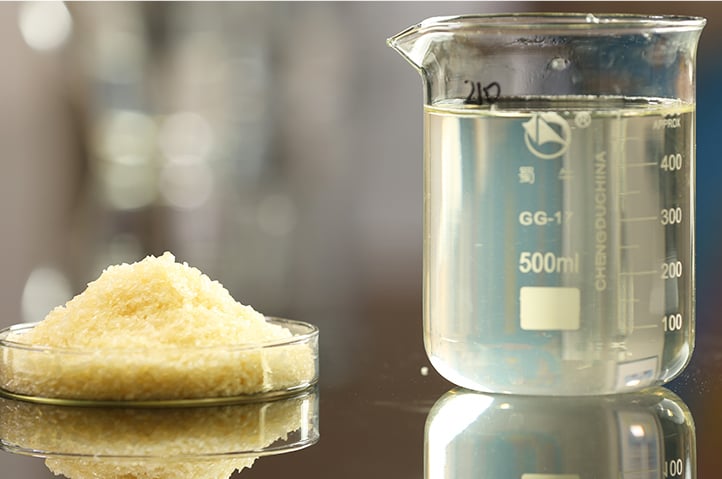
White Must Flotation & Silica Sol Counter-Fining
Cellar operators often recall how they added gelatin to clarify a low-tannin white wine without counter-fining and ended up with a worse suspended protein haze that wouldn’t drop until we dosed Kieselsol. Mastering the fining wine with gelatin ratio across 1.5–12 g/hL (15–120 mg/L) by pairing our low bloom gelatin powder with anionic colloidal silica sol (Kieselsol) cross-links residual gelatin and suspended yeast into fast-settling lees.
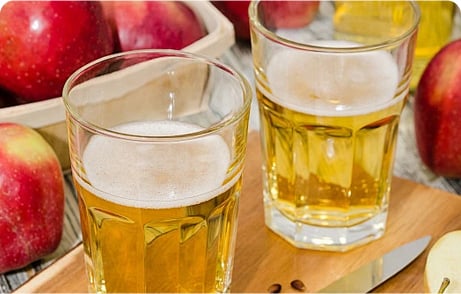
Apple Juice, Berry Juice & Craft Cider Clarification
Fruit juice processors dose our 80–120 Bloom or 120–180 Bloom gelatin at 2–12 g/hL after pectinase depectinization to clarify raw pressed juice. The positively charged gelatin chains sweep out procyanidin haze precursors so that, when combined with downstream filtration and microbial stabilization, bottled juice and cider resist polyphenol sediment.
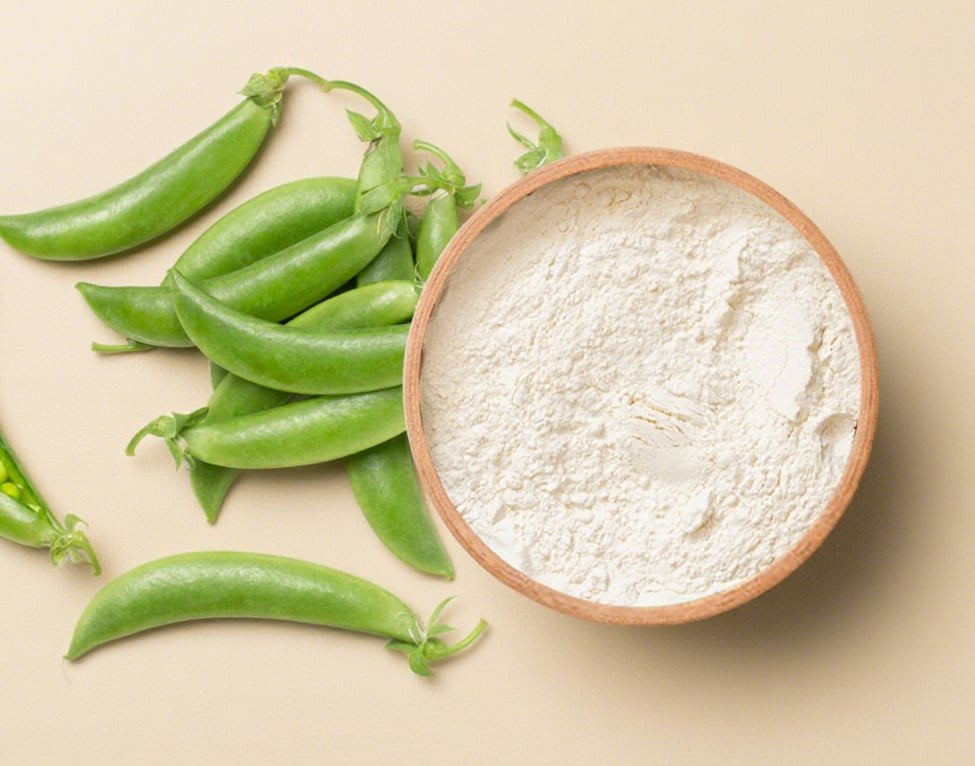
Clear Beverage Pea Peptides (<1,000 Da) & Fish Gelatin Lines
For wineries and beverage brands seeking non-mammalian fining or plant-based protein fortification, we co-manufacture 150–250 Bloom single-species freshwater tilapia fish gelatin alongside <1,000 Da hydrolyzed pea peptides. While fish gelatin serves as an animal fining agent, our <1,000 Da pea peptides dissolve directly in cold water (10–20 °C) without gelling or forming flocculant lees, eliminating plant protein turbidity in clear vegan beverages.
In-House Extraction, Hydrolysis & CNAS Testing Infrastructure
- Collagen extraction, controlled acid/alkaline hydrolysis, membrane filtration, sterilization, drying, and CNAS-accredited laboratory release testing are completed in-house.
- Available powder and granule cuts across standard GB 6783-2013 sieve apertures are confirmed on your written quotation.
- In-house CNAS laboratory verifying Bloom strength (tested on a 6.67% gel) (10 °C, 17 h), 60 °C pipette viscosity, aqueous transmittance, sulfur dioxide (SO2), iron (Fe), heavy metals, and microbiology per GB 6783-2013 and OIV COEI-1-GELATI.
Our reported 2.0–2.5 mPa·s viscosity (80–120 Bloom grade) is measured on a standardized 6.67% (w/w) aqueous gelatin solution at 60 °C per GB 6783-2013; actual flocculation speed and lees compaction in your cellar depend on your beverage pH (3.0–3.8), cellar temperature (10–15 °C), and native polyphenol or counter-fining silica sol concentration.
Gelatin and Plant Peptide Grades for Wine, Juice, Cider, and Beer Clarification
Our Xiamen production base manufactures eight distinct protein product categories corresponding to the eight cards below: low-Bloom beverage clarification bovine hide gelatin, Type A acid-processed gelatin, Type B alkali-processed bovine hide and bone gelatin, freshwater tilapia fish skin gelatin, hydrolyzed pea protein peptides, cold-soluble bovine and marine collagen peptides, pre-weighed leaf gelatin sheets, and enzymatic wheat, soy, corn, and rice peptides. Every lot is produced under ISO 22000, FSSC 22000, BRC, GMP, and HACCP systems and ships with a batch-matched CNAS COA.
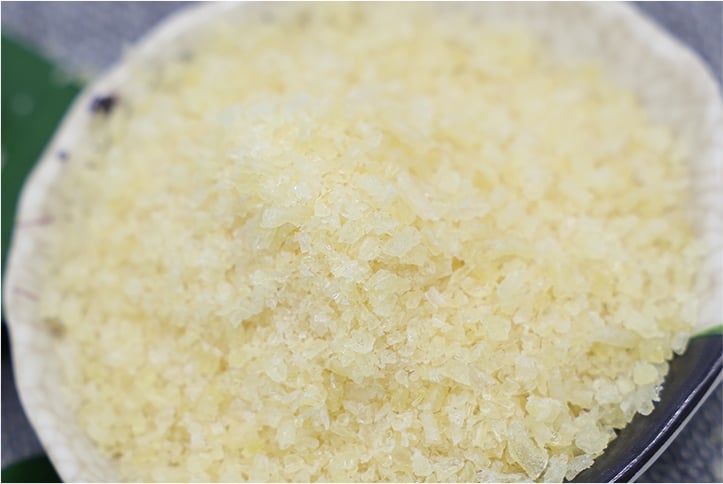
1. Low-Bloom Beverage Clarification Bovine Hide Gelatin (80–120 Bloom)
| Grades | 80–120 Bloom (±10 Bloom lot consistency), 2.0–2.5 mPa·s viscosity (6.67%, 60 °C) per GB 6783-2013 |
| Why winemakers pick it | Low viscosity dissolves cleanly at 40–50 °C as a 50 g/L aqueous stock solution without clumping in cold 10–15 °C red wine, white wine, juice, or cider tanks. |
| Dosage & packaging | 1–15 g/hL (10–150 mg/L); 25 kg kraft paper bags or 1,000 kg bulk bags (500 kg MOQ) |
| Reference FOB/CIF price | $5.00–$8.00/kg |
| Delivery lead time | 20 days |
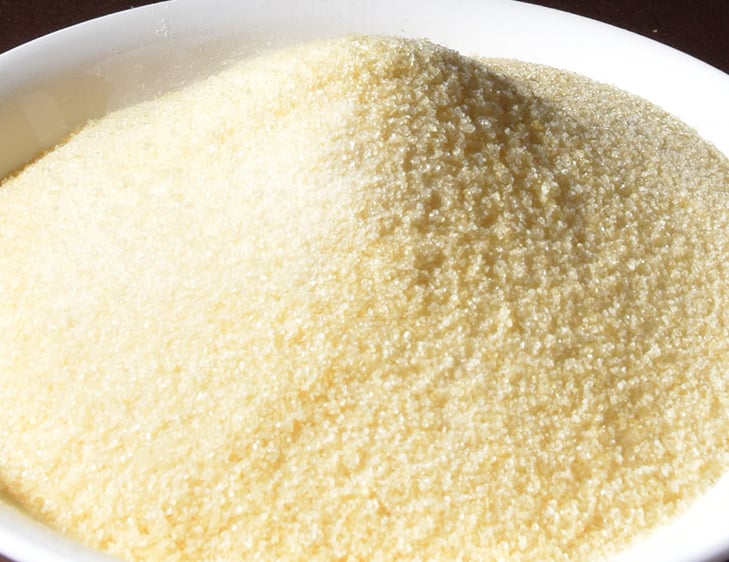
2. Type A Acid-Processed Gelatin (Isoelectric Point pH 7.0–9.0)
| Grades | 120–300 Bloom, 2.0–3.5 mPa·s viscosity (6.67%, 60 °C), Isoelectric Point (pI) pH 7.0–9.0 per GB 6783-2013 & GME |
| Why winemakers pick it | Isoelectric point pH 7.0–9.0 maintains a net positive charge across wine pH 3.0–3.8 to support interaction with polyphenols and anionic silica sol during must flotation and press-fraction fining. |
| Dosage & packaging | 2–12 g/hL (20–120 mg/L); 8–100 mesh powder in 25 kg kraft paper bags |
| Reference FOB/CIF price | $5.00–$8.00/kg |
| Delivery lead time | 20 days |
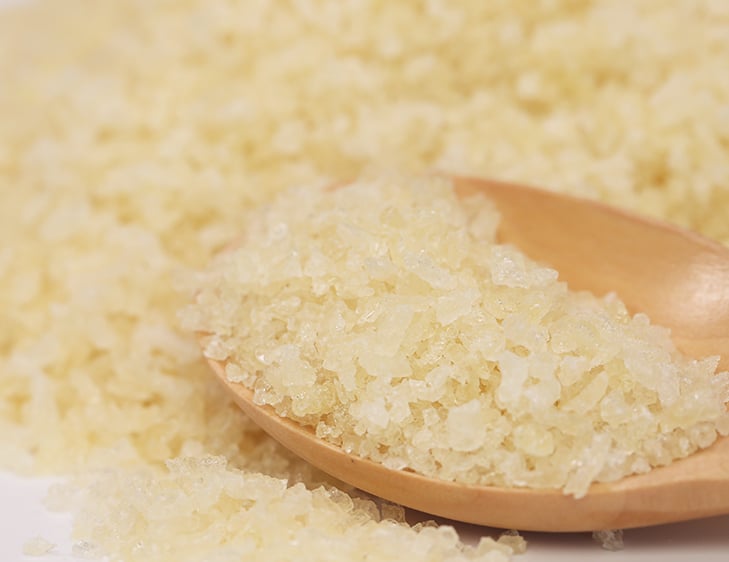
3. Type B Alkali-Processed Bovine Hide & Bone Gelatin
| Grades | 150–250 Bloom, 3.5–5.0 mPa·s (bovine hide) and 3.5–4.6 mPa·s (bovine bone), Isoelectric Point (pI) pH 4.7–5.4 per GB 6783-2013 |
| Why winemakers pick it | Isoelectric point pH 4.7–5.4 provides a net positive charge at pH 3.0–3.8 with higher solution viscosity for tannin-rich red wine and apple cider polyphenol flocculation. |
| Dosage & packaging | 3–15 g/hL (30–150 mg/L); 8–100 mesh granules in 25 kg kraft paper bags |
| Reference FOB/CIF price | $5.00–$8.00/kg |
| Delivery lead time | 20 days |
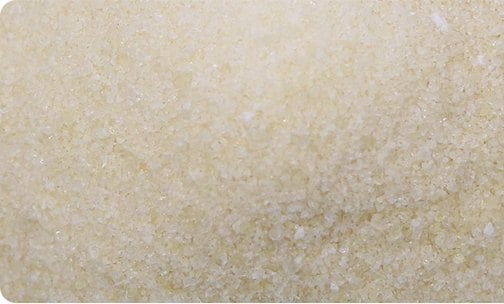
4. Freshwater Tilapia Fish Skin Gelatin (Halal, Kosher & Isinglass Alternative)
| Grades | 150–250 Bloom, 2.1–4.8 mPa·s viscosity (6.67%, 60 °C) per GB 6783-2013 from single-species freshwater tilapia |
| Why winemakers pick it | Provides a non-mammalian alternative to sturgeon isinglass for white wine and craft beer clarification with MUI/BPJPH/HFC Halal and Kosher certification. |
| Dosage & packaging | Calibrated via 100 mL bench trials across 2–12 g/hL (20–120 mg/L); 8–100 mesh in 25 kg kraft paper bags |
| Reference FOB/CIF price | $5.00–$8.00/kg |
| Delivery lead time | 20 days |
5. Hydrolyzed Pea Protein Peptide (<1,000 Da Clear Vegan Beverage Grade)
| Grades | Average molecular weight <1,000 Da (0 Bloom gelling power, moisture ≤7.0 g/100 g, ash ≤2.0 g/100 g) per enterprise standard Q/HBJT 0004S-2018 |
| Why formulators pick it | Plant-based and outside the statutory major food allergen lists in EU Regulation 1169/2011 Annex II and US FDA FALCPA; dissolves in cold water without turbidity for clear vegan beverages (while intact or partially hydrolyzed pea protein wine fining is described in US Patent US6630187B1). |
| Dosage & packaging | Determined via bench trials for each beverage matrix; 20 kg kraft paper bags or 10 kg cartons (500 kg MOQ) |
| Reference FOB/CIF price | Quoted per plant peptide grade within 24 hours |
| Delivery lead time | 10 days |
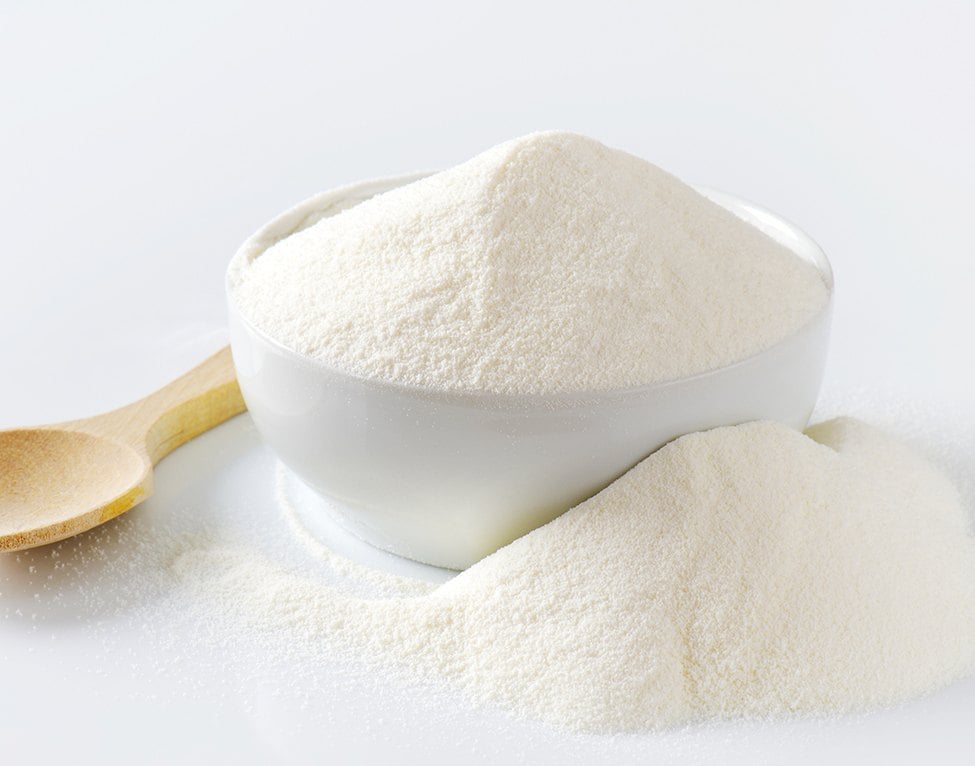
6. Cold-Soluble Bovine & Marine Collagen Peptides (1,000–3,000 Da)
| Grades | Bovine hide peptide 2,000–3,000 Da; freshwater tilapia and wild Alaska pollock marine peptide 1,000–2,000 Da (0 Bloom) per GB 31645-2018 |
| Why formulators pick it | Dissolves directly in 10–20 °C cold water or clear beverage matrices without thermal pre-warming or self-gelling for high-clarity protein fortification (distinct from precipitative fining gelatins). |
| Dosage & packaging | Fine soluble powder in 20 kg kraft paper bags (500 kg MOQ) |
| Reference FOB/CIF price | $6.50–$8.00/kg bovine peptide; $10.00–$15.00/kg fish/marine peptide |
| Delivery lead time | 10 days |
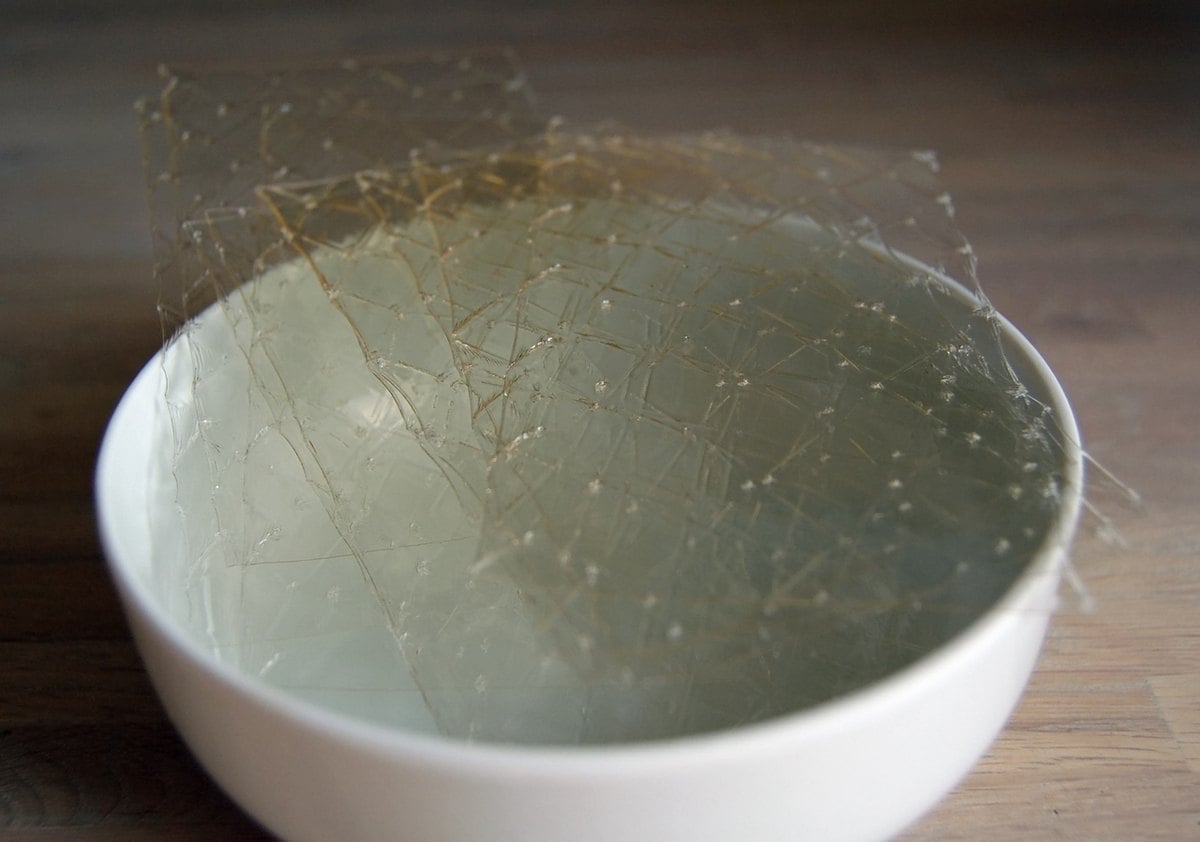
7. Pre-Weighed Leaf Gelatin Sheets (Pilot Cellar & R&D Trials)
| Grades | Leaf gelatin sheets across the 150–240 Bloom range at fixed 2.5 g, 3.3 g, or 5.0 g per sheet per GB 6783-2013 |
| Why winemakers pick it | Allows count-based dosing without an analytical balance for small-lot barrel fining, pilot micro-vinification, and culinary beverage R&D. |
| Dosage & packaging | 1 sheet (2.5 g) treats 25–100 L at 2.5–10 g/hL; 500 kg commercial MOQ |
| Reference FOB/CIF price | $5.00–$8.00/kg |
| Delivery lead time | 20 days |
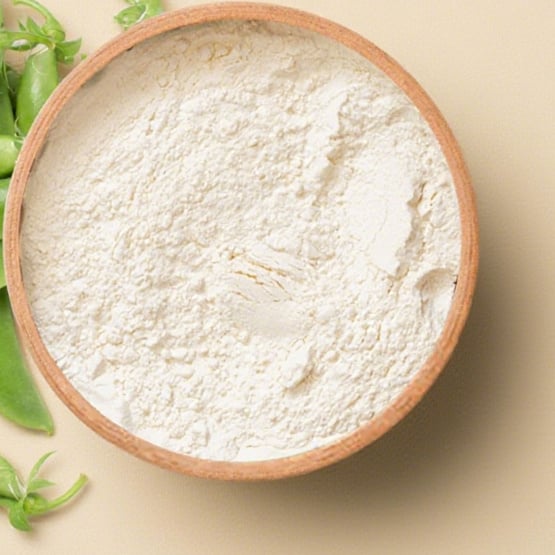
8. Enzymatic Soy, Corn, Wheat & Rice Peptides (<1,000 Da)
| Grades | Average molecular weight <1,000 Da (0 Bloom) per GB/T 22492-2008 (soy peptide powder) and QB/T 4707-2014 (corn oligopeptide powder) |
| Why formulators pick it | Provides cold-soluble botanical peptide fractions for specialty beverage nutrition where specific amino acid profiles are required (note: wheat and soy remain regulated major allergens). |
| Dosage & packaging | 20 kg kraft paper bags or 10 kg cartons (500 kg MOQ) |
| Reference FOB/CIF price | Quoted per grade within 24 hours; free 200 g trial sample |
| Delivery lead time | 10 days |
While our single-species freshwater tilapia gelatin (150–250 Bloom) is exempt from mandatory allergen labeling when used as a fining agent in EU wine and beer under Regulation (EU) No 1169/2011 Annex II Point 4(b), fish gelatin used in non-alcoholic fruit juices or FDA FALCPA-regulated food and beverage products, as well as wheat and soy peptides, remains subject to major allergen declaration, whereas our bovine hide gelatin and <1,000 Da pea peptides are outside the statutory major food allergen lists under both EU 1169/2011 Annex II and US FDA FALCPA / TTB 27 CFR 4.32a.
Extraction Routes, Mesh Granulations, and Silica Sol Co-Fining Systems
Cellar teams who have over-fined a Cabernet batch with high-Bloom culinary gelatin without running a 100 mL graduated cylinder bench trial first, stripping mid-palate tannin structure and ruby color, recognize why grade selection matters when fining wine with gelatin powder. According to the Gelatine Manufacturers of Europe (GME) Standardized Monograph and Enological Wine Clarification & Stabilization Principles, pairing positively charged gelatin with negatively charged anionic colloidal silica sol (Kieselsol) helps precipitate residual unreacted gelatin, while sequential bentonite fining wine treatments remove heat-unstable grape proteins.
| Extraction Route / Co-Fining System | Standard / Technical Spec | Functional Result in Wine, Juice & Beer | Manufacturing Status |
|---|---|---|---|
| Low-Bloom Bovine Hide Clarification Route | GB 6783-2013 & OIV COEI-1-GELATI; 80–120 Bloom (±10 Bloom); 2.0–2.5 mPa·s at 6.67%, 60 °C | Targeted precipitation of harsh polymerized condensed tannins (1,500–5,000 Da) in red wine (3–15 g/hL) when calibrated by bench trials | In-house at Yasin |
| Type A Acid-Processed Route | GB 6783-2013 & GME; Isoelectric Point (pI) pH 7.0–9.0; 120–300 Bloom; 2.0–3.5 mPa·s | Net positive charge at pH 3.0–3.8 supports interaction with polyphenols and anionic colloids during must flotation (2–12 g/hL) | In-house at Yasin |
| Type B Alkali-Processed Route | GB 6783-2013 & GME; Isoelectric Point (pI) pH 4.7–5.4; 150–250 Bloom; 3.5–5.0 mPa·s | Net positive charge at pH 3.0–3.8 with higher solution viscosity for red wine and cider polyphenol flocculation (3–15 g/hL) | In-house at Yasin |
| Fine Fast-Hydrating Powder (60–100 Mesh) | 0.15–0.25 mm (0.006–0.010 in) particle aperture within 8–100 mesh envelope per GB 6783-2013 | Rapid 15-minute cold-water swelling (15–20 °C) and quick 40–50 °C dissolution for 50 g/L cellar stock preparation | In-house milling at Yasin |
| Standard Cellar Granulate (20–40 Mesh) | 0.42–0.85 mm (0.017–0.033 in) granule cut within 8–100 mesh (0.15–2.36 mm) envelope | Low-dust pouring and uniform dispersion in agitated winery mixing vessels | In-house milling at Yasin |
| Gelatin + Anionic Kieselsol Co-Fining | Dry 80–120 Bloom gelatin paired sequentially with anionic colloidal silica sol (Kieselsol) | Cross-links residual added gelatin in low-tannin white wine, rosé, cider, and juice to reduce residual gelatin haze risk | In-house gelatin + pairing spec |
| Sequential Gelatin + Bentonite Polishing | 2–12 g/hL gelatin followed after racking/settling by sodium or calcium bentonite clay treatment | Gelatin targets oxidizable phenolics while negatively charged bentonite removes native heat-unstable grape proteins | In-house gelatin + cellar spec |
Explore how beverage pH relates to Type A and Type B isoelectric points and bench-trial starting parameters in our interactive Beverage pH Charge Gap, Bloom Dosage Adjustment & Hydration Estimator (an exploratory R&D aid rather than a direct predictor of commercial settling speed).
Technical Specifications, OIV Purity Limits, and Batch Tolerances
Wine and beverage fining gelatin is tested to GB 6783-2013 (80–120 Bloom low-Bloom clarification range, 2.0–2.5 mPa·s viscosity, ±10 Bloom batch consistency) alongside 120–300 Bloom food-grade gelatin and <1000 Da hydrolyzed pea peptides (Q/HBJT 0004S-2018). While a distributor TDS for SIHA Gelatin Fine Granules 80–110 Bloom lists dosage in g/hL but hides the 6.67% viscosity, heavy metal limits, Halal certificate body, and bulk FOB price, every Yasin lot ships with a full CNAS laboratory batch test report reporting batch test results against GB 6783-2013 and the OIV International Oenological Codex Gelatine Monograph (COEI-1-GELATI).
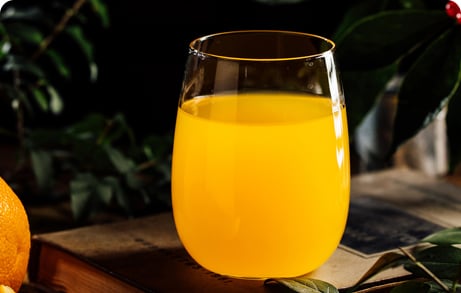

“Contrary to popular belief, adding more gelatin to cloudy white wine or apple juice will not cause the liquid to clear faster. Overdosing positively charged gelatin in a low-tannin beverage can leave unreacted soluble proteins suspended in the liquid and cause an overfining haze, which is why small-scale bench trials are conducted before tank additions.
Yasin Beverage Clarification Engineering Team, Xiamen Yaxun Industry & Trade Co., Ltd.
| Specification Parameter | What We Hold (Standard & Dual Units) |
|---|---|
| Beverage Clarification & Food-Grade Bloom Strength | 80–120 Bloom dedicated wine and juice clarification grade held to ±10 Bloom lot consistency; 120–300 Bloom additional bovine hide grades; 150–250 Bloom tilapia fish and bovine bone grades tested with a 12.7 mm (0.5 in) plunger depressed 4 mm into a 6.67% w/w gel matured at 10 °C (50 °F) for 17 h per GB 6783-2013 & GME |
| 6.67% Aqueous Solution Viscosity (60 °C / 140 °F) | 2.0–2.5 mPa·s (2.0–2.5 cP) for 80–120 Bloom beverage fining gelatin; 2.0–5.0 mPa·s (2.0–5.0 cP) full bovine hide envelope (Type A 2.0–3.5 mPa·s, Type B 3.5–5.0 mPa·s, bovine bone 3.5–4.6 mPa·s, tilapia fish 2.1–4.8 mPa·s) per GB 6783-2013 |
| Cellar Fining Dosage Window by Beverage Matrix | Red wine astringency polishing: 3–24 g/hL (30–240 mg/L or 30–240 ppm per AWRI / Ribéreau-Gayon Handbook of Enology, Volume 2, with routine polishing at 3–15 g/hL); White wine & white must: 1.5–12 g/hL (15–120 mg/L, routine 2–12 g/hL); Apple/berry juice, cider & beer: calibrated via 100 mL bench trials across 1–12 g/hL (10–120 mg/L) |
| Kieselsol (Anionic Silica Sol) Co-Fining Bench-Trial Ratio | 1 g/hL (10 mg/L) dry gelatin powder paired with 5–10 mL/hL (50–100 ppm v/v) of anionic colloidal silica sol (Kieselsol) as an exploratory 100 mL bench-trial starting gradient for low-tannin white wine, cider, and juice |
| 50 g/L Stock Solution & 100 mL Jar Test Volumes | Hydrate 50 g of 80–120 Bloom gelatin in cold water at 15–20 °C (59–68 °F) for 15–20 min, dissolve at 40–50 °C (104–122 °F), and adjust final solution volume to 1.0 L (50 g/L = 0.417 lb/US gal); dose 0.04–0.30 mL per 100 mL (3.38 fl oz) cylinder to test 2–15 g/hL |
| Particle Mesh & Granule Aperture | 8–100 Mesh corresponding to 0.15–2.36 mm (0.006–0.093 in), including fast-dissolving 60–100 mesh (0.15–0.25 mm) and standard 20–40 mesh (0.42–0.85 mm) per GB 6783-2013 |
| Peptide & Polyphenol Molecular Weight Windows | Hydrolyzed pea peptides <1,000 Da (0 Bloom per Q/HBJT 0004S-2018); soy peptides <1,000 Da (GB/T 22492-2008) and corn oligopeptides <1,000 Da (QB/T 4707-2014); tilapia/marine collagen peptides 1,000–2,000 Da and bovine collagen peptides 2,000–3,000 Da (0 Bloom per GB 31645-2018); target polymerized condensed tannins 1,500–5,000 Da |
| Moisture (105 °C Loss on Drying) & Total Ash (550 °C) | Yasin GB 6783-2013 release limit: gelatin moisture ≤14.0 g/100 g and total ash ≤2.0 g/100 g (satisfying both GB 6783-2013 and OIV COEI-1-GELATI limits); collagen peptide moisture ≤7.0 g/100 g and total ash ≤2.0 g/100 g per GB 31645-2018; plant peptide moisture ≤7.0 g/100 g and total ash ≤2.0 g/100 g per Q/HBJT 0004S-2018, GB/T 22492-2008 & QB/T 4707-2014 |
| Heavy Metal Release Limits (CNAS Lab vs. OIV Monograph) | Yasin GB 6783-2013 release limits: Lead (Pb) ≤1.5 mg/kg (1.5 ppm; OIV COEI-1-GELATI <5 mg/kg), Arsenic (As) ≤1.0 mg/kg (1.0 ppm; OIV <1 mg/kg, where compliance with the stated OIV limit requires every released batch to measure strictly below 1.0 mg/kg), Cadmium (Cd) ≤0.5 mg/kg (0.5 ppm; OIV <0.5 mg/kg, where compliance with the stated OIV limit requires every released batch to measure strictly below 0.5 mg/kg), Mercury (Hg) ≤0.1 mg/kg (0.1 ppm; OIV <0.15 mg/kg), Chromium (Cr) ≤2.0 mg/kg (2.0 ppm; OIV <10 mg/kg), with sulfur dioxide (SO2) and iron (Fe) reported on every batch COA |
| Microbiological Release Limits (CNAS Lab) | Total Plate Count ≤1,000 CFU/g, Coliforms ≤30 MPN/100g, Salmonella Negative in 25 g (0.88 oz), E. coli Negative in 25 g (0.88 oz) per GB 6783-2013 (gelatin), GB 31645-2018 (collagen peptides), and Q/HBJT 0004S-2018 / GB/T 22492-2008 / QB/T 4707-2014 (plant peptides) |
The dosage (g/hL), 50 g/L stock solution volume, and Kieselsol pairing outputs generated by our interactive calculators provide starting parameters for 100 mL graduated cylinder bench trials (0.04–0.30 mL stock additions) and do not replace laboratory nephelometric turbidity (NTU) and sensory tasting validation on each vintage or juice lot before bulk tank dosing. These estimates do not remove the need for NTU nephelometry and sensory evaluation for each lot of juice and wine prior to bulk addition.
Factory-Direct Bulk Pricing, Treatment Cost per Hectoliter, and Lead Times
Winery procurement teams are tired of paying high distributor markups for pre-dissolved liquid gelatin drums that are mostly water and ship with sulfite preservatives that crystallize in winter warehouses. Most beverage buyers assume factory-direct sourcing from China requires multi-ton minimums. In reality, our Xiamen factory supplies dry 80–120 Bloom fining gelatin powder (≤14.0 g/100 g moisture, ≤2.0 g/100 g total ash) starting at a 500 kg MOQ at $5.00–$8.00/kg FOB/CIF.
Gold-Tier ROI Analysis: How Bulk FOB/CIF Pricing Is Calculated
First, your written quotation price within our $5.00–$8.00/kg food-grade gelatin bracket (or $6.50–$8.00/kg for bovine collagen peptides and $10.00–$15.00/kg for fish collagen peptides) is calculated from five transparent variables: raw material source (bovine hide, bovine bone, tilapia fish, or plant peptide), target Bloom and viscosity grade, mesh granulation (20–40 vs. 60–100 mesh), packaging format (25 kg multi-wall kraft bags vs. 1,000 kg bulk bags), and order volume from 500 kg upward.
Second, we quote under both FOB Xiamen (covering factory production, CNAS batch testing, export customs clearance, and port drayage) and CIF destination port (adding ocean freight and marine cargo insurance to your port). Importing dry powder (≤14.0 g/100 g moisture) in 25 kg bags instead of diluted liquid gelatin drums reduces overseas water freight and avoids the added sulfite or benzoate preservatives used to stabilize commercial liquid gelatin solutions.
| Product Grade & Packaging | Reference FOB/CIF Price | Cellar Dosage & Cost Driver Notes |
|---|---|---|
| Low-Bloom Beverage Fining Bovine Hide Gelatin (80–120 Bloom, 2.0–2.5 mPa·s, 25 kg bags) | $5.00–$8.00/kg FOB/CIF | Dosed across 1.5–12 g/hL (whites/juices) and 3–24 g/hL (reds); lower water freight than liquid drums |
| Food-Grade Type A / Type B Bovine & Tilapia Fish Gelatin (120–300 Bloom, 25 kg / 1,000 kg bags) | $5.00–$8.00/kg FOB/CIF | Price varies by bovine vs. single-species tilapia source, Bloom grade, and 8–100 mesh cut |
| Cold-Soluble Bovine Collagen Peptides (2,000–3,000 Da, 20 kg kraft bags) | $6.50–$8.00/kg FOB/CIF | Cold-water soluble (0 Bloom) for clear beverage protein enrichment |
| Tilapia & Marine Collagen Peptides (1,000–2,000 Da, 20 kg bags) / Vegan Pea Peptides (<1,000 Da) | $10.00–$15.00/kg fish peptides; pea peptides quoted per grade | Custom vegan or Halal/Kosher quote returned within 24 hours |
| Order Stage / Product Line | Committed Turnaround | MOQ & Packaging Scope |
|---|---|---|
| Written Engineering Quote & Jar-Test Sample | Quote answered within 24 hours; free sample dispatches upon spec confirmation | Free evaluation samples up to 500 g for wine fining gelatin and 200 g for plant or collagen peptides |
| Commercial Hydrolyzed Pea & Collagen Peptides | 10 days | 500 kg MOQ per grade in 20 kg kraft paper bags or 10 kg cartons |
| Commercial Wine Fining & Food-Grade Gelatin | 20 days | 500 kg MOQ per grade in 25 kg multi-wall kraft paper bags with PE inner liner or 1,000 kg bulk jumbo bags |
Quality Assurance, CNAS Laboratory Testing, and Global Compliance
Many European liquid enological gelatins are porcine-derived, which immediately disqualifies juice, cider, and non-alcoholic beverage producers from Halal and Kosher certification. In addition, an export beverage shipment delayed at customs because the fining gelatin supplier couldn’t provide an Indonesian BPJPH/MUI Halal certificate or a matching Veterinary Health Certificate (VC) can stall a bottling line for weeks. Our quality system prevents customs holds by binding every sealed bag and export certificate to the exact CNAS laboratory batch test report calibrated to ISO 22000, FSSC 22000, BRC, GMP, HACCP, and GB 6783-2013 protocols.
Four-Stage Enological Batch Verification Protocol
- Step 1 – Raw Hide, Fish Skin & Pea Traceability Quarantine: Each lot of raw material enters with its official veterinary inspection certificate or a record of non-GMO botanical origin.
- Step 2 – Deionization & Membrane Ultrafiltration Control: Multi-stage ion exchange holds total ash ≤ 2.0 g/100 g and controls residual iron (Fe) and sulfur dioxide (SO2) to prevent ferric casse and unwanted sulfite pickup.
- Step 3 – CNAS-Accredited Laboratory Release Testing: Our in-house CNAS lab tests every lot using a calibrated Bloom Gelometer (12.7 mm plunger, 4 mm depression, 10 °C for 17 h) and 60 °C capillary viscometers for 80–120 Bloom (±10 Bloom), 6.67% solution viscosity (2.0–2.5 mPa·s at 60 °C), transmittance/clarity, pH, moisture (≤14.0 g/100 g), ash (≤2.0 g/100 g), heavy metals (Pb ≤1.5 mg/kg, As ≤1.0 mg/kg, Cd ≤0.5 mg/kg, Hg ≤0.1 mg/kg, Cr ≤2.0 mg/kg), sulfur dioxide (SO2), iron (Fe), peroxide, total plate count (≤1,000 CFU/g), coliforms (≤30 MPN/100g), Salmonella, and E. coli.
- Step 4 – Lot-Matched Export Document Binding: Quality auditors verify that the batch-specific Certificate of Analysis (COA), Halal (MUI / BPJPH / HFC) or Kosher certificate, and official Veterinary Health Certificate (VC) carry matching lot numbers prior to container sealing.
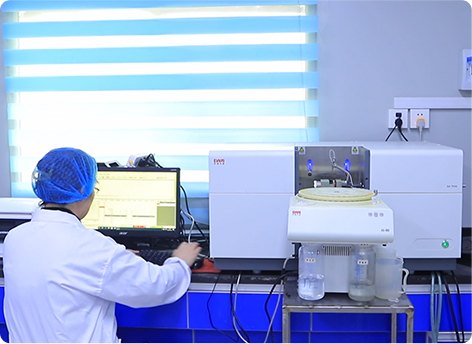
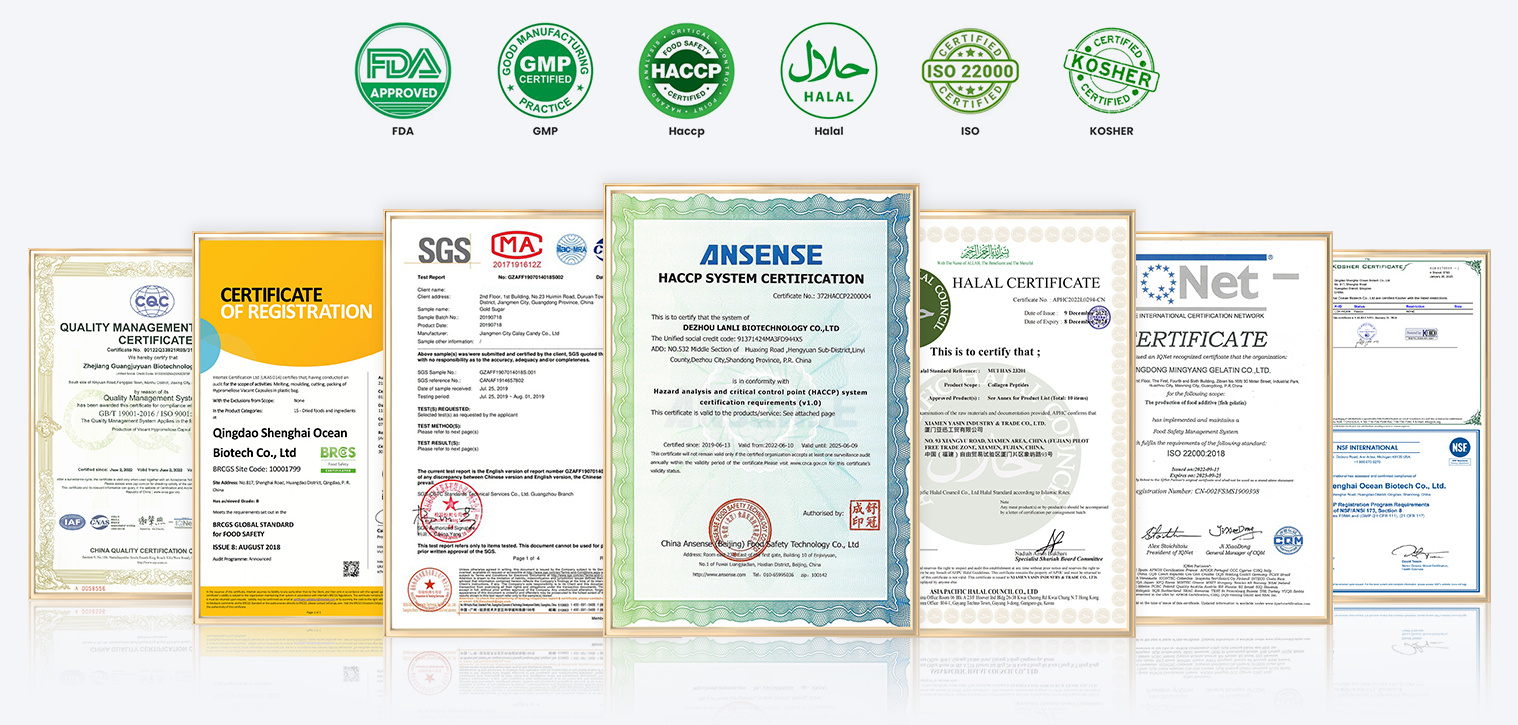
In-House CNAS Laboratory Instrumentation & Regulatory Registrations
Our US FDA Food Facility Registration satisfies federal food import facility registration requirements under the Bioterrorism Act and FSMA, and is distinct from third-party audited food safety management certifications (which are covered separately by our ISO 22000, FSSC 22000, BRC, GMP, and HACCP certificates). Batch-specific Certificate of Analysis (COA), Halal and Kosher certificates, and veterinary health export documentation ship with every order.
- Standard Bloom Gelometer & Texture Analyzer with 12.7 mm (0.5 in) flat-bottomed plunger (4 mm depression) and 10 °C chilled water baths calibrated to GME and GB 6783-2013 protocols, plus 60 °C capillary pipette viscometers and HPLC peptide analyzers.
- European Union (Regulation (EU) No 1169/2011 Annex II): Unlike fining wine with egg white (egg albumin) and casein fining wine, which require mandatory allergen warnings on wine labels if residual protein exceeds 0.25 mg/L, bovine gelatin and pea peptides are outside the Annex II statutory major allergen list. In addition, fish gelatin (an isinglass wine fining alternative) used as a fining agent in beer and wine is explicitly exempt from mandatory allergen declaration under Annex II Point 4(b) (whereas Point 4(a) covers fish gelatin used as a carrier for vitamin or carotenoid preparations, and non-alcoholic fruit juice does not share the beer/wine exemption).
- United States (TTB 27 CFR 24.246 & 27 CFR 4.32a / FDA FALCPA & FAO/WHO Codex GSFA INS 428): Gelatin is an authorized wine and juice clarifying material under TTB 27 CFR 24.246. Under TTB 27 CFR 4.32a for TTB-regulated wines, major food allergen labeling is voluntary (if declared, all major allergens used must be listed); for FDA-regulated non-alcoholic juices, ciders under 7% ABV, and certain beers not meeting the FAA Act malt beverage definition under FDA FALCPA, milk, egg, fish, wheat, and soy are major allergens, whereas bovine hide gelatin and pea peptides are not classified as major food allergens.
- Food Safety & Religious Certifications: ISO 22000, ISO 9001, FSSC 22000, BRC, GMP, HACCP, US FDA Food Facility Registration, EDQM Certificate of Suitability (CEP), Halal (MUI / BPJPH / HFC), and Kosher certifications.
Need our Halal, Kosher, and OIV purity dossier for your QA compliance sign-off? Request Sample COA & Export Certificate Packet →
Cellar Fining Workflow, Bench Trial Protocol, and Hydration Guidelines
- Phase 1 – Share Beverage Matrix & Clarity Target: Tell us whether you are fining red wine, white must, apple juice, cider, or beer, along with your pH (3.0–3.8), cellar temperature (10–15 °C), and dietary label requirements. C) and dietary label requests.
- Phase 2 – 24-Hour Engineering Recommendation & Quote: Within 24 hours, our team recommends the exact grade (80–120 Bloom bovine hide, 150–250 Bloom tilapia fish, or <1,000 Da pea peptide) with a written FOB/CIF quote.
- Phase 3 – Free 500 g Gelatin / 200 g Peptide Jar-Test Sample: We dispatch your free sample kit upon specification confirmation so your lab can run 100 mL graduated cylinder bench trials.
- Phase 4 – 500 kg MOQ Order & Scheduled Production: Upon bench trial approval, we produce and test your lot within 20 days for gelatin or 10 days for peptide grades.
- Phase 5 – CNAS Batch Release & Export Dossier Preparation: Every batch is certified in our CNAS lab (reporting Bloom, viscosity, SO2, Fe, heavy metals, and microbiology) and paired with its COA, Halal/Kosher certificate, and Veterinary Health Certificate.
- Phase 6 – Moisture-Barrier Packaging & Global CIF/FOB Delivery: Gelatin ships in 25 kg kraft paper bags with PE inner liners or 1,000 kg bulk bags; peptide grades ship in 20 kg kraft paper bags or 10 kg cartons.
100 mL Graduated Cylinder Bench Trial & 50 g/L Stock Solution Protocol
Never add any fining agent directly to a bulk tank without first running a 100 mL graduated cylinder bench trial. To prepare a 50 g/L aqueous stock solution (50 mg/mL), hydrate 5.0 g of Yasin 80–120 Bloom gelatin powder in ~60 mL of cold water (15–20 °C) for 15–20 minutes, warm gently to 40–50 °C (104–122 °F) until dissolved, and adjust the final solution volume to 100 mL (or dissolve 50 g and adjust the final volume to 1.0 L). In a 100 mL wine or juice cylinder, every 0.02 mL (20 µL) of 50 g/L stock solution equals 1 g/hL (10 mg/L).
| Cellar Operation / Beverage Matrix | 50 g/L Stock Solution Volume per 100 mL Cylinder | Equivalent Bulk Tank Dosage & Kieselsol Addition Sequence by Tannin Level |
|---|---|---|
| White Wine, Rosé & Low-Tannin Must Polishing | 0.04–0.24 mL (40–240 µL) per 100 mL cylinder | 2–12 g/hL dry gelatin; in low-tannin white wine or clear juice, dose anionic Kieselsol (10–60 mL/hL) first to build negative nucleation sites before adding gelatin |
| Red Wine Astringency & Tannin Softening | 0.06–0.30 mL (60–300 µL) per 100 mL cylinder | 3–15 g/hL dry gelatin injected inline during pump-over at 10–15 °C; in tannin-rich red wine, dose gelatin first to bind polyphenols, followed 12–24 h later by Kieselsol if counter-fining is desired |
| Depectinized Apple Juice, Berry Juice & Cider | 0.04–0.24 mL (40–240 µL) per 100 mL cylinder | 2–12 g/hL dry gelatin paired with anionic Kieselsol (in tannin-rich raw juice add gelatin first; in low-tannin juice add Kieselsol first); allow 24–48 h settling before racking |
| Native Grape Protein Heat Stabilization (White Wine) | Pair gelatin trial with separate bentonite trial | Positively charged gelatin targets phenolics; follow with negatively charged bentonite clay to remove native heat-unstable grape proteins |
Calculate your precise tank and micropipette volumes in seconds using our Wine & Beverage Fining Dosage, Stock Solution & Kieselsol Calculator and see how many powders you save annually in our Dry Fining Powder vs Liquid Gelatin Cost Calculator.
Beverage Clarification Applications and Verified Client Outcomes
Yasin provides food-grade clarification gelatin, collagen peptides, and enzymatic plant peptides to beverage, winery and food processors across North America, South America, Europe, Southeast Asia, South Korea, Japan, and the Middle East. If your facility manufactures confectionery or nutraceutical products, you may be interested in our sister Gummy Gelatin & Confectionery Collagen Solutions.
UK Beverage Brand Feisty Drinks Ltd (<1,000 Da Hydrolyzed Pea Peptide for Clear Beverages)
UK beverage company Feisty Drinks Ltd needed a vegan alternative for EU/UK clean-label retail skus, but standard pea protein isolate stayed cloudy and gritty until switching to <1,000 Da hydrolyzed pea peptide from Yasin. Using our enzymatic pea peptide (MW <1,000 Da, 0 Bloom, cold-water soluble) as a low bloom gelatin substitute for clear beverage protein fortification eliminated solution cloudiness and delivered clean sensory clarity.
Achieved high-transmittance beverage clarity and smooth mouthfeel. Plant-based and outside the statutory major allergen list under EU 1169/2011 and UK regulations
Thailand Commercial Beverage Manufacturer (Clarification Gelatin Lead-Time & Cost Optimization)
A commercial beverage producer in Thailand suffered recurring production bottlenecks caused by slow regional distributor lead times and high markup on clarification protein ingredients. Onboarding Yasin factory-direct supply (500 kg MOQ, 20 days gelatin and 10 days peptide lead time) stabilized their production schedule and lowered unit clarification cost.
Eliminated raw material shipment delays on 20 days gelatin and 10 days peptide schedule · Reduced landed clarification cost within our $5.00–$8.00/kg FOB/CIF bracket
Colombia & Dominican Republic Beverage & Food Producers (Multi-Year Consistency & Customs Clearance)
A Colombian food and beverage powder manufacturer partnered with Yasin for 5 consecutive years on bovine hide gelatin (±10 Bloom consistency) to break a single-supplier high-price monopoly. In parallel, a Dominican Republic partner working with us continuously from 2019 to 2026 resolved recurring port customs holds by utilizing our lot-matched CNAS COA, Halal, and official Veterinary Health Certificate (VC) export packets.
5-year continuous supply in Colombia · Continuous Veterinary Health Certificate export clearance record in the Dominican Republic (2019–2026)
Our UK client case with Feisty Drinks Ltd demonstrates the high aqueous transmittance, clean sensory dispersion, and turbidity elimination of our <1,000 Da hydrolyzed pea peptide in commercial functional beverages; because <1,000 Da peptides remain soluble rather than forming precipitative flocculant complexes, wineries evaluating plant-based wine fining must test polyphenol precipitation via side-by-side 100 mL bench trials.
Ready to test our 80–120 Bloom fining gelatin or <1,000 Da pea peptide against your current cellar fining agent? Request Your Free 500 g / 200 g Bench Trial Sample Kit →
When Traditional Gelatin Is Not the Right Fining Agent and How to Adjust
Bovine hide gelatin (80–120 Bloom) is a highly selective fining agent for precipitating astringent tannins, but traditional mammalian gelatin is the wrong choice outside its chemical and regulatory boundaries. Understanding when not to use animal gelatin and respecting operating limits across four cellar scenarios prevents failed treatments. Each scenario below represents a chemical limitation where standard bovine gelatin is not recommended for direct tank addition.
Mammalian gelatin is not designed for and is not intended for strictly vegan wine labels and should not be used on its own for low-tannin white wine without a Kieselsol counter-fining. Also, when determining the best fining agent for wine, positively charged gelatin does not replace negatively charged bentonite clay for removing native heat-unstable grape proteins, and winemakers are better served by sequential fining. High tannin reactivity comes at the cost of color stripping if gelatin is overdosed, and in a bench trial, the Wine & Fining Agents worker could determine the optimal dose of gelatin to avoid removing color from wine.
As an enological trade-off across 80–120 Bloom (2.0–2.5 mPa·s per GB 6783-2013) gelatin at wine pH 3.0–3.8 and 10–15 °C cellar temperatures, positively charged gelatin cannot replace negatively charged bentonite clay for heat-unstable proteins, and overdosing comes at the expense of color stripping where single-agent rules do not apply. Compared to egg white, milk casein, sturgeon isinglass, or <1,000 Da pea peptides (Q/HBJT 0004S-2018) under EU 1169/2011 and TTB 27 CFR 4.32a, these fining agents are not interchangeable because a nominal 2–15 g/hL rate alone is not enough, is not a substitute for jar testing, does not establish protein heat stability, and does not automatically prevent post-bottling haze. According to AWRI Fining Agents Research and US Patent US6630187B1, what actually happens in 100 mL bench trials (0.04–0.30 mL of 50 g/L stock) is that unmatched protein selection leaves residual protein haze or conflicts with plant-based label claims unless you switch to the corrective option below.
“Gelatin holds a net positive charge at wine pH (3.0-3.8) and complexes polymeric tannins via hydrogen bonding, hydrophobic interactions, and electrostatic attraction. It doesn’t remove positively charged native grape pathogenesis-related (PR) heat-unstable proteins, which requires negatively charged bentonite clay, and in low-tannin white wines should be counter-fined with anionic Kieselsol.”
Yasin Beverage Clarification Engineering Team, Xiamen Yaxun Industry & Trade Co., Ltd.
| Cellar Situation | Why Unmodified Bovine Gelatin Works Against You | What to Specify Instead (Yasin Solution) |
|---|---|---|
| Vegan / Plant-Based Beverage or Wine Formulation | Animal-derived gelatin (bovine or fish), egg white, casein, and isinglass disqualify the beverage from vegan certification. | For clear vegan beverage protein enrichment specify Yasin <1,000 Da Hydrolyzed Pea Peptide; for vegan wine clarification pair bench-tested plant protein with silica sol or bentonite. |
| Low-Tannin White Wine or Clarified Juice Dosed Without Counter-Fining | Insufficient natural tannins leave excess positively charged gelatin suspended in solution, causing post-bottling protein haze. | Pair Yasin 80–120 Bloom gelatin with anionic colloidal silica sol (Kieselsol) using bench-trial volumes modeled in our Dosage & Kieselsol Calculator. |
| White Wine Native Grape Protein Heat Instability | Both gelatin and native unstable grape PR proteins carry a positive charge (+) at wine pH 3.0–3.8, so gelatin will not precipitate native grape proteins. | Use Yasin 80–120 Bloom gelatin + Kieselsol first to remove oxidizable phenolics, then treat with negatively charged bentonite clay for protein heat stability. |
| Kosher or Pescatarian Wine & Beer Clarification (No Mammalian Ingredients) | Standard bovine gelatin does not meet fish-only or Kosher-supervised cellar protocols. | Specify Yasin 150–250 Bloom Kosher & Halal Tilapia Fish Skin Gelatin (bench-tested across 2–12 g/hL), which is exempt from EU wine/beer allergen labeling under EU 1169/2011 Annex II Point 4(b). |
Wine and Beverage Fining Gelatin FAQs
What Bloom strength and dosage of gelatin is best for wine fining and juice clarification?
For commercial wine fining, cider polishing, and fruit juice clarification, specify our dedicated 80–120 Bloom (±10 Bloom lot consistency) bovine hide gelatin with a 6.67% solution viscosity of 2.0–2.5 mPa·s at 60 °C per GB 6783-2013. According to AWRI guidelines (adapted from Ribéreau-Gayon et al., Handbook of Enology, Volume 2), standard wine dosage ranges are 30–240 mg/L (3–24 g/hL, with routine cellar polishing at 3–15 g/hL) for red wine and 15–120 mg/L (1.5–12 g/hL) for white wine and white must, with exact juice, cider, and beer rates determined via 100 mL bench trials. Calculate exact tank and 100 mL jar test additions using our Wine Fining Dosage Calculator.
How do we dissolve 80–120 Bloom fining gelatin powder and prepare a 50 g/L stock solution?
To prepare a standard 50 g/L aqueous stock solution (50 mg/mL), hydrate 50 g of Yasin 80–120 Bloom gelatin powder in ~600 mL of cold water (15–20 °C / 59–68 °F) for 15–20 minutes, warm gently to 40–50 °C (104–122 °F) with mild stirring until completely dissolved, and adjust the final solution volume to 1.0 L with water before inline injection into the beverage tank (10–15 °C). Cold-soluble hydrolyzed collagen peptides (1,000–3,000 Da) and pea peptides (<1,000 Da) have 0 Bloom and dissolve directly in 10–20 °C water without heating.
What ratio of Kieselsol (anionic silica sol) should be paired with gelatin to prevent overfining?
Run 100 mL bench trials with 1 g/hL of dry gelatin powder and 5-10 mL/hL of anionic colloidal silica sol (Kieselsol). In tannin-rich red wines and raw juices, dose gelatin first, and then add Kieselsol to sweep up protein residue 12-24 hours later. In low-tannin white wines or clarified juices, add Kieselsol first to create negative nucleation sites, and then add gelatin.
Does gelatin fining require allergen labeling on wine or juice bottles in the EU and US?
Under EU Regulation (EU) No 1169/2011 Annex II, bovine gelatin and pea proteins/peptides are outside the statutory major allergen list (unlike egg white and milk casein), and fish gelatin used as a fining agent in beer and wine is explicitly exempt under Annex II Point 4(b) (whereas Point 4(a) covers vitamin/carotenoid carriers). In the United States, TTB-regulated wines fall under TTB 27 CFR 4.32a (where major allergen disclosure is voluntary), while FDA-regulated non-alcoholic juices, ciders under 7% ABV, and certain beers not meeting the FAA Act malt beverage definition fall under FDA FALCPA (where bovine gelatin and pea peptides are not classified as major food allergens, whereas fish, wheat, and soy require allergen declaration).
How does dry fining gelatin powder compare economically to pre-dissolved liquid gelatin?
Our factory-direct bulk price for dry 80–120 Bloom fining gelatin powder (≤14.0 g/100 g moisture, ≤2.0 g/100 g total ash) is $5.00–$8.00/kg at a 500 kg MOQ. Unlike pre-dissolved liquid gelatins that ship with high water weight and added sulfite or benzoate preservatives, dry powder reduces overseas freight and avoids preservative sulfite carry-over. Model your unit hectoliter cost and annual savings in our Dry Powder vs. Liquid Gelatin Cost Calculator.
How do we convert g/hL fining dosages to mg/L (ppm) and 100 mL bench trials?
In enology, 1 g/hL equals 10 mg/L (10 ppm) or 10 g per 1,000 L. When using a 50 g/L (50 mg/mL) stock solution in a 100 mL graduated cylinder bench trial, 0.02 mL (20 µL) equals 1 g/hL; therefore, a 2–15 g/hL trial gradient requires 0.04 mL to 0.30 mL per 100 mL cylinder.
Can we use your <1,000 Da hydrolyzed pea peptide for clear vegan beverages and plant-based trials?
Yes. We manufacture enzymatic hydrolyzed pea protein peptide with an average molecular weight below 1,000 Da (per enterprise standard Q/HBJT 0004S-2018). Validated with UK beverage client Feisty Drinks Ltd for high-transmittance clear beverages, our <1,000 Da pea peptide dissolves cleanly in cold liquid without turbidity or gelling for plant-based beverage fortification, while wineries evaluating plant-based fining should test polyphenol precipitation via 100 mL bench trials.
What is your Minimum Order Quantity (MOQ) and packaging for bulk wine fining gelatin?
Standard MOQ is 500 kg per grade (packed in 25 kg multi-wall kraft paper bags with PE inner liner or 1000 kg bulk jumbo bags for gelatin, and 20 kg kraft paper bags or 10 kg cartons for peptide grades).
Do you provide free R&D samples for 100 mL bench fining trials, and how fast do you quote?
Yes. Inquiries and quotation requests are answered within 24 hours. Free evaluation samples (up to 500 g food-grade wine fining gelatin or 200 g plant/collagen peptides) dispatch upon specification confirmation with a batch-matched CNAS COA.
What are your reference FOB/CIF prices and payment terms?
We ship under FOB and CIF Incoterms (reference range $5.00–$8.00/kg for food-grade wine fining gelatin, $6.50–$8.00/kg for bovine collagen peptides, and $10.00–$15.00/kg for fish collagen peptides). Final pricing is calculated from raw material species, Bloom and viscosity grade, mesh cut, bag format, and destination port freight. We accept T/T and L/C payment terms, with O/A available for qualified long-term partners.
What are your delivery lead times for commercial orders?
Standard delivery lead time is 20 days for wine fining and beverage gelatin and 10 days for peptide grades. Bulk commercial and FCL container orders ship in 20 days for food-grade gelatin and 10 days for peptide grades.
Which Halal, Kosher, and Veterinary Health Certificates ship with export orders?
Our facility operates under ISO 22000, ISO 9001, FSSC 22000, BRC, GMP, HACCP, US FDA Food Facility Registration, and EDQM CEP standards. Batch-specific Certificate of Analysis (COA reporting Bloom, viscosity, SO2, Fe, heavy metals, and microbiology), Halal (MUI / BPJPH / HFC) and Kosher certificates, and veterinary health export documentation ship with every order. Request our export compliance packet here →