
Get in touch with Xiamen Yasin Industry & Trade Co., Ltd.

Industrial Gelatin Applications & Bulk Supply Across 7 Core Sectors
24-hour technical quote turnaround
80–300 Bloom & 1,000–3,000 Da
500 kg standard MOQ
10-day collagen / 20-day gelatin lead time
Free 500 g gelatin & 200 g collagen samples
We supply food-grade gelatin (80–300 Bloom), pharmaceutical-grade gelatin, hydrolyzed collagen peptides (1,000–3,000 Da), enzymatic plant peptides (<1,000 Da), and empty capsule shells. Our production system has annual capacity for 26,000 tons of gelatin, 19,000 tons of collagen peptides, and 8.5 billion empty capsule shells across seven industrial sectors.
- Dedicated grades offer gummies, capsules, beverages, dairy, dietary supplements, meat and meat products and cosmetics.
- Reference FOB and CIF pricing covers $5.00–$8.00/kg for gelatin, $6.50–$8.00/kg for bovine collagen, and $10.00–$15.00/kg for fish or marine collagen.
- Every shipment includes a batch Certificate of Analysis (COA) from our CNAS-accredited factory laboratory, Halal (Indonesia MUI/BPJPH) and Kosher paperwork, and export Veterinary Certificates (VC). Production runs under ISO 22000, GMP, BRC, and HACCP facility quality systems aligned with U.S. FSMA food safety requirements.
Technical sales engineers reply to every specification and quotation inquiry within 24 hours.
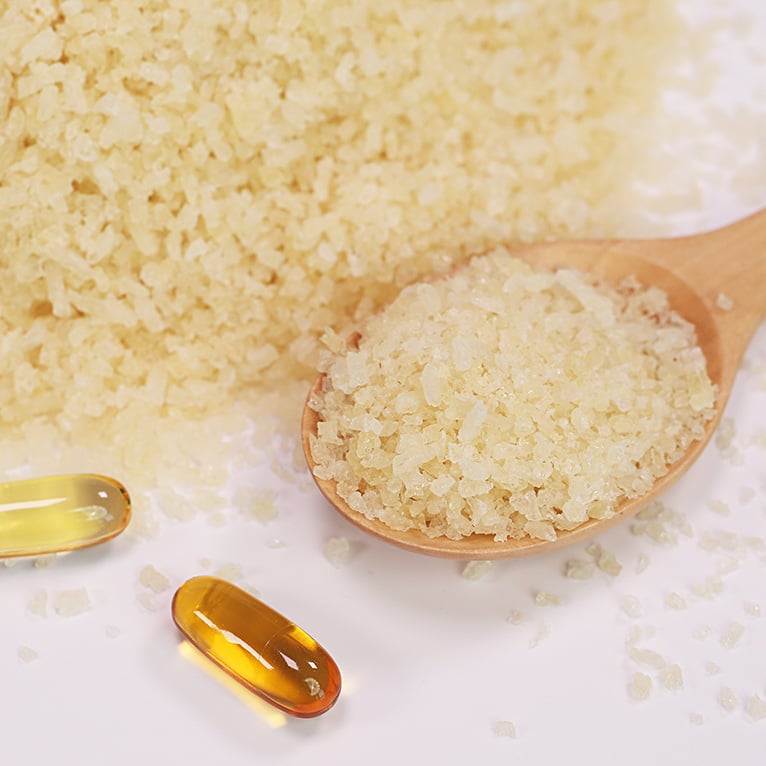
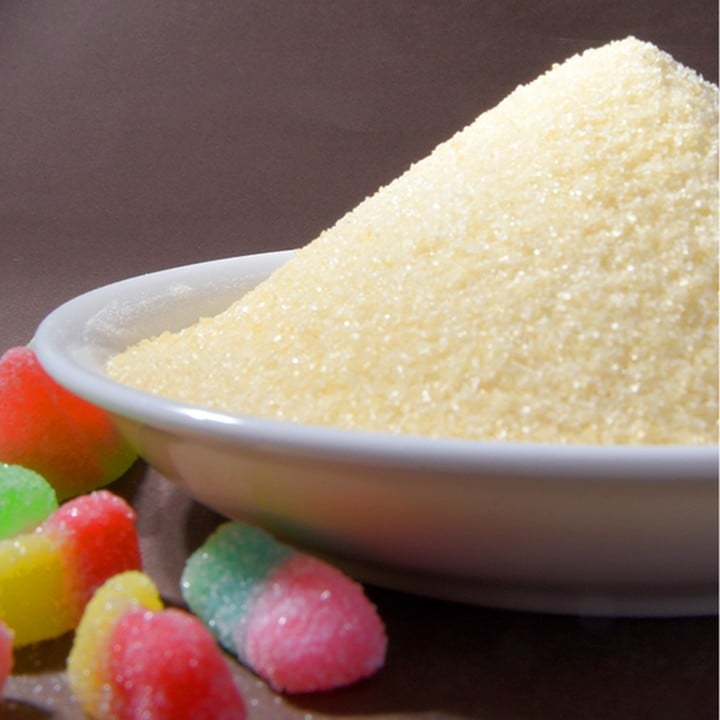
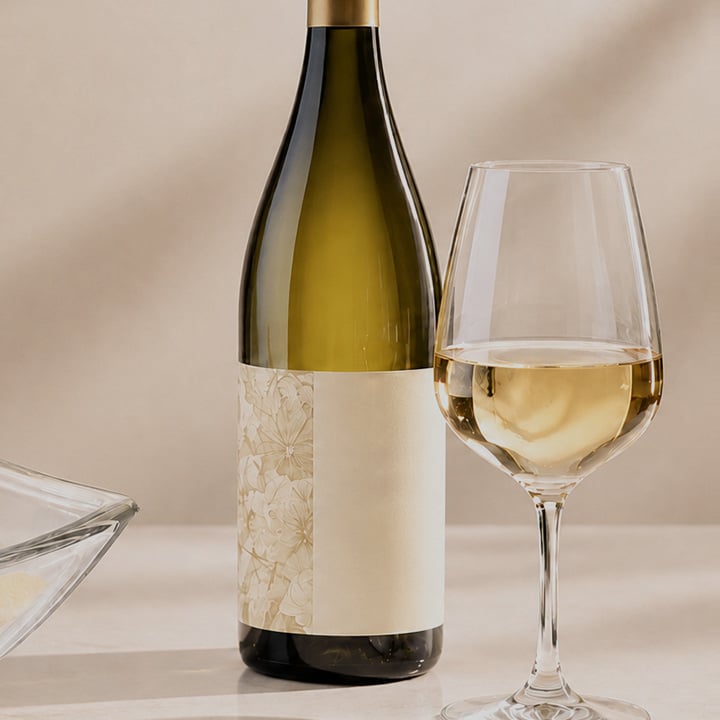
Annual Production Capacity
26,000 tons gelatin | 19,000 tons collagen peptides | 8.5 billion empty capsule shells
Bloom & Viscosity Envelope
80–300 Bloom | 2.0–5.0 mPa·s standard (4.0–6.0 specialty bone) at 6.67%, 60 °C / 140 °F
Reference Bulk Pricing
$5.00–$8.00/kg gelatin | $6.50–$8.00/kg bovine collagen | $10.00–$15.00/kg marine collagen
MOQ & Lead Times
500 kg standard MOQ (100 kg undenatured type II; 25 kg plasma-substitute) | 10–20 days
Free R&D Samples
Up to 500 g (17.6 oz) standard gelatin or 200 g (7.1 oz) collagen peptides per grade
Facility Quality Systems
ISO 22000, GMP, BRC, HACCP (FSMA-aligned), MUI/BPJPH Halal, Kosher, CNAS Lab
Seven Core Industrial Gelatin and Collagen Applications
Industrial uses of gelatin depend on matching gel strength, solution viscosity, isoelectric point, and molecular weight to your line conditions. Across gelatin in food industry production, pharmaceuticals, nutrition, and cosmetics, gelatin is used as a gelling agent, stabilizer, clarifying agent, binder, and film former for use in food and industrial lines.
Gummies & Confectionery
Our high-clarity bovine hide and tilapia fish gelatin grades serve gummy bears, fruit snacks, marshmallows, and chewy candies. For gelatin in confectionery depositing, our 230–260 Bloom bovine hide grade holds 3.3–4.0 mPa·s viscosity to support clean nozzle cutoff alongside controlled syrup Brix and drying conditions.
Bovine Hide: 230–260 Bloom
Fish: 150–250 Bloom
3.3–4.0 mPa·s
GB 6783-2013
- Gelatin-based gummies deliver elastic chew and clean melt-in-mouth release near laboratory mammalian melt temperatures of 28–31 °C (82.4–87.8 °F), adjusted by sugar solids.
- Dual-matrix formulations combine 230–260 Bloom gelatin with 1,000–3,000 Da hydrolyzed collagen peptides for high protein loading.
Pharmaceutical Industry
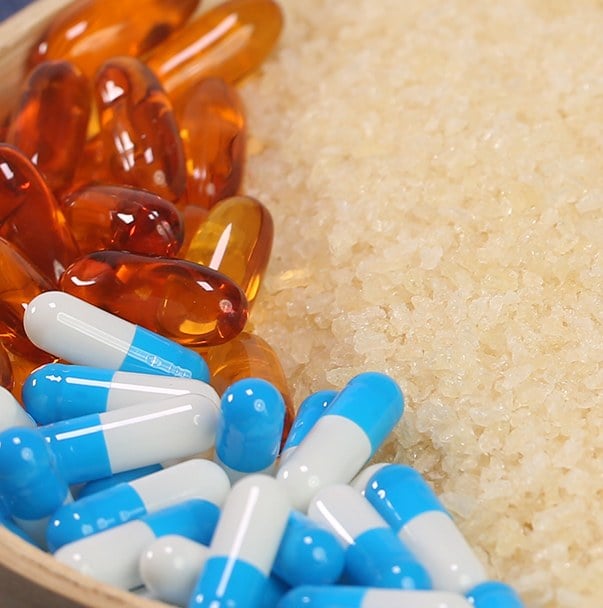
Yasin supplies pharmaceutical-grade bovine hide and bovine bone gelatin for hard capsules, soft capsules, and tablet binding. Our pharmaceutical applications also include low-endotoxin bovine bone gelatin for hemostatic sponges, tissue engineering applications, and plasma-substitute R&D.
Softgels: 150–200 Bloom
Hard Capsules: 200–250 Bloom
Plasma Grade: >180 Bloom, <30 EU/g
USP / EP / ChP 2025
- Hard-capsule gelatin runs 200–250 Bloom and 4.5–5.0 mPa·s (ChP 2025) to support consistent shell thickness and strong mechanical properties.
- Softgel grades run 150–180 Bloom (3.5–4.8 mPa·s) or 200 Bloom (3.0–3.4 mPa·s) for tight ribbon sealing with glycerin or sorbitol plasticizers.
- Plasma-substitute bovine bone gelatin meets raw-material endotoxin <30 EU/g (tighter than ChP 2020 Part II below 50 EU/g). It is available at a MOQ of 25 kg. Finished parenteral forms remain subject to FDA endotoxin limits based on the route of administration and hourly dose.
Dairy & Desserts
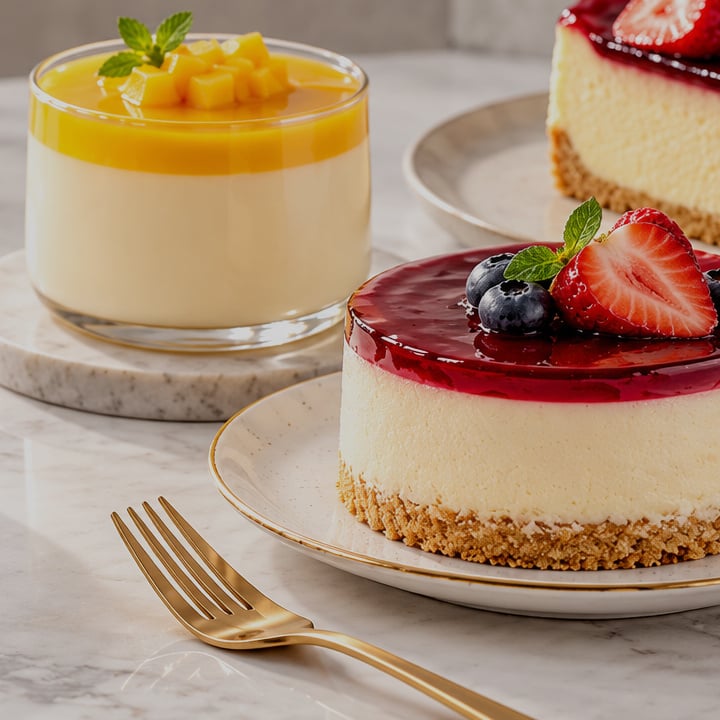
Our medium-to-high Bloom bovine hide gelatin and halal gelatin sheets stabilize stirred yogurt, mousse, panna cotta, ice cream, and dry jelly mixes. Used as a gelling agent in food emulsions, gelatin powder for baking and chilled desserts helps limit whey syneresis and refines ice crystal size.
180–240 Bloom
3.0–4.0 mPa·s
Leaf Sheets: 150–240 Bloom
GB 6783-2013
- Gelatin improves mouthfeel in low-fat products like yogurt, whipped desserts, and puddings. It is suitable for use in food and dairy products because it is odorless and tasteless.
- Pre-weighed halal gelatin sheets ship in Bronze (150 Bloom), Silver (180 Bloom), Gold (200 Bloom), and Platinum (240 Bloom) at 2.5 g, 3.3 g, or 5.0 g per sheet.
Beverages
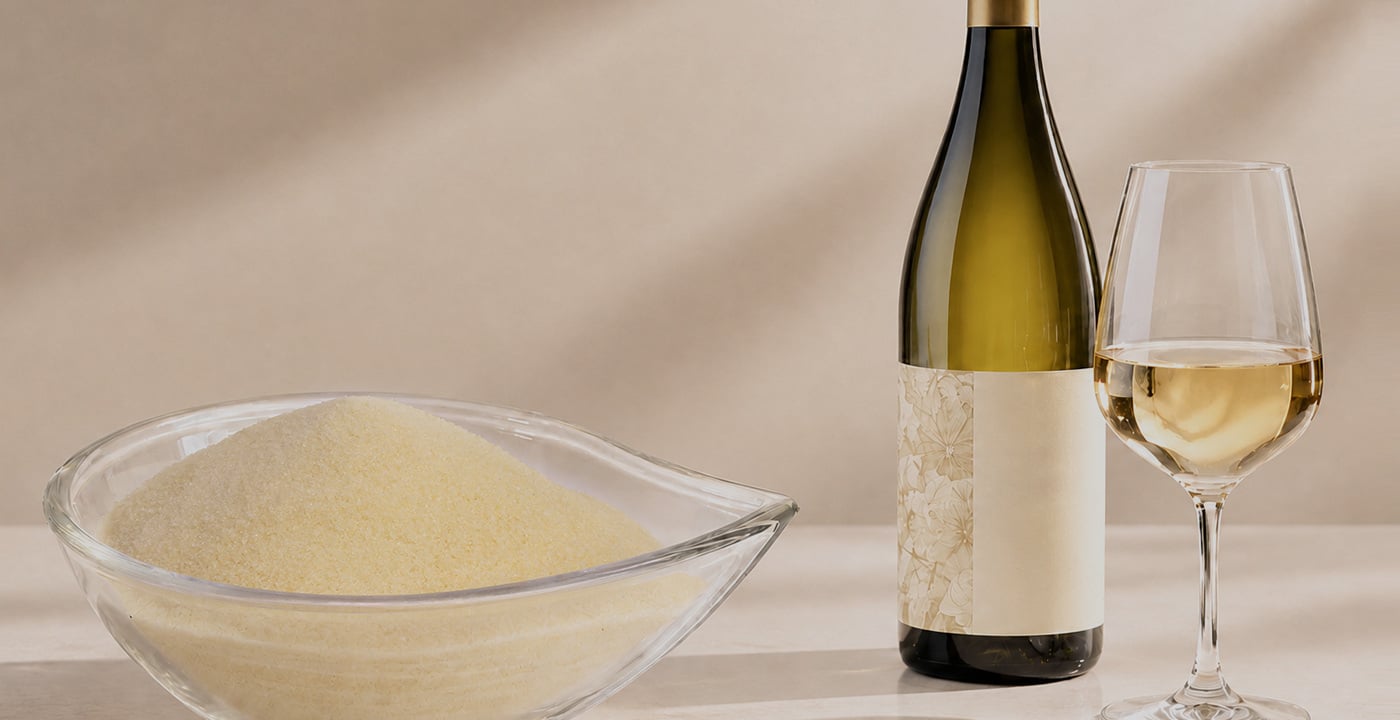
Yasin produces low-Bloom enological bovine hide gelatin for wine, beer, and fruit juice clarification alongside cold-soluble peptides for protein beverages. In acidic wine and juice (pH 3.0–3.8), gelatin interacts with polyphenolic tannins primarily via hydrogen bonding and hydrophobic interactions alongside pH-dependent charge effects. Controlled bench-trial dosing supports clean flocculation.
80–120 Bloom (Fining)
2.0–2.5 mPa·s
OIV COEI-1-GELATI
Peptides: <1,000–3,000 Da
- Fining levels in cylinder bench trials with silica sol (Kieselsol) are 30–240 mg/L for tannin softening of red wine and 15–120 mg/L for white wine or juice clarification. Cylinder bench trials with silica sol (Kieselsol) confirm optimal dosing before tank fining.
- Cold-soluble hydrolyzed collagen peptides (1,000–3,000 Da) and enzymatic pea peptides (<1,000 Da) target RTD beverage fortification; final clarity and taste require formula bench testing.
Dietary Supplements
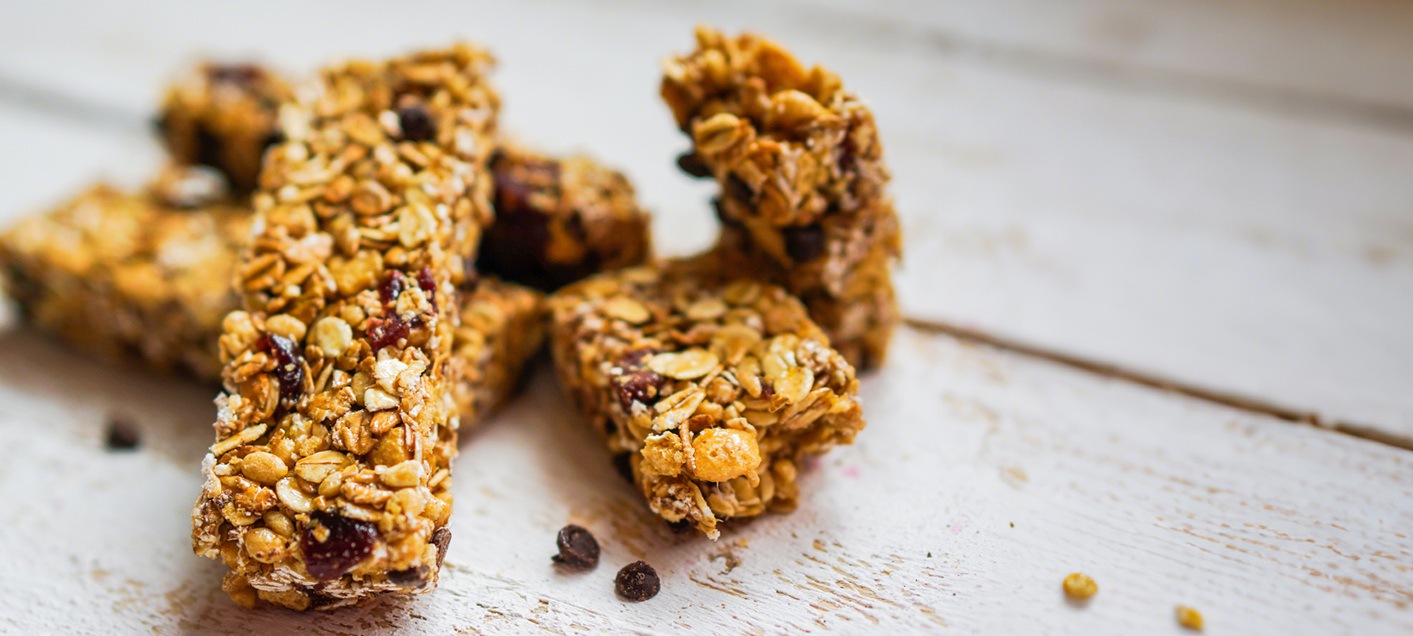
Our nutrition line supplies bovine, bone, tilapia fish, and Alaska pollock marine collagen peptides plus hydrolyzed and undenatured type II chicken collagen. Finished empty gelatin capsules also support joint-health, sports nutrition, and beauty-from-within dietary supplements.
Collagen Peptides: 1,000–3,000 Da
Undenatured Type II (100 kg MOQ)
Hydrolyzed Type II: MPS >=26%
GB 31645-2018
- Undenatured type II chicken collagen (100 kg MOQ, Q/HHG 001S-2021) is specified for 40 mg joint capsules (HPLC native type II collagen spec confirmed on COA), while hydrolyzed chicken type II collagen (500 kg MOQ, GB 31645-2018) delivers >=26% mucopolysaccharides.
- Enzymatically derived peptides from soy, pea, wheat, corn and rice, less than 1,000 Da, support vegan supplement blends.
Meat Products
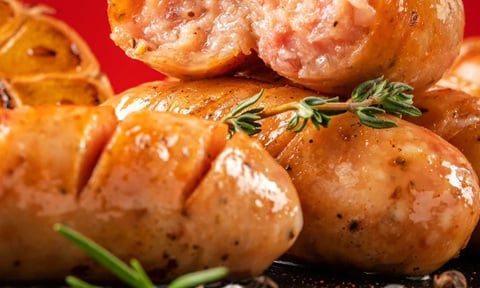
High-binding bovine hide gelatin strengthens cooked hams, emulsified sausages, canned meat jellies, and savory aspic glazes. Across the meat industry, gelatin is also used to absorb cooking juices, bind fat-water emulsions, and support clean sliceability on high-speed slicers.
180–280 Bloom
3.0–4.5 mPa·s
GB 6783-2013
Halal & Kosher Options
- The high gelatin binding holds natural meat juices to give canned meats and block hams structure and yield.
- Glossy gelatin-based glazes reduce surface drying on deli loaves and aspics that have been refrigerated. They also limit the contact oxygen has with the food.

Cosmetics & Skin Care
Our personal care line supplies cosmetic-grade gelatin, 500 Da fish collagen tripeptide (CTP >=20%), marine collagen peptides within our 1,000–3,000 Da portfolio, and plant peptides. Applications of gelatin-based hydrogels and peptides span peel-off masks, facial serums, shampoos, and hair conditioners.
Tripeptide: 500 Da (CTP >=20%)
Collagen Peptides: 1,000–3,000 Da
Plant Peptides: <1,000 Da
Q/HBJT 0022S-2022
- Low molecular weight collagen tripeptides and hydrolyzed collagen provide a smooth hydration feel in aqueous creams and serums.
- High-purity gelatin derivatives form flexible, water-washable films for peel-off facial masks and hair conditioning formulas.
Raw Material Sources and Full Product Grade Portfolio
Choosing traceable sources of gelatin from natural sources determines things like religious compliance, melting range, clarity and unit cost. We obtain collagen and gelatin from bovine hide, bovine bone, freshwater tilapia skin and scales, wild pollock skin and chicken cartilage. Separate enzymatic lines hydrolyze soy, pea, wheat, corn and rice to produce plant peptides.
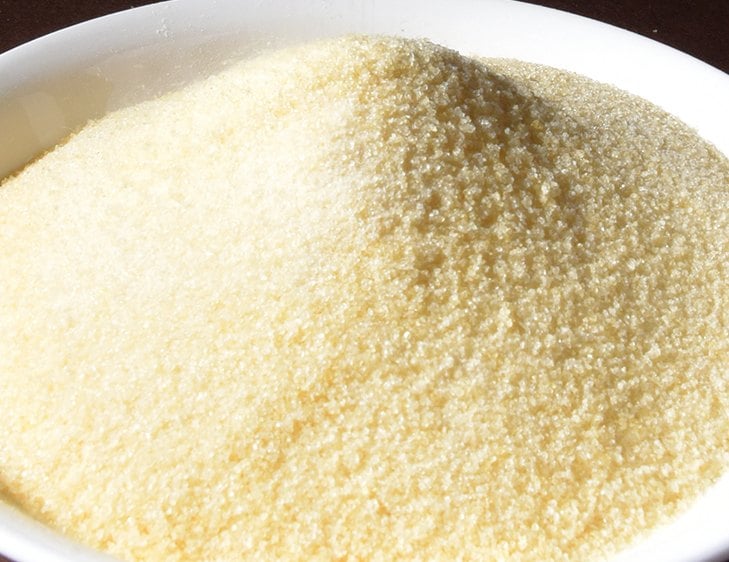
Bovine Hide Gelatin (Type A & Type B)
- Grades cover 80–300 Bloom, including 80–120 Bloom / 2.0–2.5 mPa·s beverage-fining grades, with Type A acid extraction and Type B alkali extraction (150–250 Bloom, 3.5–5.0 mPa·s).
- Core beef gelatin uses cover confectionery, dairy, meat, beverages, and softgel lines with clean solution clarity.
- Food grades are tested to GB 6783-2013 and pharmaceutical grades to ChP 2025; facilities hold Indonesia MUI/BPJPH Halal and Kosher certifications.
- Ships in 25 kg kraft bags or 1,000 kg bulk bags; commercial pricing and lead times are provided in the procurement guide below. Commercial prices and lead times are listed in the procurement guide below.
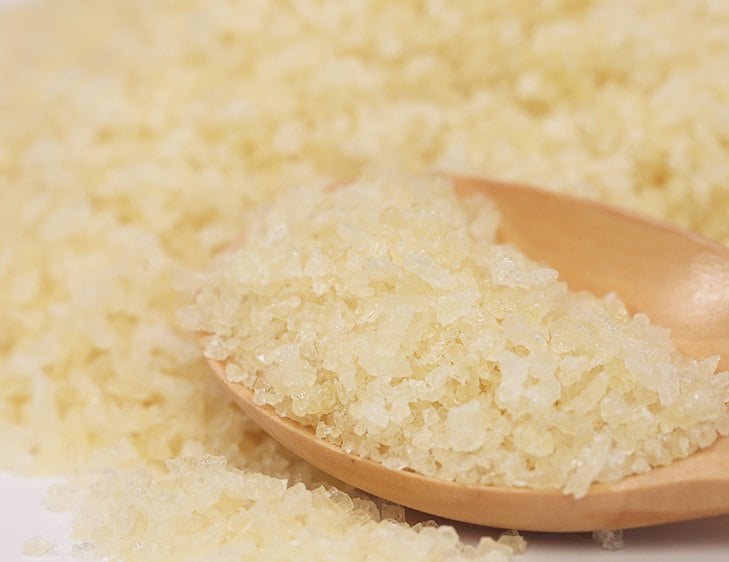
Bovine Bone Gelatin & Plasma-Substitute Grade
- Standard bone grades run 150–250 Bloom (3.5–4.6 mPa·s), and hard-capsule grades run 200–250 Bloom (4.5–5.0 mPa·s). Specialty plasma-substitute bone gelatin runs >180 Bloom (4.0–6.0 mPa·s, raw-material endotoxin <30 EU/g).
- Two-piece hard capsule gelatins, tablets, and specialties of biomedical applications are made with fast setting film strength.
- Tested to ChP 2025, ChP 2020 Part II, and USP/EP gelatin monograph parameters, with Halal and Kosher facility certifications.
- Supplied in 25 kg kraft bags; standard MOQ is 500 kg (25 kg for plasma-substitute bone gelatin).
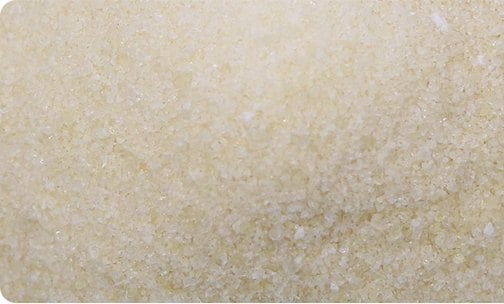
Tilapia Fish Skin & Scale Gelatin
- Gelatin extracted from freshwater tilapia skin and scales covers 150–250 Bloom with 2.1–4.8 mPa·s viscosity (6.67%, 60 °C).
- Supports Halal, Kosher, and pescatarian products with quick flavor release and neutral odor; the practical trade-off versus bovine hide gelatin is higher unit cost and lower melt point in warm climates.
- Tested to GB 6783-2013 under MUI/BPJPH Halal and Kosher facility certifications (fish-derived gelatin remains subject to destination fish allergen rules outside EU fining/carrier exemptions).
- Supplied in 25 kg kraft bags at 500 kg standard MOQ; quoted per target Bloom grade.
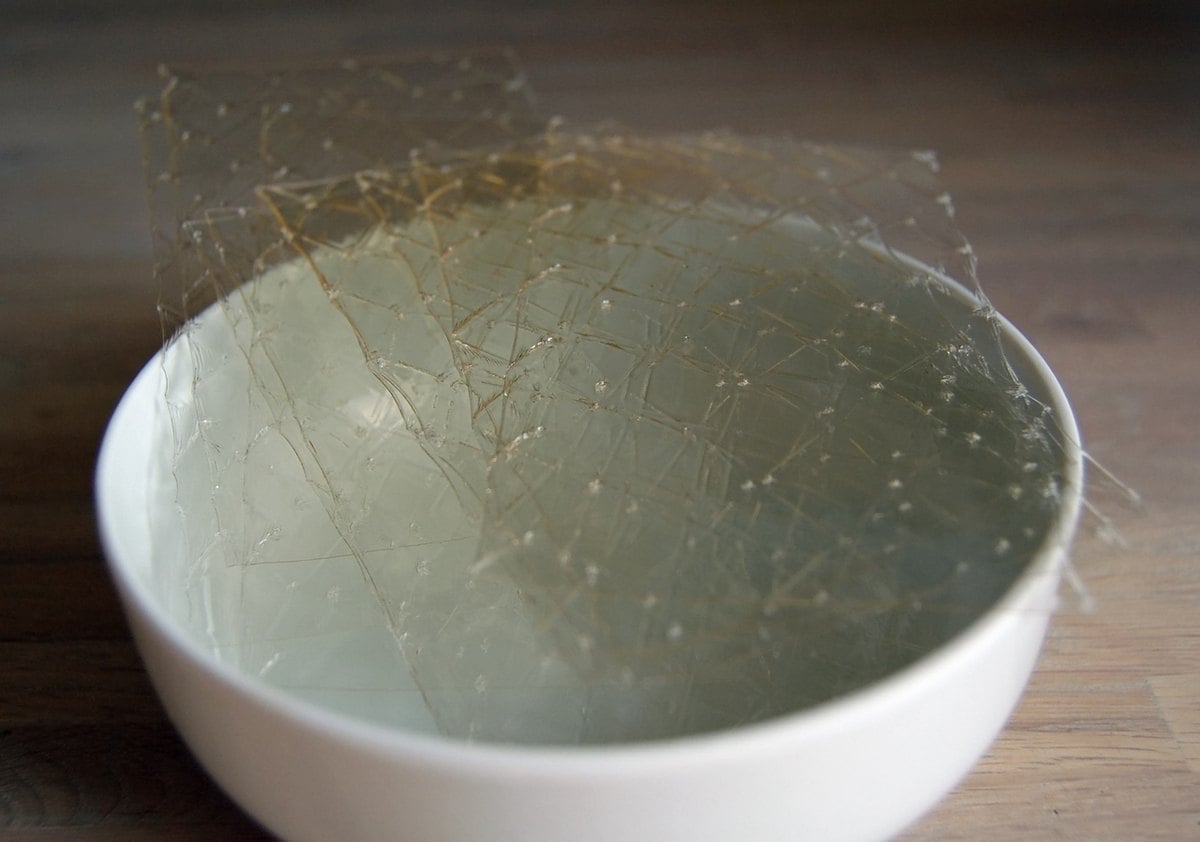
Leaf Gelatin Sheets (Bronze to Platinum)
- Precision-cut halal gelatin sheets hydrate rapidly in cold water and support piece-count batch dosing without powder to leaf bloom conversion errors.
- Inner packaging covers 500 g or 1 kg transparent bags packed into white or custom-printed cartons.
- Standard MOQ is 500 kg per grade, with a 2,000-box minimum for custom-printed retail or foodservice cartons.
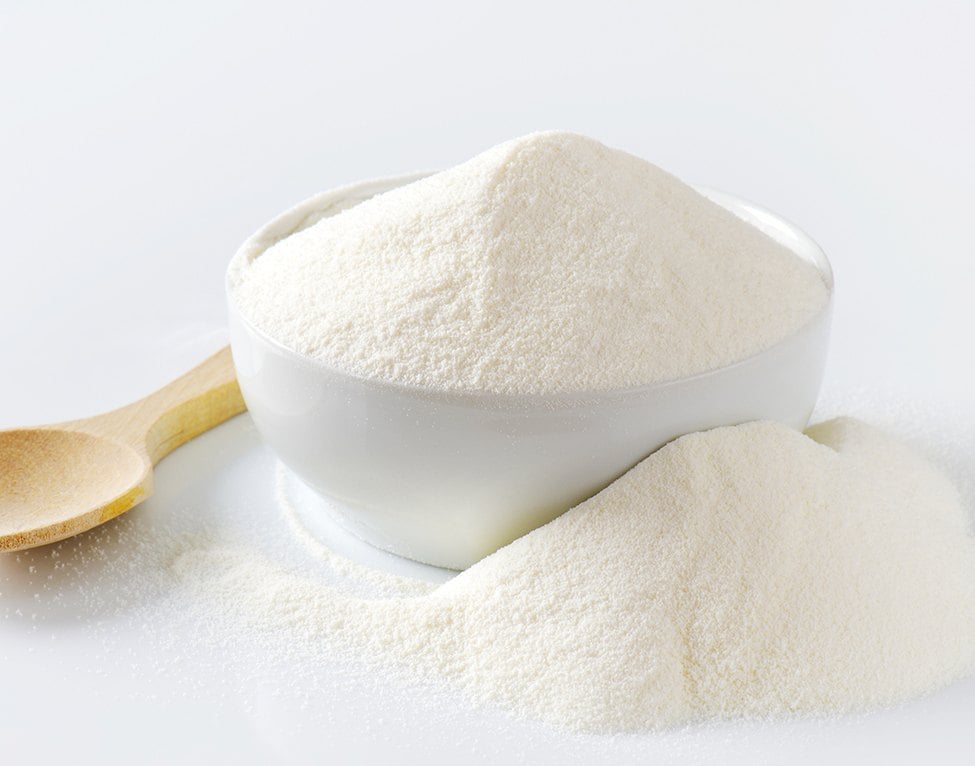
Hydrolyzed Collagen Peptides & Tripeptides
- Portfolio includes bovine hide peptides (2,000-3,000 Da, 20 kg bags), bovine bone peptides (1,000-2,000 Da, 15 kg bags), tilapia fish and wild pollock marine peptides (1,000-2,000 Da, 20 kg bags).
- Cosmetic and nutricosmetic grades include fish collagen tripeptide Grade I (CTP >=20%, GPH >=20 mg/g) and Grade II (500 Da) in 10 kg cartons.
- Non-gelling, cold-water soluble peptides are ideal for use in ready-to-drink beverages, nutrition powders and emulsions in personal care.
- Tested to GB 31645-2018, Q/DBBS 0002S, and Q/HBJT 0022S-2022 under Halal and Kosher facility certifications.
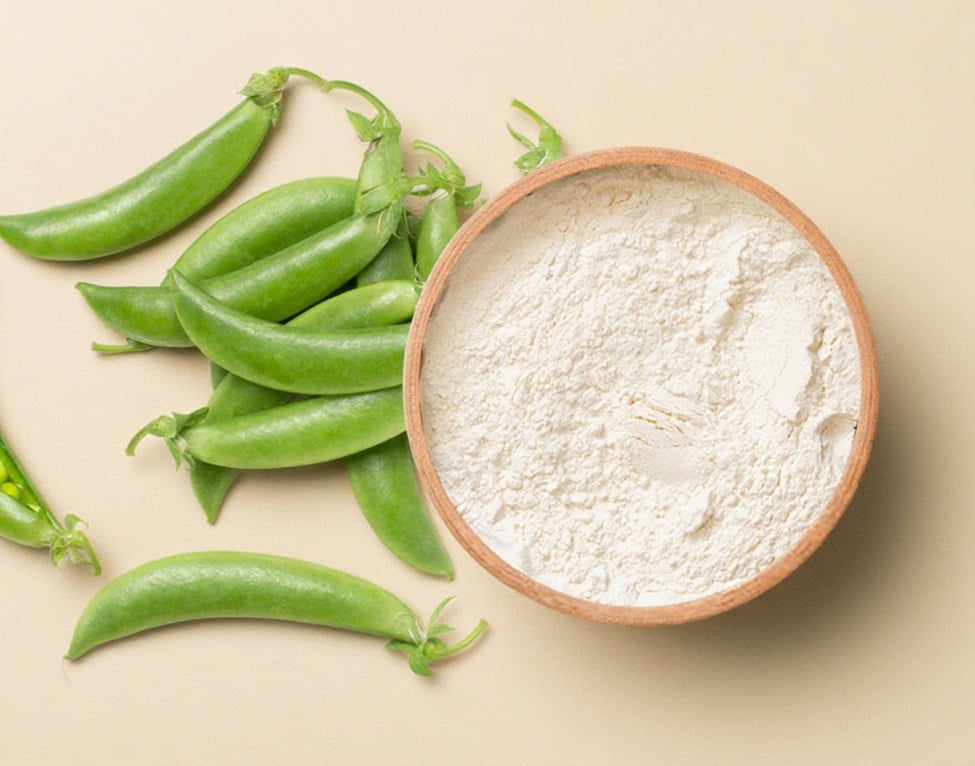
Type II Chicken Collagen & Enzymatic Plant Peptides
- Chicken sternum lines supply undenatured type II collagen (100 kg MOQ, Q/HHG 001S-2021, 25 kg drums) for 40 mg capsules and hydrolyzed chicken type II collagen (>=26% mucopolysaccharides, 500 kg MOQ, GB 31645-2018).
- Enzymatic soy, pea, wheat, corn, and rice plant peptides (<1,000 Da, 500 kg MOQ) serve animal-free vegan beverages, supplements, and cosmetics.
- Plant peptides are available in 10 kg cartons (soy, wheat, corn) or 20 kg kraft bags (pea, rice) and tested against GB/T 22492-2008 and QB/T 4707-2014.
- Prices and lead times for both standard and special peptide grades are given in the procurement section that follows.
Functional Properties of Gelatin Across Seven Industries
Gelatin is a natural polymer protein derived from collagen, rich in the amino acids glycine, proline, and hydroxyproline. As studied in MDPI Fluids (2022), partial hydrolysis of animal connective tissue allows polypeptide chains to dissolve above 30 °C (86 °F) and form thermo-reversible gelatin hydrogels upon cooling.
Common misconception in gelatin sourcing: higher Bloom does not automatically mean better performance, and it is not suitable for every line. In reality, high Bloom fails when used for delicate wine fining, where 80–120 Bloom is required. Softgels rely on 150–200 Bloom flexibility, while gummies and hard capsules require 200–260 Bloom gel strength.
Physicochemical and Rheological Properties Controlled in Extraction
Because gelatin is an exceptional food hydrocolloid that has thickening properties and melts near mouth temperature. Each extraction method of gelatin changes four core physicochemical properties that ultimately determine how a factory line should be designed.
- Bloom gel strength (80–300 Bloom) measures the grams of force needed to depress a 6.67% gel (chilled 17 hours at 10 °C / 50 °F) by 4 mm. Higher Bloom builds firm chew in gummies and meat aspics, while lower Bloom keeps wine fining fluid.
- Solution viscosity reflects relative molecular weight distribution, as documented in peer-reviewed gelatin film swelling research. Standard grades span 2.0–5.0 mPa·s at 6.67% and 60 °C (140 °F), while specialty low-endotoxin bone gelatin spans 4.0–6.0 mPa·s.
- Isoelectric point distinguishes acid-treated Type A gelatin (pH 7.0–9.0) from alkali-treated Type B gelatin (pH 4.7–5.4). This pH-dependent charge also influences fining flocculation in wine, as detailed in Virginia Tech enology guidance. This charge also determines the compatibility of protein and dairy products when used in neutral desserts and capsule shells, applying the pH-charge principles in Virginia Tech enology guidance.
- Granulation mesh sizing (such as 8–15 mesh coarse granules supplied for softgel and patch lines, or fine powders confirmed per grade) tunes hydration rate in low-shear versus high-shear mixers.
Gelatin Extraction Routes and Processing Specifications
Gelatin yield and its gel strength are affected by the extraction temperature, pH, and multi-stage filtration used. Gelatin can act as a clean label stabilizer within functional agents in food production.
| Process / Finishing Route | Technical Control Window | Functional Impact on Production | Execution |
|---|---|---|---|
| Type A Acid Extraction | Isoelectric point pH 7.0–9.0; 80–300 Bloom | Supports high clarity in acidic confectionery, fruit snacks, and 80–120 Bloom beverage fining | Integrated in-house |
| Type B Alkali Extraction | Isoelectric point pH 4.7–5.4; 150–250 Bloom | Supports controlled swelling and cohesive film strength for hard capsules, softgels, and dairy emulsions | Integrated in-house |
| Enzymatic Hydrolysis & Membrane Filtration | Targeted 500 Da tripeptide or 1,000–3,000 Da peptide cut | Produces non-gelling peptide fractions | Integrated in-house |
| Low-Endotoxin Medical Purification | Bovine bone raw-material release <30 EU/g; >180 Bloom | Supports hemostatic sponges, tissue engineering research, and plasma-substitute development | Integrated in-house |
| Custom Sieving & Leaf Sheeting | Custom mesh granulation (including 8–15 mesh) or calibrated leaf sheets (2.5 g, 3.3 g, 5.0 g) | Helps reduce fish-eye clumping under controlled dispersion and standardizes culinary sheet dosing | Integrated in-house |
Application-to-Grade Engineering Specification Matrix
This specification matrix maps 10 application segments across all seven core industrial sectors against exact Bloom strength, 6.67% solution viscosity, molecular weight, testing standards (including USP/NF gelatin monograph alignment), and minimum order quantity. Every lot ships with a CNAS-accredited laboratory COA verifying compliance against its grade specification.
| Application Sector | Recommended Yasin Grade | Bloom / Molecular Weight | 6.67% Viscosity (60 °C / 140 °F) | Primary Source | Testing Standard | MOQ & Packaging |
|---|---|---|---|---|---|---|
| Gummies & Confectionery | Gummy Confectionery Gelatin | Bovine hide: 230–260 Bloom (full 200–260); Tilapia fish: 150–250 Bloom | 3.3–4.0 mPa·s (bovine); 2.1–4.8 mPa·s (fish) | Bovine hide / Tilapia fish | GB 6783-2013 | MOQ 500 kg (1,102 lb); 25 kg kraft or 1,000 kg bulk bags |
| Pharmaceutical Softgels | Soft Capsule Gelatin | 150–180 Bloom & 200 Bloom | 3.5–4.8 / 3.0–3.4 mPa·s | Bovine hide (Type B / A) | GB 6783-2013 / USP / EP | MOQ 500 kg (1,102 lb); 25 kg kraft or 1,000 kg bulk bags |
| Pharmaceutical Hard Capsules | Hard Capsule Gelatin | 200–250 Bloom | 4.5–5.0 mPa·s | Bovine bone / hide | ChP 2025 / USP / EP | MOQ 500 kg (1,102 lb); 25 kg kraft or 1,000 kg bulk bags |
| Medical / Hemostatic & Plasma | Low-Endotoxin Bone Gelatin | >180 Bloom (<30 EU/g raw) | 4.0–6.0 mPa·s | Bovine bone | ChP 2020 Part II | MOQ 25 kg (55.1 lb); 25 kg kraft bag |
| Dairy & Desserts | Dairy Stabilizer & Leaf Sheets | 180–240 Bloom (Sheets: Bronze 150 to Platinum 240; 2.5/3.3/5.0 g) | 3.0–4.0 mPa·s | Bovine hide | GB 6783-2013 | MOQ 500 kg; 25 kg bags or 500 g / 1 kg sheet inner bags in cartons |
| Beverages (Fining) | Enological Clarification Gelatin | 80–120 Bloom | 2.0–2.5 mPa·s | Bovine hide | GB 6783-2013 / OIV | MOQ 500 kg (1,102 lb); 25 kg kraft bag |
| Beverages & Supplements (RTD) | Bovine / Fish / Marine Peptides | Bovine hide 2,000–3,000 Da; Bone / Fish / Pollock 1,000–2,000 Da | Non-gelling low viscosity (confirmed per spec) | Bovine / Tilapia / Pollock | GB 31645-2018 | MOQ 500 kg (1,102 lb); 15 kg (bone) or 20 kg kraft bag |
| Dietary Supplements (Joint) | Undenatured & Hydrolyzed Type II Collagen | Undenatured: native type II (HPLC spec on COA); Hydrolyzed: MPS >=26% | Not applicable (powder) | Chicken sternum cartilage | Q/HHG 001S-2021 / GB 31645-2018 | MOQ 100 kg (undenatured) / 500 kg (hydrolyzed); 25 kg drum |
| Meat Products | Meat Binding & Aspic Gelatin | 180–280 Bloom | 3.0–4.5 mPa·s | Bovine hide | GB 6783-2013 | MOQ 500 kg (1,102 lb); 25 kg kraft or 1,000 kg bulk bags |
| Cosmetics & Skin Care | Fish Collagen Tripeptide & Plant Peptides | 500 Da (CTP >=20%) / Plant <1,000 Da | Non-gelling water-soluble | Fish skin / Pea, Soy, Rice | Q/HBJT 0022S-2022 | MOQ 500 kg (1,102 lb); 10 kg carton or 20 kg bag |
Interactive Formulation & Procurement Engineering Tools
Three interactive engineering tools help your R&D and procurement teams shortlist the right Bloom grade, estimate bench-trial dosage swaps, and plan bulk budgets before requesting samples:
7-Sector Application Grade Selector
Filter all seven sectors by animal origin, Halal or Kosher status, and thermal needs to match exact Bloom and viscosity specs.
Bloom Dosage Conversion Estimator
Estimate pilot-trial starting adjustments when swapping Bloom grades (for example 180 to 250 Bloom) or leaf-to-powder weights.
Bulk Pricing, MOQ & Lead Time Planner
Model reference FOB/CIF tier budgets, container loading weights, free sample limits, and delivery timelines across our product lines.
Bulk Procurement Guide: Reference Pricing, MOQ, Lead Times and Free Samples
Transparent reference FOB and CIF pricing tiers help procurement teams verify commercial feasibility before opening an RFQ. Final quotations follow raw material origin, Bloom strength or molecular weight, certifications, and per-grade order volume.
| Product Line | Reference FOB / CIF Price | Standard MOQ | Production Lead Time | Free Sample Allowance |
|---|---|---|---|---|
| Food & Pharmaceutical Gelatin (80–300 Bloom) | $5.00–$8.00 USD/kg | 500 kg (1,102 lb) | 20 days | Up to 500 g (17.6 oz) free |
| Bovine Collagen Peptides (1,000–3,000 Da) | $6.50–$8.00 USD/kg | 500 kg (1,102 lb) | 10 days | Up to 200 g (7.1 oz) free |
| Fish & Marine Collagen Peptides (1,000–2,000 Da) | $10.00–$15.00 USD/kg | 500 kg (1,102 lb) | 10 days | Up to 200 g (7.1 oz) free |
| Undenatured Type II Chicken Collagen | Quoted on specification inquiry | 100 kg (220.5 lb) | 10 days | Paid pilot sample |
| Plasma-Substitute Low-Endotoxin Bone Gelatin | Quoted on specification inquiry | 25 kg (55.1 lb) | 20 days | Paid pilot sample |
Commercial Payment, Packaging, and Cost-Optimization Levers
International orders operate on T/T or L/C payment terms, with O/A open-account credit available for qualified repeat VIP partners. Four commercial levers help manage your landed cost per kilogram:
- Match Bloom to exact line needs instead of over-specifying 260 Bloom when 180–220 Bloom achieves target marshmallow aeration or dairy stability, balancing the firmness-versus-cost trade-off.
- Halal-certified bovine hide gelatin can replace tilapia fish gelatin when bovine sourcing is permitted and the selected grade meets your formulation performance, labeling, and certification requirements and offers a lower quote at your target Bloom.
- Combine food-grade gelatin and collagen peptides inside one full container (with bag weights and palletization confirmed in your quote) to reduce per-ton ocean freight cost.
- Test viscosity, flavor neutrality, and hydration time with our free 500 g gelatin or 200 g collagen bench samples before locking annual contracts.
Send your target application, Bloom or molecular weight, order quantity, and destination port to receive a written FOB or CIF quote within 24 hours.
Quality Assurance, Global Certifications and Export Compliance Documentation
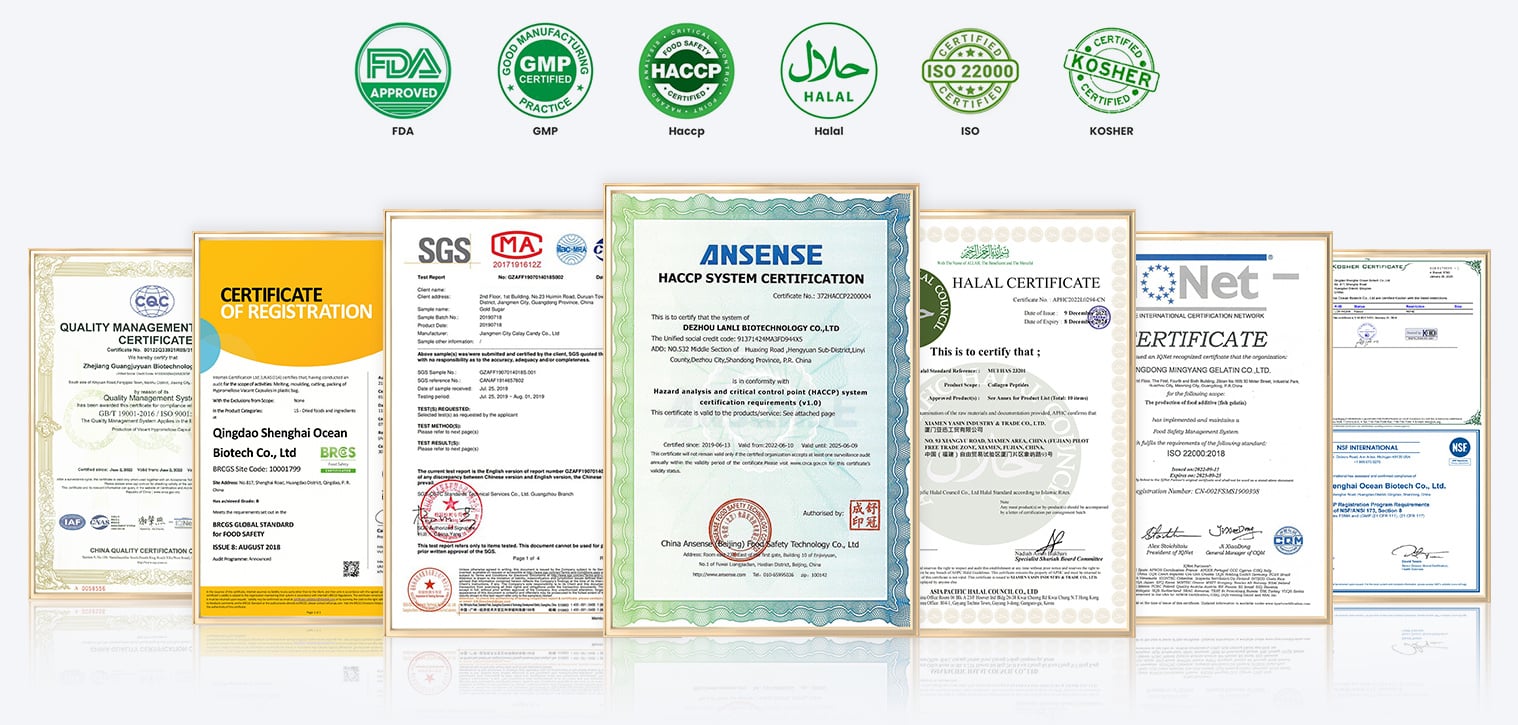
Global buyers qualify exact manufacturing lines, raw-material origins, and trade-lane paperwork together. Our facilities maintain ISO 22000, GMP, BRC, and HACCP food safety systems aligned with U.S. FSMA requirements, alongside Indonesia MUI/BPJPH Halal and Kosher certifications across gelatin and collagen lines.
Four-Stage Quality Control and CNAS Laboratory Release
- Quarantined raw material performs screening checks for veterinary origin and residue on bovine hides, bones, tilapia and pollock skins and chicken cartilage prior to extraction.
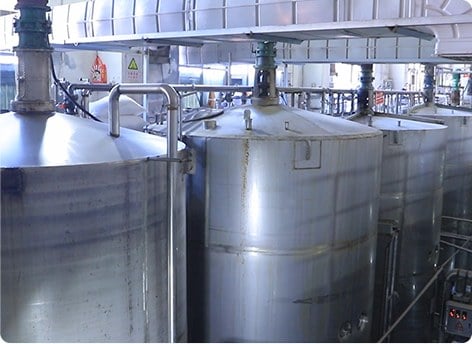
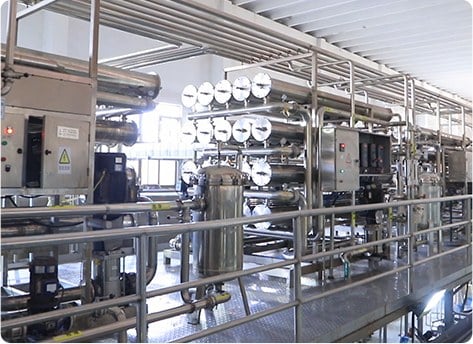
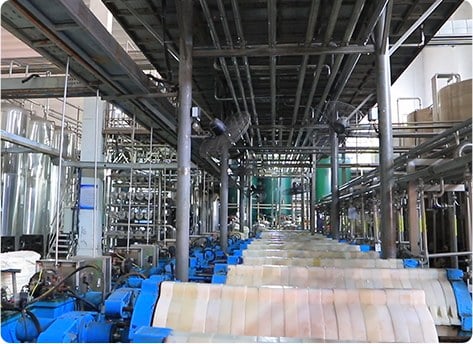
- Automated in-process CCP controls monitor acid or alkali pretreatment, multi-stage filtration, enzymatic hydrolysis cuts, UHT sterilization, and hygienic drying.
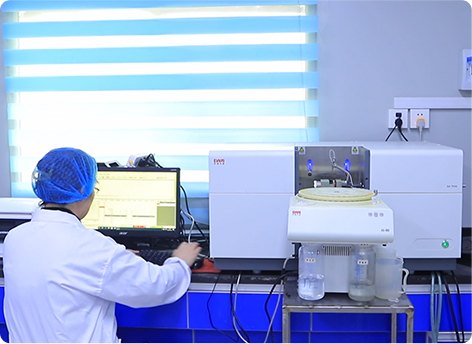
- Our CNAS-accredited factory laboratory tests each lot by product type: Bloom strength and 6.67% viscosity (60 °C) for gelling gelatin, molecular-weight/HPLC profiles for collagen peptides, and endotoxin (<30 EU/g) for plasma-substitute bone grades. Routine checks also verify moisture, ash, heavy metals, and microbiological limits.
- Every shipment releases with a lot-matched Certificate of Analysis (COA), Halal and Kosher papers where specified, and official Veterinary Certificates (VC).
Key International Regulatory Pathways We Support
| Regulatory Framework | Exact Scope & Buyer Compliance Note | How Yasin Supports Your Import Clearance |
|---|---|---|
| USDA APHIS 9 CFR 94.23(b)–(e) | U.S. import rules separate hide-derived from bone-derived bovine gelatin; hide pathways follow dedicated origin rules, while bone pathways check source-country BSE risk status and processing routes. | Our export team prepares official Veterinary Certificates (VC) carrying exact tissue-origin declarations (hide vs. bone) to match your customs broker’s regulatory pathway. |
| EU Regulation (EU) No 1169/2011 Annex II | Bovine gelatin and pea peptides are not major EU allergens. Under Annex II Point 4, the fish gelatine allergen exemption works only when used for vitamin/carotenoid carriers or beer and wine fining, with the strict caveat that general fish-collagen drinks and gummies are excluded. | Every COA clearly declares exact species origin (bovine, tilapia, pollock, or plant) so European QA teams apply accurate product-specific allergen labels. |
| USP–NF / Ph. Eur. / ChP 2025 Monographs | The PDG harmonized gelatin monograph (official 01-05-2020) governs microbial, heavy metal, and gel strength limits. Food and Drug Administration (FDA) parenteral endotoxin limits follow patient body weight and max hourly dose (5 EU/kg; 0.2 EU/kg intrathecal). | Our lab tests capsule grades to ChP 2025, USP, and EP standards and releases low-endotoxin bone gelatin below 30 EU/g raw material for downstream parenteral validation. |
| Food Import Controls & Religious Certifications (Halal / Kosher) | U.S. and EU bovine gelatin imports follow species-specific origin and BSE processing pathway rules (not applicable to fish or plant grades). Halal and Kosher certifications address market-specific religious requirements across Southeast Asia, the Middle East, and North America. | Every shipment includes a batch Certificate of Analysis (COA), Halal (Indonesia MUI/BPJPH) and Kosher documentation, and Veterinary Certificate (VC) export paperwork. |
Six-Step Bulk Ordering Workflow and Formulation Troubleshooting Guide
There are six steps, designed to avoid delays during trials and custom’s inspections at port, that take a sample pilot evaluation to steady container deliveries.
- Share your application sector, target Bloom or Dalton window, required Halal or Kosher certificates, and destination port.
- Our technical sales engineers match optimal grades and return written FOB or CIF quotations within 24 hours.
- Receive up to 500 g of free standard gelatin or 200 g of free collagen peptides with lot COA for R&D pilot trials.
- Lock agreed specifications and payment terms (T/T, L/C, or VIP O/A) before production scheduling. Minimum orders are 500 kg standard, 100 kg for undenatured type II collagen, and 25 kg for plasma-substitute bone gelatin, with 10-day collagen and 20-day gelatin lead times.
- Our CNAS-accredited laboratory verifies every physical, chemical, and microbiological parameter before palletizing and container loading.
- Export shipments release with COA, Halal/Kosher, and Veterinary Certificates (VC), while retained lot samples keep repeat orders consistent.
Industrial Formulation Troubleshooting Matrix
| Factory Processing Issue | Technical Root Cause | Actionable Formulation Fix |
|---|---|---|
| Gummy tailing or sweating in starch moguls | Excessive solution viscosity, prolonged heating with acid, or uncontrolled moisture migration during stoving | Pair 230–260 Bloom hide gelatin (3.3–4.0 mPa·s) with controlled syrup Brix, late acid dosing near 75–82 °C, and validated drying humidity |
| Softgel dissolution failure during aging | Aldehyde-bearing fills induce softgel crosslinking under accelerated high-heat, high-humidity storage | Control aldehyde impurities in fill oils and excipients, evaluate modified or succinylated shell systems where needed, and run accelerated dissolution checks with our 150–200 Bloom softgel grades |
| Fish-eye lumps during bulk hydration | Fine powder dumped directly into hot water above 50 °C seals outer granules before inner swelling | Select coarse 8–15 mesh granules for low-shear tanks and pre-swell slowly in cold water before heating |
| Wine or juice over-fining haze | High-Bloom gelatin or excess dosage strips phenolics and leaves soluble protein haze | Trial 80–120 Bloom enological gelatin (2.0–2.5 mPa·s) in 100 mL graduated cylinder bench tests with Kieselsol counter-fining |
| Off-odor or turbidity in functional drinks | Unrefined hydrolysates carry bitter peptides or insolubles in clear RTD beverages | Evaluate membrane-filtered 1,000–3,000 Da collagen peptides or enzymatic pea peptides (<1,000 Da) in your exact beverage pH |
Global Multi-Industry Supply Results and Verified Customer Cases
Established in September 2009 with industry manufacturing roots dating back to 1986, Xiamen Yaxun Industry & Trade Co., Ltd. supplies North America, South America, Southeast Asia, South Korea, Japan, Europe, and the Middle East. The verified cases below document real supplier transitions from our project ledger.
UK Beverage Producer (Feisty Drinks Ltd): Clear Pea Peptides
- Previous plant protein from a different supplier produced beverages with a cloudy appearance and rough mouthfeel.
- Switching to our enzymatic pea peptide (<1,000 Da) achieved clear solution clarity and clean sensory taste across production runs.<1000 Da) provided clear solution clarity and improved sensory taste during production.
Thai Hard-Capsule Manufacturer: 200 Bloom Bone Gelatin
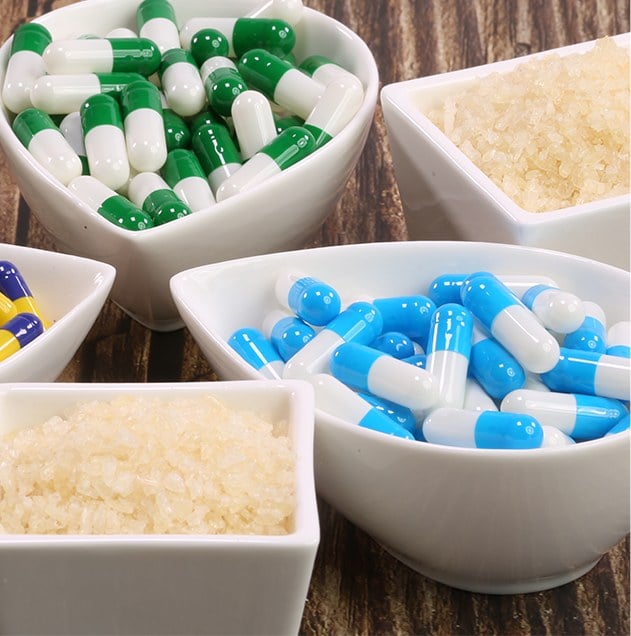
- High raw material prices and irregular transit schedules have been challenging to manufacture capsules.
- Joint formulation work with our 200 Bloom bovine bone gelatin lowered formulation cost by over 30% with stable deliveries.
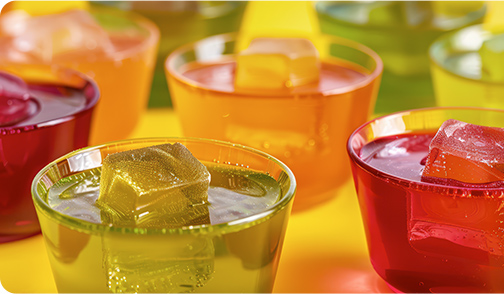
Colombian Jelly Powder Producer: 260 Bloom Bovine Hide Gelatin
- Single-source local monopoly kept bulk gelatin procurement costs elevated.
- Adding Yasin 260 Bloom bovine hide gelatin lowered unit cost and delivered 5 consecutive years of batch stability plus market insights.
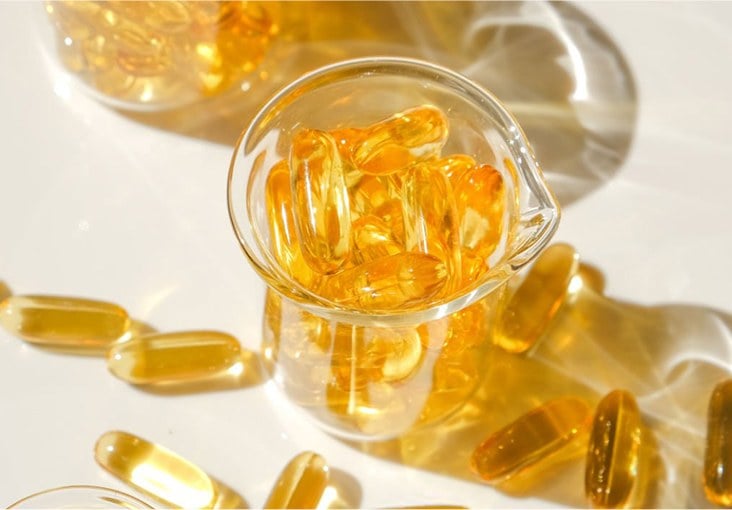
Dominican Republic Softgel Manufacturer: 180 Bloom 8–15 Mesh
- Previous supplier mishandled Veterinary Certificates (VC) causing delays in export communications.
- Continuous supply of 180 Bloom (8–15 mesh) hide gelatin with complete VC export documentation has run steadily since 2019.
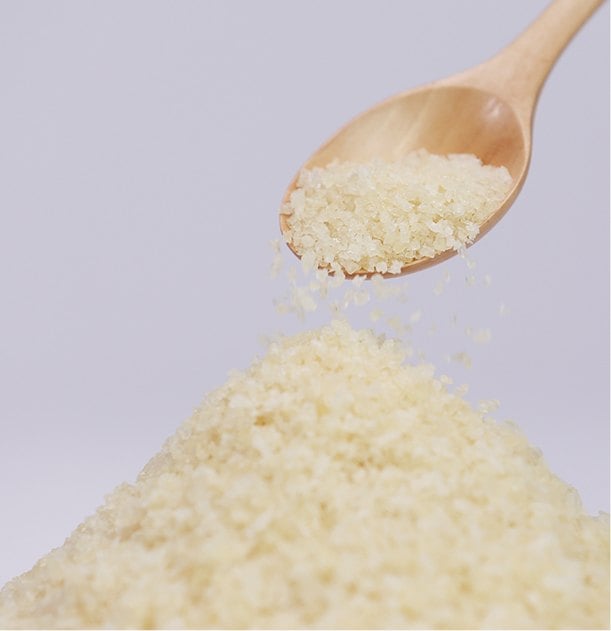
Costa Rican & Canadian Nutraceutical Brands: Collagen Peptides
- Costa Rica (17 repeat orders): Swapped out heavy-odor collagen with our bovine and fish collagen powders, which are now sold through local Walmart retail channels.
- Canada (11 repeat orders): Supplied custom molecular-weight fish collagen powder for nutrition channels in the home-shopping industry at lower landed cost.
Thai Supplement & South Korean Medical Patch Clients
- Thailand case: After a consumer reaction to deep-sea fish protein from another vendor, we supported multi-batch trials switching to freshwater tilapia fish collagen. Key drawback and caveat: switching species does not guarantee allergen elimination, because fish collagen itself carries sensitization risk (Kalic et al., 2020), and finished products remain subject to applicable fish allergen labeling laws (U.S. FDA Food Allergies guidance and EU Regulation 1169/2011).
- South Korea case: Scheduled split deliveries of 160 Bloom (8–15 mesh) bovine hide gelatin cut local sourcing cost and eased warehouse inventory pressure.

Gelatin vs. Collagen Peptides and Plant Hydrocolloids: Material Tradeoffs
Gelatin is widely used as a multifunctional protein in the food industry, though pure gelling gelatin has clear technical trade-offs and is not appropriate for every product. Cold-water swelling is not the same as dissolution.
Contrary to common myth, cold-water swelling is not dissolution, and hydrolyzed peptides do not work as standalone gelling agents. Raw-material endotoxin limits alone never replace finished drug dosage form assessment. As noted in Prepared Foods protein-formulation guidance, understanding the limitations of raw materials can reduce the number of failed bench trials.
| Formulation Scenario | Why Pure Gelatin Works Against You | Recommended Matrix & Yasin Alternative |
|---|---|---|
| Cold Ready-to-Drink (RTD) Protein Beverages | Intact gelatin swells in cold water and requires heating to dissolve; upon chilling, it forms a gel depending on grade Bloom, concentration, and beverage formula. | Unlike pure gelatin, cold-soluble hydrolyzed collagen peptides (1,000–3,000 Da) and enzymatic pea or soy peptides (<1,000 Da) stay non-gelling when chilled. |
| Plant-Based or Vegan Label Claims | Gelatin and collagen derive from animal connective tissue (bovine, porcine, fish, or poultry) and cannot carry vegan labels. | Pair pectin, carrageenan, or agar (agar sets near 1% dosage and melts at >=85 °C / 185 °F with a brittle bite) with our <1,000 Da plant peptides. |
| Warm-Climate Confectionery Distribution | Standard mammalian laboratory gels melt near 28–31 °C (82.4–87.8 °F), so pure gelatin is not ideal for hot-climate transit and breaks down when exposed to prolonged heat. | Evaluate high-Bloom gelatin (230–260 Bloom) blended with pectin in pilot stability trials; this trade-off raises softening resistance while keeping elastic chew. |
| High-Dose Collagen Gummies Without a Gelling Base | Hydrolyzed collagen peptides lack triple-helix gelling chains (0 Bloom), and the caveat is that they work only when paired with a gelling base. | Combine 230–260 Bloom confectionery gelatin as the structural hydrogel network with 1,000–3,000 Da collagen peptides for protein loading. |
| Raw Tropical Fruit Enzymes (Pineapple, Kiwi, Papaya) | Active proteases (bromelain, actinidin, papain) cleave gelatin polypeptide chains, so pure gelatin falls short and is not recommended for raw fruit juices; do not use unpasteurized pineapple or kiwi puree because intact gelatin fails to set. | Instead of raw juice dosing, use validated thermal pasteurization (temperature and holding time matched to the fruit matrix) to inactivate enzymes before adding hydrated gelatin. |
Frequently Asked Questions About Industrial Gelatin Uses and Sourcing
What is gelatin used for across industrial food and pharmaceutical lines?
Gelatin and food industry help in many ways including gummy and marshmallow making, dairy product and meat stabilization and fining of beverages. Other industries use gelatin for hard and soft capsules, hemostatic sponges, dietary supplements and peel-off cosmetic masks.
Is industrial gelatin always made from pork, or can we source Halal and Kosher grades?
Gelatin is derived from multiple animal sources, not only porcine gelatin. Yasin manufactures bovine hide gelatin, bovine bone gelatin, and tilapia fish gelatin backed by Indonesia MUI/BPJPH Halal and Kosher facility certifications.
What is the difference between Type A and Type B gelatin in manufacturing?
Type A gelatin uses acid pretreatment with an isoelectric point of pH 7.0–9.0, while Type B gelatin uses alkali pretreatment with an isoelectric point of pH 4.7–5.4. Both types span multiple viscosities depending on molecular weight, so we match Type A (80–300 Bloom) or Type B (150–250 Bloom) to your formula’s pH and processing needs.
How do gelatin and hydrolyzed collagen peptides differ in formulation behavior?
In gelatin vs collagen peptide selection, intact gelatin retains long polypeptide chains (typically 15,000 to over 140,000 Da across the industry) that form thermo-reversible gels on cooling and melt near body temperature. However, hydrolyzed collagen peptides (1,000–3,000 Da, or 500 Da tripeptides) remain non-gelling and dissolve readily in cold water.
Does a higher Bloom strength always mean better performance?
No. A common myth is that higher Bloom is always better, yet high-Bloom grades (230–300 Bloom) build firm elastic snap for gummies and meat aspics while failing in delicate clarification. For beverage fining trials, we recommend starting with low-Bloom grades (80–120 Bloom, 2.0–2.5 mPa·s) alongside bench testing, while softgel lines generally start at 150–200 Bloom.
Can we use the EU fish gelatin allergen exemption for collagen drinks or gummies?
No. Under Regulation (EU) No 1169/2011 Annex II Point 4, the fish gelatine allergen exemption applies strictly to vitamin or carotenoid carriers and beer or wine fining agents. General fish-collagen drinks, gummies, and supplements must carry standard fish allergen declarations.
What are your minimum order quantities across standard and specialty grades?
Standard MOQ is 500 kg (1,102 lb) per grade across food gelatin, capsule gelatin, collagen peptides, and plant peptides. Specialty grades allow smaller lots: 100 kg (220.5 lb) for undenatured type II chicken collagen and 25 kg (55.1 lb) for low-endotoxin plasma-substitute bovine bone gelatin.
How much free sample material do you ship for pilot trials?
Yasin dispatches free R&D samples up to 500 g (17.6 oz) for standard gelatin grades and up to 200 g (7.1 oz) for collagen peptides after confirming your target specification. Samples of undenatured type II collagen and plasma-substitute gelatin are supplied on a paid basis.
What are your reference bulk FOB and CIF prices per kilogram?
Standard food and capsule gelatin runs $5.00–$8.00 USD/kg FOB or CIF. Hydrolyzed collagen peptides run $6.50–$8.00 USD/kg for bovine grades and $10.00–$15.00 USD/kg for tilapia fish and marine grades, depending on volume and spec. Specialty plasma-substitute gelatin and undenatured type II collagen are quoted on inquiry.
What production lead times and payment terms do you offer for export orders?
Standard production lead time is 10 days for collagen peptides and 20 days for gelatin after contract confirmation. Accepted payment terms include T/T and L/C, with O/A open-account terms available for qualified repeat VIP buyers.
Which compliance and export certificates ship with every bulk order?
Each order ships with a batch Certificate of Analysis (COA) tested in our CNAS-accredited factory laboratory plus Indonesia MUI/BPJPH Halal and Kosher paperwork where specified. Export files also include raw-material origin statements (hide, bone, or fish) and official Veterinary Certificates (VC) for U.S. USDA APHIS and global customs clearance.
How does industrial bulk gelatin compare with retail gelatin like Knox or household Jell-O?
Retail packets like unflavored Knox gelatin and flavored Jell-O dessert mixes are consumer kitchen packs rather than bulk industrial ingredients shipped with lot-specific viscosity, mesh granulation, and export COAs. Commercial powdered gelatin products from Yasin ship with defined Bloom tolerances, custom granulation (including 8–15 mesh), and CNAS batch COAs. Powder ships in 25 kg or 1,000 kg bags, while leaf gelatin ships in 500 g or 1 kg inner bags inside cartons (500 kg MOQ; 2,000-box custom carton MOQ).