Get in touch with Xiamen Yasin Industry & Trade Co., Ltd.

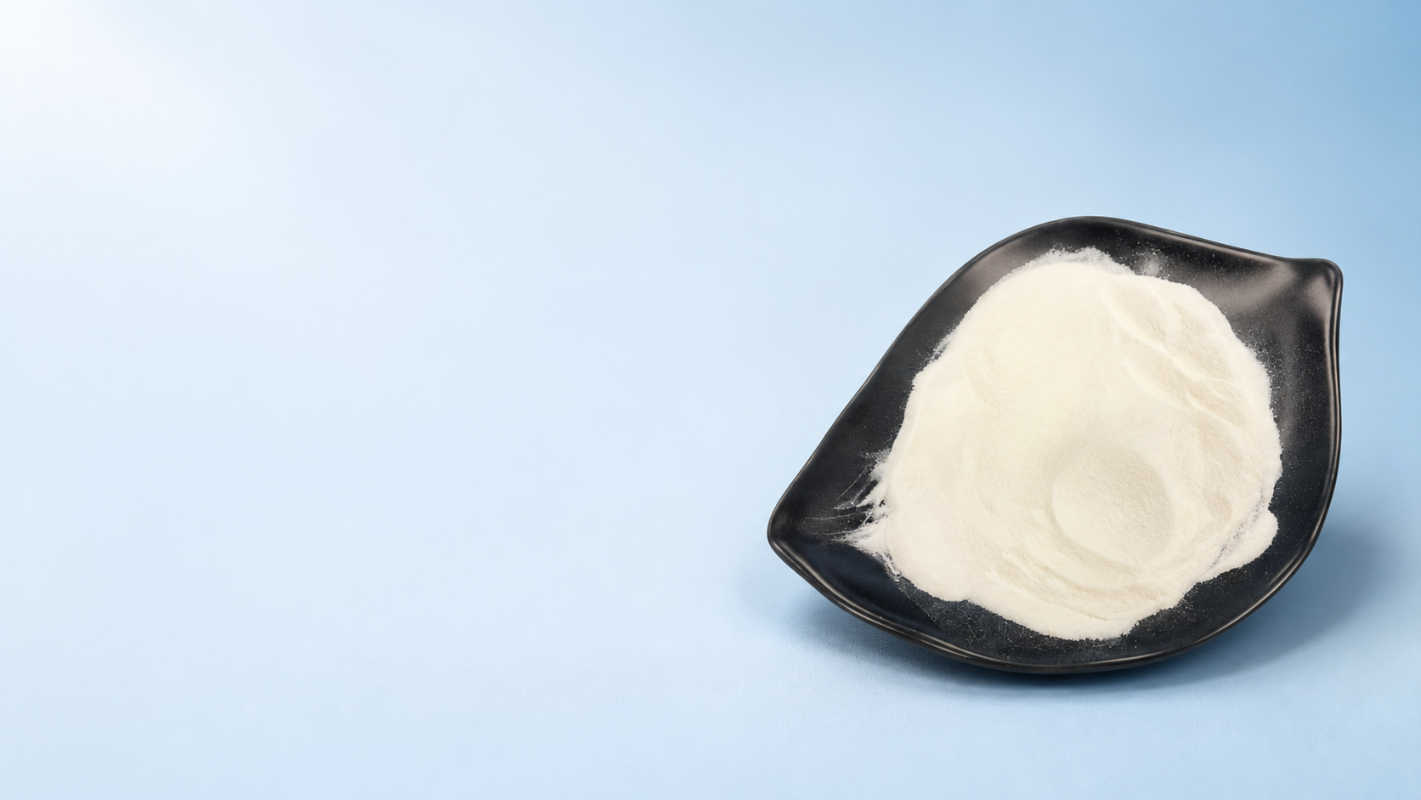
Hydrolyzed Chicken Collagen Type II for Joint Supplements
- Quote returned within 24 hours
- Standard collagen dispatch in 10 days
- 500 kg MOQ with 200 g free sample
- GB 31645-2018 & batch COA verified
Yasin supplies bulk chicken collagen extracted from traceable chicken sternal cartilage for joint health dietary supplement manufacturers. Every production lot meets China National Food Safety Standard GB 31645-2018 and the stated product specifications, delivering a naturally occurring matrix of low-molecular-weight type II collagen peptides, mucopolysaccharides (≥26%), and chondroitin sulfate (≥20 g/100g dry basis). For bulk ingredient sourcing, we support contract encapsulators and powder brands across North America, South America, Southeast Asia, Japan, South Korea, and the Middle East.
Direct Answer for Supplement Formulators: Hydrolyzed chicken sternum collagen type II is an enzymatically cleaved protein-glycosaminoglycan matrix (average peptide molecular weight 1,500–2,500 Da per Australian TGA compositional guidelines, and <10,000 Da under GB 31645-2018). Our standard release specification guarantees ≥60% dry-basis protein (N×5.79, GB 5009.5-2025; Batch 20260816720 measured 92.6%), ≥26% mucopolysaccharides, and ≥20 g/100g dry-basis chondroitin sulfate (GB/T 20365-2006) for 1,000–2,500 mg daily joint formulations.
- Dry-Basis Protein (GB 5009.5-2025) Spec ≥60% (N×5.79) | Batch 20260816720 measured 92.6%
- GAG & Chondroitin Matrix Mucopolysaccharides ≥26% | Chondroitin sulfate ≥20 g/100g (GB/T 20365-2006)
- Capsule Bulk Density & Moisture Measured 0.46 g/mL density | 3.52 g/100g moisture (Spec ≤7.0 g/100g)
- Non-Irradiated Quality Control Non-irradiated processing | 20–30 CFU/g batch result
- Minimum Order & Packaging 500 kg MOQ in 25 kg fiber drums or 20 kg kraft bags (24-month shelf life)
- Free R&D Sample & Lead Time 200 g free sample | 10 days production lead time | 24 hours quote response
- Payment & Shipping Incoterms T/T and L/C accepted | FOB and CIF export delivery with full COA & TDS
- Certifications & Lab ISO 22000, ISO 9001, GMP, Halal (MUI & BPJPH), Kosher, and CNAS laboratory testing
Chicken Collagen (Hydrolyzed Type II) Overview and Target Buyers
Many avian cartilage ingredients are sourced via raw material brokers, who lump together gram-dose hydrolyzed chicken collagen peptide, milligram-dose native undenatured type II collagen, and culinary chicken bone broth powders. Using the wrong grade results in sub-therapeutic dosing or thermal degradation during tableting or gummy cooking.
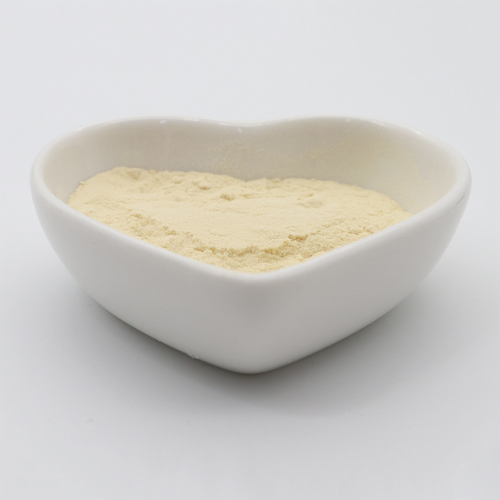
Biochemical Identity: Chicken Sternal Cartilage Matrix vs. Culinary Bone Broth
- In raw material sourcing, ‘targeted hyaline cartilage sourcing’ refers to extracting hydrolyzed chicken collagen from inspected chicken sternal cartilage (keel bone hyaline cartilage), where type II collagen is naturally occurring along with proteoglycans.
- During controlled protease hydrolysis, co-extracted glycosaminoglycans (GAGs) retain ≥26% mucopolysaccharides, including ≥20 g/100g dry-basis chondroitin sulfate and naturally occurring low-molecular-weight hyaluronic acid for rapid digestion in the gastrointestinal tract.
- By contrast, culinary stock (food), soup, or chicken bone broth powder is cooked from whole poultry bones and skin. Those broth powders consist primarily of Type I collagen protein and lack a standardized ≥20 g/100g chondroitin sulfate assay on their batch COA.
Contrary to the common misconception that any collagen supplement labelled Type II works at the same milligram dose, processing method dictates biological pathway, daily serving size, and heat tolerance. In reality, formulators report that brands label products Type II Chicken Collagen without stating whether it is 40 mg undenatured or gram-dose hydrolyzed peptides, and putting 40 mg of hydrolyzed powder in a capsule does nothing. In published clinical trial literature (such as Schauss et al 2012 in NIH PMC3426261 evaluating WOMAC knee comfort scores in adult patient groups, and PubMed 31221944 on skin ageing and wrinkle elasticity), hydrolyzed chicken sternal cartilage extract is formulated at a daily dose (biochemistry) of 1,000–2,500 mg to supply structural amino acid and nutrient building blocks alongside glucosamine and chondroitin formulas, whereas undenatured type II collagen acts via gut immune system tolerance at 40 mg/day.
The 5-Source Collagen Selection & Processing Matrix
| Ingredient Grade & Source | Dominant Collagen Types | Key Active Assay & Molecular Weight | Formulation Daily Dose | Heat & Shear Stability | Standard & Yasin MOQ |
|---|---|---|---|---|---|
| Hydrolyzed Chicken Collagen Type II (Chicken sternum cartilage) | Type II collagen peptide matrix | Dry-basis protein ≥60 g/100g (Batch 92.6%), Mucopolysaccharides ≥26%, Chondroitin ≥20 g/100g; Mn 1,500–2,500 Da | 1,000–2,500 mg/day | High: survives direct compression, gummy cooking, and pasteurization | GB 31645-2018 & batch COA | 500 kg MOQ (200 g free sample) |
| Undenatured Type II Collagen (Chicken sternum cartilage) | Native triple-helix Type II collagen | Native Type II epitopes (HPLC verified), Mucopolysaccharides ≥26%; native ~300 kDa helix | 40 mg/day | Heat-sensitive: requires low-temperature encapsulation to protect epitopes | Batch COA verified | 100 kg MOQ (25 kg fiber drum) |
| Bovine Hide Collagen Peptides (Bovine dermis) | Type I & Type III collagen peptides | High dry-basis protein (N×5.79 under GB 31645-2018), chondroitin-free; MW 2,000–3,000 Da | 5,000–10,000 mg/day | High: instant cold/hot water solubility for canisters and bars | GB 31645-2018 | 500 kg MOQ (20 kg kraft bag) |
| Bovine Bone Collagen Peptide (Bovine bone) | Type I collagen peptides | High dry-basis protein (N×5.79), neutral taste; MW 1,000–2,000 Da | 5,000–10,000 mg/day | High: thermally stable across beverages and bone health sachets | Batch COA verified | 500 kg MOQ (15 kg kraft bag) |
| Marine / Fish Collagen Peptide (Tilapia or wild cod skin) | Type I collagen peptides (or 500 Da tripeptide) | High dry-basis protein, optional tripeptide GPH ≥20 mg/g; MW 500–2,000 Da | 2,500–5,000 mg/day | High: crystal-clear dispersion in acidic beauty drinks | GB 31645-2018 | 500 kg MOQ (20 kg bag / 10 kg carton) |
For our primary three commercial lines, procurement teams and contract formulators purchase our hydrolyzed type II chicken collagen powder. You can also examine our broader (type 2 collagen) portfolio to integrate hydrolyzed with native grades across tiered SKUs.
Joint Mobility Capsules & Tablets
Contract manufacturers use our 0.46 g/mL loose density powder (~419 mg loose fill and up to 450-500 mg compacted fill per Size 00 capsule) for osteoarthritis and joint comfort dietary supplements, while contributing ≥200 mg intrinsic chondroitin sulfate per gram of collagen.
Multi-Collagen Powder Blends
Sports nutrition brands combine hydrolyzed chicken collagen with bovine collagen and marine peptides to provide customers with an authentic 5-type (Types I, II, III, V, X) protein powder.
Nutricosmetic & Pet Joint Chews
Skin health and veterinary formulators use the naturally occurring hyaluronic acid and chondroitin matrix to support connective tissue elasticity in dermal capsules and canine soft chews.
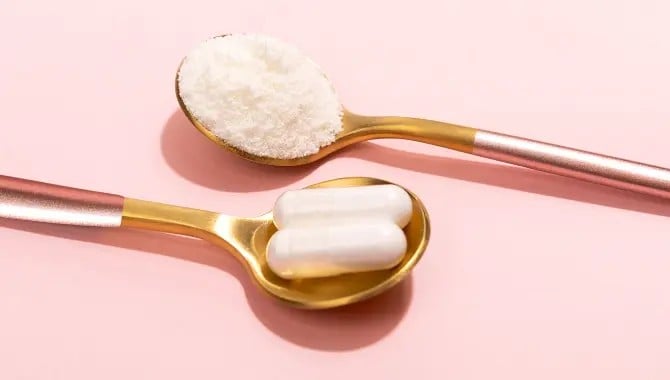
Comparing gram-dose hydrolyzed Type II with 40 mg native Type II for your formulation brief?
Request a 200 g trial sample & technical specification consultation from our engineering teamSpecifications: Molecular Weight, Protein, Solubility, and Microbiology
During supplier qualification audits, buyers frequently complain that brokers send a generic spec sheet tested with dairy factor N*6.25 instead of collagen factor N*5.79, or fail to provide lot-specific ICP-MS heavy metal and 5-sample Salmonella COAs. CNAS-accredited laboratory testing verifies every lot against GB 31645-2018 and the stated product specifications using the collagen-specific Kjeldahl factor N×5.79 under GB 5009.5-2025. Below we publish both our contractual release specification limits and the actual measured results from Batch No. 20260816720.
Batch 20260816720 COA vs GB 31645-2018 & TGA Benchmark Verification Table
| Test Parameter | Analytical Test Method | Release Specification Limit | Batch 20260816720 Measured Result | International Benchmark Context |
|---|---|---|---|---|
| Organizational Form & Appearance | Product Specification | Uniform powder or granules, soft, no caking | PASS (Uniform off-white/light yellow powder) | Matches Australian TGA & GB 31645-2018 sensory rules |
| Taste, Odor & Impurities | Product Specification | Characteristic taste and smell, no foreign odor, no visible exogenous impurity | PASS (Deodorized via activated carbon filtration) | Prevents poultry sulfur off-notes in sachets |
| Protein (Dry Basis, N×5.79) | GB 5009.5-2025 | ≥60 g/100g dry basis | 92.6% | TGA guideline requires ≥60 g/100g w/w dry basis |
| Total Mucopolysaccharides | GB 31645-2018 / Product Spec | ≥26% (≥26 g/100g) | ≥26% (Conforms) | Natural cartilage glycosaminoglycan complex |
| Chondroitin Sulfate (Dry Basis) | GB/T 20365-2006 | ≥20.0 g/100g | PASS (≥20.0 g/100g) | TGA guideline requires ≥20 g/100g w/w dry basis |
| Peptide Average Molecular Weight (Mn) | GB 31645-2018 / GPC | <10,000 Da (Targeted 1,500–2,500 Da peptide matrix) | 1,500–2,500 Da (Conforms) | TGA Ph. Eur. 2.2.30 benchmark: 1,500–2,500 Da |
| pH Value (10% Aqueous Solution) | GB 5009.237-2016 | 5.0–7.5 | 6.09 | Near-neutral pH in 10% aqueous solution supports neutral-to-mild formulation dispersion |
| Loose Bulk Density | Product Specification | 0.40–0.60 g/mL target window | 0.46 g/mL | Yields ~419 mg loose fill (up to 450–500 mg compacted fill) in Size 00 capsules |
| Moisture (Loss on Drying) | GB 5009.3-2016 | ≤7.0 g/100g | 3.52 g/100g | Well below the ≤7.0 g/100g limit to reduce moisture-driven caking before opening |
| Ash Content | GB 5009.4-2016 | ≤10.0 g/100g | 2.4 g/100g | Well within TGA compositional ash ceiling (≤12 g/100g) |
| Lead (Pb) | GB 5009.12-2023 | ≤0.2 mg/kg (ppm) | ND (Not Detected) | Matches TGA <0.2 ppm strict heavy metal cap |
| Arsenic (As) | GB 5009.11-2024 | ≤0.5 mg/kg (ppm) | ND (Not Detected) | Complies with GB 31645-2018 arsenic limit |
| Cadmium (Cd) | GB 5009.15-2023 | ≤0.1 mg/kg (ppm) | ND (Not Detected) | Matches TGA <0.1 ppm compositional limit |
| Chromium (Cr) | GB 5009.123-2023 | ≤1.0 mg/kg (ppm) | ND (Not Detected) | Full heavy metal screening per production lot |
| Total Aerobic Bacterial Count (5-sample) | GB 4789.2-2022 | n=5, c=2, m=10³, M=3×10⁴ CFU/g | 30, 20, 30, 30, 20 CFU/g (PASS) | Controlled via non-irradiated quality processing |
| Coliforms & Staphylococcus aureus | GB 4789.3-2025 / GB 4789.10-2016 | Coliforms m=10, M=10²; S. aureus m=10², M=10³ CFU/g (n=5) | <10, <10, <10, <10, <10 CFU/g (PASS) | 5-sample unit (n=5) verification on every batch |
| Salmonella (/25g) & Mould / Yeast | GB 4789.4-2024 / GB 4789.15-2016 | Salmonella n=5, c=0, m=0; Mould ≤25 CFU/g; Yeast ≤25 CFU/g | Salmonella ND×5; Mould <10; Yeast <10 CFU/g | Meets the listed Salmonella, mould, and yeast release specifications |
Analytical Metrology Note: Why Kjeldahl Protein (92.6%) and Chondroitin Sulfate (≥20 g/100g) Overlap
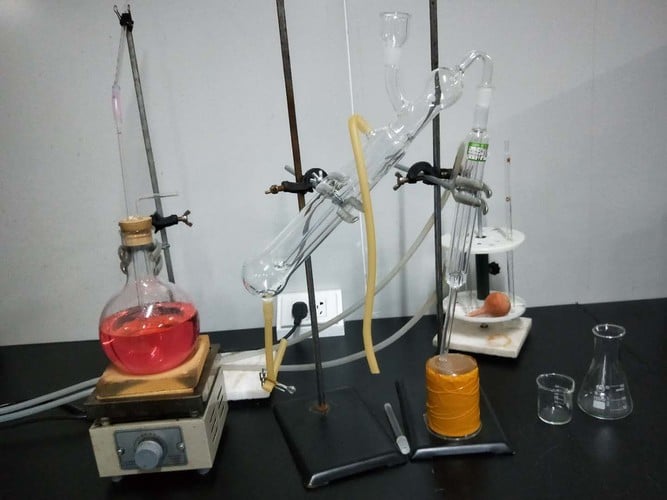
Contrary to the assumption that COA assays are mutually exclusive mass fractions, the FAO technical manual on food nitrogen conversion explains that total Kjeldahl nitrogen (GB 5009.5-2025, N×5.79) digests all organic nitrogen in the chicken cartilage hydrolysate. Because chondroitin sulfate and hyaluronic acid contain nitrogenous amino-sugar rings (N-acetylgalactosamine and N-acetylglucosamine), their nitrogen contributes to the 92.6% dry-basis total protein figure. Consequently, total protein (≥60 g/100g spec limit) and chondroitin sulfate (≥20 g/100g spec limit) are independent analytical release criteria rather than additive mass fractions, and 92.6% total protein does not mean isolated Type II collagen alone.
In addition, buyers should distinguish contractual release limits from single-lot observed values when writing raw material specifications under 21 CFR 111.70. Our guaranteed lot-to-lot release floor is ≥60 g/100g dry-basis protein, ≥26% mucopolysaccharides, ≥20 g/100g dry-basis chondroitin sulfate, and ≤7.0 g/100g moisture, while Batch 20260816720 shows routine batch performance at 92.6% protein and 3.52 g/100g moisture. All batches of our pure avian cartilage powder are also free from gluten and grain allergen cross-contact, fitting any gluten-free diet or clean-label collagen supplement.
Formats and Applications
High-potency collagen supplement formulations with hydrolyzed chicken sternum collagen require precision. Dosage equipment should be adjusted to account for differences in powder density and thermal stability. Encapsulation engineers often find that fluffy spray-dried cartilage powders with bulk density below 0.35 g/mL cannot hit a 500 mg fill weight in a Size 00 capsule without roller compaction or switching to 4-6 capsules per serving. Because our enzymatic hydrolysate is concentrated to 0.46 g/mL loose bulk density and cleaved into 1,500–2,500 Da peptides, it fills Size 00 capsules cleanly and survives tableting and pasteurization heat, contrary to the misconception that all Type II chicken collagen denatures under heat.
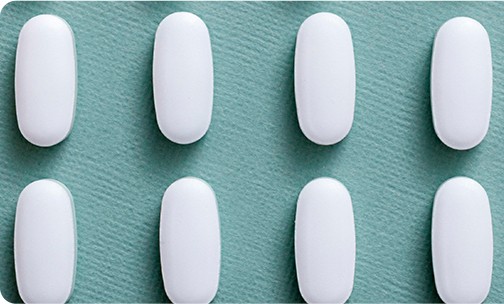
Contrary to popular belief, not all chicken collagen denatures at high temperatures.
Two-Piece Hard Capsules (Gelatin or HPMC)
| Target Daily Dose | Density & Capsule Size | Co-Formulation Actives | Moisture Advantage |
|---|---|---|---|
| 1,000–2,000 mg/day; 2 to 4 capsules daily at a compacted fill weight of 500 mg per capsule (or 3 to 5 capsules at 419 mg loose fill) | A loose bulk density of 0.46 g/mL yields ~419 mg loose fill in Size 00 capsules (0.91 mL volume), while approximately 450–500 mg would require a compacted fill density of 0.50–0.55 g/mL. | Vitamin C (ascorbic acid for collagen synthesis), MSM, or turmeric extract | 3.52 g/100g low moisture (vs ≤7.0 g/100g limit) reduces moisture-driven powder caking prior to encapsulation when stored in sealed barrier liners |
Direct-Compression Joint Tablets
| Target Daily Dose | Compression Behavior | Recommended Excipients | Synergistic Stack |
|---|---|---|---|
| 1,000–2,500 mg/day (1 to 2 scored tablets) | Survives high-shear rotary compression heat without denaturing peptide activity | Microcrystalline cellulose (MCC 102), food-grade colloidal silicon dioxide glidant, magnesium stearate | Contributes ≥200 mg intrinsic chondroitin sulfate per 1,000 mg of collagen powder to reduce or replace separate chondroitin additions depending on target label claim |
5-Type Multi-Collagen Powder Canisters & Sachets
| Inclusion Ratio | Complementary Grades | Sensory Profile | Aqueous pH Window |
|---|---|---|---|
| 1.0–2.5 g Type II matrix per 10 g multi-collagen scoop | Blends smoothly with collagen peptides from bovine hide (Types I & III) and fish collagen | Activated carbon deodorization yields a mild profile for unflavored or vanilla protein powder | pH 6.09 in aqueous solution blends into coffee, smoothies, and shaker bottles without curdling |
Functional Joint Gummies, Liquids & Pet Chews
| Thermal Processing | Gelling Matrix Pairing | Veterinary Palatability | Label Positioning |
|---|---|---|---|
| Hydrolyzed type II peptides tolerate gummy syrup cooking and UHT beverage pasteurization lines | Combine with 180–250 Bloom edible gelatin for high-load joint gummies | Natural avian sternum peptide profile enhances acceptance in canine and equine mobility chews | Supports collagen for joints and skin health claims with one multi-component ingredient |
Supply Chain Cost Comparison (Silver TCO Benchmark): 3-in-1 Cartilage Matrix vs. 3 Separate Ingredients
Formulating a joint supplement with isolated Type II peptides, synthetic or bovine chondroitin sulfate sodium, and fermentation hyaluronic acid often requires managing multiple raw material SKUs, separate minimum order quantities, and separate 21 CFR 111.75 component identity verifications. Sourcing Yasin hydrolyzed chicken sternum collagen delivers all three extracellular matrix components in a single 500 kg drum or bag lot, cutting incoming QC testing overhead and preventing multi-powder density segregation in V-blenders.
Common Formulation Problems and Fixes
R&D chemists and contract manufacturers often report two costly defects on formulation forums: buyers note that unflavored chicken collagen powder developed a strong ammonia and wet-poultry smell after two weeks of humidity exposure. Process engineers also warn that chondroitin-rich chicken sternum extracts are highly hygroscopic and bridge in the hopper or embrittle hard capsule shells when moisture approaches the 7.0 g/100g ceiling. Our product specifications and moisture controls are engineered specifically to prevent these issues before the drum reaches your blending room.
The 4-Failure Mode Formulation Troubleshooting Matrix
| Production Failure Mode | Root Biochemical Cause | Yasin Specification & Quality Control | Formulator Line Adjustment |
|---|---|---|---|
| Ammonia or Wet-Poultry Odor After Opening | Residual cartilage lipids oxidize and release volatile sulfur and amine compounds when exposed to air | Multi-stage purification and activated carbon deodorization remove residual cartilage lipids and volatile off-odors | Store opened liner bags in a dehumidified warehouse; pair with natural citrus, berry, or vanilla flavor systems in RTD drink mixes |
| Hopper Bridging, Powder Caking & Brittle Capsules | Chondroitin sulfate and mucopolysaccharides (≥26%) are strongly hygroscopic and pull moisture from capsule shells when powder LOD approaches 7.0 g/100g | Controlled drying maintains moisture at 3.52 g/100g (vs ≤7.0 g/100g limit), packed in double food-grade PE liners inside 25 kg fiber drums | Keep encapsulation rooms dehumidified; blend with food-grade colloidal silicon dioxide glidant and pack finished bottles with silica desiccant |
| High-Speed Encapsulator Fill-Weight Drift | Hollow spray-dried particles with loose bulk density below 0.35 g/mL trap air and underfill Size 00 tamping pins | Controlled concentration and drying stabilize loose bulk density at 0.46 g/mL for consistent capsule filling | Use 3–4 tamping strokes on rotary dosator/tamping-pin machines; co-blend with microcrystalline cellulose (MCC 102) for single-tablet direct compression |
| Flocculation or Turbidity in Ready-to-Mix Drinks | Cartilage protein-glycosaminoglycan complexes aggregate when mixed directly into ice-cold or strongly acidic solutions near their isoelectric point | Controlled enzymatic hydrolysis to 1,500–2,500 Da peptides with fine filtration yields a neutral aqueous pH of 6.09 (ash 2.4 g/100g) | Agglomerate with food-grade sunflower lecithin for cold-water instantization, or pre-wet powder in 40–50 °C warm liquid at pH 4.5–6.8 |
"When a joint supplement cakes in the hopper or smells like poultry broth two weeks after encapsulation, the culprit is almost always elevated residual moisture at around 7.0 g/100g combined with unfiltered cartilage lipids. By applying targeted purification and controlled drying to bring Batch 20260816720 down to 3.52 g/100g moisture, we provide encapsulators with a free-flowing 0.46 g/mL powder that runs clean on high-speed rotary fillers."
— Yasin Application Engineering Team
Three First-Order Mistakes New Buyers Should Avoid
- Before locking capsule tooling, avoid ordering without testing tapped density on your own capsule filler: request our 200 g free sample first to verify tamping-pin weight uniformity with your excipient premix.
- During incoming QC review, reject a COA that uses N×6.25 instead of N×5.79: always require GB 5009.5-2025 collagen nitrogen conversion alongside a separate GB/T 20365-2006 chondroitin sulfate assay.
- When auditing supplier credentials, avoid failing to match certificate scope to the ingredient category: verify that ISO 22000, GMP, Halal, and Kosher certificates explicitly cover collagen peptide products.
Struggling with capsule caking or fill-weight drift on your current line?
Request a 200 g trial sample from Batch 20260816720 (3.52 g/100g moisture, 0.46 g/mL density) →Documents and Certificates
Under US FDA 21 CFR Part 111.75, dietary supplement manufacturers establishing component reliability through a supplier's Certificate of Analysis qualify the supplier and verify that each lot meets established identity, purity, strength, composition, and contaminant specifications. Yasin's collagen peptide production runs an audited 15-step HACCP process with one Operational Prerequisite Program (OPRP1) and two Critical Control Points (CCP1 and CCP2).
15-Step Enzymatic Extraction Process & HACCP Critical Control Points
| Process Stage | Control Classification | Operating Parameters & Acceptance Criteria | Quality Assurance Purpose |
|---|---|---|---|
| Step 1: Raw Chicken Sternal Cartilage Acceptance | ★ OPRP1 | Sourced only from qualified poultry suppliers with attached veterinary & quality inspection sheets | Ensures species authenticity, hygiene, and heavy metal safety at the source |
| Steps 2–3: Cooking Extraction & Protease Hydrolysis | In-Process QC | Controlled thermal extraction followed by food-grade protease addition | Cleaves native ~300 kDa cartilage collagen into 1,500–2,500 Da bioavailable peptides |
| Steps 4–6: Perlite Primary Filtration, Activated Carbon Decolorization & Fine Filtration | In-Process QC | Food-grade perlite filter aid + activated carbon adsorption + fine polishing filtration | Strips insoluble cartilage debris, residual lipids, poultry odor, and color drift |
| Steps 7–8: Membrane Concentration & Evaporation Concentration | In-Process QC | Multi-stage membrane and vacuum evaporation concentration | Elevates solids concentration to achieve 0.46 g/mL spray-dried bulk density |
| Step 9: Membrane Filtration Sterilization | ★ CCP1 | Dual filter membrane specification: 0.45 μm and 0.22 μm | Filtration pressure ≤0.40 MPa | Flow rate 800–1500 L/h | Physical bioburden reduction without irradiation (achieves 20–30 CFU/g finished aerobic count) |
| Steps 10–11: Spray Drying & Disinfected Inner Packaging | In-Process QC | Closed-tower spray drying to 3.52 g/100g moisture + disinfected food-grade PE inner liner filling | Locks in low water activity and prevents ambient humidity pickup |
| Step 12: Finished Package Metal Detection | ★ CCP2 | Sensitivity limits: Ferrous Fe ≤2.0 mm | Non-Ferrous Non-Fe ≤3.0 mm | Stainless Steel SS ≤3.0 mm | Online detection and rejection of metallic foreign matter exceeding CCP2 sensitivity thresholds prior to drumming |
| Steps 13–15: Outer Packaging, Quarantine Waiting Area & Release | CNAS Lab Release | 25 kg fiber drum or 20 kg bag sealing → 17-parameter CNAS lab COA sign-off | Zero shipment dispatch until 5-sample (n=5) Salmonella and heavy metal ND results clear |
Contrary to the misconception that 0.22 μm membrane filtration makes a bulk food powder pharmacopeially sterile, please note the engineering boundary of CCP1: our 0.45 μm and 0.22 μm membrane filtration is an in-process liquid bioburden control step prior to spray drying that achieves food-grade microbiological purity (20–30 CFU/g total aerobic count under GB 4789.2-2022), rather than a sterile injectable powder claim.
Quality & Dietary Certifications
- For food safety governance, our ISO 22000 Food Safety Management System is certified by CQM (valid through June 12, 2029) covering collagen peptide production.
- For quality assurance, our ISO 9001 Quality Management System (valid through July 23, 2027) pairs with cGMP food-grade compliance.
- For Muslim-majority export markets, our Halal Certification (MUI & BPJPH) is recognized in Southeast Asia, Indonesia, and the Middle East (valid through July 1, 2028).
- For global analytical traceability, our Kosher & CNAS Accredited Laboratory testing ensures every batch undergoes full analytical verification prior to release.
Standard Documents Shipped With Every Order
- Every shipment includes a Batch Certificate of Analysis (COA) covering 17 physical, chemical, heavy metal, and n=5 microbiological tests.
- Our Technical teams receive a TDS & MSDS along with HACCP CCP flow chart and complete specification sheet.
- Logistics teams receive an Export Customs & Shipping Dossier with the Commercial Invoice, Packing List, Bill of Lading (FOB or CIF), and veterinary health certificates.
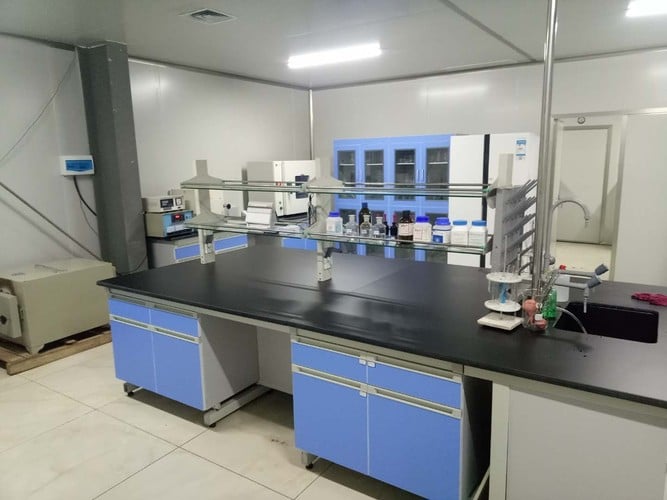
Auditing our quality credentials for your QA vendor onboarding?
Request our Batch 20260816720 COA, HACCP CCP flow chart & ISO/Halal compliance verification →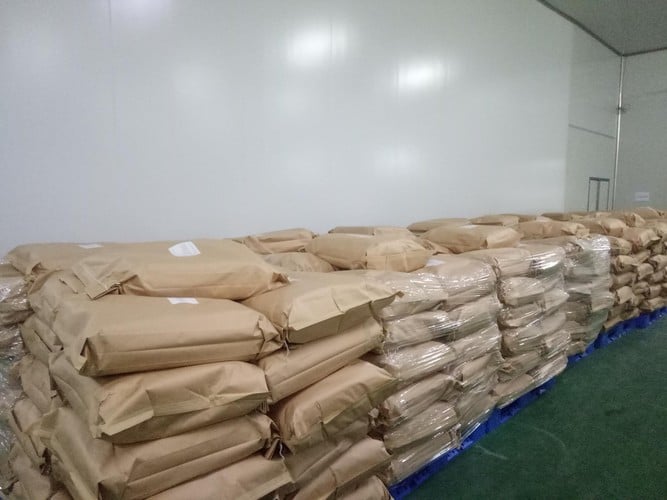
Packing, MOQ, and Lead Time
Importers frequently note that overseas collagen orders get delayed for weeks or arrive with moisture-damaged paper bags without 25 kg fiber drums. Contrary to the industry assumption that custom avian collagen exports require multi-week supply queues, standard collagen orders are dispatched within 10 days. Bulk hydrolyzed chicken collagen type II pricing follows order volume tier, packaging format, and destination freight terms rather than a static retail price list, and our export team returns a written FOB or CIF quotation within 24 hours.
Committed Commercial & Packaging Terms
| Commercial Parameter | Yasin Committed Standard | Operational Scope & Packaging Details |
|---|---|---|
| Minimum Order Quantity (MOQ) | 500 kg | Equivalent to 20 × 25 kg fiber drums or 25 × 20 kg multi-wall kraft bags |
| Free Laboratory Sample | 200 g free sample | Shipped with matching batch COA for R&D bench trials and capsule fill testing |
| Export Packaging Option A (Drums) | 25 kg / fiber drum | Rigid cardboard/fiber drum with double food-grade PE inner liner bags for maximum humidity protection |
| Export Packaging Option B (Bags) | 20 kg / bag | Inner food-grade PE bag + outer kraft paper composite bag (matches Batch 20260816720 package spec) |
| Shelf Life & Storage | 24 months | 24 months when sealed in original packaging in a cool, dry warehouse |
| Standard Lead Time | 10 days | Collagen peptide orders are scheduled and ready for dispatch within 10 days of order confirmation |
| Quotation Response Time | Within 24 hours | Direct technical and commercial reply within 24 hours on business days |
| Payment Terms & Incoterms | T/T and L/C | FOB and CIF | Standard telegraphic transfer (T/T) or letter of credit (L/C); O/A available for qualified VIP accounts |
Four Factors That Drive Your Bulk Per-Kilogram Price
- First, the active mucopolysaccharide & chondroitin assay tier affects raw material cost because standardizing chondroitin sulfate at ≥20 g/100g and mucopolysaccharides at ≥26% requires strict sternal cartilage selection compared to Bovinae livestock hide or bone collagen grades.
- Second, your packaging format choice (25 kg fiber drum vs. 20 kg kraft bag) shapes unit packing cost: fiber drums add rigid crush and humidity protection for LCL shipments, while palletized 20 kg kraft bags maximize FCL container payload efficiency.
- Third, your order volume bracket (500 kg trial vs. 1–5 MT LCL vs. 10–20 MT FCL) determines tier discounting at 1,000 kg, 3,000 kg, and full container load contracts.
- Fourth, your destination import legalization & freight mode governs whether quotes are issued under FOB export port or CIF destination port including marine insurance and Halal/health certificates.
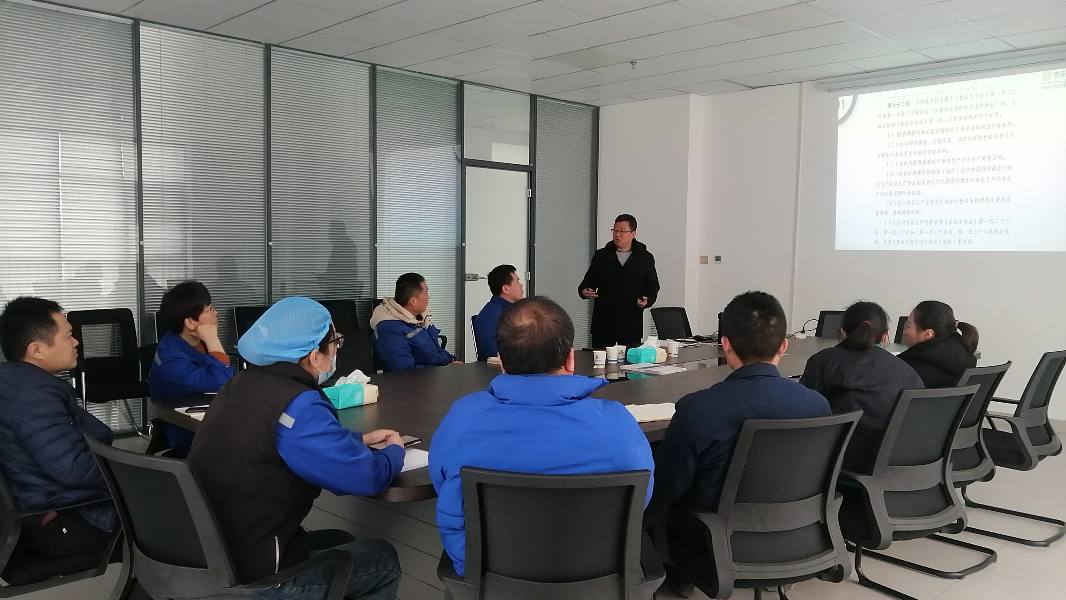
How We Work: From 200 g Bench Trial to Bulk Shipment
Qualifying a new avian cartilage ingredient requires tight coordination between your R&D formulation lab, QA compliance team and purchasing department. We follow a 6-step qualification and fulfillment workflow so every commercial shipment matches the exact sample lot you approved.
- First, submit your target specification and application stating your dosage format (hard capsule, tablet, multi-collagen powder, or pet chew), target daily serving, and destination market.
- Within one business day, receive your 24-hour technical quote & batch COA review including a formal FOB/CIF quotation, our current batch COA (e.g., Batch 20260816720), and our HACCP flow chart.
- For bench verification, test our 200 g free sample dispatch from the quoted lot so your lab can verify 0.46 g/mL capsule fill weight, pH 6.09 dispersion, and N×5.79 protein assay.
- Upon contract sign-off (500 kg MOQ, T/T or L/C), lock in 10 days order scheduling so your bulk order is prepared and packaged within our 10 days collagen lead time.
- Prior to shipment release, pass CNAS lab pre-shipment testing and CCP2 metal check where every batch clears CCP2 metal detection and 17-parameter CNAS testing (heavy metals ND, 5-sample Salmonella ND).
- At dispatch, complete moisture-barrier packing & export document handoff in 25 kg fiber drums or 20 kg bags with full COA, TDS, Commercial Invoice, Packing List, and Bill of Lading.
Global Market Coverage and Exhibition Track Record
International supplement buyers often struggle with third-party trading brokers who cannot trace raw materials back to verified batch documentation or support destination customs clearance. Established in September 2009 (building on gelatin and collagen industry heritage dating to 1986), Yasin eliminates intermediary risk by backing every export contract with consistent bulk supply, CNAS-accredited laboratory testing (GB 31645-2018 & stated product specifications), and ISO 22000, GMP, Halal (MUI/BPJPH), and Kosher certifications. Our chicken collagen peptides and gelatin grades serve nutraceutical, food, and pharmaceutical brands in North America, South America, Southeast Asia, South Korea, Japan, and the Middle East.

-
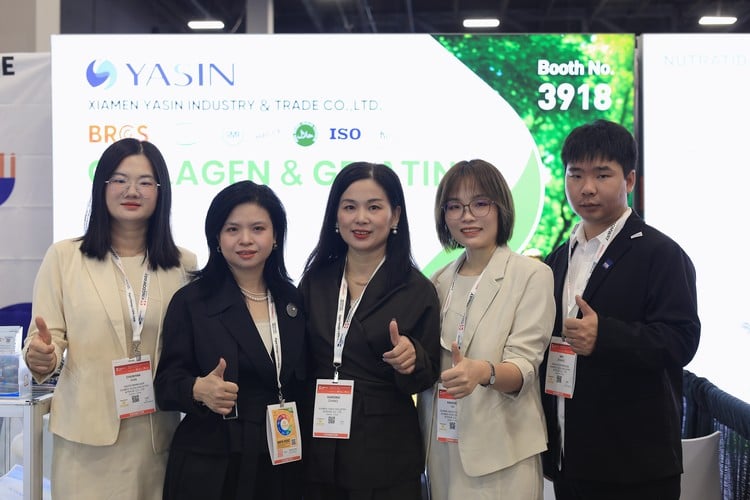
SupplySide West (Las Vegas, USA)
Meet our technical export specialists serving North American joint supplement and sports nutrition brands (Booth #3180 in Oct 2025; Booth #3918 in Oct 2026) to review Batch 20260816720 COA data and 21 CFR Part 111 dossiers.
-
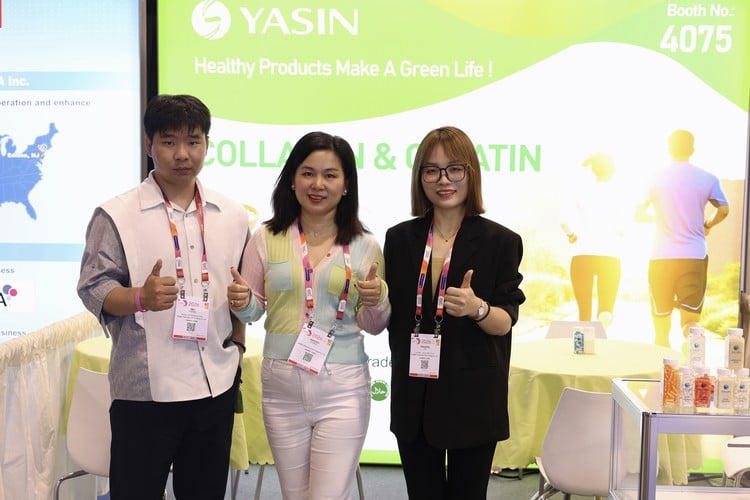
Natural Products Expo West (Anaheim, USA)
Inspect 200 g trial samples of our 0.46 g/mL hydrolyzed chicken sternum Type II matrix, multi-collagen blends, and gelatin solutions (Booth #3415 in Mar 2025; Booth #4705 in Mar 2026).
-
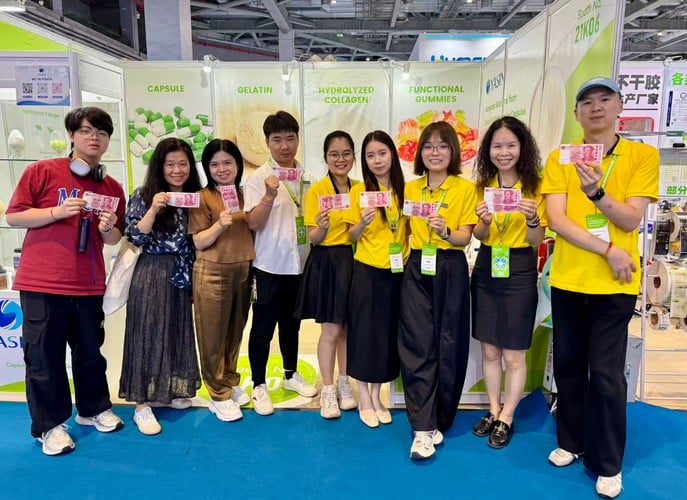
Vitafoods Europe & HNC / CPHI China
Audit our MUI/BPJPH Halal, Kosher, and ISO 22000 compliance packages at Vitafoods Spain (2025), HNC Shanghai (Booth #21K06, June 2026), Asia Pharma, and Expofarma Mexico.
Planning to attend SupplySide West, Expo West, or Vitafoods?
Schedule an in-person technical consultation or request your 200 g sample kit shipped to your lab today →When Not to Use Hydrolyzed Chicken Collagen Type II
Hydrolyzed chicken sternum collagen type II is designed for gram-dose joint cartilage and connective tissue matrix formulations, but it is the wrong choice for three specific products. In practice, the real trade-off is structural: contrary to popular belief, hydrolyzed peptides are not suitable for gelling, and we do not recommend paying for overkill native triple-helix processing when your formula actually requires heat-stable amino acid and glycosaminoglycan peptides. Reviewing types of collagen prior to finalizing your bill of materials is recommended.
| Formulation Scenario | Why Hydrolyzed Chicken Type II Works Against You | Recommended Yasin Alternative |
|---|---|---|
| 1. Single 40 mg Micro-Capsule Targeting Oral Immune Tolerance | Enzymatic hydrolysis intentionally cleaves the native triple helix into 1,500–2,500 Da peptides, so it requires 1,000–2,500 mg/day and cannot trigger 40 mg epitope-dependent oral tolerance | Switch to our Undenatured Type II Collagen (HPLC verified native Type II, ≥26% mucopolysaccharides, standard product specification, 100 kg MOQ) |
| 2. Crystal-Clear Acidic Beauty Drinks or Ultra-Low 500 Da Tripeptide Serums | Because chicken sternum extract retains ≥26% natural mucopolysaccharides and ≥20 g/100g chondroitin sulfate, concentrated cold beverages display slight opalescence rather than glass-like clarity | Switch to our Fish Collagen Peptide (1,000–2,000 Da) or Type III Collagen Tripeptide (500 Da, GPH ≥20 mg/g) |
| 3. Gummy Gels, Marshmallows, or Capsule Shells Requiring Bloom Gel Strength | Hydrolyzed collagen peptides have zero gel strength (0 Bloom) and will not set into a thermo-reversible hydrocolloid gel network | Switch to our Food or Pharmaceutical Gelatin (120–300 Bloom bovine, bone, or fish gelatin, GB 6783-2013) |
Request a Quote or 200 g Free Sample
Tell us your target dosage format, required quantity (500 kg MOQ or container load), preferred packaging (25 kg fiber drum or 20 kg bag), and destination port. Our technical export team will return a formal FOB/CIF quotation and Batch 20260816720 COA within 24 hours.
Frequently Asked Questions
Below, we provide answers to the 12 most frequently asked technical, analytical and procurement questions raised by nutraceutical R&D chemists and purchasing managers.
-
What part of the chicken is Yasin hydrolyzed type II collagen extracted from?
Our hydrolyzed type II chicken collagen is obtained exclusively from inspected chicken sternal cartilage (hyaline breastbone cartilage) under OPRP1 raw material control. We do not obtain chicken collagen from poultry skin, feet or feathers. Chicken sternal cartilage naturally supplies Type II collagen fibers bound to chondroitin sulfate and hyaluronic acid.
-
How does hydrolyzed chicken collagen type II differ from undenatured type II collagen?
Hydrolyzed type II collagen is enzymatically cleaved into peptides of 1,500 to 2,500 Da and used at a dose of 1,000 to 2,500 mg/day as a thermally stable source of nutrients for cartilage synthesis. Undenatured type II collagen, on the other hand, avoids proteolysis to retain its intact triple-helix epitopes (verified by HPLC) and works at 40 mg/day via gut immune tolerance.
-
What are the guaranteed dry-basis protein and chondroitin sulfate limits on your COA?
Our contractual release specification guarantees ≥60 g/100g dry-basis protein (tested via GB 5009.5-2025 using the collagen factor N×5.79), ≥26% mucopolysaccharides, and ≥20.0 g/100g dry-basis chondroitin sulfate (tested via GB/T 20365-2006). On verified Batch 20260816720, dry-basis protein measured 92.6% with chondroitin sulfate passing the ≥20 g/100g threshold.
-
How does hydrolyzed chicken sternum collagen compare to chicken bone broth powder?
Hydrolyzed chicken sternum collagen is a standardized cartilage extract assayed for Type II peptides, ≥26% mucopolysaccharides, and ≥20 g/100g chondroitin sulfate. Culinary chicken bone broth powder is produced by boiling whole poultry bones and skin and supplies mostly Type I collagen without a standardized chondroitin sulfate or glycosaminoglycan guarantee.
-
Is your chicken collagen powder sterilized by irradiation or membrane filtration?
We never use gamma irradiation or ethylene oxide. All liquid concentrate passes through CCP1 dual membrane filtration (0.45 μm and 0.22 μm pore size membranes at ≤0.40 MPa and 800–1500 L/h) prior to spray drying, achieving a finished batch aerobic plate count of 20–30 CFU/g.
-
What bulk density should we use when calculating Size 00 hard-capsule fill weights?
Batch 20260816720 had a loose bulk density of 0.46 g/mL (target window 0.40 – 0.60 g/mL). At 0.46 g/mL loose density (approximately 0.52–0.55 g/mL tapped), a standard Size 00 capsule (0.91 mL volume) holds approximately 419 mg loose fill and up to 450–500 mg after tamping compaction, allowing a 1,000–2,000 mg daily serving in 2 to 4 capsules at the maximum compacted fill weight.
-
How do you prevent hygroscopic caking and poultry off-odor during storage?
We remove lipid odor precursors via perlite filtration and activated carbon decolorization, then spray-dry the powder to 3.52 g/100g moisture (well below the ≤7.0 g/100g GB 31645-2018 limit). Sealing the powder inside double food-grade PE bags within 25 kg fiber drums prevents humidity absorption during ocean transit.
-
Is Yasin hydrolyzed chicken collagen Halal and Kosher certified?
Yes, our hydrolyzed chicken collagen holds valid Halal certification (recognized by Indonesian MUI and BPJPH, valid through July 2028) as well as Kosher certification, alongside ISO 22000 and ISO 9001 quality management certificates.
-
What is your minimum order quantity (MOQ) and free sample policy?
Our standard minimum order quantity for hydrolyzed chicken collagen type II is 500 kg (20 × 25 kg drums or 25 × 20 kg bags). We provide a 200 g free sample with a matching batch COA so qualified B2B formulators can complete laboratory and encapsulation trials before ordering.
-
Do you supply both 25 kg fiber drums and 20 kg kraft paper bags?
Yes, we offer both 25 kg fiber drums and 20 kg composite kraft bags, each lined with food-grade polyethylene inner bags and carrying a 24-month shelf life when stored sealed in a cool, dry warehouse.
-
What is your production lead time and payment structure for export orders?
Standard collagen peptide orders are ready for dispatch within 10 days after order confirmation, and written quotations are returned within 24 hours. We accept T/T and L/C payments (with O/A terms available for qualified VIP partners) and ship under FOB or CIF Incoterms.
-
Which heavy metal and pathogen tests are verified on every batch COA?
CNAS-accredited laboratory testing checks for Lead (≤0.2 mg/kg), Arsenic (≤0.5 mg/kg), Cadmium (≤0.1 mg/kg), and Chromium (≤1.0 mg/kg). Batch 20260816720 testing showed no detectable amounts of these elements. Every batch COA verifies Lead (≤0.2 mg/kg), Arsenic (≤0.5 mg/kg), Cadmium (≤0.1 mg/kg), and Chromium (≤1.0 mg/kg), all Not Detected (ND) on Batch 20260816720, along with 5-sample unit testing (n=5) for Total Aerobic Count, Coliforms, Salmonella (/25g), and Staphylococcus aureus.