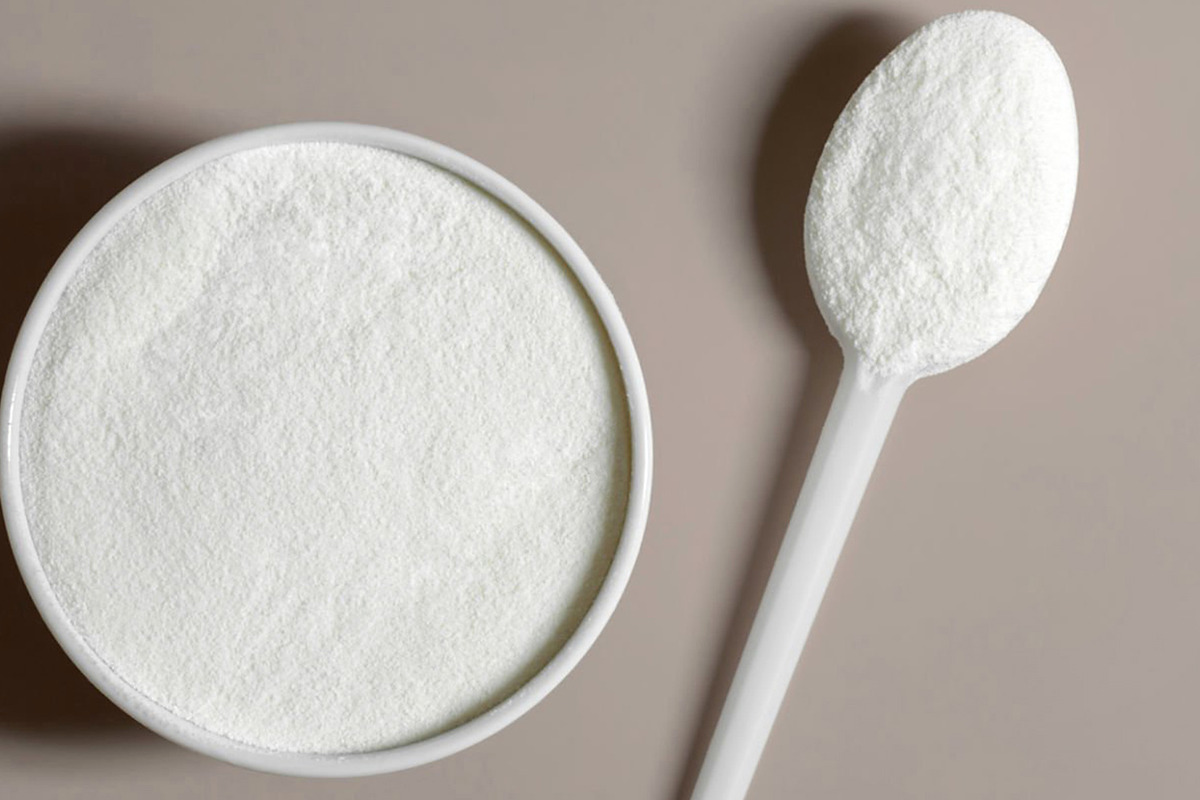
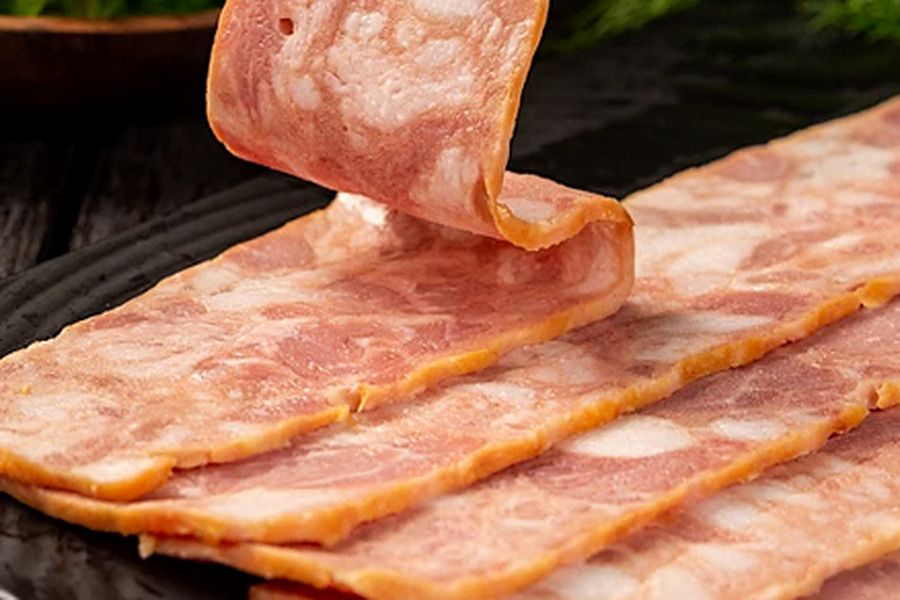
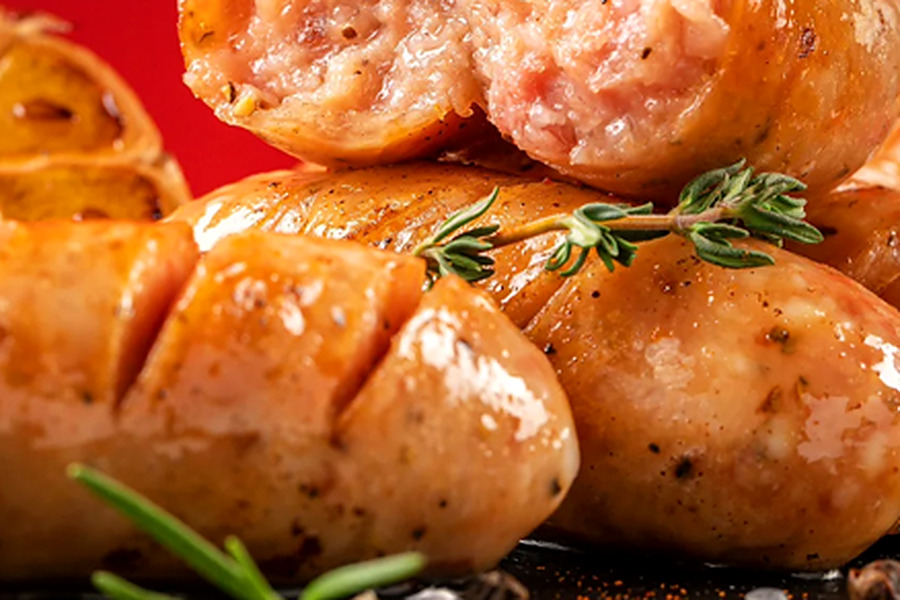
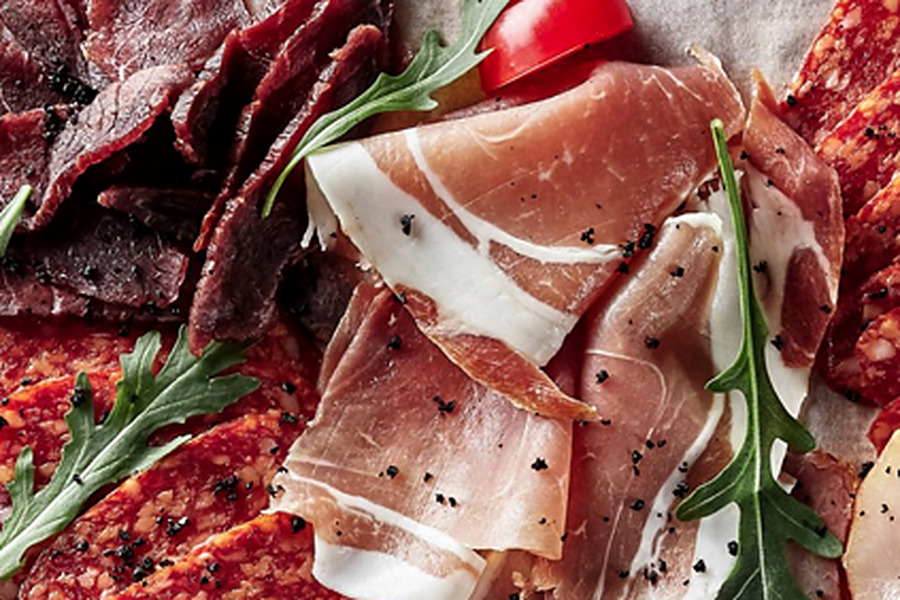
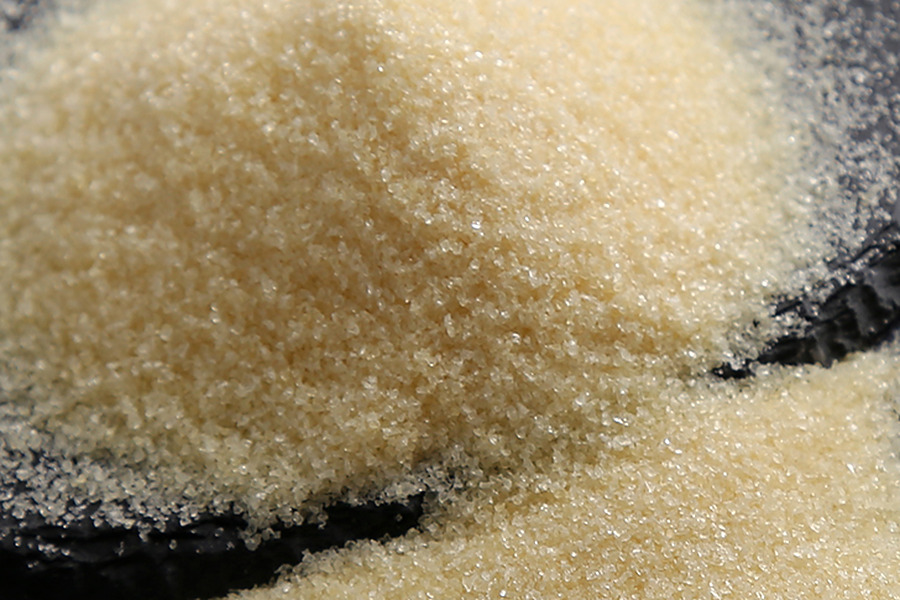
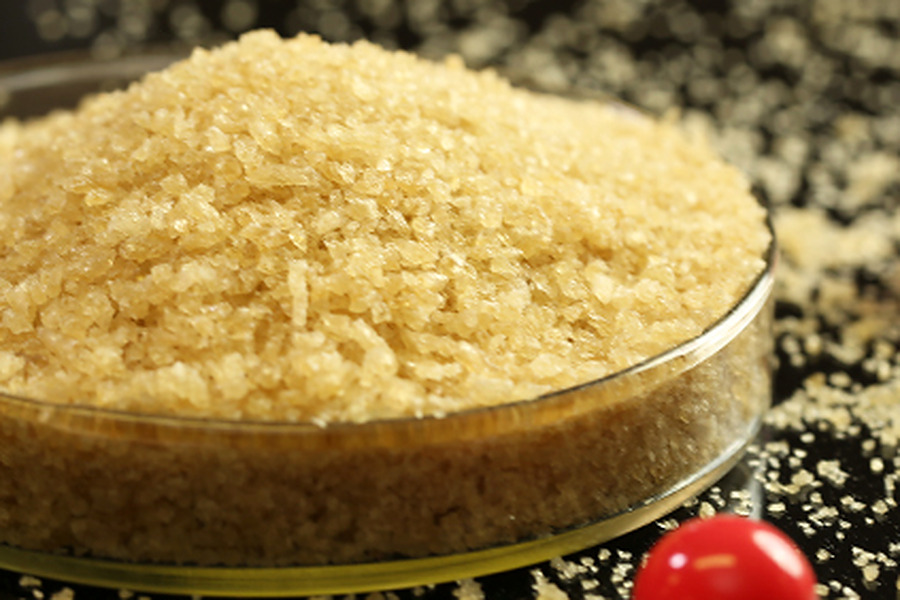
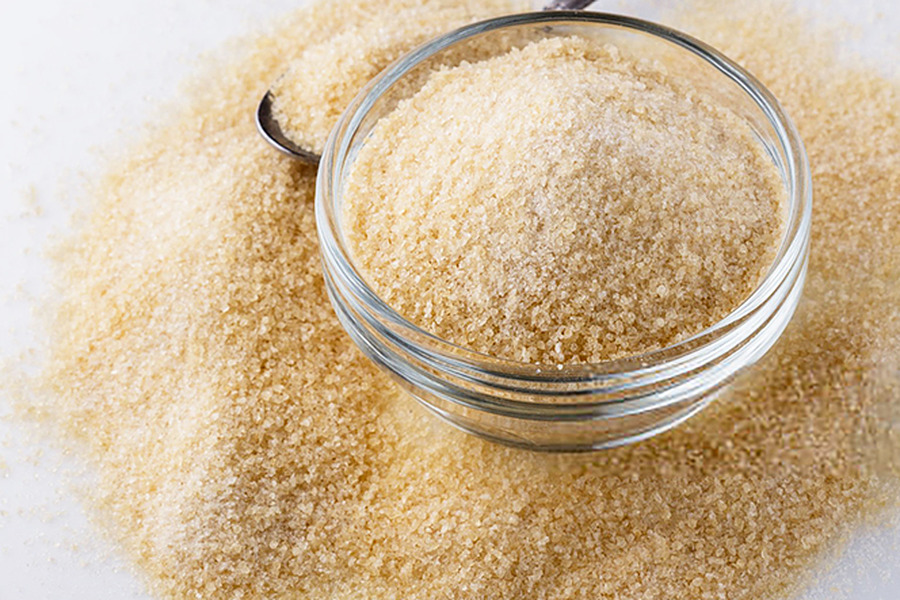
Yasin food-grade meat gelatin granules for cooked ham, emulsified sausage, canned meat, and clear savory aspic
Reviewed by Yasin Application Engineering Team (-Yasin) · Xiamen Yaxun Industry & Trade Co., Ltd.
Gelatin for Meat Products: Ham, Sausage & Aspic Grades
Written quote within 24 hours
500 g free gelatin sample for pilot runs
180–280 Bloom & 3.0–4.5 mPa·s (GB 6783-2013)
500 kg MOQ · 20 days production lead time
We manufacture food-grade gelatin for meat processing across 180–280 Bloom (150–250 Bloom for bone and fish grades) and 3.0–4.5 mPa·s viscosity at 60°C. Our edible beef gelatin, bovine bone gelatin, and fish gelatin powders lock 5 to 10 times their dry weight in water[5]. Meat processors use our unflavored meat gelatin powder to stop purge in cooked ham, stabilize sausage batters, and set clear savory aspic jelly.
Operating since 1986, our factories hold 36,000 metric tons of annual gelatin capacity and 19,000 metric tons of collagen peptides.
Compliance Dossier
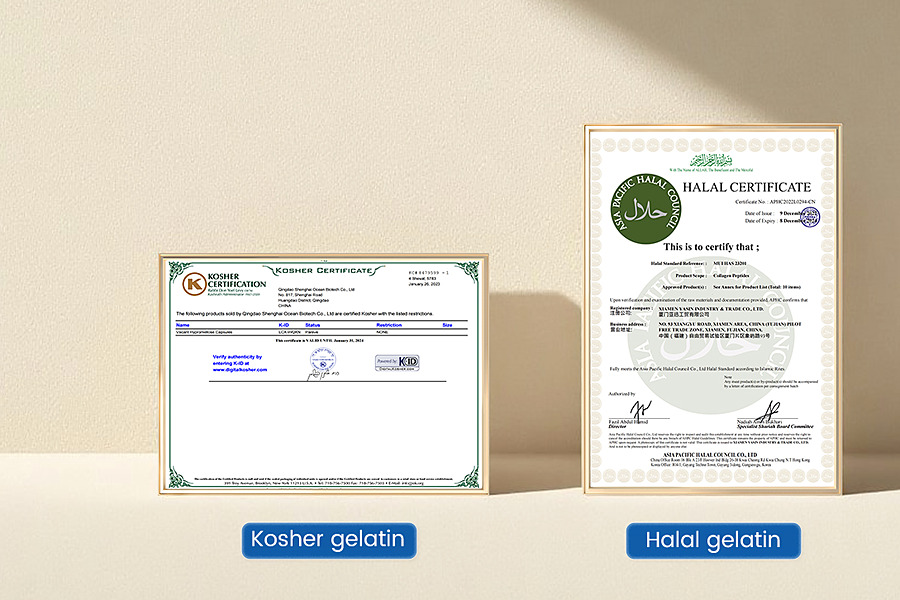
Every export lot ships with a CNAS laboratory COA, Halal certificate (MUI, BPJPH, HFC), Kosher certificate, and Veterinary Health Certificate (VC) on request.
Specifications
GB 6783-2013
01 · Rheology
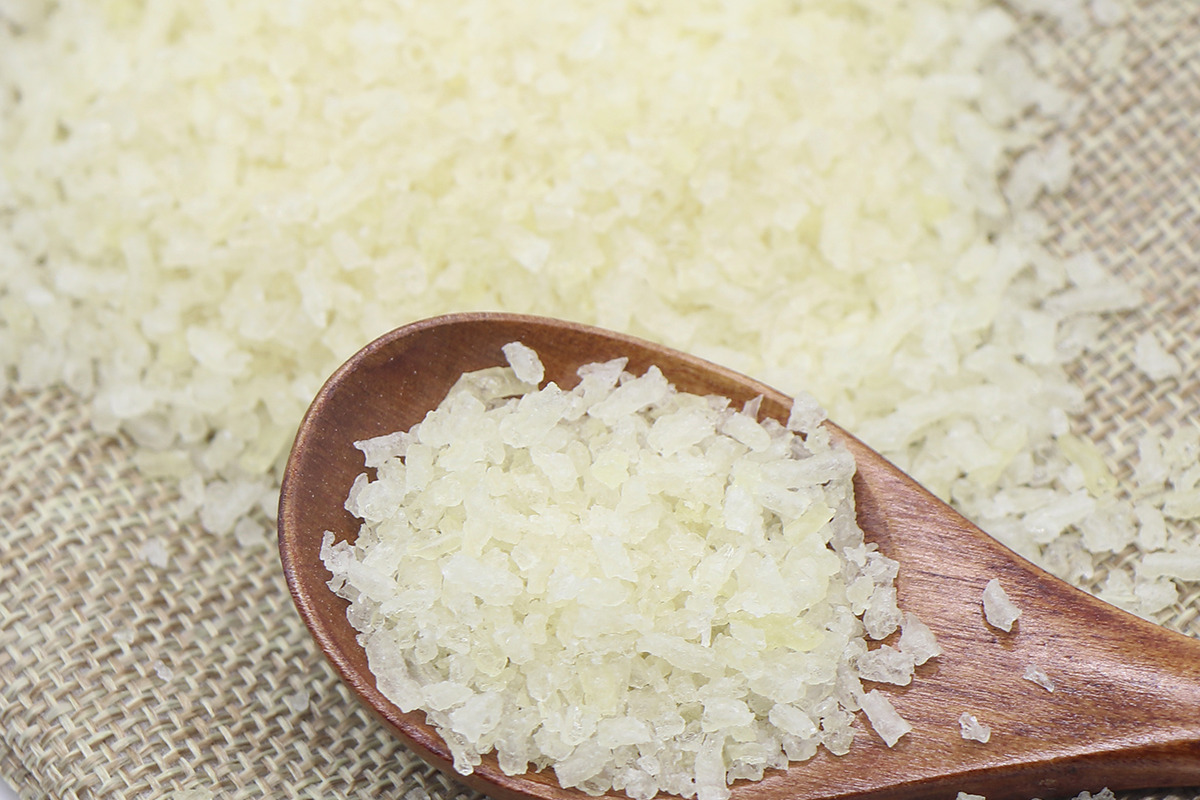
180-280 Bloom gel strength and 3.0-4.5 mPa·s viscosity meat gelatin granules
Bloom & 60°C Viscosity
180–280 Bloom gel strength · 3.0–4.5 mPa·s viscosity (6.67% solution at 60°C, GB 6783-2013[8])
02 · Mesh Sizing
In-house milling and sieving equipment for 8-80 mesh custom gelatin particle granulation
Particle Granulation
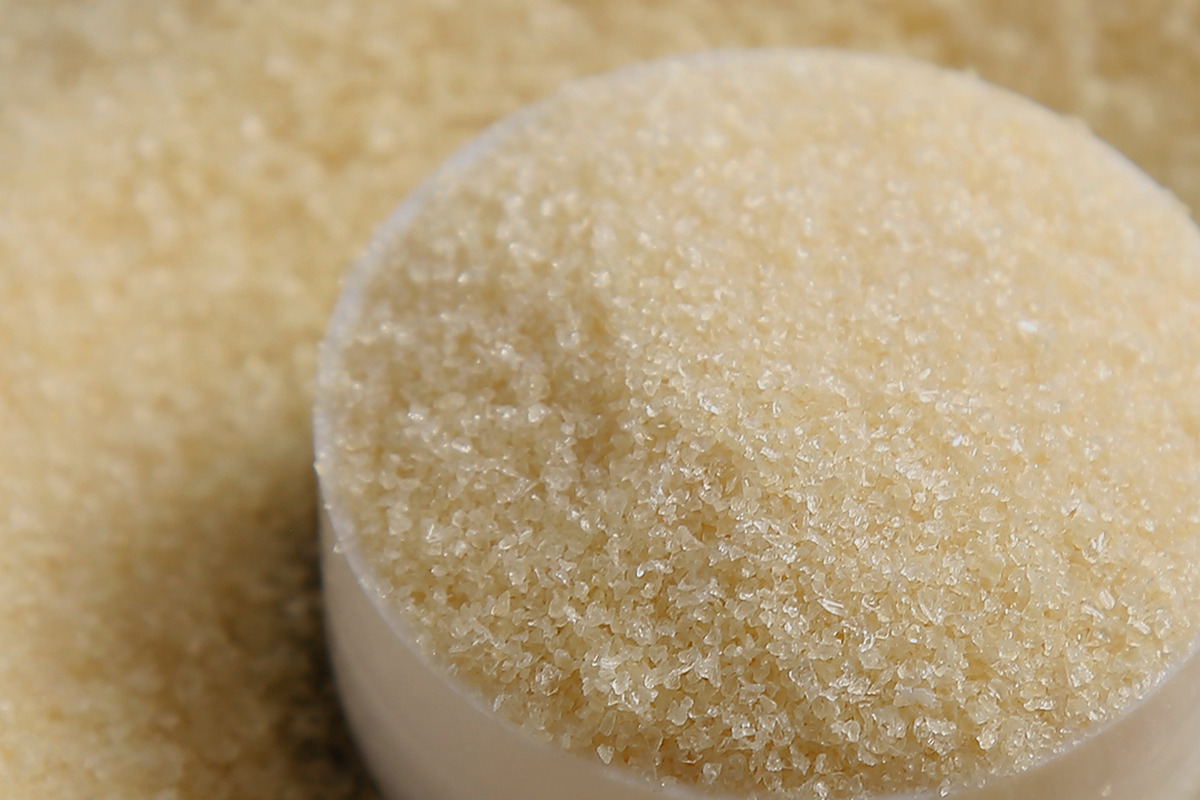
8–80 mesh custom sizing (8–20 coarse, 20–40 medium, 40–80 fine powder) confirmed per order
03 · Packaging
25 kg multi-wall kraft paper bag with PE inner liner for export meat gelatin packaging
MOQ & Export Packaging
500 kg minimum order · 25 kg kraft paper bags (PE liner) or 1,000 kg jumbo bags
04 · Pilot Trial
500 g free food-grade gelatin R&D sample and dosing spoon for pilot line trials
Free R&D Sample Policy
Up to 500 g free gelatin sample (200 g for collagen peptides) shipped for line trials
05 · Process
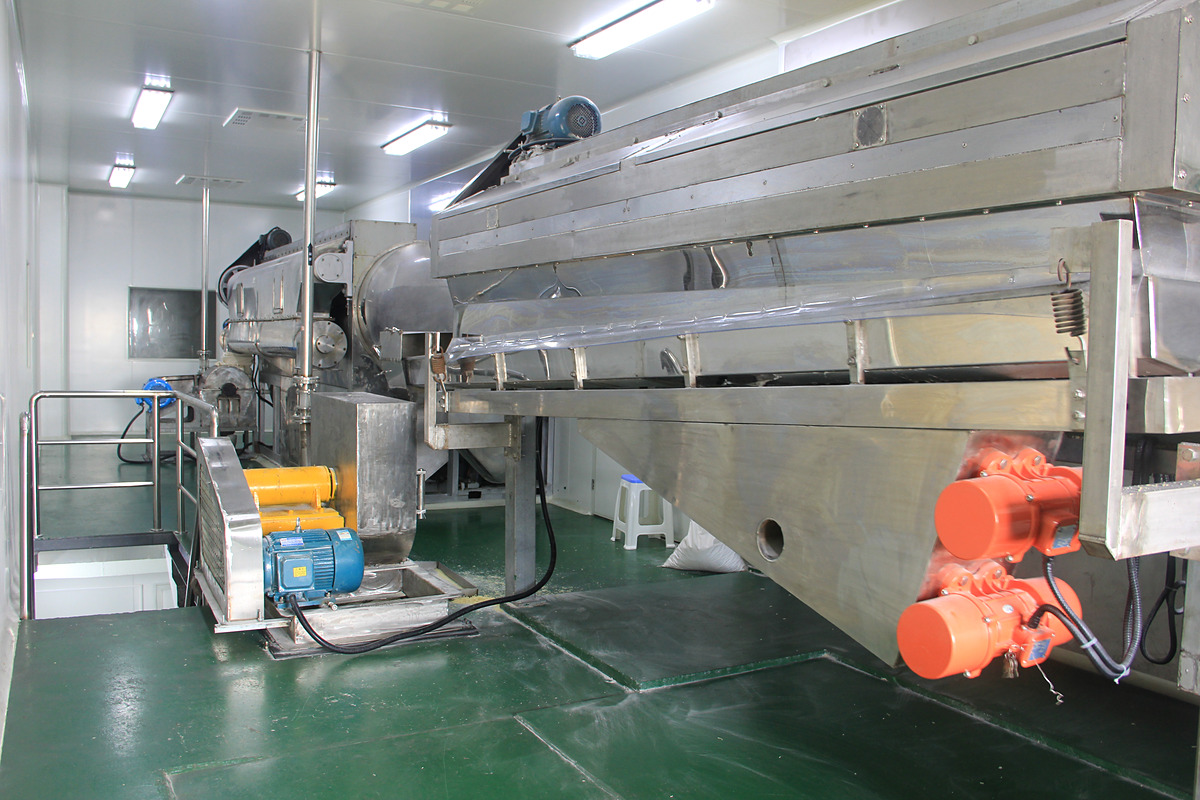
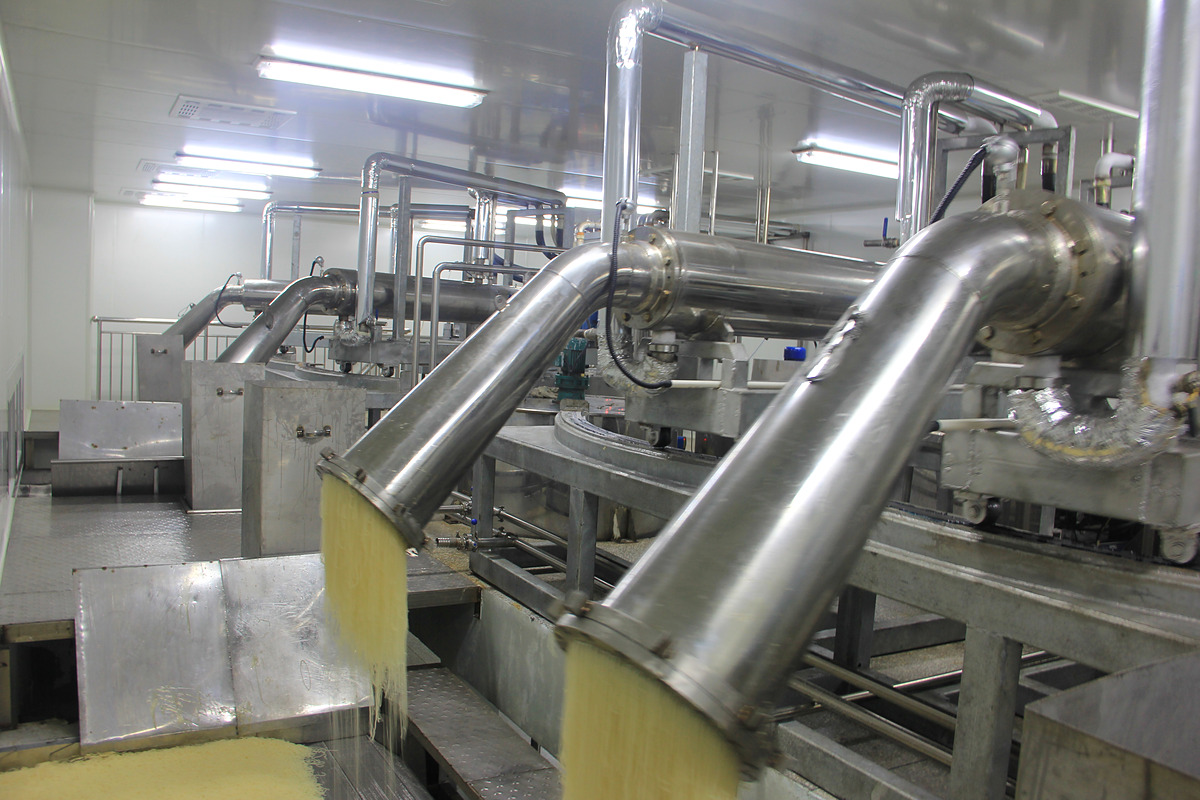
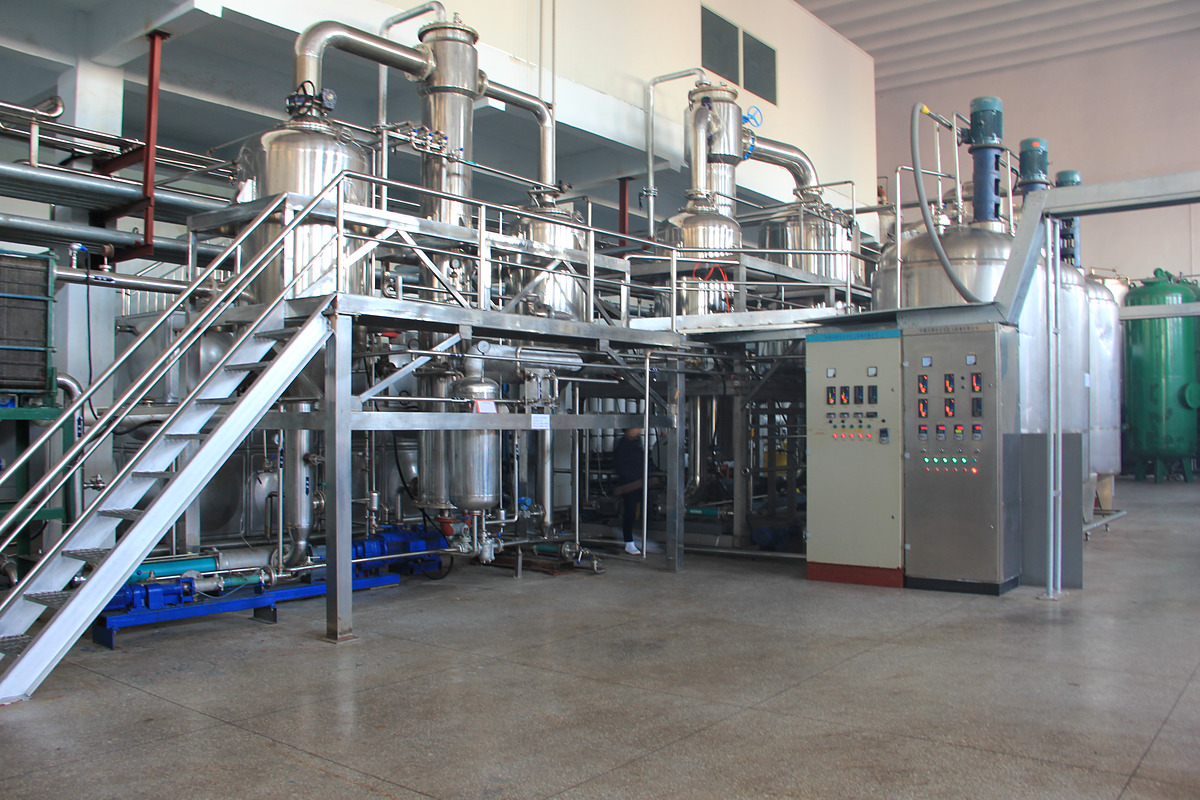
Industrial gelatin extrusion and drying production line supporting 20 days lead time
Lead Time & Quote Turnaround
20 days production lead time for gelatin · Written engineering quote within 24 hours
06 · Certifications
Halal and Kosher food safety compliance certificates for export meat gelatin
Reference Price & Compliance
USD 5.00–8.00/kg FOB or CIF · FSSC 22000, BRC, Halal (MUI/BPJPH/HFC), Kosher, CNAS COA
Applications
Water Binding, Fat Emulsification, and Sliceability by Meat Category
When batches of cooked ham and sausages lose moisture and clear purge appears in vacuum packs, and when tearing occurs on high-speed slicers, meat processors rely on our food-grade gelatin. Some buyers mistakenly assume that gelatin is a covalent cross-linker, but as Noh and co-authors (2019, PMC6533400) show, gelatin employs physical hydrogen bonding rather than chemical myosin cross-linking. In truth, 280 Bloom bovine hide gelatin forms a triple-helix hydrogel below 37.10°C that reduces centrifugal water loss from 11.08% to 7.10% .
Sliced cooked and brine-injected ham bound with 220-250 Bloom bovine hide gelatin for tear-free deli slicing
220–250 Bloom · 0.5%–1.5%
Cooked, Restructured & Brine-Injected Ham
Dosing gelatin in ham at 0.5% to 1.5% of finished weight immobilizes injected curing brine inside muscle voids during vacuum tumbling. Our 220–250 Bloom, 40–80 mesh bovine hide gelatin dissolves cleanly and sets below 6°C into a cohesive matrix. This prevents weeping in vacuum pouches and stops slice tearing on 1,000 rpm deli slicers.
Emulsified sausages and frankfurters stabilized with 180-220 Bloom meat binder gelatin to prevent fat-out
180–220 Bloom · 0.5%–2.0%
Emulsified Sausage, Frankfurters & Bologna
Using gelatin for sausage as a clean-label meat binder for sausage at 0.5% to 2.0% stabilizes batters by thickening the water phase . Our 180-220 Bloom, 20-40 mesh sausage gelatin, surrounds fat globules with an amphiphilic protein film. It prevents fat-out under the casing while giving a juicy bite at 37°C body temperature.
Sliced corned beef and structured meat stabilized with high-viscosity Type B bovine gelatin
220–260 Bloom · 1.0%–2.5%
Retort Canned Meat, Corned Beef & Luncheon Meat
Autoclave sterilization at 115°C to 121°C drives 15% to 30% of native juice out of meat chunks while hydrolyzing weak binders. We supply 220–260 Bloom high-viscosity (3.8–4.5 mPa·s at 60°C) Type B bovine gelatin dosed at 1.0% to 2.5%. It survives retort thermal shear and re-gels purged broth into a firm, sliceable block upon cooling.
High-clarity 240-280 Bloom savory aspic jelly cubes with parsley garnish showing over 90% light transmittance
240–280 Bloom · ≥90% Clarity
Clear Savory Aspic, Head Cheese, Terrines & Pâté Glaze
Producing aspic gelatin for jellied meats, head cheese, and eastern European kholodets requires high clarity (≥90% transmittance) and low ash (≤1.0%). Dosed at 3.0% to 8.0% of meat stock or bone broth weight, our 240–280 Bloom, 8–20 mesh gelatin forms an oxygen-barrier meat jelly. That translucent gel protects pâté and terrine surfaces from lipid oxidation and color fade.
“Pushing 260+ Bloom above 2.0% causes a rubbery bounce instead of improving gelatin sausage bind. Match 180–220 Bloom to emulsified sausage, 220–250 Bloom to injected ham, 220–260 Bloom to retort cans, and reserve 240–280 Bloom for clear aspic jelly.”
01Whole-muscle and reformed deli meats including brine injected deli turkey, pressed beef brisket, and reformed pork logs.
02Coarse ground and emulsified sausages e.g. frankfurters, hot dogs, mortadella, bologna and low fat poultry links use gelatin in sausage as a fat mimetic.
03Retort sterilized canned meats including canned corned beef, spiced luncheon pork, canned ham, Vienna sausages, and stewed beef.
Raw Material Sources and Clean-Label Binder Comparisonfor Meat Processors
Bovine gelatin is not automatically Halal, and cattle hides do not automatically clear customs when suppliers lack recognized Halal and veterinary certificates. In head-to-head myofibrillar gel testing (PMC6533400, Table 1 & Table 4), 280 Bloom bovine hide gelatin achieved a higher melting peak and lower centrifugal water loss than 280 Bloom porcine skin gelatin. That laboratory benchmark confirms that meat processors lose no gel performance when switching to our pork-free Halal bovine gelatin lines.
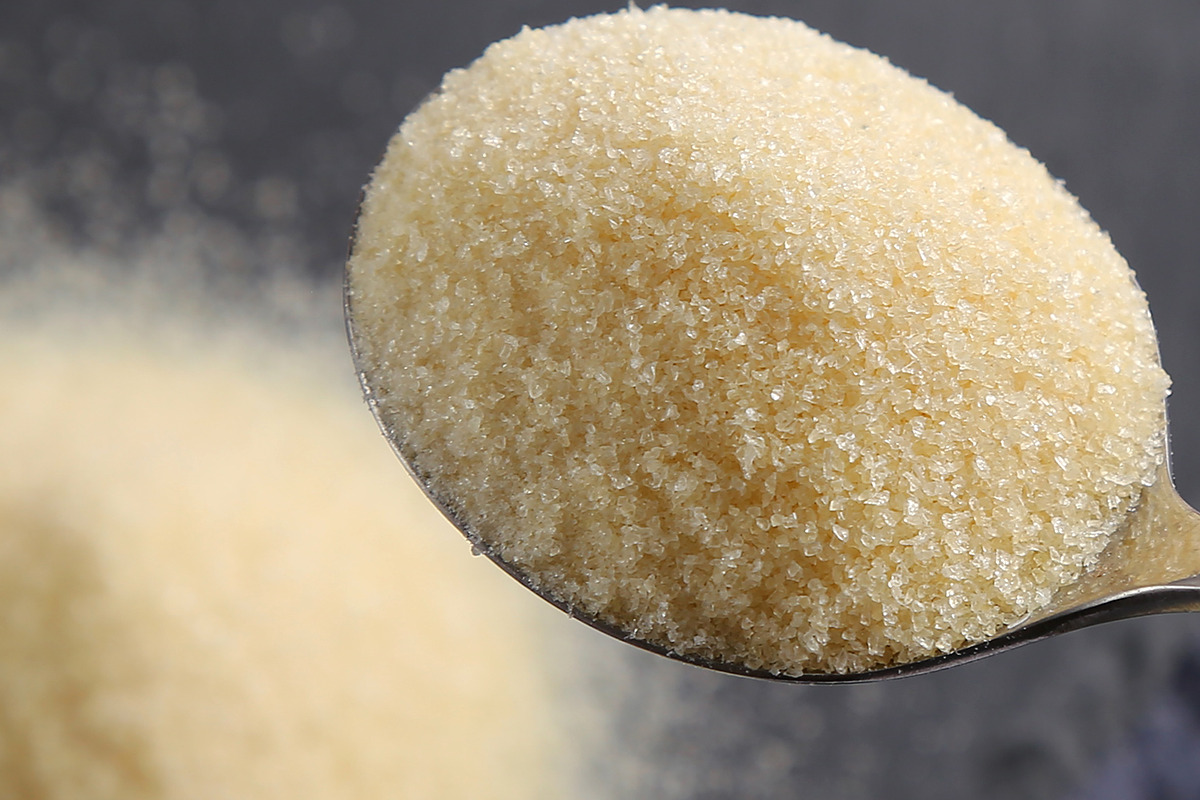
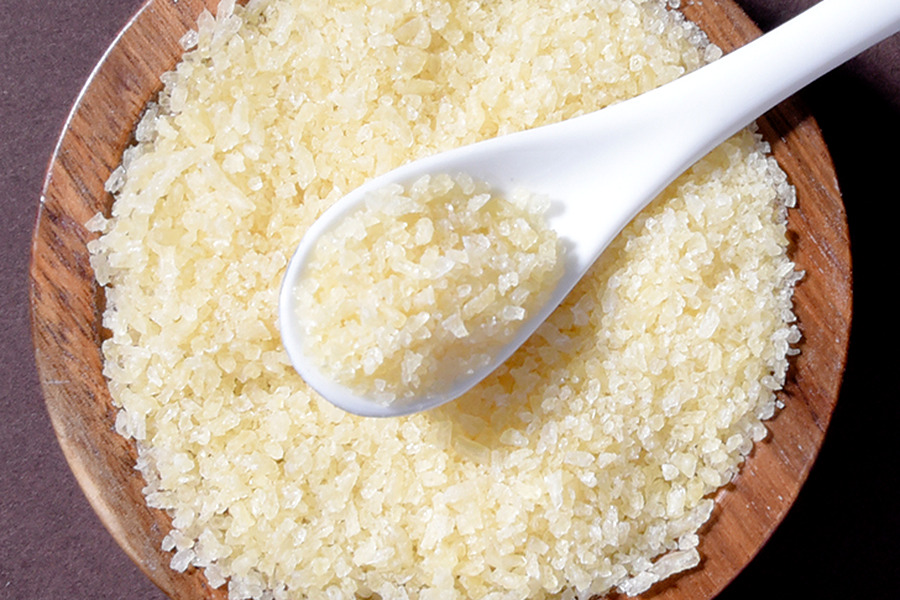
Type B Halal bovine hide gelatin granules (180-280 Bloom) on stainless testing spoon
01 Primary Meat Benchmark
Type B Halal Bovine Hide Gelatin (Primary Meat Grade)
Grades
180, 200, 220, 240, 250, 260, and 280 Bloom (3.0–4.5 mPa·s viscosity at 60°C; 8–80 mesh)
Why engineers pick it
Alkaline-extracted from traceable cattle hides; retains intact α-chains (100–140 kDa), β-dimers (~200 kDa), and γ-trimers (>240 kDa) for superior 37.10°C slice firmness.
Certifications
Halal (Indonesian MUI, Indonesian BPJPH, HFC), Kosher, FSSC 22000, BRC, ISO 22000, HACCP, FDA, VC
Reference price band
USD 5.00–8.00/kg FOB or CIF (500 kg MOQ)
Production lead time
20 days from order confirmation (500 g free sample in 48 hours)
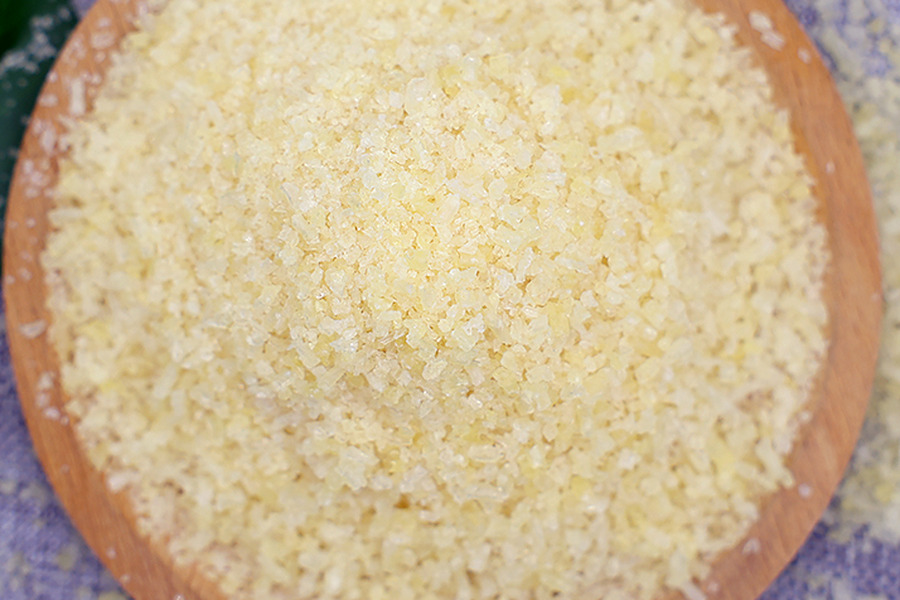
Type B Halal bovine bone gelatin granules (150-250 Bloom, 3.5-4.6 mPa·s) in wooden dish
02 High-Rigidity & Retort
Type B Halal Bovine Bone Gelatin (High-Rigidity & Retort Grade)
Grades
150, 180, 200, 220, and 250 Bloom (3.5–4.6 mPa·s viscosity at 60°C; 8–80 mesh)
Why engineers pick it
Extracted from defatted cattle bones (beef bones); higher 60°C dynamic viscosity resists thermal hydrolysis during 121°C retort canning and delivers crisp slice edges.
Certifications
Halal (MUI, BPJPH, HFC), Kosher, FSSC 22000, BRC, EDQM Certificate of Suitability, Veterinary Health Certificate
Reference price band
USD 5.00–8.00/kg FOB or CIF (500 kg MOQ)
Production lead time
20 days standard export dispatch
Halal and Kosher Parve tilapia fish gelatin granules (150-250 Bloom) on wooden spoon
03 Low-Melting Marine
Halal & Kosher Tilapia Fish Gelatin (Low-Melting Marine Grade)
Grades
150, 180, 200, 220, and 250 Bloom (2.1–4.8 mPa·s viscosity at 60°C; 8–80 mesh)
Why engineers pick it
Acid-extracted from tilapia fish skin and scale collagen; lower setting and melting point (22°C–27°C) releases flavor rapidly in chilled poultry pâté and seafood terrines.
Certifications
Halal (MUI, BPJPH, HFC), Kosher Parve, FSSC 22000, BRC, FDA, EU Health Certificate
Reference price band
Quoted by Bloom grade and order volume (500 kg MOQ)
Production lead time
20 days standard export dispatch
Hydrolyzed collagen peptide powder (1,000-3,000 Da) with cold-water solubility for meat protein fortification
04 Zero-Gel Fortification
Hydrolyzed Collagen Peptides (Zero-Gel Protein Fortification)
Grades
1,000–3,000 Da enzymatic hydrolysate (bovine collagen peptides & fish collagen peptides; ≥90% protein)
Why engineers pick it
Boosts label protein content and binds moisture in coarse jerky or low-fat burgers without adding cold gel stiffness; dissolves in cold water at 100% clarity.
Reference price band
Bovine collagen USD 6.50–8.00/kg · Fish collagen USD 10.00–15.00/kg
Production lead time
10 days production lead time (200 g free sample available)
Clean-Label Hydrocolloid & Protein Benchmark
Functional Comparison: Halal Bovine Gelatin vs. Alternative Meat Binders
Formulators searching for the best gelatin for meat products compare Type B beef gelatin against porcine Type A gelatin (from pig skin), carrageenan, and soy protein. Under Codex Alimentarius standard CODEX STAN 192-1995 (Ren and co-authors, 2024, PMC11363562), phosphates in processed meat are capped at 2,200 mg/kg (0.22%). By contrast, JECFA assigns the food-grade gelatin used in meat processing an Acceptable Daily Intake (ADI) of "not limited".
Binder System
Water & Fat Binding Mechanism
Melting Point & Mouthfeel
Clean-Label & Regulatory Status
Halal / Kosher & Allergen Profile
Yasin Type B Bovine Gelatin (Beef Gelatin)
Binds 5–10x water via serine hydroxyl hydrogen bonds; emulsifies fat globules; cuts centrifugal loss to 7.10%.
Thermoreversible melting peak at 37.10°C; melts at body temperature for authentic juicy meat release.
Clean-label food ingredient ("beef gelatin" or "meat gelatine"); JECFA ADI not limited; zero E-number required.
100% Halal (MUI, BPJPH, HFC) & Kosher certified; zero major food allergens.
Type A Porcine Gelatin (Pig Skin)
Comparable coil-to-helix hydrogel network; centrifugal water loss 7.79% at 280 Bloom.
Slightly lower DSC melting peak (35.65°C); softer warm-counter stability than Type B bovine hide.
Clean-label ingredient, but rejected by pork-free retail chains and export jurisdictions.
Forbidden in Halal and Kosher meat processing; high customs rejection risk in MENA and APAC.
Kappa / Iota Carrageenan (E407)
Polysaccharide double-helix binds water during cooling; zero oil-in-water fat emulsification capacity.
Thermally irreversible up to 65°C–75°C; does not melt in the mouth, yielding a firmer, brittle bite.
Requires E407 additive declaration; scrutinized by clean-label deli buyers.
Plant-derived Halal/Kosher, but reduces sausage elasticity above 0.4% dosage.
Soy Protein Isolate (SPI)
Heat-set globular protein gel binds water and fat at 1.5%–3.0% dosage.
Non-melting above 70°C; imparts beany off-notes that mask delicate cured ham and spice profiles.
Must be declared as a major food allergen across US FDA, EU EFSA, and Asian markets.
Halal/Kosher compliant, but excluded from allergen-free school and hospital meat tenders.
Sodium Tripolyphosphate (STPP / E451)
Raises ionic strength and pH to dissociate actomyosin and swell native muscle fibers.
Improves muscle tenderness, but over-dosing (>0.3%) inhibits protein phosphorylation and causes metallic taste.
Strict statutory ceiling of 2,200 mg/kg (0.22%) under CODEX STAN 192-1995.
Halal/Kosher mineral salt, frequently reduced by pairing with 0.8%–1.2% bovine gelatin.
Mesh Granulation, Hydration Protocols, and Bowl Chopper Integration
When operators dump fine gelatin powder straight into warm broth or fast bowl choppers, it clumps into rubbery fish-eyes that never dissolve. This failure happens because fine 60–80 mesh particles gel instantly on the surface when exposed to water above 50°C. Mastering how to use gelatin in sausage and how to use gelatin for meat starts with matching particle mesh size (8–80 mesh) to your vessel.
Pre-swell 1 part dry gelatin in 5 parts cold water or meat stock (10°C–15°C / 50°F–59°F) for 25–30 minutes; warm gently to 55°C–60°C (131°F–140°F) until clear. Never boil.
In-house milling & sieving (Yasin standard export grade)
Medium Granules: 20–40 Mesh(850–425 µm / 0.033–0.017 in)
Pre-hydrate 1:5 in chilled water for 15 minutes, or dry-premix 1:3 with salt/dextrose carrier and dose late in the chopping cycle while keeping batter below 13°C–16°C (55°F–61°F).
In-house milling & sieving (most popular sausage grade)
Fine Powder: 40–60 Mesh(425–250 µm / 0.017–0.010 in)
Vacuum tumblers, reformed ham mixers, & restructured meat bind systems
Swell in 10°C–15°C water for 8–10 minutes or disperse under high-shear agitation into chilled curing brine before vacuum tumbling at 2°C–4°C (36°F–39°F).
Disperse under vortex agitation to prevent surface clumping; hydrate fully in 5–8 minutes before metering into the injection brine header.
In-house precision classification to customer spec
Pre-Emulsified Jelly Stock (1:5 Gel)(Prepared on-site from 20–40 mesh)
Low-fat frankfurters, liverwurst, pâté, & bigel fat-replacement systems
Cast a 1:5 gelatin-to-water gel slab in the chiller (<6°C / 43°F) overnight, then chop cold gel blocks directly with lean meat and ice in the bowl chopper.
Supported via Yasin 500 g pilot formulation sheets
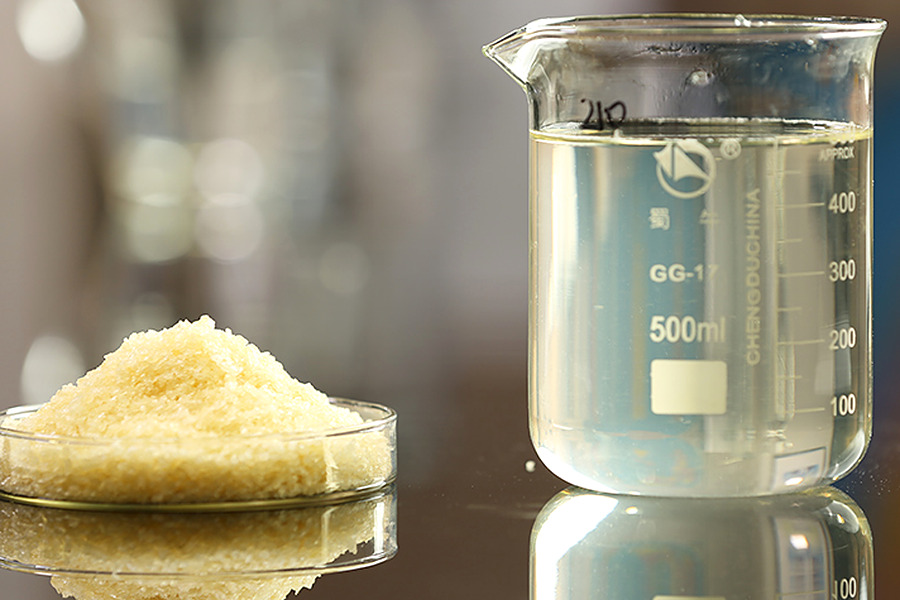
Dry meat gelatin granules next to 500 mL graduated beaker showing 1:5 cold-water swelling and clear dissolution
Batch COA Sieve Verified< 6°C (43°F) · 12h Lock
All meat gelatin orders ship in your specified mesh window (8–20, 20–40, 40–60, or 60–80 mesh) verified by sieve analysis on the batch COA. Rapid post-cook shower cooling followed by chiller setting below 6°C (43°F) for 12 hours locks the triple-helix network and stops gelatin from melting out.
Bloom Grade, Viscosity, and Dosage Matrixby Meat Product
Standard 180 Bloom gelatin breaks down during 121°C retort sterilization and leaves runny liquid sloshing inside corned beef cans because autoclave heat cleaves peptide bonds. To prevent thermal syneresis, our 4-parameter specification matrix pairs Bloom strength, 60°C viscosity, mesh size, and dosage under GB 6783-2013. Suitability of each grade is confirmed by specific product requirement prior to order.
COA & Application Matrix · 10 Specifications
Specification / Meat Application
What We Hold (GB 6783-2013 & Batch COA Contract)
01Gel Strength (Bloom Value) Envelope
180–280 Bloom for meat-grade bovine hide gelatin (150–250 Bloom for bovine bone and fish gelatin), held within ±5 Bloom to ±10 Bloom batch tolerance using a 12.7 mm (0.50 in) plunger at 10.0°C (50.0°F).
02Dynamic Viscosity (60°C / 140°F, 6.67%)
3.0–4.5 mPa·s for bovine hide gelatin; 3.5–4.6 mPa·s for high-viscosity bovine bone gelatin; 2.1–4.8 mPa·s for tilapia fish gelatin.
03Particle Size (Mesh Granulation)
8–80 mesh customizable particle distribution (2,360 µm down to 180 µm / 0.093 in down to 0.007 in sieve aperture; ≥98% pass through nominal screen).
04Cooked & Brine-Injected Ham Dosage
0.5%–1.5% of finished ham weight (5–15 g/kg / 0.08–0.24 oz/lb, or 1.0%–2.0% of injection brine) using 220–250 Bloom, 3.4–4.2 mPa·s, 40–80 mesh gelatin for zero-syneresis sliceability.
05Emulsified Sausage & Frankfurter Dosage
0.5%–2.0% of total batter weight (5–20 g/kg / 0.08–0.32 oz/lb) using 180–220 Bloom, 3.0–3.8 mPa·s, 20–40 mesh gelatin.
06Retort Canned Meat & Corned Beef Dosage
1.0%–2.5% of can fill weight (10–25 g/kg / 0.16–0.40 oz/lb) using 220–260 Bloom, 3.8–4.5 mPa·s Type B bovine gelatin to compensate for 115°C–121°C (239°F–250°F) retort sterilization.
07Clear Savory Aspic, Head Cheese & Pâté Glaze Dosage
3.0%–8.0% of broth weight (30–80 g/kg / 0.48–1.28 oz/lb; up to 10%–15% for warm-display glaze) using 240–280 Bloom, 4.0–4.5 mPa·s, 8–20 mesh high-clarity gelatin (≥90% transmittance).
08pH, Moisture, Ash & Transmittance
pH 5.0–7.0 (functional across meat matrix pH 3.5–7.6); Loss on drying (moisture) ≤14.0% (batch COA 10.2%–11.8%); Ash ≤2.0% (≤1.0% for clear aspic grades); Light transmittance ≥85%–92% at 620 nm.
09Chemical Purity & Heavy Metal Ceilings
Sulfur dioxide (SO2) ≤30 mg/kg (ppm); Total heavy metals (as Pb) ≤30 mg/kg; Lead (Pb) ≤1.5 mg/kg; Arsenic (As) ≤1.0 mg/kg; Chromium (Cr) ≤2.0 mg/kg; Hydrogen peroxide (H2O2) ≤10 mg/kg.
10Microbiological & Export Delivery Contract
Total plate count ≤1,000 CFU/g; Coliforms ≤30 MPN/100 g; Salmonella & E. coli negative in 25 g (0.88 oz)[8]; 500 kg (1,102.3 lb) MOQ in 25 kg (55.1 lb) bags shipped in 20 days.
Bloom grades are not interchangeable gram-for-gram, and Bloom strength alone does not fix hot viscosity. When switching from baseline Bloom B1 (at dosage D1) to target Yasin Bloom B2, compute D2 via D2 = D1 × √(B1 / B2) because required dosage depends on the square root of gel strength. Upgrading a gelatin meat recipe from 1.50% of 180 Bloom to 250 Bloom cuts powder dosage to 1.27% (a 15.15% mass saving).
To avoid gummy defects when converting recipes to target Yasin Bloom grades using ratios, the square-root law should be used.
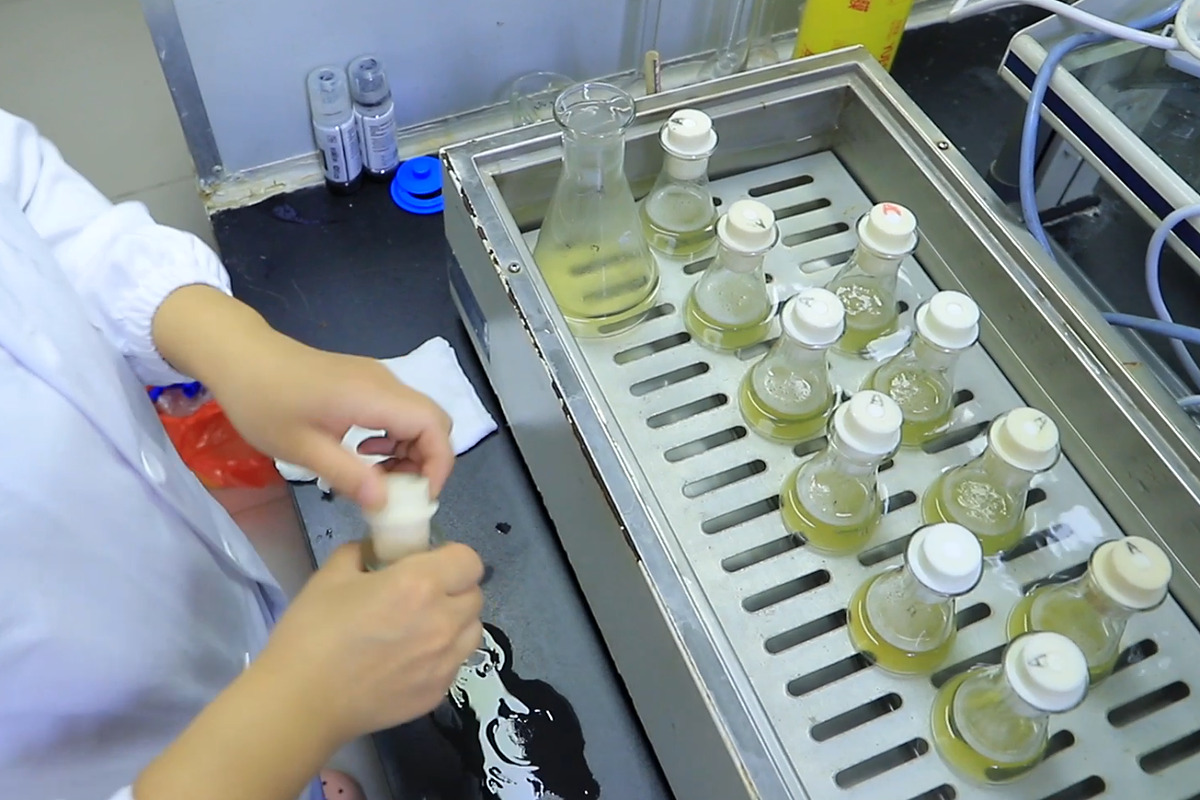
6.67% gelatin Bloom test flasks in precision chiller water bath for Bloom equivalence testing
Pricing & Supply Terms
Bulk Pricing Drivers, Packaging Formats, and Production Lead Times
High-Bloom gelatin quotes look expensive per kilogram, and meat buyers worry about batch-to-batch Bloom drift between lab samples and container loads. Price follows Bloom grade and volume rather than a fixed price list; we quote under FOB and CIF Incoterms at USD 5.00–8.00/kg and confirm freight per port. Our commercial MOQ is 500 kg (20 bags of 25 kg) after a free sample before bulk production, with bovine collagen at USD 6.50–8.00/kg and fish collagen at USD 10.00–15.00/kg.
What Drives Your Per-Kilogram Meat Gelatin Price
01 / 04
Cost Driver
Effect on Per-kg FOB / CIF Quote
How to Lower Your Total Formulation Cost
01Bloom Strength Tier (180 vs. 280 Bloom)
Higher Bloom extracts (250–280 Bloom) draw from first-fraction collagen extraction and carry a higher per-kg unit price than 180–200 Bloom grades.
Cost OptimizationApply the √(B1/B2) dosage reduction law: 250 Bloom uses 15.15% less dry powder than 180 Bloom for equal gel firmness, lowering net cost per ton of finished meat.
02Raw Material & Religious Certification
Halal-certified Type B bovine hide/bone gelatin (MUI, BPJPH, HFC) and Kosher lots require segregated raw material chains and audited slaughter documentation.
Cost OptimizationConsolidate multi-plant SKU orders onto a single 220–240 Bloom Halal Type B bovine hide grade to qualify for container volume tiers across domestic and Halal lines.
03Order Quantity & Container Load Utilization
A 500 kg trial order spreads export customs clearance, CNAS batch testing, and veterinary certification across 20 bags, whereas a 20 ft FCL (12–16 MT) minimizes unit freight.
Cost OptimizationValidate performance with our 500 g free gelatin sample and a 500 kg pilot lot, then lock quarterly schedules backed by our 36,000 metric tons annual gelatin capacity.
04Packaging Format (25 kg Bag vs. 1,000 kg FIBC)
Standard 25 kg multi-wall kraft paper bags with food-grade PE inner liners suit manual bowl-chopper dosing; 1,000 kg woven polypropylene jumbo bags fit automated silo lines.
Cost OptimizationSpecify standard 25 kg kraft bags or 1,000 kg jumbo bags on fumigation-free pallets to avoid custom small-pouch repackaging surcharges.
Batch Yield Economics
Quantified Batch Yield & Cost-Per-Kilogram Impact (1,000 kg Ham or Sausage Batch)
USD 65.00Dosing 1.0% (10 kg) of Yasin 240 Bloom Type B bovine hide gelatin at USD 6.50/kg adds USD 65.00 in binder input cost per 1,000 kg batch.
+50 kgBinding 5x water and meat juice (GMIA emulsion data and 35.9% purge reduction in PMC6533400) retains 50 kg cooked weight.
3.46x ROIAt a wholesale cooked ham or sausage value of USD 4.50/kg, retaining 50 kg of sellable yield recovers USD 225.00 in product value per ton (a 3.46x direct return).
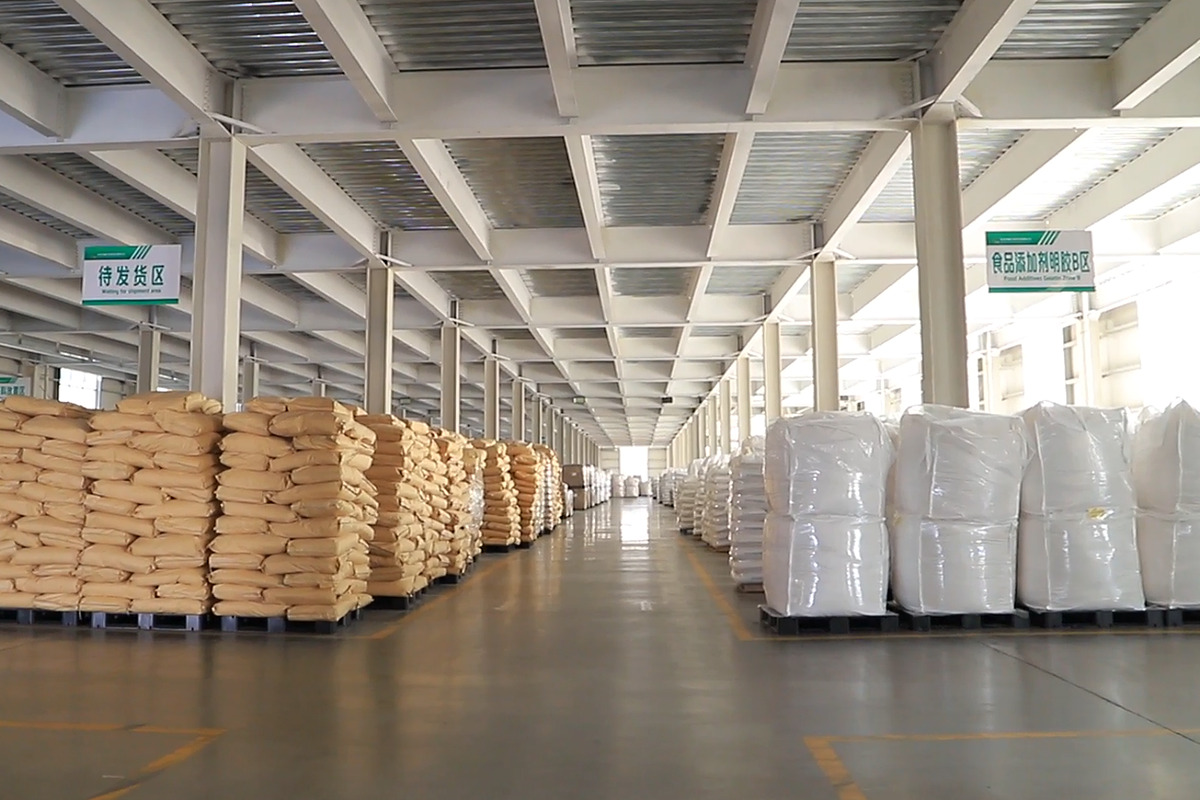
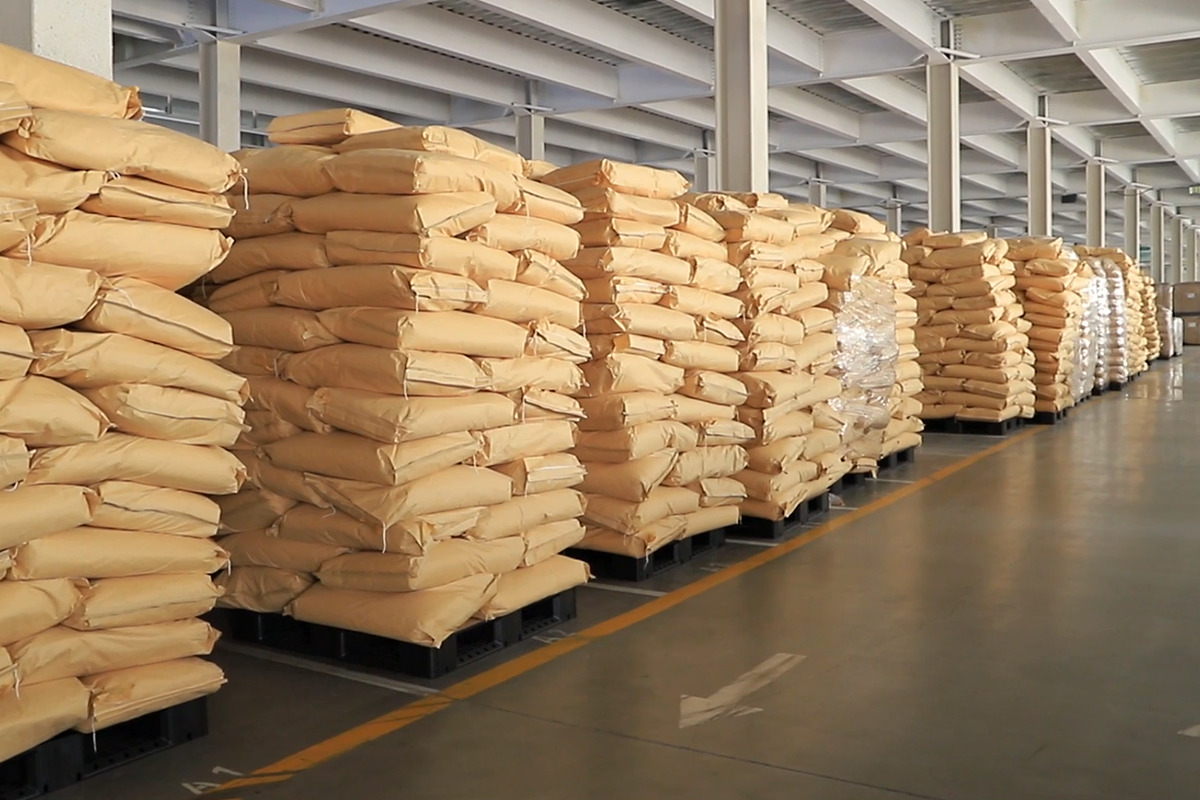
Yasin food-grade gelatin warehouse showing 25 kg multi-wall kraft paper bags and 1,000 kg FIBC jumbo bags
24-Hour Engineering Desk
How Your Written Quotation Is Produced
Quotes are returned within 24 hours on business days by our application engineering and export desk. Send your target meat product, Bloom range (180–280 Bloom), 60°C viscosity, mesh size (8–80 mesh), and destination port. We return a formal FOB or CIF price sheet together with a matched batch COA where applicable.
Sampling & Dispatch Runway
Lead Times and Sampling Schedule by Order Stage
Order Stage
Committed Turnaround
Deliverables & Scope
Technical Quotation & Spec Matching
Within 24 hours
Itemized FOB/CIF price per kg (USD 5.00–8.00/kg reference window), matched grade TDS, and sample batch COA.
R&D Lab & Pilot Sample Dispatch
Up to 500 g free gelatin sample (200 g for collagen peptides)
Dispatched via DHL/FedEx within 48 hours of spec confirmation so your R&D lab can verify Bloom, clarity, and brine hydration.
Commercial Bulk Production (≥500 kg MOQ)
20 days for food-grade gelatin (10 days for collagen peptides)
Full batch production, CNAS-accredited laboratory COA testing under GB 6783-2013, Veterinary Health Certificate (VC) issuance, and port loading.
Production runs for food-grade meat gelatin ship in 20 days from deposit or L/C confirmation, excluding ocean transit time. We accept T/T and L/C as standard payment terms, with O/A available for approved VIP accounts subject to credit review.
Quality Control, Batch COA Testing, and Global Food Safety Certifications
Meat processors treat animal-derived hydrocolloids as critical food-safety control points requiring full lot traceability, validated thermal microbiology, and audited religious compliance. Every commercial lot we produce is tested inside our CNAS-accredited factory laboratory against GB 6783-2013, GMIA, USP, and European Regulation (EC) No 853/2004 before warehouse release. Certificate scope is confirmed per specific product before order confirmation.
How Every Meat Gelatin Batch Is Inspected Before Shipment
01 · ProcessRaw material traceability screening is performed on incoming bovine hides, cattle bones, and tilapia skins from veterinary-inspected abattoirs with zero porcine cross-contact.
02 · ProcessAutomated multi-stage filtration and ion-exchange deionization strip ash (≤2.0%, or ≤1.0% for aspic grades) to lock light transmittance at ≥85%–92%.
03 · SpecificationsEach production lot undergoes CNAS laboratory rheology and chemical assay at 6.67% concentration for 10°C Bloom (180–280 Bloom), 60°C viscosity (3.0–4.5 mPa·s), SO2 (≤30 mg/kg), and heavy metals.
04 · SpecificationsEvery batch clears microbiological pathogen release (Total Plate Count ≤1,000 CFU/g; Salmonella and E. coli negative in 25 g), and a 500 g reference sample is archived for 36 months.
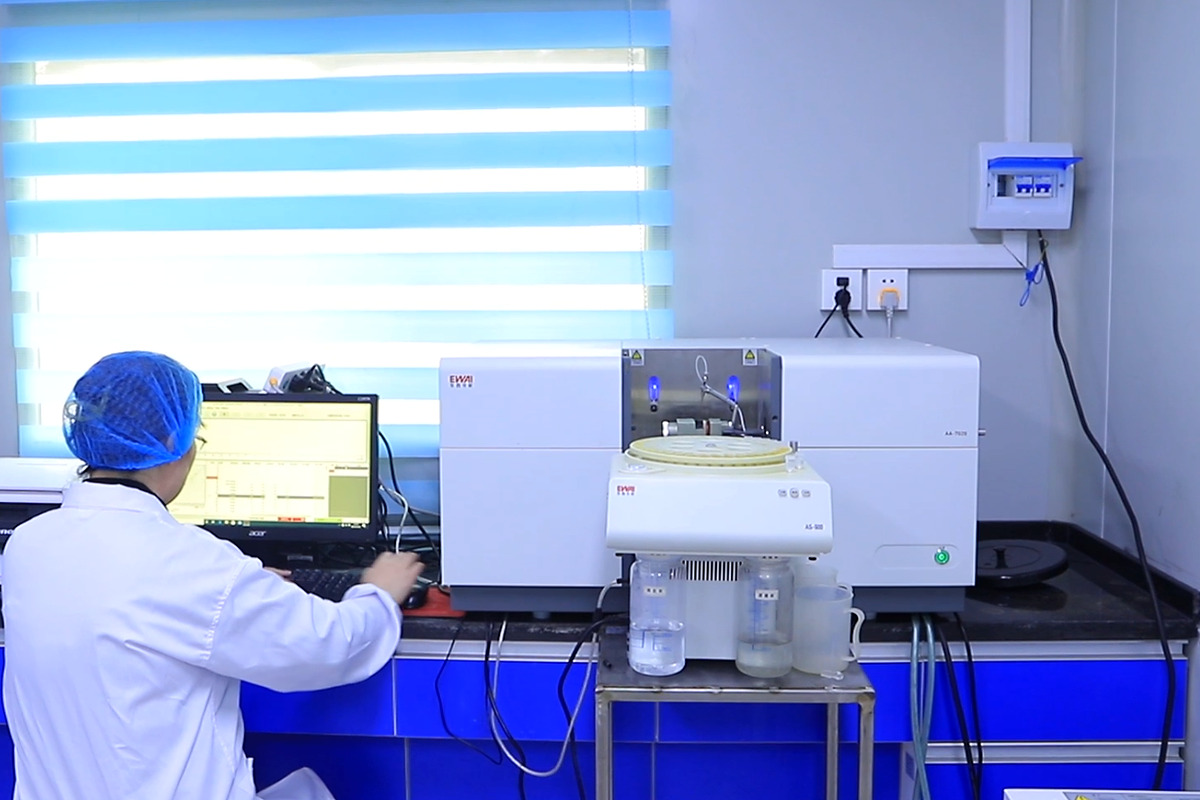
01Texture analyzers equipped with 12.7 mm (0.50 in) Bloom plungers, 10.0°C ± 0.1°C precision chiller baths, 60.0°C capillary viscometers, and 620 nm spectrophotometers.
02Atomic absorption and ICP-MS instruments verifying Lead (Pb ≤1.5 mg/kg), Arsenic (As ≤1.0 mg/kg), and Chromium (Cr ≤2.0 mg/kg), plus distillation titration for SO2 (≤30 mg/kg).
03Dedicated biosafety microbiology testing rooms verify total aerobic count, Coliforms, yeast & mold, Salmonella and Staphylococcus aureus.
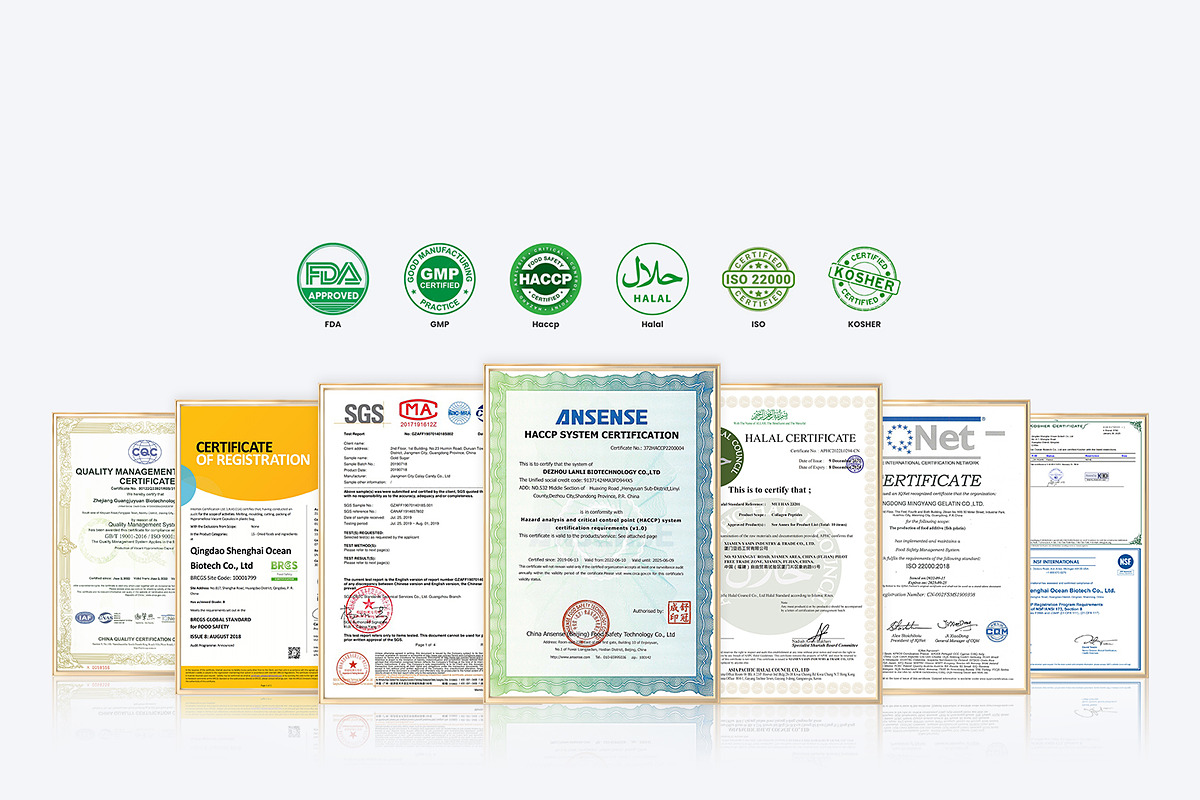
Active Halal, Kosher, HACCP, ISO 22000, BRC, GMP, and FDA certificates for Yasin food-grade gelatin
Resources
Active Food Safety, Halal & Export Certifications
01Certified food safety management systems including FSSC 22000 (valid to 2029-04-25), BRC (valid to 2027-08-23), ISO 22000 (valid to 2029-06-12), HACCP (valid to 2029-06-12), ISO 9001 (valid to 2027-09-29), and GMP (valid to 2028-08-10).
02International regulatory credentials including EDQM Certificate of Suitability (CEP), US FDA food facility registration, and CNAS laboratory accreditation.
03Religious and customs certificates covering Halal by Indonesian MUI, Indonesian BPJPH (valid to 2028-07-17), and HFC, plus Kosher, batch COA, and export Veterinary Health Certificate (VC).
“Never assume a generic bovine datasheet clears Southeast Asian or Middle Eastern port inspections. Generic specification sheets do not establish lot compliance. Every container we dispatch carries a CNAS laboratory COA under GB 6783-2013, active MUI / BPJPH or HFC Halal certificate, and Veterinary Health Certificate (VC).”
Batch Certificate of Analysis (COA), Halal certificate (MUI / BPJPH / HFC), Kosher certificate, and veterinary health certificate (VC) ship with every export batch. If a delivered lot measures outside the contracted Bloom or viscosity window, we replace it against our retained reference sample.
From 500 g Lab Sample Trial to Container-Load Delivery
Prior to committing to bulk tonnage, matching your brine injector or bowl chopper is required to qualify a meat gelatin supplier. We review custom mesh or viscosity requests case by case rather than forcing a single stock grade. Our 6-step onboarding process removes drift between pilot trials and container shipments.
Phase 01 · Lab Sample Matching
Yasin application engineering and R&D laboratory team matching 500 g pilot gelatin samples to meat formulations
Step01
To start, submit your meat formulation brief with your product type (cooked ham, emulsified sausage, canned corned beef, or savory aspic), target Bloom (180–280 Bloom), and mesh size (8–80 mesh).
Step02
During our 24-hour engineering review, our food technologists match the optimal Type B bovine hide, bovine bone, or fish gelatin grade and return a written FOB/CIF quote within 24 hours.
Step03
For pilot testing, we air-ship up to 500 g free gelatin sample (or 200 g collagen peptide sample) from an active production lot together with its CNAS laboratory COA.
Step04
Upon sample approval, we schedule lot-locked bulk production matching that exact Bloom and 60°C viscosity (3.0–4.5 mPa·s), starting at 500 kg MOQ with a 20 days lead time.
Step05
Before bagging, our CNAS lab completes pre-shipment verification against your approved pilot parameters; we take full contractual responsibility for holding the agreed GB 6783-2013 specification window.
Step06
For export dispatch, powder is sealed in 25 kg multi-wall kraft paper bags (with food-grade PE inner liners) or 1,000 kg jumbo bags and shipped with full COA, Halal, Kosher, and VC documents.
Phase 02 · Automated Bulk Packaging
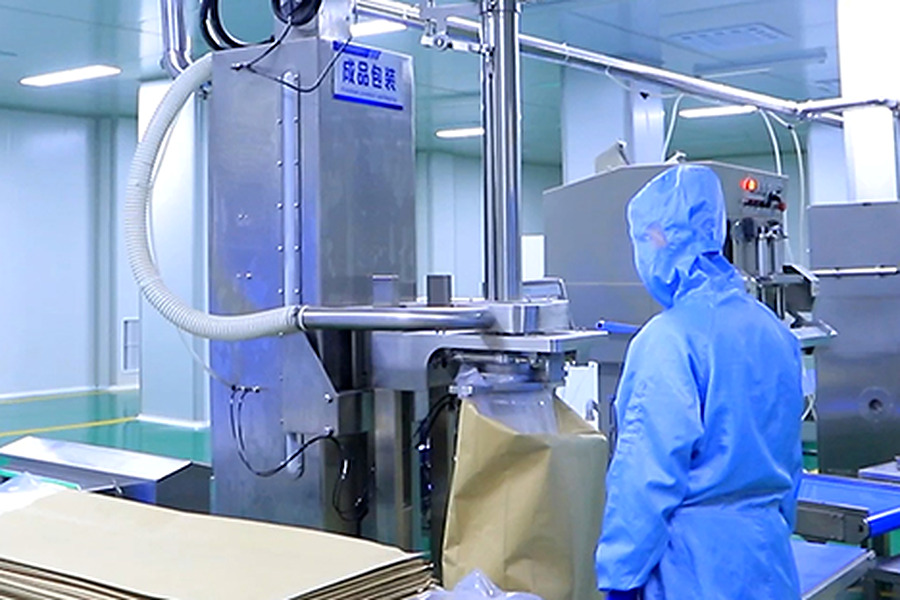
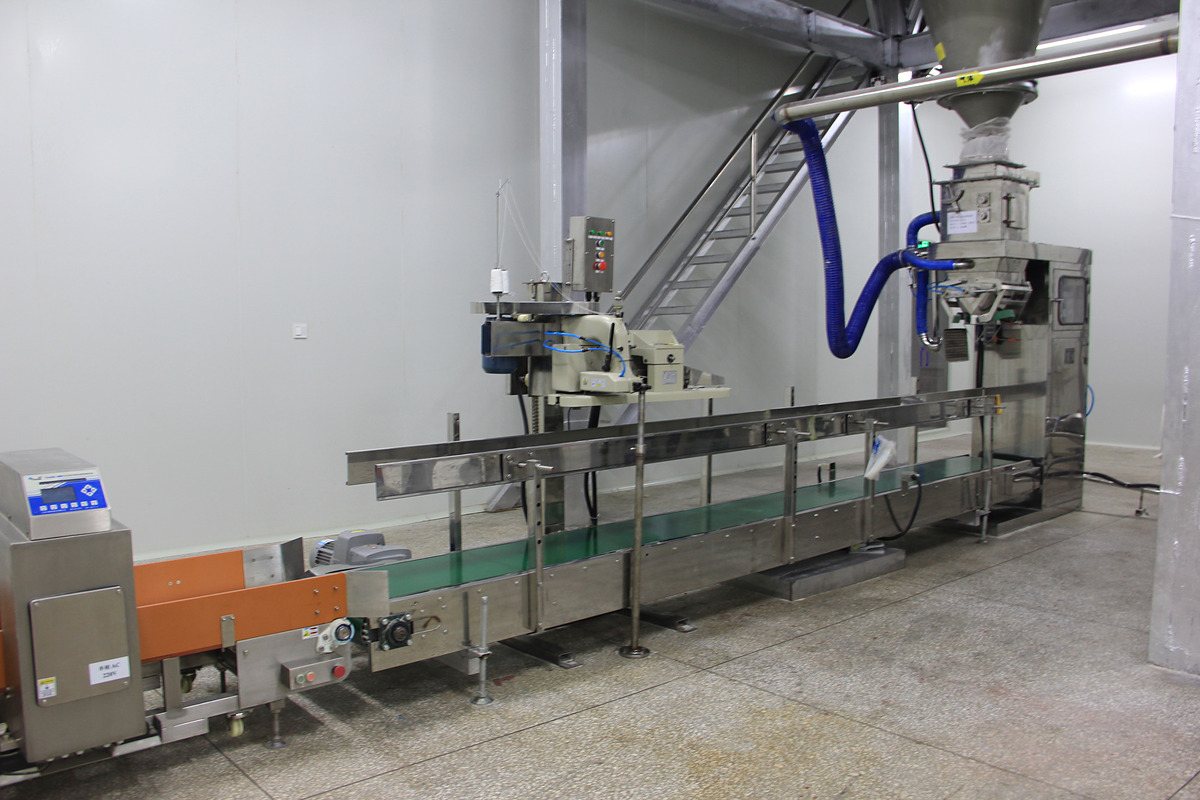
Yasin automated 25 kg multi-wall kraft paper bag packaging line for bulk food-grade meat gelatin orders
RFQ Cost & Process Optimization
Formulation Specification Rules That Lower Your Processing Cost
Formulation Variable
What to Specify on Your RFQ
Why It Saves Money & Prevents Line Rejects
Bloom-to-Dosage Ratio
Specify 250 Bloom at 1.27% for cooked ham instead of 180 Bloom at 1.50%.
Reduces dry powder consumption by 15.15% via the √(B1/B2) rule while maintaining identical chilled slice firmness.
Mesh Matched to Mixing Vessel
Specify 8–20 mesh for kettle aspics, 20–40 mesh for bowl choppers, and 40–80 mesh for cold brine tanks.
Eliminates undissolved "fish-eye" lumps and cuts kettle hydration cycle time by 10–15 minutes per batch.
60°C Viscosity for Retort Cans
Specify 3.8–4.5 mPa·s high-viscosity Type B bovine gelatin (220–260 Bloom) for 115°C–121°C canned meats.
Prevents thermal hydrolysis liquid separation in canned corned beef and luncheon meat without adding modified gums.
Low-Ash Grade for Visual Aspic
Specify ash ≤1.0% and transmittance ≥90% (240–280 Bloom) for clear jellied meats, head cheese, and pâté glazes.
Stops calcium/magnesium salt precipitation and cloudy gray haze in chilled retail display windows.
Since 1986 (with Xiamen Yaxun Industry & Trade Co., Ltd. incorporated in September 2009), our factories have scaled to 36,000 metric tons of annual gelatin capacity and 19,000 metric tons of collagen peptides. We also produce 8.5 billion empty capsule shells annually. Our food-grade gelatin ships to meat processors across North America, South America, Southeast Asia, South Korea, Japan, and the Middle East.
36,000 MTAnnual Gelatin
19,000 MTCollagen Peptides
8.5 BillionEmpty Capsules
Industrial Meat & Food Sectors Supplied
220–250 Bloom · 40–80 Mesh
220-250 Bloom 40-80 mesh Type B bovine hide gelatin powder for brine-injected deli ham and restructured poultry plants
SECTOR 01
Cooked Deli Ham & Restructured Poultry Plants
We supply 220–250 Bloom, 40–80 mesh Type B bovine hide gelatin for brine-injected pork ham, smoked turkey breast, and reformed logs. It stops pouch purge and keeps slicer waste below 1%.
180–220 Bloom · 20–40 Mesh
180-220 Bloom 20-40 mesh meat-grade beef gelatin granules for emulsified sausage and frankfurter manufacturers
SECTOR 02
Emulsified Sausage & Frankfurter Manufacturers
We provide 180-220 Bloom, 20-40 mesh beef gelatin and halal bovine bone gelatin for the hot dogs, bologna and mortadella lines. It helps prevent fat-out and provides a nice crisp bite.
220–260 Bloom · 3.8–4.5 mPa·s
220-260 Bloom 3.8-4.5 mPa·s high-viscosity bovine gelatin for retort canned meat and corned beef packers
SECTOR 03
Retort Canned Meat & Corned Beef Packers
We provide 220-260 Bloom, 3.8-4.5 mPa·s high-viscosity bovine gelatin for sterilized canned corned beef and luncheon meat. It helps retain purged juices and makes the meat sliceable.
240–280 Bloom · ≥90% Clarity
240-280 Bloom 8-20 mesh high-clarity hydrogel with over 90% light transmittance for artisanal charcuterie aspic and pate glazes
SECTOR 04
Artisanal Charcuterie, Aspic & Pâté Producers
We provide 240-280 Bloom, 8-20 mesh high-clarity (≥90% transmittance) gelatin for savory meat jelly, head cheese (Sülze) and kholodets, and for oxygen-barrier pâté glazes.
Ocean container vessel and air freight export logistics for 5-year continuous meat gelatin supply to Colombia
Supply Case 01 · South America
South America Food & Meat Ingredient Partner (Colombia · 5-Year Continuous Supply)
A Colombian meat ingredient distributor needed a factory-direct Chinese manufacturer holding 240–250 Bloom bovine hide gelatin specs with zero viscosity drift and full Veterinary Health Certificate (VC) export files. We have supplied container-load shipments of 25 kg kraft-bag food-grade gelatin for 5 consecutive years with 100% port customs clearance.
Verified OutcomesCOL · FCL
Verified track record: 5+ Years Continuous Export Supply to Colombia.
An export sausage plant in Southeast Asia needed 100% pork-free Halal Type B bovine gelatin (200–220 Bloom, 20–40 mesh) to stop casing fat-out. Trialing our 500 g free sample followed by 20-day container dispatches cut cooked purge loss by over 30% while passing Indonesian BPJPH and MUI Halal audits.
Palletized 25 kg kraft bags of Halal-certified Type B bovine gelatin ready for 20-day container dispatch to Southeast Asia
When Standalone Standard Gelatin Is Not the Right Call
Native gelatin melts between 35°C and 40°C (37.10°C DSC peak for 280 Bloom bovine hide gelatin), so cold-set gel strength applies only below 37°C. The early recognition of the physical trade-off debunks the common misconception and rule of thumb that a higher Bloom solves all bind challenges. A description of five scenarios where cold set gel systems are the wrong call and a co-binder system belongs there instead is presented.
Yasin triple-effect high-temperature sterilization and thermal processing system for high-viscosity retort gelatin grades
01
Hot-Served Meat Products Consumed Above 40°C (104°F)
(Grilled burgers, hot meatballs, hot breakfast patties)
Processing Situation
Why It Works Against You
Gelatin hydrogels liquefy above 37°C–40°C. In meats eaten piping hot (60°C–75°C), gelatin melts into a rich broth (“soup-dumpling juiciness”) but provides zero hot structural bind.
What to Specify or Do Instead
Use 0.5%–1.0% of 180–220 Bloom gelatin for hot juiciness and fat retention, and pair it with transglutaminase (TGase, active at 45°C–55°C) or soy/pea protein for heat-irreversible hot cohesion (PMC11363562).
Processing Situation
Why It Works Against You
What to Specify or Do Instead
02
Uncompensated High-F0 Retort Canning (115°C–121°C / 239°F–250°F for >45 min)
Extended autoclave sterilization cleaves peptide bonds along α-chains, causing 15%–30% Bloom strength loss and leaving runny liquid inside the can if dosed at <1.0% with 180 Bloom powder.
Specify Yasin 220–260 Bloom high-viscosity (3.8–4.5 mPa·s at 60°C) Type B bovine gelatin at 1.0%–2.5% dosage and buffer meat pH between 5.5 and 6.5.
03
Direct Dumping of Fine 60–80 Mesh Powder into Hot Kettle Broth (>50°C / 122°F)
Fine granules exposed directly to hot water gel instantly on the outside, trapping dry unhydrated powder inside rubbery “fish-eye” lumps that resist dissolution.
Pre-swell 1:5 in cold water (10°C–15°C) for 5–8 minutes (or 5–30 minutes across 8–80 mesh) before heating, dry-blend 1:3 with salt/dextrose carrier, or switch to 8–20 mesh coarse granules.
04
Over-Dosing (>2.0%) High-Bloom (260–280 Bloom) in Fine Emulsion Frankfurters
Excessive high-Bloom gelatin in finely chopped sausage batters overrides natural myofibrillar bite, creating a gummy, rubbery bounce and visible translucent jelly goo under the casing.
Cap emulsified sausage dosage at 0.5%–2.0% using 180–220 Bloom medium-strength gelatin, and calculate cross-grade reductions via our Bloom Equivalence Converter.
05
High-Acid Pickled Aspics & Sülze (pH < 3.8) Held Hot Above 65°C for >2 Hours
Combining strong vinegar acidity (pH < 3.8) with prolonged hot kettle holding (>65°C / 149°F) accelerates acid hydrolysis of collagen chains, dropping chilled gel firmness by >25%.
Dissolve 250–280 Bloom gelatin in neutral meat stock first, cool the solution below 55°C (131°F), and dose acetic acid or vinegar immediately before mold filling and rapid <6°C chilling.
Frequently Asked Questions on Meat ProcessingGelatin
Formulation & Process Control
Bloom strength (180–280 Bloom) measures the gram force required to depress a 6.67% gel 4 mm at 10°C, governing chilled slice firmness. Dynamic viscosity at 60°C (3.0–4.5 mPa·s) controls hot-phase emulsion stability and stops fat globules from coalescing during smokehouse cooking. Particle mesh size (8–80 mesh) regulates hydration speed across 40–80 mesh ham brines, 20–40 mesh sausage choppers, and 8–20 mesh hot aspic kettles.
For brine-injected and restructured cooked ham, dose 0.5%–1.5% finished weight using 220–250 Bloom bovine hide gelatin. For emulsified sausages and frankfurters, dose 0.5%–2.0% (5–20 g/kg) using 180–220 Bloom gelatin, and for 121°C retort canned meat, dose 1.0%–2.5% (10–25 g/kg) of 220–260 Bloom high-viscosity (3.8–4.5 mPa·s) gelatin. For clear savory aspic jelly or head cheese, dose 3.0%–8.0% of broth weight using 240–280 Bloom gelatin.
Translucent gelatinous purge on sliced deli meat or sausage tips occurs when un-emulsified gelatin melts out during thermal overshoot (>78°C) or over-dosing (>2.0%). To eliminate clear surface goo, hydrate 20–40 or 40–80 mesh gelatin completely in cold water (10°C, 15°C at a 1:5 ratio) before mixing. Keep bowl-chopper batter below 13°C, 16°C and shower-chill cooked products rapidly below 6°C so the triple-helix sets inside muscle pores.
Fish-eyes form when fine 60–80 mesh powdered gelatin hits warm water (>50°C) directly, causing the outer perimeter to gel around a dry powder core[4]. Prevent fish-eyes by pre-blooming the gelatin in 5 parts cold water (10°C, 15°C) for 5–8 minutes on 60–80 mesh grades (or up to 25–30 minutes on 8–20 mesh coarse grades) before warming. Alternatively, dry-blend the gelatin powder 1:3 with salt or spice carriers before high-shear dispersion, or specify 8–20 mesh / 20–40 mesh granules.
In traditional home kitchens, cooks make meat jelly or kholodets by simmering collagen-rich connective tissue like pig skin, trotter, beef shank, cattle bones, or chicken feet. They season that savory bone broth with celery, bay leaves, parsley, clove, horseradish, and a vegetable garnish to chill and cool into a jellied appetizer. In industrial charcuterie plants, natural broth yields erratic gelatine strength, so processors dose 240–280 Bloom unflavored gelatin powder (3.0%–8.0%) to thicken a clear gelatinous aspic jelly in 45 minutes.
Grades, Certifications & Bulk Supply
Retail jello, dessert mixes, and consumer beef flavored gelatin packets contain sugars and flavorings, whereas marshmallow and capsule grades target foam overrun or pharmaceutical film dissolution. Our industrial meat gelatin powder is pure, unflavored, neutral-odor Type B bovine hide or bone protein (moisture ≤14.0%, ash ≤1.0%–2.0%, SO2 ≤30 mg/kg). It is engineered specifically for salt-brine compatibility, fat emulsification, and thermal retort stability in savory meat processing.
Peer-reviewed testing (PMC6533400) shows 280 Bloom Type B bovine hide gelatin achieves lower centrifugal water loss and a higher melting peak than porcine skin gelatin. Unlike carrageenan (which is thermally irreversible and cannot emulsify fat), Halal bovine gelatin melts at mouth temperature (~37°C) for juicy flavor release. When a processor wants to hydrolyze collagen into non-gelling protein fortification, our hydrolyzed collagen peptides (1,000–3,000 Da) dissolve in cold water without thickening into a gel.
Our commercial MOQ is 500 kg (20 bags of 25 kg), and our factory-direct reference price is USD 5.00–8.00/kg FOB or CIF. We provide up to 500 g free gelatin sample (200 g for collagen peptides) and return written quotes within 24 hours. Bulk gelatin production ships in 20 days (10 days for collagen peptides) under T/T and L/C payment terms (with O/A available for approved VIP accounts).
Every export consignment ships with a lot-specific CNAS-accredited laboratory COA verified to GB 6783-2013 and an official export Veterinary Health Certificate (VC). We provide active Halal certificates recognized by Indonesian MUI, Indonesian BPJPH (valid to 2028-07-17), and HFC, plus Kosher certification. Our facilities hold active FSSC 22000 (to 2029-04-25), BRC (to 2027-08-23), ISO 9001, ISO 22000, HACCP, GMP, EDQM, and US FDA registration.
If you are evaluating where to buy gelatin for meat products, order factory-direct from Xiamen Yaxun Industry & Trade Co., Ltd. (Yasin), backed by 36,000 metric tons of annual gelatin capacity. Specify your target meat application, Bloom strength (180–280 Bloom), mesh size (8–80 mesh), and 25 kg multi-wall kraft paper bags or 1,000 kg jumbo bags below. We reply within 24 hours with a formal FOB/CIF quote and dispatch your 500 g free gelatin sample.