
Get in touch with Xiamen Yasin Industry & Trade Co., Ltd.

Gummy Gelatin and Confectionery Collagen Solutions
Written engineering quote within 24 hours Free 500 g gelatin & 200 g collagen lab samples Core gummy grade 230–260 Bloom (±10 Bloom) & 3.3–4.0 mPa·s per GB 6783-2013 10 days collagen & 20 days gelatin dispatch from 500 kg MOQ
Xiamen Yaxun Industry & Trade Co., Ltd. (Yasin) manufactures food-grade gummy gelatin, marshmallow gelatin, and hydrolyzed collagen peptides for commercial gummy bears, aerated marshmallows, and functional supplement gummies. Established in September 2009 with manufacturing roots dating back to 1986, our production base operates an annual production capacity of 26,000 tons of gelatin, 19,000 tons of collagen peptides, and 8.5 billion empty capsule shells. Every gelatin lot is tested in our CNAS-accredited laboratory for 6.67% Bloom gel strength and 60 °C pipette viscosity, while every collagen peptide lot is verified for 1,000–3,000 Da molecular weight distribution and microbiological safety before shipment.
Free evaluation samples up to 500 g for food-grade gelatin and 200 g for collagen peptides dispatch upon specification confirmation with a batch-matched CNAS Certificate of Analysis (COA).
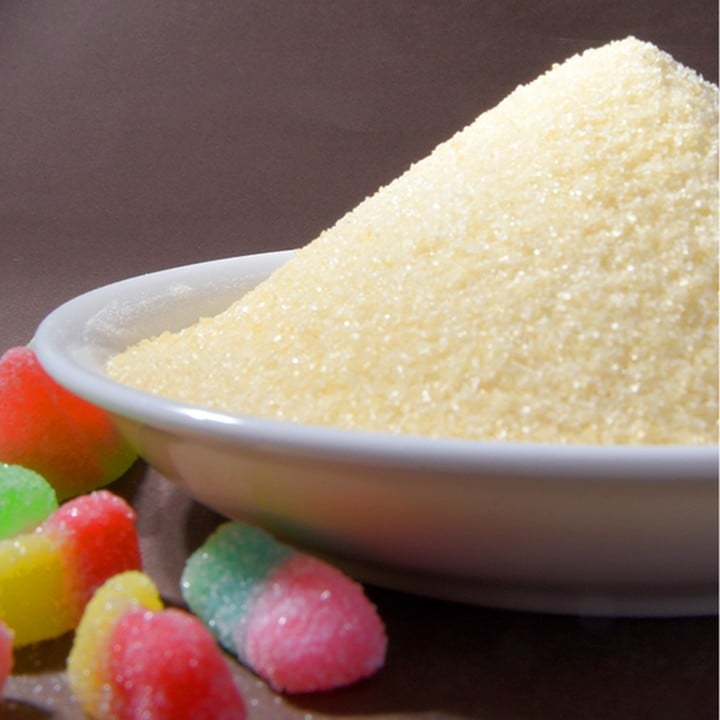
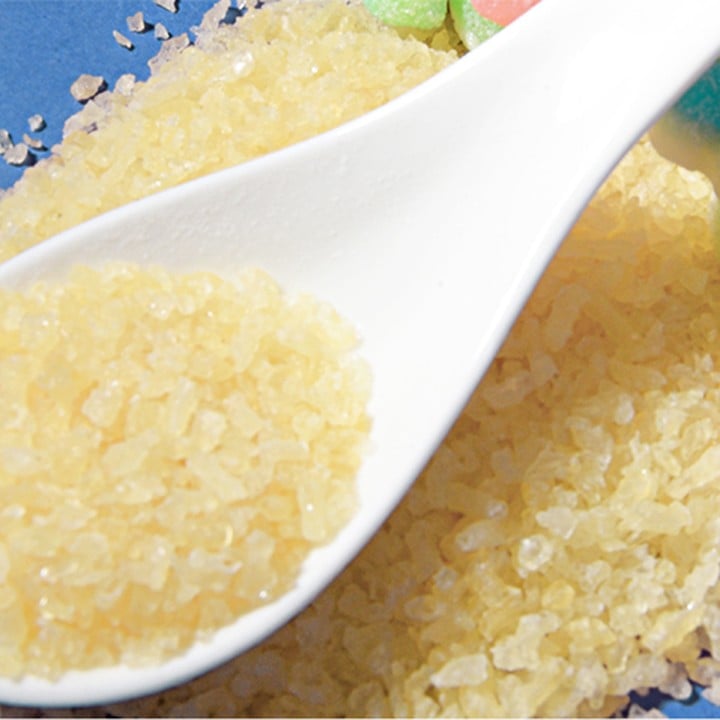
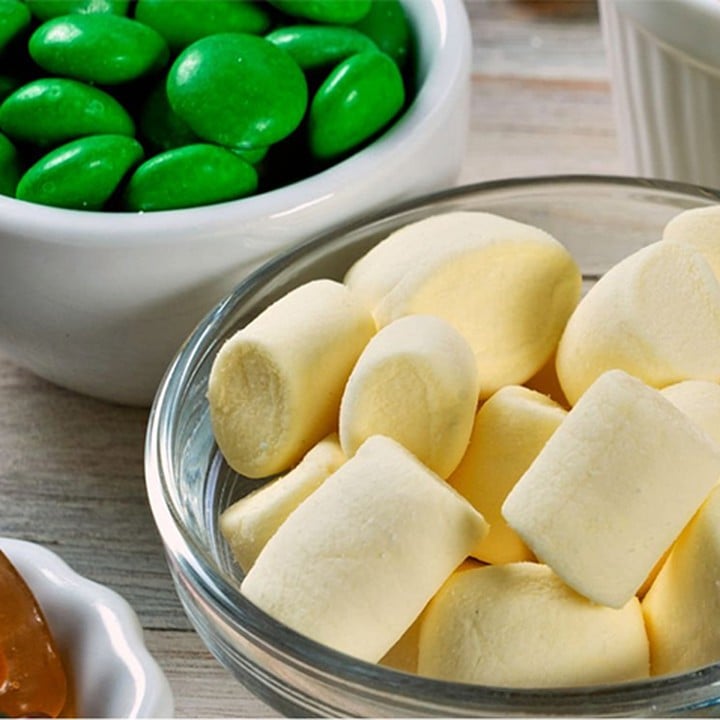
Confectionery Bloom Range200–260 Bloom (230–260 Bloom core gummy grade held to ±10 Bloom; 120–300 Bloom full range)
6.67% Solution Viscosity3.3–4.0 mPa·s at 60 °C for gummies per GB 6783-2013 (full range 2.0–5.0 mPa·s)
Collagen & Plant Peptides1,000–3,000 Da bovine, tilapia, and marine collagen; <1,000 Da plant peptides
MOQ & Packaging500 kg per grade in 25 kg kraft bags, 1,000 kg bulk bags, or 20 kg peptide bags
Delivery Lead Time10 days for collagen peptides and 20 days for food-grade gelatin
Reference FOB/CIF Pricing$5.00–$8.00/kg gelatin; $6.50–$8.00/kg bovine collagen; $10.00–$15.00/kg fish collagen
Gummy Gelatin and Confectionery Collagen Manufacturing Capabilities
High-speed confectionery depositing requires tight rheological control so hot syrup cuts cleanly at the nozzle without stringing or tailing. Our factory engineers powdered gelatin, granulate grades, leaf gelatin sheets, and hydrolyzed collagen peptides for starch-mogul lines, silicone molds, starchless metal molds, and continuous marshmallow aerators. Automated extraction, deionization, sterilization, spray drying, and multi-stage membrane filtration lines deliver 26,000 tons of annual gelatin capacity and 19,000 tons of collagen peptides.
A common misconception among confectionery R&D teams is that any 250 bloom gelatin bulk powder will automatically stop gummies sweating and sticking together inside sealed pouches after 2 weeks. Contrary to the common assumption in bulk purchasing, in reality a high Bloom reading alone does not guarantee clean depositing, and in practice depositor nozzle cutoff and surface stability depend jointly on our standardized 6.67% (w/w) aqueous gelatin viscosity of 3.3–4.0 mPa·s at 60 °C (Source: J-STAGE Food Science and Technology Research, Vol. 25), cooked syrup solids of 76–80 °Brix deposited at 75–82 °C, nozzle shear rate, and conditioned drying to 82–84 °Brix with finished water activity aw 0.55–0.65. Unlike commodity blends, each Yasin lot is matched to both Bloom and 60 °C viscosity.
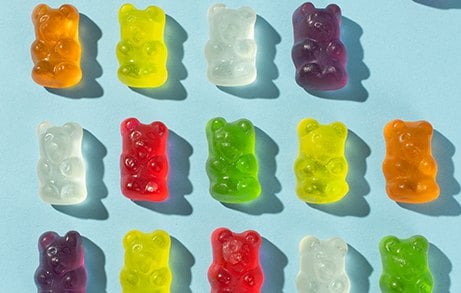
Starch-Mogul & Starchless Gummy Gelatin
Our Xiamen lines supply 230–260 Bloom (±10 Bloom lot tolerance) food-grade gelatin powder for gummies dosed at 6.0–9.0% w/w with a 6.67% aqueous solution viscosity of 3.3–4.0 mPa·s at 60 °C (140 °F) per GB 6783-2013. For starch-mogul trays deposited at 76–80 °Brix and 75–82 °C (167–180 °F) and cured over 24–48 hours to 82–84 °Brix (or starchless silicone and metal molds deposited at 80–83 °Brix for 15–30 minute demolding), this rheology window supports elastic gelatin gummies, while syrup solids, depositing temperature, and equipment settings also affect mogul tailing.
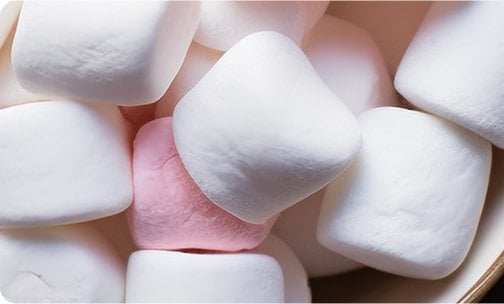
Continuous Aeration Marshmallow Gelatin
When plants make marshmallows on continuous rotor-stator aerators, our 200–220 Bloom gelatin for marshmallows dosed at 1.8–2.8% (w/w) stabilizes whipped syrup foam at an aerated foam density of 0.25–0.45 g/cm³. Gelatin films help stabilize air cells, while the gel network supports foam structure and water retention in extruded marshmallow ropes, deposited marshmallow pieces, and marshmallow fillings for chocolate-enrobed biscuits.
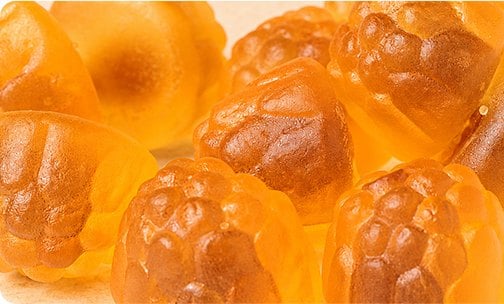
High-Load Functional Collagen Gummies
Many formulators assume they can try making collagen gummies using only hydrolyzed collagen peptide powder and are surprised when the batch stayed liquid syrup. Because enzymatic cleavage below 3,000 Da leaves 1,000–3,000 Da collagen peptides with 0 Bloom gelling power, our plant co-produces 1,000–3,000 Da collagen peptides (dosed at 10–18% w/w) alongside 230–260 Bloom structural gelatin (dosed at 6.0–9.0% w/w) to protect fruit flavor in beauty, skin, hair, nail, vitamin, vitamin c, and biotin supplement gummies.
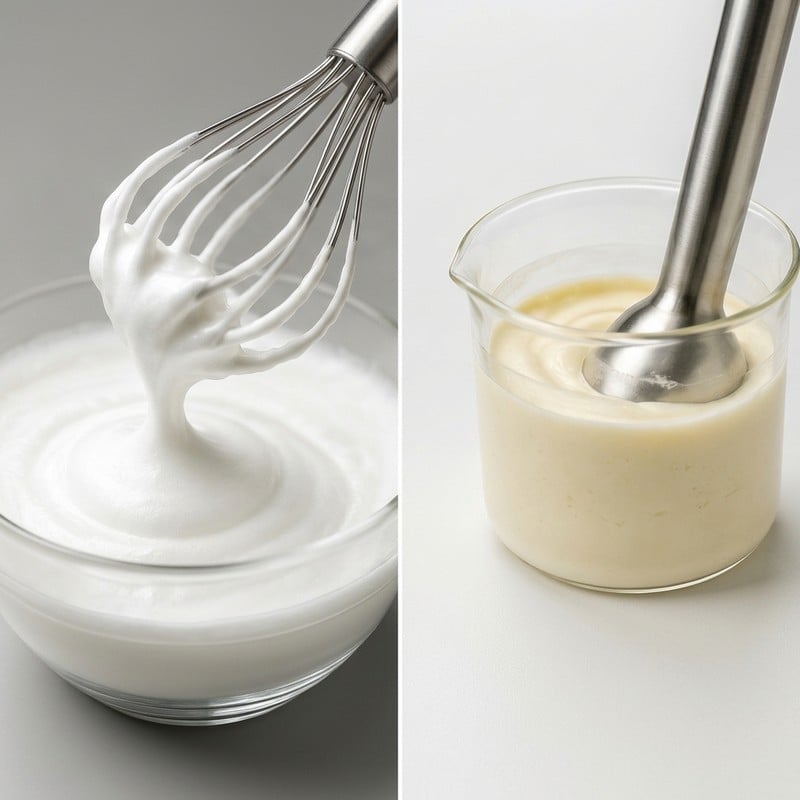
Benchtop & Pilot-Scale Formulation Support
When creating a base recipe or gummy gelatin recipe in a pilot kitchen, food scientists often test gummy gelatin ingredients using equipment such as a saucepan or glass dish, candy thermometer, whisk, spatula, stand mixer, or dropper. Supplying matched 8–100 mesh granulations helps to balance hydration and dissolution kinetics between benchtop silicone molds and industrial mogul slurry tanks, while your pilot team adjusts for heat-transfer and starch-drying differences. Your pilot team is adjusting for differences in heat-transfer and starch-drying.
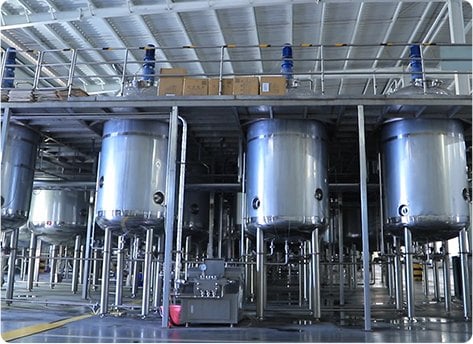
In-House Extraction, Hydrolysis & CNAS Testing Infrastructure
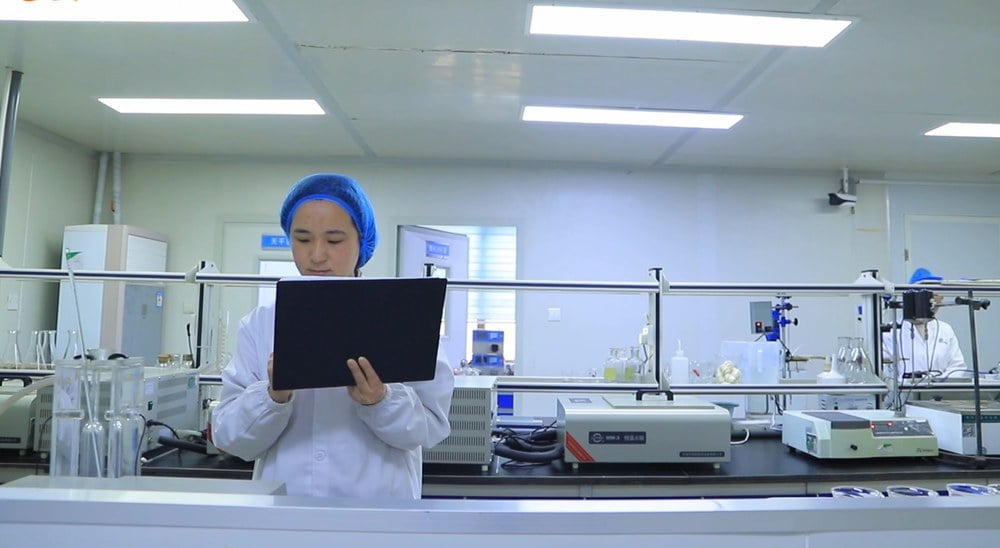
- Extraction, enzymatic hydrolysis, sterilization, spray drying, and CNAS-accredited laboratory release testing are completed in-house across our 26,000-ton gelatin and 19,000-ton collagen peptide lines.
- Precision milling and classification across 8–100 mesh (0.15–2.36 mm / 0.006–0.093 in particle aperture), including coarse 8–15 mesh, standard 20–40 mesh, and fine 60–100 mesh powder.
- In-house CNAS-accredited quality laboratory running Bloom gelometer tests (12.7 mm plunger depressed 4 mm into a 6.67% w/w gelatin gel matured at 10 °C for 17 hours per GME and GB 6783-2013), 60 °C pipette viscometry, heavy metal ICP analysis, and HPLC peptide profiling.
Confectionery Applications Supplied From Our Xiamen Facility
- Starch mogul deposited gelatin gummy bears, sour worms, and two-layer aerated fruit snacks
- Nutraceutical collagen gummies fortified with hydrolyzed collagen, vitamin C, biotin and zinc for wellness, skin and nail health
- Extruded and deposited marshmallows, nougat, taffy and whipped confectionery fillings
- Gelatin-pectin hybrid gummies and heat resistant tropical confectionery shipped in warm climates
- Culinary leaf gelatin sheets (150–240 Bloom) for pastry, mousses, and artisan confectionery
- Vegan gummy bears and non gelatin gummies formulated with pectin or agar agar gummy bases and Yasin enzymatic plant peptides (<1,000 Da)
Consistent extraction capability is only half of confectionery performance; selecting the exact protein source, Bloom grade, and molecular weight distribution determines your final bite and shelf stability.
Gelatin and Collagen Peptide Grades for Confectionery Formulations
Our facility produces eight core confectionery protein product lines covering bovine hide gelatin, marshmallow gelatin, tilapia fish gelatin, bovine bone gelatin, bovine hide collagen peptides, freshwater tilapia fish collagen peptides, wild Alaska pollock marine collagen peptides, and culinary leaf gelatin sheets alongside enzymatic plant peptides. Every raw hide, bone, and fish skin lot is processed under FSSC 22000, BRC, ISO 22000, GMP, and HACCP controls. Whether you are evaluating the best gummy gelatin for high-speed starch moguls or sourcing 250 bloom gelatin for sale in 500 kg lots, each grade ships with a batch-matched CNAS COA.
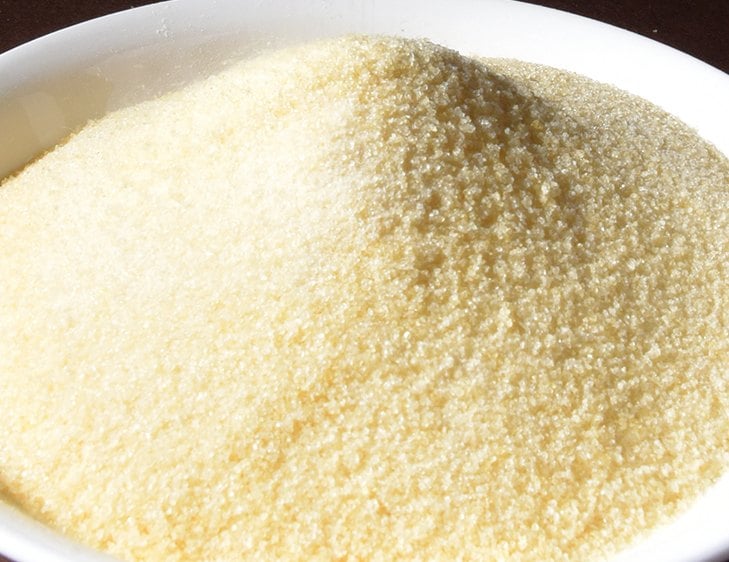
Bovine Hide Gelatin for Gummy Candy (Type A & Type B)
| Grades | 200–260 Bloom confectionery range (230–260 Bloom core gummy grade held to ±10 Bloom; full bovine hide range 120–300 Bloom) |
| Why engineers pick it | Delivers elastic bounce, thermoreversible melt at 35–37 °C, and 3.3–4.0 mPa·s viscosity (6.67%, 60 °C) for beef gelatin gummies and gelatin gummy bears. |
| Mesh & format | 8–100 mesh granulate or powdered gelatin; 25 kg kraft paper bags or 1,000 kg bulk bags |
| Reference FOB/CIF price | $5.00–$8.00/kg |
| Delivery lead time | 20 days |
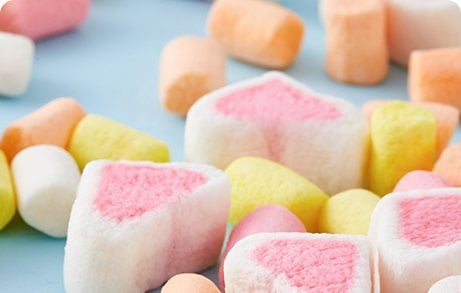
Bovine Gelatin for Marshmallows & Aerated Chews
| Grades | 200–220 Bloom marshmallow grade (also available in 180 Bloom; full Type A 120–300 Bloom and Type B 150–250 Bloom range) |
| Why engineers pick it | Dosed at 1.8–2.8% (w/w) to stabilize whipped syrup in a continuous mixer or stand mixer at 0.25–0.45 g/cm³ aerated foam density at room temperature when you make marshmallows. |
| Mesh & format | 20–40 mesh granules or 60–100 mesh fine powder in 25 kg kraft paper bags |
| Reference FOB/CIF price | $5.00–$8.00/kg |
| Delivery lead time | 20 days |
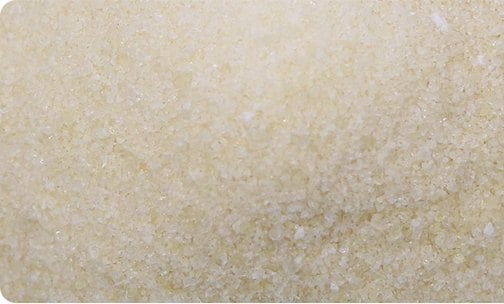
Tilapia Fish Skin & Scale Gelatin (Halal & Kosher)
| Grades | 150–250 Bloom, 2.1–4.8 mPa·s viscosity (6.67%, 60 °C) per GB 6783-2013 |
| Why engineers pick it | Provides a mammal-free gelling matrix with single-species freshwater tilapia traceability, Kosher certification, and MUI/BPJPH/HFC Halal compliance for export gummies. |
| Mesh & format | 8–100 mesh granules; 25 kg kraft paper bags |
| Reference FOB/CIF price | $5.00–$8.00/kg |
| Delivery lead time | 20 days |
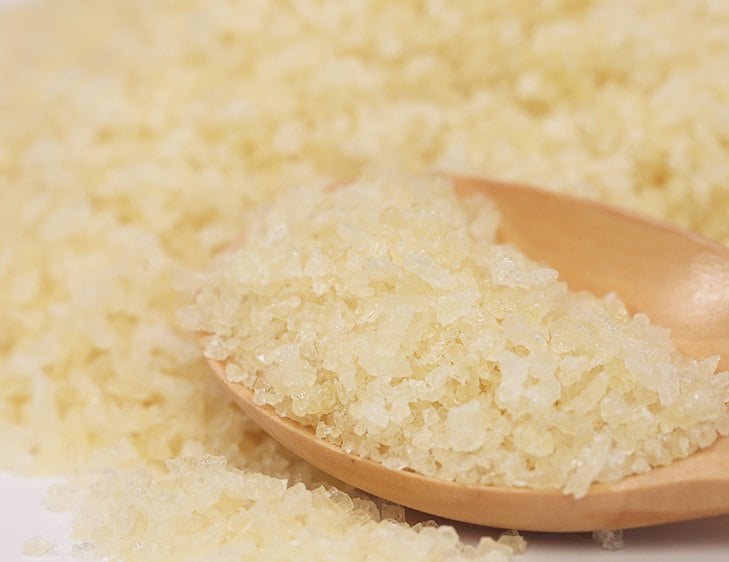
Bovine Bone Gelatin (Firm Confectionery & Capsule Grade)
| Grades | 150–250 Bloom, 3.5–4.6 mPa·s viscosity per ChP 2025 and GB 6783-2013 |
| Why engineers pick it | Higher 60 °C solution viscosity (3.5–4.6 mPa·s) supports firm jellies, lozenges, and chewy confectionery centers. |
| Mesh & format | 8–100 mesh granules; 25 kg kraft paper bags |
| Reference FOB/CIF price | $5.00–$8.00/kg |
| Delivery lead time | 20 days |
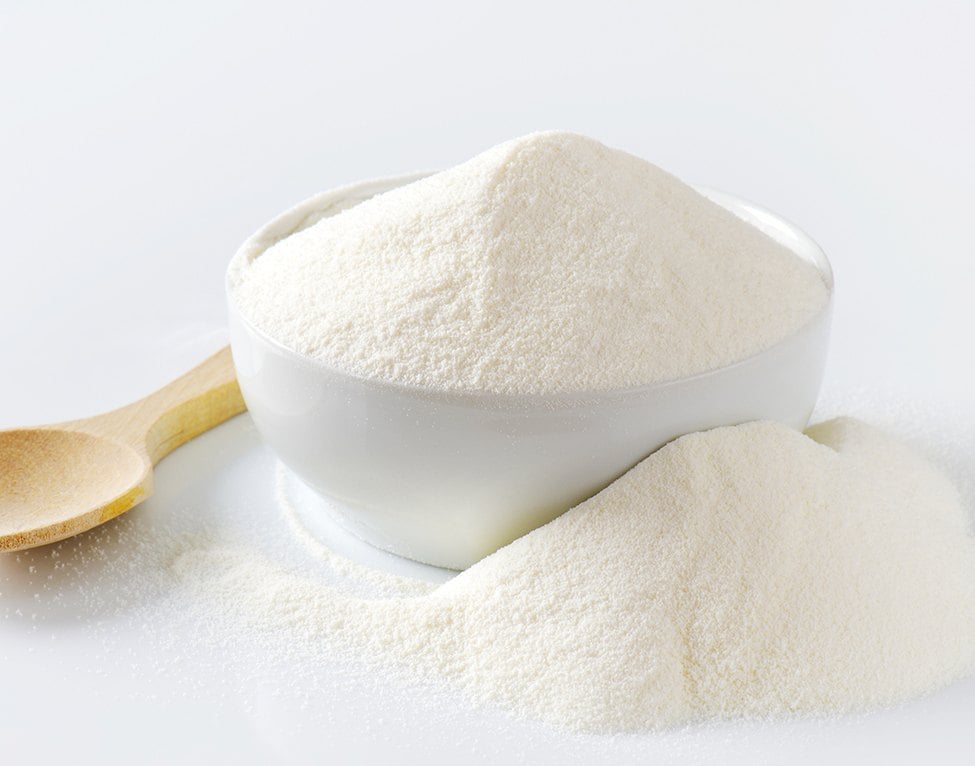
Bovine Hide Collagen Peptides (Type I & III)
| Grades | 2,000–3,000 Da molecular weight per GB 31645-2018 (0 Bloom gelling power, moisture ≤7.0%, ash ≤2.0%) |
| Why engineers pick it | Cold-water soluble without self-gelling, enabling 10–18% (w/w) collagen peptides paired with 6.0–9.0% (w/w) 230–260 Bloom gelatin in functional collagen gummies. |
| Mesh & format | Fine soluble powder in 20 kg kraft paper bags |
| Reference FOB/CIF price | $6.50–$8.00/kg |
| Delivery lead time | 10 days |
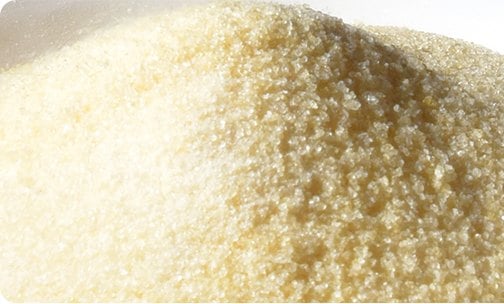
Freshwater Tilapia Fish Collagen Peptides
| Grades | 1,000–2,000 Da low molecular weight peptides per GB 31645-2018 |
| Why engineers pick it | Single-species freshwater tilapia sourcing provides a traceable raw material and supports species-specific fish allergen labeling (“Tilapia”); raw-material freshness, lipid oxidation control, and membrane deodorization influence residual odor in fruit gummy applications. |
| Mesh & format | Fine soluble powder in 20 kg kraft paper bags |
| Reference FOB/CIF price | $10.00–$15.00/kg |
| Delivery lead time | 10 days |
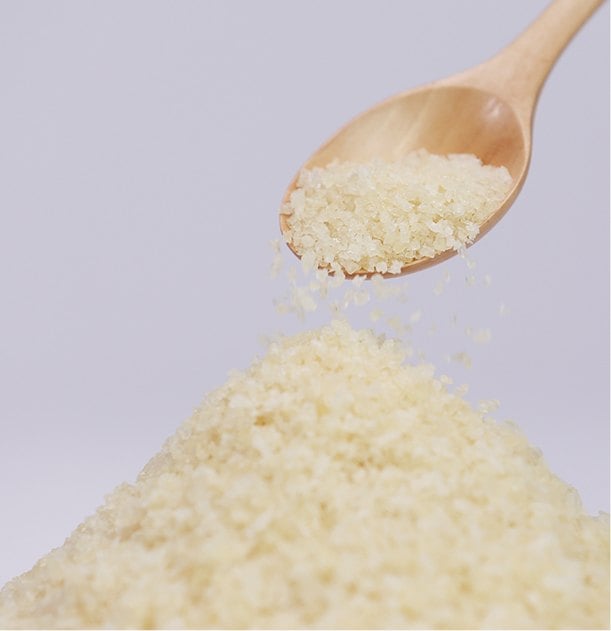
Wild Alaska Pollock Marine Collagen Peptides
| Grades | 1,000–2,000 Da wild-caught marine collagen peptides per GB 31645-2018 |
| Why engineers pick it | Meets wild-caught marine beauty positioning for skin and nail supplement gummies with species-specific fish allergen traceability (“Pollock”). |
| Mesh & format | Fine soluble powder in 20 kg kraft paper bags |
| Reference FOB/CIF price | $10.00–$15.00/kg |
| Delivery lead time | 10 days |
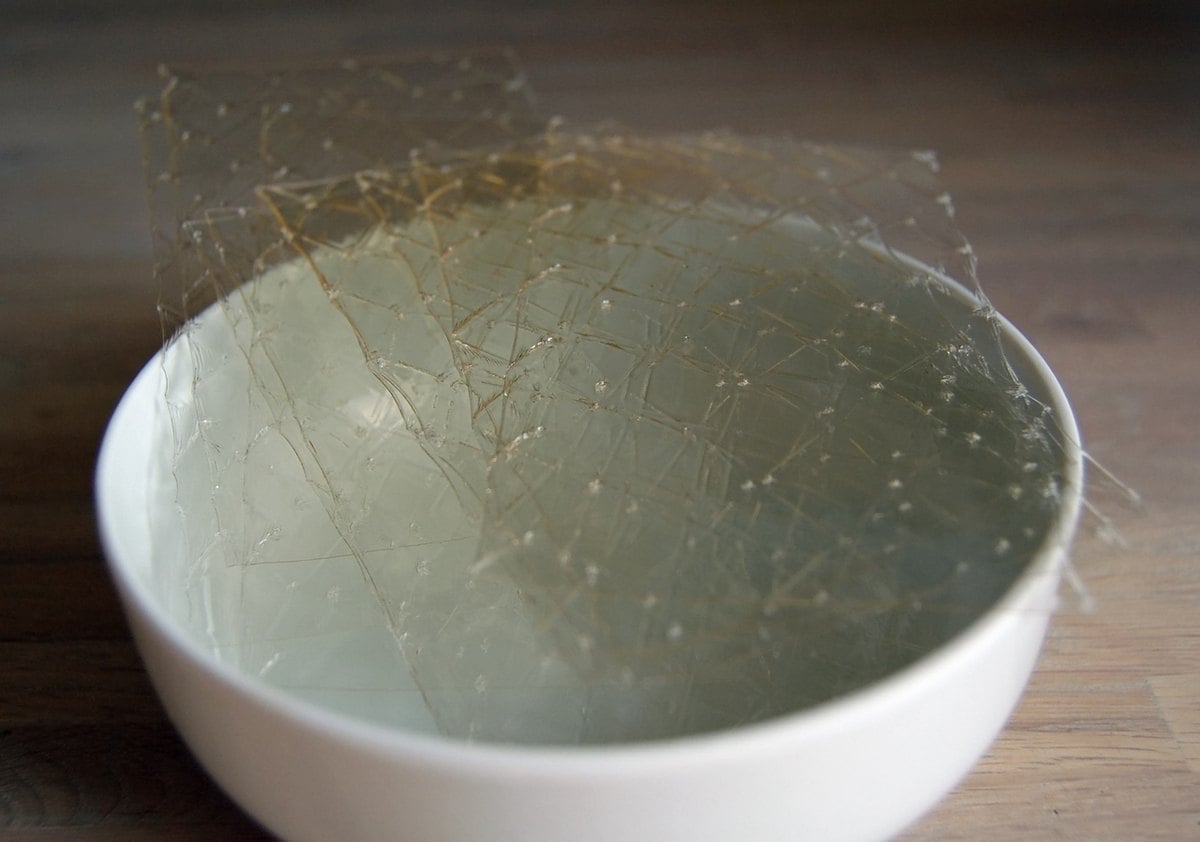
Culinary Leaf Gelatin Sheets & Enzymatic Plant Peptides
| Grades | Leaf gelatin: Platinum 240, Gold 200, Silver 180, Bronze 150 Bloom (2.5 g, 3.3 g, or 5.0 g/sheet per GB 6783-2013). Plant peptides: Pea, Soy, Wheat, Corn, Rice (<1,000 Da per GB/T 22492-2008 & QB/T 4707-2014). |
| Why engineers pick it | Leaf sheets allow count-based dosing within a specified Bloom grade and fixed sheet mass (2.5 g, 3.3 g, or 5.0 g); <1,000 Da plant peptides fortify gelatin free gummies and vegan gummy bears made with pectin or agar. |
| Mesh & format | 500 kg standard MOQ per grade (custom packaging confirmed in quotation) |
| Reference FOB/CIF price | $5.00–$8.00/kg for food-grade gelatin; plant peptides quoted per grade |
| Delivery lead time | 10 days for peptides; 20 days for gelatin |
Custom Confectionery Blend or Target Bloom Grade
Tell us your target Bloom strength (120–300 Bloom), 60 °C viscosity window (2.0–5.0 mPa·s), mesh size (8–100 mesh), and certification market. Our application lab will match a production lot, answer your quotation request within 24 hours, and dispatch a free evaluation sample of up to 500 g of food-grade gelatin or 200 g of collagen peptides upon specification confirmation.
Processing Routes, Mesh Granulations, and Functional Co-Formulations
Selecting how to make gelatin for gummy candy across acid (Type A) versus alkaline (Type B) extraction routes and particle mesh distributions controls hydration speed, foam whipping behavior, and acid resistance during cooking. According to the Gelatine Manufacturers of Europe (GME) Standardized Monograph and peer-reviewed research published in Food Hydrocolloids (DeMars & Ziegler, 2001), blending 5.0–7.0% (w/w) 250 Bloom gelatin with 0.8–1.2% (w/w) high-methoxyl (HM) pectin elevates warm-climate softening resistance by 8–12 °C (to 45–50 °C) so pure gelatin gummies do not melt into a single blob during summer parcel shipping.
| Processing Route / Mesh | Standard / Technical Spec | Functional Result in Confectionery | Manufacturing Status |
|---|---|---|---|
| Type A Acid-Processed Bovine Hide Gelatin | GB 6783-2013 & GME; Isoelectric Point (IEP) pH 7.0–9.0; 120–300 Bloom; 2.0–3.5 mPa·s standard (3.3–4.0 mPa·s on 230–260 Bloom gummy grades) | Charge stability in acidic fruit gummies (pH 3.0–3.8) and high-whip marshmallow foams (200–220 Bloom at 1.8–2.8% w/w) | In-house at Yasin |
| Type B Alkali-Processed Bovine Hide Gelatin | GB 6783-2013 & GME; Isoelectric Point (IEP) pH 4.7–5.4; 150–250 Bloom; 3.5–5.0 mPa·s (3.3–4.0 mPa·s on core gummy lots) | Higher solution viscosity for slow-dissolving pastilles, wine gums, and gelatin-pectin co-gels | In-house at Yasin |
| Coarse Granulate (8–15 Mesh) | 8–100 mesh sieve envelope spanning 0.15–2.36 mm (0.006–0.093 in) per GB 6783-2013 | Slow tank swelling that reduces clumping risk in industrial high-solids slurry tanks when dispersed with controlled agitation | In-house milling at Yasin |
| Standard Mogul Granulate (20–40 Mesh) | Intermediate granule cut within 8–100 mesh (0.15–2.36 mm / 0.006–0.093 in) | Balanced cold-water swelling before 60 °C dissolution for commercial starch-mogul and starchless depositing lines | In-house milling at Yasin |
| Fine Powdered Gelatin (60–100 Mesh) | Fine powder cut within 8–100 mesh (0.15–2.36 mm / 0.006–0.093 in) | Fast hydration when you sprinkle the gelatin over cold water or fruit juice in benchtop R&D trials | In-house milling at Yasin |
| High-Bloom Gelatin + Collagen Peptide Co-Matrix | 6.0–9.0% w/w 230–260 Bloom gelatin + 10–18% w/w 1,000–3,000 Da collagen peptides (GB 31645-2018) | Gelatin provides the 3D elastic hydrogel structure for 0-Bloom collagen peptides while sugar solids and curing control stickiness | In-house co-supply at Yasin |
| Gelatin + HM Pectin Warm-Climate Co-Gel | 5.0–7.0% w/w 250 Bloom gelatin + 0.8–1.2% w/w high-methoxyl (HM) pectin (DeMars & Ziegler, Food Hydrocolloids; US11457647B2) | Dual hydrogel network elevates softening resistance by 8–12 °C (from 35–37 °C pure gelatin melt to 45–50 °C) | In-house gelatin + formulation spec |
All food-grade gelatin lots ship at your specified mesh granulation within our 8–100 mesh envelope (20–40 mesh standard for mogul lines unless otherwise specified on your purchase order) with batch-specific sieve results reported on the CNAS COA.
Technical Specifications and Quality Tolerances
Every confectionery gelatin and collagen peptide production lot is held to the quantitative release tolerances listed below per GB 6783-2013, GB 31645-2018, ISO 22000, and the GME Standardized Testing Methods. Our Starch-Mogul vs. Starchless vs. Continuous Aeration Bloom-Viscosity-Brix Control Matrix aligns our factory release specs with your depositing line targets (Source: University of Queensland Confectionery Gel Study, 2018).
“Contrary to popular belief and the common myth that higher Bloom automatically guarantees a firmer candy, 250 Bloom gelatin is not always firmer than 220 Bloom gelatin in finished sour gummies. Counterintuitively, holding acidified gelatin syrup above 85 °C (or boiling above 95 °C) at pH 3.0–3.5 hydrolyzes polypeptide chains and loses 25–40% of effective Bloom gel strength over 60–90 minutes (degrading 250 Bloom to the equivalent of 150–170 Bloom within 45 minutes), whereas injecting 50% citric/malic acid at 75–82 °C (167–180 °F) preserves the gel network and allows plants to run 6.5% instead of 8.0% gelatin dosage.”
Yasin Confectionery Application Engineering Team, Xiamen Yaxun Industry & Trade Co., Ltd.
The Bloom square-root conversion formula (W2 = W1 × √(Bloom1 / Bloom2)) and collagen mass-balance outputs in our interactive calculators provide benchtop R&D trial starting weights based on finished piece mass (g/piece), and do not replace pilot mogul or starchless depositing validation under your specific acid pH and curing humidity.
Holding ±10 Bloom and 3.3–4.0 mPa·s lot consistency directly reduces gelatin dosage waste and rework on your mogul line, which determines your bulk ingredient cost and order economics.
| Specification Parameter | What We Hold (Standard & Dual Units) |
|---|---|
| Confectionery Gummy & Marshmallow Bloom Strength | 200–260 Bloom confectionery range: core gummy grade 230–260 Bloom held to ±10 Bloom lot-to-lot consistency; marshmallow grade 200–220 Bloom (180 Bloom also available); full factory range 120–300 Bloom tested with a 12.7 mm (0.5 in) plunger depressed 4 mm into a 6.67% w/w gel matured at 10 °C for 17 h per GB 6783-2013 & GME |
| 6.67% Aqueous Solution Viscosity (60 °C / 140 °F) | 3.3–4.0 mPa·s (3.3–4.0 cP) for 230–260 Bloom gummy gelatin; 2.0–5.0 mPa·s (2.0–5.0 cP) full bovine hide envelope (Type A 2.0–3.5 mPa·s, Type B 3.5–5.0 mPa·s, bovine bone 3.5–4.6 mPa·s, tilapia fish 2.1–4.8 mPa·s) per GB 6783-2013 |
| Particle Mesh & Granule Aperture | 8–100 Mesh corresponding to 0.15–2.36 mm (0.006–0.093 in), covering coarse 8–15 mesh, standard 20–40 mesh, and fine 60–100 mesh per GB 6783-2013 |
| Collagen & Plant Peptide Molecular Weight | 2,000–3,000 Da for bovine hide collagen peptides and 1,000–2,000 Da for freshwater tilapia and wild Alaska pollock collagen peptides per GB 31645-2018; <1,000 Da for enzymatic pea, soy, wheat, corn, and rice plant peptides per GB/T 22492-2008 & QB/T 4707-2014 |
| Moisture (Loss on Drying at 105 °C) & Total Ash (550 °C) | Food-grade gelatin moisture ≤14.0% and total ash ≤2.0% per GB 6783-2013; hydrolyzed collagen peptide moisture ≤7.0% and total ash ≤2.0% per GB 31645-2018 |
| Type A & Type B Isoelectric Point (IEP) pH Window | Type A acid-processed gelatin IEP pH 7.0–9.0; Type B alkali-processed gelatin IEP pH 4.7–5.4 per GME Standardized Monograph |
| Heavy Metal Release Limits (ICP Spectrometry) | Lead (Pb) ≤1.5 mg/kg (1.5 ppm), Arsenic (As) ≤1.0 mg/kg (1.0 ppm), Cadmium (Cd) ≤0.5 mg/kg (0.5 ppm), Mercury (Hg) ≤0.1 mg/kg (0.1 ppm), Chromium (Cr) ≤2.0 mg/kg (2.0 ppm) per GB 6783-2013 |
| Microbiological Release Limits (CNAS Lab) | Total Plate Count ≤1,000 CFU/g, Coliforms ≤30 MPN/100g, Salmonella Negative in 25 g (0.88 oz), E. coli Negative in 25 g (0.88 oz) per GB 6783-2013 & GB 31645-2018 |
| Leaf Gelatin Bloom Strength & Sheet Mass | 150, 180, 200, and 240 Bloom sheets manufactured at 2.5 g (0.088 oz), 3.3 g (0.116 oz), or 5.0 g (0.176 oz) per sheet per GB 6783-2013 |
| Recommended Depositing, Curing & Aeration Window | Starch-mogul deposit at 76–80 °Brix (75–82 °C / 167–180 °F) and cure 24–48 h to 82–84 °Brix with water activity aw 0.55–0.65; starchless deposit at 80–83 °Brix (15–30 min demold); marshmallow aerated foam density 0.25–0.45 g/cm³ at 1.8–2.8% w/w gelatin |
Bulk Pricing, Cost Drivers, and Delivery Lead Times
Bulk gelatin powder and collagen peptide pricing follows raw material species (bovine hide, bovine bone, tilapia fish, or wild Alaska pollock), target Bloom strength, mesh granulation, certification dossier, and order volume. While US wholesale distributors charge $276–$298 for a single 50 lb bag of 250 Bloom gelatin ($11.00–$22.00/kg across regional small-lot resellers) without listing 6.67% viscosity or MUI Halal status, most buyers assume factory-direct sourcing requires multi-ton minimums. The reality is that our Xiamen factory supplies 250 bloom gelatin bulk orders starting at a 500 kg MOQ at $5.00–$8.00/kg FOB/CIF, and answers quotation requests within 24 hours.
Gold-Tier ROI Analysis: Direct Factory Sourcing & Post-Cook Acid Dosing Yield
First, sourcing 230–260 Bloom food-grade gummy gelatin directly from our Xiamen plant at $5.00–$8.00/kg FOB/CIF (500 kg MOQ) compared to North American small-lot distributor pricing of $11.00–$22.00/kg ($276–$298 per 30–50 lb bag) lowers raw gelatin procurement expenditure per batch.
Second, preventing thermal acid hydrolysis by injecting 50% citric/malic acid at 75–82 °C instead of boiling above 95 °C preserves 25–40% of native Bloom gel strength, allowing candy plants to run 6.5% instead of 8.0% gelatin dosage (an 18% gelatin material savings per ton of finished gummies).
| Product Category & Cost Driver | Reference FOB/CIF Price Bracket | How to Lower Your Formulation Cost |
|---|---|---|
| Food-Grade Gummy & Marshmallow Gelatin (120–300 Bloom, Bovine / Fish) | $5.00–$8.00/kg FOB/CIF depending on Bloom strength and bovine vs. tilapia source | Select 230–260 Bloom and inject acid at 75–82 °C to run 6.5% instead of 8.0% dosage (~18% material savings) |
| Bovine Hide Collagen Peptides (2,000–3,000 Da, GB 31645-2018) | $6.50–$8.00/kg FOB/CIF in 20 kg kraft paper bags | Combine 230–260 Bloom gelatin and bovine collagen peptides in a consolidated export shipment from Xiamen |
| Tilapia & Wild Alaska Pollock Collagen Peptides (1,000–2,000 Da, GB 31645-2018) | $10.00–$15.00/kg FOB/CIF (single-species freshwater tilapia or wild marine) | Choose single-species freshwater tilapia peptides for Halal/Kosher clean-odor fruit gummies |
| Packaging Format & Freight Consolidation | 25 kg kraft paper bags or 1,000 kg bulk bags for gelatin; 20 kg kraft paper bags for collagen peptides | Request a written FOB or CIF freight quotation matched to your destination port and bag format |
How Your Written Quotation & Free Trial Samples Are Delivered
Inquiries and quotation requests are answered within 24 hours. Free evaluation samples (up to 500 g food-grade gelatin or 200 g collagen peptides) dispatch upon specification confirmation so your R&D team can test hydration, clarity, and depositing cutoff before placing a commercial order.
| Order Stage / Product Line | Committed Turnaround | MOQ & Scope Covered |
|---|---|---|
| Written Quotation & R&D Lab Trial Sample | Quote answered within 24 hours; sample dispatches upon specification confirmation | Free evaluation samples up to 500 g for food-grade gelatin and 200 g for collagen peptides with CNAS batch COA |
| Commercial Hydrolyzed Collagen Peptides | 10 days | Standard MOQ is 500 kg per grade (packed in 20 kg kraft paper bags) |
| Commercial Food-Grade Gelatin (Powder / Granule / Leaf) | 20 days | Standard MOQ is 500 kg per grade (packed in 25 kg kraft paper bags or 1,000 kg bulk bags) |
Standard delivery lead time is 10 days for collagen peptides and 20 days for food-grade gelatin. Bulk production orders ship in 10 days for collagen peptides and 20 days for food-grade gelatin from purchase order confirmation, including in-house CNAS laboratory batch release testing, Halal/Kosher documentation, and export veterinary health inspection.
Standard MOQ is 500 kg per grade (packed in 25 kg kraft paper bags or 1000 kg bulk bags for gelatin, and 20 kg kraft paper bags for collagen peptides). Shipments move under FOB and CIF Incoterms, and payment terms include T/T and L/C, with O/A available for qualified long-term partners.
Quality Assurance, CNAS Laboratory Testing, and Certifications
Confectionery and nutraceutical brands exporting across North America, South America, Southeast Asia, the Middle East, Japan, and South Korea require verifiable food safety governance. Nothing disrupts a seasonal launch faster than a container held at customs because the supplier’s Halal certificate wasn’t recognized by Indonesian BPJPH/MUI and the Veterinary Health Certificate didn’t match the batch COA. Our quality management system prevents customs holds by binding every sealed bag and export certificate to the exact CNAS laboratory batch test report.
Four-Stage Batch Verification Protocol
- Step 1 – Raw Material & Veterinary Traceability Inspection: Every lot of bovine hide, bovine bone, tilapia skin/scale, and marine fish skin enters with official veterinary quarantine certificates and species origin verification.
- Step 2 – In-Process Rheology & Deionization Monitoring: Online conductivity and membrane filtration monitors hold total ash at < 2.0% and protect collagen polypeptide integrity during multi-stage extraction.
- Step 3 – CNAS-Accredited Laboratory Release Testing: Our in-house CNAS lab tests every finished batch for 6.67% Bloom gel strength (10 °C, 17 h), 60 °C pipette viscosity, moisture (≤14.0% gelatin / ≤7.0% peptides), ash (≤2.0%), heavy metals (Pb ≤1.5 mg/kg, As ≤1.0 mg/kg, Cd ≤0.5 mg/kg, Hg ≤0.1 mg/kg, Cr ≤2.0 mg/kg), and microbiology (Total Plate Count ≤1,000 CFU/g, Coliforms ≤30 MPN/100g, Salmonella and E. coli Negative in 25 g).
- Step 4 – Pre-Shipment Export Dossier Verification: Quality staff verify that the batch-specific Certificate of Analysis (COA), Halal and Kosher certificates, and veterinary health export documentation match the exact lot numbers before container loading.
- Standard Bloom Gelometer & Texture Analyzer with 12.7 mm (0.5 in) flat-bottomed plunger (4 mm depression) and 10 °C chilled water baths calibrated to GME and GB 6783-2013 protocols.
- Calibrated 60 °C capillary pipette viscometers for 6.67% solution viscosity and HPLC peptide profiling systems for 1,000–3,000 Da molecular weight verification.
- Atomic Absorption / ICP spectrometry trace heavy metal analyzers (Pb, As, Cd, Hg, Cr) and Microbiological Testing Chambers.
- Food Safety & Quality Systems: ISO 22000, FSSC 22000, BRC, GMP, HACCP, and ISO 9001 audited management systems.
- Regulatory & Pharmacopoeial Registrations: US FDA Food Facility Registration (satisfying federal import facility registration requirements under the Bioterrorism Act and FSMA, distinct from third-party audited ISO 22000 / FSSC 22000 / BRC certifications), EDQM Certificate of Suitability (CEP), and compliance with GB 6783-2013, GB 31645-2018, and Codex INS 428 (FAO/WHO Codex GSFA).
- Religious & Dietary Certifications: Halal (MUI / BPJPH / HFC) and Kosher certifications across designated bovine and tilapia fish product lines.
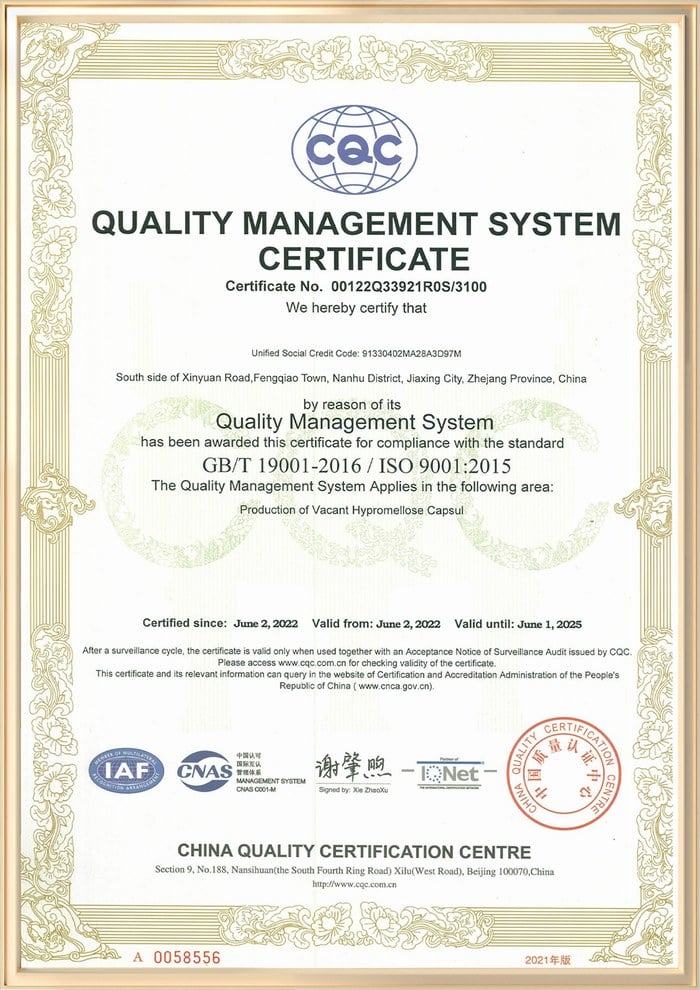
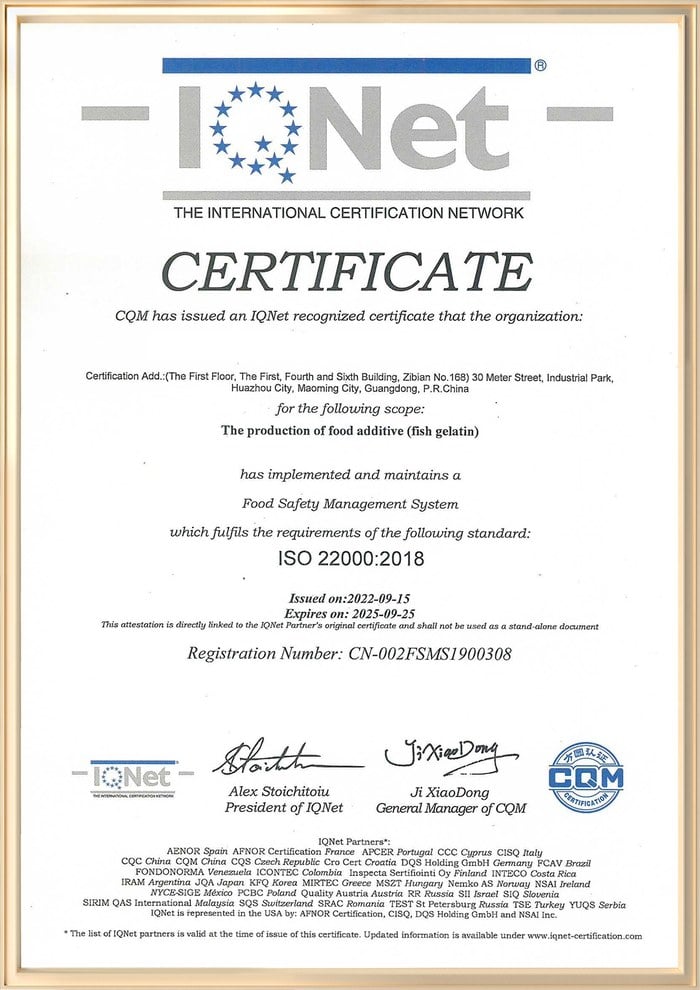
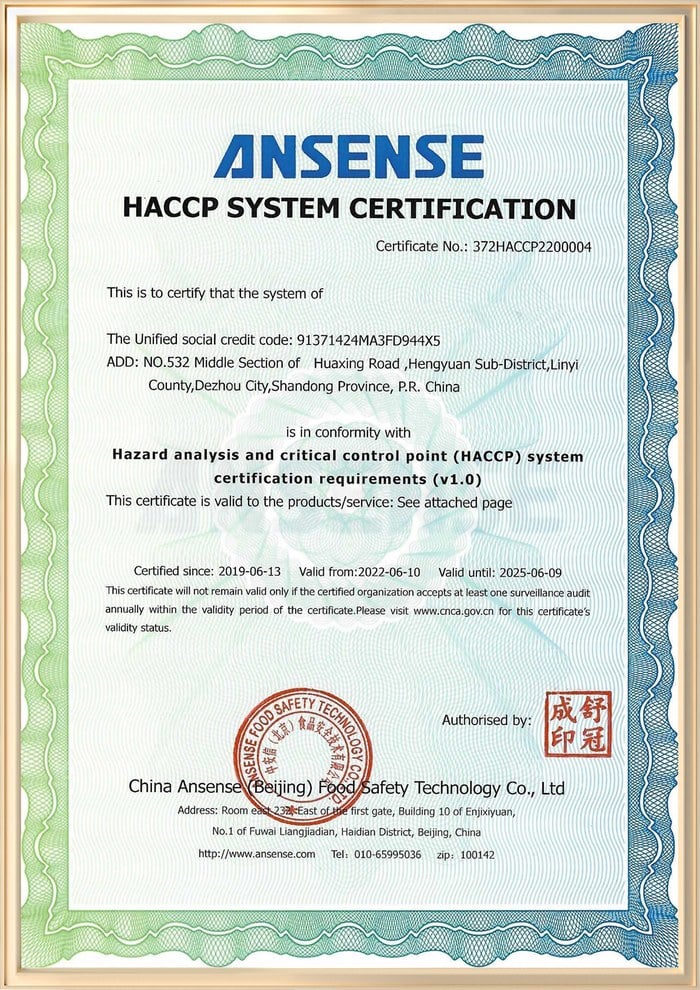
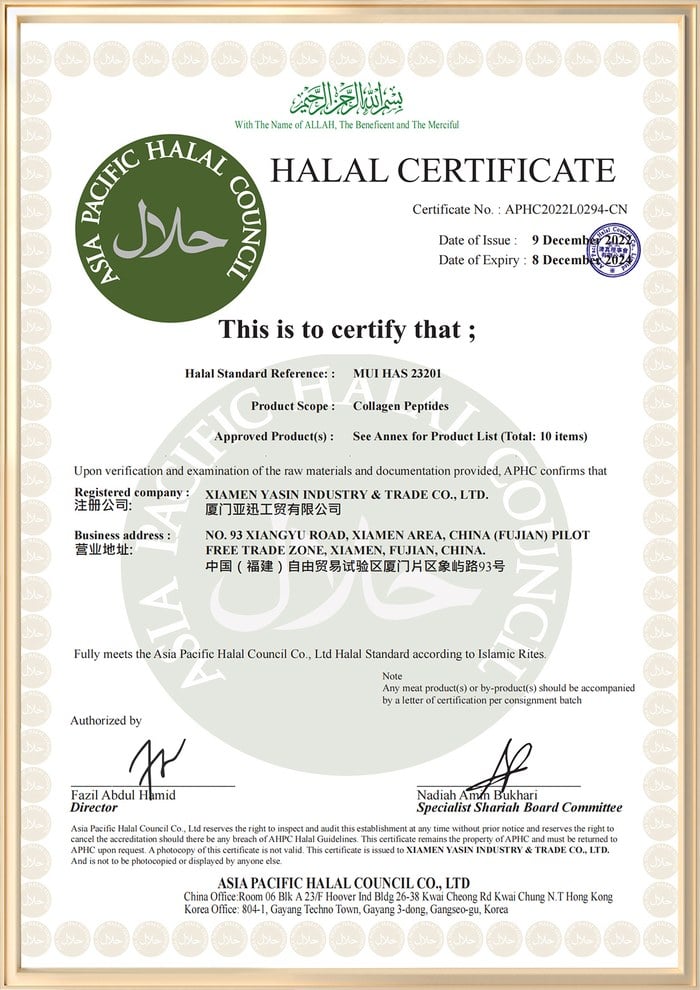
Batch-specific Certificate of Analysis (COA), Halal and Kosher certificates, and veterinary health export documentation ship with every order.
Ordering Workflow and Confectionery Formulation Guidelines
- Submit Your Confectionery Target Specs: Share your product type (starch-mogul gummies, silicone molds, marshmallows, or collagen supplement gummies), target Bloom, pH, °Brix, and destination port.
- 24-Hour Engineering Review & Written Quotation: Application engineers recommend the optimal Bloom (200–260 Bloom), mesh size (8–100 mesh), and peptide molecular weight (1,000–3,000 Da) with a written FOB/CIF quote within 24 hours.
- Free 500 g Gelatin / 200 g Collagen Lab Trial: Sample coordinators dispatch free evaluation samples (up to 500 g food-grade gelatin or 200 g collagen peptides) upon specification confirmation so you can validate hydration, depositing cutoff, and chew texture in your lab or pilot plant.
- Contract Confirmation & Dedicated Lot Production: Upon sample approval and PO confirmation (500 kg MOQ), production planners schedule your lot (10 days for collagen peptides; 20 days for food-grade gelatin).
- CNAS Batch Testing & Lot Consistency Verification: Quality engineers test and certify your production lot in our CNAS lab to GB 6783-2013 (230–260 Bloom for gummies, ±10 Bloom batch consistency, 3.3–4.0 mPa·s viscosity) or GB 31645-2018 (1,000–3,000 Da).
- Moisture-Barrier Packaging & Global FOB/CIF Dispatch: Product is sealed in 25 kg kraft paper bags or 1,000 kg bulk bags for gelatin (20 kg kraft paper bags for collagen peptides) and shipped with batch-specific COA, Halal/Kosher, and veterinary health export documentation.
Confectionery Formulation & Cost-Savings Guidelines
Whether you are scaling a commercial starch-mogul line or testing a pilot gummy gelatin recipe with fruit juice, corn syrup, honey, or maple syrup, controlling thermal acid exposure and hydration water ratios protects gel stiffness. In pilot development, formulators often bloom gelatin in cold water or 1 cup of juice (let it sit for 5 minutes until hydrated), dissolve it over low heat in a saucepan without boiling, turn off the heat, pour the mixture into candy molds or a glass dish, and let it set in the fridge for 1 to 2 hours before storing in an airtight container. Even when testing homemade gelatin gummies, a homemade marshmallow recipe, or a collagen gummies recipe with orange juice, lemon juice, lime juice, tart cherry juice, apple juice, grape juice, pineapple juice, or vanilla extract and powdered sugar, raw fresh pineapple, kiwi, or papaya juice must be pasteurized above 85 °C (185 °F) first because active bromelain, actinidin, and papain proteases cleave gelatin polypeptides and prevent gelling.
| Formulation Parameter | What to Specify on Your Line | Why It Protects Texture & Lowers Cost |
|---|---|---|
| Acid Addition Temperature & Buffer pH | Inject 50% citric/malic acid buffer solution post-cook at 75–82 °C (167–180 °F) at pH 3.0–3.8; avoid holding above 85 °C or boiling >95 °C | Prevents 25–40% thermal acid Bloom loss over 60–90 min, allowing 6.5% instead of 8.0% gelatin dosage (~18% material savings) |
| Gelatin Mesh Selection & Hydration | Use 20–40 mesh for standard mogul slurry hydration, 8–15 mesh for slow tank swelling, or 60–100 mesh for fast hydration | Matches granule swelling kinetics to your mixer shear and solids concentration |
| High-Load Collagen Peptide Incorporation | Pair 10–18% w/w 1,000–3,000 Da collagen peptides with 6.0–9.0% w/w 230–260 Bloom gelatin | Provides the elastic 3D hydrogel matrix needed to carry 0-Bloom bioactive collagen peptides |
| Finished Soluble Solids & Water Activity | Deposit starch-mogul syrup at 76–80 °Brix (75–82 °C) and cure 24–48 h to 82–84 °Brix with aw 0.55–0.65 (starchless deposit at 80–83 °Brix) | Controls moisture migration, microbial stability, and surface sweating in sealed pouches |
Play with our Functional Collagen Gummy Loading & Batch Cost Estimator and Gelatin-Pectin Hybrid Thermal Stability & Mogul Process Estimator tools to test your batch ratios prior to requesting your trial kit.
Confectionery Applications and Verified Client Outcomes
Yasin supplies food-grade gelatin, hydrolyzed collagen peptides, and plant peptides to confectionery and nutraceutical manufacturers across North America, South America, Southeast Asia, South Korea, Japan, and the Middle East. Below are four core segments served by our Xiamen facility and three verified client outcomes from our commercial production ledger.
Confectionery & Nutraceutical Segments Supplied Globally
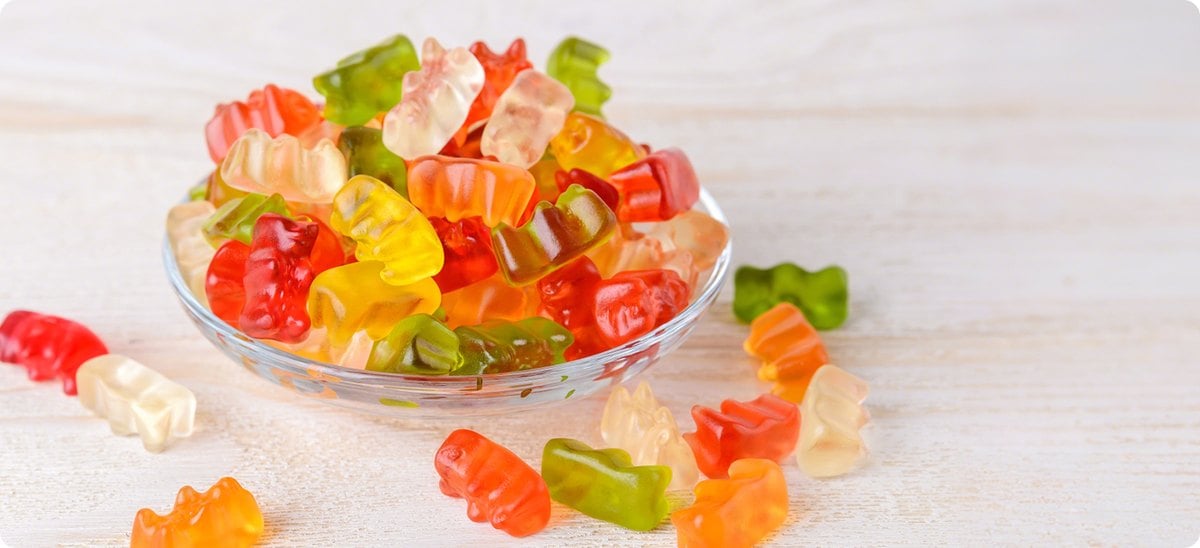
High-Speed Starch-Mogul & Starchless Gummy Producers
230–260 Bloom (±10 Bloom) beef gelatin gummies and fish gelatin grades with 3.3–4.0 mPa·s viscosity (6.67%, 60 °C) for commercial lines producing gummy bears, worms, and sour fruit snacks.
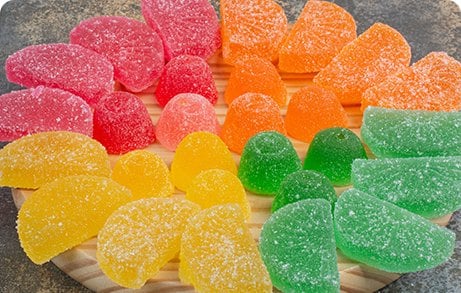
Functional & Beauty Supplement Gummy Brands
Deodorized 1,000–3,000 Da bovine, tilapia, and wild Alaska pollock collagen peptides (10–18% w/w) paired with 230–260 Bloom gelatin (6.0–9.0% w/w) for gut health, healthy skin, nail, biotin, and vitamin c supplement gummies.
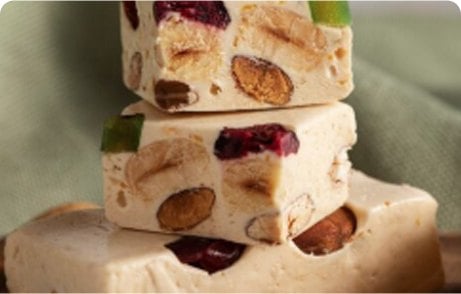
Aerated Marshmallow & Nougat Manufacturers
200–220 Bloom Type A and Type B marshmallow gelatin dosed at 1.8–2.8% (w/w) for continuous rotor-stator aerators producing 0.25–0.45 g/cm³ aerated foam density.
Halal, Kosher & Plant-Based Confectionery Lines
MUI/BPJPH/HFC Halal and Kosher certified bovine and tilapia gelatin (150–250 Bloom), plus <1,000 Da pea, soy, corn, wheat, and rice plant peptides for vegan gummy bears and gelatin free gummies.
A Colombian confectionery and jelly powder manufacturer switched from a local monopoly supplier to Yasin 260 Bloom bovine hide gelatin (±10 Bloom batch consistency, 3.3–4.0 mPa·s viscosity at 6.67% and 60 °C) to eliminate gummies sweating and sticking together inside sealed pouches after 2 weeks and reduce raw ingredient cost.
5 years of continuous zero-defect lot consistency · Lowered raw material cost within our $5.00–$8.00/kg factory-direct FOB/CIF bracket
We delivered repeat commercial supplies of deodorized bovine hide collagen (2,000–3,000 Da) and custom-molecular-weight fish collagen (1,000–2,000 Da) per GB 31645-2018 for functional supplement lines supplying local Walmart retail channels in Costa Rica and nutraceutical brands in Canada.
17 repeat commercial orders in Costa Rica (2020–2026) supplying Walmart retail channels · 11 custom-molecular-weight fish collagen orders in Canada (2024–2026)
A Southeast Asian producer found that mixed deep-sea marine fish collagen caused strong fishy off-odor in fruit gummies and triggered consumer allergen complaints, while also requiring Indonesian BPJPH/MUI Halal and batch-matched Veterinary Health Certificates to avoid containers held at customs. Switching to Yasin single-species freshwater tilapia collagen peptides (1,000–2,000 Da) and tilapia gelatin (150–250 Bloom) with multi-lot pilot testing resolved the off-odor and batch reaction complaints while providing clean species-specific fish allergen traceability (Source: PubMed PMID 33178560).
Resolved batch reaction and fishy off-odor complaints across multi-lot pilot and 500 kg MOQ commercial shipments · 100% customs clearance with MUI/BPJPH Halal, COA & Veterinary Health Certificates
Want to benchmark these specifications on your own production line? Request a Custom Batch Cost & Bloom Comparison Quote →

When Pure Gelatin Is Not the Right Call and How to Adjust
Pure mammalian gelatin delivers unmatched thermo-reversible melt-in-the-mouth elasticity (melting at 35–37 °C / 95–98.6 °F), but pure gelatin is the wrong material outside its thermal and dietary envelope. Knowing when not to use a single hydrocolloid and respecting operating limits across four confectionery conditions is essential because each represents a chemical limitation where unmodified gelatin is not recommended for direct depositing. Unmodified mammalian gelatin is not designed for and not intended for 100% vegan labels, should not be used in unbuffered boiling acid above 95 °C, cannot replace or does not replace pectin in non-refrigerated 45–50 °C tropical transit (where formulators are better served by a hybrid co-gel), and elastic melt-in-mouth bounce comes at the cost of or at the expense of thermal softening above 37 °C. As an engineering trade-off compared to pectin or agar vegetable gels (where standard single-gelatin rules do not apply), Type A and Type B gelatins, 0-Bloom collagen peptides, and pectin are not interchangeable: a nominal Bloom value alone is not enough, is not a substitute for 6.67% viscosity and acid-buffer control, does not establish warm-climate stability, and does not automatically prevent thermal slumping. Rather than forcing pure gelatin into vegan or tropical-transit SKUs instead of a hybrid matrix, according to peer-reviewed study data published in Food Hydrocolloids (DeMars & Ziegler, 2001) and USPTO patent US11457647B2, what actually happens in warm-climate distribution is that pure gelatin hydrogels soften above 35–37 °C unless stabilized by a secondary pectin network.
“Pure gelatin hydrogels melt at 35–37 °C (95–98.6 °F) for rapid flavor release, which is why unblended gelatin gummies can slump inside non-refrigerated containers crossing hot ports. Blending 5.0–7.0% (w/w) of our 250 Bloom gelatin with 0.8–1.2% (w/w) high-methoxyl (HM) pectin creates a phase-separated dual network that elevates softening resistance by 8–12 °C (to 45–50 °C) while preserving elastic chew.”
Yasin Confectionery Application Engineering Team, Xiamen Yaxun Industry & Trade Co., Ltd.
| Operating Situation | Why Pure Mammalian Gelatin Works Against You | What to Specify Instead (Yasin Solution) |
|---|---|---|
| Non-Refrigerated Warm-Climate Shipping (>35–37 °C Transit) | Pure gelatin triple-helix junctions melt at 35–37 °C (95–98.6 °F), so pure gelatin gummies melt into a single blob during summer parcel shipping. | Blend 5.0–7.0% w/w 250 Bloom gelatin with 0.8–1.2% w/w HM pectin to raise softening resistance by 8–12 °C (to 45–50 °C), modeled in our Hybrid Thermal Stability Estimator. |
| 100% Vegan / Plant-Based Label Claim (Gelatin Free Gummies) | Animal-derived gelatin and collagen peptides (bovine or fish) cannot be used in vegan gummy bears or vegetarian-certified SKUs. | Formulate the gel base with pectin or agar agar gummy hydrocolloids and fortify protein content with Yasin <1,000 Da Enzymatic Plant Peptides (Pea, Soy, Corn, Wheat, or Rice per GB/T 22492-2008 & QB/T 4707-2014). |
| Acidified Gummies Held Above 85 °C or Boiled >95 °C (pH 3.0–3.5) | Prolonged holding above 85 °C at pH 3.0–3.5 hydrolyzes gelatin polypeptide bonds, losing 25–40% of effective Bloom strength over 60–90 minutes. | Specify Yasin 230–260 Bloom Type A gelatin and inject 50% citric/malic acid buffer post-cook at 75–82 °C (167–180 °F) at pH 3.0–3.8. |
| Mammal-Restricted Pescatarian, Halal or Kosher-Parve Confectionery | Bovine hide and bone gelatin do not meet fish-only pescatarian positioning. | Switch to Yasin 150–250 Bloom Tilapia Fish Gelatin (2.1–4.8 mPa·s) paired with 1,000–2,000 Da Tilapia or Wild Alaska Pollock Collagen Peptides (with species-specific fish allergen labeling). |
Gummy Gelatin and Confectionery Collagen FAQs
What Bloom strength and dosage of gummy gelatin should we use for commercial gummy bears?
For commercial starch-mogul and starchless gummy bears, specify our 230–260 Bloom (±10 Bloom lot consistency) food-grade gelatin dosed at 6.0–9.0% w/w of finished gummy mass, paired with a standardized 6.67% solution viscosity of 3.3–4.0 mPa·s at 60 °C per GB 6783-2013. Our broader confectionery range spans 200–260 Bloom (and full plant capability 120–300 Bloom). Calculate benchtop starting Bloom conversions using our Gummy Gelatin Bloom Conversion Calculator.
What is the best gelatin for marshmallows to prevent foam collapse and weeping?
The best gelatin for marshmallows is 200–220 Bloom Type A acid-processed gelatin (isoelectric point pH 7.0–9.0, 60 °C viscosity 2.0–3.5 mPa·s) dosed at 1.8–2.8% (w/w), which stabilizes whipped syrup on continuous aerators at an aerated foam density of 0.25–0.45 g/cm³.
What is the difference between gelatin and collagen peptides in gummy formulations?
Food-grade gelatin forms a thermo-reversible 3D triple-helix gel network (120–300 Bloom, melting at 35–37 °C) per GB 6783-2013. Hydrolyzed collagen peptides are enzymatically cleaved to 1,000–3,000 Da (2,000–3,000 Da bovine; 1,000–2,000 Da tilapia and marine) per GB 31645-2018; they dissolve in cold water and have 0 Bloom gelling power. To formulate functional collagen gummies, combine 10–18% w/w collagen peptides (the nutritional active) with 6.0–9.0% w/w of 230–260 Bloom gelatin as the structural gelling agent.
Why do gelatin gummies sweat or stick together in the bag, and how do we fix it?
Gummy sweating and sticking come from three root causes: insufficient curing leaving finished soluble solids below 82–84 °Brix (or water activity aw above 0.65), thermal acid hydrolysis when citric acid is held above 85 °C (or boiled >95 °C) at pH 3.0–3.5 (losing 25–40% of Bloom strength), or unbuffered humectants. Deposit starch-mogul syrup at 76–80 °Brix and 75–82 °C, inject acid at 75–82 °C, cure for 24–48 hours to 82–84 °Brix (aw 0.55–0.65), and use Yasin 230–260 Bloom gelatin (±10 Bloom consistency).
How do we convert leaf gelatin sheets to powdered gelatin in a gummy or marshmallow recipe?
Our leaf gelatin sheets are manufactured in Platinum 240 Bloom, Gold 200 Bloom, Silver 180 Bloom, and Bronze 150 Bloom grades at fixed sheet weights of 2.5 g, 3.3 g, or 5.0 g per sheet. Within the same Bloom grade, substitute equal mass of powdered gelatin for the confirmed sheet mass; when converting across different Bloom grades, apply the benchtop starting relation W2 = W1 × √(Bloom1 / Bloom2) and keep total hydration water constant.
Why do raw pineapple, kiwi, or papaya juices stop gelatin gummies from setting?
Raw pineapple contains bromelain, kiwi contains actinidin, and papaya contains papain; pasteurize fresh tropical fruit juice above 85 °C (185 °F) before mixing with gelatin to deactivate these proteolytic enzymes.
Does tilapia fish gelatin or fish collagen eliminate fish allergen labeling requirements?
No. Clinical allergy literature (PubMed PMID 33178560) confirms that fish gelatin and fish collagen peptides can trigger IgE-mediated reactions in fish-allergic individuals, and US FDA FALCPA regulations require declaring the specific fish species on labels. Switching from mixed deep-sea marine fish to Yasin single-species freshwater tilapia gelatin (150–250 Bloom) and collagen peptides (1,000–2,000 Da) provides clean single-species traceability (“Tilapia”) and resolved batch reaction and fishy off-odor complaints in client trials.
What is your Minimum Order Quantity (MOQ) and packaging for bulk gelatin and collagen?
Standard MOQ is 500 kg per grade (packed in 25 kg kraft paper bags or 1,000 kg bulk bags for gelatin, and 20 kg kraft paper bags for collagen peptides).
Do you provide free R&D samples, and how fast do you respond to quotes?
Yes. Inquiries and quotation requests are answered within 24 hours. Free evaluation samples (up to 500 g food-grade gelatin or 200 g collagen peptides) dispatch upon specification confirmation with a batch-matched CNAS COA.
What are your reference FOB/CIF prices and payment terms?
We ship under FOB and CIF Incoterms (reference range $5.00–$8.00/kg for food-grade gelatin, $6.50–$8.00/kg for bovine collagen peptides, and $10.00–$15.00/kg for fish and marine collagen peptides). We accept T/T and L/C payment terms, with O/A available for qualified long-term partners.
What are your production lead times for commercial orders?
Standard delivery lead time is 10 days for collagen peptides and 20 days for food-grade gelatin. Bulk production orders ship in 10 days for collagen peptides and 20 days for food-grade gelatin.
Which Halal, Kosher, and export health certificates accompany every shipment?
Production runs under ISO 22000, FSSC 22000, BRC, GMP, HACCP, ISO 9001, US FDA Food Facility Registration, and EDQM CEP standards. Batch-specific Certificate of Analysis (COA), Halal (MUI / BPJPH / HFC) and Kosher certificates, and veterinary health export documentation ship with every order. Request our certificate dossier review here →