
Get in touch with Xiamen Yasin Industry & Trade Co., Ltd.

Collagen in Cosmetics: Hydrolyzed Collagen & Plant Peptides
Formulating with collagen in cosmetics requires exact Dalton cutoffs, deodorized aqueous clarity, and verified INCI traceability. Yasin (Xiamen Yaxun Industry & Trade Co., Ltd.) manufactures 500 Da fish collagen tripeptides, 1,000-3,000 Da hydrolyzed collagen, and <1,000 Da enzymatic plant peptides. Our 19,000 tons annual collagen peptide production capacity supports bulk orders from 500 kg with 10 days production dispatch.
- 500 Da to 3,000 Da Animal & <1,000 Da Plant Peptides
- 19,000 Tons/Year Capacity & 36-Hour Cycle
- 500 kg MOQ / 10 Days Dispatch / Free 200 g Sample
Every cosmetic batch undergoes 0.45 μm + 0.22 μm sterile membrane filtration, ion-exchange demineralization, and 11-member sensory grading. We answer quotation requests within 24 hours under FOB or CIF Incoterms. Each order ships with a Batch COA, TDS, SDS, Halal, Kosher, and export health certificate.
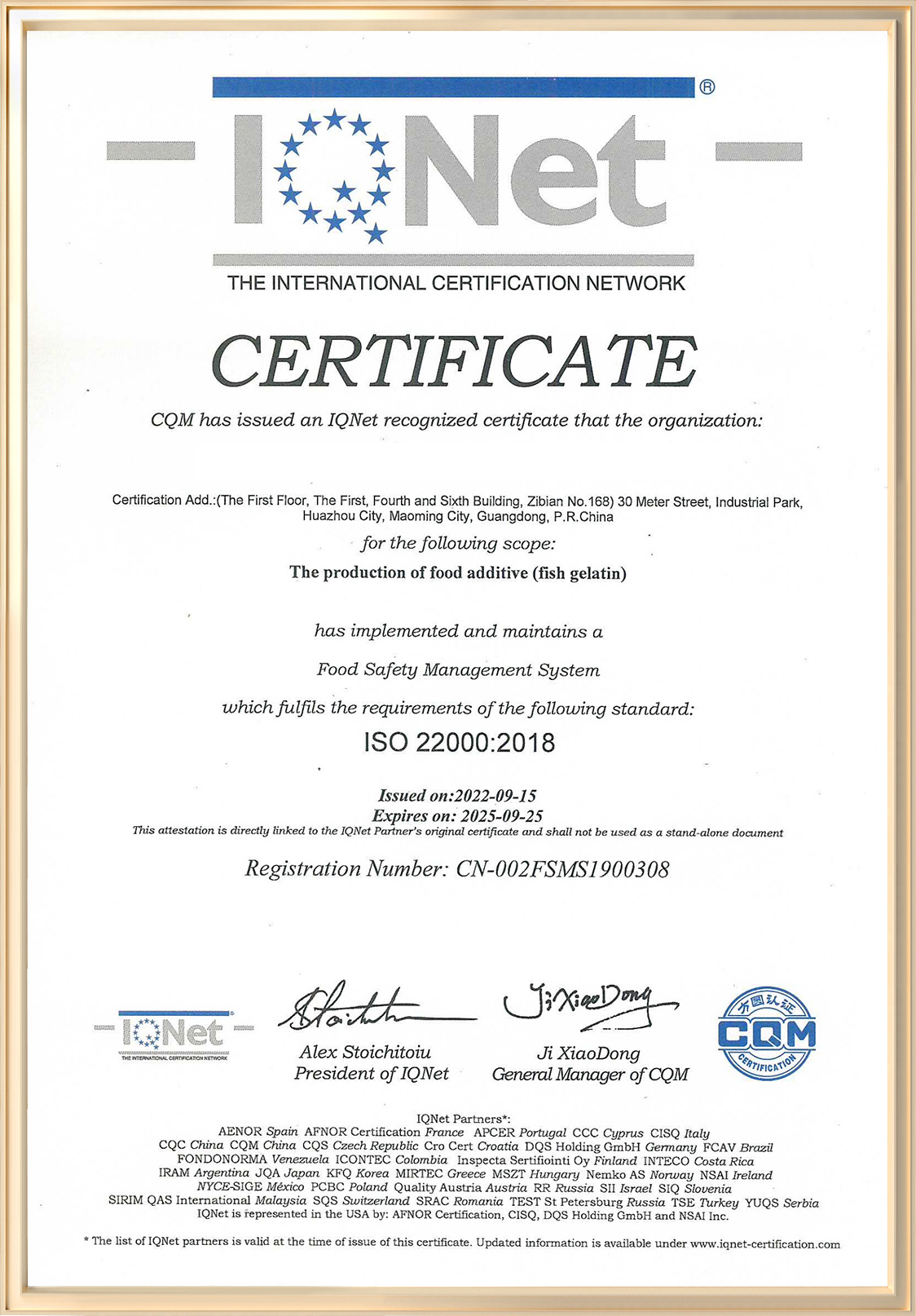
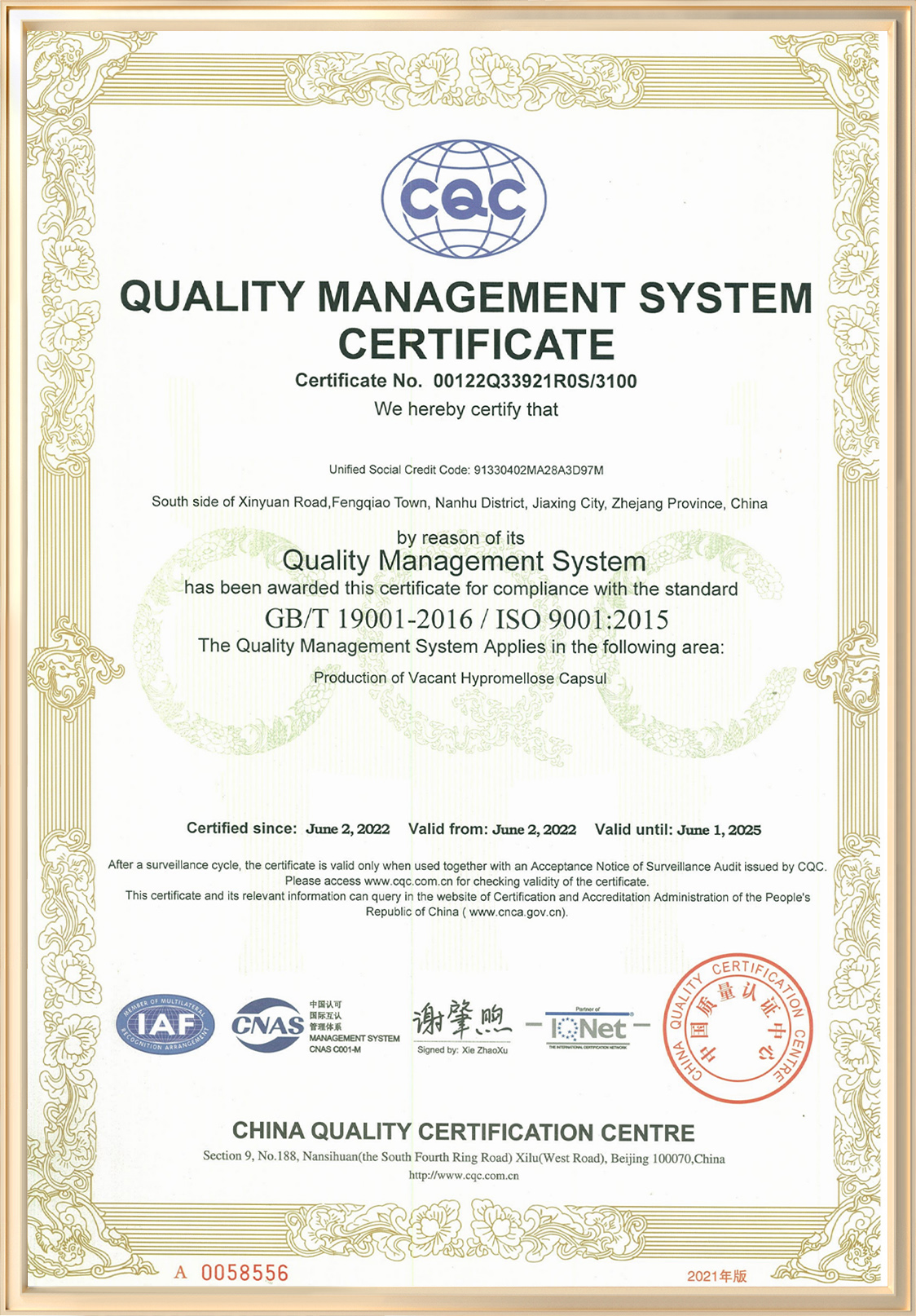
- ISO 22000 & ISO 9001 Certified
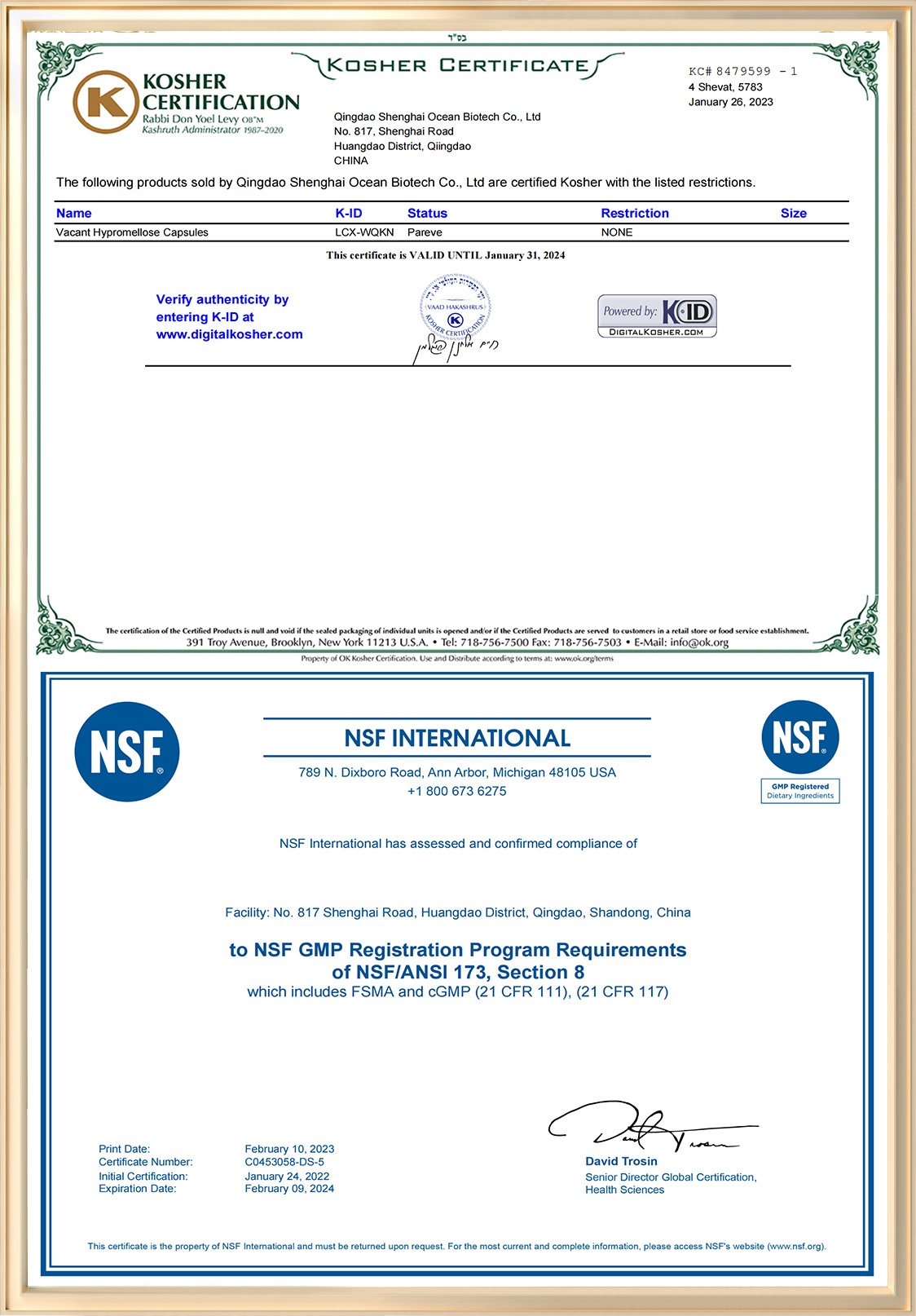
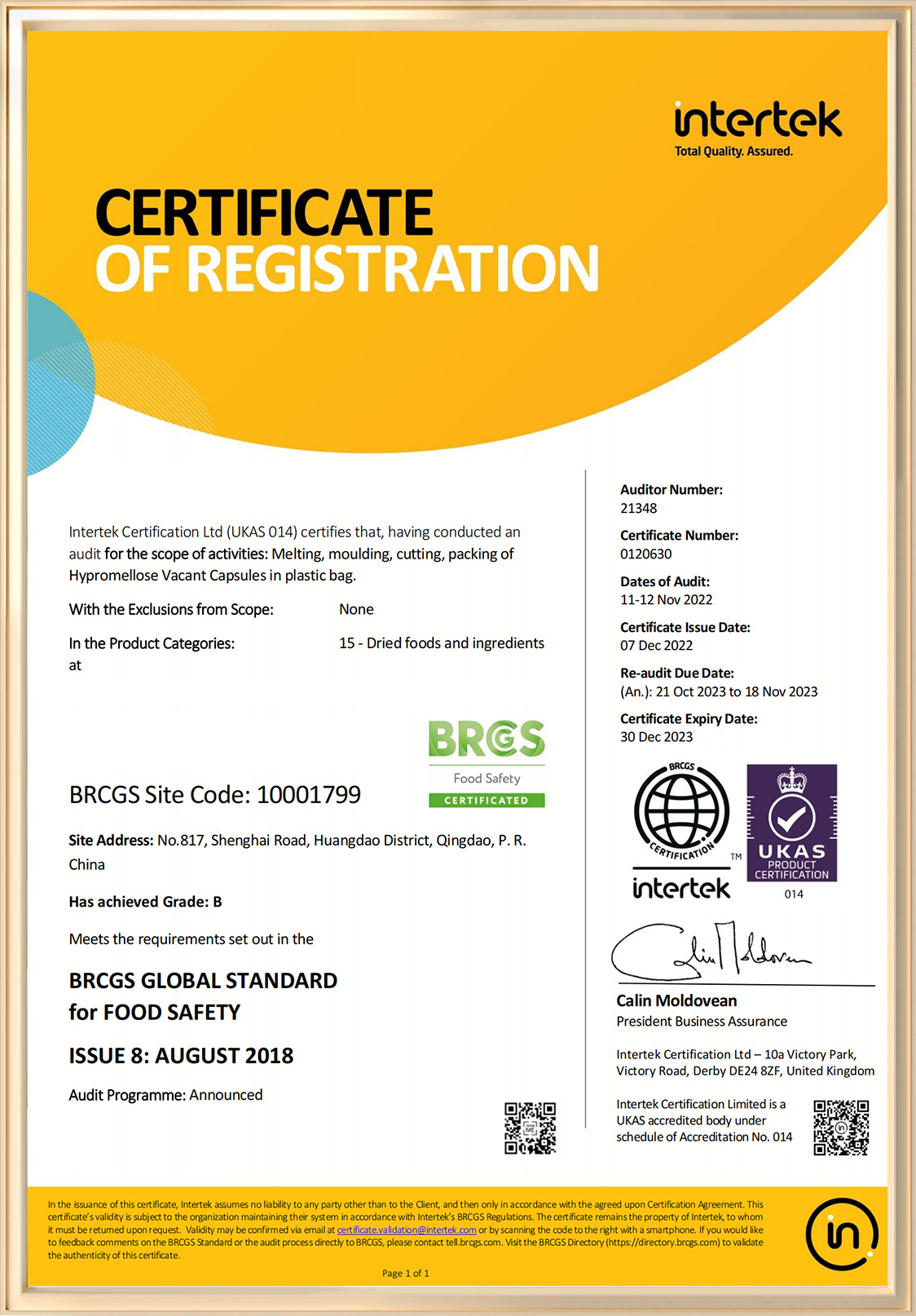
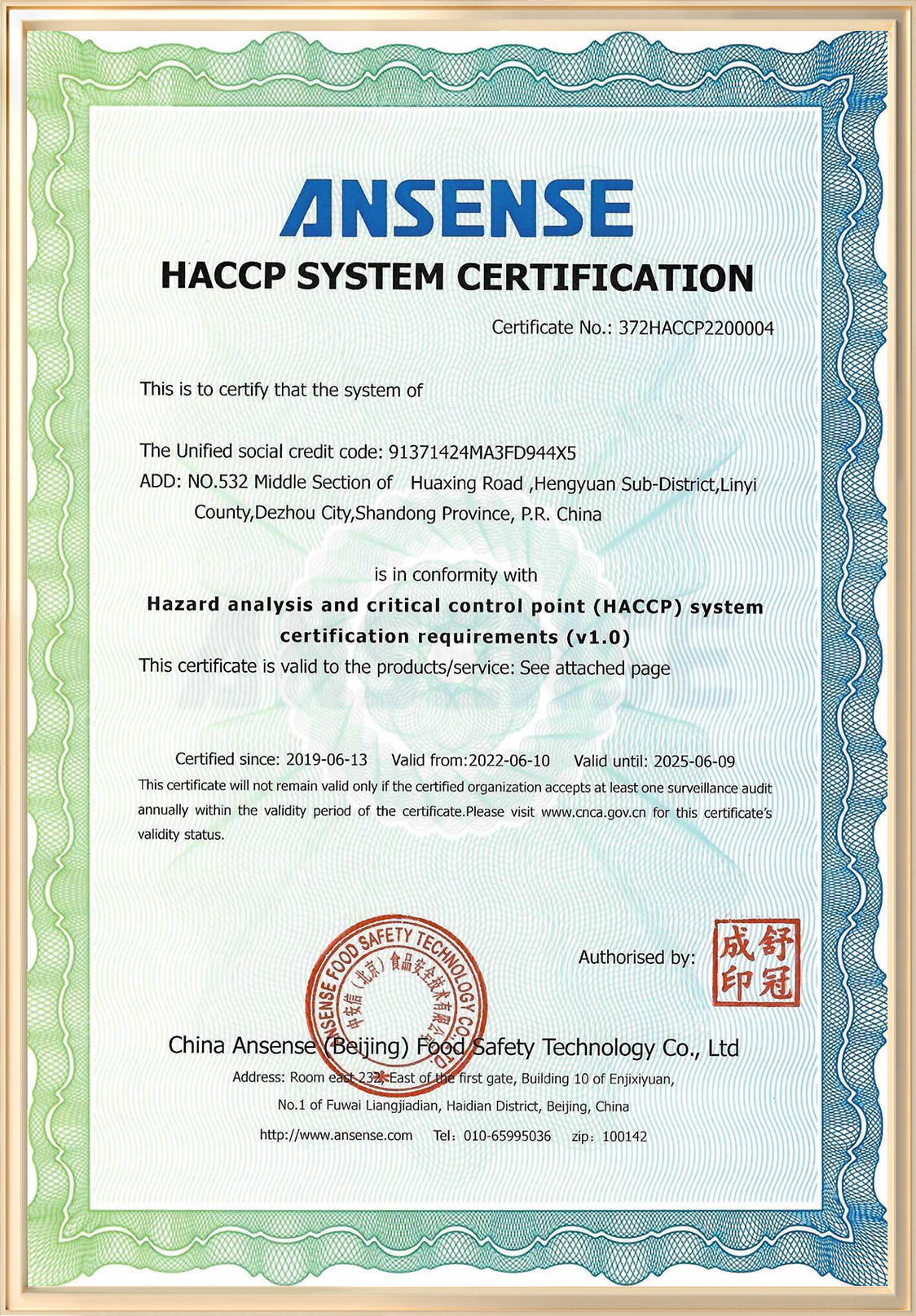
- HACCP, BRC, GMP & FSMA Compliant
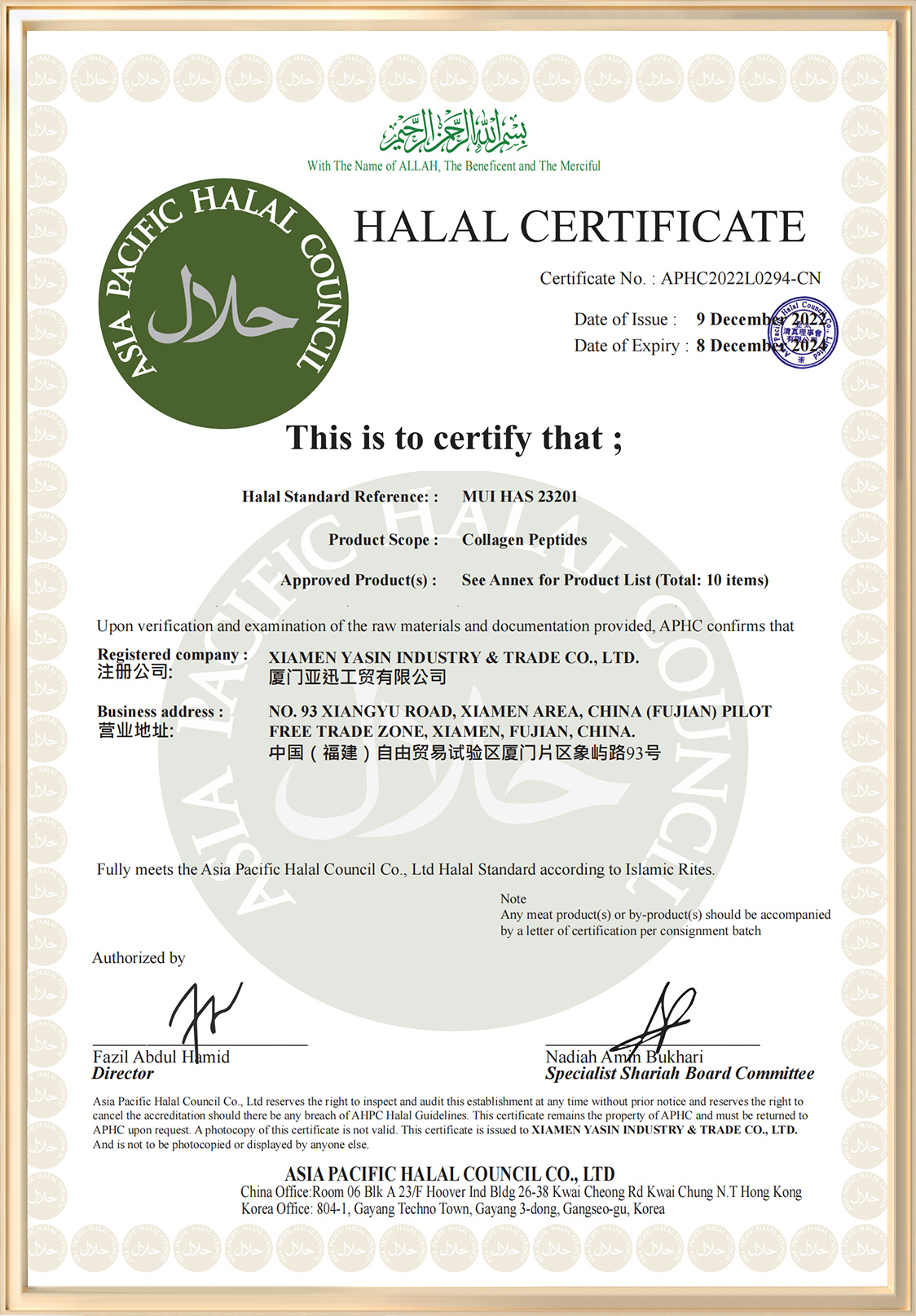
- Halal (MUI & BPJPH) & Kosher Certified
- CNAS-Accredited Laboratory
- GB 31645-2018 / GB/T 22492-2008 / QB/T 4707-2014
- Patented Fish Collagen Tripeptide Purification
Enzymatic Hydrolysis Capabilities and Production Equipment
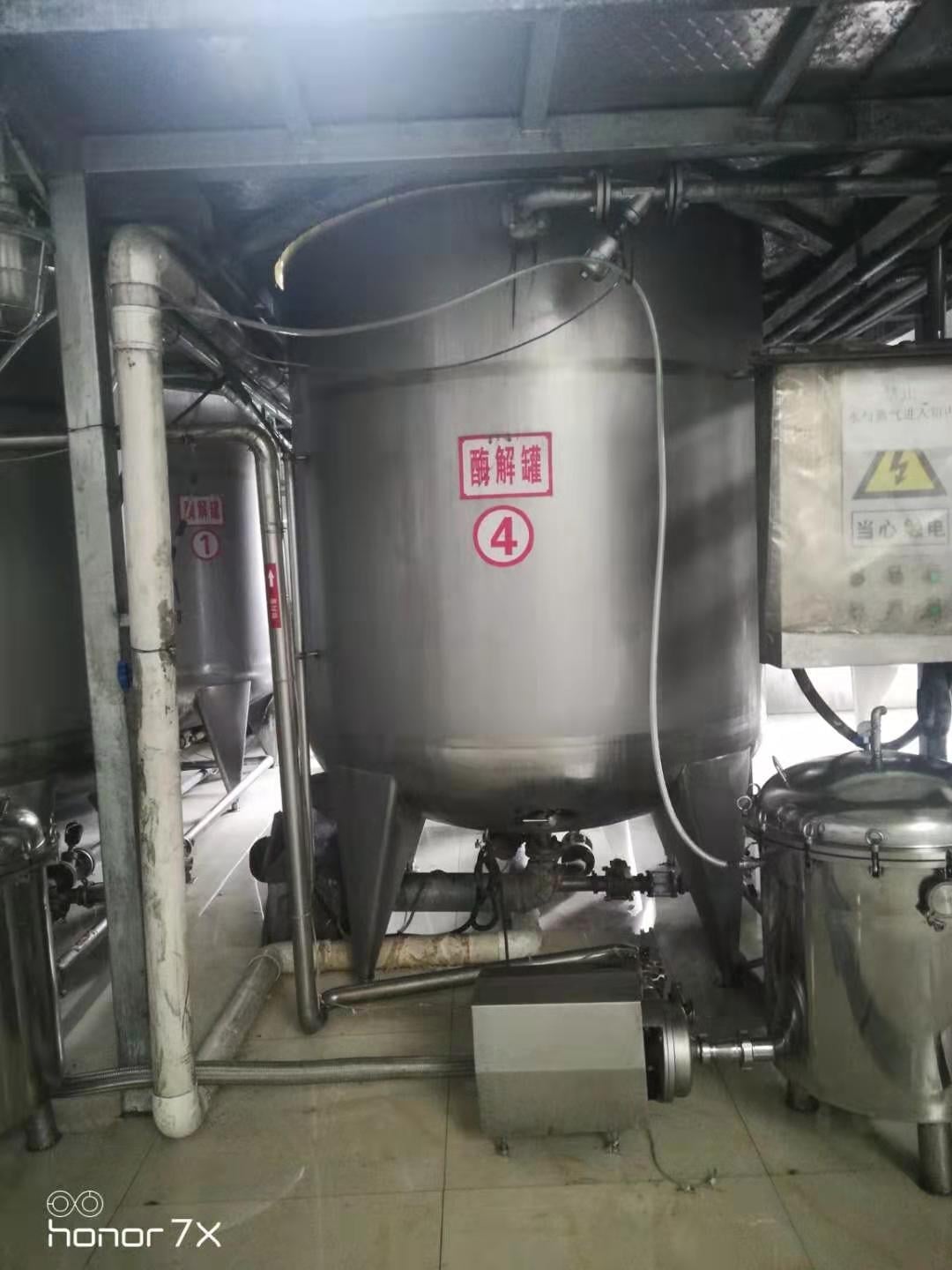
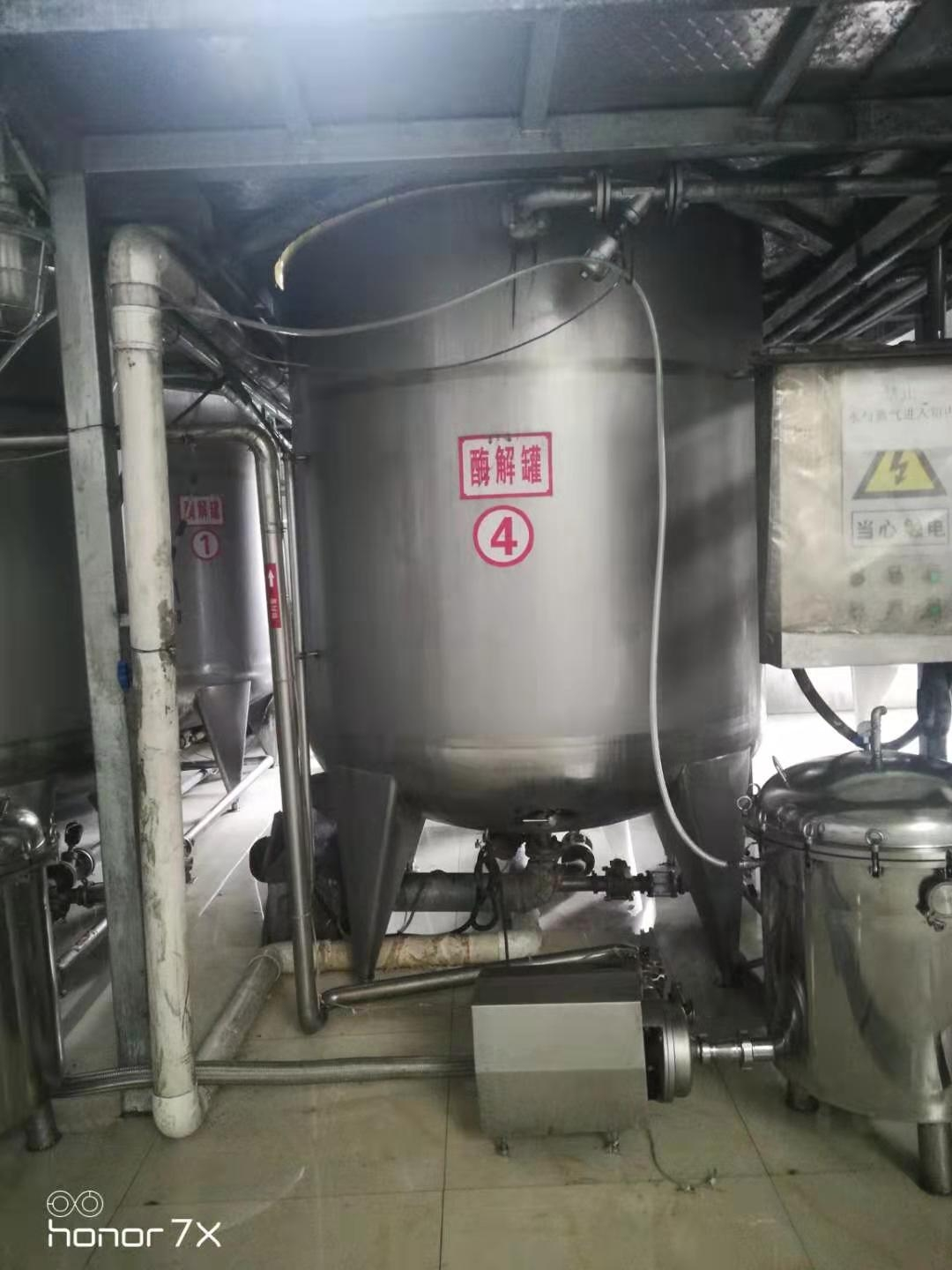
Cosmetic formulators do not accept commodity collagen powder, due to acid cleavage resulting in dark color, high salt ash, and/or erratic viscosity. Yasin operates an automated 36-hour biological enzymatic hydrolysis line with narrow molecular weight cutoffs. Our 18 R&D specialists partner with Jiangnan University and Jiangsu Ocean University to calibrate protease cleavage for topical collagen and plant peptide grades.
Stage 01
Pure-Water Pre-Treatment & Extraction
Raw bovine hide, bone, cartilage, tendon, traceable fish skin and others undergo multi-stage washing with pure water. We avoid harsh acid or alkali degradation during pre-treatment to keep the amino acid chains long and to avoid dark Maillard byproducts during the extraction process of collagen.
Stage 02
Directed Protease Cleavage & Nanofiltration
Food-grade endoproteases cleave native collagen fibers and plant protein isolates into defined small peptides between 500 Da and 3,000 Da. Tangential-flow ultrafiltration and nanofiltration membranes fractionate the liquid stream. This removes unhydrolyzed high-molecular fractions that cause serum haze.
Stage 03
0.45 μm + 0.22 μm Sterile Filtration (CCP1)
Before centrifugal spray drying, every liquid collagen hydrolysate passes through 0.45 μm and 0.22 μm sterile membrane cartridges. This critical control point eliminates microbial bioburden physically under ISO 17516. It holds total plate counts between 10 and 500 CFU/g without chemical preservatives.
Specifications
Downstream fluidized-bed granulation and inline metal detection (Fe ≤2.0 mm, Non-Fe ≤3.0 mm, SS ≤3.0 mm at CCP2) ensure contaminant-free packaging. Our 19,000 tons annual collagen peptide production facility maintains batch-to-batch bulk density within 0.24 to 0.40 g/mL.
Hydrolyzed Collagen and Plant Peptide Grades We Manufacture
Choosing the right type of collagen or botanical bioactive peptide depends on the level of stratum corneum hydration and film-forming strength required. Each collagen type and type of collagen source has a unique amino acid profile. We manufacture five grades of animal collagen (INCI: Hydrolyzed Collagen) along with five enzymatic plant-derived peptides (<1,000 Da) for personal care brands worldwide.
Animal Collagen
Specifications & Applications-
1. Fish Collagen Tripeptide (500 Da)
Isolated via our patented purification unit, this 500 Da grade delivers ≥20% Collagen Tripeptide (CTP) and ≥20 mg/g Gly-Pro-Hyp (285.3 Da). The core benefits of tripeptides include rapid sub-500 Da epidermal diffusion. It targets leave-on facial serums, eye gels, and ampoules.
-
2. Freshwater Fish Collagen Peptide (1,000-2,000 Da)
Upcycled from traceable tilapia fish skin and scale, this freshwater fish collagen grade achieves 99.0% dry-basis protein and high collagen content at pH 6.11. It eliminates deep-sea fish allergy incidents reported by Southeast Asian personal care brands. It also lowers raw formulation cost.
-
3. Wild Cod Marine Collagen Peptide (1,000-2,000 Da)
Extracted from North Atlantic wild cod skin, this Type I marine collagen peptide has high levels of hydroxyproline. It is backed by certificates of whitening and anti-aging activity. Formulators dissolve this in clear aqueous essences, sheet mask lotions or hydrogels for use under the eyes.
-
4. Bovine Hide Collagen Peptide (2,000-3,000 Da)
Containing Type I and Type III collagen peptides with 98.4% dry-basis protein and 1.3% ash, this hydrolyzed form of collagen builds a moisture-locking film. Formulators dose it at 1.0% to 5.0% w/w. It suits barrier creams, body lotions, and conditioning shampoos.
-
5. Bovine Bone Collagen Peptide (1,000-2,000 Da)
Made to enterprise standard Q/DBBS 0002S in 15 kg kraft bags, bovine bone hydrolyzed collagen has a low viscosity and hastens wetting in cold water phases. It stabilizes high-solids emulsions in scalp tonics and hybrid nutricosmetic lines.
Plant Peptides
Specifications & Applications-
6. Pea Peptide (<1,000 Da, Hydrolyzed Pea Protein)
Enzymatically hydrolyzed to <1,000 Da with 85.0% dry basis protein and a pH of 6.92, pea peptide is 100% vegan, gluten-free and soy-free. We provide both standard and mild grades. Pea peptide is the best source of peptides to replace animal collagen in clean label creams.
-
7. Rice Peptide (<1,000 Da, Hydrolyzed Rice Protein)
Controlled below 1,000 Da under Q/HBJT 0011S-2018, this hypoallergenic plant peptide binds to negatively charged hair keratin. It boosts hair shaft volume and moisture retention. Its gluten-free and soy-free profile suits sensitive-skin lotions and volumizing conditioners.
-
8. Soybean Peptide (<1,000 Da, Hydrolyzed Soy Protein)
It supplies concentrated glutamic acid, aspartic acid, and arginine. These hydrophilic amino acids support antioxidant and humectant performance in vegan emulsions.
-
9. Wheat Oligopeptide (<1,000 Da, Hydrolyzed Wheat Protein)
The Cosmetic Ingredient Review (CIR) Expert Panel restricts Hydrolyzed Wheat Protein in cosmetics to an average molecular weight of ≤3,500 Da (PubMed 29761728). Our <1,000 Da wheat oligopeptide stays 3.5x below the CIR ceiling. It repairs damaged hair cuticles safely.
-
10. Corn Oligopeptide (<1,000 Da, Hydrolyzed Corn Protein)
Tested to QB/T 4707-2014 with 79.4% dry-basis protein, 4.61% moisture, and pH 5.91, corn oligopeptide offers high proline and leucine levels. It stabilizes foam in rinse-off formulas. It also reduces anionic surfactant tautness in facial cleansers and body washes.
Unlike porcine collagen, which excludes Halal and Kosher beauty markets, our fish, marine, bovine, and plant peptides carry full Halal (MUI and BPJPH) and Kosher certification. Every plant peptide is derived from food-grade seed storage protein rather than endogenous plant defence peptides or plant antimicrobial peptides (plant AMPs). This seed-protein origin ensures non-sensitizing topical compatibility.
Formulation Boundaries & Alternatives
When Plant Peptides Alone Are Not Enough and How to Formulate Around It
A reliable ingredient manufacturer tells you where an ingredient’s physical chemistry stops working before you scale up a 500 kg batch. Review the three boundary conditions below to see where to look instead and apply the right formulation alternative. All cofactor and allergen thresholds align with US FDA food labeling regulations.
| Formulation Situation | Why Pure Plant Peptides Work Against You | What to Specify Instead |
|---|---|---|
| You need thermo-reversible gel strength (Bloom value) to form gummy or capsule structure | A < 1,000 Da plant peptide is not a substitute for high-Bloom gelling hydrocolloids because enzymatic hydrolysis cleaves long chains for water solubility, leaving 0 Bloom gelling power. | For vegan gummies, use pectin, agar, or carrageenan as the structural hydrocolloid and dose Yasin plant peptides as the active collagen builder. For non-vegan lines, specify Yasin 180–260 Bloom Bovine or Fish Gelatin. |
| You want an EFSA or FDA collagen-synthesis claim using only a single pure plant peptide | Pure plant peptides are not interchangeable with complete cofactor blends; they supply amino acid building blocks, but human fibroblasts require enzymatic hydroxylation cofactors to assemble triple-helix collagen. | Co-formulate Yasin < 1,000 Da plant peptides with Vitamin C (≥ 18–90 mg/serving), zinc, copper, biotin, hyaluronic acid, and silica, and label the product as a “Vegan Collagen Builder”. |
| Your retail channel mandates a strict “Top-9 Major Allergen-Free & Gluten-Free” clean label | Hydrolyzed Soy Peptide (GB/T 22492-2008) and Wheat Oligopeptide are the wrong choice for allergen-free lines because they trigger mandatory Soy and Wheat major allergen declarations in the US, EU, UK, and Canada. | Switch directly to Yasin Hydrolyzed Pea Peptide (20 kg bag), Hydrolyzed Rice Peptide (20 kg bag), or Corn Oligopeptide (QB/T 4707-2014, 10 kg carton). |
Granulation, Deodorization, and Downstream Processing Options
Marine and bovine collagen powders from unrefined commodity sources often carry a fishy or barnyard smell that ruins fragrance-free creams. High divalent mineral ash also chelates with carbomer thickeners and causes precipitate haze in hyaluronic acid serums. We apply four downstream purification steps to guarantee odorless, crystal-clear cosmetic solutions.
-
01 DeodorizationActivated carbon and membrane deodorization strips volatile aldehydes and trimethylamine from fish skin and bovine hide hydrolysates. Sensory grading under ISO 22000 confirms neutral odor before lot release.
-
02 Ion-ExchangeMixed-bed ion-exchange columns remove divalent calcium (Ca2+) and magnesium (Mg2+) ions. Holding COA ash at 1.2% for fish collagen and 1.3% for bovine collagen ensures carbomer gels never crash.
-
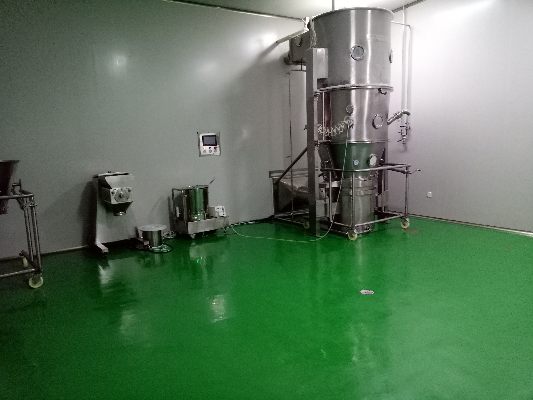
03 GranulationFluidized-bed granulation converts fine spray-dried powder into free-flowing granules (bulk density 0.24-0.40 g/mL). Granulated powder sinks and dissolves in cold water within 10 seconds without clumping.
-
04 FractionationCustom membrane cutoffs isolate 500 Da tripeptide fractions, 1,000-2,000 Da fish peptides, or <1,000 Da plant-derived peptides. Each fraction matches your target serum viscosity and film-forming profile.
SpecificationsYou can model how COA ash levels, powder granulation format, and addition temperature affect serum clarity using our Cosmetic Peptide Aqueous Solubility & pH Window Estimator. Both standard fine powder and 10-second granulated powder formats share the same 500 kg minimum order quantity.
Request Specifications & COAMolecular Weight Grades, INCI Specifications, and Formulation Limits
Low molecular collagen claims frequently mislead cosmetic buyers when suppliers ship 50,000 Da to 300,000 Da native collagen without disclosing their true Dalton cutoff. Under the 500 Dalton Rule (Bos & Meinardi, 2000) and peer-reviewed cosmetic literature (León-López et al., PMC7070905), native 300,000 Da collagen remains on the outer skin surface. Water-soluble hydrolyzed collagen (<3,000 Da) and 500 Da tripeptides (Gly-Pro-Hyp 285.3 Da) hydrate the stratum corneum (~30% water content) and reduce transepidermal water loss.
| Parameter | 500 Da Fish Tripeptide | 1,000-3,000 Da Hydrolyzed Collagen | <1,000 Da Enzymatic Plant Peptides | Test Method / Governing Standard |
|---|---|---|---|---|
| Official INCI Name | Hydrolyzed Collagen | Hydrolyzed Collagen | Hydrolyzed Pea / Rice / Soy / Wheat / Corn Protein | PCPC INCI Dictionary / EU CosIng |
| Mean Molecular Weight Envelope | 500 Da (CTP ≥20%, GPH ≥20 mg/g at 285.3 Da) | 1,000-2,000 Da (Fish/Bone) / 2,000-3,000 Da (Bovine) | <1,000 Da (800-950 Da lot mean; CIR limit ≤3,500 Da) | GPC-HPLC (GB 31645-2018 / GB/T 22492-2008) |
| Dry-Basis Protein Assay | ≥95.0% (98.5%-99.0% COA actual) | ≥90.0% (98.4% Bovine / 99.0% Fish COA actual) | ≥80.0% Pea & Soy (85.0% Pea actual) / ≥75.0% Corn (79.4% actual) | Kjeldahl Nitrogen Analyzer (GB 5009.5) |
| Loss on Drying (Moisture) | ≤7.0% (3.8%-4.9% COA actual) | ≤7.0% (3.76% Bovine / 4.98% Fish COA actual) | ≤7.0% (3.10% Pea / 4.61% Corn COA actual) | Direct Drying at 105 °C (GB 5009.3) |
| Ignition Residue (Ash) | ≤2.0% (1.1%-1.2% COA actual) | ≤2.0% (1.3% Bovine / 1.2% Fish COA actual) | ≤6.0% (3.5% Pea / 2.3% Corn COA actual) | 550 °C Muffle Furnace (GB 5009.4) |
| Aqueous Solution pH (10% w/v) | 5.5 – 7.0 (6.05 COA actual) | 5.0 – 7.5 (5.96 Bovine / 6.11 Fish COA actual) | 5.0 – 7.5 (6.92 Pea / 5.91 Corn COA actual) | Potentiometric pH Meter |
| Heavy Metals (Pb / As / Hg / Cd) | Pb ≤0.5, As ≤0.5, Hg ≤0.1, Cd ≤0.1 mg/kg (ND actual) | Pb ≤0.5, As ≤0.5, Hg ≤0.1, Cd ≤0.1 mg/kg (ND actual) | Pb ≤0.5-0.9, As ≤0.5-1.0, Hg ≤0.1, Cd ≤0.1 mg/kg (ND actual) | Atomic Absorption Spectrometry (ISO / FDA ≤10 ppm Pb) |
| Total Aerobic Plate Count | ≤1,000 CFU/g (10-100 CFU/g eye-area grade actual) | ≤1,000 CFU/g (20-100 CFU/g COA actual via 0.22 μm CCP1) | ≤1,000 CFU/g (280-500 CFU/g COA actual) | ISO 17516:2014 / GB 4789.2 |
| Recommended Cosmetic Use Level | 0.5% – 2.5% w/w (leave-on serums, eye creams, ampoules) | 1.0% – 5.0% w/w (creams, lotions, masks, shampoos) | 0.5% – 4.0% w/w (vegan emulsions, hair conditioners) | Cooldown Phase D (≤45 °C, pH 5.0-7.5) |
| Standard Packaging & Shelf Life | 10 kg fiber carton (inner food-grade PE bag), 24 months | 20 kg kraft bag (Bovine/Fish) or 15 kg bag (Bone), 24 months | 10 kg carton (Soy/Wheat/Corn) or 15-20 kg bag (Pea/Rice) | Sealed Dry Storage at 15-25 °C |
These molecular weight bands are not interchangeable across every personal care formula. While a 500 Da tripeptide grade buys you epidermal diffusion in leave-on serums, 2,000-3,000 Da bovine hydrolyzed collagen ($6.50-$8.00/kg FOB) builds a stronger protective film on hair cuticles at roughly half the cost of 1,000-2,000 Da marine collagen ($10.00-$15.00/kg FOB).
Bulk Pricing, Cost Drivers, and Production Lead Times
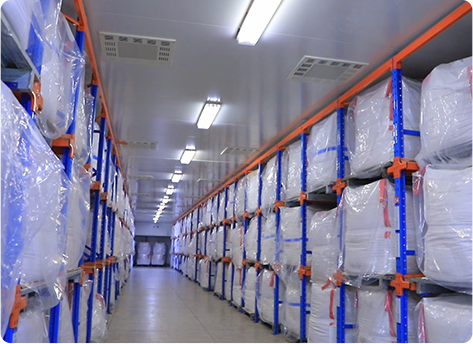
Global ingredient conglomerates frequently hide per-kilogram pricing behind multi-tier distributors and require 4 to 8 weeks for ocean dispatch. Yasin quotes direct factory prices under FOB or CIF Incoterms within 24 hours and ships standard 500 kg orders within 10 days. At a 2.0% w/w active dosage, direct factory supply lowers finished formulation raw material costs by 30% or more.
Pricing Matrix
MOQ 500 KG · USD / KG| Cosmetic Ingredient Family | Molecular Weight & INCI | MOQ & Packaging | FOB Reference Price Band (USD/kg) | Active Cost per kg Finished Cream (at 2.0% w/w) |
|---|---|---|---|---|
| Bovine Hide / Bone Collagen Peptide | 1,000-3,000 Da (Hydrolyzed Collagen) | 500 kg (20 kg or 15 kg kraft bags) | $6.50 – $8.00 / kg | $0.13 – $0.16 per kg emulsion ($0.007 per 50 g jar) |
| Freshwater Fish / Wild Cod Marine Collagen | 1,000-2,000 Da (Hydrolyzed Collagen) | 500 kg (20 kg kraft bags) | $10.00 – $15.00 / kg | $0.20 – $0.30 per kg serum ($0.008 per 30 mL bottle) |
| Enzymatic Plant Peptides (Pea / Rice / Soy / Wheat / Corn) | <1,000 Da (Hydrolyzed Plant Protein) | 500 kg (10 kg cartons or 15-20 kg bags) | $8.00 – $12.00 / kg (grade dependent) | $0.16 – $0.24 per kg vegan lotion or shampoo |
| Patented Fish Collagen Tripeptide (CTP ≥20%) | 500 Da (Gly-Pro-Hyp ≥20 mg/g) | 500 kg (10 kg cartons) | Custom Tiered Quote (by CTP assay %) | Dosed at 0.5%-1.5% w/w in prestige ampoules |
Cost Drivers
01 — 04 · Technical VariablesFour primary technical variables govern per-kilogram FOB pricing across our collagen products and plant peptide lines:
-
Traceable bovine hide ($6.50-$8.00/kg) offers the lowest cost per gram of hydroxyproline. Wild North Atlantic cod skin and non-GMO pea or rice isolate carry higher raw biomass costs.
-
Isolating 500 Da tripeptides with ≥20% CTP requires multi-stage nanofiltration and patented purification. Standard 2,000-3,000 Da enzymatic cleavage requires fewer membrane passes.
-
Optional 10-second fluidized-bed granulation and ultra-low ash deionization (≤1.2% ash) add minor processing time. They eliminate cold-process mixing bottlenecks on your factory floor.
-
Full-container loads (FCL) receive tiered discounts under T/T or L/C payment terms. Qualified long-term partners can also apply for O/A credit terms.
Quality Assurance, Sterile Membrane Filtration, and Batch COA Controls
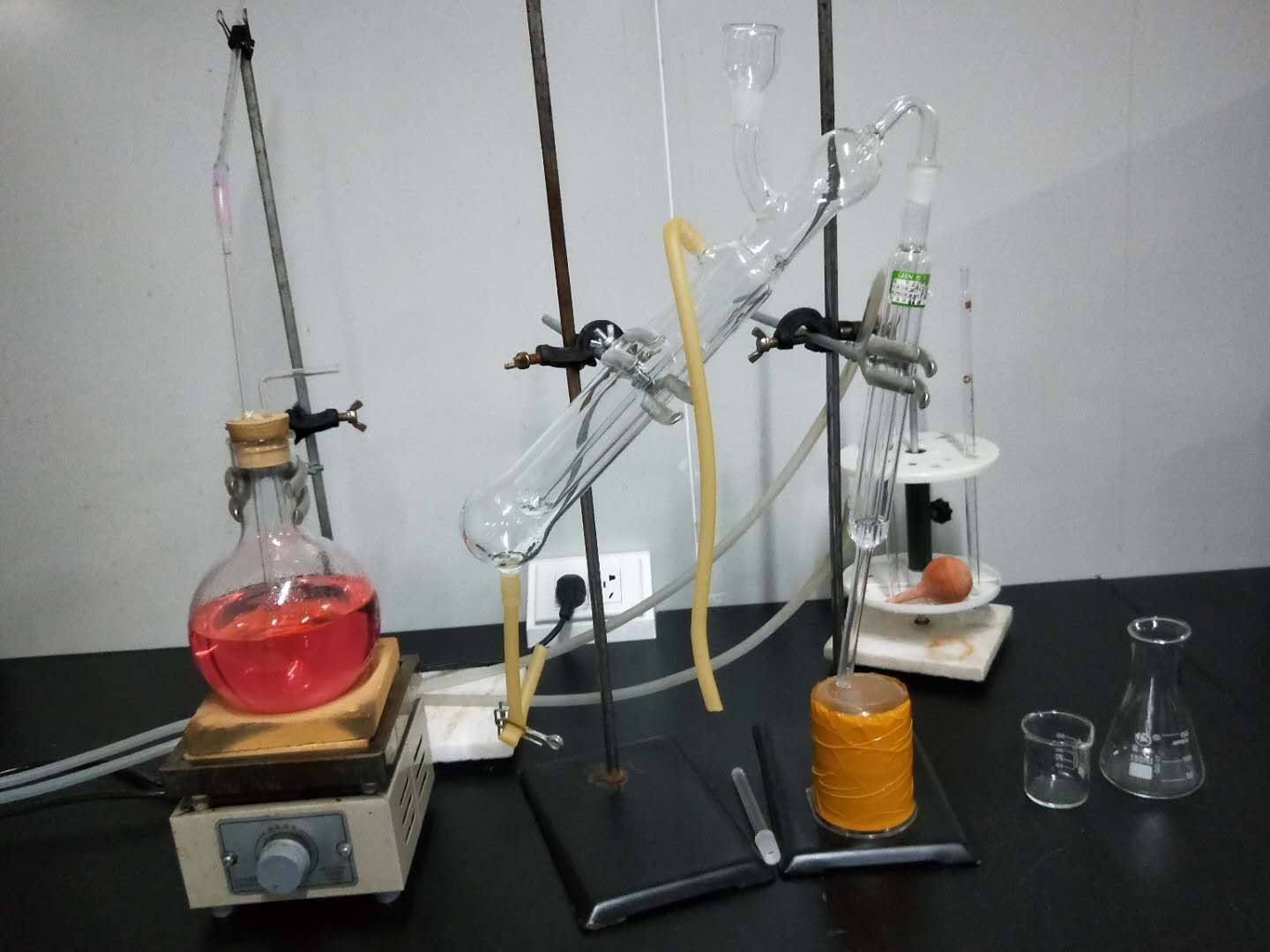
Cosmetic contract manufacturers cannot risk batch rejection from microbial contamination, heavy metal exceedance, or sensory odor drift. Every lot is tested to GB 31645-2018 (collagen peptides), GB/T 22492-2008 (soy peptides), and QB/T 4707-2014 (corn peptides) inside our CNAS-accredited laboratory before release. Our facility also undergoes 10 days per month of unannounced third-party audits.
Specifications“Each cosmetic peptide lot must pass five release gates in our CNAS-accredited laboratory. We verify Kjeldahl dry-basis protein (98.4% bovine, 99.0% fish, and 79.4%-85.0% plant peptides), GPC-HPLC molecular weight (500 Da to 3,000 Da animal and <1,000 Da plant peptides), and non-detected Pb, As, Hg, and Cd heavy metals. Final release requires 0.45 μm + 0.22 μm sterile filtration verification and approval by our 11-member sensory evaluation panel.”
Quality Assurance Protocol, Xiamen Yaxun Industry & Trade Co., Ltd. (ISO 22000, ISO 9001, HACCP, BRC, GMP, Halal MUI & BPJPH, Kosher)
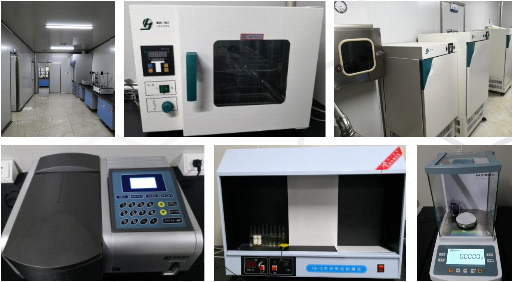
Our quality management system pairs analytical instrumentation with binding B2B commercial commitments:
-
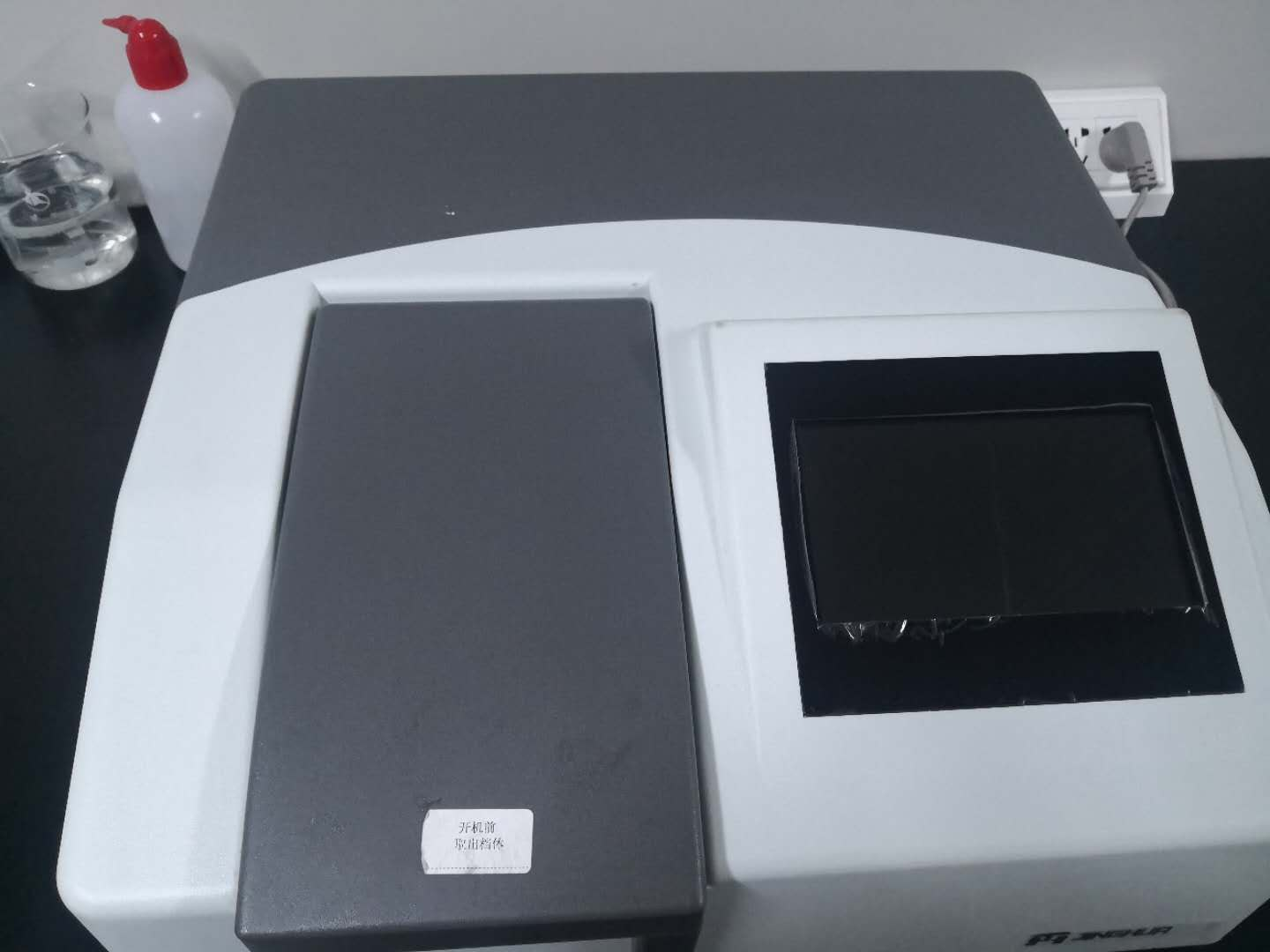
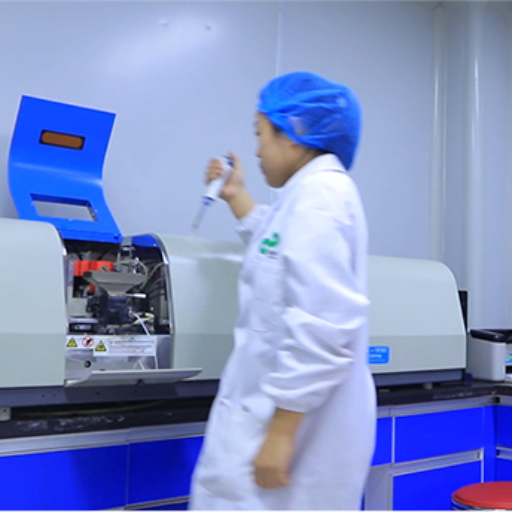
CNAS LabOur CNAS lab operates a Kjeldahl nitrogen analyzer, GPC-HPLC chromatograph, UV-Vis spectrophotometer, and atomic absorption heavy-metal analyzer.
-
TraceabilityEvery production batch is archived as a sealed retention sample for 24 months to support full international lot traceability.
-
R&D VerificationPre-shipment R&D verification includes a Free 200 g sample per grade so your lab can validate clarity and pH stability before bulk dispatch.
-
Regulatory DossierCommercial shipments depart under T/T or L/C payment with a complete regulatory dossier (COA, TDS, SDS, Halal, Kosher, and export health certificate).
Ordering Workflow and Cosmetic Formulation Guidelines
Formulators adding hydrolyzed collagen or bioactive plant peptides at high emulsification temperatures (>60 °C) trigger Maillard browning with reducing sugars. High heat can also degrade fragile tripeptide sequences. Cosmetic chemists achieve maximum stability by dosing peptides in Phase D (cooldown phase ≤45 °C) at pH 5.0 to 7.5.
Process
-
Submit your target application (serum, cream, shampoo, or vegan mask) and desired Dalton cutoff in Step 1. Our technical desk returns a matched grade recommendation and formal quotation within 24 hours.
-
In Step 2, we send you a sample of the hydrolyzed collagen or plant peptide grade of your choice. The sample will include its lot-specific analysis for benchtop stability testing.
-
Step 3 lab trials require the powder to be pre-dissolved in deionized water at 1:5 to 1:10 w/w (10-second wetting for granulated grades). Blend the solution during the cooldown of the emulsion below 45 °C, at a final pH of 5.0-7.5, and with broad spectrum preservation.
-
In Step 4, verify 45 °C accelerated color stability and audit your packaging claims. Use our Cosmetic Label Claim & Batch COA Regulatory Compliance Checker for US and EU verification.
-
Upon Step 5 purchase order confirmation, we schedule enzymatic hydrolysis and 0.22 μm sterile filtration. CNAS lab release completes for commercial dispatch within 10 days.
-
During Step 6 container loading, your export documentation and lot reference numbers are sent to your customs broker.
Resources
Need to check how different peptide concentrations and pH buffers behave in clear aqueous serums? Run your formulation parameters through our Aqueous Solubility & Turbidity Estimator to check stability before scaling up to pilot batches.
Applications Across Cosmetic Product Lines and Client Case Studies
Cosmetic products account for approximately 20% of global hydrolyzed collagen use across facial serums, barrier creams, sheet masks, and shampoos. Brands also source dual-grade peptides for nutricosmetic beauty blends. Below are our primary manufacturing facilities and verified formulation outcomes across North America, Europe, Latin America, and Asia.

Our ten hydrolyzed collagen and plant peptide grades are developed for the four high-volume personal care and beauty categories:
Leave-On Anti-Aging Serums & Eye Gels
Formulators dose 0.5% to 2.5% w/w of 500 Da Fish Collagen Tripeptide (Gly-Pro-Hyp ≥20 mg/g) or 1,000-2,000 Da Wild Cod Marine Collagen. These grades boost skin hydration and skin elasticity without tackiness.
Barrier Creams, Lotions & Facial Masks
Chemist teams incorporate 1.5% to 5.0% w/w of 2,000-3,000 Da Bovine Hide Collagen or 0.5% to 4.0% w/w of <1,000 Da Soybean and Pea Peptides. They form a breathable moisture-retaining film that reinforces the skin barrier against skin aging.
Hair Repair Shampoos & Volumizing Conditioners
Hair care brands add 0.5% to 3.0% w/w of <1,000 Da Rice Peptide, Wheat Oligopeptide (≤3,500 Da CIR compliant), or Corn Oligopeptide. These small peptides repair bleached cuticle porosity and counteract surfactant irritation.
04 / Applications
Inside-Out Beauty & Nutricosmetic Programs
Brands usually pair topical product lines with oral collagen supplement or dietary supplement sachets. They also source matching food and cosmetic grade collagen powder from our single audited plant.
Verified commercial shipments show consistency in molecular weight, reduction in allergen risks, and cost benefits:
-
Standard pea peptide powders from commodity suppliers turned aqueous bases cloudy and gritty for Feisty Drinks Ltd in the UK. Switching to Yasin membrane-filtered <1,000 Da Pea Peptide (85.0% protein, pH 6.92) delivered crystal-clear solubility.
-
Our Canadian formulation partner has completed 11 consecutive orders of bulk custom-fractionated collagen peptides. Each bulk order has shown no lot-to-lot drift in bulk density and GPC-HPLC Dalton distribution.
-
A Costa Rican distributor has completed 17 consecutive bulk orders with zero quality claims. In Southeast Asia, a brand has eliminated deep-sea fish allergy incidents and lowered their raw material costs by over 30% by using our freshwater tilapia skin peptide.
Cosmetic Label Claims, Regulatory Compliance, and Trade-Offs
Choosing between 500 Da fish tripeptides, 1,000-3,000 Da hydrolyzed collagen, and <1,000 Da enzymatic plant peptides requires evaluating each technical trade-off across penetration and vegan rules. Under US FDA 21 USC § 321(i) and European Commission Regulation (EU) No 655/2013, topical collagen may support appearance, hydration, and conditioning claims. Cosmetics cannot make physiological drug claims.
| Decision Factor | 500 Da Fish Collagen Tripeptide | 1,000-3,000 Da Hydrolyzed Collagen (Bovine / Fish) | <1,000 Da Enzymatic Plant Peptides (Pea / Rice / Soy / Wheat / Corn) |
|---|---|---|---|
| Primary Functional Mechanism | Epidermal stratum corneum diffusion (≤500 Da rule) + intense humectancy | Hygroscopic moisture-locking film on human skin and hair keratin + surfactant buffering | Biomimetic amino acid conditioning, hair-shaft volumizing, and antioxidant moisture retention |
| Hydroxyproline & Peptide Sequence | ≥20% CTP & ≥20 mg/g Gly-Pro-Hyp bioactive tripeptide sequence | Rich in glycine, proline, and hydroxyproline characteristic of Type I collagen fibril chains | Zero hydroxyproline; rich in glutamic acid, aspartic acid, arginine, and leucine from seed protein |
| Vegan & Allergen Positioning | Animal collagen (Marine fish); Halal & Kosher certified; not vegan | Animal collagen (Bovine or freshwater tilapia / cod); Halal & Kosher; not vegan | 100% Vegan & Plant-Based; Pea, Rice & Corn are gluten-free & soy-free; Wheat is <1,000 Da (≤3,500 Da CIR safe) |
| Best-Fit Cosmetic Formats | Prestige facial serums, eye contour gels, concentrated ampoules (0.5%-2.5% w/w) | Daily moisturizing creams, sheet masks, body lotions, mild shampoos (1.0%-5.0% w/w) | Vegan skincare lines, celiac-safe hair conditioners, volumizing sprays, cleansers (0.5%-4.0% w/w) |
| Allowed Cosmetic Label Claims (US FDA & EU 655/2013) | “Deeply hydrates surface layers,” “softens the appearance of fine lines,” “improves look of skin firmness” | “Forms a moisture-locking barrier film,” “improves skin hydration and smoothness,” “conditions dry hair” | “Vegan plant-peptide collagen alternative,” “visibly plumps and hydrates skin,” “boosts hair volume and shine” |
| Prohibited / High-Risk Claims to Avoid | Do not claim “rebuilds dermal collagen matrix” or “medical tissue regeneration” on topical cosmetics | Do not claim “penetrates into the deep dermis” for 2,000-3,000 Da film-forming grades | Do not label plant protein as literal “Animal Collagen” without specifying “Plant Peptide / Biomimetic Alternative” |
Selecting the wrong grade can cost you formulation stability or compliance with regulatory agencies in three specific scenarios:
- 01 Animal hydrolyzed collagen is not equivalent to plant peptides in 100% vegan lines. Selecting <1,000 Da Hydrolyzed Pea or Rice Protein and labeling it as a plant peptide collagen alternative is permitted.
- 02 Consumers with celiac or gluten sensitivity actively avoid hair and skincare labels listing Hydrolyzed Wheat Protein even below the CIR ≤3,500 Da ceiling. Gluten-free Pea, Rice, or Corn Oligopeptides are the right call for celiac-safe lines.
- 03 Specifying 500 Da Fish Collagen Tripeptide in a rinse-off body wash is the wrong choice for your budget. Standard 2,000-3,000 Da Bovine Hide Collagen ($6.50-$8.00/kg FOB) delivers superior surfactant irritation buffering per dollar.
Cosmetic Collagen and Plant Peptide Sourcing FAQs
The following are technical and commercial responses to the 12 most frequent questions posed by cosmetic R&D formulators, regulatory managers and ingredient buyers.
Native collagen (~300,000 Da) is an intact triple-helix macromolecule that sits on the outer skin surface as an occlusive film. Hydrolyzed collagen (1,000-3,000 Da, also called collagen hydrolysate) consists of enzymatically cleaved collagen peptides that dissolve in cold water. Our 500 Da fish collagen tripeptide contains ≥20% CTP and ≥20 mg/g Gly-Pro-Hyp (285.3 Da) for rapid stratum corneum hydration.
Under the 500 Dalton Rule, peptides above 500 Da (such as 1,000-3,000 Da hydrolyzed collagen) bind water within the upper stratum corneum. They reduce transepidermal water loss and improve skin elasticity appearance. Sub-500 Da tripeptides (285.3 Da Gly-Pro-Hyp) diffuse into the epidermis, while oral dietary collagen production studies do not apply to topical labels.
Under US FDA 21 USC 321(i) and EU Regulation 655/2013, labels may state that collagen in cosmetic formulas moisturizes and improves skin hydration. Brands can also claim it softens fine lines and leaves human skin looking firmer. Claims that a cream stimulates dermal fibroblast collagen synthesis risk unapproved drug classification.
True collagen is an animal structural protein containing hydroxyproline and is not found naturally in plants. Our <1,000 Da enzymatic plant peptides (Hydrolyzed Pea, Rice, Soy, Wheat and Corn Protein) act as biomimetic vegan alternatives and replicate humectant, film forming and conditioning effect of collagen in vegan cosmetic products.
No, botany research on plant antimicrobial peptides (plant AMPs) studies endogenous plant defence molecules and defence peptides with roles in plant growth and plant health. While agricultural researchers test a novel peptide or active peptides in plant tissues against crop pathogens, cosmetic plant-derived peptides are enzymatically hydrolyzed seed storage proteins (peptides from plants such as soybean peptide, pea, and rice) engineered as safe bioactive molecules. In a natural plant topical product, a peptide containing hydrophilic amino acids or peptides like hydrolyzed rice protein (a peptide derived fraction) supports skin health because the peptide increases stratum corneum moisture retention.
Yes, the CIR Expert Panel concluded that Hydrolyzed Wheat Protein is safe in cosmetics when restricted to an average molecular weight of 3,500 Da or less (PubMed 29761728). Yasin manufactures Wheat Oligopeptide at <1,000 Da to eliminate high-MW IgE cross-linking risk. We also supply gluten-free Pea, Rice, and Corn Peptides for celiac-targeted lines.
Formulators should dose hydrolyzed collagen or plant peptides at 0.5% to 5.0% w/w during Phase D (cooldown phase at or below 45 °C). Low-temperature addition prevents Maillard browning with reducing sugars. Maintain final emulsion or serum pH between 5.0 and 7.5 with broad-spectrum preservation.
We wash raw tilapia fish skin, cod skin and bovine hide with purified water and apply activated carbon and membrane deodorization. Mixed-bed ion exchange columns remove divalent Ca2+ and Mg2+ ions to hold the ash at 1.2% to 1.3%. Every batch is tested for odor and clarity prior to release.
Traceable freshwater tilapia skin collagen (1,000-2,000 Da, 99.0% dry-basis protein) displays lower allergenicity and lower cost than mixed deep-sea marine by-products. We supply both freshwater tilapia Fish Collagen Peptide and North Atlantic Wild Cod Marine Collagen Peptide at $10.00-$15.00/kg FOB. Brands can select either grade to match their regional label positioning.
Through 0.45 μm + 0.22 μm dual-stage sterile membrane filtration (CCP1), our collagen batches achieve Total Plate Counts of 10 to 500 CFU/g with zero pathogens. These batch counts sit below the ISO 17516 limit of ≤1,000 CFU/g for general cosmetics and, at 0.5%-5.0% w/w formula dosage, support the ≤100 CFU/g eye-area product limit. Heavy metals are held to Pb ≤0.5 mg/kg and As ≤0.5 mg/kg for animal collagen (Pb ≤0.5-0.9 mg/kg and As ≤0.5-1.0 mg/kg for plant peptides), alongside Hg ≤0.1 mg/kg and Cd ≤0.1 mg/kg (Not Detected on actual COAs).
Our standard commercial MOQ is 500 kg per grade, packed in 20 kg kraft bags, 15 kg bags, or 10 kg cartons. Production orders ship within 10 days of confirmation. We provide a Free 200 g sample per grade for R&D trials and answer quotation inquiries within 24 hours.
Yasin operates under ISO 22000, ISO 9001, HACCP, BRC, GMP, Halal (MUI and BPJPH), and Kosher certifications with an in-house CNAS-accredited laboratory. Every commercial order ships under FOB or CIF Incoterms with T/T or L/C payment. Each shipment includes a lot-specific Batch COA, TDS, SDS, Halal, Kosher, and export health certificate.