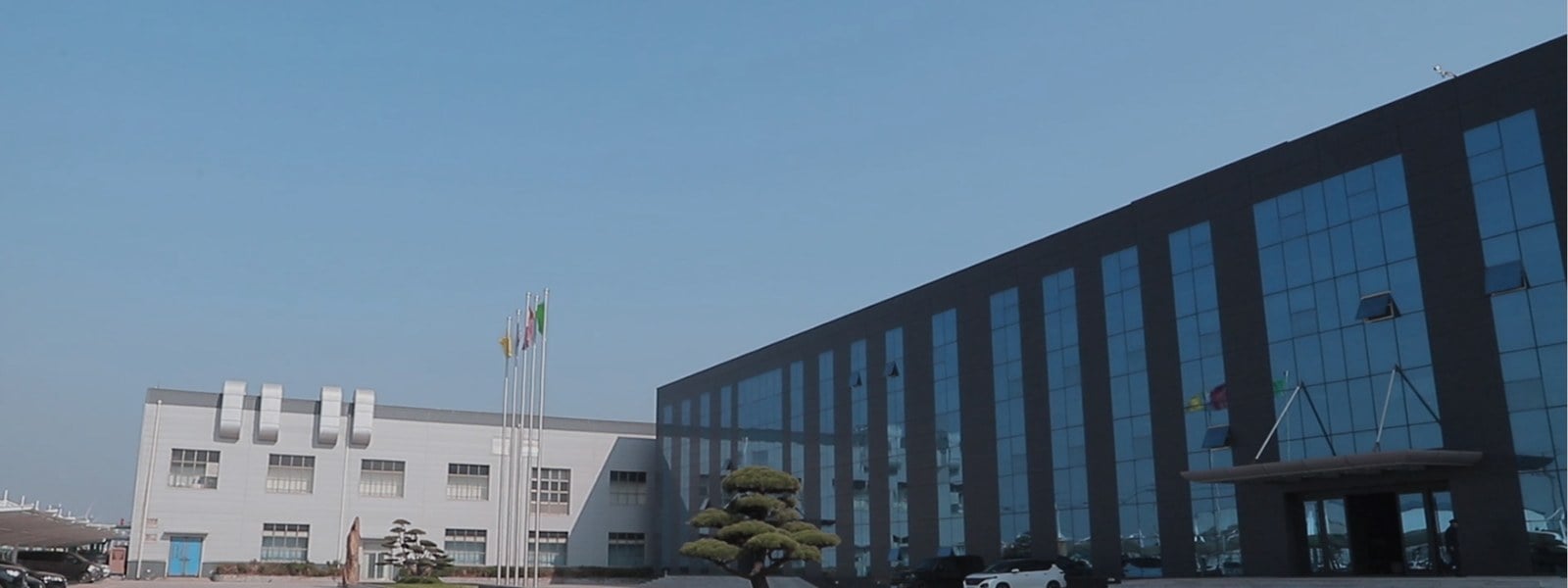
Get in touch with Xiamen Yasin Industry & Trade Co., Ltd.

Gelatin in Pharmaceutical Industry: Direct Manufacturer of Capsule, Tablet, and Low-Endotoxin Medical Grades
We manufacture gelatin in pharmaceutical industry grades derived from partial hydrolysis of collagen in bovine bone, bovine hide, and fish skins for hard gelatin capsules, soft gelatin capsules, tablets, absorbable hemostatic sponges, and modified gelatin plasma expanders. With heritage dating to 1986 and Xiamen Yaxun Industry & Trade Co., Ltd. established in September 2009, the production base operates at 26,000 tons to 36,000 tons annual gelatin capacity alongside 19,000 tons of collagen peptides and 8.5 billion empty capsule shells. In-house CNAS-accredited laboratory teams control specialty ChP 2020 Volume II batches to bacterial endotoxin levels below 30 EU/g and negative compendial peroxide limit test reactions (reported as 0 mg/kg, no blue color development).
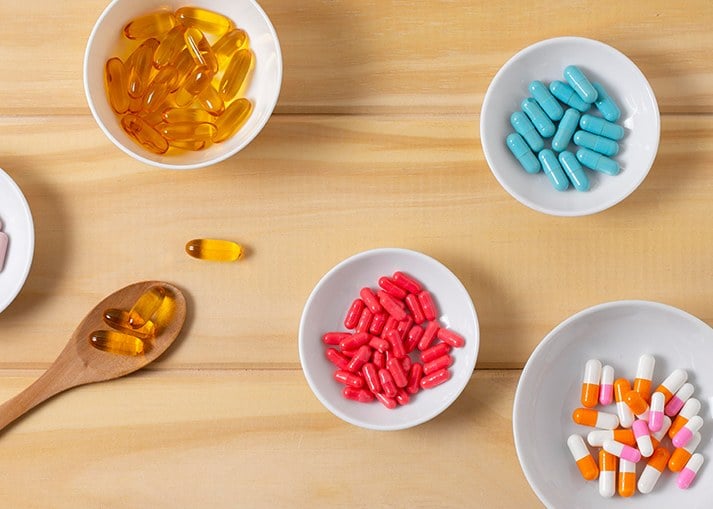
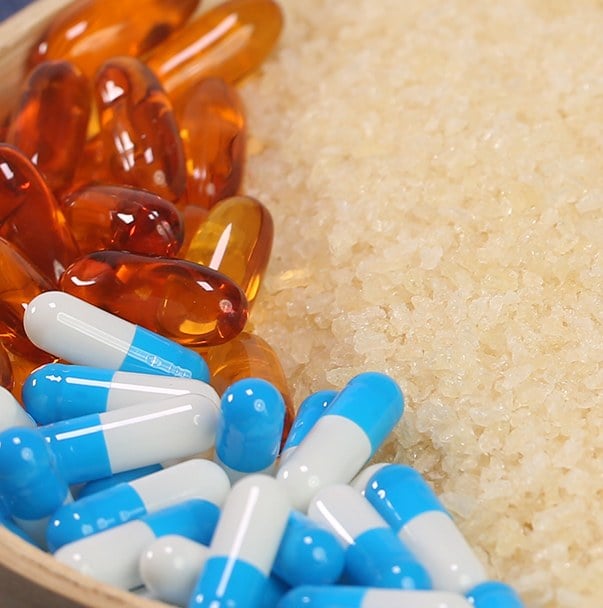
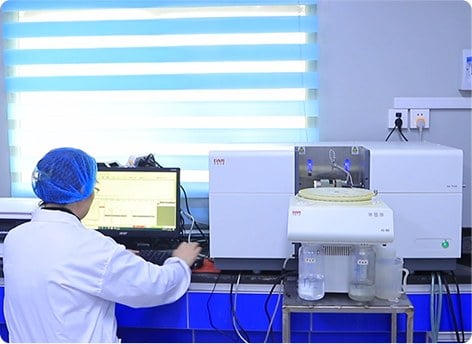
- Written technical quotation and batch Certificate of Analysis returned within 24 hours on working days.
- Laboratory evaluation policy provides a 500 g free sample for standard pharmaceutical gelatin grades dispatched in 3–7 working days via express courier.
- Fast production scheduling delivers within 10–15 days for trial orders and 20 days for commercial container shipments.
- Flexible batch sizing starts at 500 kg for standard pharmaceutical gelatin (25 kg Kraft bags) and 25 kg for specialty low-endotoxin gelatin.
- Global regulatory dossier includes EDQM Certificate of Suitability (CEP), GMP, FSSC 22000, BRC, ISO 9001, FDA Registration, Halal, Kosher, and Veterinary Health Certificate (VC).
Pharmaceutical Gelatin Manufacturing Capabilities across Dosage Forms and Medical Devices
Evaluating the role of gelatin in pharmaceutical industry manufacturing starts with matching molecular weight distribution, Bloom gel strength, and 60°C (140°F) dynamic viscosity to your dosage line. Contrary to the common misconception that specifying 240 Bloom automatically fixes liquid dipping rheology, a frequent myth in excipient purchasing, in reality a high Bloom reading does not guarantee stable 60°C viscosity, and in practice a shift of 0.4 mPa·s in a 6.67% gelatin solution alters dip-molding pin pickup on hard capsule shell manufacturing lines, compromises dimensional fit on capsule filling machines, or triggers rotary-die seam leakage. We produce each pharmaceutical gelatin powder and granule lot across 80–300 Bloom gel strength, 2.0–6.0 mPa·s dynamic viscosity, 8–100 mesh (2.36–0.15 mm) particle size, and 100,000–250,000 Da molecular weight. [5]
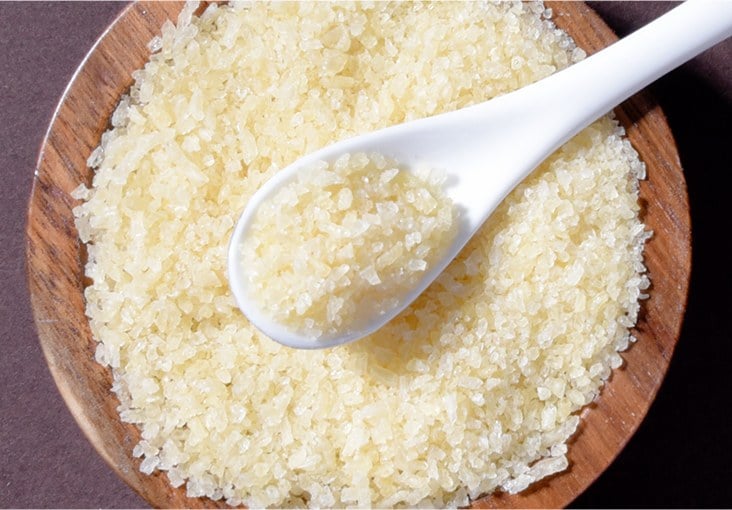
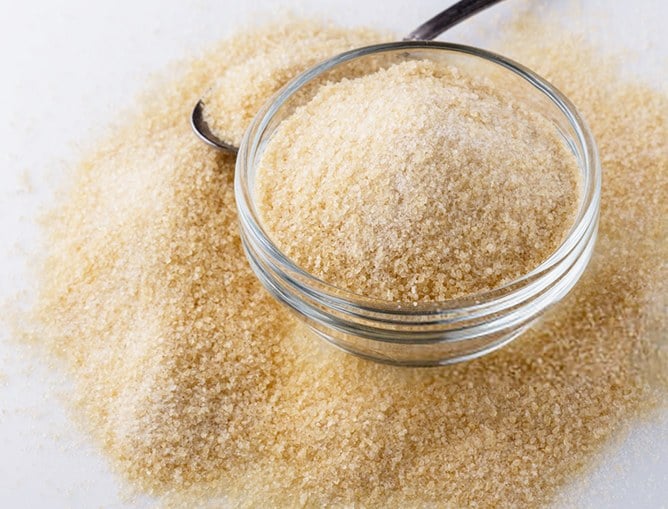
| Parameter / Dosage Attribute | Standard Capsule & Tablet Grades (ChP 2025 / USP / EP) | Specialty Hemostatic & Plasma-Substitute Grades (ChP 2020 Vol II) | Analytical Test Method & Condition |
|---|---|---|---|
| Gel Strength (Bloom Value) | 150–180 Bloom g (Standard Softgel); 195–205 Bloom g (Low-Visc Softgel) / 200–250 Bloom g (Hard Capsule) / 120–200 Bloom g (Tablet) | > 180 to 250 Bloom g (235–250 Bloom g weighted blend for plasma expanders) | 6.67% w/w gelatin solution matured at 10°C (50°F) for 17 hours, 12.7 mm (0.5 in) plunger |
| Dynamic Viscosity at 60°C (140°F) | 3.0–4.8 mPa·s (Softgel) / 4.5–5.0 mPa·s (Hard Capsule) / 2.0–3.8 mPa·s (Tablet & Microencapsulation) | 4.0–6.0 mPa·s (4.6–5.2 mPa·s grade window for succinylated gelatin and polygeline) | 6.67% w/w aqueous solution measured by capillary viscometer at 60°C (140°F) |
| Average Molecular Weight | 100,000–220,000 Da (g/mol) polydisperse alpha and beta collagen chains | 100,000–250,000 Da (g/mol) native chains (thermally degraded to 12,000–15,000 Da prior to urea crosslinking to ~30,000–35,000 Da) | Size-exclusion gel permeation chromatography (GPC / SEC) with collagen calibration standards |
| Bacterial Endotoxin Limit | Controlled per oral excipient specification | < 30 EU/g in-house release threshold (vs. ≤ 800 EU/g ChP 2020 Vol II baseline and < 50 EU/g strict tier) | 16-min chromogenic substrate quantitative assay + LAL gel-clot verification (c = 0.05 g/mL) |
| Optical Transmittance (450 nm / 620 nm) | High-clarity solution for transparent pharmaceutical gelatin capsules | 450 nm > 70% and 620 nm > 85% (> 90% at both wavelengths for infusion plasma expanders) | 6.67% w/w degassed gelatin solution in 10 mm (0.39 in) quartz cuvette via UV-Vis spectrophotometer |
| Peroxide Reaction | 0 mg/kg (no blue color development in compendial peroxidase test) | 0 mg/kg (no blue color development in ChP 2020 Vol II peroxidase assay) | Pharmacopoeia peroxidase color reaction and titanium sulfate spectrophotometric assay |
| 1% Aqueous Solution Conductivity | ≤ 1.0 mS/cm at 30°C (86°F) | ≤ 0.5 mS/cm at 30°C ± 1.0°C (86°F) via mixed-bed ion-exchange deionization | 1.0% w/w solution measured with temperature-compensated conductivity meter |
| Residue on Ignition (Total Ash) | ≤ 2.0% w/w (USP-NF / EP / GB 6783-2013) | ≤ 1.0% w/w monograph limit (~0.5% w/w routine batch release after deionization) | Muffle furnace incineration at 550°C–600°C (1,022°F–1,112°F) to constant weight |
| Loss on Drying (Moisture) | ≤ 14.0% w/w raw gelatin powder and granule loss on drying limit | ≤ 14.0% w/w (9.0%–11.5% w/w routine release window) | Gravimetric oven drying at 105°C (221°F) to constant mass |
| Heavy Metals (Total / Cr / As) | Total Heavy Metals ≤ 30 mg/kg; Chromium (Cr) ≤ 2.0 mg/kg (≤ 1.0 mg/kg in-house); Arsenic (As) ≤ 1.0 mg/kg (≤ 0.5 mg/kg in-house) | Total Heavy Metals ≤ 30 mg/kg (ppm); Cr ≤ 2.0 mg/kg (≤ 1.0 mg/kg in-house); As ≤ 1.0 mg/kg (≤ 0.5 mg/kg in-house); Iron (Fe) ≤ 15 mg/kg | Inductively coupled plasma mass spectrometry (ICP-MS) and atomic absorption spectroscopy |
| Microbiological Limits (TAMC / TYMC) | TAMC ≤ 1,000 CFU/g; TYMC ≤ 100 CFU/g; E. coli absent in 1 g; Salmonella absent in 10 g | TAMC ≤ 1,000 CFU/g; TYMC ≤ 100 CFU/g; E. coli absent in 1 g; Salmonella absent in 10 g | Membrane filtration and plate count per USP <61>, USP <62>, EP 2.6.12, and ChP 1105/1106 |
| Particle Size & Bulk Density | 8–15 mesh (2.36–1.18 mm) for softgel melters; 20–80 mesh (0.85–0.18 mm) for hard capsule tanks | 20–60 mesh (0.85–0.25 mm) granules or 80–100 mesh (0.18–0.15 mm) powder; density 0.45–0.75 g/cm³ | Mechanical sieve classification and bulk density cylinder measurement |
| Packaging & Minimum Order Quantity | 500 kg (1,102 lb) MOQ in 25 kg (55.1 lb) multi-wall Kraft paper bags with food/pharma PE inner liner | 25 kg (55.1 lb) MOQ in double medical-grade PE inner bags sealed inside 25 kg Kraft drums or bags | Heat-sealed moisture-barrier liner with batch barcode, COA, and Veterinary Health Certificate |
Understanding the importance of gelatin in pharmaceutical industry operations requires looking beyond basic gel strength. Across oral and parenteral pharmaceutical applications, gelatin is used as a thermo-reversible shell polymer, oxygen-barrier matrix, and resorbable surgical scaffold. Because capsules are made by cooling liquid gelatin films on stainless steel pins or rotary drums, consistent setting point (26°C–31°C / 78.8°F–87.8°F) and melting point (28°C–39°C / 82.4°F–102.2°F) directly govern cycle speed on automated encapsulation lines.
Bovine Bone, Bovine Hide, and Fish Pharmaceutical Gelatin Grades
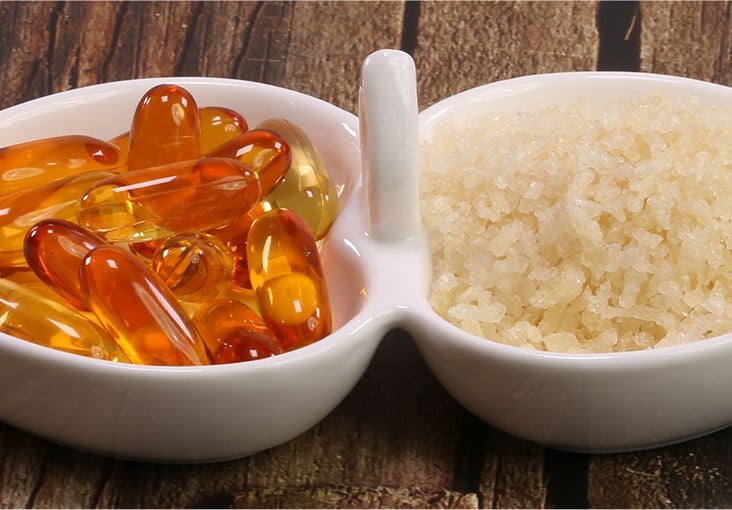
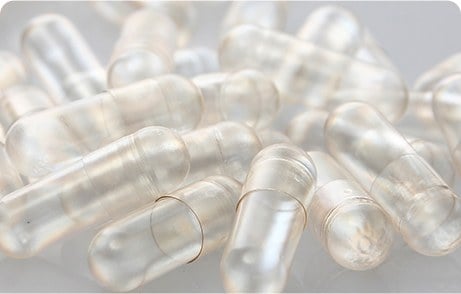
When comparing types of gelatin in pharmacy, raw collagen origin and alkaline liming versus acid extraction dictate the isoelectric point (pI), chain rigidity, and cross-linking resistance of every pharmaceutical gelatin product. Type B alkaline-processed bovine bone and bovine hide gelatins exhibit an isoelectric point of pH 4.7–5.4, whereas Type A acid-processed fish skin and porcine skin gelatins exhibit an isoelectric point of pH 7.0–9.0. [7] Unlike single-spec commodity blends, mixing Type A and Type B gelatins in the same melting tank when solution pH lies between their respective isoelectric points (such as pH 5.5–6.5) promotes electrostatic coacervation and cloudy capsule ribbons rather than a homogeneous solution.
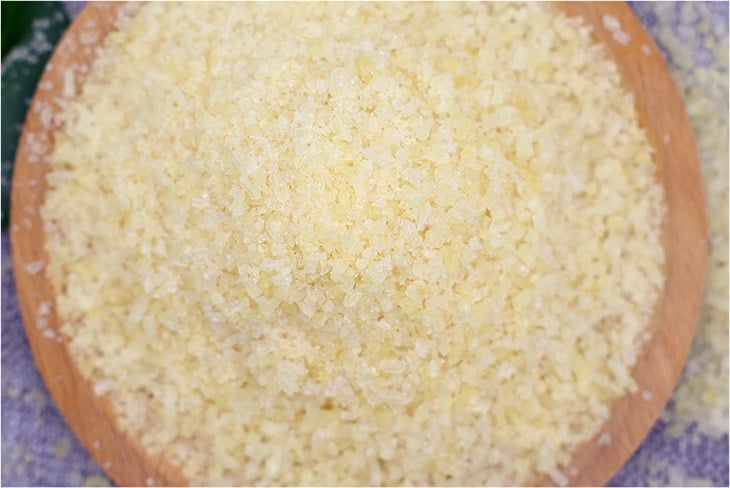
| Grade Code | Collagen Source & Process | Bloom Gel Strength | 60°C Viscosity (6.67%) | Isoelectric Point & pH | Primary Pharmaceutical Application |
|---|---|---|---|---|---|
| YS-PH-BB250 | Bovine Bone Type B (Alkaline Liming) | 240–250 Bloom g | 4.7–5.0 mPa·s | pI 4.7–5.2 | pH 5.5–6.5 | High-speed hard gelatin capsules (Size 000 to Size 4) requiring firm pin setting and low brittle defect rates |
| YS-PH-BB220 | Bovine Bone Type B (Alkaline Liming) | 200–220 Bloom g | 4.5–4.8 mPa·s | pI 4.7–5.2 | pH 5.5–6.5 | Standard hard capsule manufacturing and cost-optimized bone/hide blended hard capsule shells |
| YS-PH-BH240 | Bovine Hide Split Type B (Alkaline) | 230–250 Bloom g | 4.5–5.0 mPa·s | pI 4.8–5.3 | pH 5.5–6.5 | Elastic hard gelatin capsule shells for hygroscopic active pharmaceutical ingredients and dry powder inhalers |
| YS-PH-BH180S | Bovine Hide Split Type B (8–15 Mesh) | 170–180 Bloom g | 3.8–4.8 mPa·s | pI 4.8–5.3 | pH 5.3–6.5 | Rotary-die soft gelatin capsules (softgels) for oil-based vitamins, omega-3 esters, and lipophilic drugs |
| YS-PH-BH160S | Bovine Hide Split Type B (8–15 Mesh) | 150–165 Bloom g | 3.5–4.2 mPa·s | pI 4.8–5.3 | pH 5.3–6.5 | Standard soft capsules, chewable softgels, and polyethylene glycol (PEG) hydrophilic fill softgel ribbons |
| YS-PH-BH200S | Bovine Hide Split Type B (Low-Visc) | 195–205 Bloom g | 3.0–3.4 mPa·s | pI 4.8–5.3 | pH 5.5–6.5 | Thin-wall fast-rupture softgel capsules requiring high tensile film strength without ribbon stringing |
| YS-PH-BB180E | Bovine Bone Type B (Enteric Grade) | 175–190 Bloom g | 3.8–4.5 mPa·s | pI 4.7–5.1 | pH 5.5–6.2 | Enteric-coated soft capsules and acid-resistant delayed-release oral dosage formulations |
| YS-PH-BH160P | Bovine Hide Type B (8–15 Mesh) | 155–165 Bloom g | 3.2–4.0 mPa·s | pI 4.8–5.3 | pH 5.5–6.5 | Transdermal medicated plaster hydrogel matrices and cooling cataplasm poultice backings |
| YS-PH-TB150 | Bovine Hide / Bone Type B (40–80 Mesh) | 120–160 Bloom g | 2.2–3.2 mPa·s | pI 4.8–5.4 | pH 5.2–6.5 | Gelatin used in tablet formulation as a wet-granulation binder and direct compression coating excipient |
| YS-PH-TB200M | Bovine Bone Type B (60–100 Mesh Powder) | 180–200 Bloom g | 3.0–3.8 mPa·s | pI 4.7–5.2 | pH 5.5–6.5 | Pharmaceutical gelatin powder for spray-congealing microencapsulation of Vitamin A, D3, and E beadlets |
| YS-PH-FS220 | Cold-Water Fish Skin Type A (Acid) | 200–240 Bloom g | 3.5–4.5 mPa·s | pI 7.0–8.5 | pH 4.5–6.0 | Sub-lingual fast-dissolving oral lyophilizates (Zydis-type wafers) and Pesach Kosher / Halal capsule lines |
| YS-PH-HS200 | Fresh Bovine Bone Type B (ChP Vol II) | 190–220 Bloom g | 4.2–5.4 mPa·s | pI 4.7–5.1 | pH 5.5–6.5 | Absorbable surgical gelatin hemostatic sponge and topical hemostatic powder (< 30 EU/g endotoxin) |
| YS-PH-PS245 | Fresh Bovine Bone 1st–2nd Extract | 235–250 Bloom g | 4.6–5.2 mPa·s | pI 4.7–5.0 | pH 5.5–6.5 | Succinylated gelatin (Gelofusine-type) and urea-crosslinked polygeline (Haemaccel-type) plasma expanders |
| YS-PH-TE220 | Ultra-Pure Deionized Bovine Bone Type B | 210–240 Bloom g | 4.4–5.2 mPa·s | pI 4.8–5.2 | pH 5.6–6.4 | Tissue engineering scaffolds, methacrylated gelatin (GelMA) synthesis, and 3D bioprinting hydrogels |
| YS-PH-SUP140 | Bovine Hide Type B (20–40 Mesh) | 130–150 Bloom g | 2.5–3.5 mPa·s | pI 4.8–5.3 | pH 5.4–6.4 | Glycerinated gelatin vaginal and rectal suppository bases per USP-NF compounded preparation monographs |
For specialty ChP 2020 Volume II biomedical applications and gelatin used in medicine, the extraction plant exclusively processes fresh bovine bone with skull and spinal column bones removed at source. We collect only the first, second, and third thermal extraction fractions (1st–3rd Liquor) to preserve high-molecular-weight alpha-chain fraction integrity while keeping ash content around 0.5% and conductivity at or below 0.5 mS/cm.
Functional Modifications, Deionization, and Anti-Crosslinking Processing
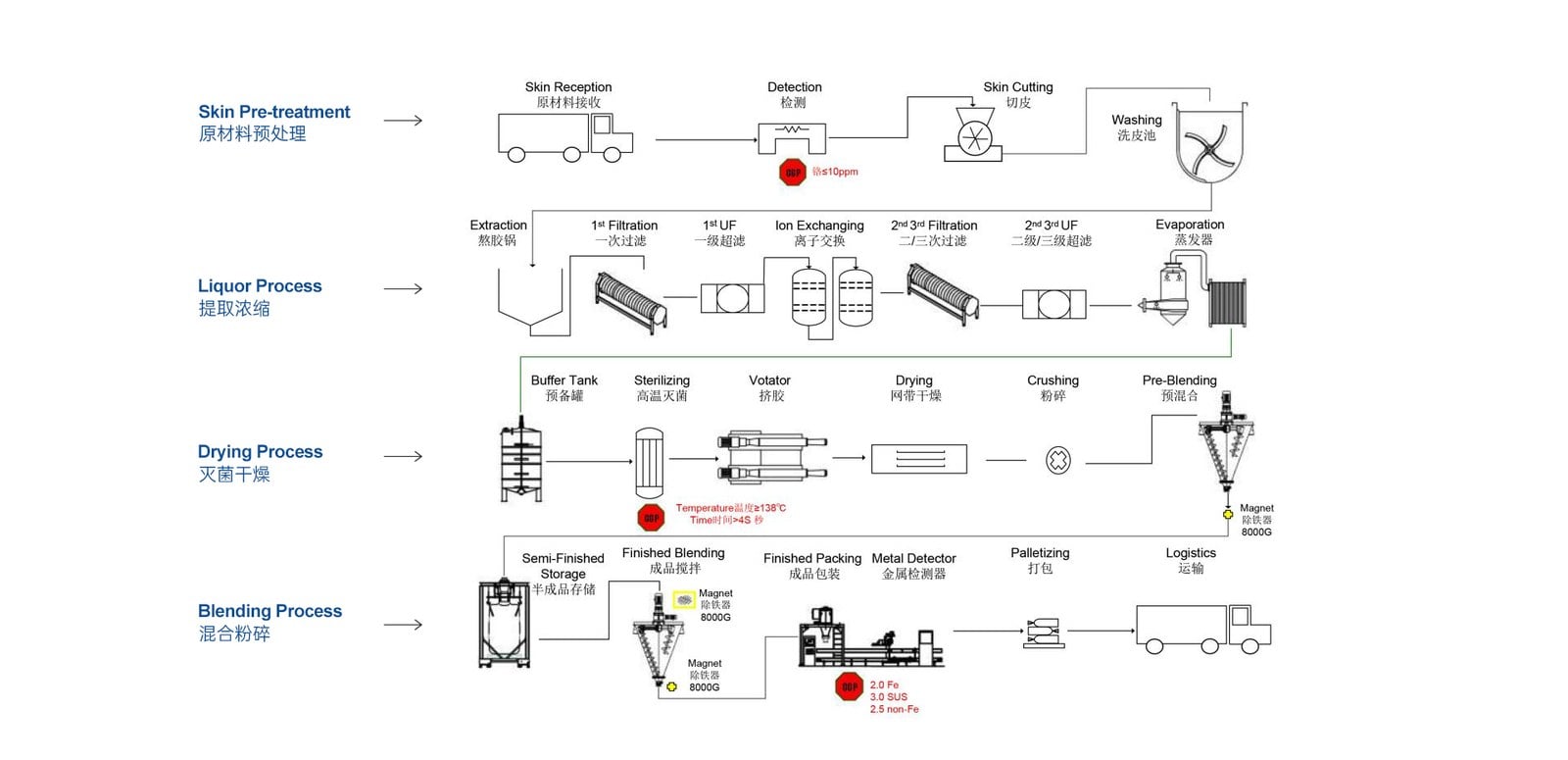
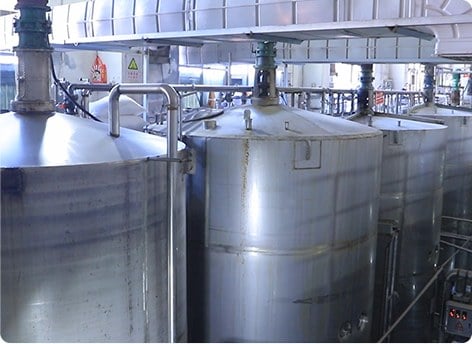
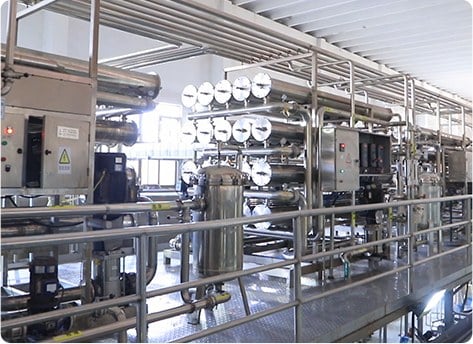
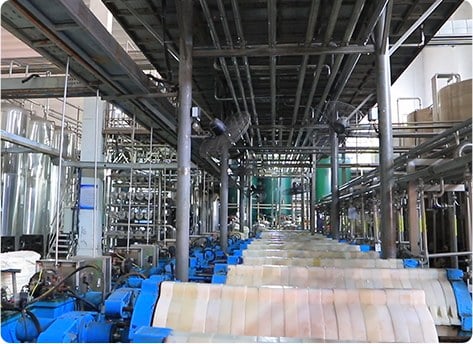
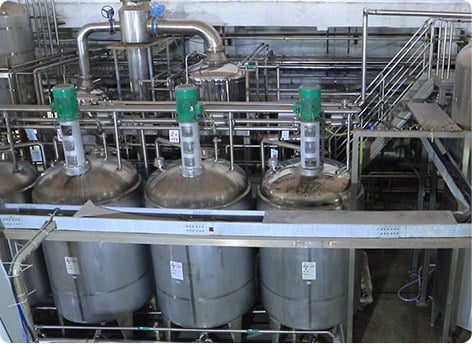
Commodity extraction leaves trace aldehydes, divalent calcium ions, and lipopolysaccharide pyrogens that trigger batch rejection in gelatin in pharmaceutical formulations. For production of Pharmaceuticals and Regulated Medical Devices, 12 downstream purification and functional modifications are carried out.
Pharmacopoeia Compliance Envelope and Process Control Limits
USP-NF, EP 11.0, ChP 2025 Volume IV, ChP 2020 Volume II, and JP state pharmacopoeial specifications for pharmaceutical gelatin, while GB 6783-2013 states food additive gelatin specifications. In-house batch release tolerances further narrow the specified limits to minimize batch-to-batch viscosity drift on your production floor. [1]
Single-Mention Engineering Operating Limits, Trade-Offs & When Not to Use
- Holding softgel gelatin melt tanks above 60C for extended shifts hydrolyzes peptide chains and causes rotary-die seam leakage; transfer melted mass to 55°C–58°C (131°F–136.4°F) holding vessels after vacuum deaeration.
- Even with a 0 mg/kg peroxide test result for gelatin, fill formulations containing reactive aldehydes, furfural, or oxidized PEG-400 may promote cross-linking, so unmodified gelatin is not recommended for direct encapsulation without evaluating the formulation; when capsules fail Stage-1 aqueous dissolution and cross-linking is confirmed as the cause, compendial two-tier dissolution protocols provide for Stage-2 enzyme testing with pepsin or pancreatin under the applicable monograph pH and activity conditions.
- Hard gelatin capsules need an equilibrium shell moisture envelope of 13.0–16.0% w/w (different from the ≤ 14.0% raw powder loss on drying limit); as an engineering trade-off compared to HPMC vegetable shells, among the benefits of gelatin for pharmaceutical softgels is oxygen barrier protection for oxidation-sensitive oils, while hygroscopic fills that strip shell moisture below 11.0% can cause embrittlement.
- LAL gel-clot endotoxin assay on concentrated gelatin solutions produces false-positive gelation artifacts unless pre-heated and diluted within MVD; at c = 0.05 g/mL and L = 30 EU/g, MVD = (c × L) / λ is 12x at λ = 0.125 EU/mL and 24x at λ = 0.0625 EU/mL, so an arbitrary 1:20 dilution is not a substitute for MVD calculation and does not establish compliance below 30 EU/g at λ = 0.125 EU/mL.
- Type B bovine bone/hide gelatin (pI 4.7–5.4) and Type A acid-processed fish/porcine gelatin (pI 7.0–9.0) are not substitutable and have opposing net charges when solution pH lies between their actual isoelectric points; a nominal Bloom value by itself will not automatically prevent turbidity or phase separation when Type A and Type B are blended within that region.
| Quality Attribute | USP-NF / EP 11.0 Monograph | ChP 2025 (Excipient) / ChP 2020 Vol II (API) | Yasin Internal Release Limit |
|---|---|---|---|
| Bloom Gel Strength Deviation | 80–300 Bloom g (±15% of nominal label claim) | ChP 2025 per label; ChP 2020 Vol II > 180 Bloom g | ±10 Bloom g within contracted specification window |
| 60°C Dynamic Viscosity (6.67%) | Reported per grade label claim | ChP 2020 Vol II: 4.0–6.0 mPa·s | ±0.25 mPa·s around agreed setpoint within the contracted grade window (e.g., 4.6–5.2 mPa·s for plasma-substitute grade) |
| Bacterial Endotoxins | Parenteral / implantable grade per specific drug monograph | ChP 2020 Vol II baseline ≤ 800 EU/g (strict tier < 50 EU/g) | < 30 EU/g verified by chromogenic assay + LAL gel-clot release |
| Peroxides | EP ≤ 10 ppm | ChP 2020 Vol II: 0 mg/kg (no blue color development) | 0 mg/kg (no blue color development across capsule and medical lots) |
| Sulfur Dioxide (SO2) | USP / EP ≤ 50 ppm | ChP 2025 ≤ 50 mg/kg; ChP 2020 Vol II ≤ 30 mg/kg | ≤ 10 mg/kg (ppm) for capsule grades; ≤ 10 mg/kg for ChP Vol II |
| Conductivity (1% Solution, 30°C) | ≤ 1.0 mS/cm | ChP 2020 Vol II ≤ 0.5 mS/cm | ≤ 0.5 mS/cm for all hemostatic and plasma-substitute lots |
| Iron (Fe) / Chromium (Cr) / Arsenic (As) | Fe ≤ 30 ppm; Cr ≤ 10 ppm; As ≤ 1 ppm | Heavy metals ≤ 30 mg/kg; Cr ≤ 2.0 mg/kg; As ≤ 1.0 mg/kg | Fe ≤ 15 mg/kg; Cr ≤ 1.0 mg/kg; As ≤ 0.5 mg/kg |
Formulation Engineering Guide for Capsule Shells, Softgels, and Parenteral Matrices
In order to avoid formulation rework between laboratory bench trials and commercial encapsulation lines, the technical team uses the 4-Factor Yasin Pharmaceutical Gelatin Selection Framework for all customer requests.
Factor 1: Dosage Rheology & Pin/Ribbon Pickup
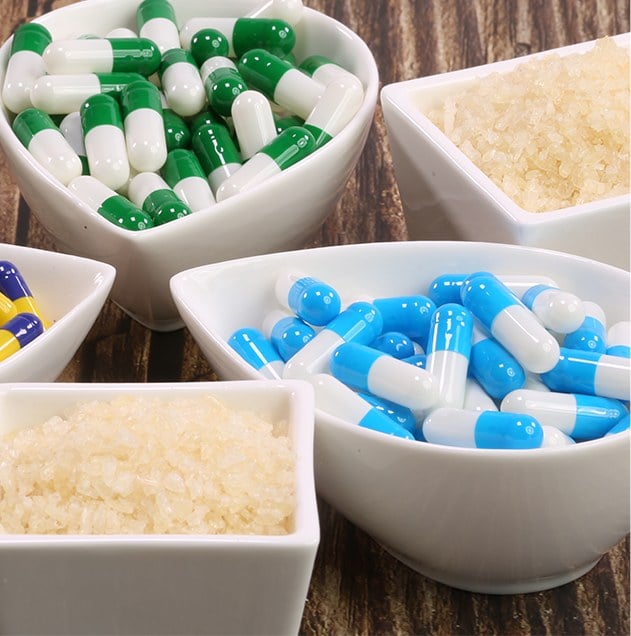
Pin-dipping hard capsule shell lines suffer thin top domes (“thin shoulders”) or uneven wall thickness when viscosity drops during a 24-hour shift. Excess low-molecular-weight sub-alpha fragments (< 60,000 Da) lower 60°C viscosity below 4.4 mPa·s even when 10°C Bloom reads 240 g.
- We control the 1st, 2nd extraction fraction ratio so 60°C dynamic viscosity holds 4.5–5.0 mPa·s with high thermal stability, supporting our 8.5 billion annual empty capsule shell capacity and our Thailand capsule shell customer case.
Factor 2: Softgel Ribbon Elasticity & Seam Integrity
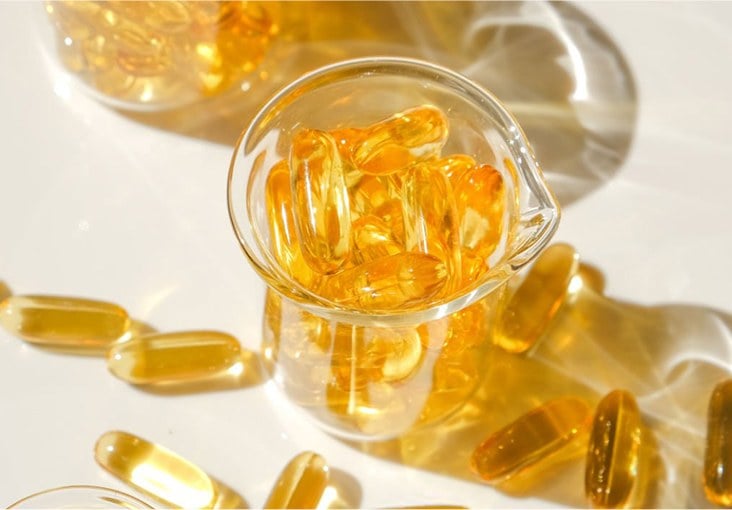
Softgel capsules split along the rotary-die seam during tumble drying or leak oily active pharmaceutical ingredients after 3 months in tropical Zone IVb storage. Broad mesh distribution (> 30 mesh fines mixed with coarse granules) causes uneven hydration in the melter, while trace peroxides contribute to pellicle crosslinking.
- We supply 150–180 Bloom (3.5–4.8 mPa·s) or 200 Bloom (3.0–3.4 mPa·s) 8–15 mesh bovine hide gelatin with 0 mg/kg peroxide test reaction, backed by 7 consecutive years of commercial supply (2019–2026) to our Dominican Republic softgel customer.
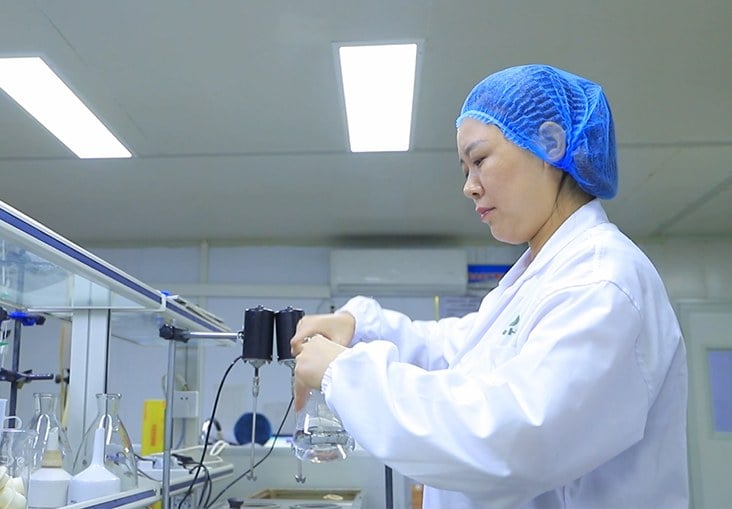
Factor 3: Dual-Method Endotoxin Verification (MVD Protocol)
Implantable hemostatic sponges and plasma expanders fail incoming QC when third-party labs encounter LAL gel-clot false positives or false negatives. [4] High-Bloom collagen chains may re-form triple-helix networks when cooled below 35°C and may chelate divalent cations during the 37°C LAL assay, affecting clot observation at low dilutions.
- In the CNAS-accredited laboratory, analysts weigh 0.15 g gelatin into 3 mL LAL water (stock concentration c = 0.05 g/mL), swell 30 min, dissolve 10 min at 85°C–90°C, and vortex 3 min to run a 16-minute chromogenic substrate quantitative assay plus LAL gel-clot verification at MVD = 12x (λ = 0.125 EU/mL) or 24x (λ = 0.0625 EU/mL) for L = 30 EU/g.
Factor 4: Religious, TSE/BSE, and Export Customs Alignment
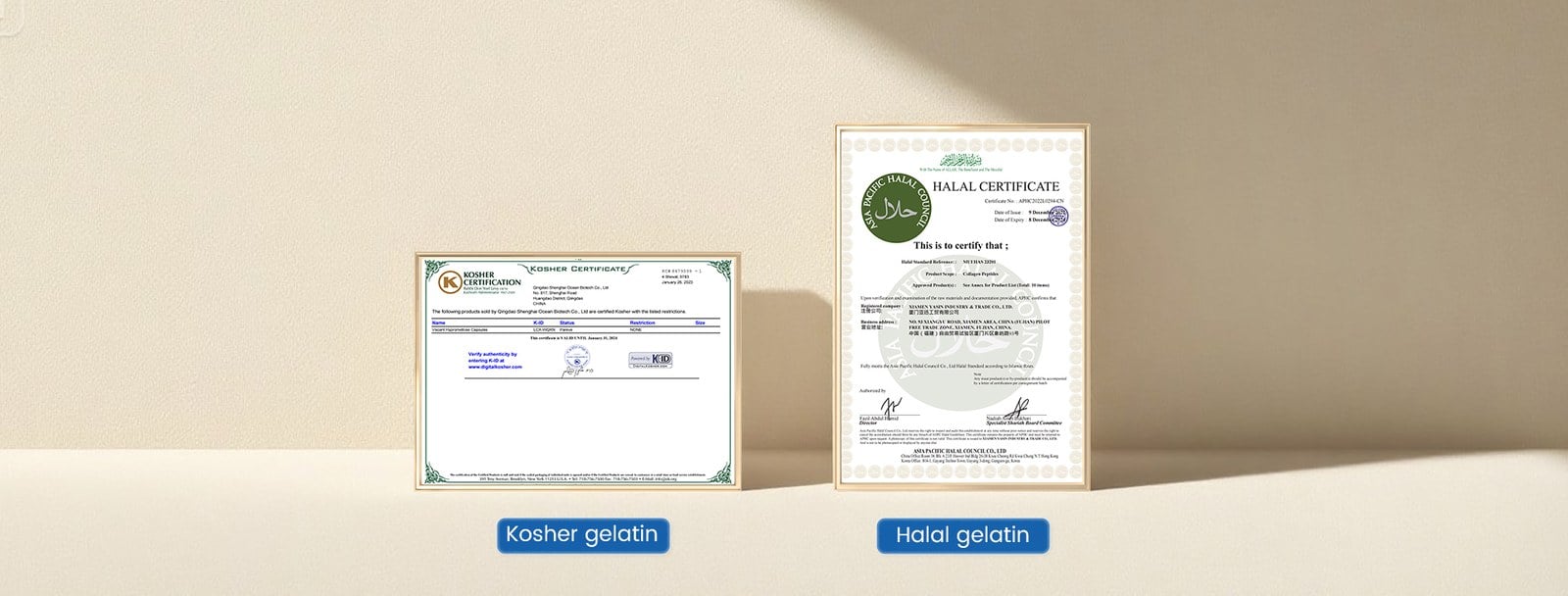
Export shipments of bovine pharmaceutical gelatin stall at destination customs when suppliers fail to provide matched batch Veterinary Health Certificates, EDQM TSE CEPs, and Halal/Kosher documentation. Incomplete export dossiers delay port clearance for pharmaceutical buyers.
- Every shipment is backed by our EDQM Certificate of Suitability (CEP), official Veterinary Health Certificate (VC), MUI/BPJPH & HFC Halal, Kosher, and batch COA across North America, South America, Southeast Asia, South Korea, Japan, and the Middle East.
Need to calculate your exact Limulus Amebocyte Lysate Maximum Valid Dilution or compare hard capsule versus softgel rheology? Launch the Pharmaceutical Gelatin Grade Selector & LAL MVD Calculator or request a 500 g lab sample matched to your target COA.
Dosage Form and Clinical Application Sectors We Supply
Because pharmaceutical gelatin is widely used (biocompatible collagen-derived polymer) as a compendial excipient, its application span includes oral solid dosage, blood volume expanders (parenteral), and surgical medical devices. Compared to non-gelling synthetic binders, collagen-derived grades offer a thermo-reversible sol-to-gel transition for dip molding and ribbon casting. [8]
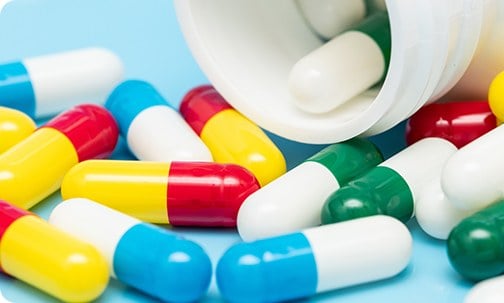
Hard Gelatin Capsules (Two-Piece Shells)
Supplied at 200–250 Bloom g and 4.5–5.0 mPa·s (20–80 mesh) in bovine bone, bovine hide, or cost-optimized custom blends per ChP 2025, USP-NF, and EP 11.0. Engineered for uniform pin-bar dip molding and reliable closure on high-speed capsule filling machines.
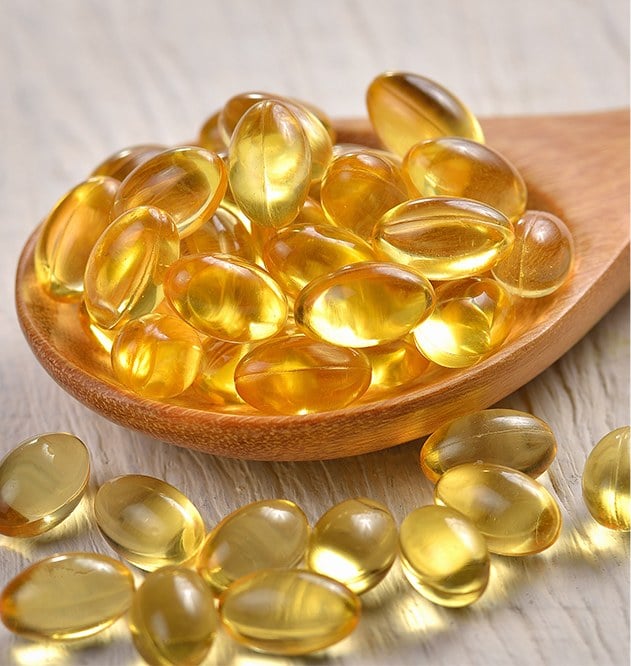
Soft Gelatin Capsules (Rotary-Die Softgels)
Supplied at 150–180 Bloom g (3.5–4.8 mPa·s) and 200 Bloom g (3.0–3.4 mPa·s) in dust-free 8–15 mesh bovine hide granules per GB 6783-2013 and USP. Formulated for vacuum melting with glycerol or sorbitol, high wet-ribbon seam strength, and 0 mg/kg peroxide anti-crosslinking stability.
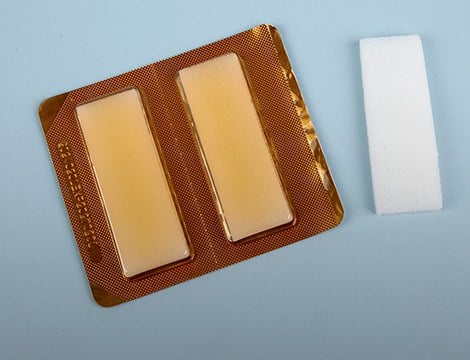
Absorbable Surgical Hemostatic Sponges & Powders
Manufactured under ChP 2020 Volume II from fresh bovine bone 1st–3rd extract (> 180 Bloom g, 4.0–6.0 mPa·s, conductivity ≤ 0.5 mS/cm, bacterial endotoxin < 30 EU/g). Porous cross-linked foam matrices absorb multi-fold volumes of whole blood and biodegrade in tissue within 4–6 weeks.
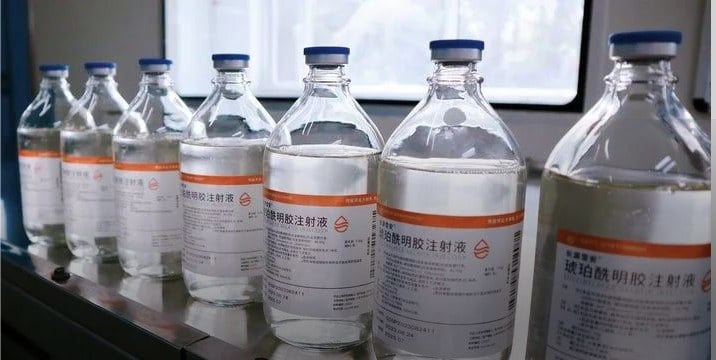
Modified Gelatin Plasma Substitutes (Infusions)
High-clarity weighted bone gelatin blends (235–250 Bloom g, 4.6–5.2 mPa·s, 450 nm & 620 nm transmittance > 90%, ash ~0.5%, endotoxin < 30 EU/g) for succinylated fluid gelatin (Gelofusine-type) and urea-crosslinked polygeline (Haemaccel-type) intravenous colloids.
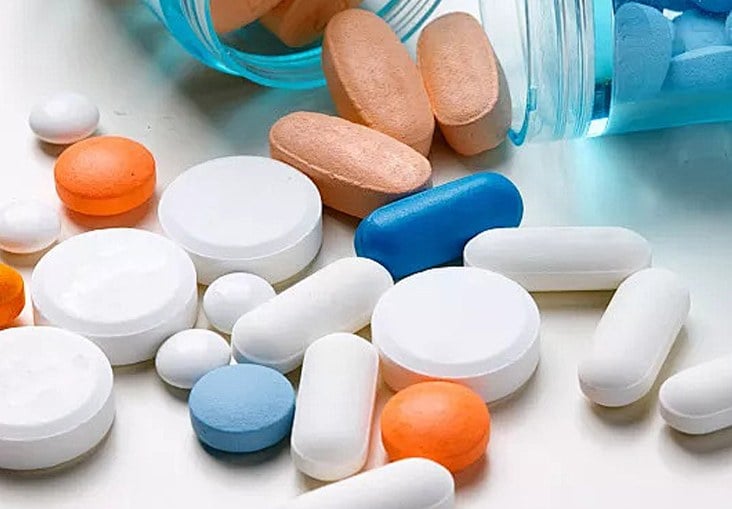
Tablet Binding, Coating & Vitamin Microencapsulation
This pharmaceutical gelatin is offered at 120 to 200 Bloom and 2.0 to 3.8 mPa·s as a 40 to 100 mesh powder. Reduces tablet capping tendency and friability in wet granulation and forms oxygen-barrier protective matrices around fat-soluble Vitamin A, D3, E, and K2 micro-beadlets. Acts as an oxygen barrier and protection for fat-soluble Vitamins (A, D3, E, and K2) when micro-encapsulated in beadlets.
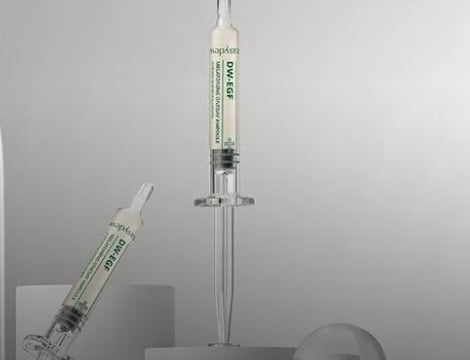
Transdermal Medicated Plasters & Tissue Engineering
Includes 160 Bloom 8–15 mesh bovine hide gelatin for analgesic hydrogel cataplasms and low-endotoxin deionized bone gelatin for biomedical applications, GelMA photo-crosslinkable bio-inks, and regenerative tissue engineering scaffolds. Request an application-matched 500 g sample.
Commercial Pricing Drivers, Minimum Order Quantities, and Delivery Schedules
Procurement managers often assume ordering directly from a 26,000-ton manufacturer requires 5-ton to 10-ton minimums, or worry about volatile distributor markups. Direct factory procurement eliminates intermediary margins and starts at a 500 kg standard MOQ (25 kg for specialty low-endotoxin grades). Standard pharmaceutical gelatin reference pricing ranges from $5–$8/kg under FOB and CIF terms, scaled by collagen origin, Bloom tier, and deionization depth.
| Commercial & Logistics Term | Standard Pharmaceutical Gelatin (Capsule / Tablet / Plaster) | Specialty Low-Endotoxin Gelatin (ChP Vol II Hemostatic / Plasma) | Operational Scope & Guarantee |
|---|---|---|---|
| Quotation Response Time | Within 24 hours on working days | Within 24 hours on working days | Includes matched grade COA, specification sheet, and FOB/CIF breakdown |
| Laboratory Sample Policy | 500 g free sample for standard pharmaceutical gelatin | Paid evaluation sample (custom batch allocation) | Dispatched in 3–7 working days via DHL/FedEx with batch COA |
| Minimum Order Quantity (MOQ) | 500 kg (20 × 25 kg Kraft paper bags) | 25 kg (1 × 25 kg double-PE sealed package) | Supports R&D clinical pilot scaling without excess inventory lockup |
| Small-Batch / Trial Lead Time | 10–15 days after order confirmation | 10–15 days after order confirmation | Includes full in-house CNAS laboratory release testing |
| Commercial Production Lead Time | 20 days after order confirmation | 20 days after order confirmation | Split-batch rolling delivery available to relieve temperature-controlled warehouse pressure |
| FOB / CIF Reference Price Range | $5–$8/kg (FOB and CIF available) | Quoted per endotoxin (< 30 EU/g) and transmittance (> 90%) tier | Custom bone/hide blending achieved > 30% cost reduction in our Thailand capsule case |
| Accepted Payment Terms | T/T and L/C (O/A available for qualified VIP accounts) | T/T and L/C (O/A available for qualified VIP accounts) | Direct export billing from Xiamen Yaxun Industry & Trade Co., Ltd. |
Gold-Tier Total Cost of Ownership (TCO) Breakdown: Custom Hard Capsule Formulation
Our documented Thailand hard capsule shell customer case achieved more than 30% cost reduction by adopting our 200 Bloom bovine bone gelatin and custom formulation ratio, while our standard pharmaceutical gelatin reference price range is $5–$8/kg under FOB and CIF terms. Run your own annual tonnage and price comparison in the Annual Batch Cost & Custom Blend Savings Estimator or request a custom FOB/CIF quote.
CNAS-Accredited Laboratory Testing and Global Pharmacopoeia Certifications
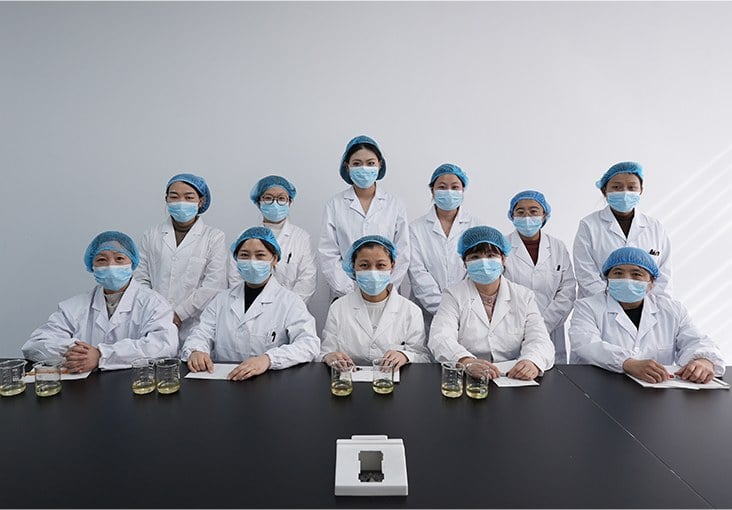
Every production lot is tested in our CNAS-accredited factory laboratory prior to release rather than relying on external spot-checks. Critical safety metrics, Bloom gel strength, 6.67% dynamic viscosity at 60°C, dual-wavelength transmittance (450 nm and 620 nm), 1% solution conductivity, heavy metals (Cr, As, Hg, Pb), sulfur dioxide, peroxide (0 mg/kg), microbial limits, and dual-method bacterial endotoxins, are verified on every batch.
“Standard Limulus Amebocyte Lysate gel-clot tests fail on concentrated gelatin solutions because collagen chains re-form triple-helix networks below 35°C and chelate divalent cations. By pairing a 16-minute chromogenic substrate quantitative assay with a 0.05 g/mL stock dilution protocol (dissolved at 85°C–90°C for 10 minutes and verified by LAL gel-clot within MVD = 12x at λ = 0.125 EU/mL or MVD = 24x at λ = 0.0625 EU/mL), we overcome gelation interference and release ChP Volume II batches below 30 EU/g.”
Yasin Engineering Team, CNAS-Accredited Pharmaceutical Gelatin Laboratory
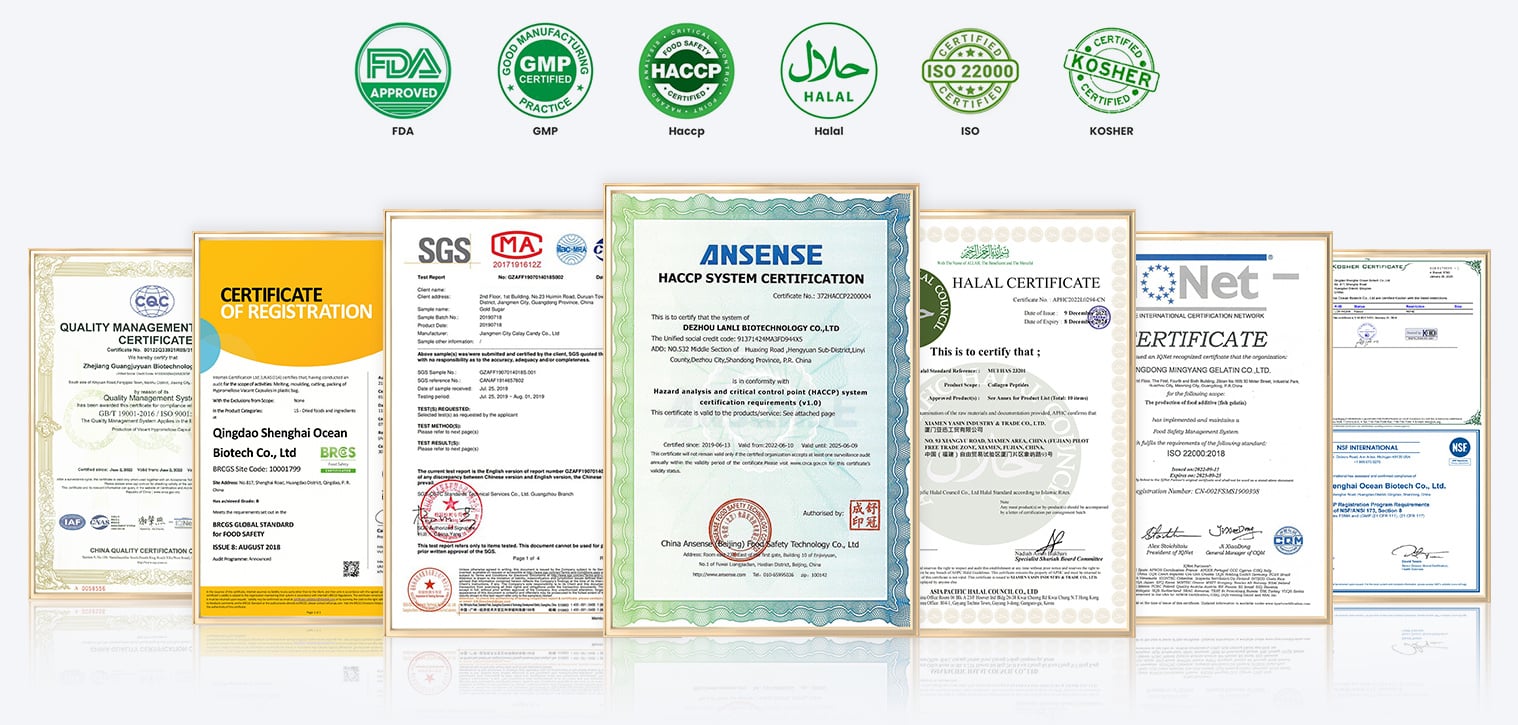
| Certification / Regulatory Credential | Issuing Authority & Scope | Verified Validity & Export Coverage |
|---|---|---|
| EDQM Certificate of Suitability (CEP) | European Directorate for the Quality of Medicines & HealthCare | TSE/BSE compliance for pharmaceutical gelatin in European Union & CEP-recognizing markets |
| GMP Compliance Certificate | Good Manufacturing Practice Inspection | Valid through 2028-08-10 for gelatin and collagen production lines |
| FSSC 22000 Food Safety Management System | Foundation FSSC 22000 Certified Management System | Valid through 2029-04-25 |
| BRCGS Global Standard | BRC Global Standards Certification | Valid through 2027-08-23 |
| ISO 9001 Quality Management System | ISO 9001:2015 Certified Manufacturing & QC | Valid through 2027-09-29 |
| U.S. FDA Registration | U.S. Food and Drug Administration Facility Registration | Active facility registration supporting U.S. export shipments |
| Halal Certifications (Multi-Agency) | BPJPH / LPPOM MUI (Indonesia), HFC Halal, and Shandong Halal | MUI/BPJPH valid through 2028-07-17; HFC valid through 2026-12-17; Shandong Halal valid through 2026-12-06 |
| Kosher Certification | Kosher Supervision Certificate | Valid through 2026-12-31 for certified production runs |
Every export shipment is accompanied by a complete customs and regulatory release dossier: Batch Certificate of Analysis (COA), official Veterinary Health Certificate (VC), Halal Certificate, Kosher Certificate, and Safety Data Sheet (SDS). You can audit your incoming batch test parameters anytime using the Pharmacopoeia COA & Low-Endotoxin Batch Compliance Checker.
Verified Pharmaceutical Customer Case Studies and Production Track Record
Backed by our 26,000-ton to 36,000-ton annual gelatin production capacity (established in September 2009 with heritage dating to 1986), we supply pharmaceutical manufacturers across North America, South America, Southeast Asia, South Korea, Japan, and the Middle East. Each deployment below addresses a specific formulation cost, customs clearance, or warehouse inventory pain point using grades compliant with ChP 2025, USP-NF, and EDQM standards.
South Korea Medicated Plaster Manufacturer (Split-Shipment Inventory Relief)
- A South Korean transdermal medicated plaster (cataplasm) manufacturer had high domestic costs for raw materials and limited temperature-controlled warehouse capacity.
- Using our 160 Bloom, 8-15 mesh, bovine hide gelatin tailored for aluminum glycinate hydrogel crosslinking, in place of the domestic Korean supply, enabled a rolling split-shipment production schedule.
- The buyer reduced the cost of raw materials compared to domestic Korean procurement and alleviated on-site climate-controlled warehouse storage (request a split-shipment supply plan).
Thailand Hard Capsule Shell Manufacturer (> 30% Cost Reduction)
- A two-piece hard gelatin capsule shell manufacturer in Thailand sought to reduce cost and maintain quality in their formulation.
- Our technical team supplied 200 Bloom bovine bone gelatin paired with a customized formulation ratio per USP-NF and ChP 2025 specifications.
- The customer achieved over 30% cost reduction with stable capsule shell quality across repeat commercial orders.
Dominican Republic Softgel Manufacturer (7-Year VC Customs Track Record)
- A capsule and nutritional softgel manufacturer in the Dominican Republic faced risks of customs detention and tropical Zone IVb seam leakage.
- We supplied 180 Bloom, 8–15 mesh bovine hide gelatin (3.8–4.8 mPa·s, 0 mg/kg peroxide) paired with pre-audited official Veterinary Health Certificates (VC), CNAS batch COA, and Halal documentation on every shipment.
- The partnership has provided 7 consecutive years of uninterrupted supply (2019-2026) with smooth port customs clearance, annual technical reviews at CPHI exhibitions, and larger contract volumes to client’s new 2026 softgel facility.

Four-Stage Qualification Workflow from Sample Matching to Commercial Delivery
Switching or qualifying a pharmaceutical excipient supplier requires strict lot traceability between the initial laboratory sample you test and subsequent commercial containers. The four-stage onboarding workflow below locks mother-lot retention samples and COA parameters to support batch-to-batch consistency compared to spot-market brokers.
- Stage 1 covers COA specification matching and quotation turnaround within 24 hours on working days: send your target Bloom, 60°C dynamic viscosity, mesh size, and monograph (USP / EP / ChP 2025 / ChP 2020 Vol II) to receive a matched batch COA and FOB/CIF quote within 24 hours on working days.
- Stage 2 executes 500 g sample dispatch in 3–7 working days: we air-ship a 500 g free sample for standard pharmaceutical gelatin grades while retaining a sealed mother-lot twin in our CNAS-accredited laboratory for parallel LAL and rheology comparison.
- Stage 3 validates a 500 kg or 25 kg trial batch in 10–15 days: once your QC laboratory approves bench dissolution, run an encapsulating machine trial at our 500 kg standard MOQ (or 25 kg specialty low-endotoxin MOQ) produced in 10–15 days.
- Stage 4 delivers commercial container production and VC dossier in 20 days: full container orders ship within 20 days in 25 kg multi-wall Kraft paper bags with moisture-barrier PE liners, accompanied by Batch COA, Veterinary Health Certificate (VC), EDQM CEP, Halal, Kosher, and SDS (start Stage 1 COA matching now).
Frequently Asked Questions on Pharmaceutical Gelatin Procurement
1. How do we mitigate pellicle crosslinking and USP <711> dissolution delay in gelatin capsules?
Pellicle crosslinking occurs when aldehydes or peroxides react with free epsilon-amino groups on lysine residues to form water-insoluble covalent bridges. [6] We minimize shell-originated crosslinking risk by controlling peroxide to 0 mg/kg (no blue color development in compendial limit testing), iron to ≤ 15 mg/kg, and sulfur dioxide to ≤ 10 mg/kg. When capsules fail Stage-1 aqueous dissolution and crosslinking is confirmed to be the cause, the compendial two-tier dissolution protocols are used to evaluate Stage-2 enzyme dissolution using pepsin or pancreatin, in accordance to the latest pharmacopoeial monograph.
2. Why does bacterial endotoxin testing on pharmaceutical gelatin require a specific MVD dilution protocol?
Concentrated aqueous gelatin solutions begin to gel when cooled below 35°C and bind divalent cations, which can interfere with the Limulus Amebocyte Lysate (LAL) clotting cascade at low dilutions. Using our 0.05 g/mL stock solution protocol (0.15 g dissolved in 3 mL LAL water at 85°C–90°C), our CNAS laboratory pairs a 16-minute chromogenic quantitative assay with LAL gel-clot verification within the calculated MVD (12x at λ = 0.125 EU/mL or 24x at λ = 0.0625 EU/mL) to certify ChP Volume II batches below 30 EU/g.
3. What is the difference between ChP 2025 excipient gelatin and ChP 2020 Volume II gelatin?
ChP 2025 Volume IV regulates pharmaceutical excipient gelatin used in oral hard capsules, softgels, and tablets. ChP 2020 Volume II regulates gelatin as an active pharmaceutical substance for absorbable surgical hemostatic sponges, hemostatic powders, and modified gelatin plasma expanders (succinylated gelatin and polygeline). The ChP 2020 Volume II grade is extracted from fresh bovine bone (1st–3rd fractions, excluding skull and spinal column) with Bloom > 180 g, 60°C viscosity 4.0–6.0 mPa·s, 1% conductivity ≤ 0.5 mS/cm, ash ≤ 1.0% (~0.5% actual), and bacterial endotoxin < 30 EU/g.
4. Should we choose bovine bone gelatin, bovine hide gelatin, or a blended ratio for hard capsules?
Bovine bone gelatin (240–250 Bloom, 4.7–5.0 mPa·s) provides high gel modulus and crisp pin setting, while bovine hide gelatin (230–250 Bloom, 4.5–5.0 mPa·s) offers superior film toughness and lower brittleness at low ambient humidity. For cost-sensitive commercial lines, adopting our 200 Bloom bovine bone gelatin and custom formulation ratio has delivered over 30% cost savings for our Thailand hard capsule shell customer.
5. Why do you recommend 8–15 mesh granules for rotary-die softgel manufacturing?
Fine powders (> 40 mesh) hydrate rapidly on the outer surface when added to glycerol-water melters, which can form unmelted lumps (“fish-eyes”) and trap air micro-bubbles. Dust-free 8–15 mesh (2.36–1.18 mm) bovine hide granules support uniform 30-minute swelling and vacuum deaeration into a smooth gel mass at 150–180 Bloom (3.5–4.8 mPa·s) or 200 Bloom (3.0–3.4 mPa·s).
6. What minimum order quantities (MOQ) and free sample weights do you offer?
Minimum order quantity is 500 kg (twenty 25 kg multi-wall Kraft paper bags) for standard pharmaceutical capsule, tablet, and plaster gelatin grades, and 25 kg for specialty low-endotoxin ChP Volume II hemostatic and plasma-substitute gelatin. We provide a 500 g free sample for standard pharmaceutical gelatin grades (specialty plasma-substitute samples are paid), dispatched within 3–7 working days.
7. What are your standard production lead times and quotation response times?
We return formal technical quotations and matched batch COAs within 24 hours on working days. Small-batch and trial orders ship within 10–15 days after order confirmation, and standard commercial container orders ship within 20 days. For long-term customers with limited climate-controlled storage, we also support scheduled split-batch deliveries.
8. What is the reference price per kilogram for pharmaceutical-grade gelatin?
Standard pharmaceutical gelatin reference price is $5–$8/kg under FOB or CIF terms, depending on collagen source (bovine hide vs. bovine bone), Bloom gel strength (150 to 250 Bloom), and order tonnage. Specialty low-endotoxin (< 30 EU/g) ChP Volume II grades are quoted within 24 hours on working days based on your exact monograph specification.
9. Is pharmaceutical grade gelatin halal, kosher, or vegetarian?
Because pharmaceutical gelatin is derived from animal collagen, vegetarian claims do not apply to gelatin in medicine vegetarian searches (plant-based capsules use HPMC or pullulan instead). However, buyers asking is pharmaceutical grade gelatin halal or kosher can source our certified bovine and fish grades under BPJPH/LPPOM MUI (valid to 2028-07-17), HFC Halal, Shandong Halal, and Kosher supervision (valid to 2026-12-31), accompanied by official Veterinary Health Certificates (VC) and EDQM CEP.
10. Can we blend Type A acid-processed gelatin with Type B alkaline-processed gelatin?
Blending Type A gelatin (isoelectric point pH 7.0–9.0) with Type B gelatin (isoelectric point pH 4.7–5.4) is not recommended when the solution pH lies between their respective isoelectric points (such as pH 5.5–6.5). Within that inter-isoelectric zone, Type A chains carry a net positive charge while Type B chains carry a net negative charge, which can induce electrostatic coacervation, cloudiness, and viscosity drop.
11. How do we prevent viscosity and Bloom loss in heated gelatin holding tanks?
Prolonged holding above 60°C (140°F) accelerates thermal hydrolysis of collagen peptide bonds. After vacuum melting and deaeration, transfer the gelatin solution to holding tanks maintained at 55°C–58°C (131°F–136.4°F) at pH 5.5–6.5, and limit liquid residence time so viscosity drift stays within your dipping tolerance.
12. What payment terms and Incoterms do you accept for international pharmaceutical orders?
We ship globally under FOB and CIF Incoterms across North America, South America, Southeast Asia, South Korea, Japan, and the Middle East. Standard payment terms are T/T and L/C, with O/A terms available for qualified long-term VIP accounts.
Request Your Pharmaceutical Gelatin Sample and Batch COA
Prevent capsule dissolution delays, LAL endotoxin interference, and customs clearance holds before your next production campaign. Share your target dosage form, Bloom gel strength (80–300 Bloom), 60°C viscosity window (2.0–6.0 mPa·s), and pharmacopoeia specification (USP-NF, EP 11.0, ChP 2025, or ChP 2020 Volume II < 30 EU/g) to receive a matched CNAS batch COA and quotation within 24 hours on working days. Standard pharmaceutical gelatin grades carry a $5–$8/kg FOB/CIF reference price and qualify for a 500 g free sample dispatched within 3–7 working days.