Get in touch with Xiamen Yasin Industry & Trade Co., Ltd.

PORCINE-FREE BOVINE & TILAPIA EXCIPIENT SUPPLY · DIRECT FACTORY TERMS
Pharmaceutical Gelatin Manufacturer: USP, EP & ChP Capsule Grades
Pharmaceutical gelatin governs capsule machine speed, seam integrity, and drug bioavailability across regulated oral and biomedical dosage forms. Rather than relying on generic catalog specs, Yasin engineers porcine-free bovine bone, bovine hide, and tilapia pharma gelatin grades benchmarked by a standardized 6.67% concentration viscosity protocol at 60 °C, backed by a 500 kg standard MOQ and a 500 g free sample.
Commercial Procurement Commitments at a Glance
Quote Turnaround
Written Quote Within 24 Hours
Sample Allowance
500 g Free Sample (Standard Grades)
Production Lead Time
15–20 Days After Sign-Off
Minimum Order Quantity
500 kg Standard / 25 kg Medical
Bulk Price & Trade Terms
$5–8 USD/kg (FOB or CIF)
Release & Customs Docs
Veterinary Health Certificate & COA
Pharmaceutical Gelatin Capabilities for Hard Capsules, Softgels & Medical Applications
Obtained by partial hydrolysis of collagen from bovine bone, bovine hide, and tilapia fish sources, our gelatin for capsules is widely used across four main manufacturing process lines. Gelatin used in medicine and pharmacy requires accurate Bloom strength and 6.67% at 60 °C solution fluidity so capsules made on high-speed lines avoid dipping voids and brittle leaks.
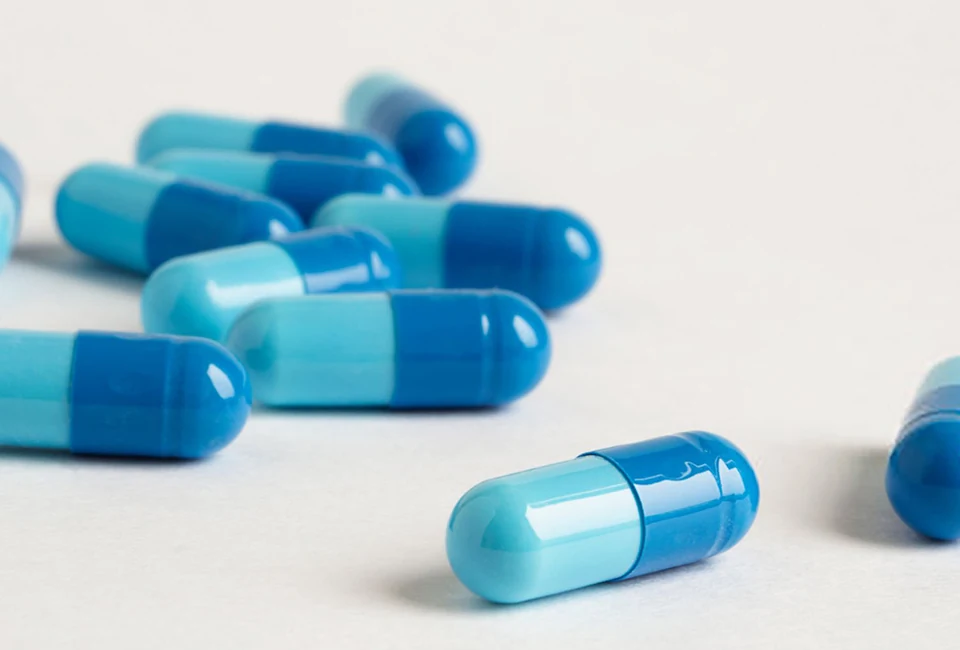
Hard Capsule Gelatin (200–250 Bloom)
Technical capsule manufacturing guidance cites 200–280 Bloom inside a 25–30% w/w dipping solution near 50 °C (hard-vs-soft gelatin dipping guide), complementing the published Advanced Healthcare Materials softgel formulation review (150–220 g Bloom, 2.8–4.5 mPa·s at 60 °C). Within that dipping corridor, Yasin formulates commercial hard capsule gelatin at 200–250 Bloom and 4.5–5.0 mPa·s (6.67% w/w @ 60 °C, ChP 2025).
- Capsule size coverage extends from #00 to #4 hard gelatin capsules designed for dry powder, granule and pellet active payloads delivered as 8-15 or 20-60 mesh granules or milled powder as determined in each batch.
- Among gelatin for hard capsules benefits, fast thermal setting maintains uniform wall shoulders across high-speed dipping bars without tailing.
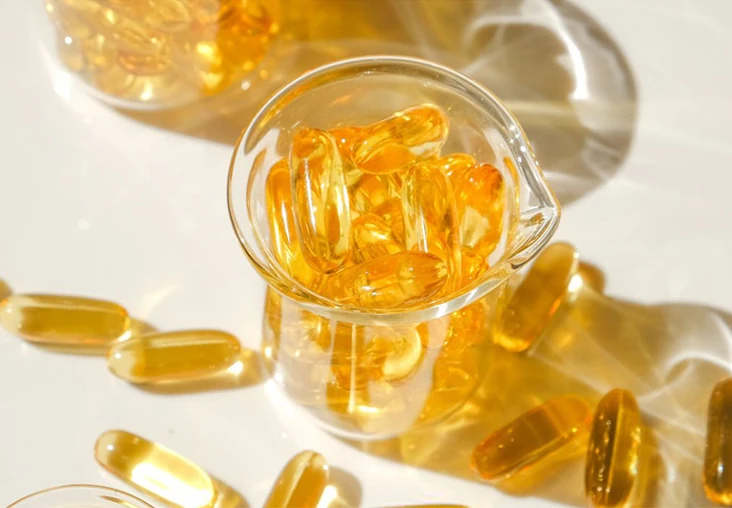
Softgel & Suspension Gelatin (150–200 Bloom)
Softgel gelatin covers rotary-die softgel gelatin capsules in two specifications: 150–180 Bloom (3.5–4.8 mPa·s) and low-viscosity 200 Bloom (3.0–3.4 mPa·s). During commercial encapsulation, primary softgel gelatin uses encapsulate oil, lipid suspension, and semi-solid liquid fills while softgel gelatin benefits extend to clean wedge seam fusion.
- Softgel gelatin combines purified bovine or fish gelatin with water and plasticizers rather than relying on brittle synthetic shells.
- Soft gelatin capsules and soft gel products available in this format break down easily with gastric media for lipophilic drug bioavailability.
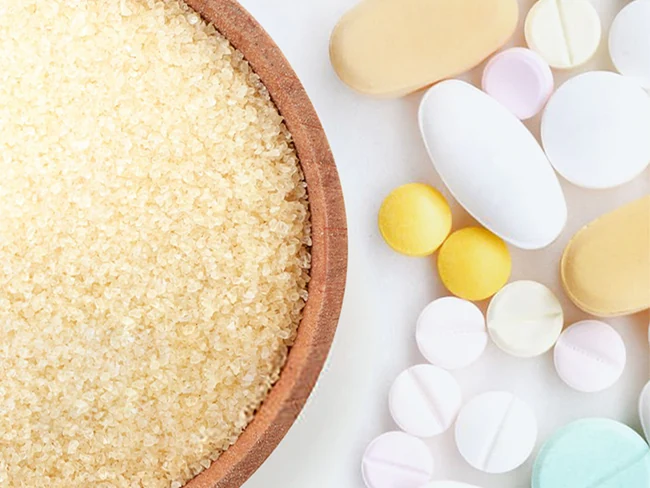
Pharmaceutical Grade Gelatin Powder & Binders
Available as refined pharmaceutical grade gelatin powder or coarse 8–15 mesh granules (120–300 Bloom, 2.0–5.0 mPa·s), gelatin in pharmaceutical formulations serves widely as a wet-granulation binder and enrobed tablet coating. Practical pharmaceutical grade gelatin uses span gelatin used in tablet formulation, hydrogel dermal patches, and protective vitamin coatings across the gelatin in pharmaceutical industry supply chain.
- Controlled ionic conductivity safeguards active ingredient blends in each tablet from moisture during aqueous granulation and tablet compression.
- Tablet coating pharmaceutical applications require odorless clarity and a clean taste so tablet coatings will quickly disintegrate.
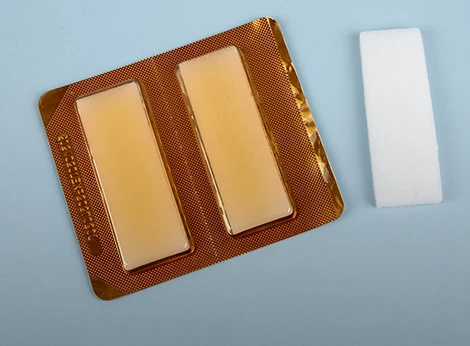
Low-Endotoxin Medical Grade (<30 EU/g)
Targeted at absorbable hemostatic sponge and plasma-substitute biomedical applications, this bovine bone grade offers >180 Bloom and 4.0–6.0 mPa·s while controlling bacterial endotoxin strictly below 30 EU/g against our internal medical reference (<50 EU/g specification benchmark). Multi-stage ion purification reduces pyrogenic lipopolysaccharides prior to drying; note that low endotoxin values support raw-material screening rather than replacing buyer finished-device biocompatibility qualification.
- Low-endotoxin medical orders require a 25 kg MOQ paid evaluation batch with custom quotation rather than a free sample.
- Yasin implements a rigorous porcine-free and non-industrial raw-material segregation on each incoming lot inspection.
Porcine-free hard gelatin capsules and rotary-die softgels rely on calibrated Bloom strength and viscosity to match automated pin-dipping and ribbon sealing speeds.
Compendial Pre-Screening Boundary (USP-NF <1059>)
Passing pharmacopoeial monograph checks is often misread as a finished-dosage guarantee, unlike functional screening framed by USP-NF General Chapter <1059> Excipient Performance. Monograph tests verify pharmacopoeial identity, strength, quality, and purity specifications without evaluating every formulation-dependent functional property, so our 8-Grade Capsule Selector narrows starting candidates before press validation using a 500 g free sample on standard grades or a 25 kg paid trial lot for <30 EU/g medical batches.
Bovine Bone, Bovine Hide & Tilapia Fish Gelatin Materials
Raw animal collagen controls isoelectric point, ribbon flexibility, and religious compliance for both oral and medical products. Yasin produces strictly porcine-free bovine bone, bovine hide, and warm-water tilapia fish gelatin, segregated completely from other raw materials unlike multi-species brokers.
Raw Material & Process |
Isoelectric Point (pI) & Extraction |
Bloom Range (g) |
Viscosity (6.67% @ 60 °C) |
Dosage Fit & Regulatory Scope |
|---|---|---|---|---|
| Bovine Bone | Type B Alkali (pI 4.6–5.2) | 150–250 g (Med >180 g) | 3.5–5.0 mPa·s capsule/binder (3.5–4.6 base; 4.5–5.0 hard cap; 4.0–6.0 medical) | Hard gelatin capsules and <30 EU/g medical sponge base; follows dedicated bovine bone customs rules |
| Bovine Hide | Type A (pI 7.0–9.0) or Type B (pI 4.6–5.2) | 120–300 g (Softgel 150–200 g) | 2.0–5.0 mPa·s | Rotary-die softgel gelatin capsules, hydrogel dermal patches, tablet binders; clear hide customs track |
| Tilapia Fish Skin & Scale | Acid or alkali pretreatment dependent (no single fixed catalog pI across marine processes) | 150–250 g | 2.1–4.8 mPa·s | Pescetarian, strict Halal/Kosher marine soft gelatin capsule lines avoiding mammalian origin |
Gelatin Capsules vs. HPMC Shells: Barrier, Moisture & Unit Cost
Hard capsule gelatin and plant-derived HPMC empty shells are not interchangeable when oxygen barrier protection and unit capsule economics govern stability. In the cited supplier comparative benchmark (capsules.com gelatin vs. HPMC analysis), published industry measurements report three practical trade-offs:
- Quoted manufacturer data HPMC shells are as much as 50× more permeable to oxygen than gelatin shells depending on formulation and moisture conditioning resulting in increased oxidation risk for sensitive lipid fills.
- Commercial size #00 HPMC hard empty shells are 25-50% more per thousand than gelatin hard shells and are approximately 136mg vs 123mg shells.
- Gelatin hard capsules are shipped from the factory with 13 - 16% shell moisture relative to 4 - 7% water for HPMC shells, and mammalian gelatin shows low published solution conductivity of less than 1 mS/cm in the aforementioned pharmaceutical review.
Grade Conditioning, Hydrolysis Control & Crosslinking Prevention
Purchasing teams often miscompare viscosity ratings across suppliers because vendors mix the 6.67% concentration at 60 °C viscosity baseline (with Bloom gel firmness separately matured at 10 °C) against higher non-standard test concentrations. Unlike generic industrial colloids, Yasin reports viscosity on uniform 6.67% w/w at 60 °C testing per batch specification rather than relying on uncalibrated catalog claims, confirming particle mesh sizing on each grade COA.
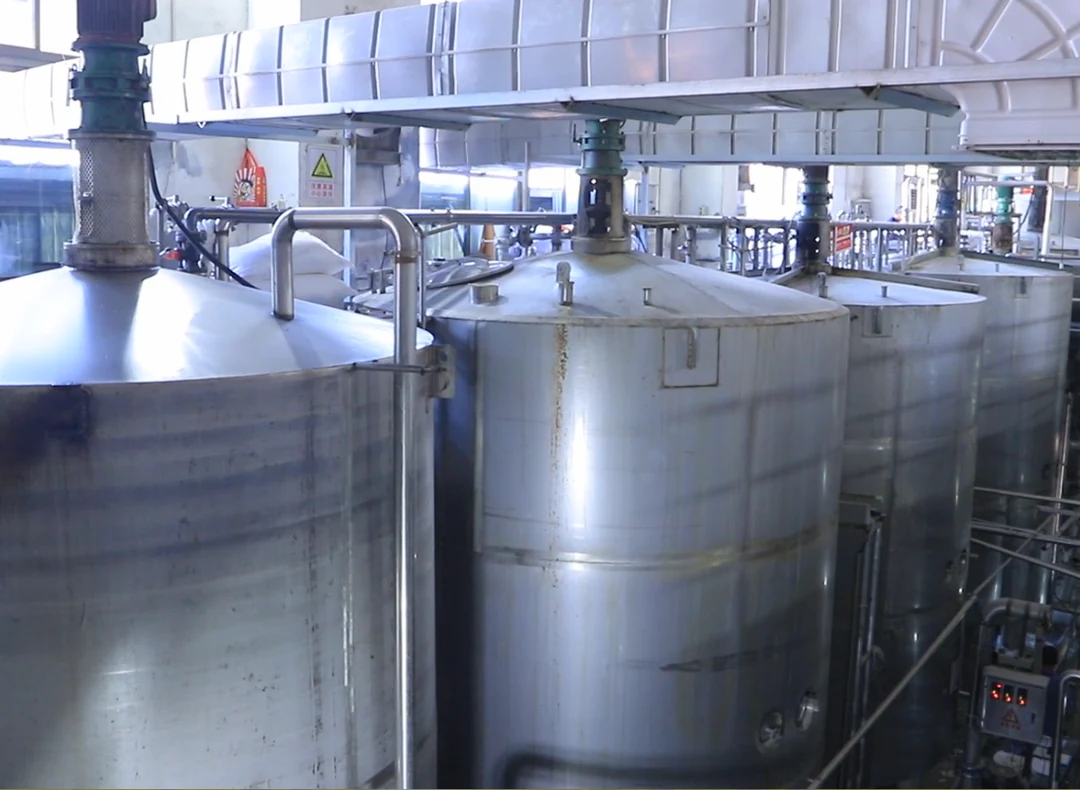
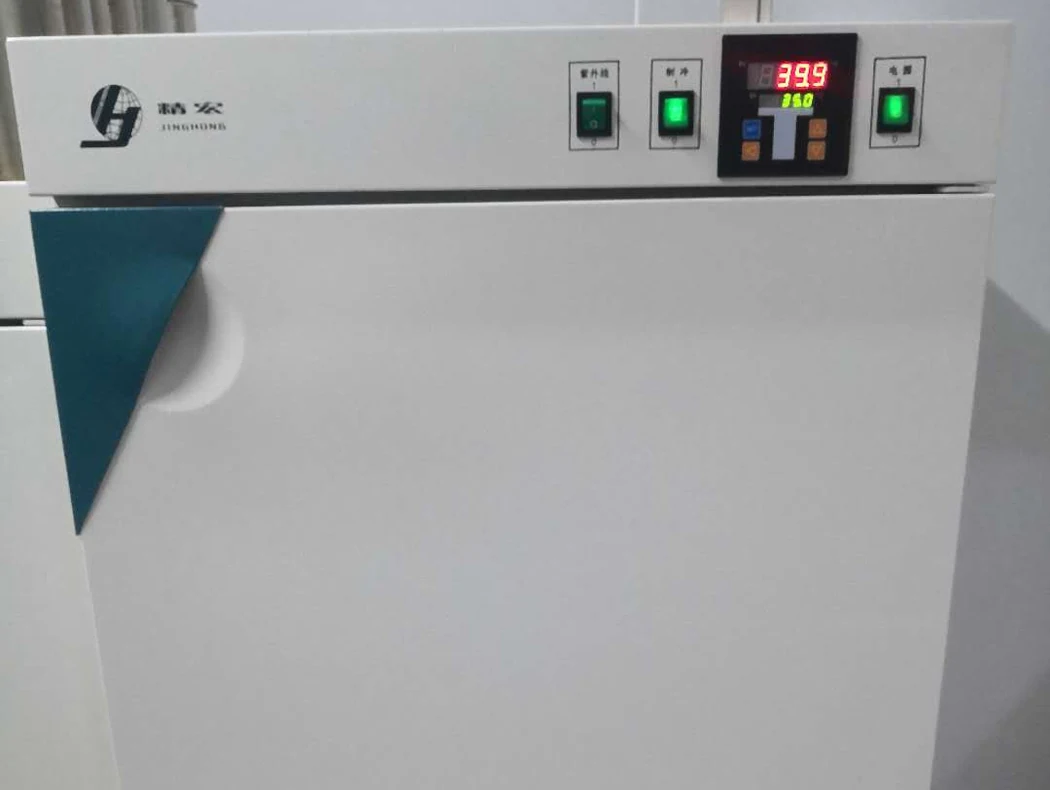
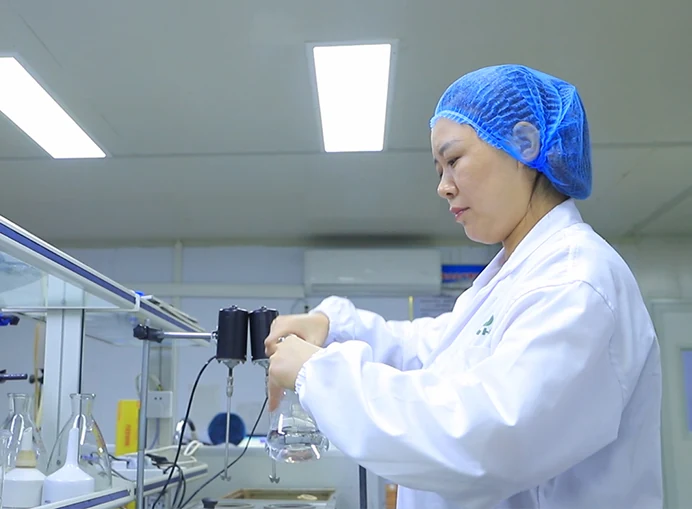
57–60 °C Softgel Melter Hydrolysis Control
Standard rotary-die wet mass blends 40–45% dry gelatin with 0.7–1.3 w/w water and 0.3–1.0 dry plasticizers such as glycerin or sorbitol. The published Advanced Healthcare Materials review notes that molten shell properties vary over time and under high temperature conditions (57-60 °C) due to depolymerization process hydrolytic degradation.
Preventing Crosslinked Pellicles & Stability Lag
Industry-reported ICH accelerated stability trials (GELITA / Heidelberg University study in Tablets & Capsules: 30 °C / 65% RH for 12 months or 40 °C / 75% RH for 6 months) revealed that softgels made with standard gelatin showed delayed fill release at 30 minutes when trace aldehydes, polyethylene glycol peroxides, reducing sugars, or trivalent metal ions bridged lysine side chains (published softgel crosslinking stability review). Running capsule-switching diagnostics isolates fill reactivity rather than falsely rejecting base gelatin lots.
USP <711> Two-Tier Enzyme Dissolution vs. In-Vivo Bioavailability
Contrary to assumptions that an enzyme-free water lag automatically disqualifies a gelatin batch, compendial Tier-2 dissolution protocols introduce digestive enzymes when crosslinking is suspected rather than as routine batch release pretreatment. Cited 2014 dissolution literature documents purified pepsin (up to 750,000 units/L in water or acidic media up to pH 4.0, where pH >4.0 requires alternative protease assessment) or pancreatin (up to 1,750 USP protease units/L at pH ≥6.8), using up to 15-minute enzyme pretreatment prior to surfactant addition (published AAPS PharmSciTech USP <711> dissolution review).
In a published human gamma-scintigraphy trial (n = 9), moderately stressed capsules failed enzyme-free water media yet passed pepsin dissolution and started to disintegrate in vivo at 10 ± 6 minutes versus 8 ± 2 minutes unstressed (published human gamma-scintigraphy trial). Because enzyme testing confirms pellicle mechanism without establishing bioequivalence for severely peroxide-damaged lots, strict fill peroxide screening remains essential.
Pharmaceutical Gelatin Bulk Pricing, MOQ & Lead Time Commitments
Per-kilogram capsule gelatin pricing, minimum order quantity, and production lead time are determined by target Bloom strength, bovine bone vs hide or fish source, endotoxin purification level, and shipping unit basis. Our promise is to adhere to the commercial terms in the table below for direct export contracts:
500 kg MOQ · $5–8 USD/kg (FOB or CIF)
Standard hard capsule, softgel, and tablet pharmaceutical grades carry a 500 kg minimum order quantity with an indicative FOB or CIF price range of $5–8 USD/kg matched to Bloom strength and particle specification.
24 Hours · 500 g Free Evaluation Sample
Written commercial quotations issue within 24 hours of specification receipt, accompanied by a 500 g free evaluation sample for standard capsule and tablet grades.
<30 EU/g · 25 kg Paid MOQ
Low-endotoxin <30 EU/g medical gelatin requires a 25 kg paid MOQ and custom quote only rather than public price sheets or free samples. Verified endotoxin control supports pre-qualification alongside dedicated lot testing.
15–20 Days · 25 kg Kraft / Jumbo Bags
Verified production lead time runs 15–20 days after specification sign-off (excluding ocean or air transit), packed in 25 kg kraft paper bags or jumbo bags and settled via T/T or L/C, with O/A terms available for qualified repeat accounts.
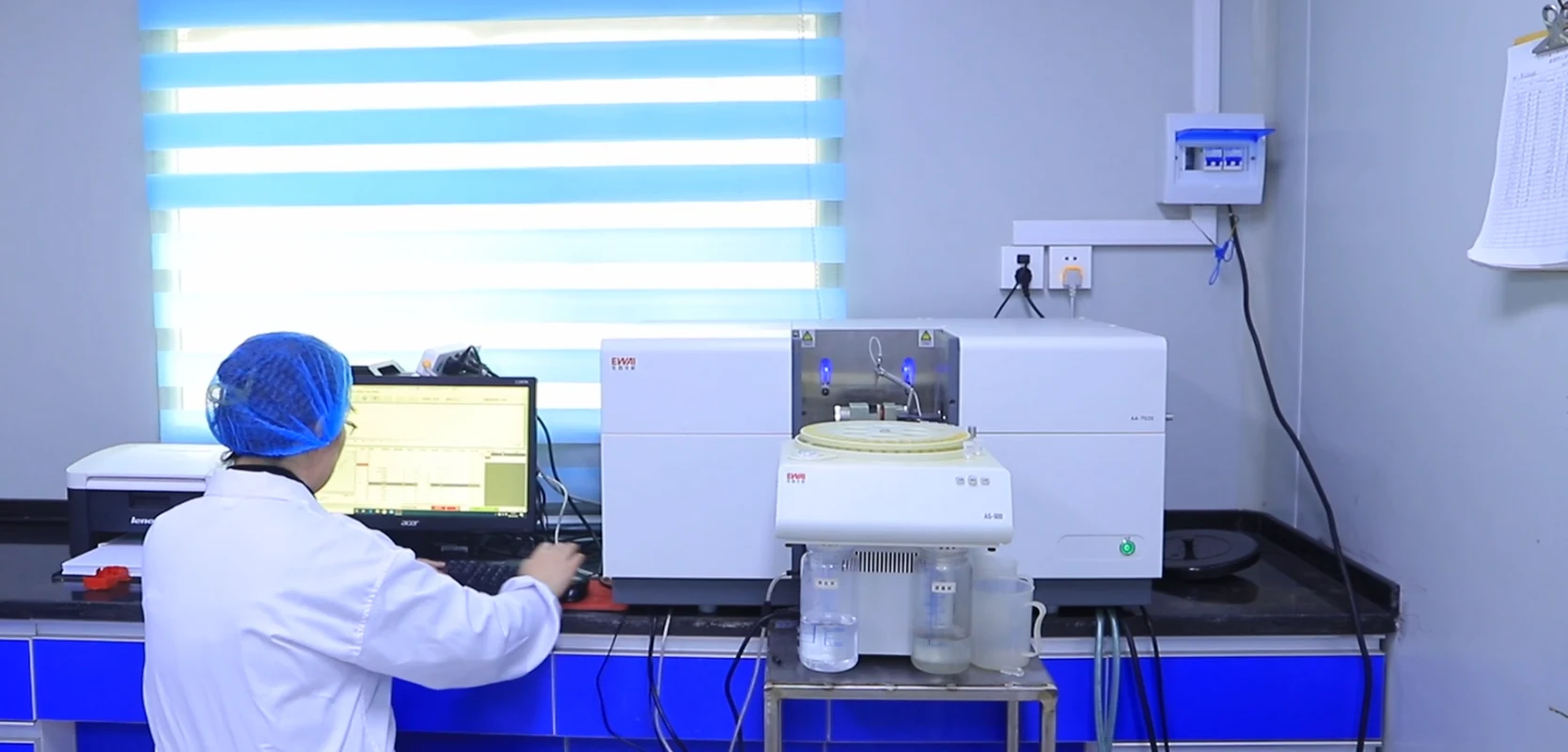
CNAS Lab Testing, Export Customs Documentation & Risk Policy
International pharma gelatin shipments stall when customs packets miss mandatory bovine bone origin declarations, and medical lot releases stall when batch COAs omit verified <30 EU/g endotoxin assay parameters. Lot-specific analytical verification prevents clearance delays. Yasin documents each container sent with destination Customs papers and each batch with lot-locked QC certificates.
Compliance Pillar |
Verification Protocol & Standard |
Buyer Protection Scope |
|---|---|---|
CNAS Lab Batch COA |
Bloom gel strength (10 °C maturation), 6.67% @ 60 °C viscosity, heavy metals, ash, SO2, loss on drying, and buyer-specified conductivity |
Lot-locked Certificate of Analysis accompanies every commercial pallet before dispatch |
LAL Bacterial Endotoxin (<30 EU/g) |
Sample dilution below Maximum Valid Dilution (pH 6.0–7.5) with two-fold parallel endpoint consistency per FDA Inspection Technical Guide #40 |
Addresses solution viscosity interference in QC testing; adsorption effects are evaluated separately during validation |
U.S. Origin Segregation (9 CFR 94.23) |
Bovine hide gelatin enters under 9 CFR 94.23(b); bovine bone follows the negligible-risk track (c) or the controlled/undetermined-risk track (d). Under (d)(2), applicable bone conditions exclude skulls of cattle of any age and vertebral columns from cattle aged ≥30 months; (d)(3)(v) specifies ≥138 °C (≥280.4 °F) sterilization for ≥4 s (or an equivalent approved process), plus salaried or endorsed veterinary certification under (e) or an APHIS import permit applied for via VS Form 16-3 under (f). |
Structured per U.S. 9 CFR § 94.23 federal import rules |
Export Clearance & Dietary Docs |
Veterinary Health Certificate, Certificate of Origin, MUI/BPJPH Halal, Kosher, and applicable ChP 2025, USP-NF, or GB6783-2013 quality sheets |
Covers North & South America, SE Asia, South Korea, Japan, and the Middle East (EP analytical testing only; Yasin makes no direct EU customs clearance guarantees) |
How We Match, Sample & Deliver Bulk Pharmaceutical Gelatin Orders
Throughout the qualification process, we perform a clear six-step qualification flow from technical pre screening to container loading and cleanroom packing for standard or medical grades:
1. Technical Brief (24 h)
Submit capsule machine model, active fill sensitivity, destination market, and animal origin constraints for our written grade match within 24 hours.
2. Sample Qualification
Evaluate a 500 g free sample of hard capsule, softgel, or tablet grade on your press, or arrange a 25 kg paid trial batch for <30 EU/g medical applications.
3. Specification Freeze
Lock in Bloom range, 6.67% @ 60 °C viscosity corridor, particle mesh sizing (8–15 or 20–60 mesh granules, or milled powder), and compendial or food-standard test items.
4. Contract & Scheduling
Confirm 500 kg commercial MOQ ($5–8 USD/kg FOB or CIF) for standard grades or custom quotation for 25 kg medical MOQ, sign off T/T or L/C terms (or O/A for qualified repeat accounts), and book line capacity.
5. Manufacture & CNAS Release
Complete standard production within 15–20 days after sign-off alongside full Batch COA physical, chemical, microbiological, and endotoxin clearance testing.
6. Clean Packing & Customs Kit
Palletize moisture-barrier 25 kg kraft paper bags or jumbo bags and dispatch Veterinary Health Certificates, Certificates of Origin, Halal, and Kosher sets.
Verified Capsule Cases, Lab Assets & Global Export Track Record
Active since 1986 with 36,000 tons of annual gelatin capacity per company records, Yasin supplies porcine-free bovine bone, bovine hide, and tilapia marine lines for food, nutritional, and pharmaceutical buyers worldwide.
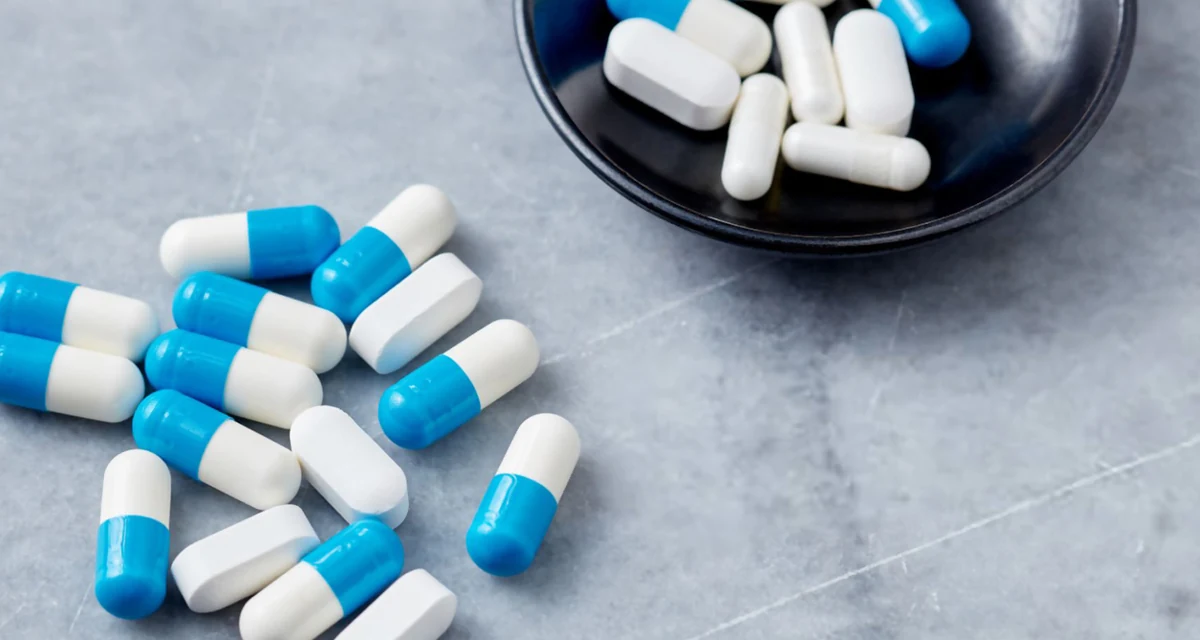
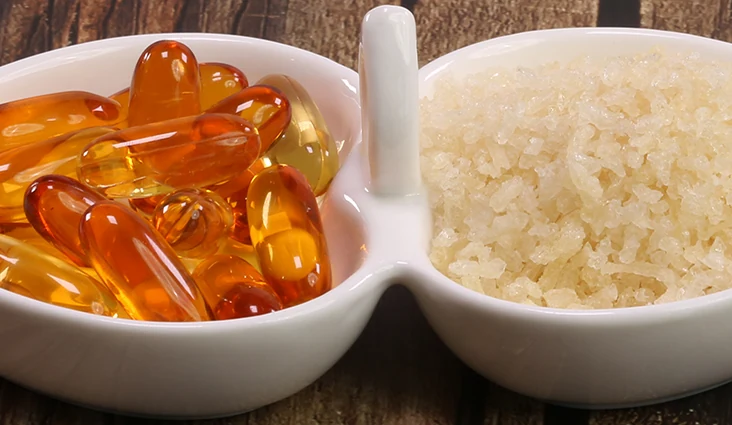
Thailand Hard Capsule Plant
A high-speed two-piece hard capsule manufacturer in Thailand switched to Yasin 200 Bloom bovine bone gelatin for hard capsules, lowering raw-material spend while maintaining steady dipping viscosity under ChP 2025 / USP checks.
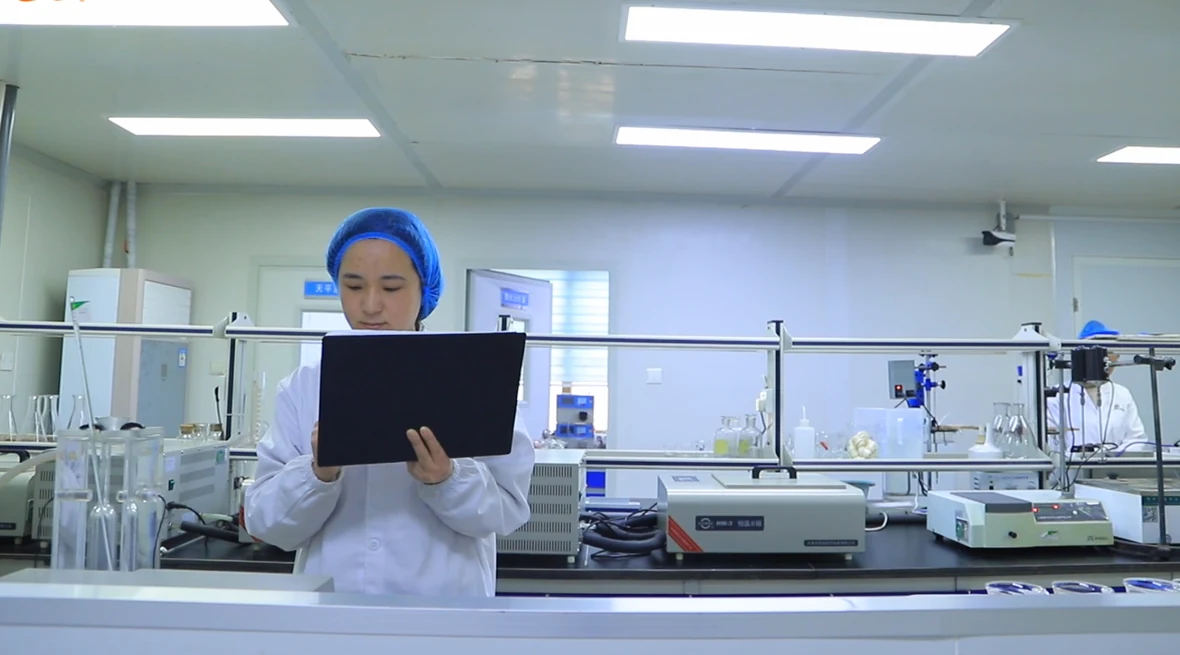
Dominican Republic Softgel Line
Maintains continuous shipments of 180 Bloom (8–15 mesh) bovine hide gelatin for soft capsules since 2019, clearing customs smoothly with Veterinary Health Certificates, Certificates of Origin, Halal, and Kosher packets.
South Korea Medicated Patch Producer
Supplies lot-consistent 160 Bloom (8-15 mesh) bovine hide hydrogel gelatin with low ash content to provide stable continuous coating of the topical patch with consistent dissolving.
We apply porcine-free strict material segregation, 6.67% at 60 °C viscosity control, and open customs scope disclosure ensuring your quality team will never be surprised by an inspection short at destination port.
Yasin
Request COA & SampleWhen Pharmaceutical Gelatin Is Not the Right Choice
Contrary to assumptions that capsule shell polymers can swap freely, animal-origin gelatin and plant polymers are not interchangeable across extreme moisture, cold-drink, or European cases. The boundary matrix below shows where standard gelatin is the wrong choice, works against your formulation, and what to specify instead.
Application Scenario
Why Standard Gelatin Works Against You
What to Specify Instead
Vegan or plant-label supplements
Bovine bone, bovine hide, and tilapia collagen cannot meet zero-animal label requirements.
Use vegetable HPMC or pullulan empty shells instead of animal-derived gelatin.
Shell moisture loss (<10% water) or cold drinks (<30 °C)
Strongly hygroscopic fills or dry rooms (<30–40% RH) can dehydrate shells below ~10% water and trigger brittleness, high humidity (>60–65% RH) softens walls, and in capsules.com disintegration testing, a gelatin capsule taken with a cold drink took three times longer to open (16.5 min vs. 5.5 min warm).
Select low-moisture HPMC capsules rather than standard gelatin for dehydrating powders or iced-beverage administration.
Unprotected aldehyde or peroxide fills
Trace formaldehyde, reducing sugars, or PEG auto-oxidation peroxides crosslink shell lysine chains over storage.
Pair gelatin with low-peroxide vehicles and glycine scavenger trials rather than shipping unscreened reactive fills.
Porcine tenders or direct EU clearance mandates
Yasin strictly excludes porcine and industrial gelatin, and Yasin provides no EU import customs clearance guarantees beyond analytical EP testing.
Source European local manufacturers for direct EU animal-origin customs clearance instead of Yasin export lots.
Pharmaceutical Gelatin Frequently Asked Questions
YSN-HC-250B hard capsule grades align with ChP 2025 alongside USP-NF and EP analytical criteria, YSN-HC-200B covers ChP 2025 and USP-NF, YSN-TB-BONE supports ChP 2025 or GB6783-2013, and commercial softgel, binder, and tilapia fish grades follow food standard GB6783-2013 with optional USP-NF analytical testing.
Published capsule literature spans 200–280 Bloom for two-piece dipping, within which Yasin supplies commercial hard-capsule grades at 200–250 Bloom and 4.5–5.0 mPa·s (6.67% w/w at 60 °C), supplied as 8–15 or 20–60 mesh granules or milled powder for smooth melting. Rotary-die softgel lines choose 150–180 Bloom (3.5–4.8 mPa·s) for high ribbon stretch or 200 Bloom (3.0–3.4 mPa·s) for crisp seams.
Yasin measures solution viscosity at a standardized 6.67% w/w aqueous concentration held at 60 °C inside CNAS labs.
Strict species segregation keeps porcine gelatin and industrial gelatin out of our production. No. Our facilities strictly exclude porcine gelatin and industrial gelatin from production, processing only bovine bone, bovine hide, and tilapia fish sources under full Halal and Kosher segregation.
Crosslinked pellicles form when trace aldehydes, peroxides inside polyethylene glycol vehicles, reducing sugars, or iron ions bridge gelatin lysine chains during ICH stability storage. Control excipient peroxide levels closely, restrict 57-60 °C holding hours within softgel receivers, keep finished hard-capsule shell water levels near 13-16% through effective packaging barriers, and apply USP <711> Tier-2 pepsin (≤750,000 units/L in water or acid up to pH 4.0) or pancreatin (≤1,750 USP protease units/L at pH ≥6.8) testing whenever enzyme-free dissolution lags.
Not necessarily. In a cited human gamma-scintigraphy trial (n = 9), moderately stressed capsules failed enzyme-free water dissolution yet passed pepsin media and started to disintegrate in vivo at 10 ± 6 minutes versus 8 ± 2 minutes unstressed; overstressed shells require formulation re-qualification.
Gelatin solution viscosity interferes with Limulus Amebocyte Lysate gel endpoints unless diluted below Maximum Valid Dilution at pH 6.0–7.5 with parallel two-fold consistency per FDA ITG #40, while endotoxin adsorption is evaluated separately in method suitability. Because multi-stage purification and dedicated medical testing cut batch recovery, <30 EU/g medical gelatin carries a 25 kg paid MOQ and custom quotation instead of free sampling.
Standard hard capsule, softgel, and tablet grades start at a 500 kg MOQ ($5–8 USD/kg FOB or CIF), include a 500 g free sample, quote within 24 hours, ship in 15–20 days, and settle via T/T or L/C (O/A for qualified repeat accounts).
Federal law regulates bovine hide gelatin under 9 CFR 94.23(b) separately from bovine bone under negligible-risk track (c) or controlled/undetermined BSE-risk track (d), where (d)(2) excludes skulls of cattle of any age and vertebral columns from cattle ≥30 months of age, and (d)(3)(v) specifies ≥138 °C sterilization for ≥4 seconds (or an equivalent approved process) with salaried or endorsed veterinary certification (e) or an APHIS import permit applied for through VS Form 16-3 (f).
We fulfill orders across North America, South America, Southeast Asia, Korea, Japan, and the Middle East with Veterinary Health Certificates, Certificates of Origin, Batch COAs, Halal, and Kosher packets; U.S. bovine bone lots follow 9 CFR 94.23(c) or (d)(3)(v) (≥138 °C for ≥4 s, excluding cattle skulls of any age and ≥30 months vertebral material, plus salaried/endorsed veterinary certification or APHIS permit) rather than hide rule (b), and EP analytical testing carries no EU customs clearance guarantee.