Walnut Peptide Powder: Bulk Walnut Oligopeptide from Enzymatic Hydrolysis
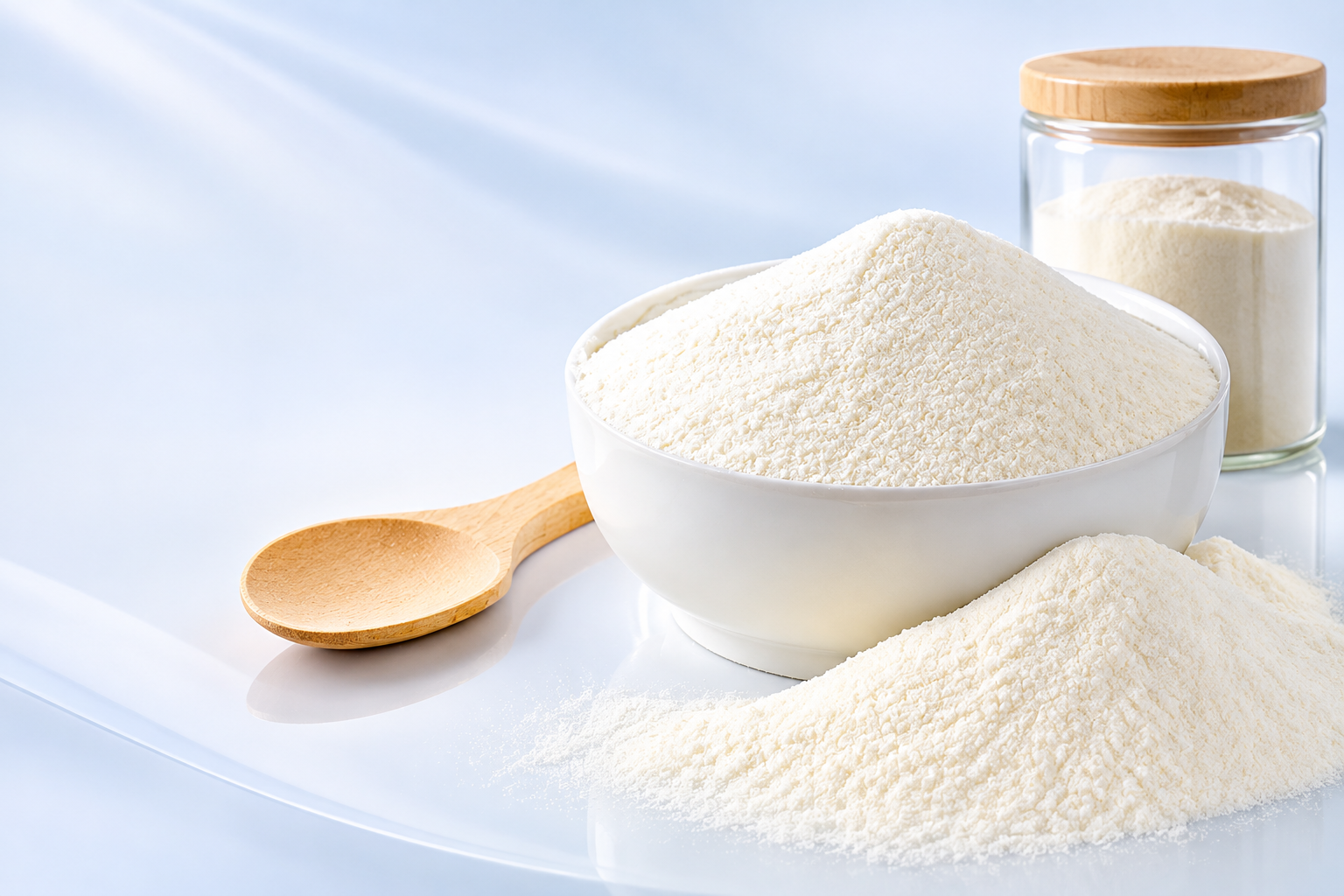
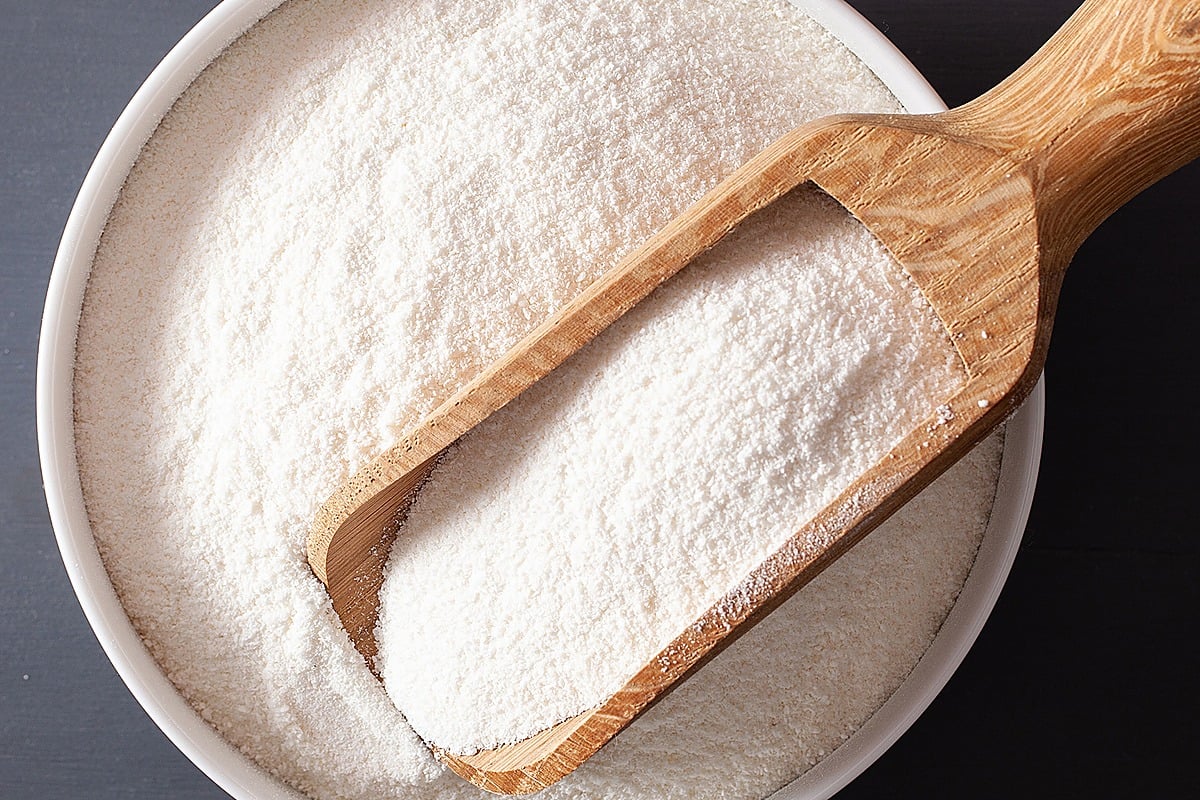
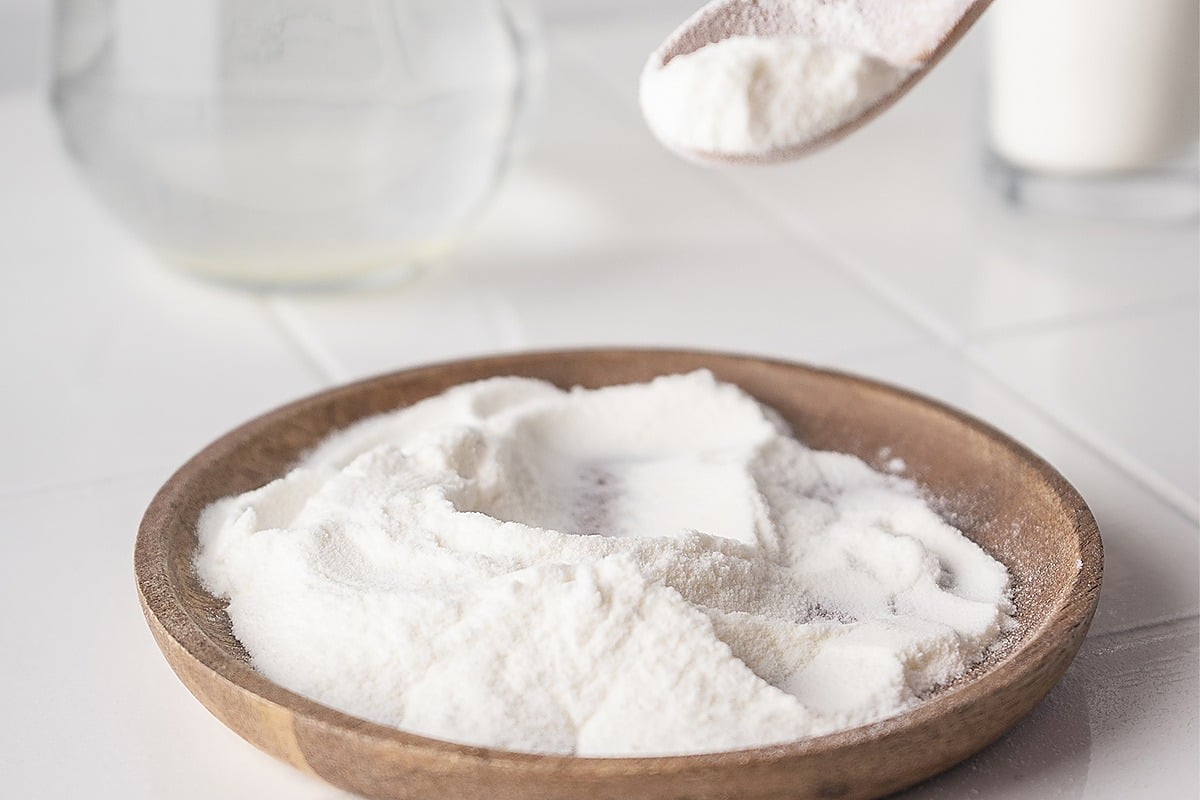
We manufacture food-grade walnut peptide (walnut oligopeptide) through directed enzymatic hydrolysis of defatted walnut protein from Juglans regia kernels. Every batch is tested by the SEC-HPLC molecular weight method in GB/T 22729 and GB/T 22492 Annex A, meeting GB/T 22729 oligopeptide limits with at least 85.0% relative molecular weight below 1,000 Da, 50.0% oligopeptides, and 12.8 g/100g total nitrogen. Our membrane-clarified powder maintains a 10% aqueous solution pH of 4.5 to 7.5 and delivers clear protein solubility across pH 3.8 to 7.5 for ready-to-drink beverages, capsules, and nutritional powders.
Quote response within 24 hours
200 g free sample for formulation testing
25 kg trial MOQ (500 kg bulk tier)
10 days standard production lead time
Batch Certificate of Analysis (COA), Halal & Kosher dossier
We sign a non-disclosure agreement (NDA) on request for custom formulations. Expedited air freight and express dispatch are available on request.
≥ 85.0%MW < 1,000 Da
50.0%Oligopeptides
12.8 g/100gTotal Nitrogen
pH 3.8–7.5Clear Solubility
Walnut Peptide Supply & Specification Highlights at a Glance
Procurement managers and formulation scientists need verifiable specification limits before scheduling pilot trials on bioactive peptides. The six commitments below govern every commercial walnut peptide powder shipment from our 19,000 tons annual collagen and peptide production capacity.
01
Molecular Weight < 1,000 Da
≥ 85.0% (GB/T 22729 SEC-HPLC)
02
Oligopeptides & Total Nitrogen
≥ 50.0% Oligopeptides | ≥ 12.8 g/100g N
03
Annual Peptide Capacity
19,000 tons collagen & plant peptides
04
Free R&D Sample & Trial MOQ
200 g free sample | 25 kg trial / 500 kg bulk
05
Production Lead Time
10 days standard (7-15 working days custom)
06
Quality & Export Certifications
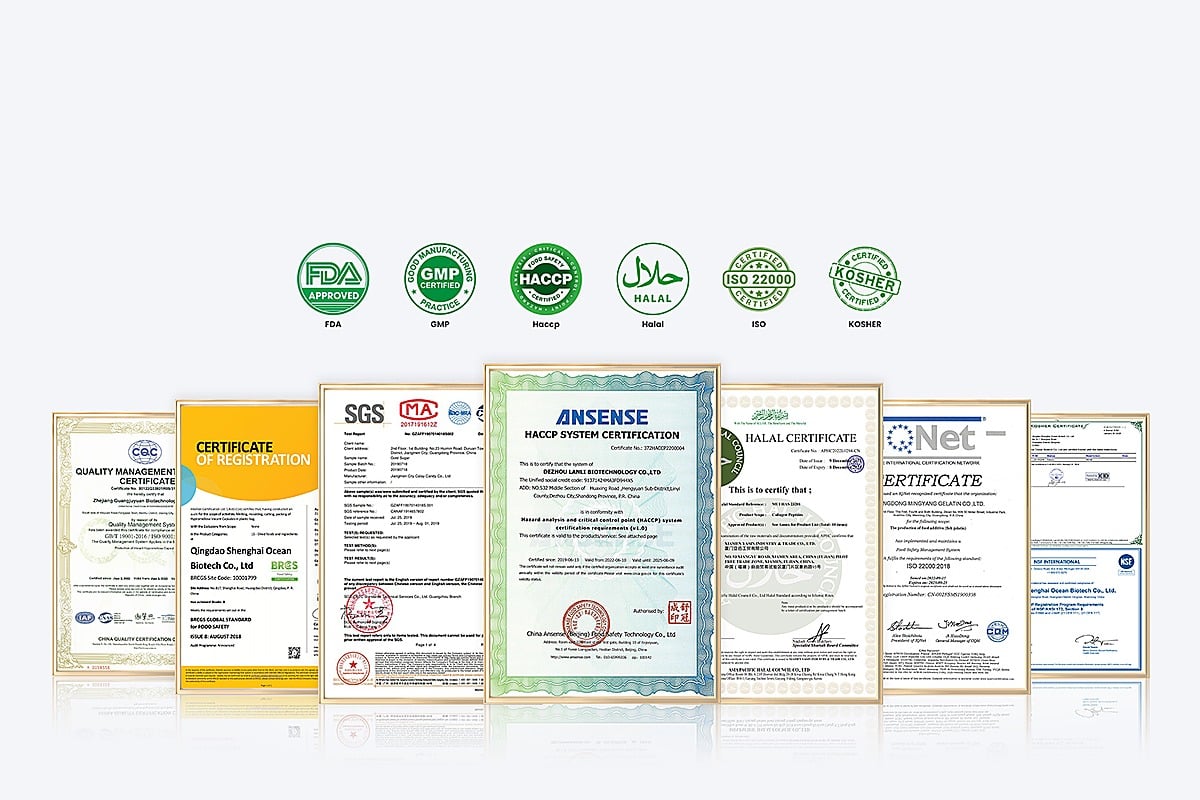
ISO 9001, ISO 22000, FSSC 22000, BRC, HACCP, GMP, Halal, Kosher
Each bulk lot ships with a batch Certificate of Analysis (COA), Specification Sheet, SDS/MSDS, Halal Certificate, Kosher Certificate, and tree-nut allergen declaration. Buyers can verify target batch inputs in our GB/T 22729 Walnut Peptide COA Compliance Verifier before placing a 25 kg trial order.
Unmodified walnut protein powder contains high-molecular-weight glutelin and globulin fractions that precipitate near their isoelectric point (pH 4.0 to 5.0). Contrary to the common misconception that all plant proteins turn cloudy in beverages, peer-reviewed research (PMC11946444) and USPTO Patent US11072637B2 document how enzymatic hydrolysis of walnut protein improves aqueous dispersion. Cleaving long peptide bonds yields low-molecular-weight walnut oligopeptide chains (< 1,000 Da ≥ 85.0%) that stay clear across pH 3.8 to 7.5.
01 / 03
01
Substrate Extraction
Cold-Pressed Defatted Walnut Meal Upcycling
We process food-grade defatted walnut meal, a by-product of walnut oil extraction from cold-pressed walnut kernels before extracting walnut protein. Solvent-heated meal becomes rancid during long-term storage due to oil residue. Removing the walnut oil at a lower temperature before the extraction of walnut protein prevents rancidity during the 24-month storage period.
Raw substrate uses food-grade defatted walnut residue and walnut meal from traceable Juglans regia kernels.
Prior to extraction, low-temperature oil separation is relied upon to keep residual fat at levels below oxidation thresholds.
Extraction yield benefits from optimized alkaline-neutral dispersion, boosting the rate of walnut protein recovery by 1.7x according to published enzymatic extraction studies (PMC9797595).
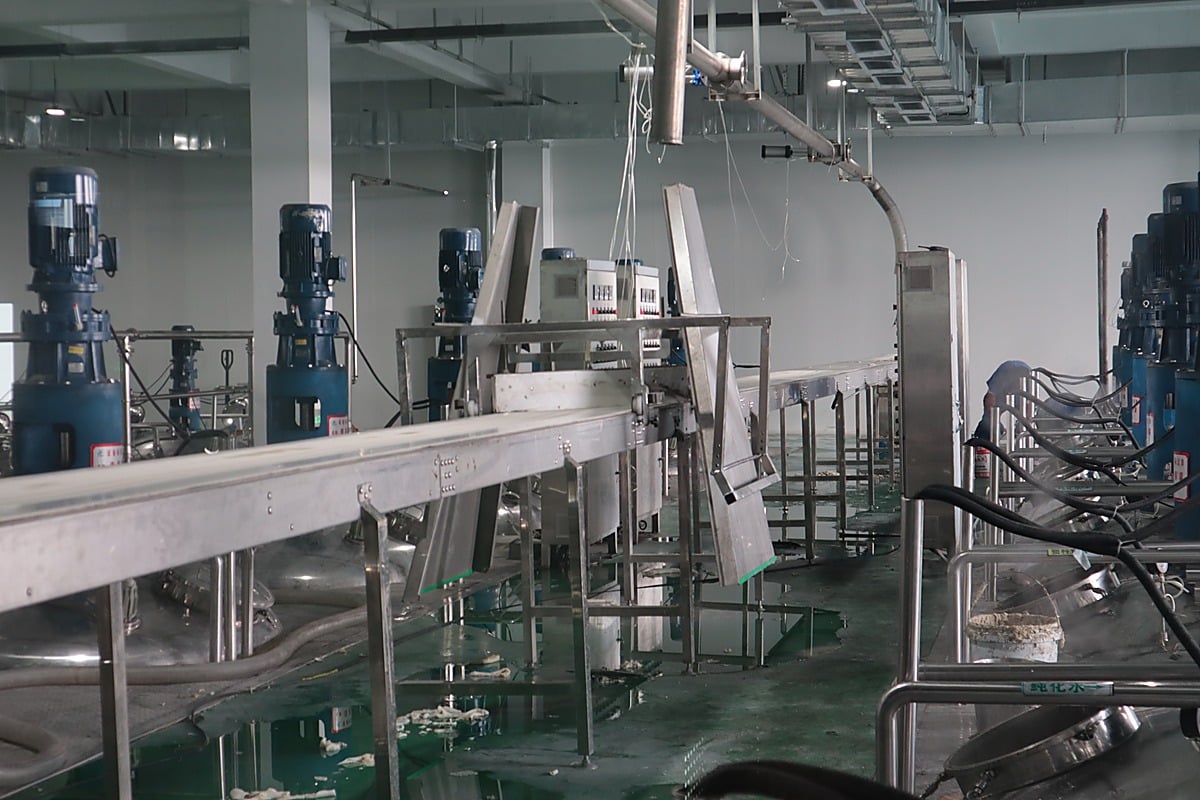
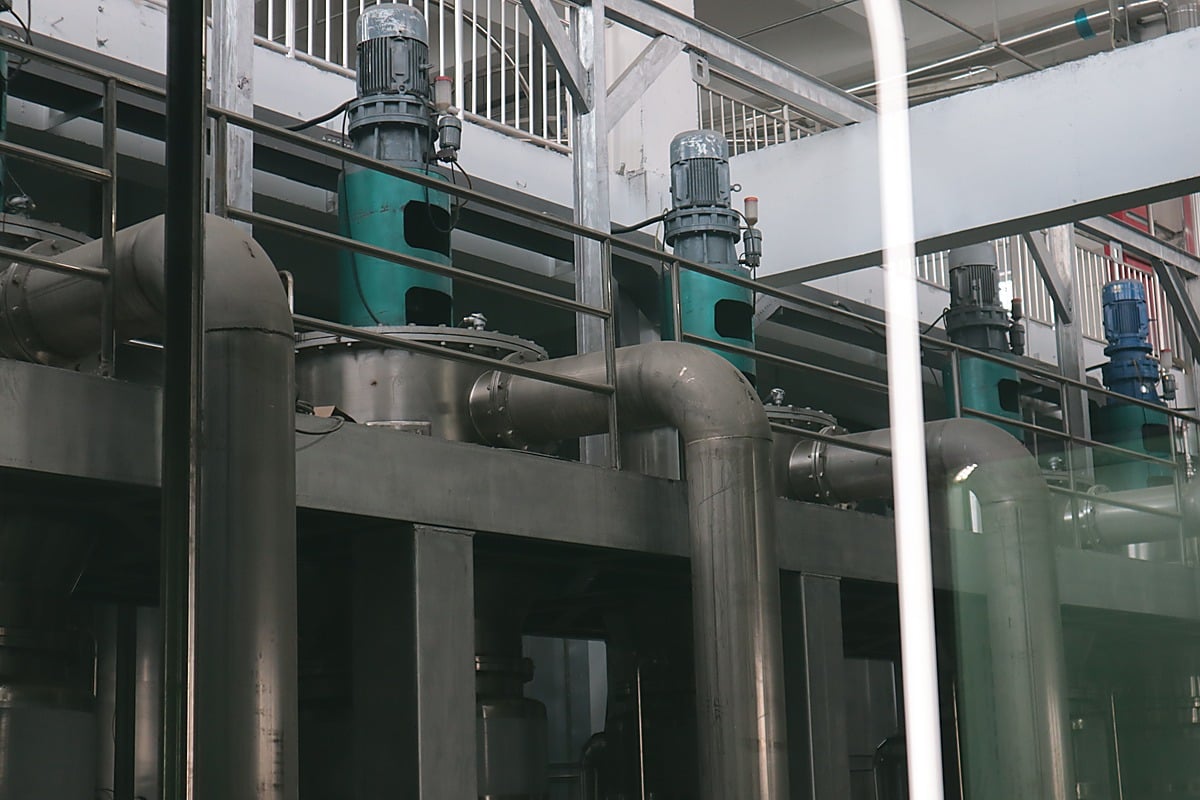
Aqueous Dispersion and Defatted Walnut Protein Extraction Vessels in Yasin Peptide Plant
02
Enzymatic Proteolysis
Directed Protease Cleavage & Debittering
Academic trials study the solid-state fermentation of walnut meal and the liquid fermentation of walnut substrates. In industrial preparation of bioactive peptides, batch repeatability is more critical when preparing protein hydrolysates using food-grade endoproteases and exopeptidases instead of harsh acid hydrolysis.
Cleavage target: controlled hydrolysis of walnut protein cleaves long peptide chains predominantly into oligopeptides below 1,000 Da (≥ 85.0% by SEC-HPLC).
Debittering step: Bitter residual components are removed by coating/adsorbing them with activated carbon.
Desalting stage: Active peptide fractions are concentrated by nanofiltration membranes while ash content is reduced.
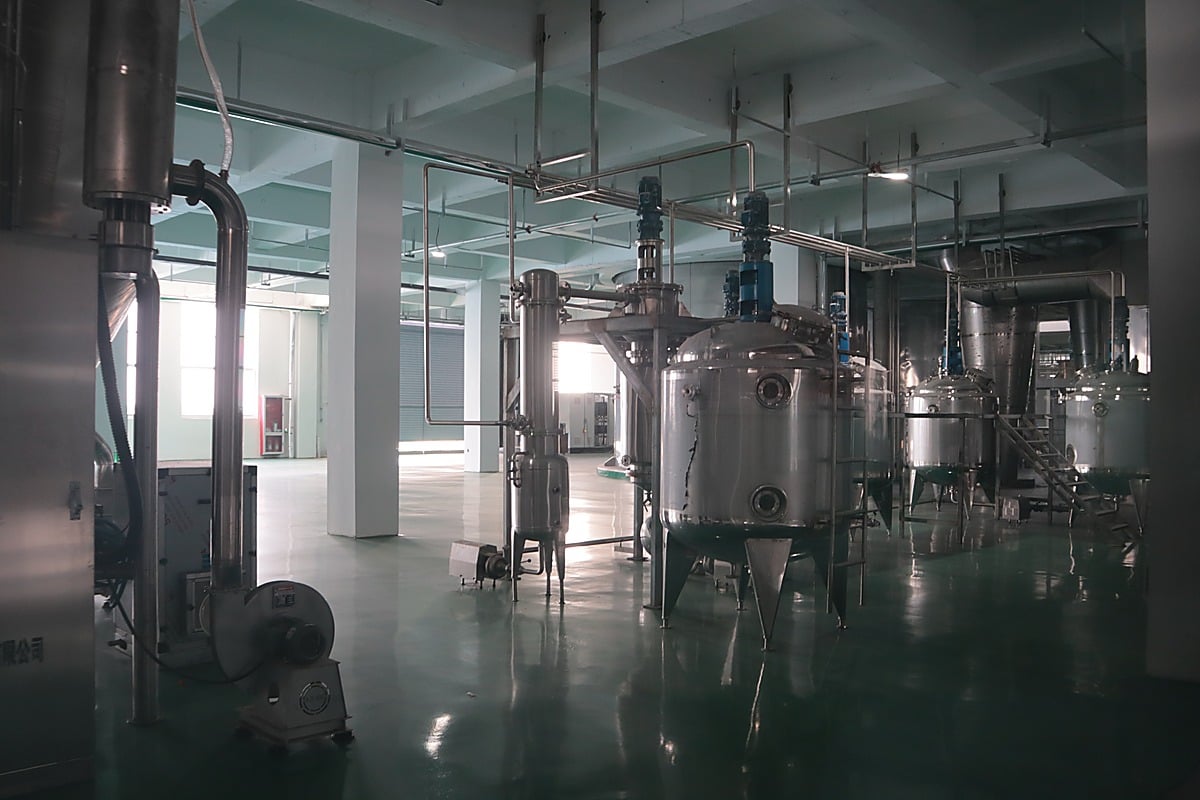
Directed Protease Enzymatic Hydrolysis Reactor Tank Array at Yasin Peptide Factory
03
CCP Filtration & Drying
CCP1 Dual Membrane Sterilization & CCP2 Metal Detection
Each liquid protein hydrolysate passes through microporous membrane filtration before spray drying. Unlike high-heat retort sterilization, this cold filtration removes microbial cells. As a result, this method preserves heat-sensitive amino acids in walnut hydrolysates without scorching.
CCP1 sterilization runs 0.45 μm and 0.22 μm filtration at pressure ≤ 0.40 MPa and flow rate 800 to 1,500 L/h.
Spray drying uses instant atomization to yield uniform 80 to 100 mesh powder with 0.20 to 0.40 g/mL bulk density.
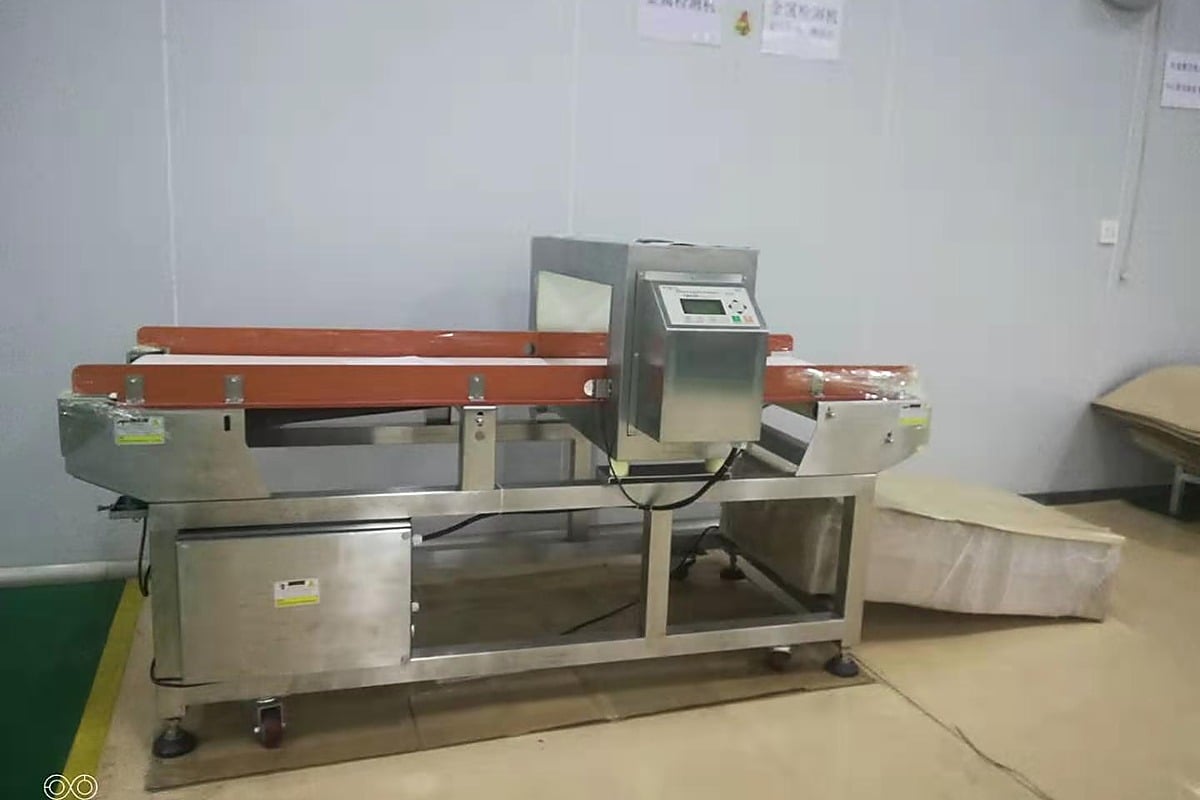
CCP2 metal detector screens every terminal pack at Fe ≤ 2.0 mm, Non-Fe ≤ 3.0 mm, and SS ≤ 3.0 mm.
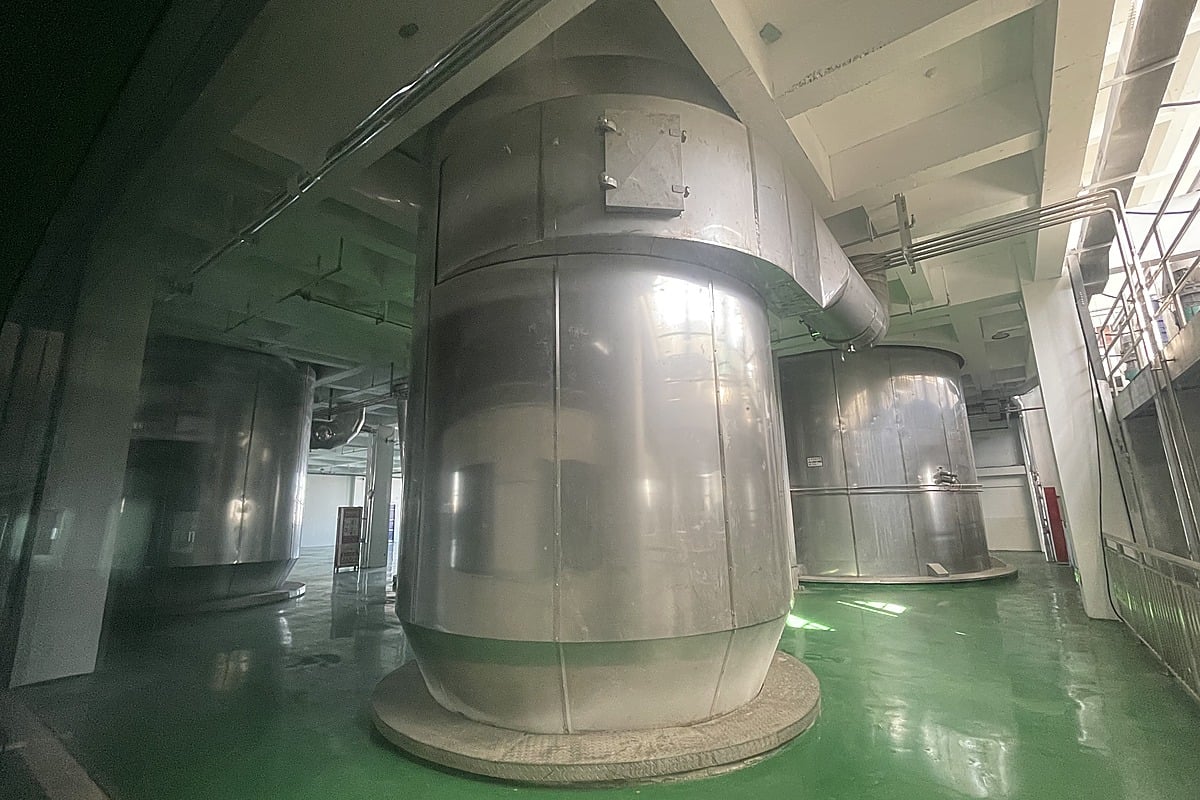
Closed Stainless-Steel Centrifugal Spray Drying Tower and Membrane Sterilization Line
OPRP & HACCP Matrix
10-Stage Process of Walnut Peptide Production & Critical Control Points
Our standardized process of walnut peptide manufacturing integrates Operational Prerequisite Programs (OPRPs) and Hazard Analysis and Critical Control Points (HACCP). The table below details each unit operation from defatted walnut intake to sealed packaging.
Stage
Unit Operation & Equipment
Process Control Parameter
Quality & Safety Objective
01 (OPRP1)
Defatted walnut meal & protease acceptance
Supplier COA audit, moisture ≤ 7.0 g/100g, sensory & heavy metal screen
Verify food-grade walnut residues free from aflatoxin or foreign matter
02
Aqueous dispersion of defatted walnut protein
Purified water ratio & pH adjustment in jacketed mixing vessels
Stabilize concentration of walnut slurry for uniform protease contact
03
Directed enzymatic hydrolysis tank
Controlled temperature, pH, and multi-enzyme reaction time
Achieve relative molecular weight < 1,000 Da ≥ 85.0% and oligopeptides ≥ 50.0%
Ensure Salmonella 0/25g, Yeast & Mold ≤ 25 CFU/g, and low total plate count
09
Centrifugal spray drying & 80-100 mesh sieving
Controlled inlet/outlet air temperature in closed stainless tower
Produce free-flowing walnut peptide powder with moisture ≤ 7.0 g/100g
10 (CCP2)
Automated packaging & terminal metal detection
Fe ≤ 2.0 mm, Non-Fe ≤ 3.0 mm, Stainless Steel (SS) ≤ 3.0 mm
Eliminate metallic contamination in 10 kg, 15 kg, and 20 kg export packs
"In beverage R&D trials, formulators often struggle with sediment when using raw walnut protein powder. We drive enzymatic cleavage until over 85.0% of the peptide chain distribution falls below 1,000 Da. Pairing activated carbon debittering with 0.22 μm membrane filtration allows our walnut oligopeptide to dissolve into clear drinks without bitterness."
When evaluating bioactive peptides from walnut, formulators usually compare our hydrolyzed oligopeptide against unhydrolyzed walnut protein powder, soy peptide, pea peptide, and corn oligopeptide. Awareness of walnut amino acid profiles helps R&D teams pick the right grade for cognitive nootropics, sports recovery drinks or antioxidant cosmetics.
01 Dietary SupplementFood-Grade Walnut Oligopeptide Powder 80-100 Mesh Standard Grade
Engineered for high peptide content and stable characteristics of walnut oligopeptides in dietary supplement capsules, tablets, and solid sachet beverages with a neutral sensory profile.
Packaging & MOQ: 10 kg, 15 kg, or 20 kg moisture-barrier pack | 25 kg trial.
Standard lead time: 10 days (200 g free sample available for RTD stability tests).
03 Topical & CosmeticPersonal Care Hydrolyzed Walnut Protein Grade for Anti-Aging Cosmetic Serums
Personal Care Hydrolyzed Walnut Protein Grade
Water soluble antioxidant peptides from walnut kernel protein have several applications in anti-aging serums, scalp care, and barrier-repair emulsions.
Key Specifications
INCI designation: Hydrolyzed Walnut Protein (botanical origin Juglans regia).
Active profile: Rich in glutamic acid, arginine, and radical-scavenging short peptide fractions.
Heavy metal control: Pb ≤ 0.2 mg/kg, As ≤ 0.3 mg/kg, Hg ≤ 0.1 mg/kg, Cd ≤ 0.1 mg/kg.
Packaging & MOQ: 10 kg or 20 kg lined carton | 25 kg trial order.
Standard lead time: 10 days with batch COA and SDS/MSDS dossier.
04 OEM & ODM CustomCustom Co-Granulated Plant Peptide and Collagen Powder Blends under NDA
Tailored co-granulated blends combining walnut peptide with soy peptide, pea peptide, rice peptide, corn oligopeptide, wheat peptide, ginseng peptide, or marine collagen tripeptide.
Key Specifications
Amino acid balancing complements walnut arginine/glutamic acid with pea or soy lysine.
Custom density window is tightened to a target sub-range (such as 0.25-0.35 g/mL within our 0.20-0.40 g/mL capability) for direct tablet compression or sachet filling.
Confidentiality: Custom formulas protected under a signed non-disclosure agreement (NDA).
Packaging & MOQ: 15 kg or 20 kg kraft bag/carton | 500 kg standard custom batch.
Custom lead time: 7-15 working days depending on blend specification.
Comparative Formulation Data
Industry Engineering Reference: Walnut Oligopeptide vs. Unhydrolyzed Walnut Protein & Sibling Plant Peptides
Published literature has shown that walnut protein amino acid composition is unusually rich in glutamic acid and arginine compared to cereal proteins. The reference matrix below compares our enzymatic walnut oligopeptide against unhydrolyzed defatted walnut protein powder and three sibling plant peptides manufactured on our lines. Amino acid and molecular weight benchmarks align with NIH PMC walnut peptide characterization data (PMC9797595).
In the preparation of antioxidant peptides from plant protein, uncontrolled cleavage often exposes hydrophobic leucine and phenylalanine residues that taste intensely bitter. Our in-house downstream processing controls regulate terminal cleavage, ash removal, and microbiological sterilization before the walnut peptide powder reaches our spray dryers. Dual-protease hydrolysis and membrane clarification follow USPTO Patent US11072637B2 and PMC11946444.
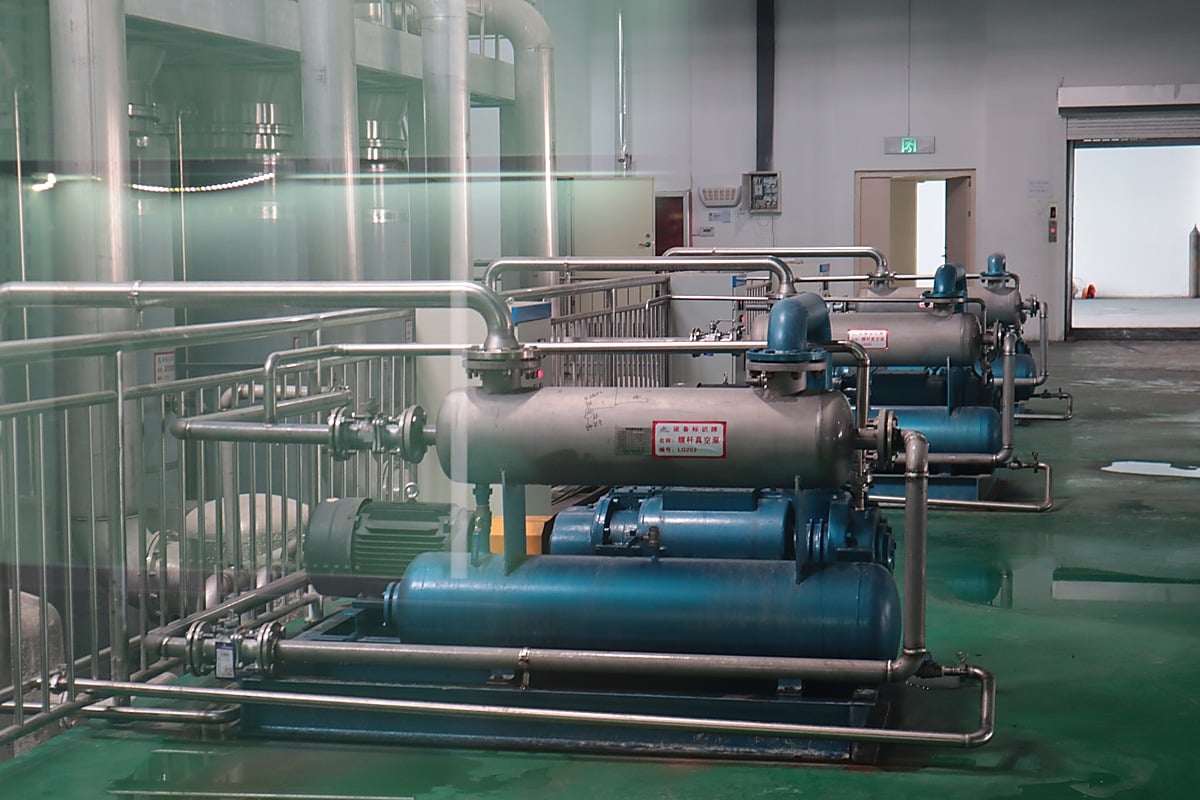
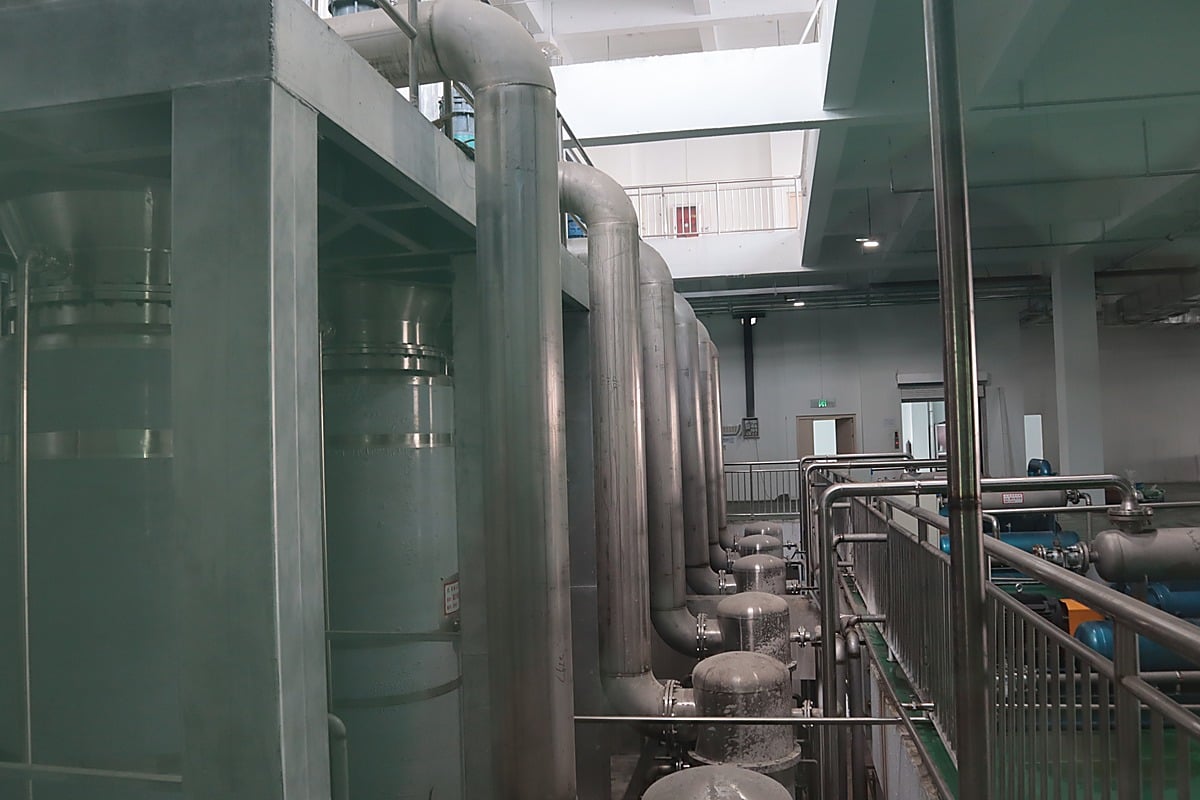
01 · Clarification & DesaltingSpiral-Wound Nanofiltration Desalting and Activated Carbon Clarification System02 · HACCP CCP1CCP1 Dual Microporous Membrane Sterilization and Vacuum Concentration System03 · HACCP CCP2CCP2 Terminal Conveyor Metal Detector for Export Peptide Packaging
Specifications · In-House Control Matrix
Downstream Control Module
Governing Standard / Method
Target Operational Range
Formulation Benefit in Finished Beverages & Supplements
Achieves Salmonella 0/25g and Yeast/Mold ≤ 25 CFU/g without thermal scorching
In-house
06Spray-Dried Bulk Density & CCP2 Metal Screen
ChP Vol. IV 0993 & HACCP CCP2
0.20-0.40 g/mL (12.5-25.0 lb/ft³); Fe ≤ 2.0, Non-Fe ≤ 3.0, SS ≤ 3.0 mm
Ensures uniform flow in high-speed capsule fillers and zero metal hazards
In-house
By running every purification and sterilization step in-house rather than outsourcing toll drying, we keep batch-to-batch pH within 4.5 to 7.5. Formulators can model exact beverage dosing and dissolved solids using our Walnut Peptide Beverage & Supplement Formulation Calculator.
Walnut Peptide Powder Technical Specifications&COA Test Limits
Many ingredient traders report only crude protein (total nitrogen multiplied by 6.25), which cannot distinguish intact walnut protein from bioactive peptides derived by enzymatic cleavage. Every batch of our walnut peptide powder is tested against GB/T 22729 and GB/T 22492. We verify both relative molecular weight (< 1,000 Da ≥ 85.0%) and dry-basis oligopeptides (≥ 50.0%).
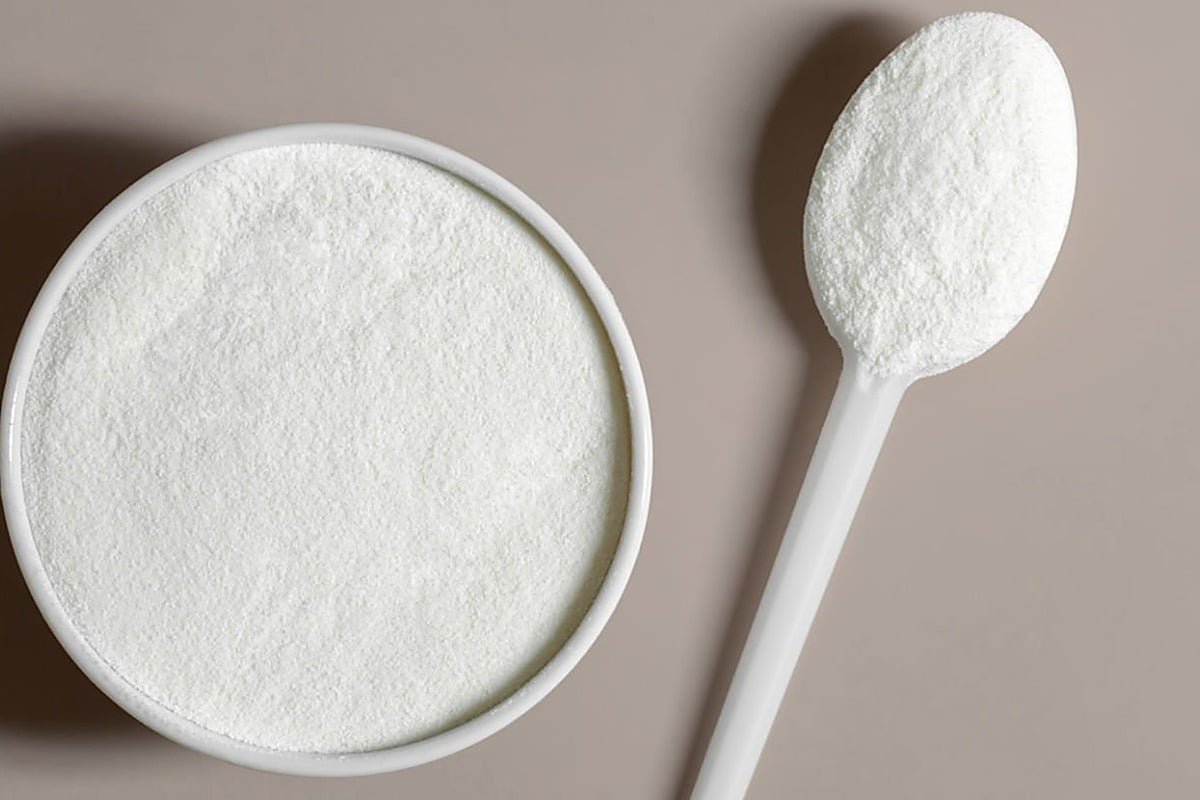
01 · Sensory & Mesh VerificationSensory Inspection of White to Pale-Yellow 80-100 Mesh Walnut Peptide Powder
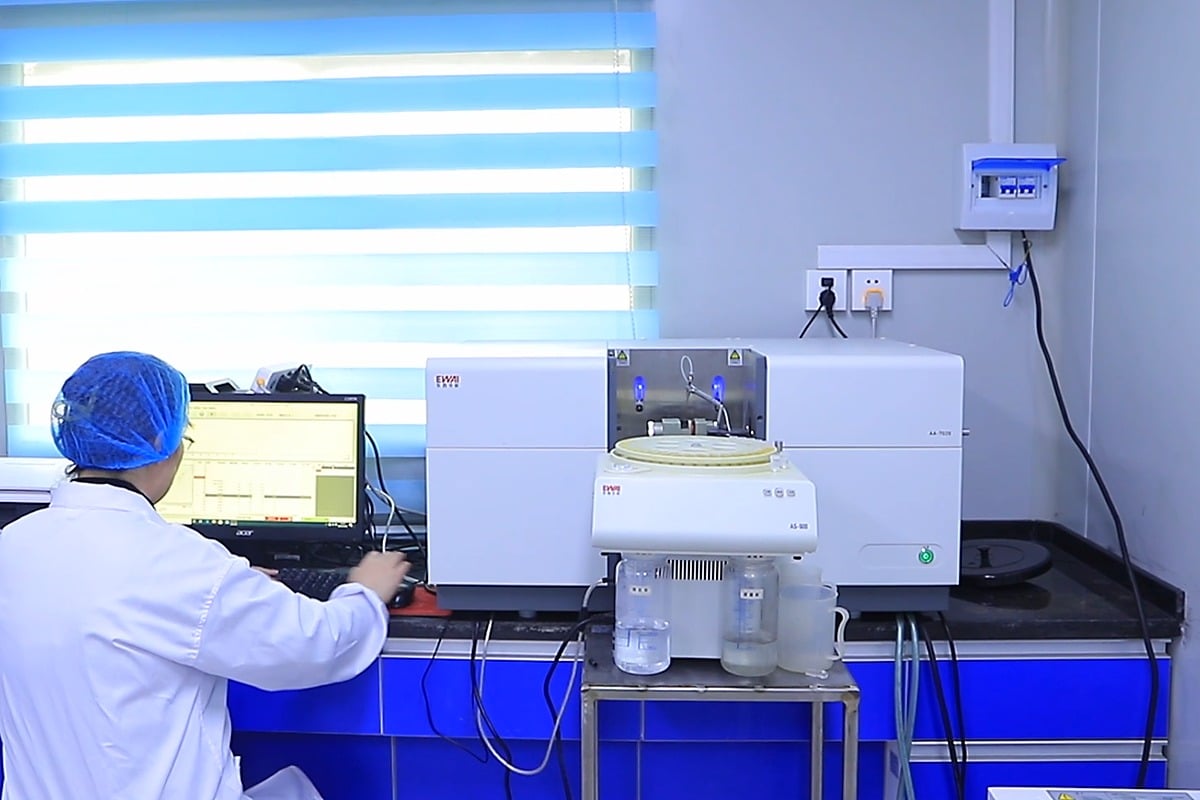
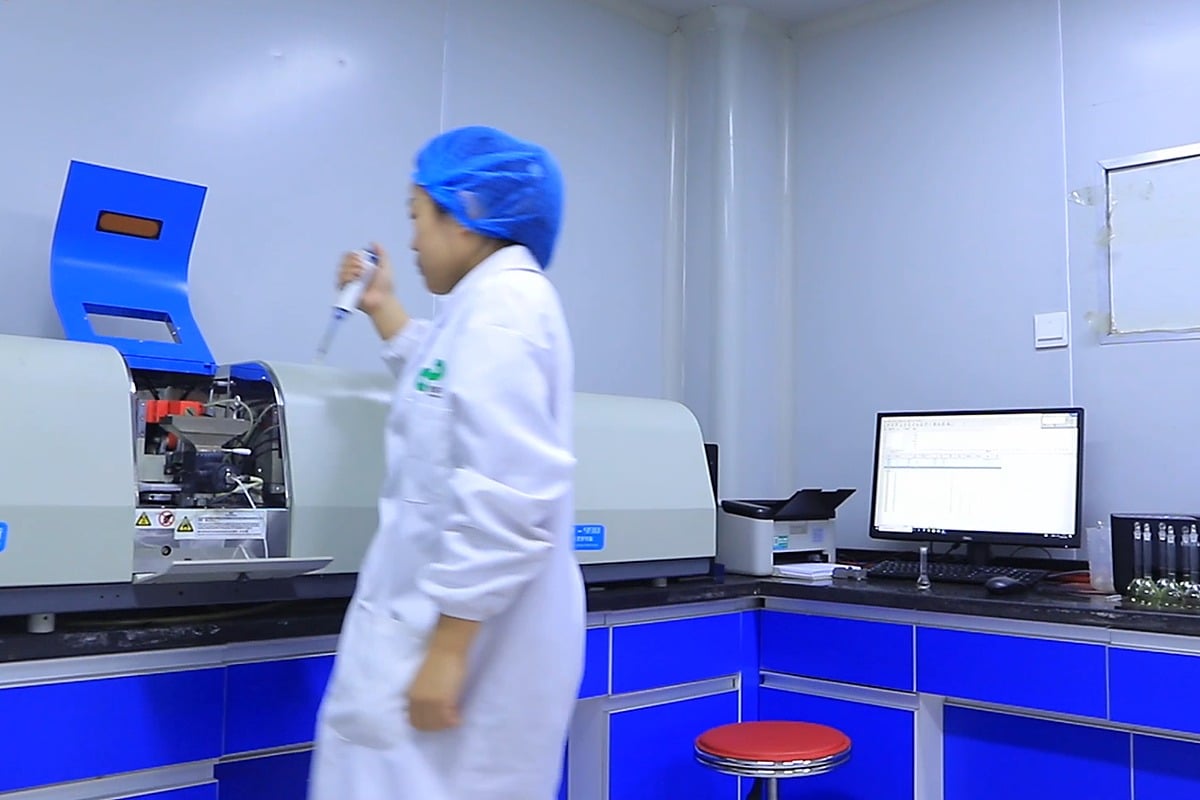
02 · Quantitative Release LabHeavy Metal and Physicochemical Quantitative COA Release Testing in Yasin Lab
Quality assurance teams can enter lab values from any supplier into our GB/T 22729 Walnut Peptide COA Compliance Verifier. This tool audits molecular weight, heavy metal limits, and ICMSF microbial plans instantly. SEC-HPLC sub-1,000 Da peptide verification follows PMC9797595 and GB/T 22729 Annex A.
Bulk Walnut Peptide Pricing Drivers, MOQ Tiers & 10-Day Lead Time
In the commercial utilization of walnut protein, unit pricing per kilogram depends on verifiable processing inputs rather than opaque broker markups. We quote factory-direct FOB and CIF pricing within 24 hours based on four transparent cost drivers.
Multi-Enzyme Hydrolysis Residence Time and Nanofiltration Control Manifold
01 Cost Driver
1. Oligopeptide & Molecular Weight Target
Standard batches guarantee < 1,000 Da ≥ 85.0% and oligopeptides ≥ 50.0%. Requesting ultra-low molecular weight (< 500 Da enriched fractions) increases multi-enzyme residence time and nanofiltration recycle ratios.
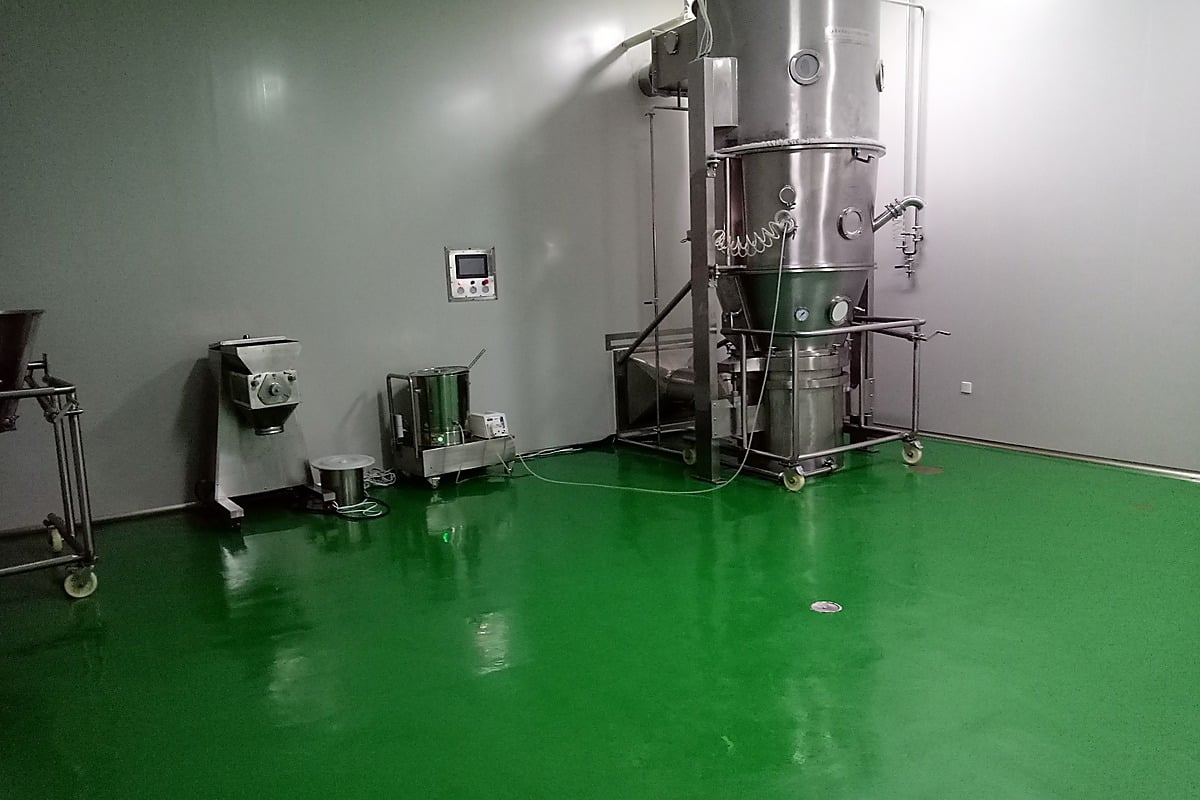
Pilot Granulation and Commercial Bulk Peptide Production Equipment
02 Cost Driver
2. Order Volume Tier (25 kg vs. 500 kg+)
We support a 25 kg minimum order quantity for trial orders so brands can validate pilot beverage bottling. Scaling to 500 kg or multi-ton standard bulk production amortizes CIP sanitation, spray-dryer startup, and CNAS batch testing costs.
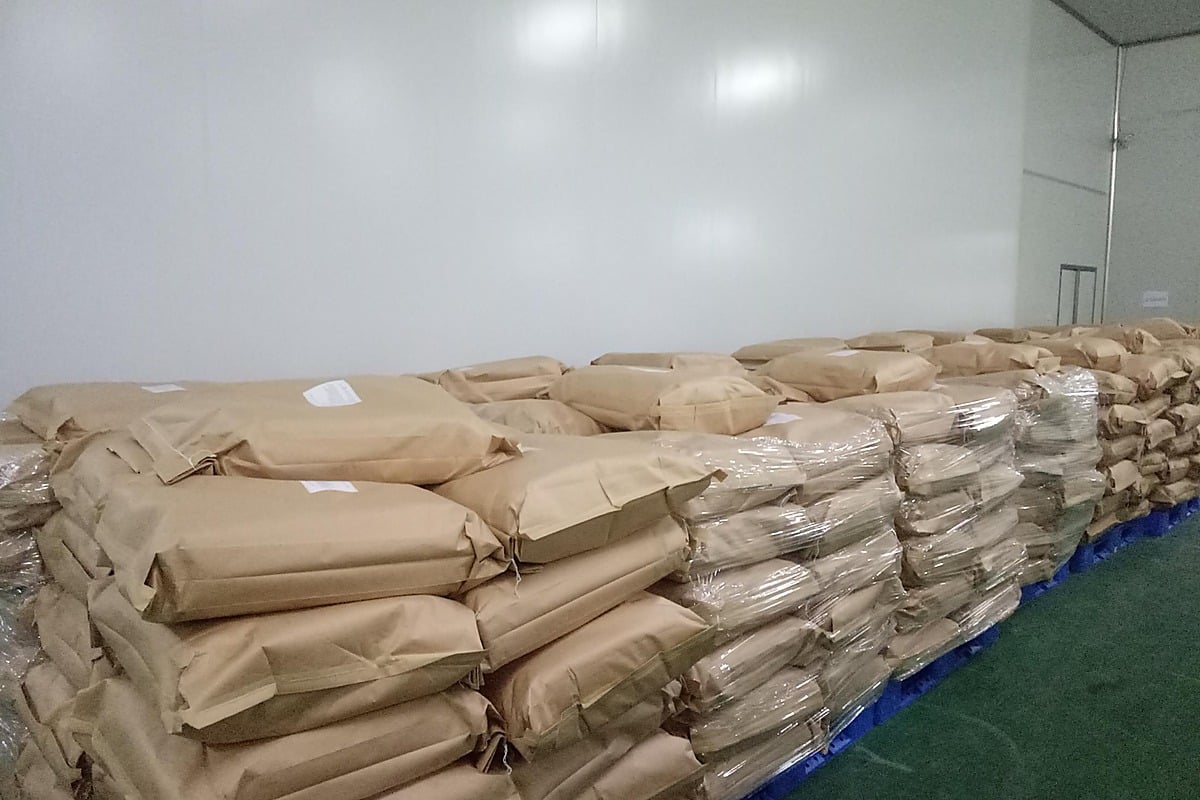
Export 10 kg, 15 kg, and 20 kg Kraft Bags with Food-Grade Inner PE Liners
03 Cost Driver
3. Packaging Format (10 / 15 / 20 kg)
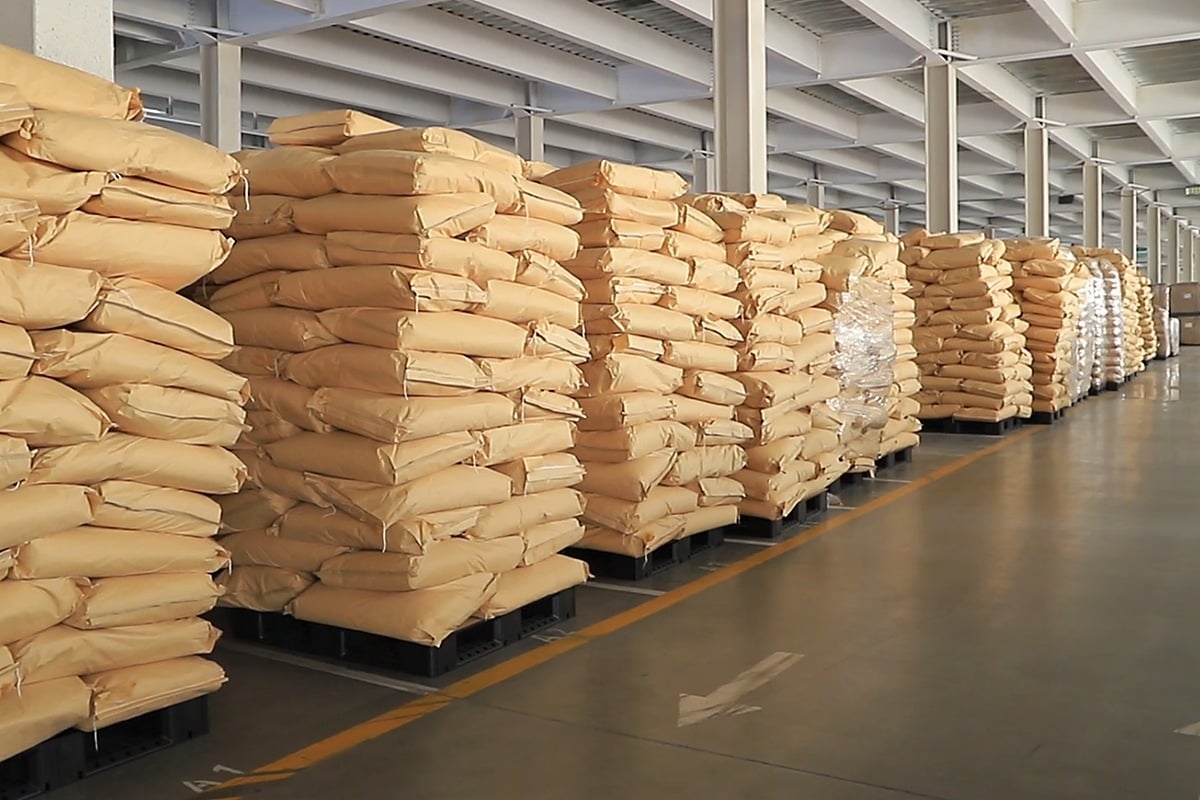
Standard export lots ship in 10 kg/bag, 15 kg/bag, or 20 kg kraft paper bags or double-wall cartons with food-grade inner PE liners. Custom sub-packaging or nitrogen-flushed aluminum foil bags are quoted per pack specification.
FOB and CIF Sea Container Vessel and Expedited Air Freight Dispatch
04 Cost Driver
4. Incoterms & Freight Mode (FOB / CIF)
We quote both FOB (Xiamen or major Chinese ports) and CIF destination port by sea or air. Expedited air freight and express dispatch are available on request for urgent clinical or pilot launch timelines.
To prevent seasonal stockouts in the use of walnut peptide for commercial beverage lines, we maintain dedicated spray-drying capacity and raw defatted walnut meal inventory. You can also calculate exact bag counts, pallet volume, and dispatch schedules in our Bulk MOQ, Packaging & Lead-Time Estimator.
Order Stage
Quantity Tier
Committed Turnaround / Lead Time
Payment Terms & Incoterms
Included Documentation
Engineering Quotation
All inquiry tiers (200 g to FCL)
Formal quote response within 24 hours
FOB and CIF pricing options
Specification Sheet, representative COA, and NDA on request
Lab Formulation Evaluation
200 g free sample provided for lab formulation and solubility evaluation
Sample dispatch confirmation within 24 hours via international express
200 g sample free of charge
Lot-specific COA, SDS/MSDS, and tree-nut allergen declaration
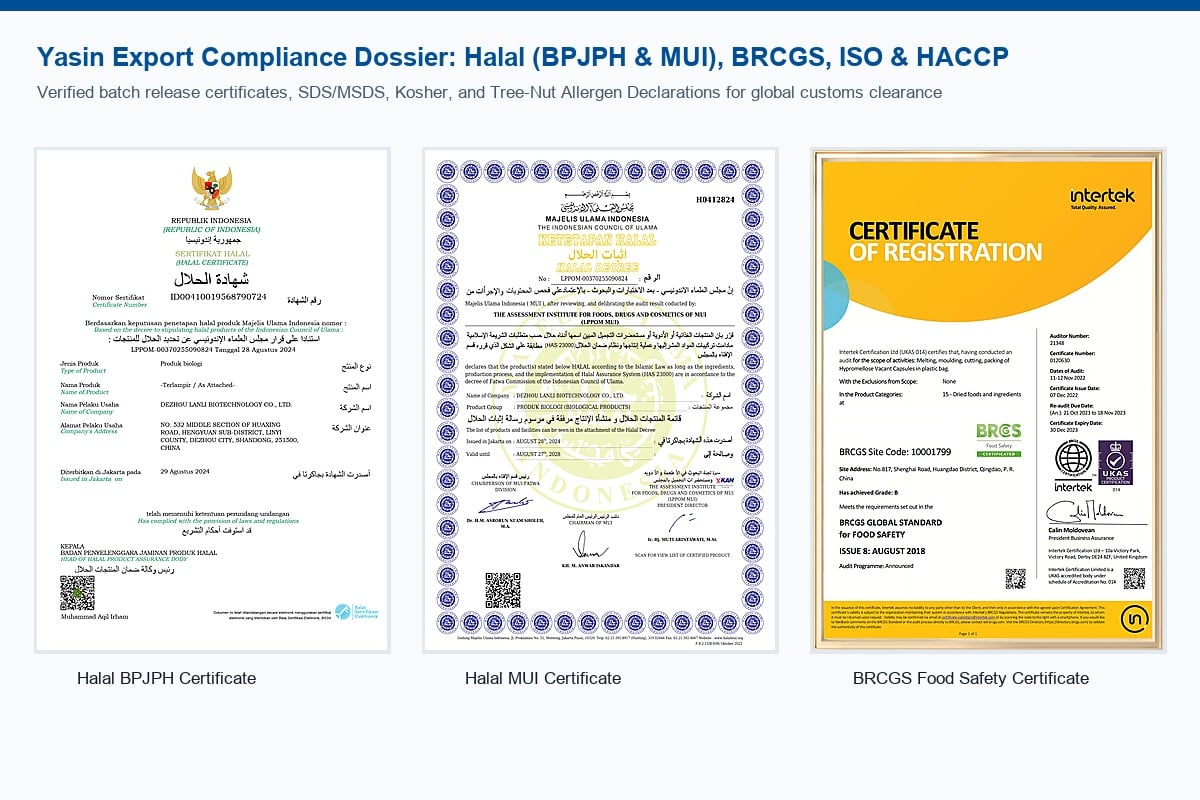
Global nutraceutical and beverage buyers require verifiable analytical proof before approving a walnut peptide supplier. Our quality management system operates under ISO 9001, ISO 22000, FSSC 22000, BRC, HACCP, GMP, and FSMA certifications. Every export lot is supported by our CNAS-accredited laboratory, Halal (MUI and BPJPH), and Kosher certificates.
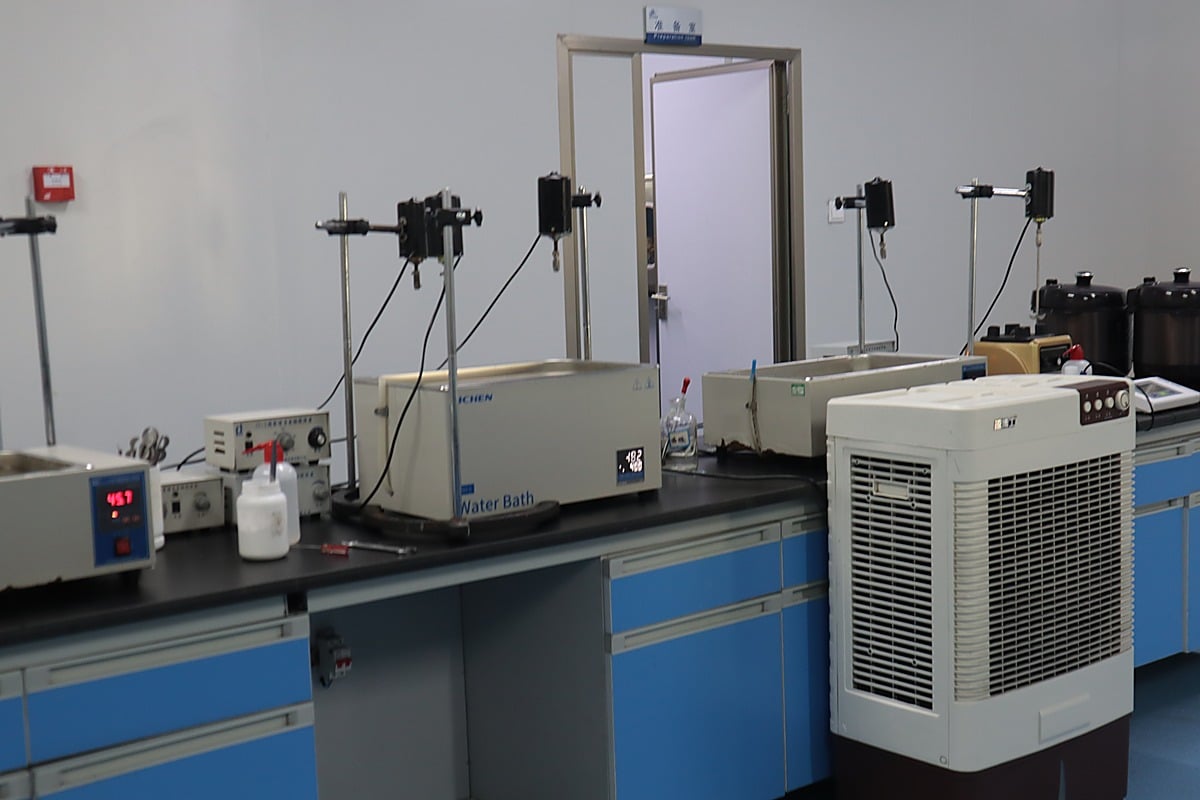
CNAS-Accredited In-House Analytical Instruments
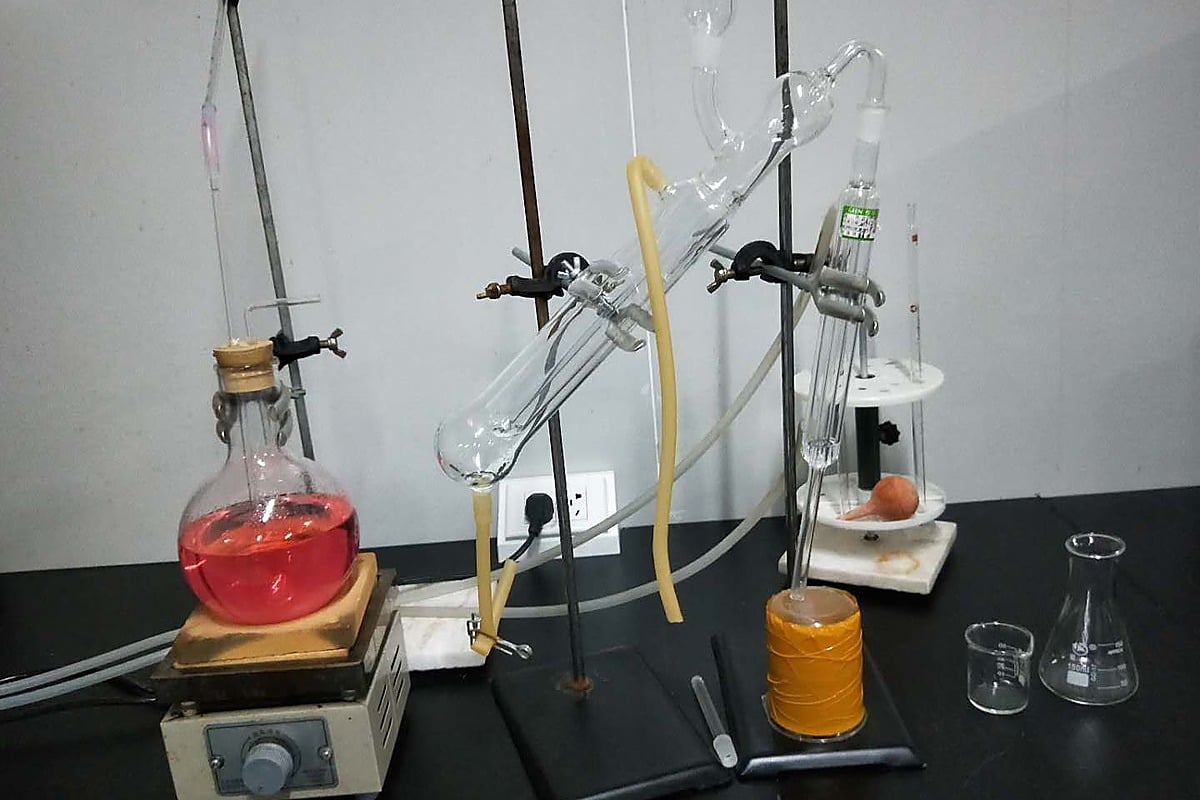
Every production lot undergoes full physicochemical and microbiological release testing in our laboratory before a Certificate of Analysis (COA) is issued. Our analytical team also performs SEC-HPLC identification of walnut peptides during the development of walnut formulations.
04Microbial Incubators & CCP2 Metal Detector: Verifies GB 4789 microbial limits and terminal metal sensitivity (Fe ≤ 2.0 mm, Non-Fe ≤ 3.0 mm, SS ≤ 3.0 mm).
Export Dossier & Tree-Nut Allergen Compliance
Because botanical walnut peptide is extracted from walnut kernels (Juglans regia), it avoids European animal protein import restrictions while transparent allergen disclosures remain mandatory for North American and European customs clearance. Generic supplier spec sheets often write Complies for heavy metals without disclosing quantitative Lead, Arsenic, Mercury, or Cadmium limits. In contrast, our COA reports exact numerical test results and ICMSF n-c-m-M microbiological sampling plans.
MUI · BPJPH · KosherHalal & Kosher Certification: Certified under Indonesian Halal (MUI and BPJPH) and Kosher standards for Southeast Asian, Middle Eastern, and global markets.
24-Month Traceability24-Month Batch Retention Archive: Sealed reference samples from every lot are archived in our retention cabinet for 24 months to support full traceability.
From initial 200 g lab sampling to multi-ton container loading, our 6-step fulfillment workflow locks in specification tolerances at every milestone. If any delivered batch deviates from the contracted COA limits, we replace the lot or credit the shipment under our quality warranty.
01
Step 1, Specification Review (Within 24 Hours): Share your target dosage form (RTD drink, sachet, capsule, tablet, or cosmetic serum) and destination port. Our engineers reply within 24 hours with a matched spec sheet and FOB/CIF quotation.
02
Step 2, NDA Execution & 200 g Free Sample Dispatch: We sign a non-disclosure agreement (NDA) on request for custom formulations. We then dispatch a 200 g free sample with its lot Certificate of Analysis (COA) for your solubility trials.
03
Step 3, Customer Pilot Validation & COA Lock: Your R&D team verifies clarity, pH compatibility, and thermal stability. The approved sample lot parameters are locked into your purchase contract.
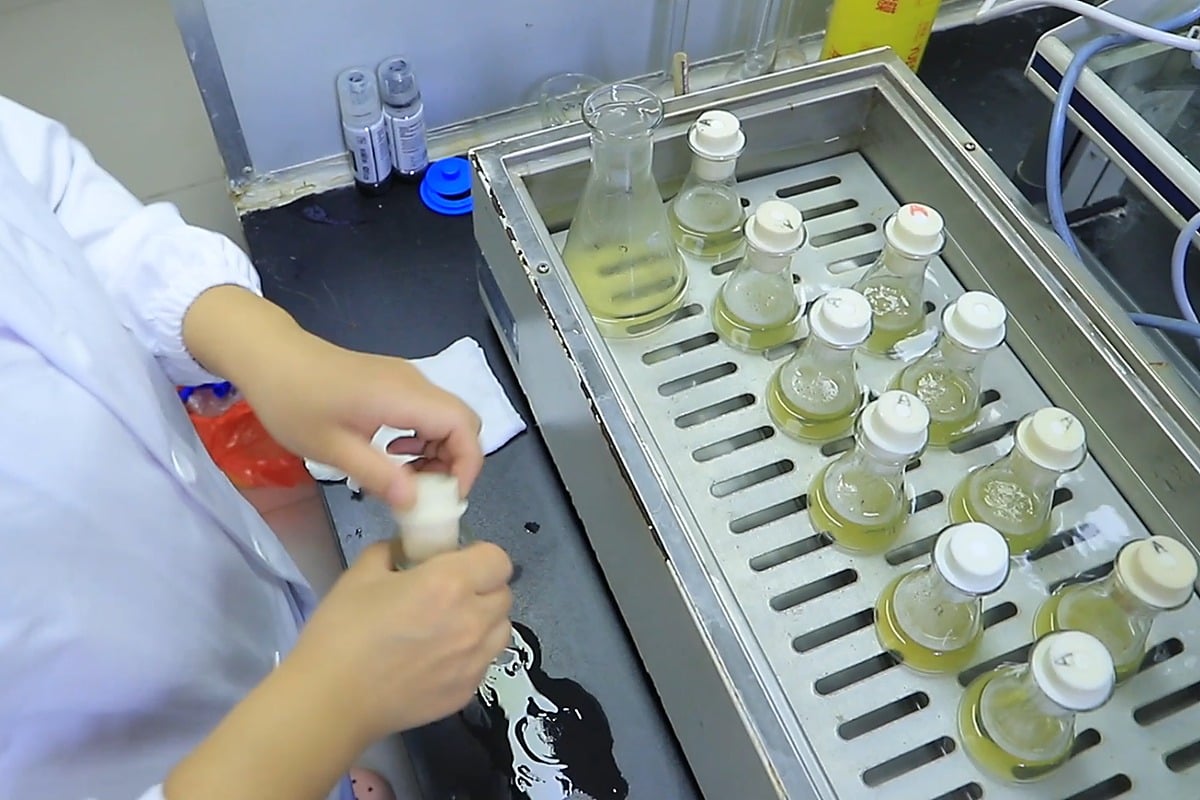
200 g Free Sample Aqueous Solubility and Thermal Stability Evaluation in Yasin Lab
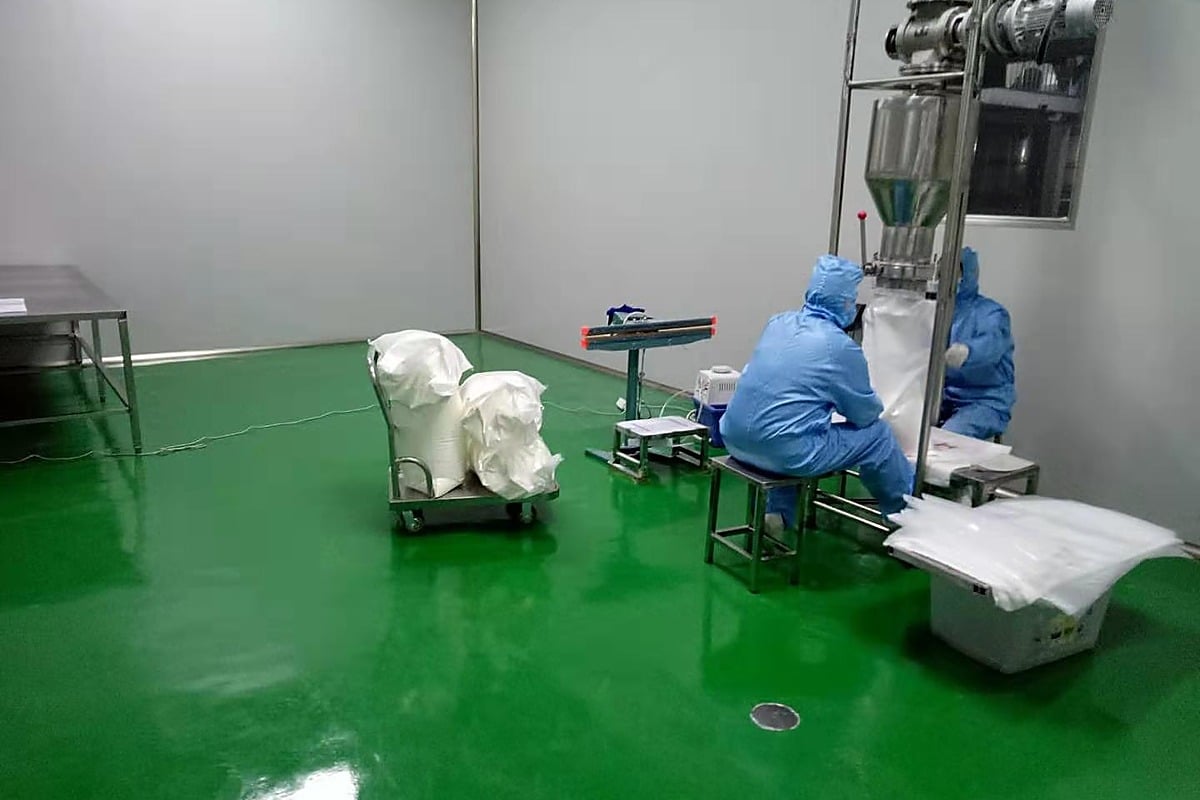
Cleanroom Moisture-Barrier Packaging of Walnut Peptide Powder in 10 kg, 15 kg, and 20 kg Bags
04
Step 4, Trial (25 kg) or Commercial Bulk (500 kg+) Order Confirmation: Issue your purchase order under T/T or L/C payment terms.
05
Step 5 — 10-Day Enzymatic Production & CNAS Lab Release: We run enzymatic hydrolysis, 0.45/0.22 μm membrane sterilization (CCP1), spray drying, and CCP2 metal detection. Full GB/T 22729, GB 5009, and GB 4789 release testing completes within 10 days (7-15 working days for custom specs).
06
Step 6, Moisture-Barrier Packing & Global Dispatch: Goods are packed in 10 kg, 15 kg, or 20 kg lined bags/cartons (GB 4806.7 / GB 4806.8 / GB/T 6543). Shipments depart via sea (FOB/CIF) or expedited air freight/express with full customs clearance records.
DFM Compatibility Matrix
Formulation Engineering Guidelines (DFM) for Walnut Peptide Applications
Understanding the biological activity of walnut peptides and their physicochemical behavior during mixing, pasteurization, and tableting prevents costly pilot batch failures. Follow the six formulation rules below when incorporating walnut oligopeptide into commercial products.
Formulation Scenario
Engineering Rule & Process Parameter
Cost, Stability & Sensory Rationale
Acidic Functional RTD Beverages (pH 3.8-4.5)
Pre-dissolve walnut peptide powder in 25-45 °C water before adding citric or malic acid buffers
Prevents localized surface clumping and maintains transparent clarity across the isoelectric zone where unhydrolyzed walnut protein precipitates
UHT & High-Temp Pasteurization (85-121 °C)
Limit reducing sugars (glucose/fructose) or use polyol/stevia sweeteners during high-heat sterilization
Free terminal amino groups on short peptide chains can react with reducing sugars via Maillard browning above 100 °C; non-reducing sweeteners preserve pale golden color
Concentrated Nootropic Oral Shots
Pair with natural roasted nut, cocoa, coffee, or citrus flavor modulators
Harmonizes the natural walnut peptide aroma at a high concentration of walnut active peptide without adding sugar
Direct-Compression Tablets & Hard Capsules
Specify a targeted sub-range within our 0.20-0.40 g/mL bulk density window and blend with food-grade silicon dioxide glidant
Low-molecular-weight oligopeptides are naturally hygroscopic; adding a desiccant glidant under dehumidified tableting conditions prevents punch sticking
Antioxidant & Anti-Fatigue Solid Sachets
Co-formulate walnut oligopeptide (1.5-3.0 g/serving) with vitamin C, B-complex, or phosphatidylserine
Supports water-dispersible stick packs where effects of walnut peptides on oxidative stress pair cleanly with water-soluble micronutrients
Complete-Protein Sports Recovery Powders
Blend 70% walnut peptide with 30% Yasin pea peptide or soy peptide (GB/T 22492)
Combines walnut's high arginine (~15%) and glutamic acid (~22%) with pea/soy lysine to raise PDCAAS and DIAAS amino acid scores
Formulation Trade-Offs & Alternative Peptide Selection Boundaries
Botanical and animal hydrolysates are not interchangeable across every nutritional brief, and specifying the wrong grade costs you label compliance or amino acid balance. While walnut peptide buys you high arginine (~15%) and glutamic acid (~22%), three scenarios require switching to our sibling peptide lines.
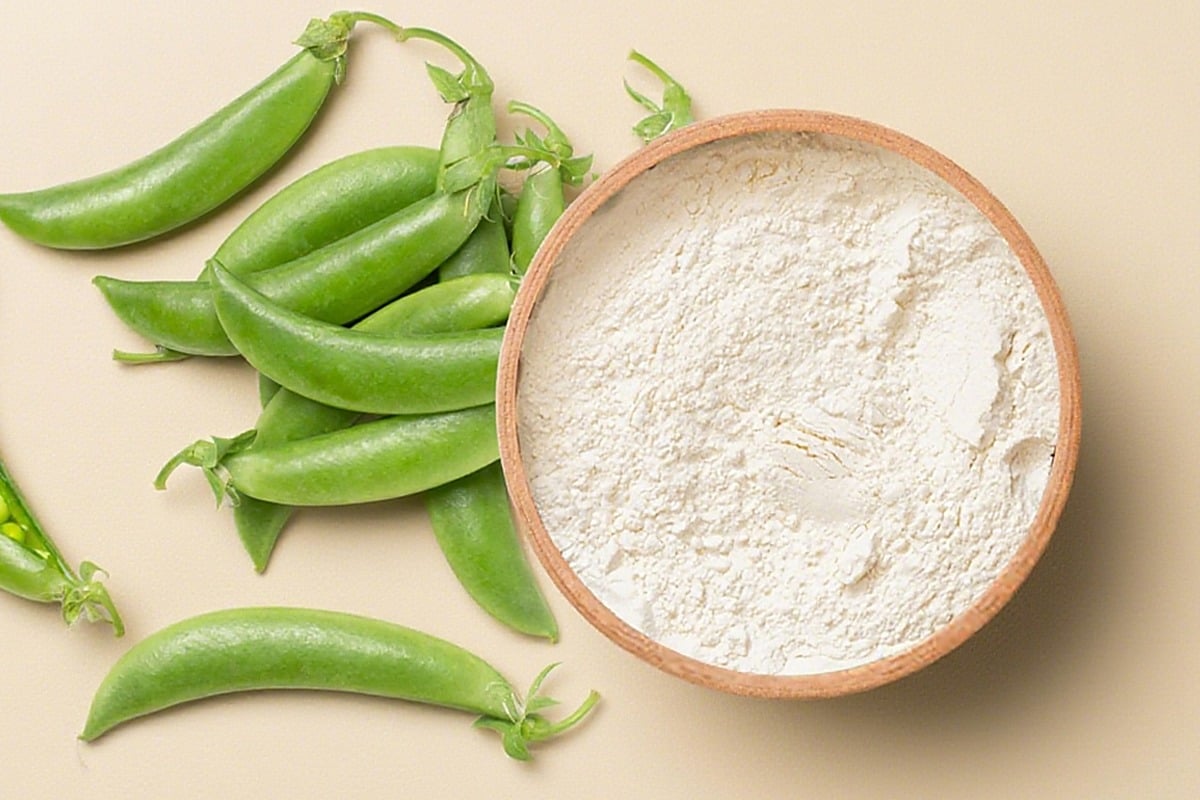
Yasin Pea Peptide Powder for Tree-Nut-Free and Major-Allergen-Free Clean-Label Formulations
1. “Tree-Nut-Free” or “Major-Allergen-Free” Label Claims
Boundary:Because walnut peptide is hydrolyzed from Juglans regia kernels, it is the wrong choice for nut-free school snacks. Products sold under U.S. FDA FALCPA or EU 1169/2011 rules must declare tree-nut allergens. See US FDA FALCPA Tree-Nut Guidance and EU Regulation 1169/2011 Annex II.
Where to look instead:Choose Yasin Pea Peptide Powder or Rice Peptide Powder (< 1,000 Da ≥ 85.0%). Both grades deliver comparable cold-water solubility without tree-nut or soy allergen labeling.
70:30 Walnut Peptide and High-Lysine Soy or Pea Peptide Blend for Complete Protein Sports Nutrition
2. Standalone High-Lysine Complete Protein Replacement
Boundary:Walnut protein provides abundant arginine and glutamic acid. However, standalone walnut peptide is not a substitute for high-lysine legume proteins when a meal replacement requires a 1.0 PDCAAS score.
Where to look instead:Make a 70:30 blend with Yasin Soy Peptide Powder (GB/T 22492) or Pea Peptide Powder to achieve a well-balanced essential amino acid spectrum.
Yasin Fish Collagen Tripeptide and Bovine Collagen Peptide for Hydroxyproline Dermal and Joint Matrix Formulas
3. Hydroxyproline-Targeted Dermal or Cartilage Matrix Formulas
Boundary:Like all botanical hydrolysates, walnut peptide contains zero hydroxyproline (Hyp) and zero Gly-Pro-Hyp collagen tripeptide sequences. It does nothing for direct hydroxyproline marker assays.
Where to look instead:Use Yasin Fish Collagen Tripeptide (500 Da) or Bovine Collagen Peptide for non-vegan joint and beauty SKUs.
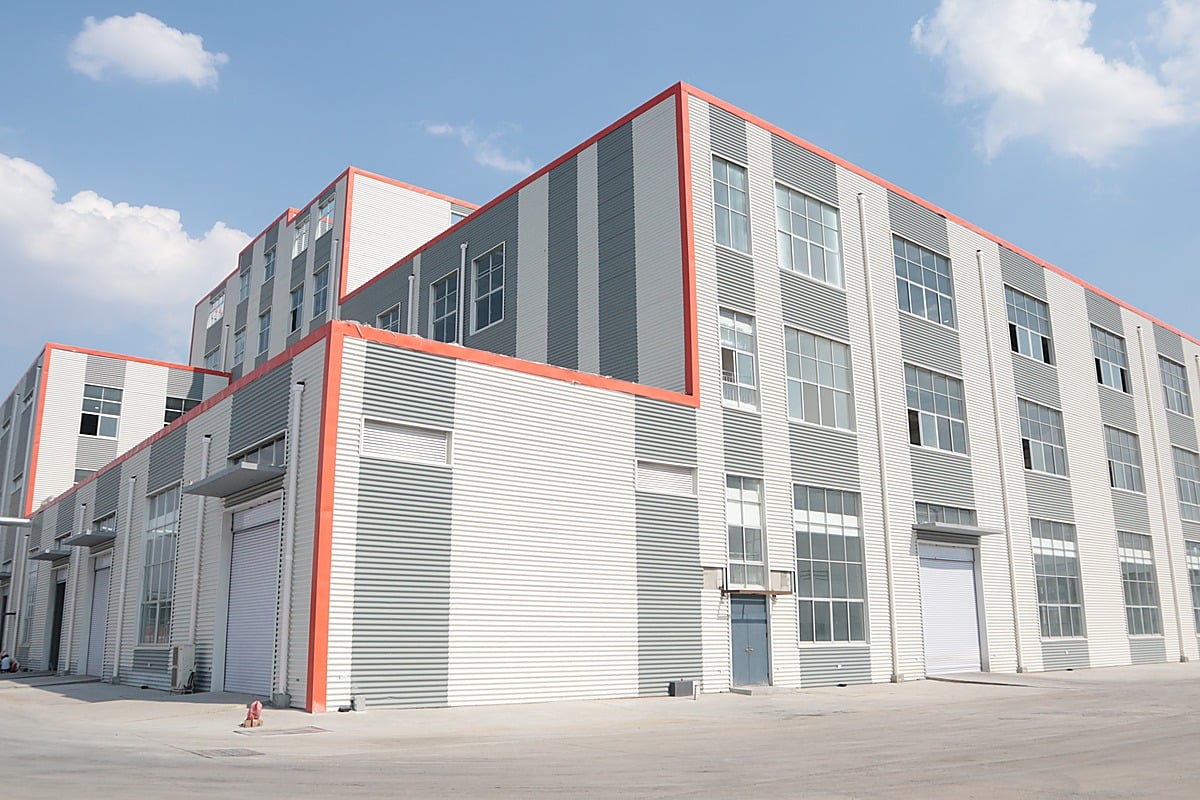
With manufacturing heritage dating to 1986 and Xiamen Yaxun Industry & Trade Co., Ltd. established in September 2009, we operate 19,000 tons of annual collagen and peptide production capacity. Our plant also produces 36,000 tons of gelatin and 8.5 billion empty capsule shells annually. We export enzymatically hydrolyzed plant peptides across North America, South America, Southeast Asia, South Korea, Japan, and the Middle East.
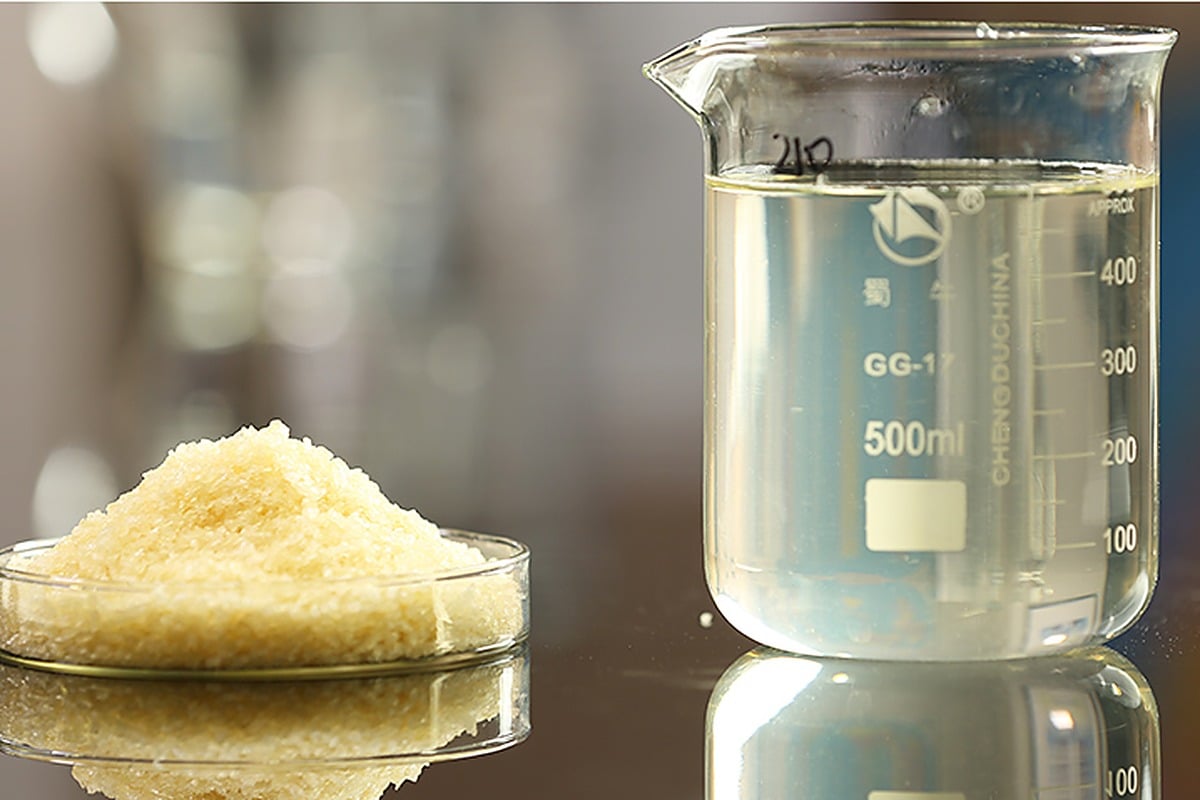
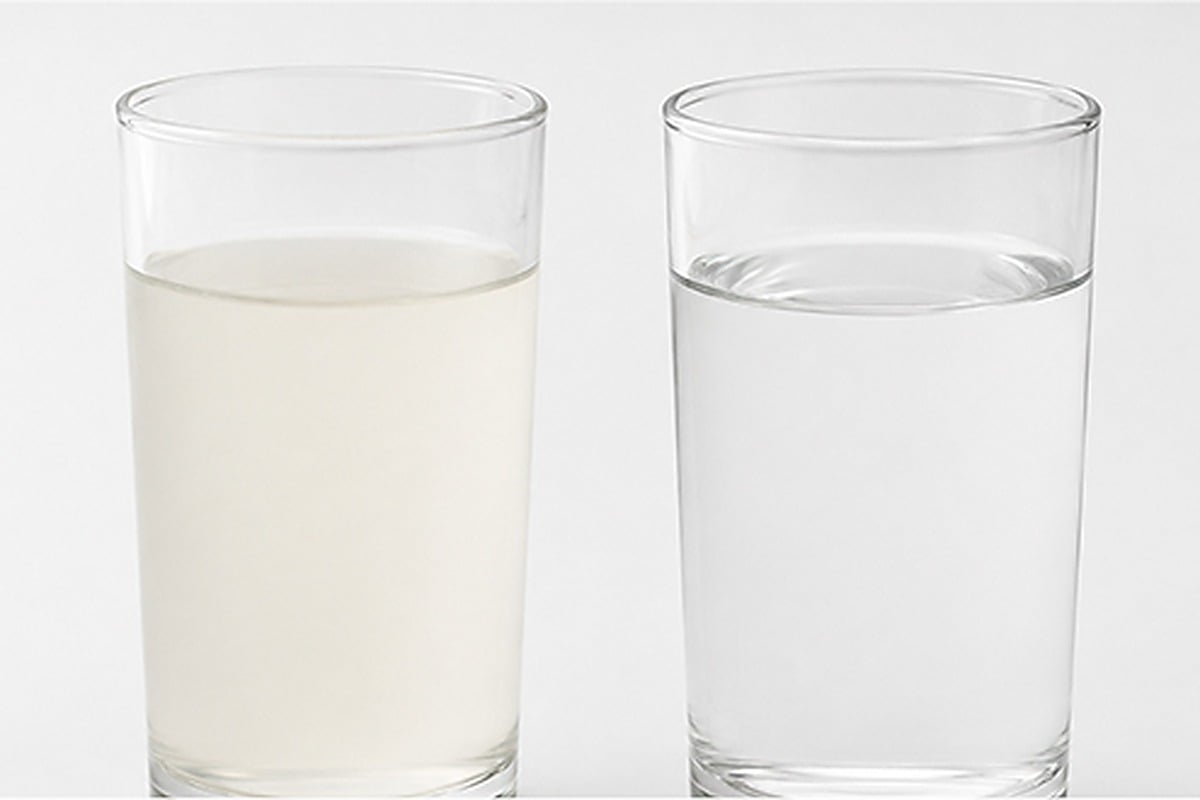
Comparison of Cloudy Unhydrolyzed Plant Protein vs Crystal-Clear Membrane-Sterilized Walnut Peptide Solution
CASE 01 · RTD CLARITY & SENSORY
Case 1: UK Functional Beverage Clarity & Taste Upgrade (Feisty Drinks Ltd)
Problem & Root Cause:Feisty Drinks Ltd, a UK functional beverage developer, experienced cloudy sedimentation after pasteurization and an astringent bitter aftertaste. Their previous plant-peptide RTD drink used an off-the-shelf supplier hydrolysate.
Yasin Engineering Solution:
We supplied our 0.45 μm + 0.22 μm membrane-sterilized, activated-carbon debittered plant peptide grade (< 1,000 Da ≥ 85.0%, pH 4.5-7.5). Validation started with a 200 g free sample and a 25 kg pilot lot.
Verified Proof & Outcome:
Eliminated post-pasteurization haze and bitterness, achieving crystal clarity and smooth mouthfeel across commercial RTD bottling runs.
500 kg Commercial Bulk Supply in 20 kg Moisture-Barrier Packaging Ready for CIF Bangkok Dispatch
CASE 02 · SUPPLY CHAIN & DOSSIER
Case 2: Southeast Asia Beverage Brand Lead-Time & Cost Optimization (Thailand)
Problem & Root Cause:Whereas commodity brokers send undersized evaluation samples and quote multi-week erratic production lead times, beverage brands need fast pilot lots. This Thai supplement manufacturer needed predictable replenishment.
Yasin Engineering Solution:
We transitioned the client to our direct 500 kg commercial bulk supply tier with a locked 10 days standard production lead time. Shipments use 20 kg moisture-barrier packaging with a full Halal (MUI/BPJPH) and COA export dossier.
Verified Proof & Outcome:
Achieved consistent on-schedule CIF Bangkok delivery while reducing total landed raw material cost and warehouse safety-stock requirements.
Regulatory & Specification Governance
Published Scientific Context vs. Commercial Food-Grade Positioning
Peer-reviewed academic studies (PMC9797595) investigate biological activities of peptides from fermented walnut meal and antioxidant peptides. Cell-culture papers also test walnut residual protein inducing apoptosis or protein inducing apoptosis and autophagy. Preclinical literature notes that a walnut-derived peptide could modulate oxidative stress and walnut protein could reach higher dispersion, while mouse models examine memory impairment in mice and anticancer activities of walnut fractions.
GB/T 22729 · GB/T 22492 Food Raw MaterialStrict B2B Compliance Boundary:
Published research explores the activity of walnut oligopeptides on oxidative stress and inflammatory pathways in animal models. However, we supply walnut peptide strictly as a food-grade nutritional raw material (GB/T 22729 / GB/T 22492), never as an unapproved drug.
SEC-HPLC · Kjeldahl Release MetricsQuantifiable Specification Focus:
Instead of extrapolating rodent findings, our commercial release criteria rely on SEC-HPLC molecular weight (< 1,000 Da ≥ 85.0%). We also verify dry-basis oligopeptides (≥ 50.0%) and Kjeldahl total nitrogen (≥ 12.8 g/100g).
Below are direct technical and commercial answers to the 12 most frequent questions by R&D formulators, QA auditors, and procurement officers for bulk walnut peptide powder.
Technical Specifications & Quality Assurance
Yasin CNAS Laboratory QA Auditor Reviewing Batch COA and SEC-HPLC Test Data
What is the molecular weight cutoff of your walnut peptide powder?
Every commercial batch guarantees at least 85.0% of protein hydrolysates have a relative molecular weight below 1,000 Da (1,000 u). We also guarantee dry-basis oligopeptides content of at least 50.0% and total nitrogen of at least 12.8 g/100g. Molecular weight distribution is verified on every lot by size-exclusion HPLC (SEC-HPLC) under GB/T 22729 Annex A.
How does enzymatic walnut oligopeptide differ from defatted walnut protein powder?
Unhydrolyzed defatted walnut protein powder consists of large 10,000 to 70,000 Da globulins and glutelins that exhibit poor water solubility and precipitate near pH 4.5. Directed enzymatic hydrolysis cleaves those proteins into short oligopeptides below 1,000 Da, delivering rapid cold-water dissolution, transparent clarity in acidic beverages, and faster gastrointestinal absorption.
Is walnut peptide soluble in cold water and acidic beverages?
Yes, our walnut peptide powder dissolves rapidly in cold or warm water and maintains a 10% aqueous pH of 4.5 to 7.5 (GB 5009.237). Over 85.0% of the peptide chains are cleaved below 1,000 Da and polished through 0.45 μm and 0.22 μm membranes. As a result, solutions remain clear across pH 3.8 to 7.5 beverage systems.
Does walnut peptide require tree-nut allergen labeling?
Yes. Because walnut peptide comes from Juglans regia kernels, finished products must declare tree-nut (walnut) allergens under US FDA FALCPA and EU Regulation 1169/2011 Annex II.
How are heavy metals and microbiological limits controlled on every batch COA?
Our CNAS-accredited laboratory tests every batch prior to release against strict national GB 5009 heavy metal limits: Lead (Pb) ≤ 0.2 mg/kg, Total Arsenic (As) ≤ 0.3 mg/kg, Total Mercury (Hg) ≤ 0.1 mg/kg, Cadmium (Cd) ≤ 0.1 mg/kg, and Chromium (Cr) ≤ 2.0 mg/kg. Microbiological safety is controlled via CCP1 0.45 μm and 0.22 μm dual-stage membrane filtration at ≤ 0.40 MPa. Every lot meets Salmonella 0/25g (n=5, c=0), Yeast and Mold ≤ 25 CFU/g each, and Aerobic Plate Count n=5, c=2, m=10³, M=3×10⁴ CFU/g.
Which food safety, Halal, and Kosher certifications cover your peptide production?
Our production lines and quality management system are certified to ISO 9001, ISO 22000, FSSC 22000, BRC, HACCP, and GMP standards, supported by our CNAS-accredited testing laboratory. For global export compliance, we provide valid Halal certification (recognized by MUI and BPJPH) and Kosher certification with every commercial shipment.
Commercial Supply, Logistics & Customization
Yasin Peptide Technical Team at SupplySide West USA Exhibition Booth
What is the minimum order quantity for trial and bulk orders?
We support a 25 kg minimum order quantity for pilot trial orders. Standard commercial bulk production starts at 500 kg with volume-tiered FOB and CIF pricing.
How can we request a 200 g free sample for formulation testing?
Submit your company details, target application (RTD beverage, solid sachet, capsule, tablet, or cosmetic serum), and required specification through our online sample request form. Our application engineers respond within 24 hours with sample dispatch confirmation, a lot-specific Certificate of Analysis (COA), Specification Sheet, and SDS/MSDS. Your lab can then verify walnut peptide supplement solubility, taste, and thermal stability before ordering a 25 kg trial lot.
What is your standard production lead time for bulk walnut peptide?
Our standard production lead time is 10 days for both 25 kg trial orders and 500 kg+ commercial bulk orders from our 19,000 tons annual peptide facility. For custom particle densities or multi-peptide blends, production turnaround is 7-15 working days, with expedited air freight or express shipping available on request.
What packaging formats and shelf life apply to export shipments?
We pack walnut peptide powder in 10 kg/bag, 15 kg/bag, or 20 kg kraft paper bags or double-wall corrugated cartons (GB/T 6543). Each pack is lined with food-contact polyethylene inner bags (GB 4806.7 and GB 4806.8). When stored sealed in a cool, dry warehouse away from direct sunlight, the certified shelf life is 24 months.
Which payment terms and Incoterms do you support for international buyers?
We accept T/T and L/C payments (with open account credit terms available for qualified VIP clients) and quote under FOB and CIF Incoterms. Air express delivery is available for 200 g samples and 25 kg trials.
Can you customize molecular weight, bulk density, or plant peptide blends under NDA?
Yes, we sign a non-disclosure agreement (NDA) on request before receiving your proprietary formula brief. Researchers frequently evaluate walnut peptide benefits, walnut oligopeptide benefits, and walnut protein peptide benefits in custom blends. Our engineers can target a specific bulk density sub-window within our 0.20 to 0.40 g/mL range or co-granulate walnut peptide with soy, pea, or collagen peptides in 7-15 working days.