
Get in touch with Xiamen Yasin Industry & Trade Co., Ltd.

Plant Based Collagen: Vegan Collagen Builder Ingredients & Plant Peptides
- Technical Quote Within 24 Hours
- 200 g Free Lab Sample in 5–7 Working Days
- MW < 1,000 Da Oligopeptides (GB/T 22492 & QB/T 4707)
- 10 Days Production Lead Time
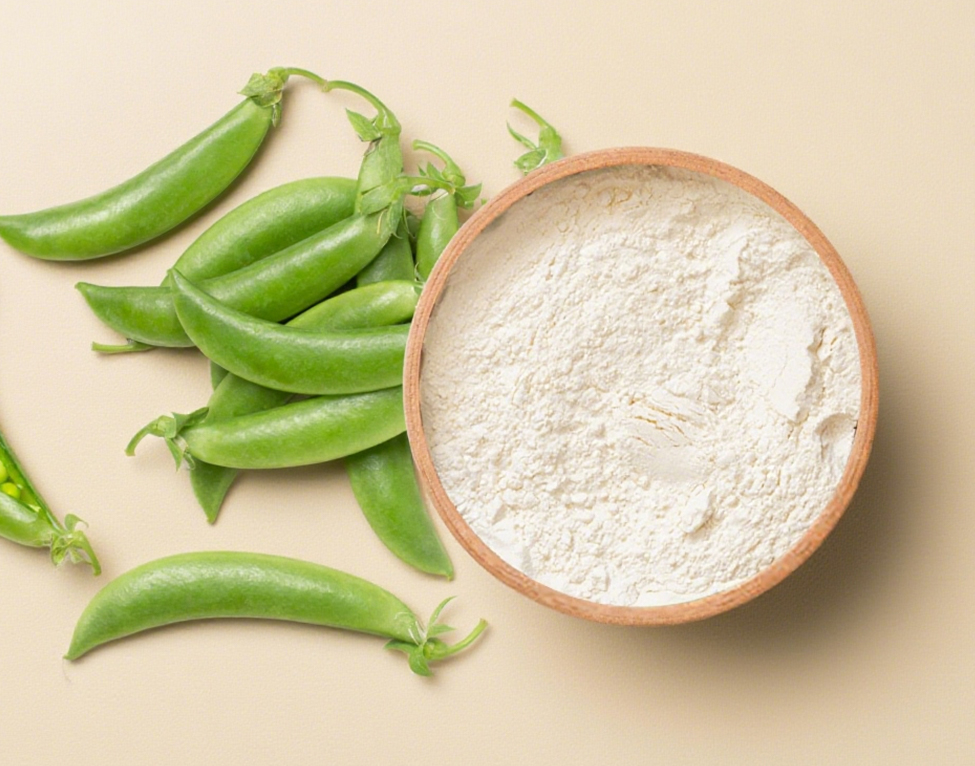
Formulating a compliant plant based collagen product starts with a biochemical fact: plants do not synthesize native animal triple-helix collagen. We manufacture enzymatically hydrolyzed plant collagen builder peptides, pea peptide, soy peptide, rice peptide, corn oligopeptide, and wheat oligopeptide, below 1,000 Da across our 19,000 tons annual capacity. Pair these water-soluble plant peptides with vitamin C, amino acid cofactors, biotin, hyaluronic acid, and silica for healthy skin and wrinkle support.
Specifications
- Quotation Turnaround Formal quote and grade match returned within 24 hours
- Free Lab Sample 200 g free sample per plant peptide grade (ships in 5–7 working days)
- Production Lead Time 10 days dispatch for trial and standard commercial batches
- Minimum Order Quantity 500 kg standard bulk MOQ (25 kg trial orders accepted)
- Molecular Weight Standard < 1,000 Da under GB/T 22492-2008 and QB/T 4707-2014
- Annual Peptide Capacity 19,000 tons/year (ISO 22000, FSSC 22000, BRC, HACCP, Halal, Kosher)
Process & Biochemistry
Plant-Based Collagen Builder Manufacturing Capabilities and Enzymatic Hydrolysis
Many brands seek a natural plant based collagen alternative, only to find that vegan collagen is biochemically absent in the plant kingdom. Native collagen is an animal structural protein composed of glycine, proline, and hydroxyproline, as documented in NIH PMC peer-reviewed collagen composition studies on structural proteins. Effective plant-based collagen alternatives therefore combine < 1,000 Da plant peptides with vitamin C and amino acid precursors to drive endogenous collagen production.
Targeted Multi-Enzyme Hydrolysis (< 1,000 Da)
Intact legume and cereal proteins fold into large globulins (100,000 to 300,000 Da) that clump in cold water and settle in ready-to-drink bottles. We cleave non-GMO pea, soy, rice, corn, and wheat proteins using food-grade enzymes into dipeptides and tripeptides under 1,000 Da. Molecular weight distribution is verified by SEC-HPLC under GB/T 22729-2008.
Adsorption
Activated-Carbon Debittering & Decolorization
Enzymatic cleavage of hydrophobic peptide bonds exposes bitterness from amino acid side chains which ruins the flavor of vegan collagen powder mixes. Our primary perlite filtration and activated-carbon adsorption stage strips polyphenols, dark pigments and bitterness before membrane concentration.
CCP1 Filtration
CCP1 Dual-Stage Membrane Filtration Sterilization
Residual macromolecular solids cause haze and turbidity in clear beauty beverages. At Critical Control Point 1 (CCP1), every liquid peptide batch passes through dual 0.45 μm and 0.22 μm sterilization membranes. We hold filtration pressure at ≤ 0.40 MPa and flow rate at 800–1,500 L/h.
Spray Drying & CCP2 Metal Detection
Clarified peptide concentrates are atomized in centrifugal spray-drying towers into free-flowing powder with moisture held at ≤ 7.0% under GB 5009.3-2016. Every sealed inner bag passes CCP2 metal detection calibrated to Fe ≤ 2.0 mm, Non-Fe ≤ 3.0 mm, and stainless steel (SS) ≤ 3.0 mm.
Production Infrastructure
Industrial Peptide Production & Laboratory Equipment on Our Floor
-
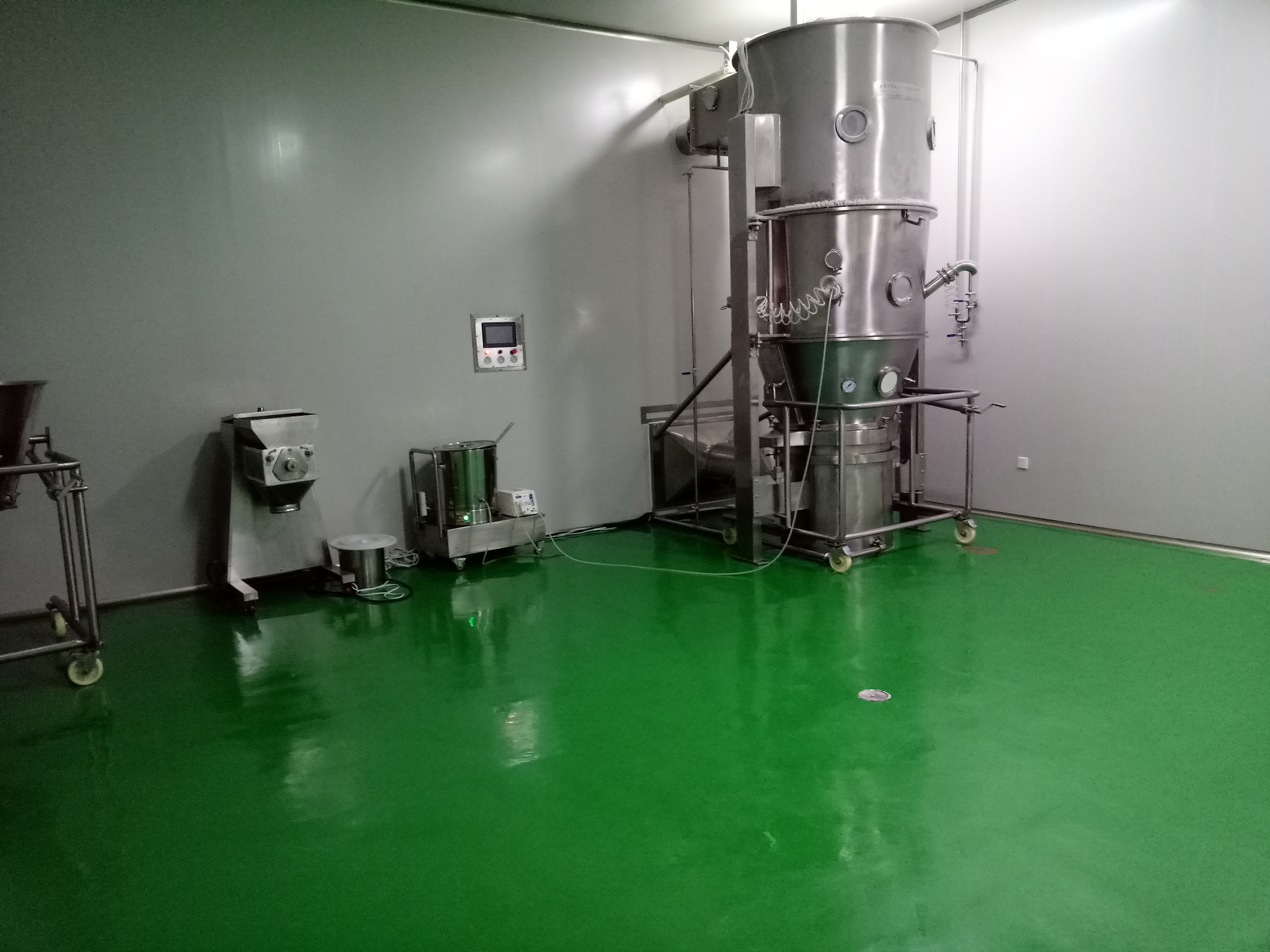
19,000 Tons Peptide / Year26,000 Tons Gelatin / YearIn our hydrolysis bay, Multi-Stage Enzymatic Hydrolysis Reactors provide automated temperature-controlled and pH-stat cleavage supporting our 19,000 tons annual peptide production capacity (alongside 26,000 tons of food and pharmaceutical gelatin capacity).
-
Upstream Clarification Upstream clarification uses Perlite Primary Filters & Activated-Carbon Decolorization Vessels to strip bitter peptides and pigments for pale-yellow to white beauty-grade powders.
-
Downstream Purification Downstream purification employs Nanofiltration, Ultrafiltration & CCP1 Membrane Units to remove microbial loads and insoluble protein aggregates prior to concentration.
-
Thermal Drying Thermal drying is done in Centrifugal Spray-Drying Towers & Fluidized-Bed Granulators to produce instant-dispersing powders with bulk density of 0.24-0.40 g/mL.
-
Final Packing Final packing passes CCP2 High-Sensitivity Metal Detectors & Disinfected Packaging Lines before sealing 10 kg cartons and 20 kg kraft paper bags with food-grade PE liners.
Formulation Applications
Dosage Formats Supported by Our Plant Peptides
-
01 RTD BeveragesFor beverage lines, Clear RTD Beauty & Functional Beverages use acid-stable (< 1,000 Da) pea, rice, and corn oligopeptides that stay clear across pH 3.2–7.5 without isoelectric precipitation.
-
02 Powder PacksVegan Collagen Powder Canisters & Stick Packs consist of instant cold-water dispersible vegan collagen peptides powder which is blended with vitamin C, biotin and hyaluronic acid and silica.
-
03 GummiesPlant-Based Beauty Gummies & Chewables contain plant peptides with pectin or agar gummy matrices for hair, skin, and nails dietary supplements.
-
04 Solid DoseFor solid dose lines, Vegan Capsules, Tablets & Effervescent Discs, use high-density oligopeptides tailored for direct compression and two-piece vegetable capsule filling.
-
05 Protein BlendsFor active nutrition, Clean-Label Vegan Collagen Protein Powder Blends supply high-protein (≥ 79.4% for corn; ≥ 80.0%–85.0% for pea, soy, rice, and wheat) peptide bases.
-
06 Topical SerumsFor topical lines, Topical & Nutricosmetic Peptide Serums, apply water-soluble oligopeptides to deliver small molecule amino acid nutrition.
Specifications
Plant Peptide Ingredients for Vegan Collagen Formulations
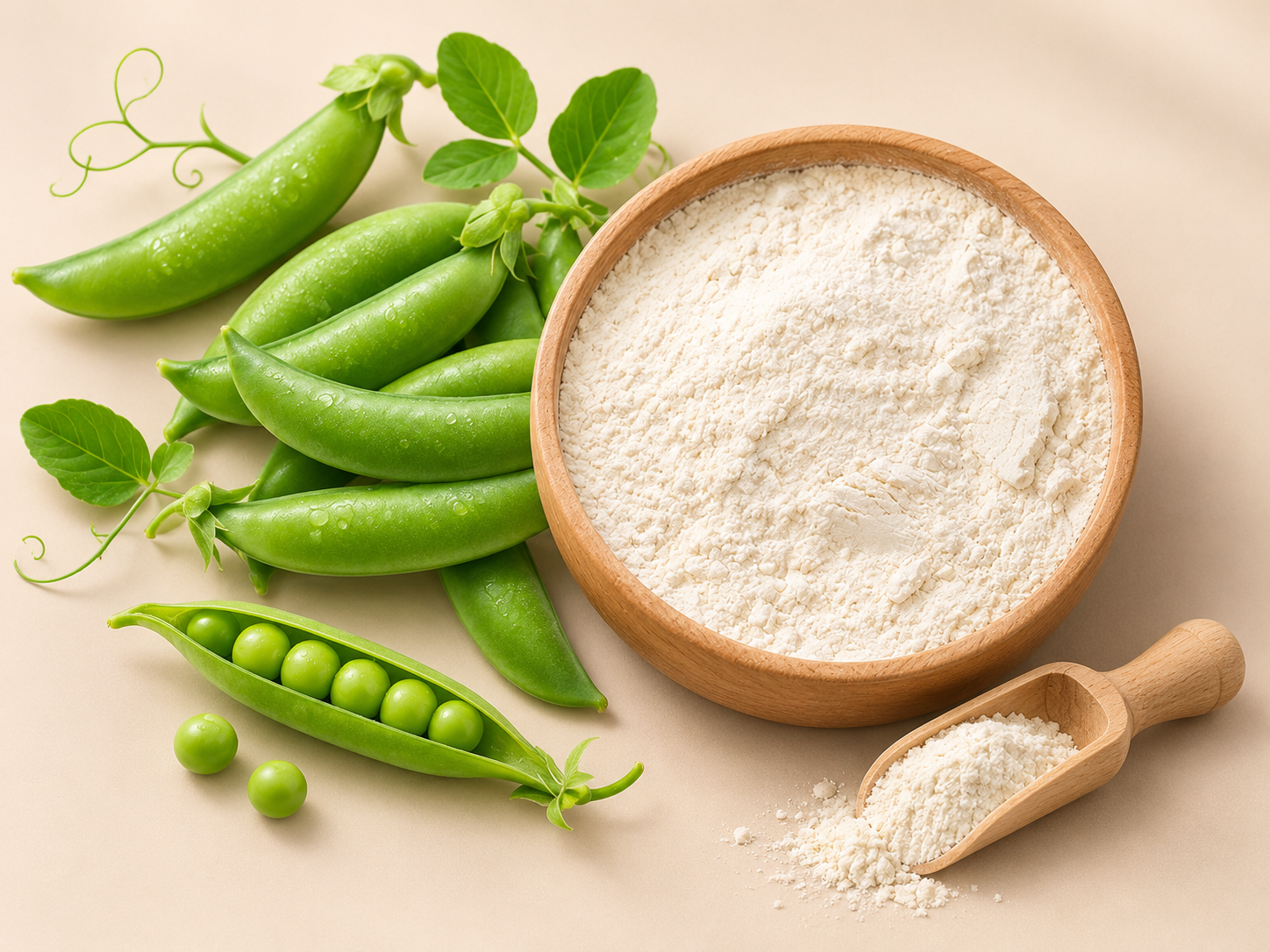
To find the best plant based collagen alternative, you need to consider your botanical amino acid profile and allergen status when matching your target label claim. In Gorissen and colleagues (2018) plant protein amino acid comparisons across commercial isolates, cereal peptides and legume peptides, you will find complementary glycine, proline and glutamic acid as well as lysine. Understanding the trade-off between single crop processing and multi source selection, lets your R&D team balance the amino acid density and the labeling of allergens.
Applications
6. Custom Dual-Peptide & Co-Factor Builder Architecture
Combining 60% Hydrolyzed Pea Peptide (for lysine) with 40% Rice Peptide or Corn Oligopeptide (for glycine and proline) creates an allergen-free amino acid spectrum. This blend is tailored for collagen peptides for vegans. Send your target amino acid ratio, and we will supply 200 g free samples of each grade for bench trials.
Specifications
5-Plant Peptide Comparison & Allergen Decision Matrix
| Plant Peptide Ingredient | Molecular Weight | Governing Standard | Signature Amino Acids for Collagen Builder | Cold-Water RTD Clarity | US FDA / EU Major Allergen Status | Standard Export Packaging |
|---|---|---|---|---|---|---|
| Hydrolyzed Pea Peptide | < 1,000 Da | GB/T 22729-2008 (MW) / GB 5009.5-2025 | High Lysine, Arginine, Glutamic Acid, Glycine | High clarity (proven in UK RTD drinks) | Allergen-Free (Not a US Top-9 major allergen) | 20 kg kraft paper bag (or 15 kg bag) |
| Hydrolyzed Soy Peptide | < 1,000 Da | GB/T 22492-2008 | Balanced Glycine, Proline, Glutamic & Aspartic Acid | Clear dispersion in cold water | Contains Soy (US FDA FALCPA & EU major allergen label) | 10 kg export carton |
| Hydrolyzed Rice Peptide | < 1,000 Da | GB/T 22729-2008 (MW) / GB 5009.5-2025 | High Glycine (~4.7–5.4%), Alanine, Arginine | Very high clarity, pale light color | Allergen-Free & Gluten-Free | 20 kg kraft paper bag |
| Corn Oligopeptide | < 1,000 Da | QB/T 4707-2014 | High Proline (~8–9%), Leucine, Alanine | Excellent clarity at acidic pH 3.2–5.0 | Allergen-Free & Gluten-Free | 10 kg export carton (or 20 kg bag) |
| Wheat Oligopeptide | < 1,000 Da | GB/T 22729-2008 (MW) / GB 5009.5-2025 | Highest Proline (~10–12%) & Glutamine | High solubility in neutral & mildly acidic mixes | Contains Wheat (US FDA FALCPA & EU major allergen label) | 10 kg export carton |
R&D Formulation Check. Compare our allergen-free Pea, Rice, and Corn oligopeptides against bovine collagen peptides in your lab.
Specifications & Compliance
Functional Processing Options, Co-Factor Synergy and Compliant Label Wording
Launching a plant-based collagen supplement in North America or Europe requires pairing your peptide base with enzymatic cofactors and accurate packaging claims. Under US FDA 21 CFR Part 101 food labeling regulations and European Regulation (EC) No 1924/2006, brands must not misbrand botanical extracts as animal-derived collagen. Top-selling vegan collagen builder ingredients instead combine < 1,000 Da plant peptides with vitamin C to support natural collagen production.
Process
1. In-House Peptide Processing & Co-Factor Formulation Options
| Processing / Formulation Stage | Governing Standard or Method | Controlled Specification Result | Execution Source |
|---|---|---|---|
| Controlled Enzymatic Molecular Cut | GB/T 22492-2008 / QB/T 4707-2014 / SEC-HPLC (GB/T 22729-2008) | Relative molecular weight < 1,000 Da (≥ 80.0%–85.0% oligopeptide fraction) | In-house enzymatic hydrolysis line |
| Activated-Carbon Debittering & Decolorization | In-Process Sensory & Color Filtration Protocol | Pale-yellow to white powder with neutral odor and reduced hydrophobic bitterness | In-house filtration & adsorption line |
| CCP1 Membrane Filtration Sterilization | HACCP CCP1 Protocol | 0.45 μm + 0.22 μm membrane filtration at ≤ 0.40 MPa, 800–1,500 L/h for clear RTD drinks | In-house membrane sterilization unit |
| Spray-Dry Instant Agglomeration | GB 5009.3-2016 Moisture Control | Moisture ≤ 7.0% (measured 3.10%–4.61%), stacking density 0.24–0.40 g/mL | In-house centrifugal spray-dry tower |
| Co-Factor Synergy Compatibility | 21 CFR 101.9 (Vitamin C RDI 90 mg) / EFSA Reg (EU) 432/2012 | Compatible with Vitamin C (18–90 mg/serving), free L-glycine/L-proline, biotin, hyaluronic acid, and silica | Verified in customer supplement & beverage blends |
2. Accurate Label Wording Matrix for US & EU Vegan Beauty Brands
Regulators and plaintiffs in class action suits take interest in dietary supplements products that claim to contain collagen in its native plant form without disclosing the mechanism. Use the table below to make identity statements and structure-function claims on the front-of-pack while meeting consumer interest in vegan collagen peptides and plant based collagen boosters.
| Packaging Claim Category | Accurate & Compliant Label Wording (Recommended) | High-Risk / Non-Compliant Wording (Avoid) | Regulatory & Biochemical Basis |
|---|---|---|---|
| Product Identity Statement | “Vegan Collagen Builder”, “Plant-Based Collagen Booster”, or “Pro-Collagen Plant Peptide & Amino Acid Complex” | “Pure Plant Collagen” or “Botanical Type I & III Collagen Protein” | Clarifies that the formula builds endogenous collagen rather than claiming plants contain animal structural collagen. |
| Ingredient List (INCI / Supplement Facts) | “Hydrolyzed Pea Protein Peptide”, “Soybean Peptide Powder”, “Hydrolyzed Rice Protein”, “Corn Oligopeptides”, “Wheat Oligopeptides” | Listing “Vegan Collagen” as a single chemical ingredient inside the Supplement Facts panel | 21 CFR 101.4 requires ingredients to be declared by their common or usual botanical protein hydrolysate name. |
| US Structure / Function Claim (DSHEA) | “Formulated with <1,000 Da plant peptides, amino acids, and Vitamin C to support natural collagen production for healthy skin” | “Replaces lost dermal collagen directly with plant-extracted collagen fibers” | Supported by NIH Office of Dietary Supplements Vitamin C collagen synthesis evidence in humans. |
| US Nutrient Content Claim (21 CFR 101.54) | “High in Antioxidant Vitamin C (≥18 mg / 20% DV per serving) for Essential Collagen Hydroxylation” | Claiming “High in Collagen Builder” without a defined Daily Value nutrient anchor | 21 CFR 101.9 sets adult Vitamin C RDI at 90 mg; ≥18 mg (20% DV) qualifies for “High in / Excellent source”. |
| EU Authorized Health Claim (EC 1924/2006) | “Contains Vitamin C, which contributes to normal collagen formation for the normal function of skin, cartilage, and bones” | Assigning the EFSA collagen-formation health claim solely to the plant protein without Vitamin C or copper | Authorized under Commission Regulation (EU) No 432/2012 when Vitamin C meets source-of-nutrient thresholds. |
Packaging & COA
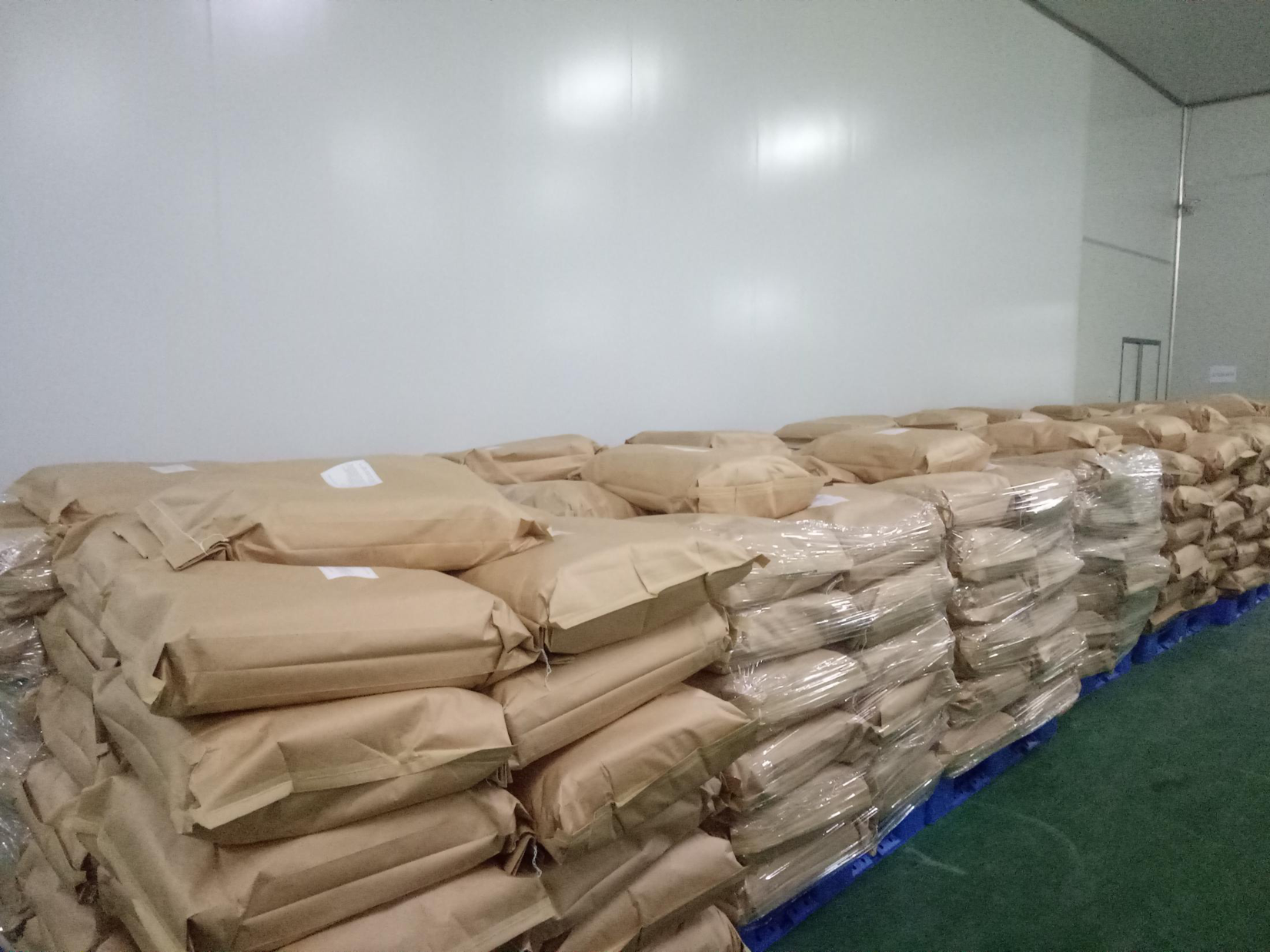
Every order ships in your specified pure plant peptide grade (20 kg kraft paper bags or 10 kg cartons). Full botanical origin and allergen declarations appear on the Certificate of Analysis.
Specifications
Technical Specifications and Certificate of Analysis Limits
Many commercial plant peptide suppliers only state crude protein without disclosing molecular weight fractions, whereas every batch of our plant-based collagen builder peptides is tested in our CNAS-accredited laboratory before release. Unlike generic unflavored pea protein isolate (> 100,000 Da, ≤ 15% solubility at pH 4.5), our hydrolyzed plant peptides stay below 1,000 Da. Each lot also meets strict heavy-metal and microbiological limits under GB 5009 and GB 4789 standards.
COA Parameter Focus
| Specification Parameter | Guaranteed Limit & Measured COA Performance | Analytical Test Method Standard |
|---|---|---|
| 01Relative Molecular Weight Distribution | MW < 1,000 Da (≥ 80.0%–85.0% oligopeptide fraction across Pea, Soy, Rice, Corn, and Wheat grades) | GB/T 22492-2008 / QB/T 4707-2014 / SEC-HPLC (GB/T 22729-2008) |
| 02Protein Content (Dry Basis, N × 6.25) | ≥ 79.4% for Corn Oligopeptide; ≥ 80.0%–85.0% across Pea, Soy, Rice, and Wheat grades (COA measured 85.0% on mildly hydrolyzed pea peptide; 79.4% on corn oligopeptide) | GB 5009.5-2025 (Kjeldahl Nitrogen Determination) |
| 03Total Nitrogen (Dry Basis) | ≥ 11.2 g/100g (measured 12.7 g/100g on corn oligopeptide; 13.6 g/100g on pea peptide) | GB 5009.5-2025 |
| 04Moisture (Loss on Drying) | ≤ 7.0 g/100g (measured 3.10 g/100g on pea peptide; 4.61 g/100g on corn oligopeptide) | GB 5009.3-2016 |
| 05Total Ash | ≤ 7.0 g/100g (measured 2.3 g/100g on corn oligopeptide; 3.5 g/100g on pea peptide) | GB 5009.4-2016 |
| 06pH Value (10% Aqueous Solution) | 5.0 – 7.5 (measured 5.91 on corn oligopeptide; 6.92 on pea peptide) | Potentiometric pH Meter (10% w/v solution) |
| 07Bulk / Stacking Density | 0.24 – 0.40 g/mL (uniform free-flowing powder or granules, soft, no caking) | Q/DLL Enterprise & National Graduated Cylinder Method |
| 08Heavy Metal Limits (Pb, As, Hg, Cd, Cr) | Lead (Pb) ≤ 0.2 mg/kg (ND); Total Arsenic (As) ≤ 0.3 mg/kg (ND–0.14); Mercury (Hg) ≤ 0.1 mg/kg (ND); Cadmium (Cd) ≤ 0.1 mg/kg (ND); Chromium (Cr) ≤ 2.0 mg/kg (ND) | GB 5009.12-2023 (Pb), GB 5009.11-2024 (As), GB 5009.17-2021 (Hg), GB 5009.15-2023 (Cd), GB 5009.123-2023 (Cr) |
| 09Microbiological Limits | Total Plate Count: n=5, c=2, m=1,000, M=30,000 CFU/g (measured 30–500 CFU/g); Coliforms: < 10 CFU/g; Salmonella: ND/25g (n=5, c=0, m=0); S. aureus: < 10 CFU/g; Mould & Yeast: ≤ 25 CFU/g (measured < 10 CFU/g) | GB 4789.2-2022, GB 4789.3-2025, GB 4789.4-2024, GB 4789.10-2016, GB 4789.15-2016 |
| 10Standard Packaging, MOQ, Lead Time & Shelf Life | 10 kg/carton (Soy, Wheat, Corn) or 20 kg kraft paper bag (Pea, Rice, Corn; 15 kg bag for mildly hydrolyzed Pea); 500 kg standard MOQ (25 kg trial order); 10 days production lead time; 24-month shelf life | Lot-Specific Batch Certificate of Analysis (COA) ships with every order |
Commercial Procurement
Bulk Pricing Drivers, MOQ and Production Lead Times
Once your R&D team locks in the COA specification limits, commercial procurement depends on cost transparency and reliable dispatch. Bulk pricing for plant-based collagen peptides follows botanical source, hydrolysis depth (< 1,000 Da yield), membrane clarification grade, packaging format, and volume tier. We provide written FOB and CIF quotations within 24 hours across 25 kg trial lots and 500 kg+ commercial runs.
| Pricing Driver | Effect on Per-Kilogram Cost | How to Lower Your Landed Cost |
|---|---|---|
| 01 Botanical Substrate & Allergen Profile | Allergen-free Hydrolyzed Pea Peptide, Rice Peptide, and Corn Oligopeptide carry a moderate raw-material premium over Soy and Wheat Oligopeptides. | Use Soy or Wheat Peptide where major-allergen declarations are permitted, or blend 60% Pea Peptide with 40% Corn/Rice Peptide for allergen-free SKUs. |
| 02 Degree of Enzymatic Hydrolysis (< 1,000 Da) | Multi-stage enzymatic cleavage and 0.22 μm membrane sterilization require longer reactor residence times and higher filtration throughput than unhydrolyzed isolates. | Specifying our standard < 1,000 Da beverage-grade cut buys you clear RTD stability without paying for custom sub-500 Da chromatography fractionation. |
| 03 Order Volume Tier (25 kg Trial vs. 500 kg Bulk) | A 25 kg pilot trial order absorbs dedicated QC testing and packing setup over a smaller mass compared to our 500 kg standard commercial MOQ. | Validate solubility with our 200 g free sample first, run a single 25 kg pilot batch if required, and step up to 500 kg pallet tiers for commercial launch. |
| 04 Packaging Format & Container Utilization | 10 kg export cartons require double-wall corrugated boxing, whereas 20 kg multi-wall kraft paper bags with PE inner liners maximize pallet density. | Select 20 kg kraft paper bags on full-pallet (500 kg / 1,000 kg) sea-freight shipments under FOB or CIF terms. |
Sample & Quote Dispatch
2. Quotation Turnaround & Sample Policy
Quotes are returned within 24 hours on business days, reviewed by our technical export team together with a lot-specific Certificate of Analysis (COA) and specification sheet. We provide a 200 g free sample per plant peptide grade for lab formulation testing, solubility screening, and sensory evaluation.
3. Lead Times and Minimum Order Quantities by Stage
| Order Stage | Minimum Quantity / Allocation | Guaranteed Dispatch Lead Time | What Is Included |
|---|---|---|---|
| Stage 01 Lab Evaluation Sample | 200 g free sample per plant peptide grade | 5–7 working days | Lot-traceable 200 g powder pack + Batch Certificate of Analysis (COA) + Technical Specification Sheet (TDS) |
| Stage 02 Pilot / Small-Batch Trial Order | 25 kg trial orders accepted | 10 days | Commercial-grade lot packed in standard 10 kg cartons or 20 kg kraft paper bags (with 5 kg inner PE trial pack) + COA, SDS/MSDS, Halal & Kosher certificates |
| Stage 03 Standard Commercial Production | 500 kg standard bulk minimum order quantity | 10 days | Dedicated batch from our 19,000 tons/year peptide lines + full export dossier (COA, TDS, SDS, Halal, Kosher, packing list) |
Production lead times of 10 days apply from order and deposit confirmation to factory dispatch; international air or ocean transit time depends on your destination port. We operate on T/T or L/C payment terms and ship under standard ICC Incoterms 2020 FOB and CIF trade terms.
Process & Formulation Engineering
How We Work and Vegan Collagen Formulation Engineering Notes
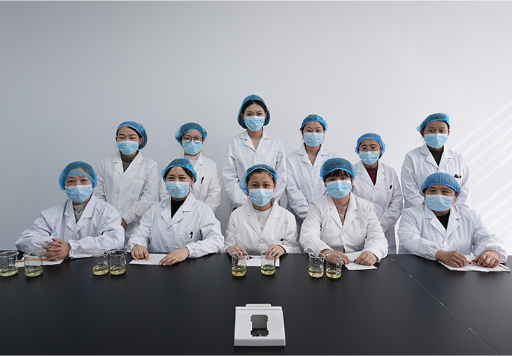
Sourcing bulk plant peptides from China should be predictable from bench trial to container loading. We assign a Technical Export Specialist to manage your project and document the following 6 process milestones:
-
Step 1 Submit Your Formulation Brief.
Complete your target dosage format (RTD drink, powder canister, gummy, capsule), preferred botanical source (pea, soy, rice, corn, wheat), and required certifications.
-
Step 2 24-Hour Technical Match & Written Quotation.
Within 24 hours, we return a recommended peptide grade (< 1,000 Da) and lot-specific COA. You also receive formal FOB or CIF pricing for 25 kg trial and 500 kg bulk tiers.
-
Step 3 200 g Free Lab Sample Dispatch (5–7 Working Days).
We ship a 200 g free sample per selected grade via international express. Your R&D team can validate solubility, clarity, pH stability, and flavor in your matrix.
-
Step 4 Pilot Trial (25 kg) or Commercial Order Confirmation (500 kg MOQ).
Lock in your order under T/T or L/C payment terms with written specification tolerances.
-
Step 5 In-House Production, CCP1/CCP2 Control & CNAS Lab Release (10 Days).
Your lot is hydrolyzed, membrane-sterilized, spray-dried, and metal-detected. Every batch is tested in our CNAS-accredited laboratory within our 10-day production window.
-
Step 6 Moisture-Barrier Packing & FOB/CIF Dispatch.
Product is sealed in food-grade PE inner liners inside 10 kg cartons or 20 kg kraft paper bags. Every shipment includes full COA, TDS, SDS, Halal, and Kosher export documents.
R&D Lab Validation
Step 01 – 06
Formulation Engineering Notes That Improve Clarity and Lower Cost
| Formulation Challenge | What to Specify | Why It Improves Performance & Saves Cost |
|---|---|---|
| Turbidity & Sediment in Acidic RTD Drinks (pH 3.2–4.8) | Specify our CCP1 0.22 μm membrane-clarified Hydrolyzed Pea Peptide or Corn Oligopeptide (< 1,000 Da) instead of intact plant protein isolate. | Intact pea protein has very low solubility at an acidic pH near its isoelectric point (pH 4.0–5.0) according to Schneider and colleagues (2023) acidic beverage solubility research in functional drinks, whereas < 1,000 Da oligopeptides remain soluble without expensive hydrocolloid stabilizers. |
| Incomplete Pro-Collagen Amino Acid Balance | Blend 60% Hydrolyzed Pea Peptide with 40% Hydrolyzed Rice Peptide or Corn Oligopeptide, plus 45–90 mg Vitamin C per serving. | Combines rice/corn glycine and proline density with pea lysine in an allergen-free base, reducing the need for expensive pharmaceutical-grade free amino acid fortification. |
| Bitter Off-Notes in Unflavored Sachet Powders | Select our activated-carbon debittered Rice Peptide or Mildly Hydrolyzed Pea Peptide (pH 5.0–7.5) and pair with natural citrus or berry acids. | Lowers flavor-masking and sweetener additive costs while keeping the clean-label ingredient list short. |
| Hygroscopic Caking During Humid Blending | Maintain blending room relative humidity at ≤ 65% RH and heat-seal inner PE liners immediately after partial bag dispensing. | Low-molecular-weight (< 1,000 Da) oligopeptides expose hydrophilic terminal groups; moisture-barrier handling preserves our ≤ 7.0% moisture specification across the 24-month shelf life. |
Quality Control, CCP Sterilization and Export Certifications
International supplement and beverage brands cannot afford customs holds, microbial recalls, or undisclosed allergen cross-contact. Our manufacturing heritage dates to 1986, and Xiamen Yaxun Industry & Trade Co., Ltd. was established in September 2009. We govern every plant peptide lot through a documented HACCP plan and an in-house CNAS-accredited laboratory.
1. Four-Stage In-Plant Quality & HACCP Verification Workflow
- Stage 1 covers Operational Prerequisite Program 1 (OPRP1) Raw Material Acceptance of non-GMO pea, soy, rice, corn, and wheat proteins. Raw materials are only accepted from qualified suppliers with verified factory inspection sheets and botanical traceability.
- Stage 2 executes CCP1 Dual-Stage Membrane Filtration Sterilization. After hydrolysis, perlite filtration, and activated-carbon decolorization, peptide liquor passes through 0.45 μm and 0.22 μm sterilization membranes at ≤ 0.40 MPa and 800–1,500 L/h.
- Stage 3 completes CNAS-Accredited Laboratory Batch Release. Composite samples from every spray-dried lot are tested for dry-basis protein (GB 5009.5-2025) and < 1,000 Da molecular weight distribution (GB/T 22729-2008). We also verify moisture (GB 5009.3-2016), ash (GB 5009.4-2016), heavy metals (Pb, As, Hg, Cd, Cr), and microbiology (GB 4789).
- Stage 4 enforces CCP2 Metal Detection & Operational Prerequisite Program 2 (OPRP2) Allergen Labeling. Every sealed inner package passes CCP2 metal detection (Fe ≤ 2.0 mm, Non-Fe ≤ 3.0 mm, SS ≤ 3.0 mm) before outer packing. Soy and wheat lots undergo mandatory OPRP2 allergen label verification.
CNAS-Accredited Laboratory Inspection Equipment
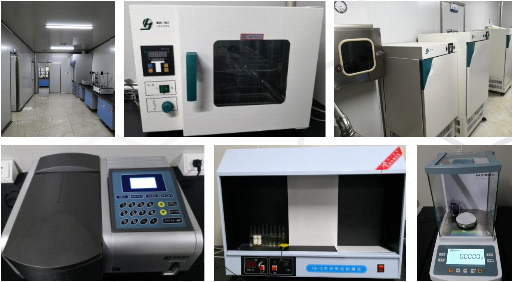
- Protein assays run on our Kjeldahl Nitrogen Analyzer & Digestion Furnace to verify dry-basis total nitrogen (≥ 11.2 g/100g) and protein purity (≥ 79.4% for corn; ≥ 80.0%–85.0% for pea, soy, rice, and wheat) per GB 5009.5-2025.
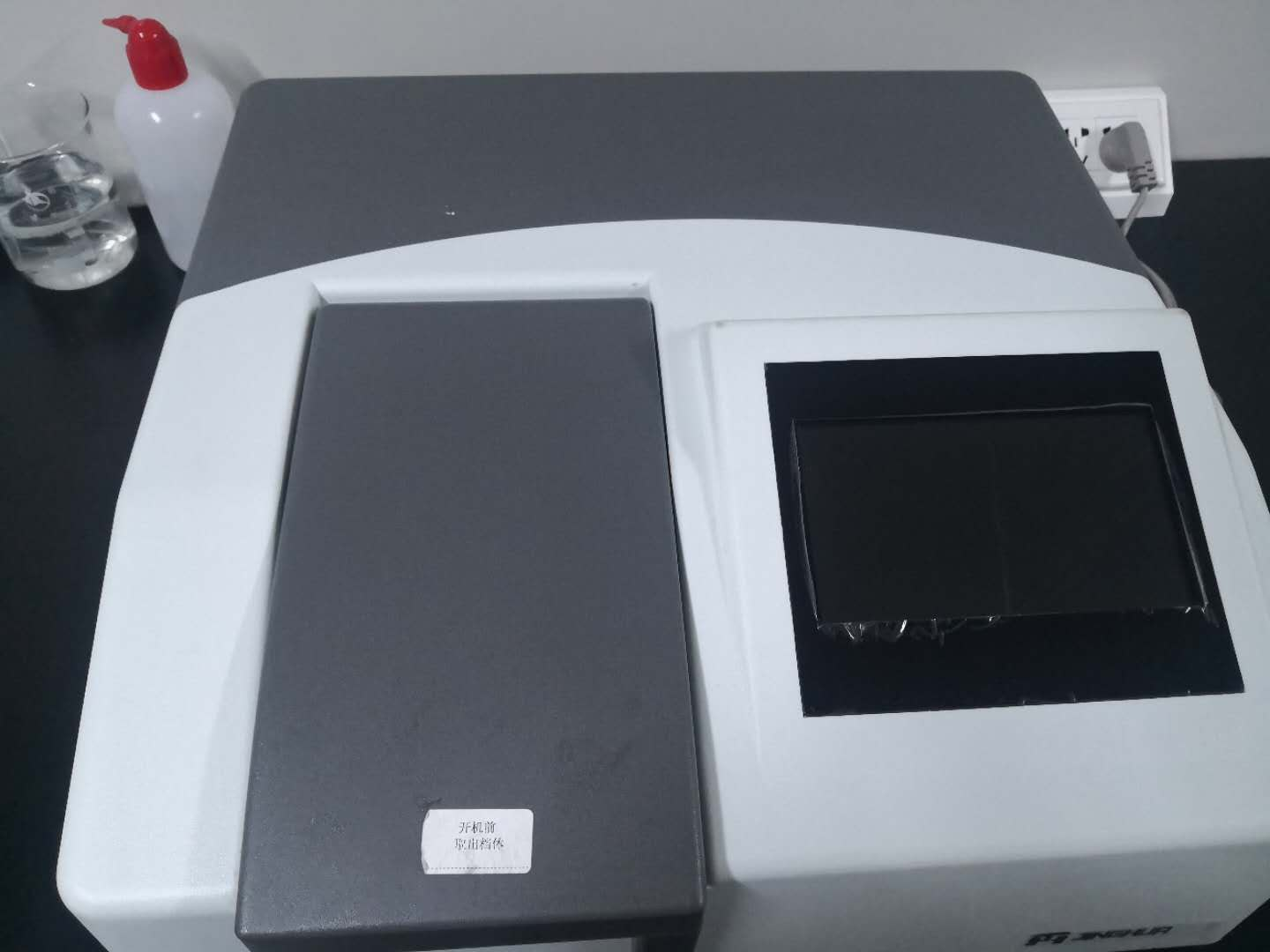
- Molecular weight profiles run on our UV-Vis Spectrophotometer & SEC-HPLC System to measure aqueous transmittance and confirm the < 1,000 Da oligopeptide fraction.
- Gravimetric tests are performed using our Precision Analytical Balance and Forced-Air Drying Oven for loss-on-drying moisture (≤ 7.0%) and muffle-furnace ash (≤ 7.0%) tests.
- Pathogen screening takes place in Microbial Incubators & Biosafety Cabinets using 5-tube sampling (n=5) for Total Plate Count, Coliforms (< 10 CFU/g), Salmonella (ND/25g), S. aureus, Yeast and Mold (25 CFU/g), and Coliforms (< 10 CFU/g).
- Packaging lines integrate Inline CCP2 Metal Detectors calibrated to reject any pack exceeding our ferrous, non-ferrous, or stainless-steel thresholds.
Food Safety, Religious & Regulatory Certifications
- Food safety governance holds ISO 22000 & FSSC 22000 Food Safety Management Systems covering collagen and peptide manufacturing (ISO 22000 standard framework).
- Hazard control follows BRCGS Global Standard for Food Safety & HACCP from raw material intake (OPRP1) through membrane filtration (CCP1) and metal detection (CCP2).
- Plant operations maintain GMP & ISO 9001 / ISO 14001 / ISO 45001 quality, environmental, and occupational health certifications in-house.
- Religious compliance includes Halal Certified (Indonesia MUI & BPJPH) approval serving Southeast Asia, Middle East, and global Muslim markets.
- North American and European shipments carry Kosher Certified & US FDA Facility Compliance export documentation.
Every order ships with a lot-specific Batch Certificate of Analysis (COA), Specification Sheet (TDS), SDS/MSDS, Halal Certificate, and Kosher Certificate. If any batch parameter measures outside the written COA acceptance specification, we replace the lot against the same written analytical standard.
Quality & Regulatory Audit Dossier. Preparing a vendor qualification file?
Request our ISO 22000, BRC, HACCP, Halal (MUI/BPJPH), Kosher, and sample Batch COA packageVerified Production Lines, Applications and Customer Outcomes
Our collagen and plant peptide products are exported across North America, South America, Southeast Asia, South Korea, Japan, and the Middle East. Our facility operates 19,000 tons of annual peptide capacity, 26,000 tons of gelatin capacity, and 8.5 billion empty capsule shells. ISO 22000 and BRC certified production lines deliver batch-to-batch consistency from pilot trials to container loads.
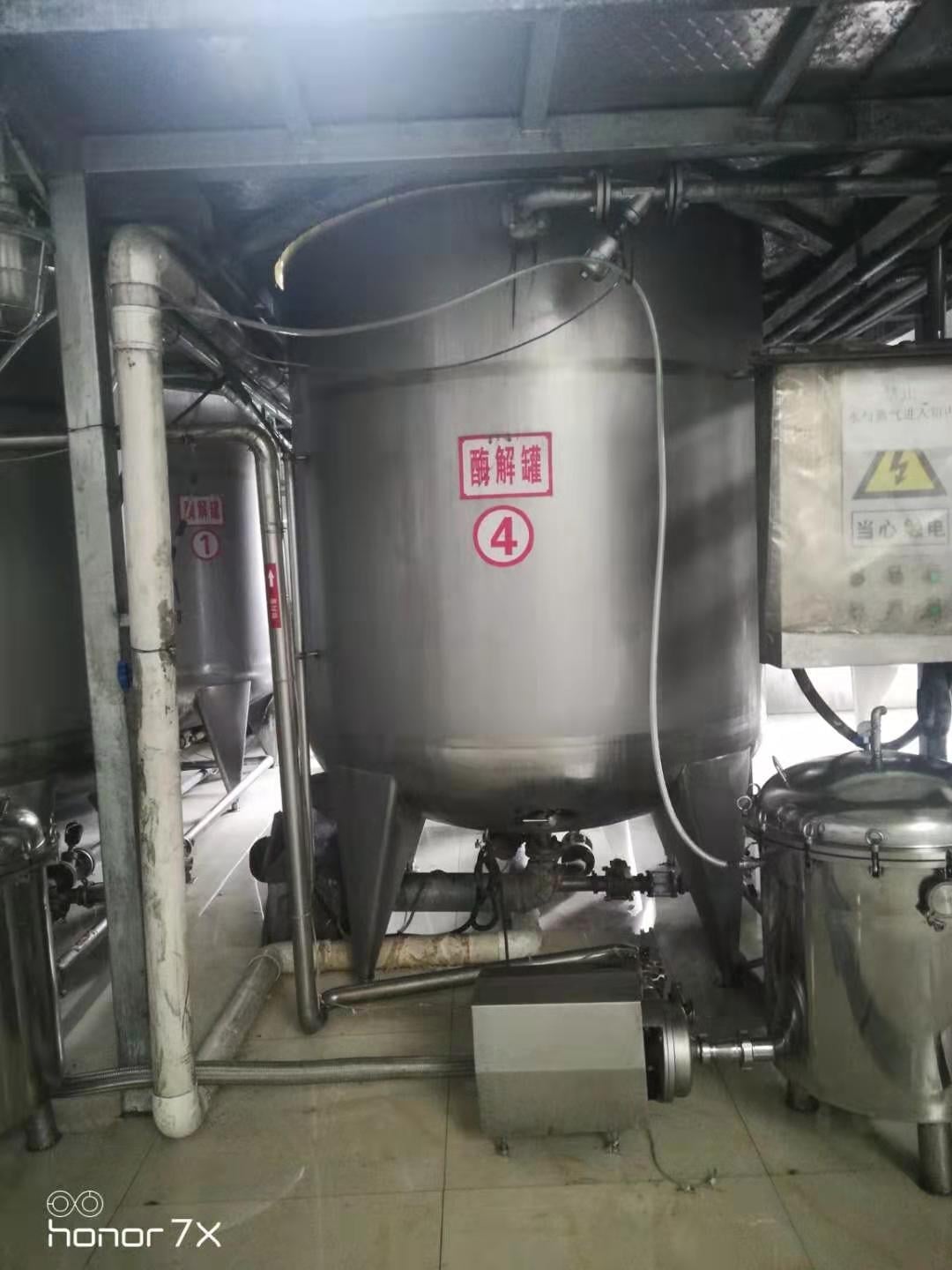
Stainless steel enzymatic hydrolysis reactors producing below 1000 Da plant peptides
Targeted multi-enzyme hydrolysis tanks cleaving botanical proteins to < 1,000 Da oligopeptides.
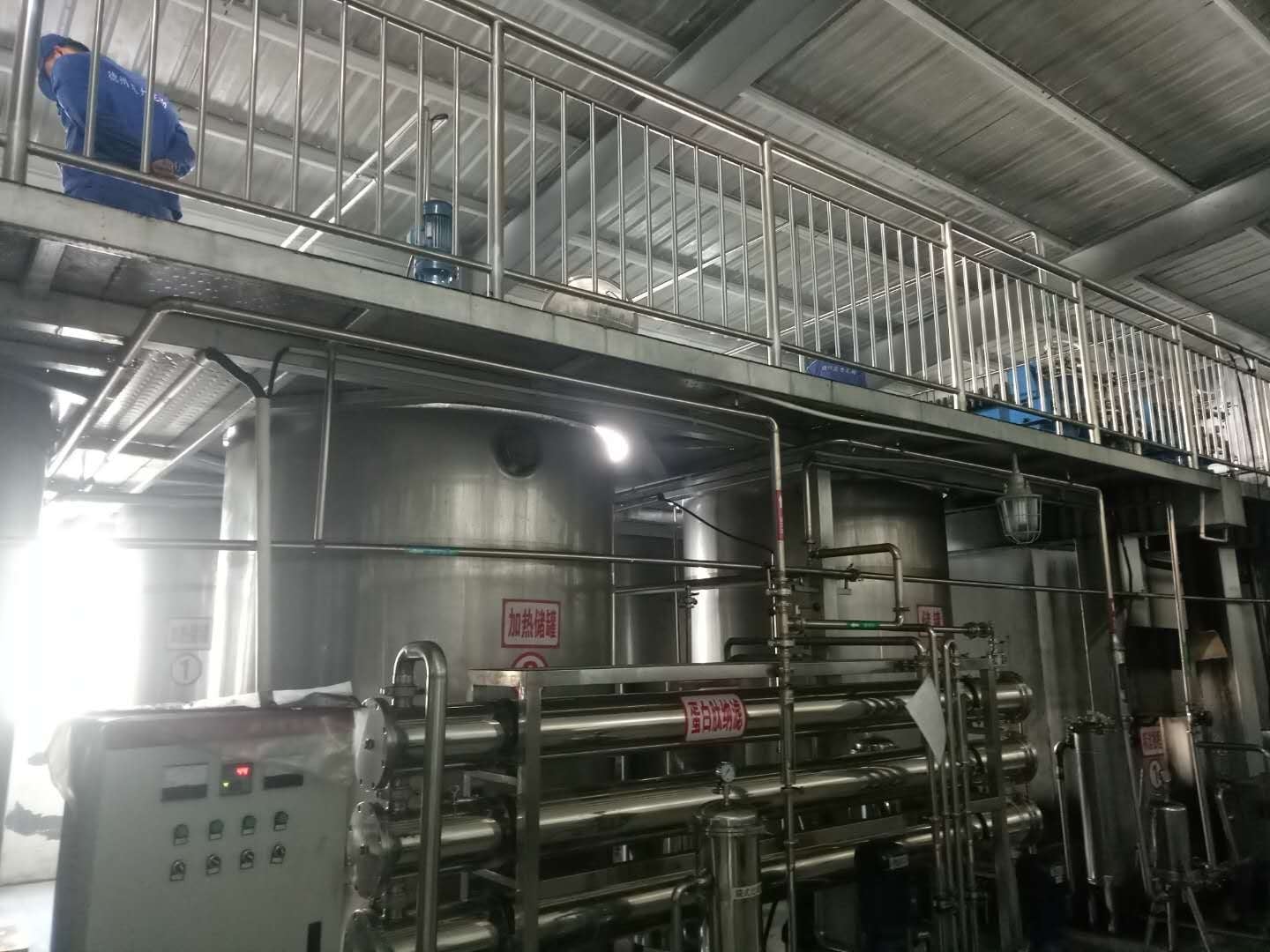
Nanofiltration and CCP1 0.45 um and 0.22 um membrane filtration sterilization units
Nanofiltration and CCP1 0.45 μm / 0.22 μm membrane sterilization system (≤ 0.40 MPa, 800–1,500 L/h).
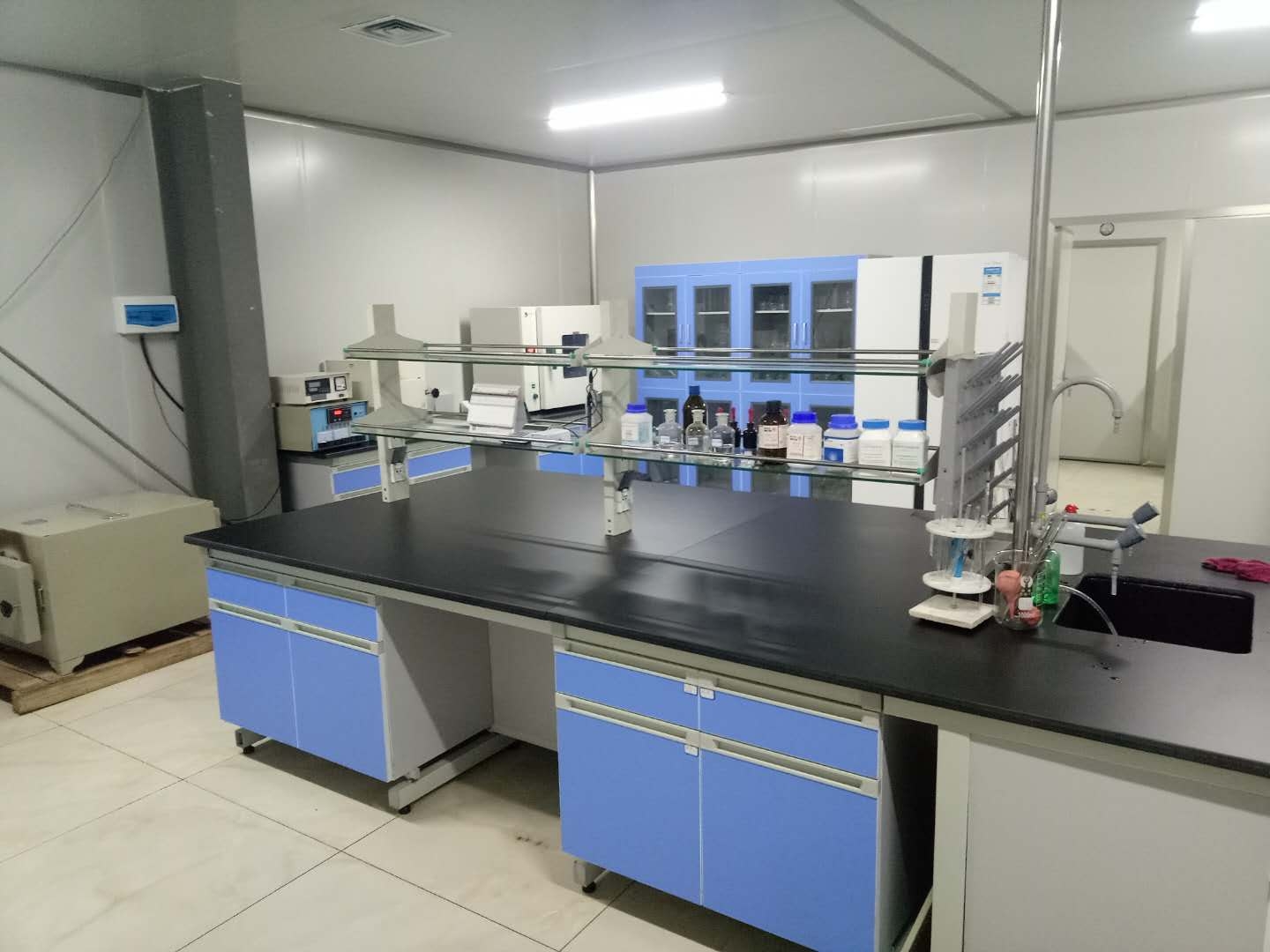
CNAS-accredited peptide quality control laboratory with Kjeldahl nitrogen analyzer and spectrophotometer
In-house CNAS-accredited laboratory verifying protein (GB 5009.5), molecular weight, and heavy metals.
Industries and Product Lines We Supply
Vegan Beauty-from-Within Beverages
Clarified < 1,000 Da pea, rice, and corn oligopeptides engineered for transparent RTD collagen-builder shots, functional waters, and beauty tonics without sediment.
Nutraceutical Powders & Stick Packs
Instant dispersing vegan collagen powders designed to blend with vitamin C, hyaluronic acid, biotin and silica for hair, skin and nails dietary supplements.
Functional Gummies, Tablets & Capsules
Low ash, low moisture (<7.0%), plant peptides, suitable for pectin beauty gummies, direct compression chewable tablets and two-piece plant capsule shells.
Sports Recovery & Clinical Nutrition
Fast-absorbing soy peptide (GB/T 22492-2008), pea peptide, and wheat oligopeptide powders delivering rapid di- and tri-peptide nitrogen absorption.
Verified Customer Case Studies & Production Performance
UK Functional Beverage Brand, Feisty Drinks Ltd (Hydrolyzed Pea Peptide)
Feisty Drinks Ltd in the United Kingdom previously sourced standard pea protein that caused cloudy turbidity, sediment, and harsh off-notes in their ready-to-drink functional beverage line. They tested our 200 g free sample and switched to Yasin < 1,000 Da CCP1 0.22 μm membrane-clarified Hydrolyzed Pea Peptide (20 kg kraft paper bag). The client achieved a crystal-clear beverage solution and clean taste across commercial production runs.
- Verified outcome: Crystal-Clear RTD Beverage Solution
- Grade supplied: < 1,000 Da Pea Peptide (85.0% Dry-Basis Protein)
Thailand Functional Beverage Manufacturer, Lead-Time & Cost Reduction (Pea Peptide)
A functional beverage manufacturer in Thailand experienced repeated stockouts and delayed launches because their prior peptide supplier failed to meet delivery schedules. They transitioned their bulk Pea Peptide supply (500 kg commercial batches) to Yasin’s 19,000-ton/year facility. The customer locked in a reliable 10 days production lead time while lowering their landed raw-material cost per kilogram.
- Verified dispatch: 10 Days Guaranteed Production Lead Time
- Commercial result: Lower Landed Cost at 500 kg Bulk Tier
Replicate These Beverage & Supplement Results.
Request a 200 g free sample of the Hydrolyzed Pea Peptide grade used by Feisty Drinks Ltd.
Formulation Boundaries & Alternatives
When Plant Peptides Alone Are Not Enough and How to Formulate Around It
A reliable ingredient manufacturer tells you where an ingredient’s physical chemistry stops working before you scale up a 500 kg batch. Review the three boundary conditions below to see where to look instead and apply the right formulation alternative. All cofactor and allergen thresholds align with US FDA food labeling regulations.
| Formulation Situation | Why Pure Plant Peptides Work Against You | What to Specify Instead |
|---|---|---|
| You need thermo-reversible gel strength (Bloom value) to form gummy or capsule structure | A < 1,000 Da plant peptide is not a substitute for high-Bloom gelling hydrocolloids because enzymatic hydrolysis cleaves long chains for water solubility, leaving 0 Bloom gelling power. | For vegan gummies, use pectin, agar, or carrageenan as the structural hydrocolloid and dose Yasin plant peptides as the active collagen builder. For non-vegan lines, specify Yasin 180–260 Bloom Bovine or Fish Gelatin. |
| You want an EFSA or FDA collagen-synthesis claim using only a single pure plant peptide | Pure plant peptides are not interchangeable with complete cofactor blends; they supply amino acid building blocks, but human fibroblasts require enzymatic hydroxylation cofactors to assemble triple-helix collagen. | Co-formulate Yasin < 1,000 Da plant peptides with Vitamin C (≥ 18–90 mg/serving), zinc, copper, biotin, hyaluronic acid, and silica, and label the product as a “Vegan Collagen Builder”. |
| Your retail channel mandates a strict “Top-9 Major Allergen-Free & Gluten-Free” clean label | Hydrolyzed Soy Peptide (GB/T 22492-2008) and Wheat Oligopeptide are the wrong choice for allergen-free lines because they trigger mandatory Soy and Wheat major allergen declarations in the US, EU, UK, and Canada. | Switch directly to Yasin Hydrolyzed Pea Peptide (20 kg bag), Hydrolyzed Rice Peptide (20 kg bag), or Corn Oligopeptide (QB/T 4707-2014, 10 kg carton). |
Plant-Based Collagen and Vegan Peptide FAQs
Plants do not produce native animal collagen triple helices. Commercial plant-based collagen alternatives, accurately termed vegan collagen builders or boosters, use low-molecular-weight hydrolyzed plant peptides (< 1,000 Da from pea, soy, rice, corn, or wheat). Formulators pair these peptides with vitamin C, free amino acids (glycine, proline, lysine), biotin, hyaluronic acid, and silica to support endogenous collagen production.
Bovine and marine collagen peptides (MW 1,000–3,000 Da) supply animal-derived hydroxyproline peptides directly. A vegan collagen builder instead supplies pure plant-derived di- and tri-peptides (< 1,000 Da) plus obligate hydroxylation cofactors like vitamin C. Combining pea peptide with rice or corn oligopeptides delivers complementary glycine, proline, and lysine for vegan and plant-based diet consumers.
Our CCP1 0.22 μm membrane-filtered Hydrolyzed Pea Peptide, Hydrolyzed Rice Peptide, and Corn Oligopeptide (< 1,000 Da) deliver the highest clarity across pH 3.2–7.5. In our UK commercial case with Feisty Drinks Ltd, switching from standard pea protein to Yasin < 1,000 Da pea peptide eliminated turbidity and sediment completely.
Do not state your product contains Pure Native Plant collagen. In the ingredient declaration, name the botanical peptides as (e.g. Hydrolyzed Pea Protein Peptide or Rice Peptide). In the front of the package state “Vegan Collagen Builder” or “Plant-Based Collagen Booster”. Include ≥ 18 mg Vitamin C per serving (20% US DV under 21 CFR 101.9) to substantiate collagen-formation claims.
Gritty texture comes from intact unhydrolyzed plant protein particles (> 100,000 Da) and incompletely hydrolyzed fragments (> 5,000 Da), while bitterness comes from exposed hydrophobic peptide chains. We eliminate grittiness by cleaving all five plant peptides below 1,000 Da and filtering through 0.45 μm and 0.22 μm membranes at ≤ 0.40 MPa. We also minimize bitterness through activated-carbon adsorption during decolorization.
Our standard commercial minimum order quantity is 500 kg per plant peptide grade. Orders are packed in 10 kg cartons (soy, wheat, corn) or 20 kg kraft paper bags (pea, rice, corn; 15 kg bag for mildly hydrolyzed pea). To support pilot scale-up and stability runs, we also accept 25 kg trial orders.
We provide a 200 g free sample per plant peptide grade for R&D solubility, sensory, and formulation testing. Lab evaluation samples ship within 5–7 working days together with a lot-specific Batch Certificate of Analysis (COA) and technical specification sheet.
Both 25 kg trial orders and 500 kg standard commercial production lots ship within 10 days of order confirmation. Our 19,000 tons annual peptide production capacity ensures stable year-round scheduling without the 45-day delays common among smaller processors.
Our facilities hold ISO 9001, ISO 22000, FSSC 22000, BRC, HACCP, GMP, Halal (Indonesia MUI and BPJPH), and Kosher certifications, backed by a CNAS-accredited laboratory. Every shipment includes a Batch Certificate of Analysis (COA), Specification Sheet (TDS), SDS/MSDS, Halal Certificate, and Kosher Certificate.
We accept T/T (telegraphic transfer) or L/C (letter of credit) payment terms and quote FOB and CIF Incoterms as standard. Send your target peptide grade, quantity, and destination port, and our team returns a formal written quotation within 24 hours.