
Get in touch with Xiamen Yasin Industry & Trade Co., Ltd.

Hydrolyzed Pea Protein & Pea Peptide Powder in Bulk Supply
We manufacture food-grade hydrolyzed pea protein and water-soluble pea peptide powder via targeted biological enzymatic hydrolysis of Non-GMO yellow peas (Pisum sativum). Our low-molecular-weight pea protein hydrolysate powder overcomes isoelectric precipitation across pH 4.0–5.0, chalky or gritty mouthfeel, and high viscosity in clear beverages, medical nutrition, and vegan formulas. Backed by 19,000 tons of annual peptide capacity, we return written bulk quotations within 24 hours.
- Molecular weight <1000 Da fraction ≥85.0% (GB/T 22729)
- 95.6% dry-basis high protein content (Lot 20260412230 COA)
- 200 g free sample dispatched in 3–5 business days
- 500 kg MOQ & 10 days standard production lead time
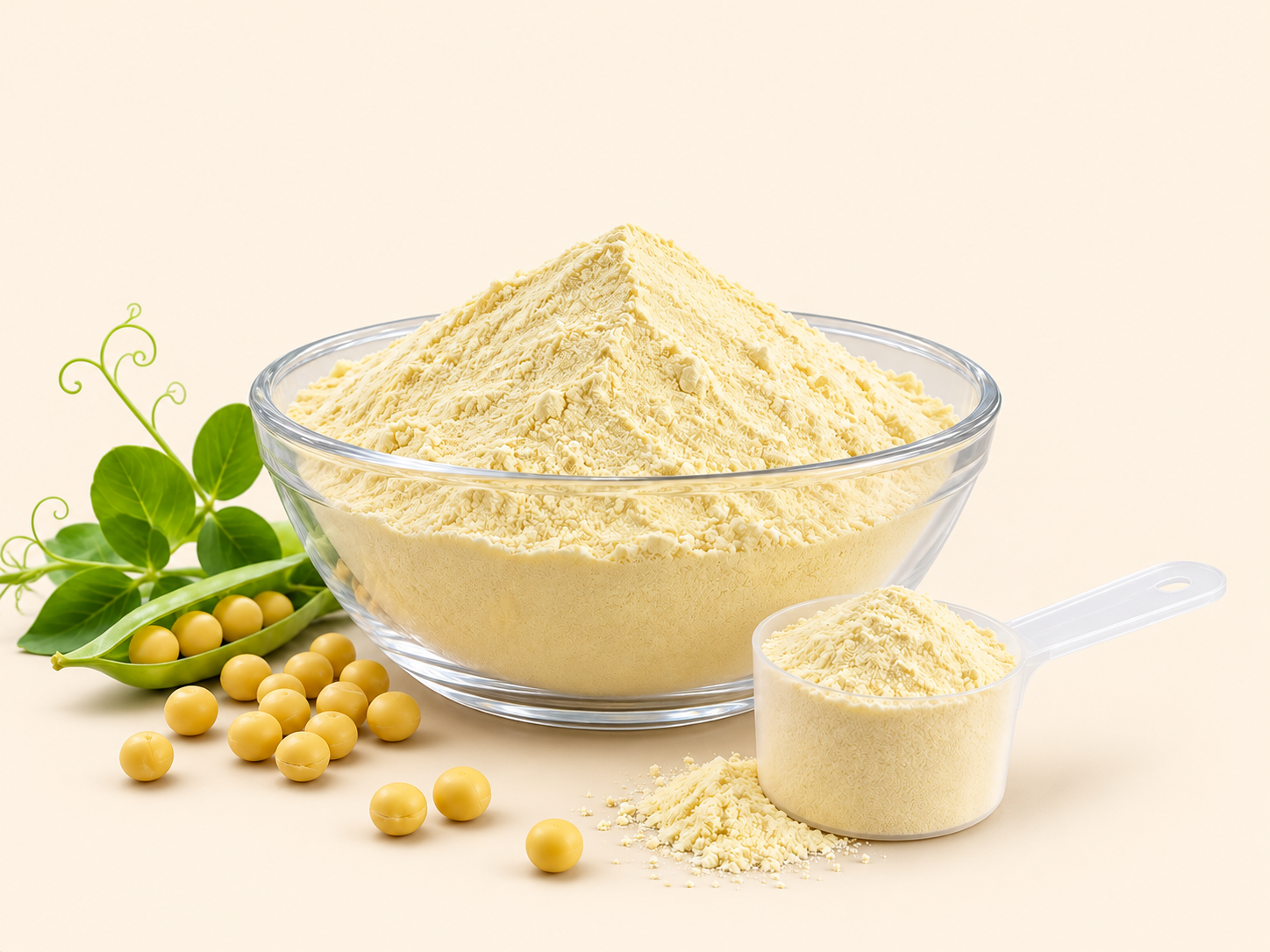
- Peptide Molecular Weight
- ≥85.0% fraction <1000 Da & ≥50.0% dry-basis oligopeptides tested per GB/T 22729
- Verified High Protein Content
- 85.0% to 95.6% dry-basis crude protein across three functional peptide grades
- Free Sample & Quote Turnaround
- 200 g free sample in 3–5 business days; written quote within 24 hours (one business day)
- MOQ & Bulk Lead Time
- 500 kg minimum order; 10 days standard production; 10–15 days for FCL sea freight
- Annual Peptide Capacity
- 19,000 tons/year peptide capacity alongside 36,000 tons/year gelatin capacity
- Quality & Lab Accreditation
- ISO 9001, ISO 22000, FSSC 22000, GMP, BRC, HACCP, HALAL, KOSHER, FDA & CNAS-accredited laboratory
Enzymatic Hydrolysis Capabilities & Peptide Grade Selection
Intact pea protein isolate is made up of high-molecular-weight storage globulins, such as legumin hexamers (320-400 kDa) and vicilin trimers (150-180 kDa). Intact pea protein isolate contains high-molecular-weight storage globulins, 11S legumin hexamers (320–400 kDa) and 7S vicilin trimers (150–180 kDa), where pea protein powder tastes chalky and gritty particles stay suspended in liquid drinks and protein bars near the pH 4.0 to 5.0 isoelectric zone. It is a common misconception that high-shear mixing or polysaccharide glycation solves acidic beverage settling; in reality, unhydrolyzed pea protein isolate drops to 6.98% solubility at pH 4.5, whereas controlled enzymatic hydrolysis raises pH 4.5 solubility above 66% (Arteaga et al., PMC8750503). When we enzymatically hydrolyze Non-GMO yellow pea raw material using food-grade endoprotease and exopeptidase enzyme systems, we break down those globulins into a peptide mixture containing water-soluble oligopeptides with molecular weights under 1000 Daltons.
01 / ENZYMATIC CLEAVAGE
Targeted Multi-Stage Protease Cleavage
Acid-hydrolyzed vegetable protein (aHVP) is boiled in hydrochloric acid to release savory glutamate, and creates 3-MCPD (chloropropanol) risks. On the other hand, our biological enzymatic hydrolysis runs at controlled temperatures and pH. It uses food-grade proteases instead of hydrochloric-acid reflux. Arteaga and co-authors (2020) state that there is a weak correlation between hydrolysis and bitterness. Research by Arteaga and co-authors (2020) confirms a weak link between hydrolysis degree and bitterness when selective proteases are used; it is a common myth that higher hydrolysis always increases bitterness, whereas in reality selective protease cleavage and activated-carbon polishing trim hydrophobic peptide bitterness at high dosages so formulators do not need a bitter blocker to mask pea protein. Because of this, a formulator is not needed to mask the bitterness.
02 / PURIFICATION & DRYING
Nanofiltration Desalting & Spray Drying
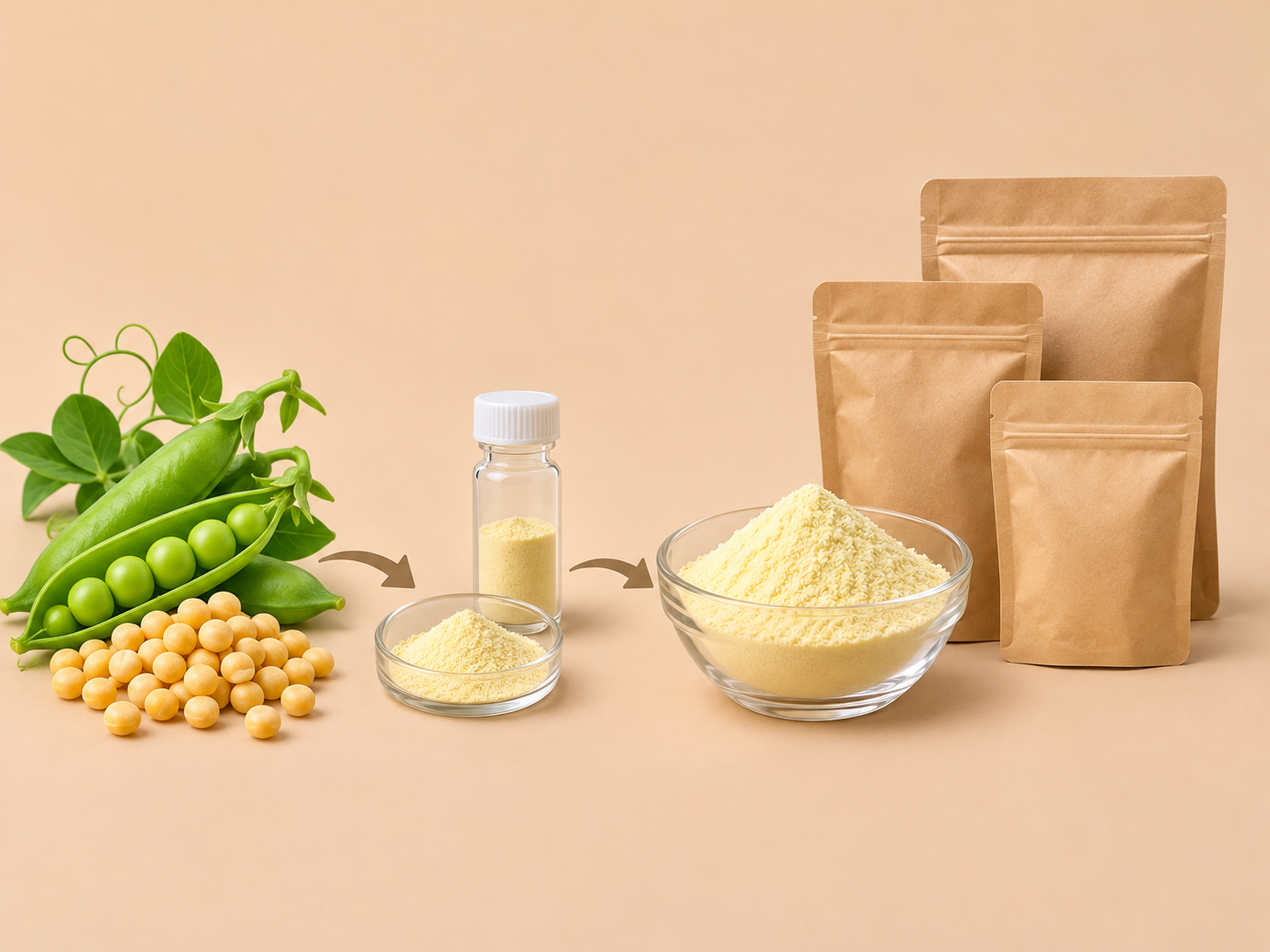
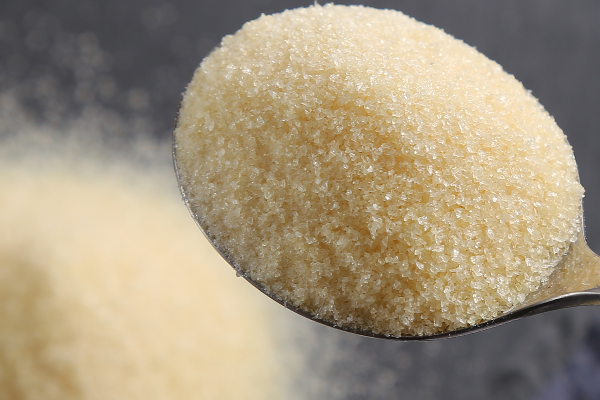
After thermal protease inactivation, the pea protein hydrolysate liquor passes through plate-and-frame filtration, membrane nanofiltration, and activated-carbon polishing. High-precision spray drying yields a free-flowing, pale-yellow pea peptide powder with moisture below 7.0 g/100g (3.10%–4.51% on 2026 batch COAs) and rapid cold-water dispersion.
03 / MANUFACTURING & CNAS QC
Core Manufacturing Line & Laboratory Infrastructure
-
M-01
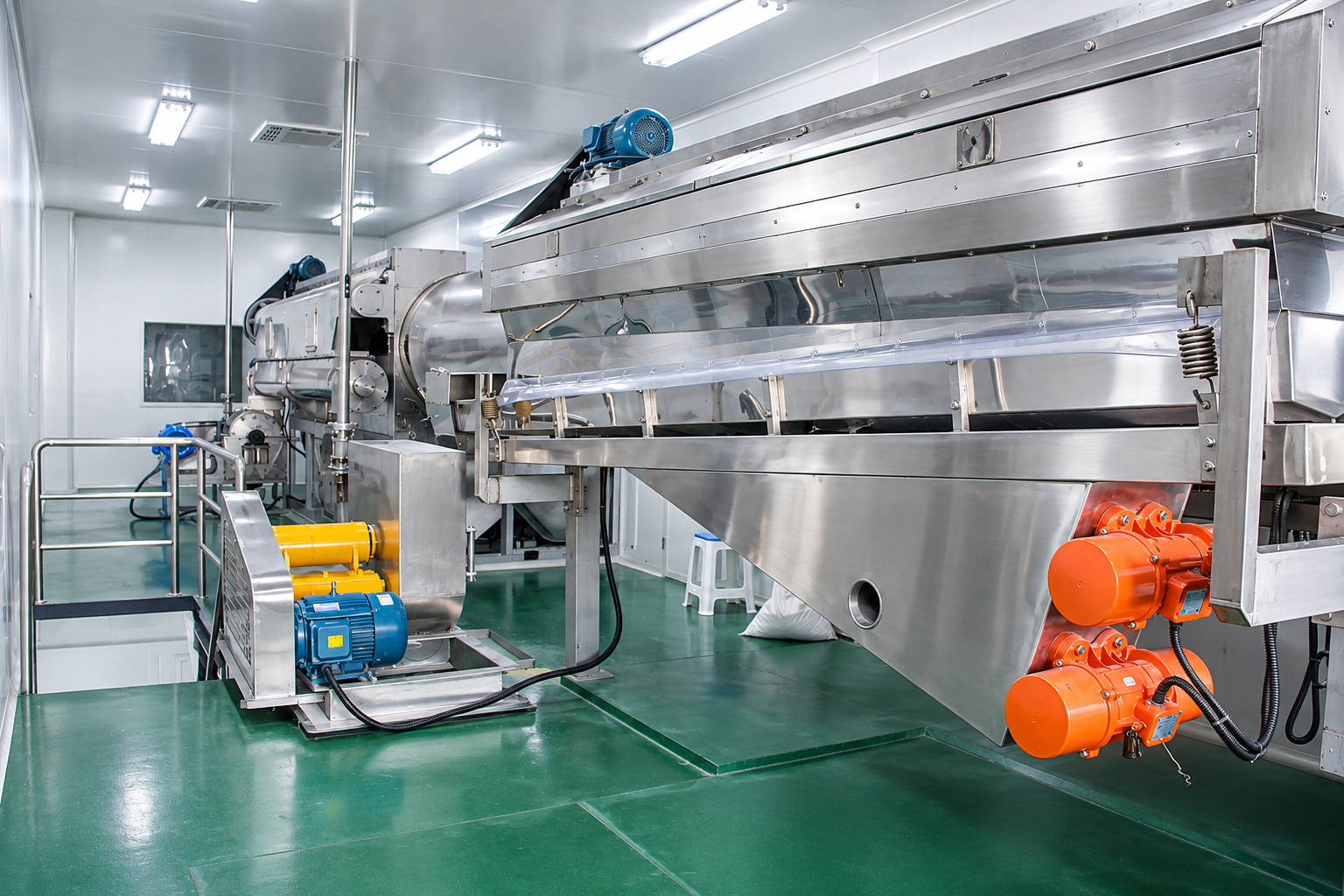
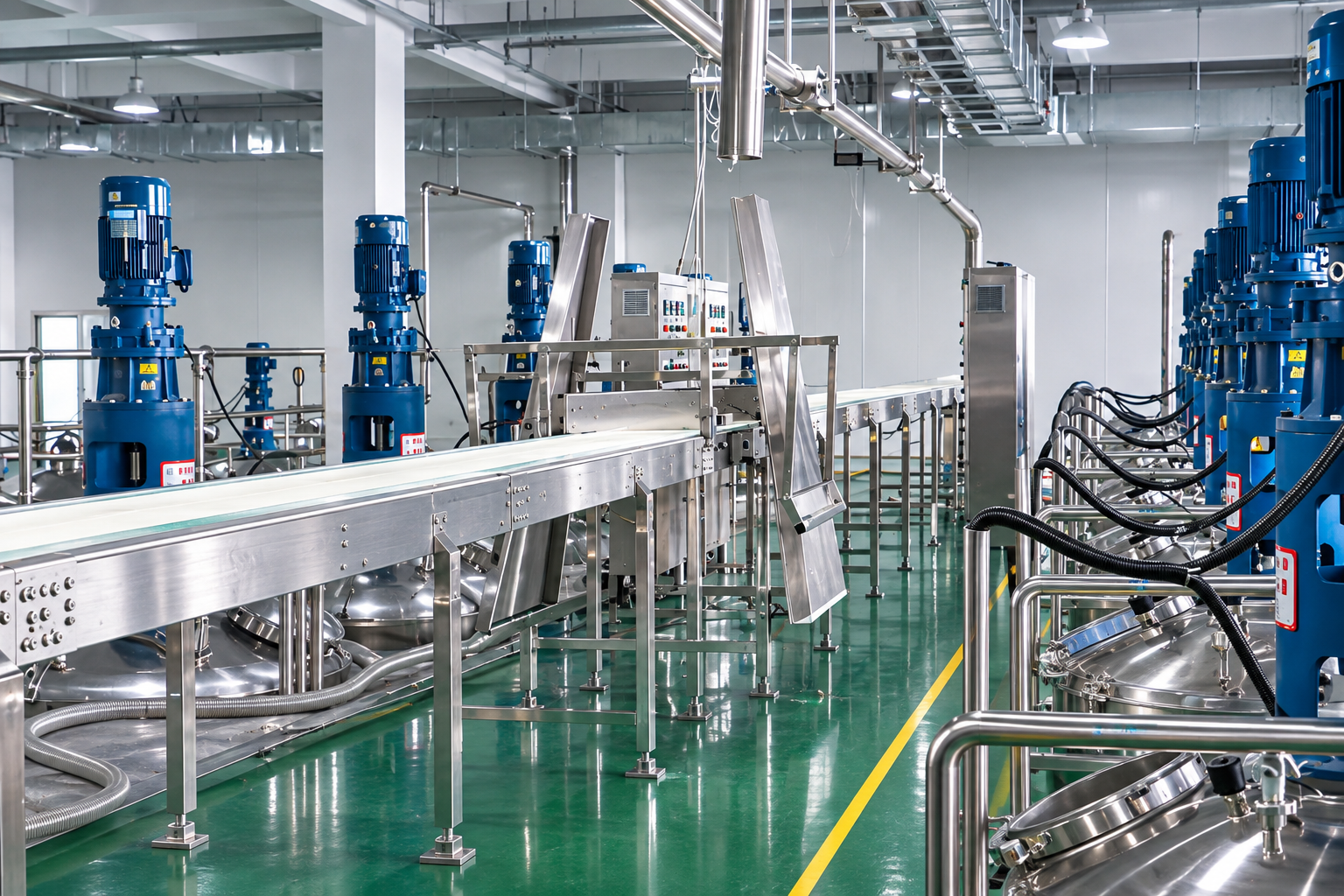
Dedicated stainless-steel reactors in our 19,000 tons/year peptide production facility feature automated control of pH, temperature, and degree of hydrolysis (DH).
-
M-02
Multi-stage molecular weight cut-off (MWCO) ultrafiltration and nanofiltration skids concentrate the <1000 Da oligopeptide fraction to ≥85.0% while holding ash within specification (2.2% to 6.6% across 2026 batch COAs).
-
M-03
In-house CNAS-accredited laboratory instruments execute SEC-HPLC molecular weight chromatogram testing referencing GB/T 22729, Kjeldahl nitrogen analysis per GB 5009.5, and ICP-MS heavy metal screening on every lot.
B2B APPLICATIONS
Primary Pea Protein Hydrolysate Uses Across B2B Formulations
-
01
Formulate clear acidic RTD protein beverages and sports waters with our Acidic Clear Beverage Grade (10% aqueous solution pH 4.0–5.5, Lot 20260113230 measured at pH 4.34) to avoid sedimentation, chalky grittiness, or turbidity.
-
02
The clinical, enteral, and senior medical nutrition use pre-digested plant-based oligopeptide oral formulas for rapid intestinal dipeptide and tripeptide absorption.
-
03
Vegan meal replacements and high-protein powders in which standard pea protein isolate (80%–85% crude protein) causes thick gumminess or chalky texture.
-
04
Clean-label baked goods, nutrition bars, and extruded snacks using humectant pea peptide powder to plasticize the protein-starch matrix and resist bar hardening over a 24-month shelf life (PMC9412838).
-
05
Fermentation media and microbial peptones provide allergen-free, non-animal organic nitrogen source for probiotic and yeast bioprocessing.
-
06
EWG score-1 hydrolyzed pea protein for skin hydration and pea peptide for hair conditioning are used in cosmetic and personal care emulsions.
Pea Peptide Grades & Molecular Weight Specifications
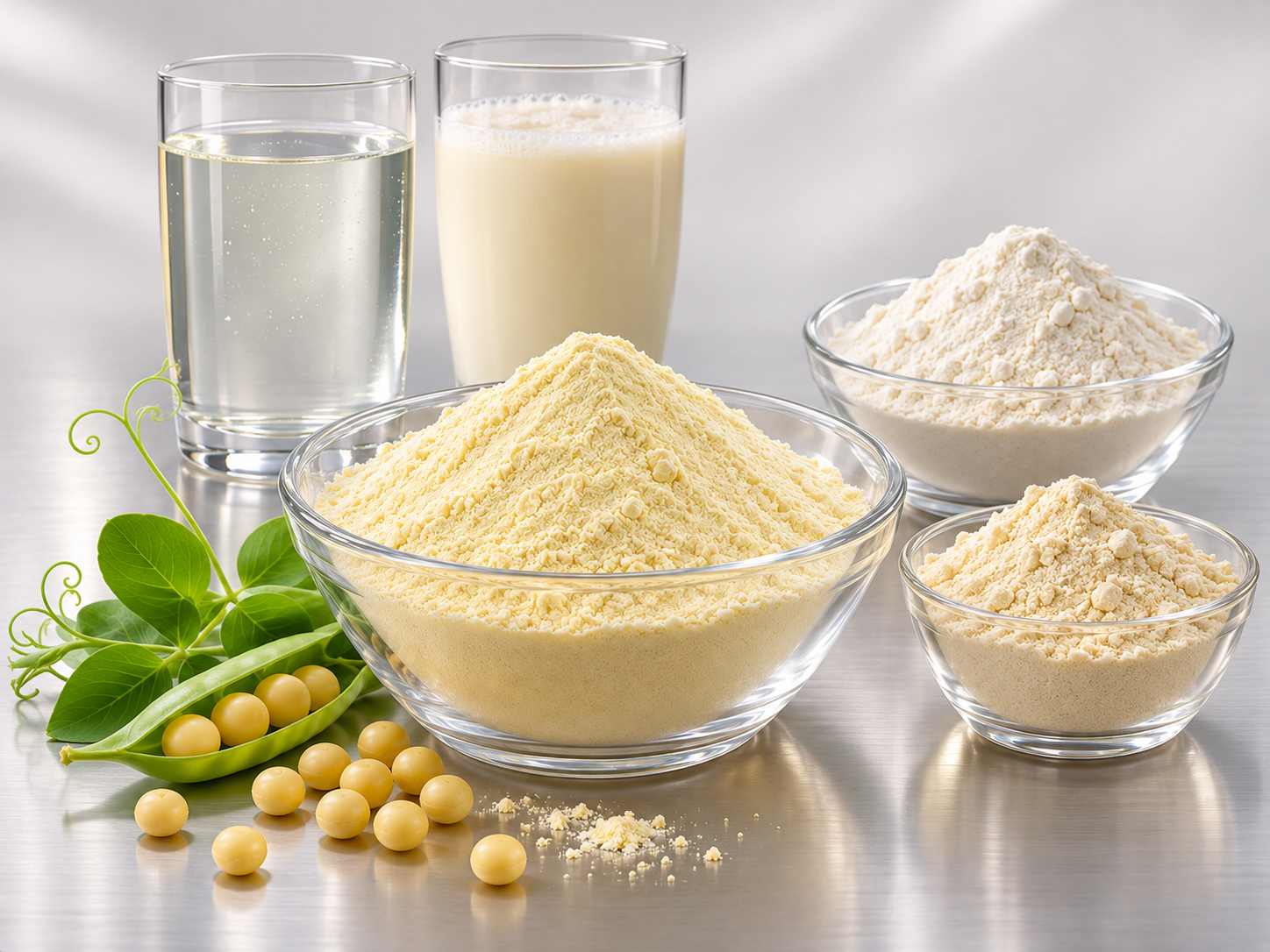
Counter-intuitively, a low molecular weight figure alone does not automatically guarantee clear beverages or creamy shakes: the formulation trade-off is that deep cleavage maximizes acidic clarity, whereas intermediate cleavage preserves emulsification (PMC8750503). Because these three hydrolysis profiles are not interchangeable across pH regimes, we produce three standardized hydrolyzed pea protein powder grades rather than assuming one generic hydrolysate fits all recipes. Every grade is extracted from pea raw material (Pisum sativum) and verified against Q/DLL 0014S and GB/T 22729, though bench-top pH data is not a substitute for UHT pilot testing in your finished drink.
| Specifications |
1. Standard Oligopeptide Grade (Lot 20260412230 Benchmark) |
2. Acidic Clear Beverage Grade (Lot 20260113230 Benchmark) |
3. Mildly Hydrolyzed Emulsion & Bar Grade (Lot 20260319230 Benchmark) |
|---|---|---|---|
| Molecular Weight & Purity | ≥85.0% <1000 Da; ≥50.0% dry-basis oligopeptides; 95.6% dry-basis high protein content (15.3 g/100g total nitrogen); 2.2% ash | ≥85.0% <1000 Da; ≥50.0% dry-basis oligopeptides; 93.8% dry-basis protein content (15.0 g/100g total nitrogen); 6.6% ash; 4.51% moisture | Controlled partial enzymatic cleavage; 85.0% dry-basis protein content (13.6 g/100g total nitrogen); 3.5% ash; 3.10% moisture |
| Why Formulators Pick It | Delivers core pea protein peptide benefits—low ash, rapid oral absorption, and clean solubility—for nutritional powders, clinical sachets, tablets, and cosmetic skin and hair care. | Engineered for clear beverages and acidic RTD fruit drinks, staying transparent across the pH 4.0–5.0 isoelectric precipitation zone. | Rather than over-cleaving amphiphilic chains, this grade balances reduced viscosity and soft bar texture with oil-in-water emulsion stability for vegan shakes and nutrition bars. |
| 10% Solution pH & Density | pH 5.88 (standard spec window 4.5–7.5); stacking density 0.26 g/mL; moisture 3.58% | pH 4.34 (dedicated acidic 10% aqueous solution spec 4.0–5.5); stacking density 0.44 g/mL | pH 6.92 (neutral pH spec 5.0–7.5); stacking density 0.24 g/mL |
| Packaging & MOQ | 15 kg/bag food-grade kraft paper bag with inner PE liner; 500 kg MOQ | 20 kg/bag food-grade kraft paper bag with inner PE liner; 500 kg MOQ | 15 kg/bag food-grade kraft paper bag with inner PE liner; 500 kg MOQ |
| Production Lead Time | 200 g sample in 3–5 business days; bulk order in 10 days | 200 g sample in 3–5 business days; bulk order in 10 days | 200 g sample in 3–5 business days; bulk order in 10 days |
Hydrolyzed Pea Protein vs Intact Pea Isolate & Other Plant Proteins
Formulators evaluating pea protein versus whey (intact pea protein isolate, pea protein concentrate and/or soy protein) need objective benchmarks for pH solubility and allergen status, and digestion comfort. Consumers who switch from dairy whey to plant-based protein after feeling bloated after workouts due to lactose intolerance get rapid oligopeptide absorption without dairy or soy allergens.
| Functional Parameter | Yasin Hydrolyzed Pea Protein (<1000 Da Pea Peptide) | Intact Pea Protein Isolate (80%–85% Crude Protein) | Yasin Soybean Peptide (GB/T 22492-2008) | Dairy Whey Protein / Hydrolysate |
|---|---|---|---|---|
| Molecular Weight Profile | ≥85.0% <1000 Da (≥50.0% dry-basis oligopeptides per GB/T 22729) | Intact 11S legumin (320–400 kDa) and 7S vicilin (150–180 kDa) globulins | ≥85.0% <1000 Da (≥80.0% dry-basis peptides per GB/T 22492-2008) | Intact beta-lactoglobulin or partially cleaved dairy peptides |
| Solubility in Acidic pH Zone (pH 3.4–4.5) | >66% at pH 4.5 (PMC8750503); 50%–70% at 5% w/w protein, pH 3.4 (WO2019090011A1); dedicated Lot 20260113230 at pH 4.3 | 46.98% solubility at pH 4.5 (PMC8750503); rapid chalky sedimentation and turbidity | High water solubility across neutral and mildly acidic beverage systems | Soluble at neutral pH; subject to dairy heat coagulation during thermal processing |
| Rheology & Beverage Mouthfeel | Low-viscosity flow; zero gelation; resists nutrition bar hardening (PMC9412838) | High apparent viscosity; forms thick opaque suspensions or gels | Low-viscosity fluid dispersion | Low-to-medium viscosity; contains lactose unless ultra-filtered |
| US FDA Big-9 & EU Allergen Status | Excluded from US FDA Big-9 & EU Annex II major allergens (legume cross-reactivity evaluation advised for severe peanut allergy) | Excluded from US FDA Big-9 & EU Annex II major allergens | Mandatory Major Allergen (Soybean) under US FALCPA & EU Annex II | Mandatory Major Allergen (Milk/Dairy); not suitable for vegan formulas |
| Hydrolysis Route & Process Safety | Biological enzymatic protease cleavage at neutral pH (no hydrochloric-acid reflux) | Alkaline extraction and isoelectric precipitation without protease cleavage | Biological enzymatic protease cleavage under GB/T 22492-2008 (urease-negative) | Enzymatic dairy protease cleavage |
| Key Amino Acid Profile | Rich in lysine, arginine, glutamic acid, and branched-chain amino acids (BCAAs); lower in methionine | Same native legume amino acid ratios but slower intact globulin digestion | Complete legume amino acid spectrum (≥90.0% dry-basis protein) | High leucine and sulfur amino acids; animal-derived |
Essential & Functional Amino Acid Composition of Pea Peptide
Enzymatic cleavage preserves the native amino acid spectrum of Pisum sativum while exposing hydrophilic terminal groups that increase hydration and antioxidant radical-scavenging activity (PMC11202883). However, like all legume proteins, pea peptide powder is naturally lower in sulfur-containing methionine and cysteine, so sole-source clinical nutrition formulas pair hydrolyzed pea protein with Yasin enzymatic rice peptide (MOQ 500 kg) to balance essential amino acids without sacrificing clarity.
-
Lysine and arginine abundant peptides outperform cereal proteins for sports recovery and vegan collagen building formulas.
-
Branched-chain amino acids (leucine, isoleucine, and valine) are available in pre-digested dipeptide and tripeptide forms for rapid absorption in the intestine.
-
The bulk shipments are made as hydrolyzed pea protein powder, spray-dried, unflavored and excipient-free, unless custom multi-botanical blending is indicated.
Technical Specifications, Batch COA Verification & Quality Certifications
Buyer safety concerns across pea protein manufacturers often center on heavy metal content across growing regions alongside unverified peptide assay methods (PMC9412838). The master table below pairs our Q/DLL 0014S contractual limits with verified 2026 Certificate of Analysis (COA) results from three production lots, citing GB/T 22729 as the SEC-HPLC analytical test method reference. Single-lot numbers show real batch outputs, whereas commercial shipments follow contractual limits and your lot COA.
| Parameter | Specification Limit (Q/DLL 0014S) | Lot 20260412230 (Standard Grade) | Lot 20260113230 (Acidic Drink Grade) | Lot 20260319230 (Mildly Hydrolyzed) | Analytical Test Method |
|---|---|---|---|---|---|
| 01 / Organoleptic & Physicochemical | |||||
| Appearance & Color | White to pale-yellow powder, uniform, no visible impurities | Pale-yellow powder, uniform | Pale-yellow powder, uniform | Pale-yellow powder, uniform | Q/DLL 0014S Organoleptic |
| Odor & Impurity | Inherent pea peptide aroma, no off-odor | Conforms | Conforms | Conforms | Q/DLL 0014S Organoleptic |
| Total Nitrogen (Dry Basis) | ≥12.8 g/100g (COA release limit ≥11.2–12.8 g/100g) | 15.3 g/100g | 15.0 g/100g | 13.6 g/100g | GB 5009.5 (Kjeldahl) |
| Crude Protein (Dry Basis, N × 6.25) | 85.0%–95.6% across commercial grades | 95.6% | 93.8% | 85.0% | GB 5009.5 Calculation |
| Molecular Weight <1000 u (Da) Fraction | ≥85.0% relative chromatographic area | ≥85.0% (Conforms) | ≥85.0% (Conforms) | Controlled partial DH | GB/T 22729 (SEC-HPLC) |
| Oligopeptides Content (Dry Basis) | ≥50.0 g/100g (≥50.0%) | ≥50.0% (Conforms) | ≥50.0% (Conforms) | Conforms to grade spec | GB/T 22729 |
| Moisture (Loss on Drying) | ≤7.0 g/100g (≤7.0%) | 3.58% | 4.51% | 3.10% | GB 5009.3 |
| Ash Content | ≤7.0 g/100g (≤7.0%) | 2.2% | 6.6% | 3.5% | GB 5009.4 |
| pH (10% Aqueous Solution) | 4.5–7.5 (Acidic Grade: 4.0–5.5; Mild: 5.0–7.5) | 5.88 | 4.34 | 6.92 | GB 5009.237 |
| Bulk / Stacking Density | 0.20–0.40 g/mL (Acidic Lot: 0.44 g/mL) | 0.26 g/mL | 0.44 g/mL | 0.24 g/mL | ChP Vol IV 0993 |
| 02 / Heavy Metals | |||||
| Lead (Pb) | ≤0.2 mg/kg (0.2 ppm) | ND (Not Detected) | ND (Not Detected) | ND (Not Detected) | GB 5009.12 |
| Total Arsenic (As) | ≤0.3 mg/kg (0.3 ppm) | 0.11 mg/kg | ND (Not Detected) | ND (Not Detected) | GB 5009.11 |
| Total Mercury (Hg) | ≤0.1 mg/kg (0.1 ppm) | ND (Not Detected) | ND (Not Detected) | ND (Not Detected) | GB 5009.17 |
| Cadmium (Cd) | ≤0.1 mg/kg (0.1 ppm) | ND (Not Detected) | ND (Not Detected) | ND (Not Detected) | GB 5009.15 |
| Chromium (Cr) | ≤2.0 mg/kg (2.0 ppm) | ND (Not Detected) | ND (Not Detected) | ND (Not Detected) | GB 5009.123 |
| 03 / Microbiological | |||||
| Total Plate Count (Aerobic) | n=5, c=2, m=10³, M=3×10&sup4; CFU/g | 20–30 CFU/g | 10–20 CFU/g | 400–500 CFU/g | GB 4789.2 |
| Coliforms & Yeast / Mold | Coliforms: n=5, c=2, m=10, M=10² CFU/g; Yeast & Mold: ≤25 CFU/g | <10 CFU/g | <10 CFU/g | <10 CFU/g | GB 4789.3 / GB 4789.15 |
| Salmonella | n=5, c=0, m=0 (0/25g, Not Detected in 25 g) | Not Detected in 25 g | Not Detected in 25 g | Not Detected in 25 g | GB 4789.4 |
| Staphylococcus aureus | n=5, c=1, m=10², M=10³ CFU/g | <10 CFU/g (ND) | <10 CFU/g (ND) | <10 CFU/g (ND) | GB 4789.10 |
| 04 / Packaging & Storage | |||||
| Packaging & Shelf Life | 15 kg or 20 kg kraft bag (GB 4806.7 PE liner); 24-month shelf life (24 months sealed) | 15 kg/bag; 24 months | 20 kg/bag; 24 months | 15 kg/bag; 24 months | Cool, dry storage |
Bulk Pricing Drivers, MOQ & Production Lead Times
Bulk pricing for hydrolyzed pea protein powder follows target peptide grade, membrane desalting intensity, order volume from our 500 kg MOQ up to full container loads (8–10 MT per 20-foot FCL or 16–18 MT per 40-foot FCL), and destination Incoterms. Because Non-GMO yellow pea harvests and ocean freight rates shift seasonally, we issue firm written quotations matched to your target volume and shipment window rather than static list prices.
How Your Written Quotation & 200 g Sample Are Delivered
Submit your target application, monthly volume, and destination port, and our export sales team returns a formal quotation within 24 hours (within one business day). Qualified B2B formulators receive a 200 g free sample dispatched within 3–5 business days via DHL or FedEx with its matching batch COA.
| Cost Driver | Effect on Unit & Formula Cost | How to Lower Total Cost of Ownership |
|---|---|---|
| Peptide Grade & Ash Profile | Low-ash standard grades (2.2% ash, 95.6% protein on Lot 20260412230) and acidic beverage grades (6.6% ash, 93.8% protein, pH 4.34 on Lot 20260113230) follow distinct desalting and pH conditioning targets. | Match the peptide grade’s ash profile and 10% aqueous pH window to your finished beverage or powder formula during 200 g sample evaluation. |
| Suspension Aid & Processing Efficiency | Acidic beverages formulated with intact pea protein isolate (6.98% solubility at pH 4.5) often require added hydrocolloid stabilizers and multi-stage homogenization to slow sedimentation. | Selecting Acidic Clear Beverage Grade (Lot 20260113230, 10% solution pH 4.34, ≥85.0% <1000 Da) reduces suspension aid requirements in compatible acidic beverage matrices. |
| Order Tier & Container Consolidation | Air-freight or LCL sea shipments at our 500 kg minimum order carry higher per-kilogram freight overhead than palletized full-container bookings. | Consolidate quarterly demand into 8–10 MT 20-foot FCL shipments (or 16–18 MT 40-foot FCL) or combine pea peptide with Yasin collagen peptides on a single bill of lading. |
| Custom Certification & Packaging | Standard 15 kg and 20 kg kraft paper bags with inner food-grade PE liners (GB 4806.7) carry zero surcharge; custom drums or third-party pre-shipment inspections add direct pass-through fees. | Use our standard export pallet configuration and in-house CNAS-accredited laboratory COA for routine lot release. |
| Order Stage | Committed Lead Time | Scope & Deliverables Included |
|---|---|---|
| Technical Quote & COA Pack | Within 24 hours (one business day) | FOB / CIF unit pricing, recommended peptide grade, and 3-lot COA benchmark PDF pack |
| 200 g Free Evaluation Sample | 3–5 business days to dispatch | 200 g vacuum-sealed pouch from active stock lot with matching COA and SDS |
| Standard Bulk Order (from 500 kg MOQ) | 10 days production lead time | Enzymatic production, CNAS-accredited lab testing, 15 kg or 20 kg kraft bag packing, and export customs clearance |
| Full Container Load (8–10 MT 20-ft / 16–18 MT 40-ft FCL) | 10–15 days production lead time | Multi-batch scheduled run, pallet shrink-wrapping, health certificate, and vessel booking |
Commercial Payment Terms & Export Incoterms
-
The 10 days standard production clock (10–15 days for FCL) begins upon written purchase order confirmation and deposit receipt, excluding ocean or air transit to your port.
-
We quote FOB Xiamen and CIF major global ports as standard (EXW and CFR available on request), with payment accepted via T/T bank transfer or irrevocable L/C.
Quality Management System, Heavy Metal Control & Lot Traceability
With peptide and gelatin manufacturing heritage dating back to 1986 and Xiamen Yasin Industry & Trade Co., Ltd. Each batch is traceable from Non-GMO yellow pea raw material to final packaging, which includes the protease cleavage and desalting of the membrane.
Four-Stage Batch Release Protocol
-
1. The protein content of incoming Pisum sativum yellow pea raw material is verified before extraction, along with compliance with specified mycotoxin limits and baseline heavy metal levels.
-
2. Reactor temperature, pH, and degree of hydrolysis are monitored in real time to support reproducible cleavage of 11S and 7S pea globulins and reduce the risk of thermal scorching.
-
3. Our CNAS-accredited laboratory uses GB/T 22729 to test peptide lots against their contractual grade specifications (the Standard and Acidic Drink grades require ≥85.0% below 1000 u and ≥50.0% dry-basis oligopeptides, while the Mildly Hydrolyzed grade follows its partial-hydrolysis specification), alongside GB 5009.5 nitrogen and ICP-MS heavy metal limits (Pb ≤0.2 mg/kg, As ≤0.3 mg/kg, Hg ≤0.1 mg/kg, Cd ≤0.1 mg/kg, Cr ≤2.0 mg/kg).
-
4. Final powder lots undergo microbiological release testing per GB 4789.2, GB 4789.3, GB 4789.4, GB 4789.10, and GB 4789.15 for Total Plate Count (n=5, c=2, m=10³, M=3×10⁴ CFU/g), Coliforms (n=5, c=2, m=10, M=10² CFU/g), Yeast & Mold (each ≤25 CFU/g), Salmonella (n=5, c=0, m=0 in 25 g), and S. aureus (n=5, c=1, m=10², M=10³ CFU/g) before sealing in 15 kg or 20 kg kraft bags.
Active Factory & Quality Certifications
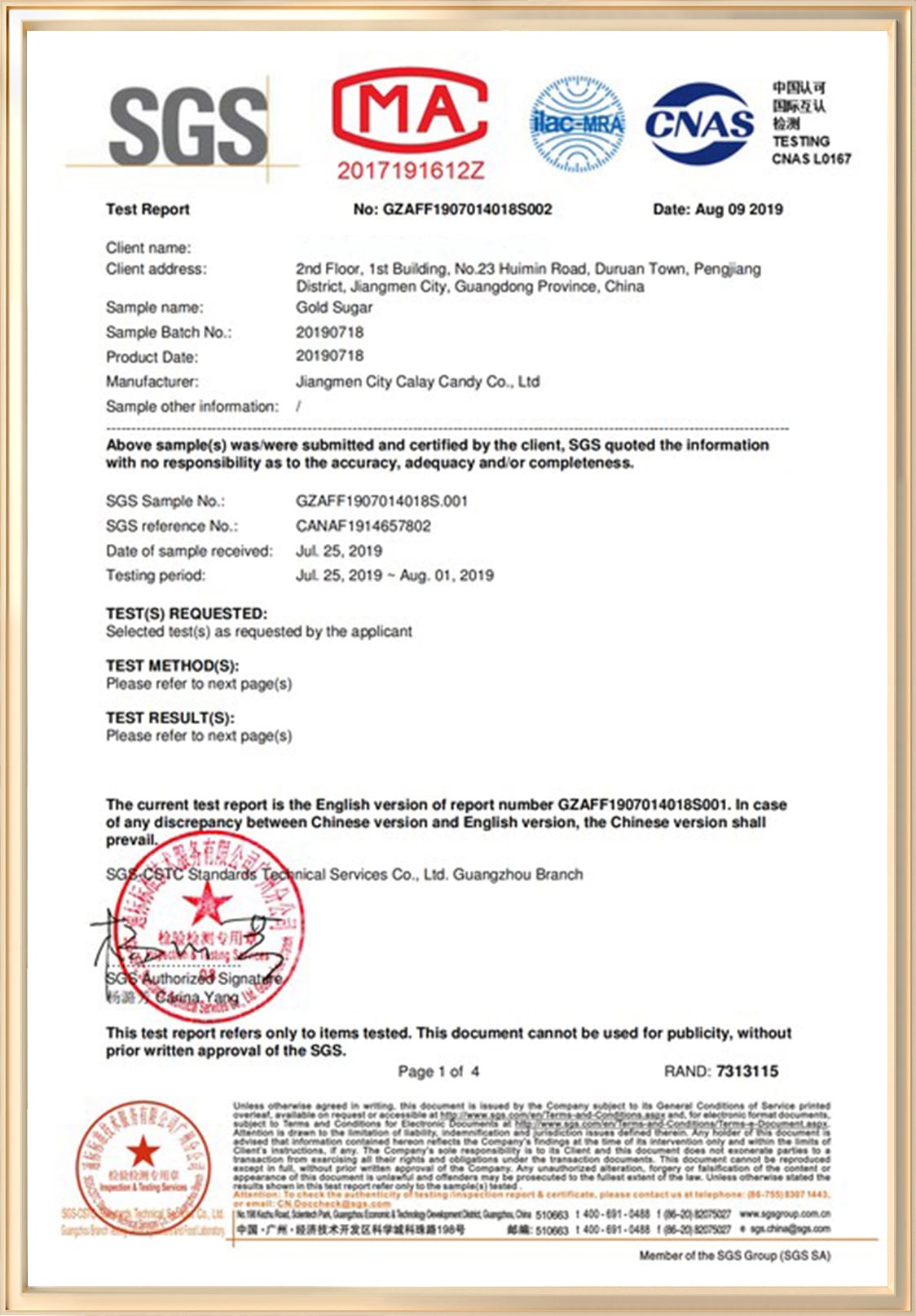
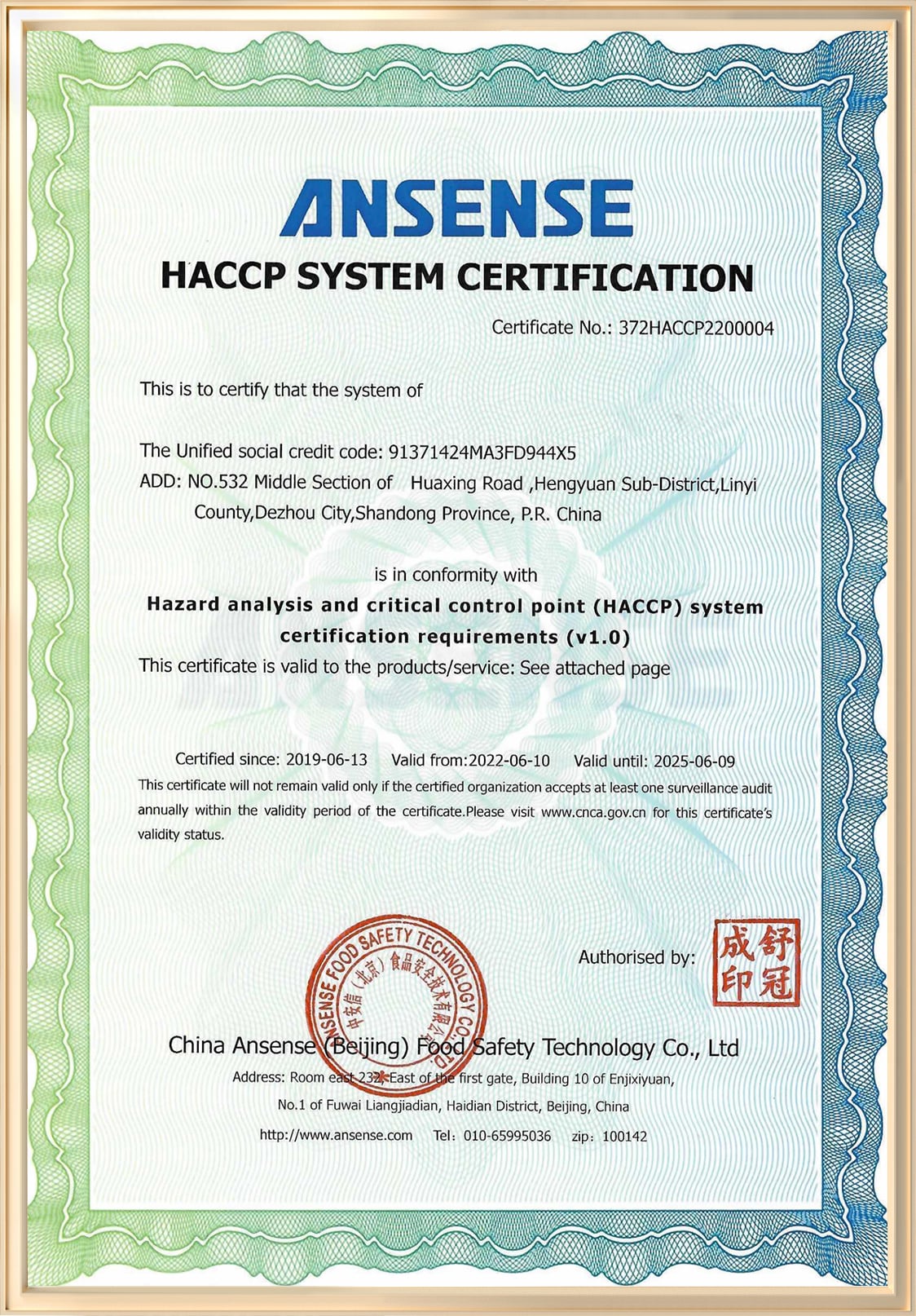
- Food safety and quality management systems certified to ISO 9001, ISO 22000, FSSC 22000, GMP, BRC, and HACCP standards.
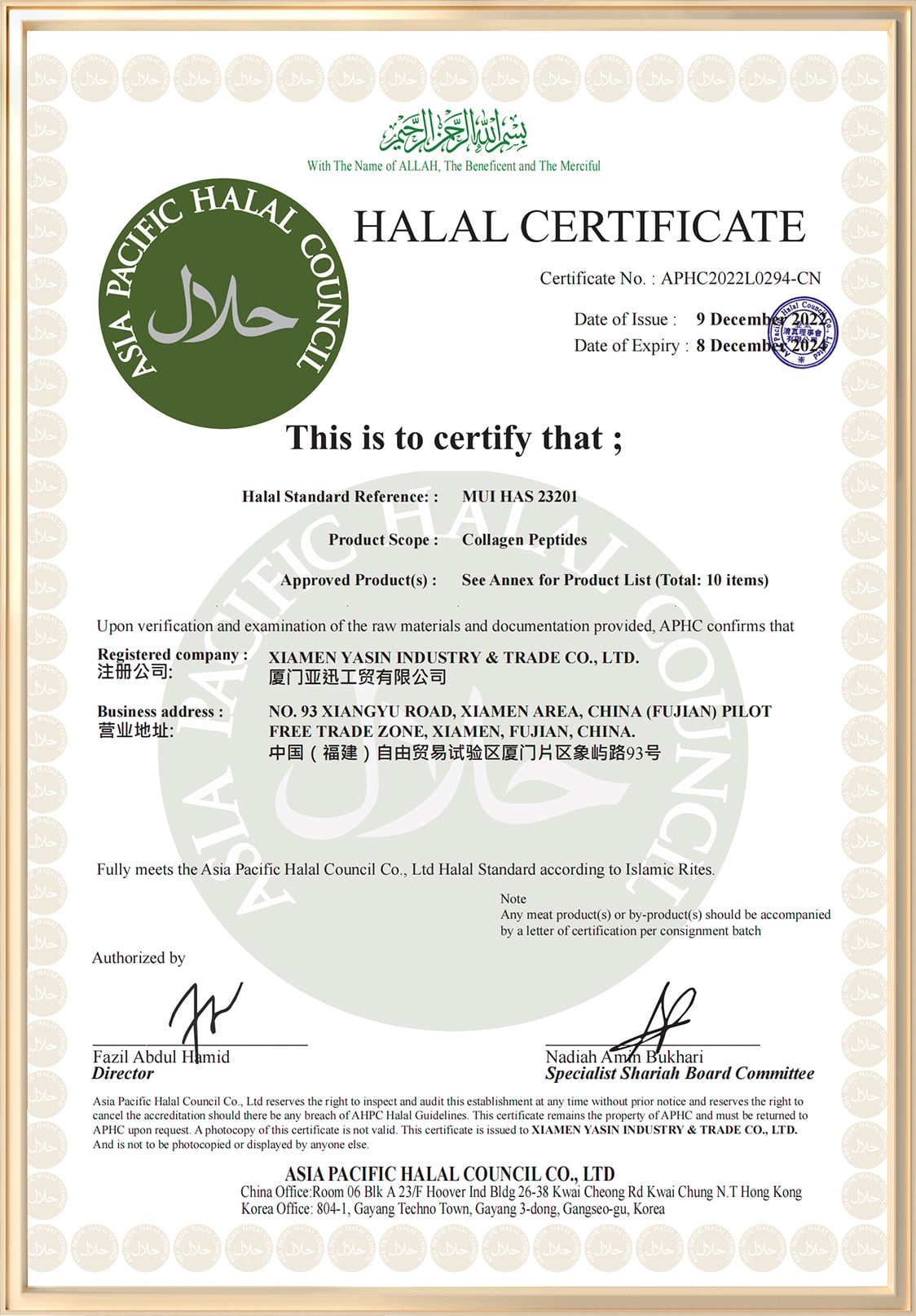
- Our credentials include US FDA Registration, HALAL certification (MUI / BPJPH), and KOSHER certification.
- We conduct in-house lot release under CNAS-accredited laboratory protocols, with third-party SGS or Eurofins verification available upon request.
B2B Sampling, Formulation Support & Bulk Order Workflow
We structure B2B ingredient qualification so your R&D and procurement teams can validate solubility, clarity, and sensory performance on bench-top trials before committing to a 500 kg production lot.
-
Step 01
What is your target product format? Clear RTD beverage, powder mix, bar, oral medical formula, or cosmetic emulsion? What is your target pH? What is your estimated volume?
-
Step 02
Within 24 hours, our specialist recommends the best-fit peptide grade (Standard Lot 20260412230, Acidic Drink Lot 20260113230, or Mildly Hydrolyzed Lot 20260319230) with FOB/CIF pricing.
-
Step 03
We air-ship a 200 g free sample within 3–5 business days with its batch COA so your lab can verify clarity, viscosity, and flavor stability.
-
Step 04
Once your R&D team confirms sample parameters, we agree to those exact pH, density and molecular weight ranges, in your purchase contract.
-
Step 05
We produce and test your bulk order on our 10 days standard production schedule (10–15 days for FCL) and send the pre-shipment COA for QA approval before dispatch.
-
Step 06
Product is shipped in moisture-barrier 15 kg or 20 kg kraft paper bags with inner PE liner, on export pallets with full customs clearance records.
Formulation Engineering Guidelines That Lower Development Cost
| Formulation Scenario | What to Specify & Target Parameter | Why It Prevents Failure & Saves Cost |
|---|---|---|
| 01 Acidic Clear RTD Beverages (pH 3.4–5.5) | Specify Acidic Clear Beverage Grade (Lot 20260113230, 10% aqueous solution pH 4.0–5.5, measured pH 4.34, ≥85.0% <1000 Da). | Overcomes the pH 4.0–5.0 isoelectric precipitation bottleneck (where untreated pea isolate drops to 6.98% solubility at pH 4.5, PMC8750503). |
| 02 Acidic Fruit Note Harmonization | Pair food-grade citric or malic acid buffering with natural citrus or berry top-note flavoring in high-protein RTD drinks. | Harmonizes inherent legume notes in high-dosage fruit beverages while our activated-carbon-polished pea peptide minimizes bitter hydrophobic end-groups. |
| 03 UHT & Retort Thermal Processing | Limit reducing sugars (glucose or fructose) or pair with non-reducing high-intensity sweeteners (steviol glycosides or sucralose) during high-heat steps. | Exposed terminal amino groups on <1000 Da oligopeptides react more readily in Maillard browning than intact protein when heated with reducing sugars. |
| 04 Balanced Amino Acid Profile Positioning | Combine hydrolyzed pea protein (85.0%–95.6% dry-basis protein, high lysine) with Yasin enzymatic rice peptide (MOQ 500 kg, high methionine). | Delivers a complementary essential amino acids spectrum and pea peptide powder benefits matching whey without dairy allergens or high viscosity. |
Verified Beverage & Nutrition Client Applications
hydrolyzed pea protein collagen and peptides Powder lines supply food, beverage, nutritional health and personal care manufacturers across North America, Europe, Southeast Asia, South Korea, Japan, and the Middle East.
Core Industries Using Yasin Pea Peptide Powder
Clear Functional & Sports Beverages
High-protein clear waters, electrolyte recovery drinks, and vegan RTD shots using our ≥85.0% <1000 Da Acidic Clear Beverage Grade (pH 4.0–5.5) for low viscosity and transparent dispersion.
Clinical & Oral Medical Nutrition
Enteral tube-feeding formulas, peptide Pea oral recovery sachets, and senior nutrition powder, fast-absorbing (<1000 Da) and ≥50.0% (dry basis) oligopeptide.
Clean-Label Cosmetics & Hair Care
Vegan serums use EWG score-1 hydrolyzed pea protein for skin barrier hydration, and conditioning masks use pea peptide for hair care.
Documented B2B Supply Case Studies
Formulation Trade-Offs: When High-DH Hydrolyzed Pea Protein Is Not the Right Ingredient
However, enzymatic cleavage to below 1000 Da fundamentally alters the physical structure of pea protein. Contrary to the assumption that smaller peptides improve every formula, deep hydrolysis comes at the expense of gelling and emulsifying strength (PMC8750503). Although enzymatic hydrolysis improves solubility near pH 4.5, deep cleavage reduces emulsifying activity compared to less-cleaved proteins, and therefore, deeply cleaved grades are not recommended when your formula requires the four functional structures described below.
| Formulation Situation | Why <1000 Da Hydrolyzed Pea Protein Works Against You | What to Specify Instead |
|---|---|---|
| High-Viscosity Vegan Meat Analogues & Firm Gels | Cleaving 11S/7S globulins below 1000 Da removes the three-dimensional cross-linking network required for fibrous meat-analogue extrusion and heat-set curdling. | Use intact 80%–85% pea protein isolate for structural matrix building, or specify Yasin Food-Grade Gelatin (36,000 tons/year capacity) for thermoreversible gels. |
| Emulsified Shakes & Oil-in-Water Beverage Emulsions | Ultra-short oligopeptides (<1000 Da) diffuse rapidly to interfaces; however, emulsifying activity peaks near ~6% DH and declines with deeper cleavage (PMC8750503). | Specify our Mildly Hydrolyzed Grade (Lot 20260319230, 85.0% protein, pH 6.92), which retains intermediate peptide chain lengths for emulsion stability. |
| Non-Vegan Beverages Seeking Animal Collagen Peptides | Plant-based pea peptide lacks the collagen-specific Gly-Pro-Hyp tripeptide sequences found in animal-derived collagen peptides. | Request Yasin's Bovine, Marine, or Porcine Hydrolyzed Collagen Peptides from our 19,000 tons/year peptide facility. |
| Unsealed High-Humidity Powder Handling | Low-molecular-weight oligopeptides expose more hydrophilic terminal groups than intact protein isolate, increasing moisture pickup if bags are left open. | Keep 15 kg and 20 kg kraft bags (with inner GB 4806.7 PE liners) sealed in cool, dry storage until batching, and include desiccant packets in retail canisters. |
Hydrolyzed Pea Protein & Pea Peptide FAQs
-
What is the difference between hydrolyzed pea protein, pea peptide, and pea protein isolate?
Pea protein isolate is an unhydrolyzed protein powder (80%–85% crude protein composed of 320–400 kDa 11S legumin and 150–180 kDa 7S vicilin) where chalky particles stay suspended and gritty in liquid near pH 4.5 (6.98% solubility, PMC8750503). Hydrolyzed pea protein, also known as hydrolysed pea protein, pea protein hydrolysate powder, or pea peptide, contains smaller peptides produced by protein hydrolysis. On Yasin's Standard and Acidic Beverage grades, at least 85.0% of the relative molecular weight distribution sits below 1000 Da (GB/T 22729) with ≥50.0% dry-basis oligopeptides, raising pH 4.5 solubility above 66% (PMC8750503) and achieving 50%–70% solubility at 5% w/w protein, pH 3.4 (WO2019090011A1).
-
Why does standard pea protein precipitate in acidic clear drinks, and how does Lot 20260113230 prevent it?
Intact pea globulins carry zero net electrical charge near their isoelectric point (pH 4.0–5.0), causing hydrophobic aggregation and chalky sediment. Our Acidic Clear Beverage Grade (Lot 20260113230, 93.8% dry-basis protein, 10% aqueous solution pH 4.34 within our 4.0–5.5 acidic spec) cleaves storage globulins into <1000 Da oligopeptides (≥85.0% per GB/T 22729) so beverage formulators can maintain clarity across the pH 4.0–5.0 isoelectric zone, subject to pilot validation in your finished drink formula.
-
How do you control bitterness in low-molecular-weight pea protein hydrolysate?
Hydrolyzed plant proteins often develop hydrophobic peptide bitterness at high dosages when terminal leucine, isoleucine, and phenylalanine residues are exposed. Rather than relying on a heavy bitter blocker to mask pea protein, we pair selective endoprotease cleavage with exopeptidase trimming and activated-carbon polishing to achieve a ≥85.0% <1000 Da molecular weight distribution alongside high water solubility and a clean taste (PMC8750503).
-
Is hydrolyzed pea protein considered a major allergen under US FDA or EU regulations?
No. Yellow pea (Pisum sativum) is excluded from the US FDA Big-9 major food allergens (FALCPA and FASTER Act) and the EU Annex II 14 major allergens, making it a primary clean-label alternative to soy protein, wheat, and dairy whey. Because pea is a legume, formulators serving severe peanut-allergic populations should evaluate legume cross-reactivity guidance.
-
Does enzymatic pea protein hydrolysis produce 3-MCPD contaminants?
Chloropropanols such as 3-MCPD and 1,3-DCP can form during hydrochloric-acid hydrolysis of fat-containing plant proteins (aHVP). Yasin employs biological enzymatic hydrolysis using food grade proteases at mild temperature and pH neutral rather than hydrochloric-acid reflux.
-
How is the <1000 Da molecular weight distribution verified on your COA?
Every standard and acidic beverage batch is tested in our CNAS-accredited laboratory using Size-Exclusion High-Performance Liquid Chromatography (SEC-HPLC) referencing the analytical test method in national standard GB/T 22729 (Marine Fish Oligopeptide Powder) as specified by enterprise product standard Q/DLL 0014S. The COA verifies that at least 85.0% of the relative peptide molecular weight sits below 1000 u (Daltons) and oligopeptides exceed 50.0% on a dry basis.
-
What are your heavy metal limits and actual 2026 batch COA test results?
Under Q/DLL 0014S, our release ceilings are Lead (Pb) ≤0.2 mg/kg (GB 5009.12), Total Arsenic (As) ≤0.3 mg/kg (GB 5009.11), Cadmium (Cd) ≤0.1 mg/kg (GB 5009.15), Total Mercury (Hg) ≤0.1 mg/kg (GB 5009.17), and Chromium (Cr) ≤2.0 mg/kg (GB 5009.123). On 2026 commercial lots 20260412230, 20260113230, and 20260319230, Pb, Cd, Hg, and Cr all tested Not Detected (ND), with As at ND to 0.11 mg/kg.
-
What are the benefits of hydrolyzed pea protein for skin and pea peptide for hair care?
Hydrolyzed pea protein for skin (INCI: HYDROLYZED PEA PROTEIN) has a low hazard rating of 1 by EWG Skin Deep, and is listed in the EU CosIng database for skin and hair conditioning and film forming functions. Hydrolyzed pea protein is used by formulators in serums, masks and conditioning emulsions for its conditioning and film-forming functions.
-
What is your minimum order quantity (MOQ), free sample policy, and production lead time?
Our commercial MOQ is 500 kg packed in 15 kg or 20 kg kraft paper bags with inner PE liners (GB 4806.7), and we provide a 200 g free sample dispatched within 3–5 business days for lab trials. Standard bulk orders ship within 10 days of order confirmation (10–15 days for full container loads of 8–10 MT per 20-ft FCL or 16–18 MT per 40-ft FCL), with written quotes returned within 24 hours.