
Get in touch with Xiamen Yasin Industry & Trade Co., Ltd.

Halal Gelatin Manufacturer and Bulk Supplier for Food and Pharma
We supply bulk halal gelatin powder, granules, and leaf sheets for confectionery, dairy, meat, and pharmaceutical capsule plants. Every batch ships from dedicated pork-free lines with a full Batch Certificate of Analysis and shipment-specific Halal Certificate. Send your target Bloom, viscosity, and destination market to receive a technical match and written export quotation.
Minimum order
500 kg for standard halal bovine and fish gradesQuote turnaround
Within 24 hours on business daysDispatch lead time
10–15 days small batch; 14–15 days bulk productionBloom & viscosity
120–300 Bloom; 2.0–5.0 mPa·s across hide, bone, and fishLab evaluation
100–500 g free lab samples (buyer covers courier)With every shipment
Batch COA, shipment-specific Halal Certificate, and Veterinary Health Certificate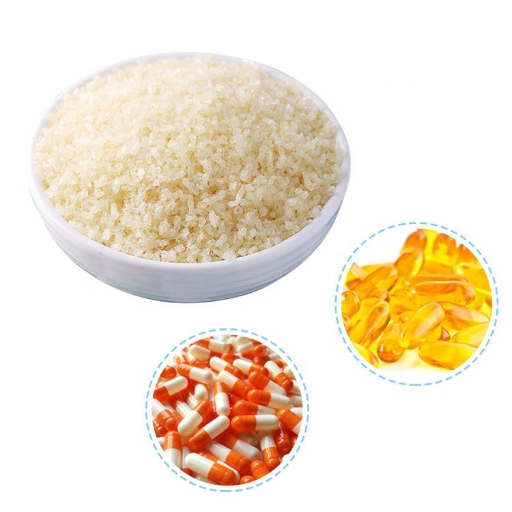
Quotes within 24 hours on business days
500 kg commercial MOQ
10–15 days dispatch
120–300 Bloom bovine & tilapia fish
Halal Gelatin Production Capabilities and Slaughterhouse Traceability
Non-certified beef-gelatin creates customs holds because buyers mistake a green label on packaging for a valid halal-certificate. Unlike conventional processors running mixed hides, we dedicate pork-free lines to cattle slaughtered according to Islamic law under accredited halal certification, with purity verified by GB 6783-2013 COA testing. In reality, bovine origin alone fails halal standards without slaughter custody and alcohol-free processing aids.
Integrated Manufacturing Scale
Established in September 2009, Xiamen Yaxun Industry & Trade Co., Ltd. (Yasin) integrates R&D, production, and export sales. Our annual capacity reaches 26,000 tons of gelatin, 19,000 tons of collagen peptides, and 8.5 billion empty capsule shells. As one of China’s established halal collagen manufacturers, we serve food, nutritional health, and pharmaceutical plants across North America, South America, Southeast Asia, South Korea, Japan, and the Middle East.
Controlled Bloom and Molecular Weight
Commercial gelatin ranges from 50 to 300 g Bloom (60–300 g in standard food grades per Joy et al., PMC11394984), defined as the firmness of a 6.67% (w/w) gel held for 17 hours at 10 °C. Gel strength tends to correlate with protein fractions near 100,000 g/mol, while viscosity correlates with protein fractions from 200,000 to over 400,000 g/mol. Instead of offering ‘commodity’ lots, our extraction controls enable us to adjust the Bloom and viscosity of each grade, within the molecular-weight window.
Seven-Node Chain of Custody for Pork-Free Purity
1. Qualification of a halal certified slaughterhouse ensures raw bovine hides and bones come solely from inspected abattoirs with veterinary clearance.
2. Raw materials are received separately, and storage is dedicated to bovine bones and cattle hides, and farmed tilapia skins.
3. Dedicated non-porcine extraction lines run acid (Type A) and alkaline (Type B) cycles with zero porcine inputs, blocking cross-contamination on shared production lines and excluding animal-derived processing aids or alcohol carriers.
4. Ion exchange and filtration remove ash, fat and color bodies to provide clear, unflavored halal gelatin powder.
5. Controlled sterilization and hygienic drying meet GB 6783-2013 and pharmacopoeia microbiological limits.
6. Bloom, viscosity, moisture, sulfur dioxide, heavy metals, and microbiology are evaluated in laboratory release testing, done at the lot level.
7. Per-shipment halal issuance links a shipment-specific Halal Certificate directly to the batch number, entity name, and export paperwork.
Buyers often check the halal status of beef gelatin at the ingredient level, yet port holds occur when COA lot numbers do not match the shipment Halal Certificate. Buyers often check the halal status of beef gelatin at the ingredient level, yet holds at the port occur when COA lot numbers do not match the shipment Halal Certificate. Reconciling the records before loading reduces delays.
— Yasin Quality & Application Engineering Team, Xiamen Yaxun Industry & Trade Co., Ltd.Core Commercial Formats We Supply
- 01Unflavored bovine gelatin powder and granules
- 02Gelatin powder from Halal beef for the production of gummies and marshmallows and dessert mixes
- 03Bovine bone gelatin for hard and soft capsules of the pharmacopoeia.
- 04Tilapia fish skin and scale halal gelatin (Halal and Kosher Dual-documented)
- 05Bronze, Silver, Gold, and Platinum halal gelatin sheets (leaf gelatin)
- 06Separate low-Bloom bovine hide halal gelatin for beverage clarification (80-120 Bloom)
Halal Bovine Hide, Bovine Bone, and Fish Gelatin Grades
Bovine is not the only available source of collagen for confectionery and capsule applications that rely on animal products, yet unmatched sources cause soft gummies or capsule rejections. As a result, formulators wishing to avoid pork and non-certified beef often evaluate halal bovine or fish gelatin alternatives. For formulators avoiding beef and pork who still require animal-gelatin elasticity, fish gelatin is the only viable source of gelatin when making marshmallows (plant hydrocolloids require a separate gelling system).
Halal Bovine Hide Gelatin (Beef Skin)
- Bloom & viscosity 120–300 Bloom standard (plus separate 80–120 Bloom beverage grade); 2.0–5.0 mPa·s
- Why formulators pick it Delivers the widest Bloom window, elastic chew, and clean neutral flavor for gummies, marshmallows, dairy, and meat binding.
- Standards & packaging GB 6783-2013; unflavored halal bovine gelatin powder and granules (particle size confirmed in spec); 25 kg kraft bag with PE liner or jumbo bag
- Pricing basis Quoted by Bloom grade and order volume
- Lead time 10–15 days small batch; 14–15 days bulk production
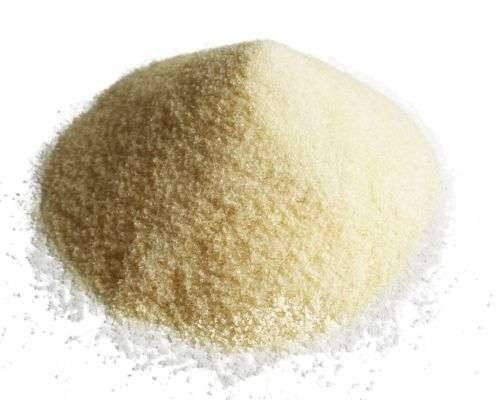
Halal Bovine Bone Gelatin (Ossein)
- Bloom & viscosity 150–250 Bloom; 3.5–4.6 mPa·s
- Why formulators pick it Provides firm film strength, tight viscosity stability, and low color for two-piece hard capsules, softgels, and structured confectionery.
- Standards & packaging ChP 2025 / GB 6783-2013; controlled granule sizing; 25 kg multi-wall kraft bag with PE liner
- Pricing basis Quoted by Bloom grade and order volume
- Lead time 10–15 days small batch; 14–15 days bulk production
Halal Tilapia Fish Gelatin (Warm-Water)
- Bloom & viscosity 150–250 Bloom; 2.1–4.8 mPa·s
- Why formulators pick it Solves formulation needs for marshmallows and supplements that exclude pork and beef while maintaining high optical clarity.
- Standards & packaging GB 6783-2013; farmed freshwater Nile tilapia skin or scale; 25 kg multi-wall bag
- Pricing basis Quoted by Bloom grade and order volume (farmed freshwater fish collagen source)
- Lead time 10–15 days small batch; 14–15 days bulk production
Pharmaceutical Halal Capsule Gelatin
- Bloom & viscosity Softgel: 150–200 Bloom (grade-matched viscosity confirmed in product spec); Hard capsule: 200–250 Bloom (bone 4.5–4.6 mPa·s; hide 4.5–5.0 mPa·s)
- Why formulators pick it Replaces non-certified multivitamin capsules with traceable ribbon elasticity, clean seam welds, and verified peroxide limits.
- Standards & packaging ChP 2025 / USP-EP; EDQM CEP R0-CEP 2021-189 Rev 00 (200 Bloom alkaline hide, partner facility); 25 kg multi-wall bag
- Pricing basis Quoted by pharmacopoeia grade and volume
- Lead time 10–15 days small batch; 14–15 days bulk production
Halal Leaf Gelatin Sheets (Bronze–Platinum)
- Bloom range 150–240 Bloom across Bronze, Silver, Gold, and Platinum tiers (exact Bloom and sheet weight confirmed per grade specification)
- Why formulators pick it Delivers pre-weighed, dust-free dosing so bakery cream and curd set properly on every shift without scale errors.
- Standards & packaging GB 6783-2013 bovine hide; 500 kg gelatin MOQ (custom printed carton minimum confirmed in the written quotation)
- Pricing basis Quoted by tier and box packaging
- Lead time 14–15 days bulk production
Halal Bovine Hide vs. Bovine Bone vs. Tilapia Fish Gelatin vs. Plant Hydrocolloids
The myth that all fish gelatin melts at room temperature overlooks imino-acid chemistry. Published reviews by Joy and colleagues report ~30% proline and hydroxyproline in mammalian gelatin, 22–25% in warm-water fish gelatins, and ~17% in cold-water fish gelatins. Published pure-gel melt tests report ~33.8 °C for bovine and 12–13 °C for cold-water fish (Joy et al., PMC11394984), versus ~28.9 °C for warm-water tilapia (PMC7766531), shifting with recipe solids and pH.
| Parameter | Halal Bovine Hide | Halal Bovine Bone | Warm-Water Tilapia Fish | Plant Pectin / Agar |
|---|---|---|---|---|
| Bloom range supplied | 120–300 Bloom standard (plus separate 80–120 Bloom beverage grade) | 150–250 Bloom | 150–250 Bloom | Non-Bloom gel system |
| Viscosity range | 2.0–5.0 mPa·s | 3.5–4.6 mPa·s | 2.1–4.8 mPa·s | Depends on hydrocolloid type, grade, and solids |
| Published lab pure-gel melt point | ~33.8 °C (Joy review; depends on solids and pH) | Mammalian gelatin thermal class | ~28.9 °C (pure-gel review; above cold-water 12–13 °C) | Agar melts >85 °C; pectin depends on type and solids |
| Optical clarity | High clarity (GB 6783-2013 transmittance ≥50% at 620 nm) | Clear, low color | Dry-season farmed Nile tilapia scale 98.30 ± 0.28% (aquaculture study) | Slightly turbid relative to clarified gelatin |
| Allergen & label status | No fish allergen declaration | No fish allergen declaration | Triggers Fish allergen labeling in US/Canada (with fish species) and EU/UK food uses (exemptions apply for vitamin or carotenoid carriers and fining agents in beer and wine) | Plant-based / vegan eligible |
| Thermal substitutability | Baseline for ambient gummies & capsules | Baseline for hard capsule shells (4.5–4.6 mPa·s) | Close to bovine in low-dosage stirred yogurt; validate separately for high-heat gummies | Brittle bite; cannot replicate elastic melt-in-mouth chew |
Allergen & Formulation Boundary: Tilapia fish gelatin simplifies slaughter verification, however US FDA and Health Canada require fish allergen declarations (naming the fish species) on food labels, and EU/UK rules require fish labeling except for exempted vitamin/carotenoid carriers or fining agents in beer and wine. While warm-water tilapia performs closely to bovine gelatin in low-dosage stirred yogurt, high-temperature confectionery lines require benchtop validation because pure fish gel melts roughly 5 °C lower than bovine gel.
Application-Matched Bloom Strength, Viscosity, and Mesh Formats
Formulators often fear that halal gelatine is less effective than non-halal versions, causing cream, curd, or gummies not to set properly. That assumption is misleading because halal bovine gelatin reaches full 120–300 Bloom gelling and thickening strength when viscosity and pH are controlled. Matching Bloom alone cannot guarantee identical texture in sour recipes (Foods, 2022).
| Industrial Application | Recommended Grade | Bloom Range | Viscosity (mPa·s) | Inclusion Rate & Function |
|---|---|---|---|---|
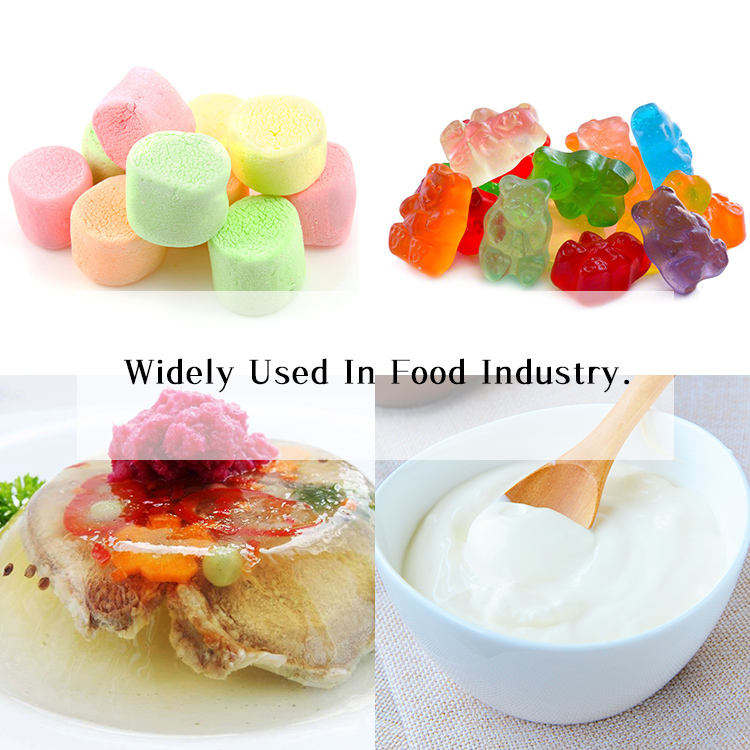
| Gummies & Fruit Chews | Halal bovine hide or tilapia | Bovine hide: 230–260 Bloom; tilapia: 150–250 Bloom supply | 3.3–4.0 | 7–9% inclusion (GMIA Handbook); fast starch-mould setting and elastic bounce |
| Marshmallows & Aerated Sweets | Halal bovine hide or tilapia | 225–275 Bloom (bovine hide up to 300; tilapia up to 250; GMIA Handbook) | Matched to whipping line spec | 1.7–2.5% inclusion (GMIA Handbook); whips stable air cells with sugar and glucose syrup |
| Dairy, Yogurt & Desserts | Halal bovine hide or tilapia | 180–240 Bloom | 3.0–4.0 | 0.2–1.0% in dairy; 7–9% in gelled dessert mixes (GMIA Handbook); curbs syneresis |
| Processed Meats & Aspic | Halal bovine hide | 180–280 Bloom | 3.0–4.5 | Binds free water and cooking juices during slicing and chill storage |
| Beverage Clarification | Separate low-Bloom bovine hide grade (outside 120–300 Bloom core) | 80–120 Bloom | 2.0–2.5 | Flocculates haze-forming tannins in fruit juices and non-alcoholic drinks |
| Pharmaceutical Softgels | Halal bovine hide or bone | 150–180 Bloom (3.5–4.8 mPa·s) or 200 Bloom (3.0–3.4 mPa·s) | 3.0–4.8 (grade-specific) | Forms pliable rotary-die ribbons; Type A shells below 4.2 mPa·s (6.67%, 60 °C, US9456991B2) support delayed-release systems |
| Two-Piece Hard Capsules | Halal bovine bone / hide | 200–250 Bloom | 4.5–5.0 (bone up to 4.6) | High viscosity holds uniform dipping-pin wall thickness without dripping |
Particle Granule and Powder Selection for Hydration Speed
- Coarse granules, such as standard 8-mesh production lots, pour cleanly and produce low airborne dust during high-speed hopper feeding for gummy, marshmallow, and capsule melt tanks.
- Medium granules balance swelling time and clean dispersion across dairy stabilizers, meat brines, and general food processing lines.
- Fine unflavored halal gelatin powder hydrates rapidly in dry dessert blends, instant cook mixes, and continuous inline dosing; exact mesh screen is confirmed in your agreed product specification.
Organic Acid Formulation Note:
On paper, two high-Bloom lots look identical, yet peer-reviewed rheometry on 6.67% tilapia skin gelatin (within a 1.5–6.67% rheological study, Foods, 2022) shows that adding 0.5–2.0% lactic, citric, or malic acid lowers gel strength by 14.3% to 62.2%. The practical caveat is that citric and malic acid cut firmness faster than lactic acid, whereas higher gelatin solids buffer the drop, at 6.67% gelatin with 0.5% lactic acid, gelling temperature drops by only 0.4 °C. Treat catalog Bloom numbers as a starting point and verify sour recipes using our 100–500 g free lab samples.
Halal Gelatin Technical Specifications and Batch COA Limits
Unlike generic supplier brochures that omit heavy metals, sulfur dioxide, and optical transmittance, we publish full GB 6783-2013 limits and release lot-specific analytical data with every order. Every commercial dispatch is tested to GB 6783-2013, ChP 2025, or USP/EP specifications prior to shipment release.
Standard Bloom gel-strength assays follow the GMIA Gelatin Handbook (6.67% w/w gel conditioned at 10 °C for 17 hours, with viscosity measured separately at 60 °C), while halal gelatin sourcing and thermal properties are reviewed in Joy et al. (PMC11394984).
| Specification Parameter | Standard Limit (GB 6783-2013 / Pharma) | Batch COA Release & Reference Scope |
|---|---|---|
| Bloom gel strength | 120–300 Bloom standard (plus 80–120 Bloom beverage grade) | Verified per lot at 6.67% gel, 10 °C, 17 h (GMIA standard method) |
| Viscosity (6.67%, 60 °C) | 2.0–5.0 mPa·s (hide); 3.5–4.6 mPa·s (bone); 2.1–4.8 mPa·s (tilapia) | Verified per lot on Batch Certificate of Analysis |
| Loss on drying (Moisture) | ≤ 14.0% (GB 6783-2013) | Measured per production lot before bagging |
| Total ash residue | ≤ 2.0% (GB 6783-2013) | Measured per production lot on Batch COA |
| Water-insoluble matter | ≤ 0.2% (GB 6783-2013) | Measured per production lot on Batch COA |
| Optical transmittance (450 nm / 620 nm) | ≥ 30% at 450 nm; ≥ 50% at 620 nm (GB 6783-2013) | Verified per lot for clear confectionery and capsule grades |
| Hydrogen peroxide (H2O2) | ≤ 10 mg/kg (GB 6783-2013) | Measured per lot on Batch COA |
| Sulfur dioxide (SO2) | ≤ 30 mg/kg (GB 6783-2013; tighter pharma ceilings available) | Measured per lot on Batch COA |
| Heavy metals (As / Cr / Pb) | As ≤ 1.0 mg/kg; Cr ≤ 2.0 mg/kg; Pb ≤ 1.5 mg/kg (GB 6783-2013) | Measured per lot; ICH Q3D oral elemental impurities evaluated for CEP grade |
| Microbiology (TPC / Coliforms / Salmonella) | TPC ≤ 10,000 CFU/g; Coliforms ≤ 3 MPN/g; Salmonella Not detected (GB 6783-2013; 25 g COA assay) | Lot-specific microbiological release prior to container loading |
| Nutritional profile (per 100 g) | Protein 84–87 g; Fat 0 g; Carbohydrate 0 g; Energy 1,480 kJ | Per Yasin edible bovine gelatin product specification sheet |
| Packaging & storage | 25 kg (55.1 lb) multi-wall kraft bag with food-grade PE liner, or jumbo bag | Store cool and dry; shelf life and container load confirmed in batch COA and quotation |
| Order lead time | 10–15 days small batch; 14–15 days bulk production | Batch-specific analytical values and lot quantities ship on the Batch COA |
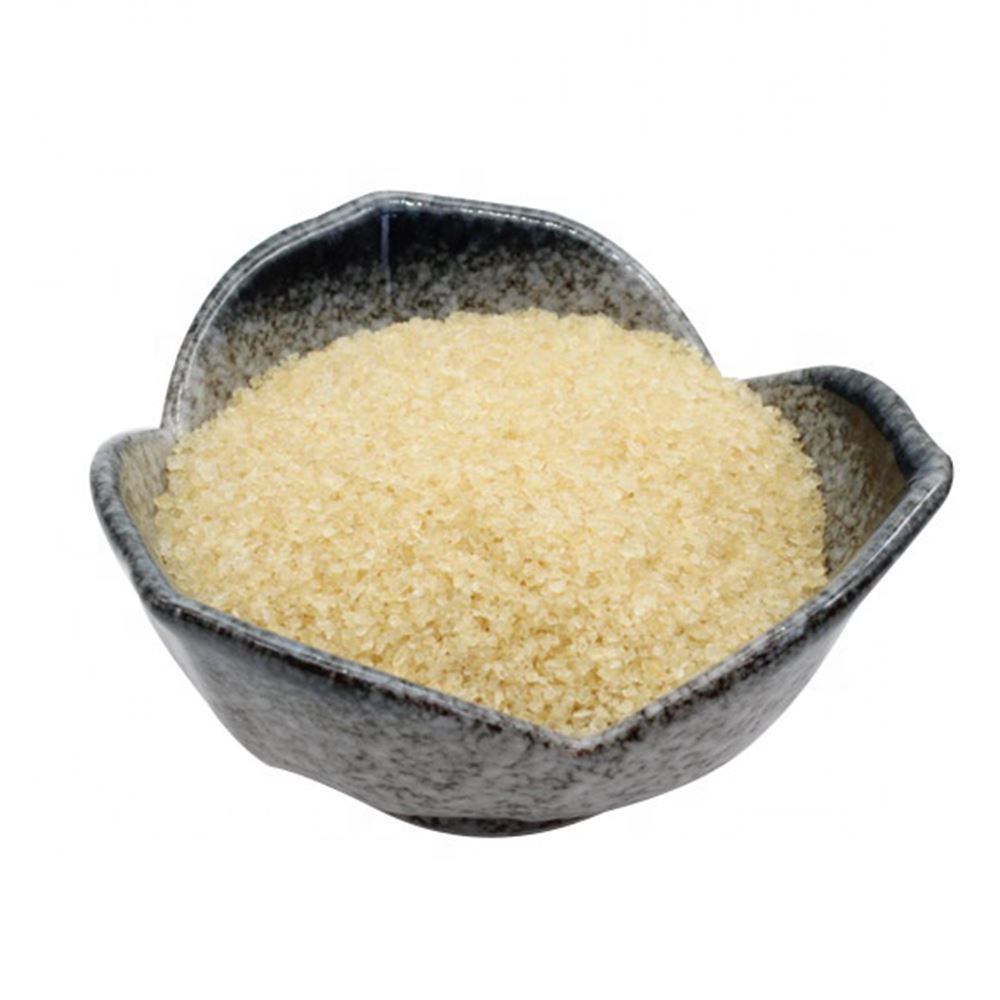
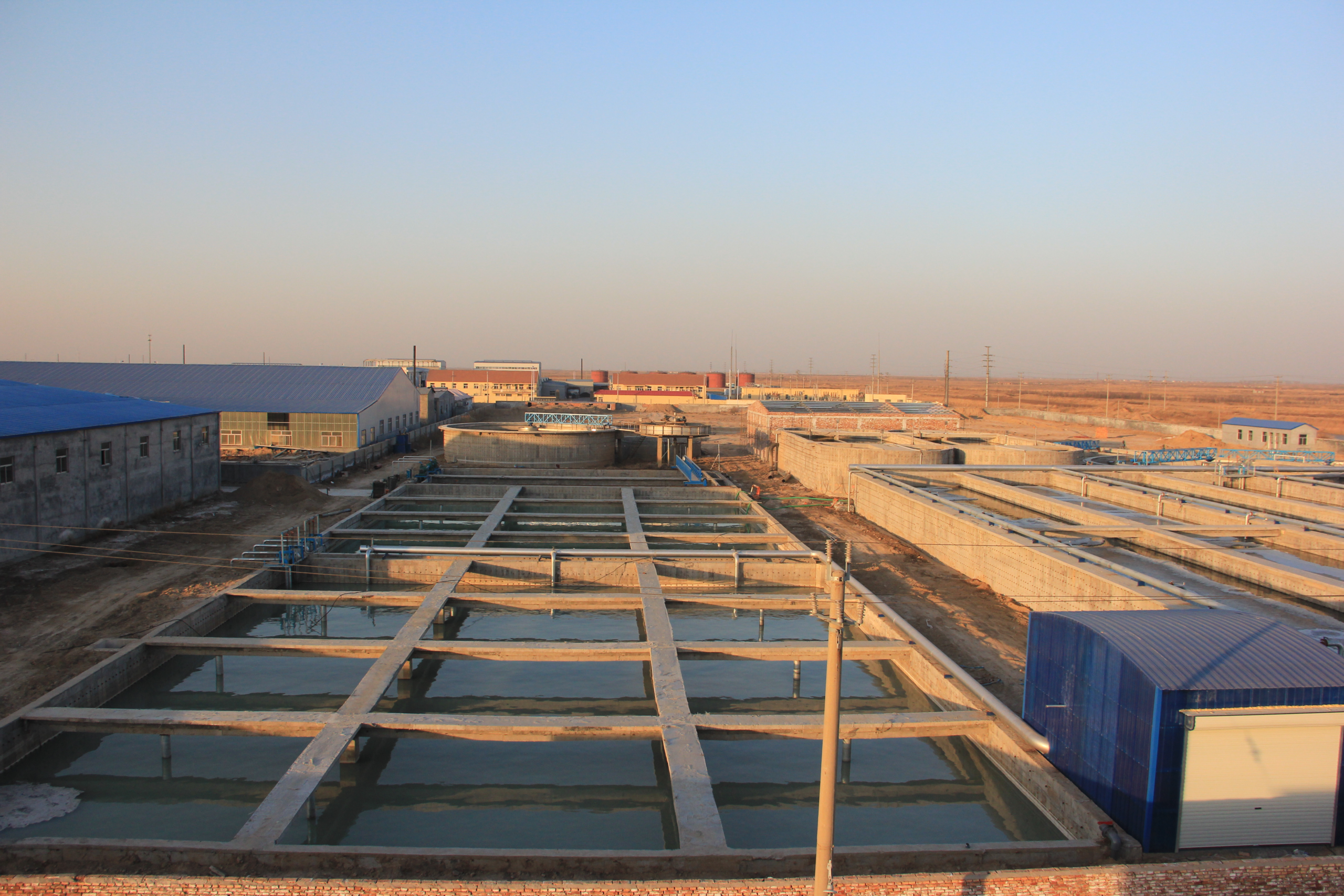
Bulk Halal Gelatin Pricing Drivers, MOQ, and Export Lead Times
Bulk halal gelatin is quoted per specification, order volume, and destination terms rather than from a static retail price list. Unlike large exporters that enforce 1,000 to 5,000 kg minimums before commercial trials, we start bulk orders at 500 kg and return written quotes within 24 hours on business days.
Five Cost Drivers on Bulk Export Quotes
| Cost Driver | Effect on Unit Price | How to Reduce Total Cost |
|---|---|---|
| Bloom gel strength | Higher Bloom grades involve stricter raw-material selection, extraction control, and blending ratios, which can shift per-kg pricing upward under comparable terms. | Evaluate cost per finished kg of gummy or dessert; higher Bloom lowers recipe inclusion rate. |
| Raw-material origin | Input costs vary across bovine hide, bovine bone, and farmed tilapia supply cycles and target Bloom. | Request side-by-side quotes across grades and choose bovine hide unless capsule or label rules require bone or fish. |
| Compliance grade | Pharmacopoeia grades (ChP 2025 / USP-EP, plus EDQM CEP-supported filings) require extra analytical release and tighter ceilings such as SO2. | Specify GB 6783-2013 food grade for confectionery and reserve pharmacopoeia grades for capsules. |
| Mesh & leaf format | Standard granule sizes support efficient throughput; finer milling and boxed leaf gelatin add processing steps. | Match particle sizing to your actual soak tank rather than over-specifying fine powder. |
| Shipment volume (LCL vs. FCL) | 500 kg LCL orders absorb higher per-kg destination port handling than full 20 ft container shipments. | Start with 500 kg for industrial line validation, then consolidate into full-container schedules. |
Total Cost Advantage: Higher Bloom Lowers Recipe Dosage
Purchasing teams often compare raw FOB prices per ton, but in truth, a lower unit price carries a dosage trade-off. Using the inverse square-root Bloom equivalence relationship employed by formulation engineers, replacing 180 Bloom with 250 Bloom cuts gelatin mass by approximately 15.1% (10.0 g to 8.49 g) for comparable firmness. If that mass-reduction trade-off is profitable, the net cost of gelatin per finished kilogram is lowered.
Commercial Order Terms and Lead-Time Schedule
| Commercial Term | Yasin Standard Commitment |
|---|---|
| Minimum order quantity (MOQ) | 500 kg for standard halal bovine hide, bovine bone, tilapia fish, and leaf gelatin grades (custom printed leaf carton minimums are confirmed in the written quotation). |
| Laboratory samples | 100–500 g free lab samples are supplied for qualified commercial trials (buyer covers international courier freight). |
| Quote turnaround | Written quotations and technical data sheets are returned within 24 hours on business days. |
| Small-batch dispatch | 10–15 days after order confirmation and specification sign-off. |
| Bulk production lead time | 14–15 days after deposit receipt and specification confirmation (excludes ocean transit). |
| Payment terms | 30% T/T deposit with balance against B/L copy, or irrevocable L/C at sight. |
| Export Incoterms | We quote EXW at the named delivery place, FOB at the named port of shipment, or CFR and CIF to your designated destination port. |
Halal Certification Matrix, Food Safety Systems, and Export Dossier
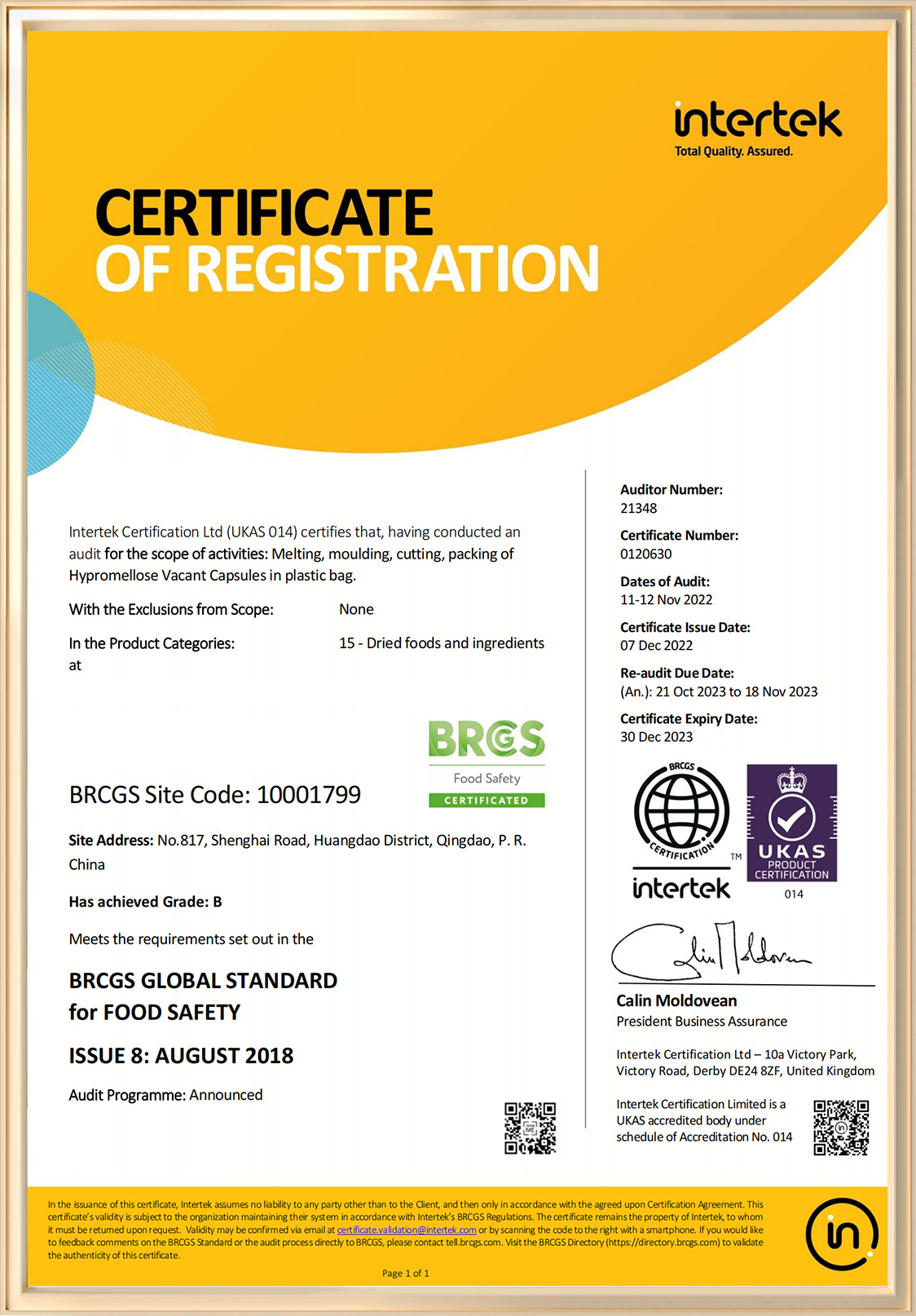
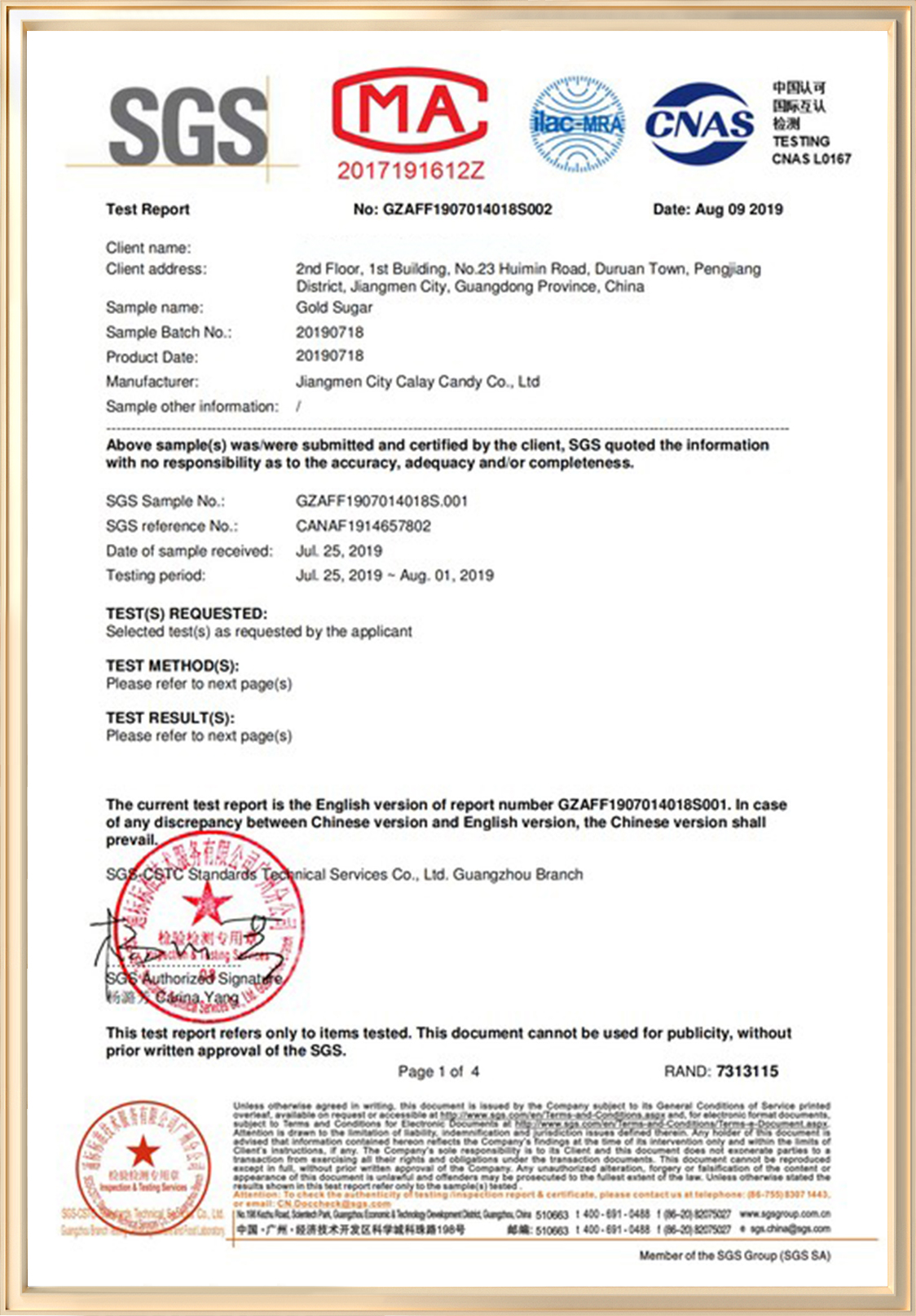
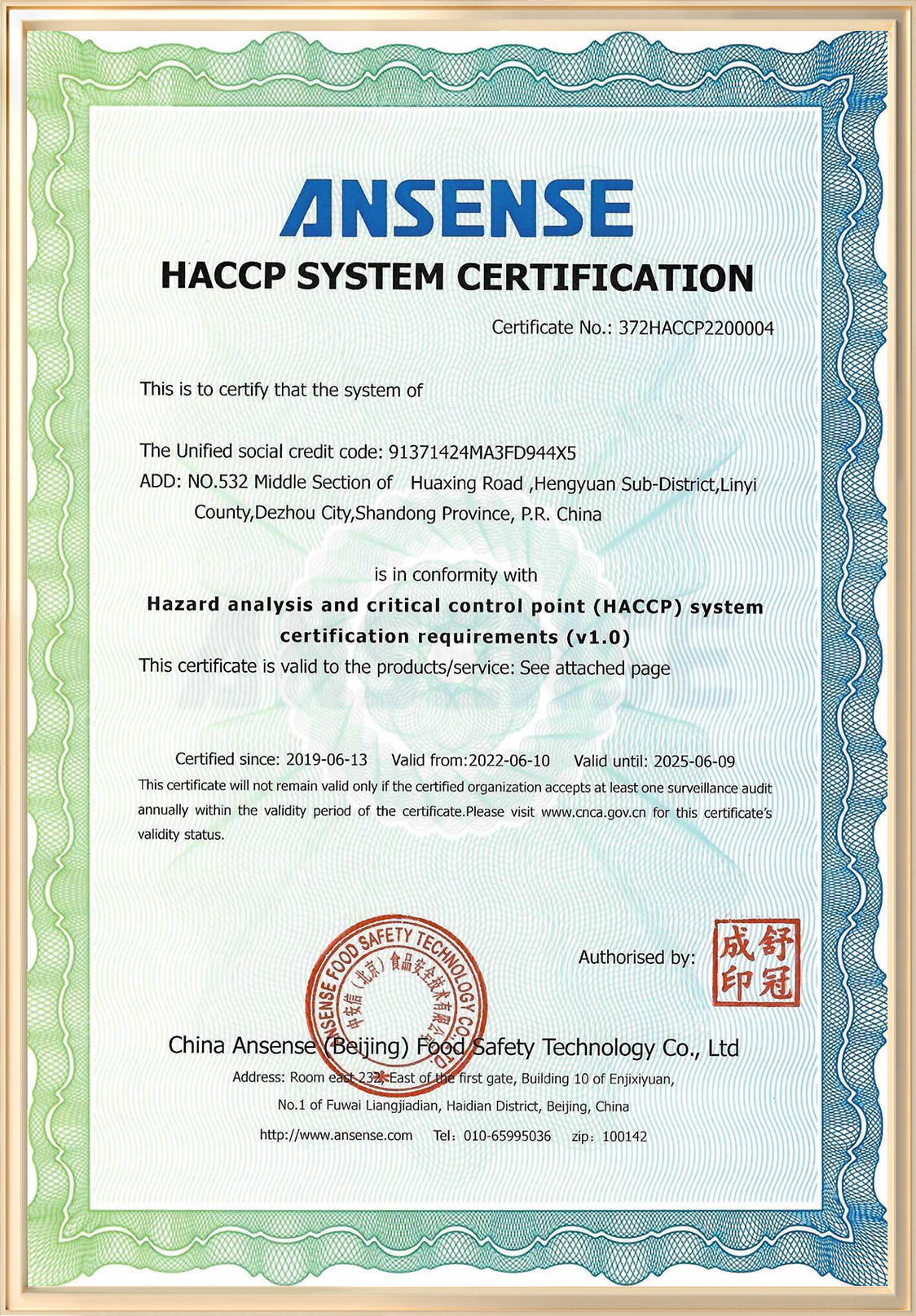
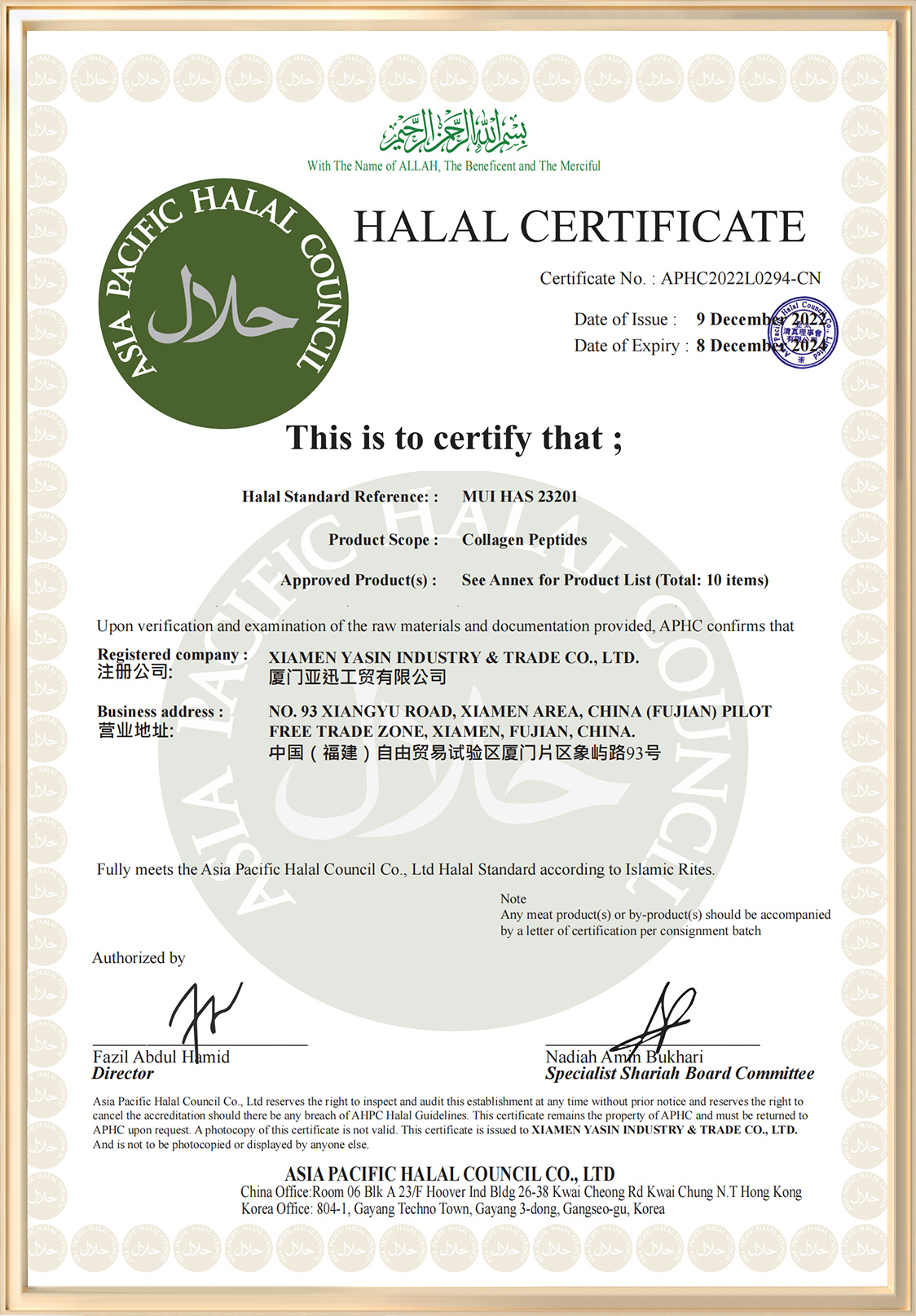
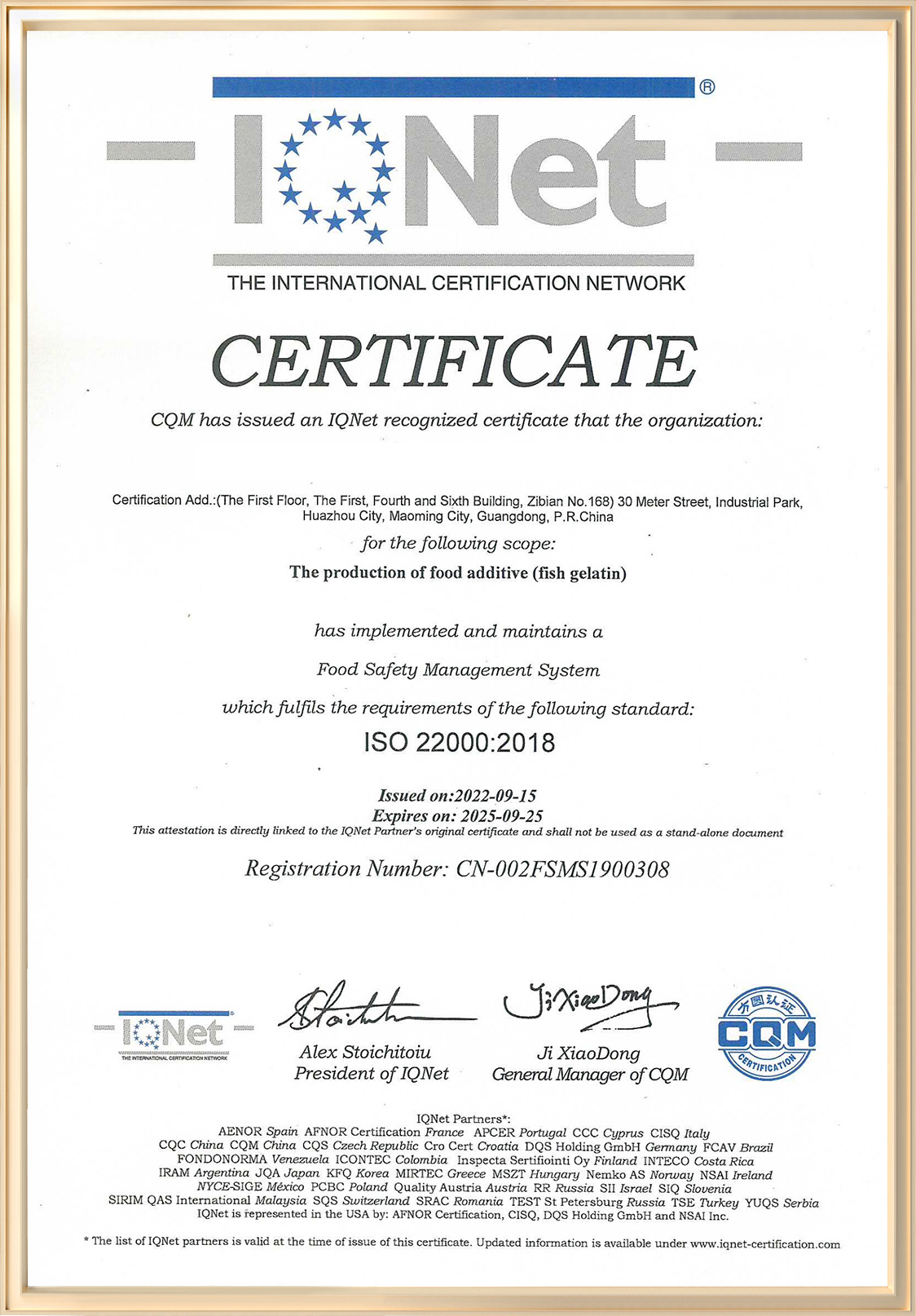
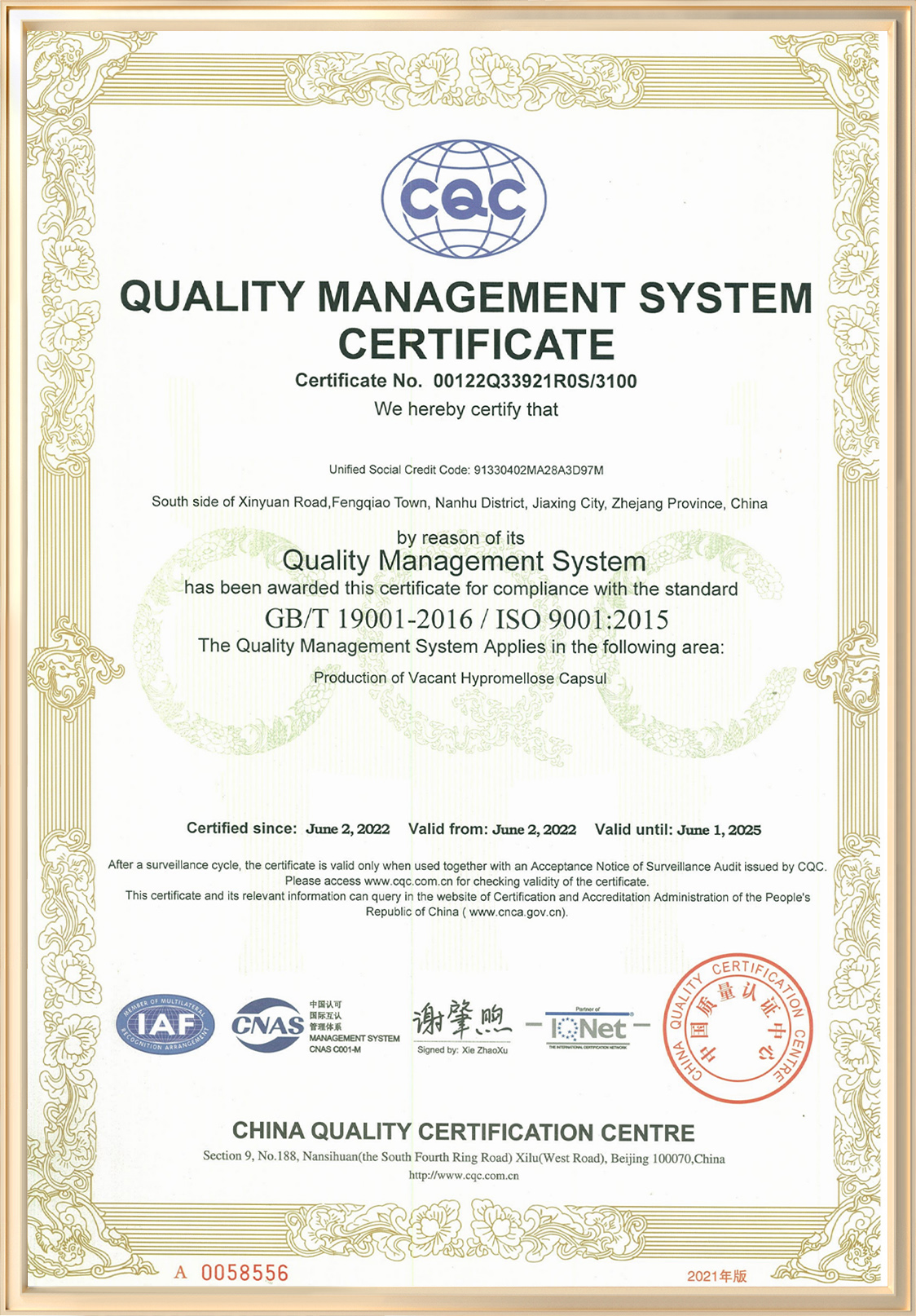
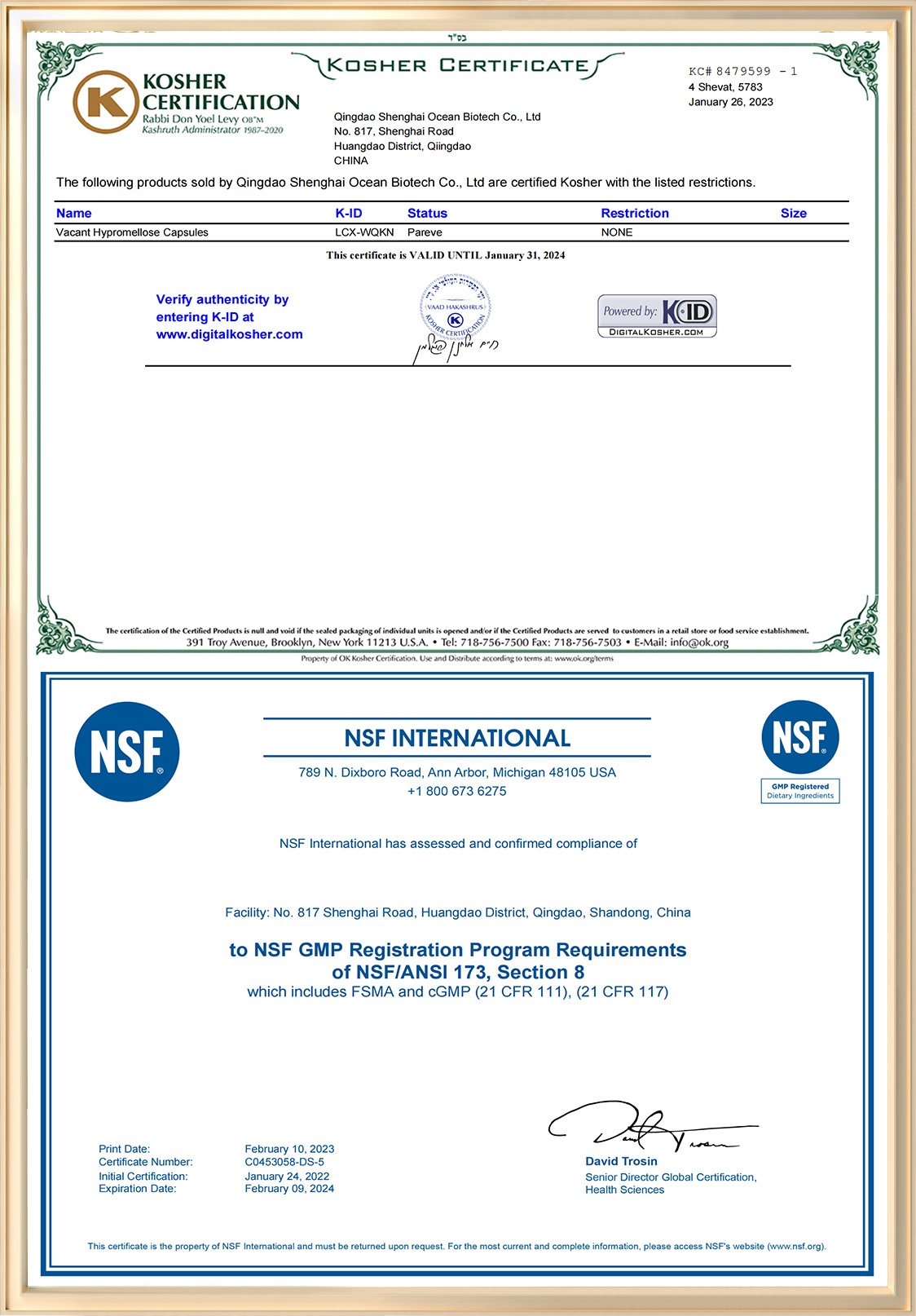
Conventional supplier audits check food safety, yet halal compliance demands proof against cross-contamination risks in shared production lines. Kosher-vs-Halal confusion makes yogurt and snack buyers ask whether kosher gelatin is allowed, so holding market-specific halal certificates is a real trade-off. All facility certificates below are held by our audited partner plant and filed for Xiamen Yaxun, paired with a shipment-specific Halal Certificate per lot.
| Certification / System | Certificate Number & Scope | Verification & Renewal Protocol |
|---|---|---|
| BPJPH-MUI Halal (Indonesia) | Certificate No. ID00410017657050324 / Decree MUI-SCI-000144300524 (bovine and fish gelatin) | Valid through 2028-05-17; verifiable via the official BPJPH registry and paired with importer SHLN registration. |
| SHC Halal (MS 1500:2019) | Certificate No. 1548240000; recognized by JAKIM (Malaysia), BPJPH, and WHFC | Annual audit renewal verified prior to every production and shipping window; shipment-specific Halal Certificate issued per export lot. |
| HFC Halal | Certificate No. 48254664641317; international food and capsule export coverage | Annual renewal verified before dispatch; accompanied by per-shipment Halal Certificate matching container and batch numbers. |
| FSSC 22000 Ver 6.0 | Certificate No. CQC26FS0524R2M/3700; GFSI-recognized food safety management | Valid through 2029-04-25; verifiable directly in the public FSSC 22000 certified organizations database. |
| EDQM CEP (Europe Pharma) | R0-CEP 2021-189 Rev 00 (200 Bloom alkaline bovine hide gelatin; evaluated for ICH Q3D oral elemental impurities Class 1/2A/3 Cr) | Supports European Pharmacopoeia TSE/BSE and pharmaceutical excipient regulatory filings. |
| Additional Facility Dossiers | ISO 9001, GMP, BRC, and Kosher dossiers | Copies supplied to qualified QA teams during commercial vendor onboarding. |
Four-Step QA Verification Before Booking Freight
01
Match our partner facility’s BPJPH-MUI Halal certificate for Indonesia (with your SHLN filing) or JAKIM-recognized SHC MS 1500:2019 certificate for Malaysia.
02
Verify legal entity name, plant address, and active annual renewal dates (including SHC and HFC cycles) on BPJPH, JAKIM FHCB, and FSSC 22000 registries before loading.
03
Review ICH Q3D oral elemental-impurity records (EDQM CEP R0-CEP 2021-189 Rev 00) and confirm dual Halal-Kosher or bovine-only allergen needs.
04
Lock the eight-document packet: Batch COA, shipment-specific Halal Certificate, Veterinary Health Certificate, Certificate of Origin, TDS, Commercial Invoice, Packing List, and Bill of Lading.
Six-Step Bulk Order Workflow and Formulation Risk Controls
Inconsistent supply of ingredients due to misalignment of technical sampling, veterinary permits and halal batch paperwork leads to fulfillment challenges. Our six-step fulfillment workflow locks specification sign-off before extraction of raw hides.
Industrial Formulation Failure Modes and Practical Controls
| Production Issue | Root Cause | Engineering Prevention |
|---|---|---|
Soft or sweating gummies in warm climates |
Insufficient Bloom strength, excess moisture pickup, or selecting lower-melting fish gelatin without recipe adjustment. | Specify 230–260 Bloom halal bovine hide gelatin and control equilibrium relative humidity during starch-room drying. |
Bloom loss during acidic cooking |
Holding gelatin at elevated temperatures in low-pH syrups containing citric or malic acid hydrolyzes peptide chains. | Hydrate and melt gelatin separately, add organic acids late after cooling below 65 °C, and validate acid type via lab trials. |
Softgel crosslinking and slow dissolution |
Aldehyde-bearing botanical fills or elevated peroxide levels crosslink gelatin amine groups during storage. | Specify pharmaceutical grades meeting applicable pharmacopoeia peroxide ceilings (food-grade GB 6783-2013 sets H2O2 ≤10 mg/kg) and run accelerated fill-compatibility stability trials with your active ingredients before scale-up. |
Caking or clumping in ocean transit |
Unlined bags absorb port humidity, pushing powder moisture above the 14.0% GB 6783-2013 ceiling. | Pack in 25 kg multi-wall kraft bags with sealed food-grade PE inner liners, store cool and dry, and follow batch shelf-life labeling. |
1. For technical evaluation, provide your target Bloom, viscosity, particle size, source (bovine hide, bovine bone or tilapia fish) and the end-user country.
2. Receive a written quotation within 24 hours on business days covering grade match, packaging, and EXW, FOB, CFR, or CIF terms.
3. Validate 100–500 g free lab samples with a matching Batch COA so your R&D team verifies gel strength, clarity, and pH stability on your real recipe.
4. Confirm the 30% T/T deposit or L/C to schedule dedicated halal line production (10–15 days small batch; 14–15 days bulk production).
5. We verify Bloom, viscosity, moisture, sulfur dioxide, heavy metals and microbiology against your specification prior to container loading.
6. We issue the shipment-specific Halal Certificate, Veterinary Health Certificate, Certificate of Origin, and shipping documents for smooth port clearance.
When Halal Gelatin Is Not the Right Hydrocolloid
Gelatin is thermoreversible collagen protein from animals. Define an alternative hydrocolloid or grade, when your product conforms to one of the following four situations.
| Application Situation | Why Halal Gelatin Works Against You | What to Specify Instead |
|---|---|---|
Vegan or plant-based label claims |
All true gelatin is animal-derived collagen (bovine or fish) and cannot carry vegetarian or vegan claims. | Formulate with citrus pectin, agar agar, or carrageenan for plant-based confectionery. |
Hot-served gels that must stay solid above body temperature |
Bovine gelatin is thermoreversible and liquefies when warmed (pure lab gels melt near 33.8 °C in Joy and colleagues), so it cannot stay solid in hot-served dishes without re-chilling. | Switch to higher-melting hydrocolloids such as agar, gellan gum, or modified starch matched to your serving and processing temperatures. |
Fish-allergen-free claims in North America or EU |
Tilapia fish gelatin triggers fish allergen labeling on US/Canadian food labels and non-exempt EU/UK food applications. | Select our halal bovine hide or bovine bone gelatin to keep fish off your allergen panel. |
Non-food technical adhesives or sizing |
Certified edible halal lines carry food-safety and halal-audit overhead unnecessary for industrial glue. | Request uncertified technical gelatin outside food-grade halal production lines. |
Halal Gelatin Procurement and Technical FAQ
No. Bovine gelatin is halal only when the cattle are slaughtered according to Islamic dietary law and extracted on dedicated pork-free equipment verified by an accredited certifying body. Non-certified beef gelatin from conventional abattoirs fails halal audits for food or pharmaceutical brands.
No. Consumers checking yogurt or snacks with kosher gelatin often ask whether they are allowed to eat it, because Kosher rules differ from Islamic halal requirements. Authorities like BPJPH-MUI and JAKIM do not accept Kosher certificates for halal entry, so we supply dual Halal and Kosher grades.
Warm-water tilapia gelatin (150–250 Bloom) melts near 28.9 °C in pure-gel lab tests (warm-water fish review), above cold-water fish (12–13 °C) and ~5 °C below bovine (33.8 °C, Joy review). Melting points shift with solids and pH, so gummy and capsule lines need benchtop trials and food fish-allergen labeling.
In Foods (2022) tests on 6.67% tilapia gelatin, 0.5–2.0% citric, malic, or lactic acid cut gel strength by 14.3% to 62.2%. Lactic acid weakened gels less than citric or malic acid, though all three reduced firmness. Trials with 100–500 g free lab samples can help assess firmness under the intended formulation and processing conditions.
Our audited partner facility certificates filed for Xiamen Yaxun include BPJPH-MUI Certificate No. ID00410017657050324 (valid through 2028-05-17), FSSC 22000 Ver 6.0 Certificate No. CQC26FS0524R2M/3700 (valid through 2029-04-25), and JAKIM-recognized SHC MS 1500:2019 Certificate No. 1548240000. QA teams cross-check registry numbers, entity details, and active annual renewal plus the shipment-specific Halal Certificate before loading.
Yes for most food uses. Health Canada and US FDA list fish as a priority allergen requiring species declaration on food labels, and EU/UK rules require fish labeling except for specific exemptions such as vitamin/carotenoid carriers or fining agents in beer and wine. Choose halal bovine hide or bovine bone gelatin when your product needs a fish-allergen-free declaration.
Our standard MOQ is 500 kg for halal bovine hide, bovine bone, tilapia fish, pharmaceutical capsule, and leaf gelatin grades. The packaging minimum for custom printed leaf gelatin cartons is confirmed in the written quotation.
Yes. We supply 100–500 g free lab samples accompanied by a Batch Certificate of Analysis for qualified industrial evaluations, with the buyer covering international courier freight.
We return written quotations and technical spec sheets within 24 hours on business days. Standard commercial batches ship in 10–15 days, and bulk production orders run 14–15 days after deposit and specification confirmation.
Standard commercial payment terms are a 30% T/T deposit with the balance against the Bill of Lading copy, or an irrevocable L/C at sight. We quote EXW at the named delivery place, FOB at the named port of shipment, or CFR and CIF to your designated destination port.
Standard pack sizes are 25 kg (55.1 lb) multi-wall kraft bags with food-grade polyethylene inner liners or bulk jumbo bags; confirmed actual 20 ft container loading quantities are provided in quotations based on palletization. Keep the product cool and dry and follow the shelf life mentioned in the batch COA.
Every export shipment includes a Batch Certificate of Analysis (COA), shipment-specific Halal Certificate, Veterinary Health Certificate, Certificate of Origin, Technical Data Sheet (TDS), Commercial Invoice, Packing List, and Bill of Lading.