Commercial Bone Gelatin Powder & Granules for Hard Capsules, Softgels & Gummies
Quotes returned within 24 hours on business days
15–30 days delivery window (20 days standard production)
500 kg standard MOQ (25 kg hemostatic raw spec)
$5.00–$8.00 USD/kg FOB & CIF benchmark
We supply commercial bovine bone gelatin engineered for two-piece hard capsule dipping, rotary-die softgel encapsulation, deposited gummies, and specialty hemostatic starting formulations. Operating under the Yasin brand heritage since 1986 (with Xiamen Yasin Industry & Trade Co., Ltd., also known as Xiamen Yaxun Industry & Trade Co., Ltd., formalized in September 2009), we pair export traceability with 36,000 tons annual gelatin capacity through cooperative manufacturing.
Standard food and capsule bone gelatin orders qualify for a free evaluation sample up to 500 g. Specialty plasma-substitute hemostatic bone gelatin (25 kg MOQ) requires a paid qualification batch, while all Chinese-origin bovine bone gelatin grades exclude European Union export destinations.
01 / 03
Bone Gelatin Technical Specifications & Bulk Procurement Snapshot
01 / 06
Gel Strength & Viscosity
150–250 Bloom gel strength and 3.5–4.6 mPa·s bone core (200–250 Bloom / 4.5–5.0 mPa·s hard capsules; 80–300 Bloom / 2.0–7.0 mPa·s total range)
Mesh & Container Load
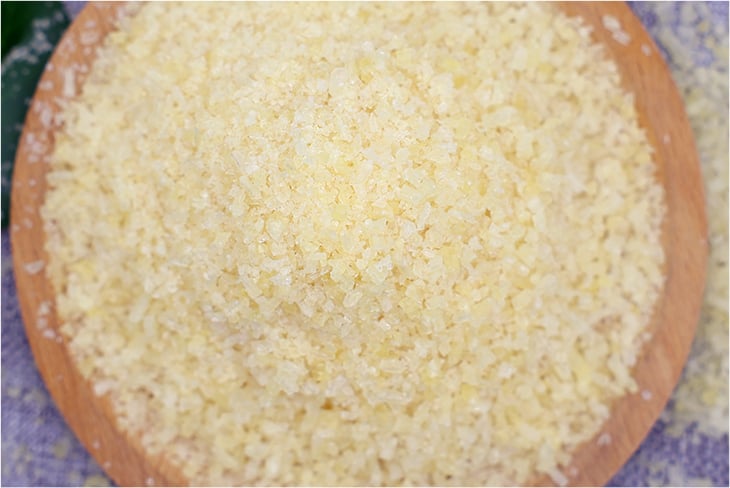
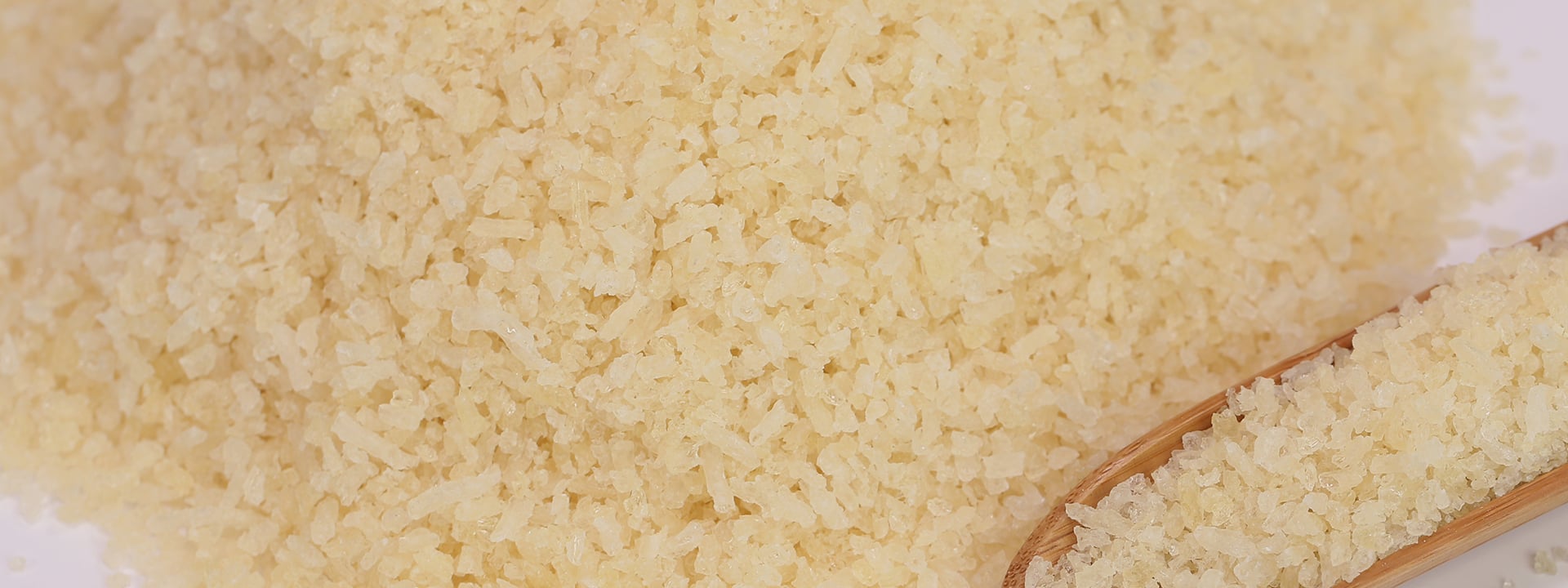
8–60 mesh granularity in 25 kg kraft bags; 8–15 mesh pallet-free loads reach 17 metric tons per 20GP and 26 metric tons per 40HQ
MOQ & Sample Rules
500 kg for standard food and capsule grades (25 kg hemostatic raw spec MOQ); free sample up to 500 g excludes hemostatic grades
Reference FOB / CIF Band
$5.00–$8.00 USD/kg baseline across standard food and capsule grades; specialty hemostatic grades quoted by order specification
Factory Lead & Payments
20 days standard production schedule inside an overall 15–30 days bulk delivery window; T/T and L/C (O/A for qualified VIP accounts)
Compliance & Batch Proof
Supplied to ChP 2025, GB 6783-2013, USP, and EP with partner plant ISO 22000 & CNAS COAs (Lots 2606121, 2606065, and 2606106) and Halal/Kosher files
Bovine Bone Gelatin Definition: Ossein Chemistry, Type B Liming & Broth Separation
As an essential industrial source of gelatin for the pharmaceutical and food sectors, bovine bone gelatin is a purified, thermoreversible structural protein obtained from the partial hydrolysis of Type I collagen preserved in degreased bovine bones. Unlike boiling bones in an open kettle, industrial plants perform four precisely controlled chemical and physical steps to isolate pure collagen ossein which is then thermally extracted and custom milled.
Six-step Type B alkaline liming process from bovine bone raw material sorting through drying and 25 kg bagging
Controlled ossein maceration, extended calcium hydroxide conditioning, ultrafiltration refining, and drying sequence used across Type B bovine bone gelatin lines.
01
Step 1: Dilute Acid Demineralization Into Pure Ossein
Vertebrate bone tissue has 60-70% inorganic mineral by dry weight (PMC3909232[3] , varying by species, anatomical site, and developmental stage) around a dense collagen scaffold. Calcium phosphate salts are leached from the collagen by soaking in dilute hydrochloric acid, leaving behind a soft and porous material called ossein gelatin.
02
Step 2: Alkaline Type B Liming vs. Acid Type A Conditioning
Alkali steeping of the ossein in a saturated slurry of calcium hydroxide for weeks disrupts dense cross-linking of cortical collagen. Published patent background citing the Gelatine Handbook (US20220256886A1[4]) states that alkaline liming deamidates asparagine and glutamine residues into carboxylic acids and places Type B bone gelatin at pI 4.8-5.5, while softgel encapsulation literature reports pI 4.6-5.2 (PMC11468233[3]). Across equivalent Bloom tiers, Yasin's Type B grade bone gelatin specs show higher viscosity than single-stage acid Type A catalog grades (3.5-4.6 mPa·s core / 4.5-5.0 mPa·s hard capsule vs 2.0-3.5 mPa·s).
Conditioned ossein is thermally hydrolyzed across progressive water stages, followed by counter-current washing, triple filtration, ultrafiltration, and ion-exchange de-ashing. Whereas shorter single-stage Type A acid conditioning retains higher charge and salt profiles (pI 7.0–9.0), prolonged Type B liming combined with plant ultrafiltration and ion-exchange purification operates alongside finished-lot EP COA verification keeping total mineral ash to <=2.0% under GB 6783-2013 Table 2[2] and solution conductivity at 0.1 mS/cm across Lots 2606121, 2606065, and 2606106 (ten times lower than the <1.0 mS/cm target conductivity discussed in PMC11468233[3]).
04
Step 4: UHT Sterilization, Band Drying & Custom Mesh Milling
Clarified gelatin liquor undergoes continuous ultra-high temperature heat treatment at >=138 °C for >=4 seconds before chilling extrusion, low-humidity band drying, 8,000-Gauss magnetic trapping, online metal detection, and 8–60 mesh classification into 25 kg kraft-lined bags.
Parameter
Alkaline-Limed Bone Gelatin (Type B)
Acid-Processed Gelatin (Type A)
Culinary Bone Broth / Simmered Soups
Enzymatic Collagen Peptide Powder
Primary Source & Process
Acid-demineralized bovine bones conditioned in Ca(OH)2 lime
Direct acid conditioning on porcine skin or fast-acid ossein
Unstandardized long cooking of whole bone marrow and meat cuts
Enzymatic proteolysis to low molecular weight (<25,000 Da) peptide chains
pI 7.0–9.0; single acid soak yields distinct charge and salt retention
High variable salts, fats, and uncalibrated ash
Charge shifts with enzyme cut profile
Bloom Strength & Gel Behavior
150–250 Bloom bone core (80–300 Bloom application capability); ~33–35 °C melt gel
120–300 Bloom catalog hide range; melt varies with acid cut
Uncontrolled; forms soft broth gel only when refrigerated cool
0 Bloom; non-gelling (poor ability to thicken or form firm gel)
Dynamic Viscosity (60 °C EP COA method)
3.5–4.6 mPa·s core bone spec (2.0–7.0 mPa·s across food & 4.5–5.0 hard-capsule grades)
2.0–3.5 mPa·s catalog Type A range; viscosity specified separately from Bloom strength
Unmeasured lipid/salt mixture unsuitable for capsules
Ultra-low liquid viscosity without thermal gelling
Dissolution Behavior
Swells in cold water (5–10x mass); operational heating dissolution at 50–60 °C (above ~33–35 °C gel melt)
Swells in cold water; requires warm heating
Consumed directly as liquid food serving
Instant cold-water soluble without warming
Retail consumer listings frequently confuse purpose-made bone gelatin with kitchen bone broth or hydrolyzed collagen peptide jars. Unlike standardized ossein extraction, homemade stocks or commercial soups vary widely in amino acid concentration, mineral salts, and trace fats per serving, making reproducible gelling impossible on commercial filling machinery. This makes gelling in commercial filling equipment unpredictable.
Cold-Water Swelling vs. Specialty Solubility: Published patent mechanics (US20220256886A1[4]) show that unheated cold-water solubility is characteristic of enzymatic collagen peptides below 25,000 Da (or specially processed cold-soluble gelling grades). Standard intact Type B bone gelatin is rich in glycine, proline, and hydroxyproline, swells cleanly in cool water, and dissolves under operational heated dissolution at 50–60 °C (matching 50 °C bath dissolution in GB 6783-2013 Appendix A.8.3.1 and 60 °C laboratory dissolution in PMC6924296[3]) to build a uniform colloidal network.
Using Type B bovine bone gelatin in place of acid Type A gelatin in formulations ignores pH differences at the isoelectric point and ash content, which results in formulation instability. These two families of gelatin cannot be used interchangeably in emulsions or drug systems and represent a critical trade-off in extraction.
The choice of bone gelatin is primarily based on process rheology rather than source specifications. Formulators match gel strength (Bloom), dynamic viscosity at 60 °C (measured under our factory EP COA viscometry assay alongside encapsulation benchmarks such as PMC11468233[3]), and mesh distribution with machine speed and monograph edition.
Rigid two-piece hard capsules and elastic rotary-die softgels run on distinct rheological windows. Encapsulation reviews (PMC11468233[3]) and supplier guides confirm rigid two-piece capsules favor higher Bloom grades (Yasin supplies 200–250 Bloom / 4.5–5.0 mPa·s for ChP 2025 lines, alongside experimental 298 Bloom capsules reported in PMC9611240), whereas rotary softgels use lower-to-medium Bloom with liquid plasticizers (our 150–180 Bloom / 3.5–4.8 mPa·s and 200 Bloom grades, though 70% aqueous fills in lab trials evaluated 250 Bloom films and 3–12% recipe dosage shifts gummy hardness from 91.7 N to 198.8 N in PMC8814289[7]). Specific Bloom, viscosity, and 84–87 g/100g protein bands reflect Yasin and cooperative plant product sheets supplied under GB 6783-2013 or ChP 2025 rather than statutory values printed directly in GB 6783-2013 Table 2.
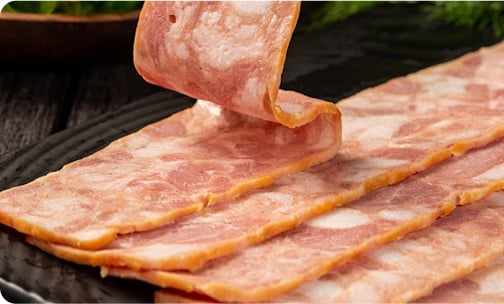
While bovine bone gelatin spans 150–250 Bloom / 3.5–4.6 mPa·s across standard ossein lots (rising to 200–250 Bloom / 4.5–5.0 mPa·s for hard-capsule pin dipping and >180 Bloom / 4.0–6.0 mPa·s / <30 EU/g for hemostatic starting material), Yasin also offers bovine hide gelatin across 120–300 Bloom / 2.0–5.0 mPa·s. Choosing bone versus hide depends on target dipping viscosity retention, gummy release clarity, and finished-device sterilization rules: bone ossein delivers crisp two-piece capsule shells and controlled <30 EU/g raw hemostatic specs, whereas food-grade hide cuts often anchor general gummies (230–260 Bloom), chilled dairy (180–240 Bloom), meat emulsions (180–280 Bloom), and beverage fining (80–120 Bloom / 2.0–2.5 mPa·s).
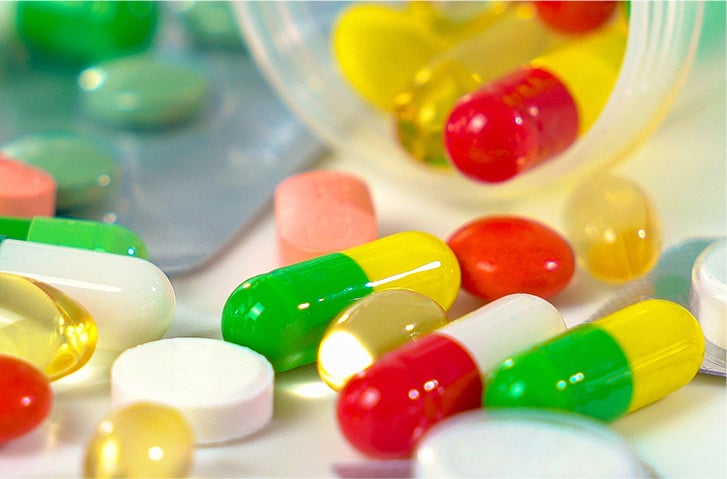
Machining RationaleRapid thermal film gelation on stainless-steel dipping pins yields uniform cap-body wall thickness and crisp trimming without shell brittleness.
Machining RationaleBlends cleanly with 15–30% glycerin or sorbitol plasticizers (PMC11468233; 20–30% in conventional softgel shell formulations per PMC6680749) to cast elastic continuous ribbons that seal liquid fills reliably.
OEM Medical Grade
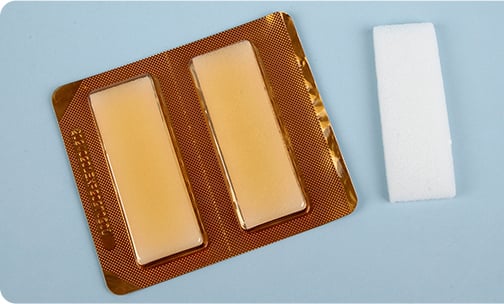
Hemostatic & Plasma Substitute Raw Material
Bloom Strength>180 Bloom
Viscosity (60 °C EP COA assay)4.0–6.0 mPa·s
Bacterial Endotoxin<30 EU/g supplier raw spec (benchmarked against historical ChP 2020 Part II <50 EU/g tables; buyers verify current active ChP 2025, USP, and EP monographs)
Regulatory ScopeStrictly OEM starting raw material specification; OEM buyers retain ChP 2025/USP/EP verification and address FDA-2013-D-1574 guidance alongside ISO 22442 risk management, tissue control, and viral/TSE inactivation validation (such as ISO 22442-1/-2/-3) for finished devices[6].
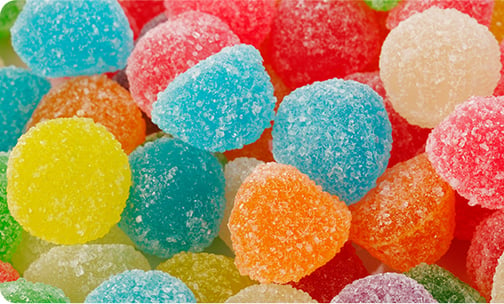
Machining RationaleSets into an elastic gel with clear starch-mogul release and melts smoothly around ~35 °C on the palate; hot-climate distribution above 35 °C requires co-gelling hydrocolloids or climate-controlled shipping.
Dairy & Mousse
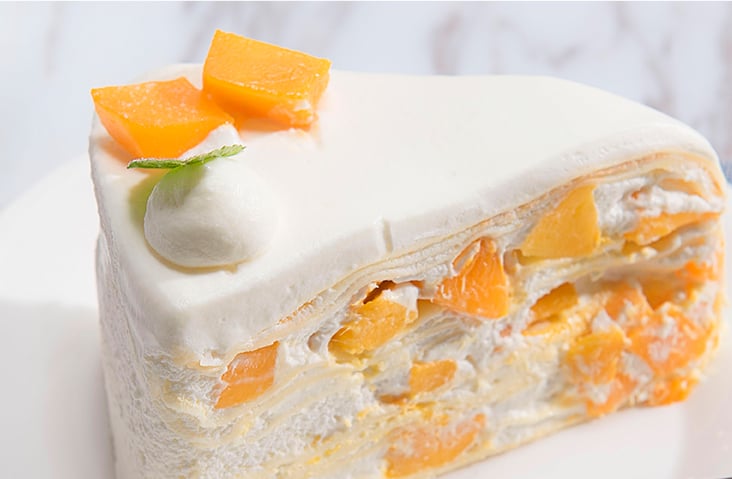
Dairy, Dessert Gels & Mousse Lines
Bloom Strength180–240 Bloom
Viscosity (60 °C EP COA assay)3.0–4.0 mPa·s
Formulation FocusYogurt body stability, dessert cream set, clean-label thicken control
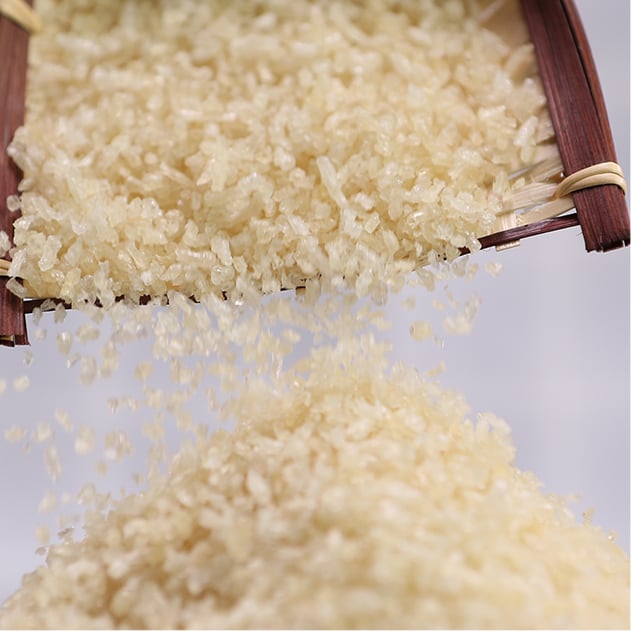
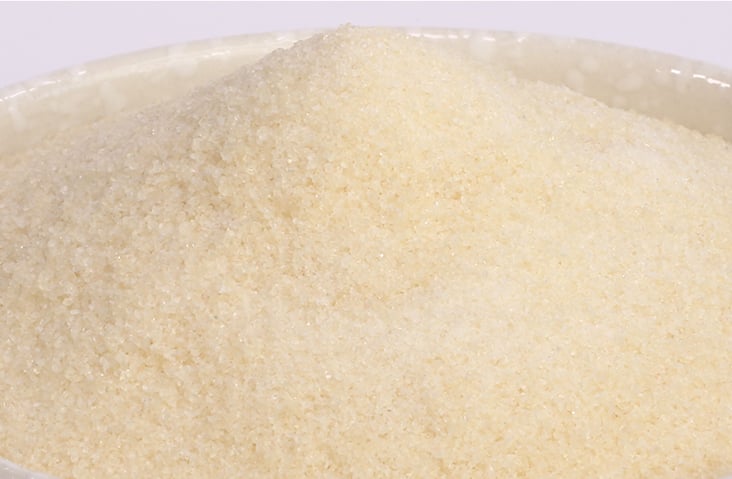
We mill and screen bovine bone gelatin across 8–60 mesh granularity to balance tank hydration speed against container loading density. Unlike unrefined beef gelatin powder packed for retail jars, every batch ships in moisture-barrier 25 kg kraft-plastic composite bags designed for export freight.
Consistent particle screening within our 8–60 mesh unflavored beef gelatin powder range reduces undissolved nuclei during continuous tank melting.
Physical Format / Screen
Mesh Range
Hydration & Melting Behavior
Export Load & Bag Configuration
Primary B2B Applications
Physical Format / Screen
Coarse Granules
Mesh Range
8–15 mesh
Hydration & Melting Behavior
Slow, dust-free wetting; absorbs 5–10x cold water over 20–30 min prior to 50–60 °C operational heating
Export Load & Bag Configuration
17 metric tons per 20GP · 26 metric tons per 40HQ (pallet-free 25 kg bags)
Primary B2B Applications
Hard capsules, softgel melters, pharmaceutical patch lines
Physical Format / Screen
Standard Industrial Powder
Mesh Range
Mid-sieved (within 8–60 mesh catalog)
Hydration & Melting Behavior
Faster cold dispersion in agitated tanks before warm dissolution heating at 50–60 °C
Export Load & Bag Configuration
Confirmed per order packing list in 25 kg kraft-lined bags
- Skipping uniform cold-water hydration creates rubbery clumps while prolonged holding above 60 °C degrades Bloom strength (PMC11468233[3]); specifying finer milled powder within 8–60 mesh is not a substitute for gradual cool-water pre-swelling before thermal dissolution.
Standard orders ship in 25 kg kraft paper bags with an inner polyethylene liner and maintain a 5-year shelf life when stored in a clean, dry, ventilated warehouse per factory specification 4.规格书.pdf. Questions concerning pasture-raised or grass-fed source origin are addressed by lot, and answered using traceable veterinary declarations, rather than unsubstantiated retail requests.
Multi-Stage CCP Sterilization Controls & Verified Batch COA Limits
We have verified controls on purity from the screening of raw bone materials to the automated in-line Critical Control Points (CCPs) and release each lot against the European Pharmacopoeia (EP) standards. Purity and purification checks and the release of finished product are performed by different teams, therefore, quality assurance teams are able to audit in-line process controls without any ambiguity.
Under Regulation (EC) No 853/2004 Annex III Section XIV[2], statutory food-grade ceilings permit up to 10 ppm chromium and 50 ppm SO2, while China's national food additive standard GB 6783-2013 caps finished chromium at <=2.0 mg/kg. Heavy-metal or residual-sulfite rejections occur at port customs because shortened liming cycles or inadequate ultrafiltration leave excessive ionic salts in extracted liquor; our partner factory addresses this through <=10 ppm pre-liming chromium screening, triple ultrafiltration, and ion-exchange columns, validated by finished EP COA measurements at Shandong Hengxin Biotech Co., Ltd. showing Cr 0.38–0.47 ppm (over four times cleaner than the 2.0 mg/kg GB ceiling), SO2 12–22 ppm, conductivity 0.1 mS/cm (PMC11468233[3]), and <10 CFU/g total bacterial counts.
GB 6783-2013 statutory limits; specific As/Pb test results are omitted from the 3-lot EP COA extract (method detection limits depend on ICP-MS/AAS assay)
Moisture / Loss on Drying
Gravimetric Release (GB 6783-2013 & EP COA)
<=14.0% GB 6783-2013 ceiling (<=15.0% EP COA limit)
<10 CFU/g across Lots 2606121, 2606065, and 2606106
In-Process Thermal & Physical CCPs
Manufacturing Line Controls (Not Terminal Sterility Proof)
UHT >=138 °C for >=4 seconds · Triple filtration / UF · 8,000-Gauss magnetic trap · Metal detector 2.0 mm Fe / 3.0 mm SUS / 2.5 mm non-Fe
Verified via continuous in-line factory CCP monitoring logs prior to bagging
Factory-Direct Bone Gelatin Pricing, MOQs, Sample Rules & Freight Planning
Contract pricing follows Bloom strength, mesh sizing, microbial/endotoxin specification tier, religious certification scope, and full-container load utilization. For commercial budgeting, standard food and capsule bone gelatin trades within our $5.00–$8.00 USD/kg FOB and CIF reference band, while specialty <30 EU/g hemostatic grades are quoted separately by exact batch specification.
Reserve <30 EU/g raw specs strictly for hemostatic devices; use ChP 2025 / GB 6783-2013 grades for oral capsules
Certificate & Import Filings
Individual veterinary health certificates, BPJPH/Kosher endorsements & courier fees are lot-level fixed items
Consolidate annual demand into scheduled bulk production lots matched to port dispatch windows
Commercial Contract Terms, Samples & Production Schedule
Commercial TermContract Commitment
MOQ Structure
500 kg for standard bovine bone gelatin grades (20 x 25 kg bags); 25 kg qualification MOQ for plasma-substitute hemostatic bone gelatin
Evaluation Sample Policy
Free sample up to 500 g for standard bone gelatin evaluation (specialty plasma-substitute hemostatic gelatin is not free)
Lead Time & Delivery
20 days standard gelatin factory production, paired with shipping dispatch within an overall 15–30 days bulk delivery window depending on stock status and port schedule
Quote Turnaround
Written engineering review and FOB/CIF quote returned within 24 hours on business days
Incoterms & Payments
FOB and CIF standard; payment by T/T and L/C (O/A terms available for qualified VIP accounts)
Halal, Kosher, Pharmacopoeia Compliance & EU Market Export Scope
Legal attribution between the exporting company (signing the commercial invoice) and the manufacturing company (issuing analytical release data) is expected by auditors. Every lot shipped by Yasin ships with an integrated traceability folder separating exporter documentation from cooperative manufacturing plant quality records.
Yasin Contracting & Export Compliance
Xiamen Yasin Industry & Trade Co., Ltd. (also Xiamen Yaxun Industry & Trade Co., Ltd.) operates a brand heritage since 1986 (30+ years of gelatin experience), with its international export hub formalized in September 2009.
Yasin manages commercial contracts, applicable U.S. FDA food-facility registration records, Halal (MUI, BPJPH, HFC) lot traceability, and coordination of official Veterinary Certificate, BSE/TSE animal-origin statement filings issued by the competent veterinary authority.
Porcine gelatin, industrial technical gelatin, and finished empty capsule shells are strictly outside our sales catalog.
Shandong Hengxin holds ISO 9001, ISO 22000, GMP, BRC, FSSC 22000, and HACCP management certifications, Kosher status, and a CNAS-accredited laboratory, maintains EDQM substance suitability documentation for the specified product and manufacturing site, and maintains internal human-food preventive-controls readiness procedures aligned with 21 CFR 117.126 food-safety plan rules (noting separately that FDA FSMA FAQ PCAF.18 in the animal-food FAQ section confirms FDA operates no private FSMA certification program; buyers inspect active plant certificates and written food-safety plan records directly at qualification audit).
Every order aligns against ChP 2025, GB 6783-2013, USP, or EP monographs per purchase specification with analytical EP COAs verified at plant lab release.
US 9 CFR 94.23 Animal-Health Customs Path & EU Commercial Boundary
Under 9 CFR 94.23[1] paragraph (a)(1), U.S. bovine bone gelatin imports must satisfy either negligible BSE risk conditions in paragraph (c) or controlled/undetermined BSE risk processing in paragraph (d), requiring ante/post-mortem slaughterhouse inspection, exclusion of skulls from bovines of any age and vertebral columns from bovines 30 months of age and older under 9 CFR 94.23(d)(2), processing under paragraph (d)(3) via (d)(3)(i) degreasing, (d)(3)(ii) acid demineralization, (d)(3)(iii) alkaline or acid treatment, (d)(3)(iv) filtration, and (d)(3)(v) sterilization at >=138 °C for >=4 seconds (or an APHIS-recognized equivalent infectivity-reduction process under paragraph (d)(3)), plus non-commingling under (d)(4), AND carry an original veterinary certificate under paragraph (e) signed by a full-time salaried veterinary officer of the national government of the exporting region (or signed by a veterinarian designated by the national government of the exporting region and endorsed by a full-time salaried government veterinary officer).
Separately, 9 CFR 94.23(a)(2) and paragraph (f) provide an independent APHIS import permit pathway (requested via VS Form 16-3) when APHIS determines that no U.S. ruminant contact occurs and conditions prevent BSE introduction; operationally at the cooperative plant, in-line UHT CCP logs verify the >=138 °C / >=4 s thermal treatment because finished lot COAs do not capture upstream pasteurization records.
Importing bovine bone gelatin without batch-matched halal accreditation, veterinary certificates, or verified facility lineage triggers customs holds in markets enforcing statutory halal or veterinary clearance; following the Beyond Biopharma Halal & Kosher Verification Guide[8] and Orthodox Union kosher guidance[9], bovine species or alkaline treatment alone do not make gelatin kosher or halal, so buyers match plant address, SKU, and slaughter lineage directly.
Under Yasin's current commercial supply scope, Yasin excludes Chinese-origin animal-derived bone gelatin raw material from EU export so European QA teams never waste qualification weeks before customs screening.
Cold-Water Swelling, Warm Dissolution & Common Formulation Pitfalls
Bulk production formulation failures are rarely attributed to Bloom strength alone. Long holding times or excessive aldehyde cross-linking during humid storage can be culprits.
01
Slowly disperse 8 to 60 mesh granules onto agitated cool water (5 to 10 times water-to-gelatin mass) to swell evenly for 20 to 30 minutes without floating clumps or dry interior cores (“hard bits”) (Modernist Pantry Troubleshooting[8]). Do not allow clumps to form and swell, and do not allow a dry center to form.
Warm the hydrated mass gently via jacketed kettle to 50–60 °C without boiling (GB 6783-2013 Appendix A.8.3.1 50 °C / PMC6924296 60 °C operational dissolution range), then limit prolonged molten holding above 57–60 °C so thermal hydrolysis does not drop viscosity (PMC11468233[3]).
02
03
To match rotary softgel shell moisture targets near 11.5% equilibrium, use 15-30% glycerin or sorbitol (PMC11468233; 20-30% in traditional capsule formulations per PMC6680749) to avoid seam leaks or brittleness in the capsule.
Trace aldehydes in fills or prolonged heat-humidity storage crosslink tested capsule shell formulations and cause insoluble pellicle films during stability testing; screen excipients, reactive dyes, and warehouse exposure away from sustained 40 °C / 75% RH conditions shown to slow USP dissolution over three months in accelerated stability testing (Pharmaceutical Technology 35(5)[5]).
04
05
Skipping pre-shipment bench hydration and setting-curve checks before bulk runs risks viscosity mismatch on high-speed filling equipment.
Lock matching production batch codes across the factory EP COA, Halal/Kosher schedules, competent authority Veterinary certificate, and ocean packing list ahead of shipment.
Run square-root Bloom equivalency screening ahead of raw material contract pinning
Verified Export Case Benchmarks Across Capsule, Patch & Food Lines
Capsule pin-dipping splits and gummy tearing halt bulk production because uncalibrated Bloom cuts and high ionic conductivity destabilize ribbon setting speed. We verify batch-matched Grade B lots (169 g, 184 g, and 204 g EP COAs) with 0.1 mS/cm conductivity (PMC11468233[3]) and documented export histories, including our Thailand 200-Bloom bovine bone hard-capsule delivery achieving a 30%+ formulation cost reduction.
Supplied 200 Bloom bone gelatin for Thailand hard capsule shells after raw-material formula tuning across pin-dipping temperature and viscosity stability.
Evaluating Factory-Direct Bone Gelatin Contracts: Key Technical & Risk Answers
Declaring strict sourcing limits up-front prevents customs detentions, hydration lumps, and unvalidated device filings before sample trials.
European Union direct plant imports:
Chinese bovine bone gelatin raw material is excluded from EU export under Yasin's commercial facility scope policy because our supply chain routes non-EU export compliance rather than EU TRACES establishment listings under consolidated Regulation (EC) No 853/2004[2]; EU buyers should qualify locally listed EU-authorized plants or fish-derived grades instead.
Zero-heat ready-to-drink cold beverages:
Intact bone gelatin requires 5-10x cool-water pre-swelling and 50-60 °C heated dissolution verified on the buyer’s bench (US20220256886A1[4]), which makes it inappropriate for instant cold shaker drinks; specify cold-soluble hydrolyzed collagen peptides instead. Cold-soluble hydrolyzed collagen peptides should be specified instead.
Plant-based vegan clean labels:
animal-derived cattle bone protein is not appropriate for vegan supplements because mammalian collagen fails zero-animal sourcing audits, and pectin, agar-agar, and carrageenan indicate where to look instead for plant gelling systems (PMC11468233[3]).
Finished sterile medical device clearance without OEM validation:
raw hemostatic lots (>180 Bloom, 4.0–6.0 mPa·s, <30 EU/g spec, paid 25 kg qualification MOQ) document incoming raw material parameters only and never replace finished-device 10^-6 SAL sterility assurance validation (FDA Special Considerations for 510(k)s[6]) or risk-management, animal-tissue source control, and viral/TSE inactivation validation supporting premarket filings under FDA-2013-D-1574 guidance and ISO 22442-1/-2/-3 managed by the finished device OEM[6].
Porcine capsules, technical glue or empty capsule shells:
As our facilities maintain segregated cattle food/pharma lines, porcine gelatin, technical adhesives and molded empty shells fall outside Yasin's supply program.
Procurement Scenario / Disqualifier
Commercial & Technical Boundary
Recommended Path Instead
European Union Plant Delivery
Yasin excludes Chinese-origin animal-derived bone gelatin raw material from EU export
Source fish-derived gelatin or route EU plant orders via EU-listed establishments
Cold-Water Instant Solubility
Standard 8–60 mesh bone gelatin swells first and needs 50–60 °C heat to liquefy[4]
Specify <25,000 Da hydrolyzed collagen peptides or specialized cold-soluble gelatin
Hemostatic Device Qualification
25 kg specialty MOQ; excluded from 500 g free sample program; raw material only
Approve paid 25 kg raw batch and execute OEM ISO 22442 device validation[6]
Porcine / Industrial / Empty Shells
Halal-segregated bovine raw powder & granule lines on
Bone Gelatin Sourcing FAQs & Procurement Verification Guide
Commercial Type B bovine bone gelatin undergoes acid demineralization, prolonged lime conditioning, ultrafiltration, ion-exchange de-ashing, and controlled drying to standardize 84–87 g/100g protein and low ash. Retail bone broth contains variable fats, sodium, and degraded residues unsuitable for pharmaceutical tolerances.
Automated summaries often swap the two lines. Two-piece hard capsules rely on higher Bloom and viscosity (200–250 Bloom / 4.5–5.0 mPa·s for ChP 2025 dipping pins), while rotary softgels use medium Bloom (150–180 Bloom / 3.5–4.8 mPa·s or 200 Bloom / 3.0–3.4 mPa·s under GB 6783-2013) with plasticizers (Brodnica Guide[7]).
Standard 8–60 mesh bone gelatin granules swell in cold water and fully dissolve under heated processing at 50–60 °C (above their ~33–35 °C gel melt point), rather than dissolving instantly in cold water; specialized cold-soluble grades or collagen peptides serve unheated beverages.
Match batch codes across both entities: Yasin handles export contracting, BSE/TSE statements, and Halal (MUI/BPJPH/HFC) lot traceability (while competent veterinary authorities issue the Veterinary Certificate), and cooperative manufacturer Shandong Hengxin Biotech Co., Ltd. holds ISO 9001, ISO 22000, GMP, BRC, FSSC 22000, and HACCP certifications, Kosher status, CNAS lab accreditation, EDQM suitability records, internal human-food FSMA preventive-controls procedures, and EP COAs (Lots 2606121, 2606065, 2606106).
Standard bone gelatin carries a 500 kg MOQ with a free 500 g evaluation sample and standard production lead windows shown in the contract schedule above; specialty hemostatic raw spec starts at 25 kg without free samples.
Exposing gelatin shells to three months of stressed 40 °C / 75% RH storage, UV light, or reactive aldehydes induces insoluble cross-linking pellicles that stall Tier I dissolution (Pharmaceutical Technology 35(5)[5]). Low-impurity lots and moisture barriers help preserve dissolution stability.
Under 9 CFR 94.23(a)(1), U.S. bovine bone gelatin imports must satisfy either negligible-risk rules under paragraph (c) or controlled/undetermined-risk requirements under paragraph (d) (slaughterhouse inspection, skull of any age and >=30-month vertebral exclusions under (d)(2), degreasing under (d)(3)(i), acid demineralization under (d)(3)(ii), alkaline/acid treatment under (d)(3)(iii), filtration under (d)(3)(iv), and >=138 °C / >=4 s sterilization under (d)(3)(v) or equivalent reduction under (d)(3), plus non-commingling under (d)(4)) PLUS an original certificate under paragraph (e) signed by a full-time salaried national government veterinary officer (or a veterinarian designated by the national government and endorsed by a full-time salaried government vet). Separately, 9 CFR 94.23(a)(2) and paragraph (f) provide an independent APHIS import permit pathway via VS Form 16-3 when APHIS confirms no U.S. ruminant contact and BSE-safe controls.
No. Chinese-origin bone gelatin is excluded from European Union export under Yasin's commercial facility scope.
Check six items at receiving: batch number consistency across 25 kg bag labels, factory EP COA, Halal/Kosher records, and Veterinary Certificate; measured Bloom and 60 °C viscosity within purchase tolerances; moisture within the <=14.0% GB limit (12.2–12.6% COA range); chromium (<=2.0 mg/kg finished limit) and SO2 (<=30 mg/kg) figures; aerobic plate count (<10 CFU/g on sample lots) plus Salmonella negative; and intact PE-liner moisture seals.
Select pallet-free coarse 8–15 mesh granules where unloading equipment permits to maximize container tonnage, and compare FOB versus CIF quotes in our container calculator.


 Hard Capsules
 Rotary Softgels
 OEM Medical Grade
 Confectionery Grade
 Dairy & Mousse
 Meats & Fining