
Get in touch with Xiamen Yasin Industry & Trade Co., Ltd.

BULK FOOD, CAPSULE & PHARMACEUTICAL RAW MATERIAL
Bovine Gelatin Manufacturer for Food, Capsule & Medical Formulations
100–300 BLOOM GEL STRENGTH /
2.0–7.0 MPA·S DYNAMIC VISCOSITY /
8–60 MESH GRANULARITY /
36,000 TONS ANNUAL CAPACITY /
BOVINE HIDE & BONE GRADES
Yasin supplies food, confectionery, and pharmaceutical manufacturers with specification-controlled bovine gelatin engineered across 100–300 Bloom gel strength, 2.0–7.0 mPa·s dynamic viscosity, and 8–60 mesh granularity. Buyers source bovine hide and bovine bone grades with batch Certificates of Analysis, Halal and Kosher files, and reliable export dispatch under Xiamen Yasin Industry & Trade Co., Ltd.
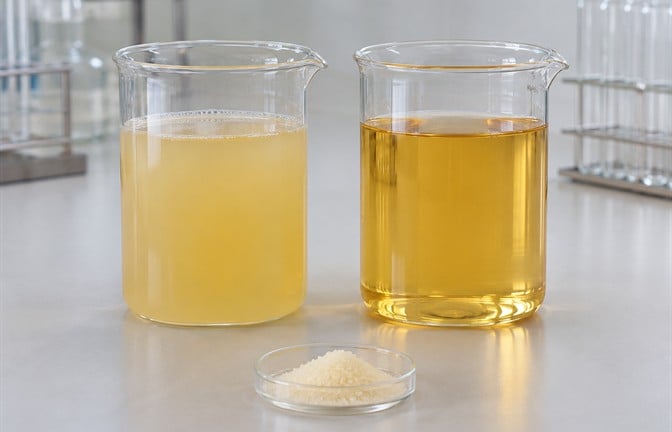
Bulk bovine gelatin manufacturing grades 100 to 300 Bloom and 8 to 60 mesh by Yasin
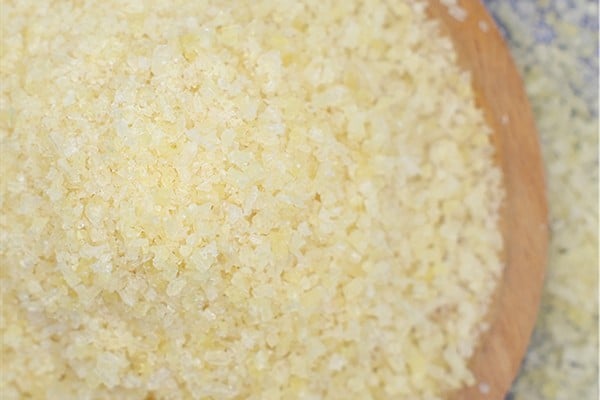
Bulk 100–300 Bloom bovine gelatin portfolio covering food confectionery, softgel shells, hard capsules, dairy, and low-endotoxin raw starting specs.
100–300Bloom
Gel Strength Range
2.0–7.0mPa·s
Dynamic Viscosity
8–60Mesh
Bovine Hide & Bone
36,000Tons/Yr
Audited Annual Capacity
PRODUCTION HERITAGE & CAPACITY
Production heritage since 1986 (30+ years of technical continuity under Xiamen Yasin Industry & Trade Co., Ltd., also registered in Chinese pinyin as Xiamen Yaxun Industry & Trade Co., Ltd. upon incorporation in September 2009) paired with current 36,000 tons annual gelatin capacity through audited cooperative plants.
COMMERCIAL BASELINE & PRICING
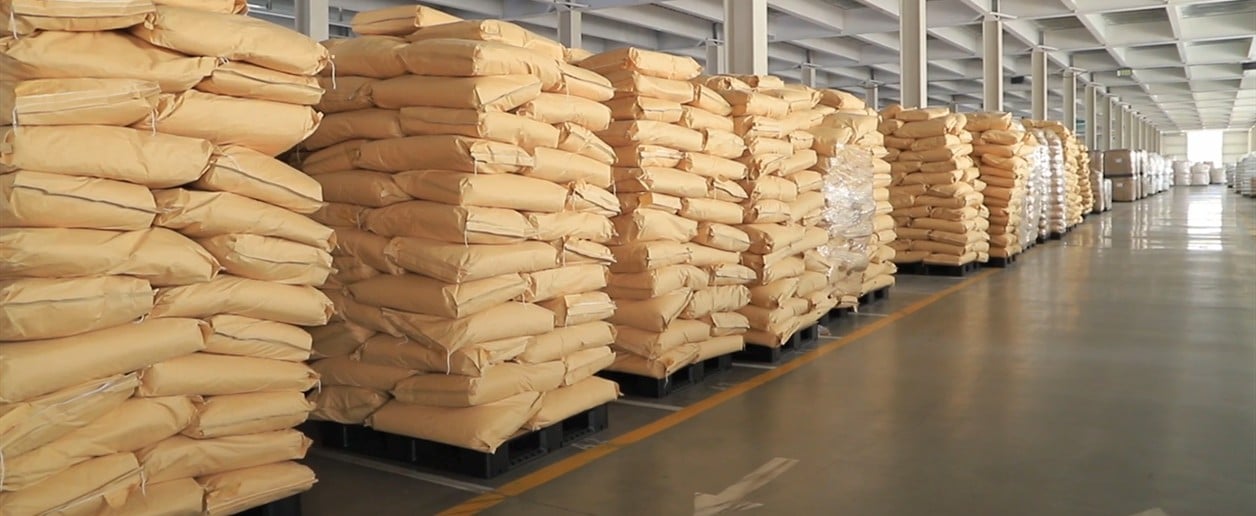
Commercial baseline starting at 500 kg for standard bovine hide and bone grades ($5.00–$8.00 USD/kg baseline reference covering FOB and CIF shipping structures), or 25 kg for specialty plasma-substitute hemostatic grades quoted separately.
TRIAL & SAMPLE POLICY
Free sample up to 500 g for standard bovine food and capsule trials, whereas specialty plasma-substitute hemostatic gelatin carries a 25 kg MOQ without free parcels.
EXPORT DOCUMENTATION & MARKET SCOPE
Export sets include Veterinary Certificate, Halal (MUI, BPJPH, HFC), Kosher, and batch COAs for eligible non-EU markets; Chinese-origin bovine gelatin is excluded from EU export under our commercial facility scope policy.
Bovine Gelatin Procurement Summary & Commercial Boundaries
Online results for bovine gelatin powder often combine retail supplement canisters sold per serving with industrial raw material contracts sold by the metric ton. Formulation engineers sourcing protein for rotary-die softgels, sliceable meat binders, or confectionery mogul lines assess Bloom strength, solution viscosity, trace metal limits, and container freight rather than spoonable jars.
-
Chemical identity
: partially hydrolyzed bovine skin, hide, and bone collagen protein (CAS 9000-70-8), supplied unflavored with 87.1 g/100 g protein measured on SGS nutritional test 2603002. -
Commercial SLA and shipping
: FOB and CIF terms benchmarked at $5.00–$8.00 USD/kg baseline reference for standard food and capsule runs, with engineer-reviewed quotes returned within 24 hours on business days. -
Production schedule and settlement
: 20 days standard factory manufacture within an overall 15–30 days delivery window paid via T/T and L/C (O/A terms offered selectively to qualified VIP accounts). -
Cooperative plant governance
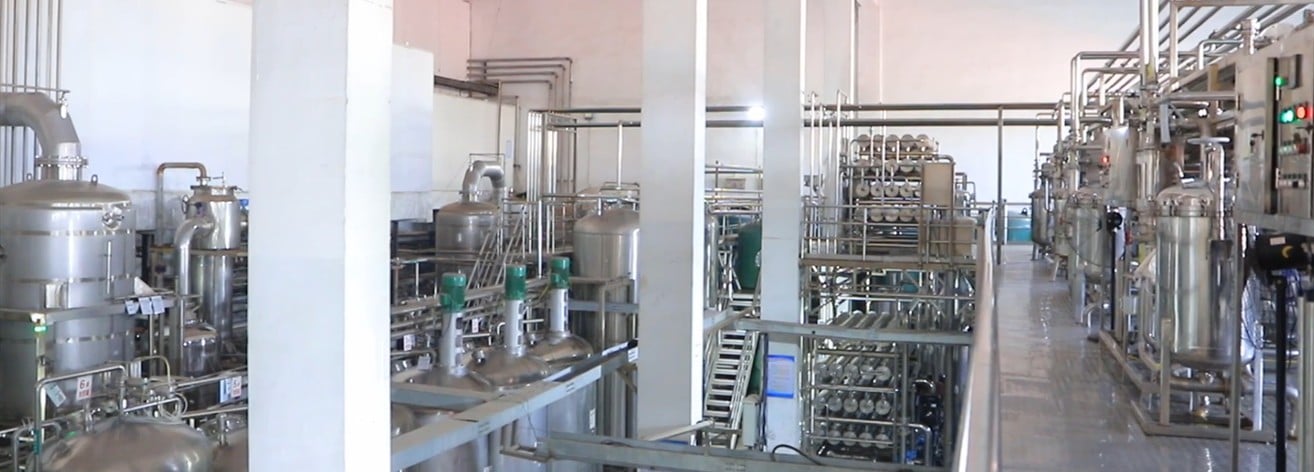
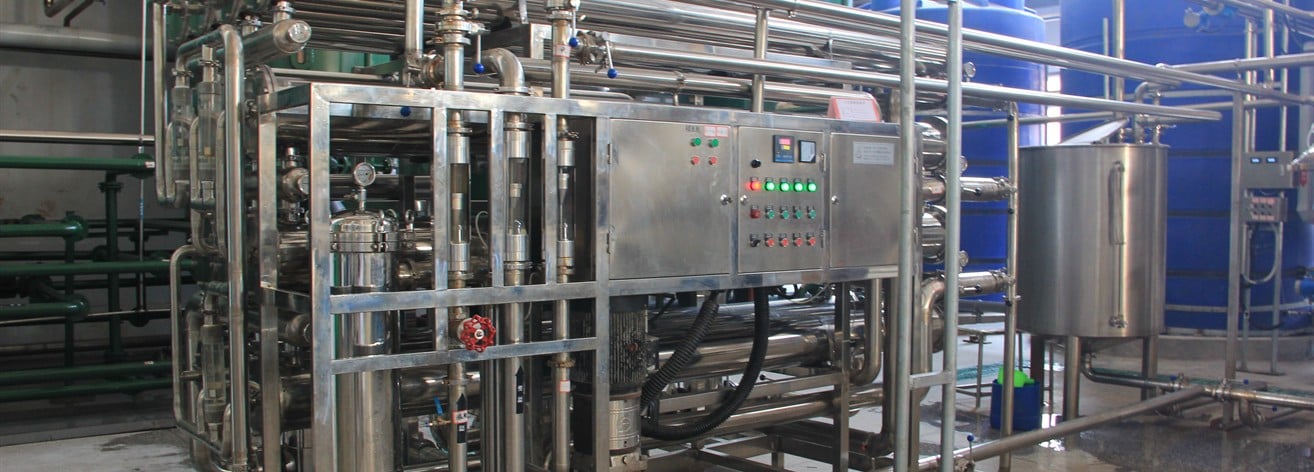
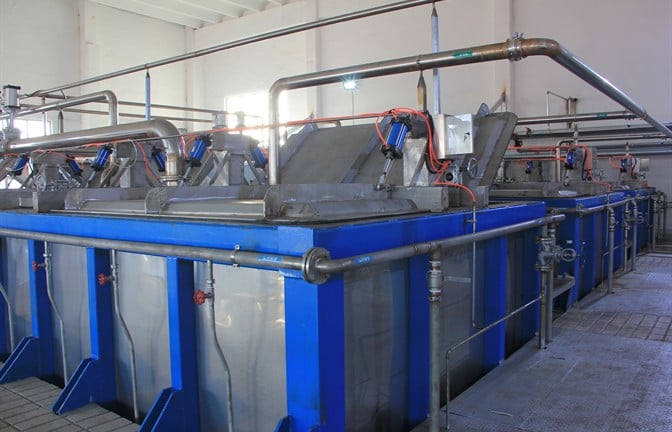
: Xiamen Yasin handles global trade contracting and application grade matching while audited partner facilities run extraction lines certified to ISO 22000, GMP, BRC, and HACCP and structured for US FSMA compliance.
Retail vs. B2B Clarity
Consumer supplement sellers market scoop-measured beef gelatin powder for keto, paleo, or kitchen jello recipes alongside optional sweetener blends, whereas Yasin container orders lock batch rheology, SO2 (<=50 ppm), chromium (<=10 ppm), and microbial plate counts (<10 CFU/g) per shipping lot.
Bovine Hide vs. Bovine Bone Gelatin: Type A & Type B Selection
Depending on whether the bovine hide gelatin or bone gelatin strains are used, it determines the purity and transparency of fruit pectin-gelatin confectioneries and import review by Halal and Kosher customs desks. Both strains are derived from natural cattle connective protein that contains functional amino acids, where amino acid chains contribute glycine, proline and hydroxyproline that aid in network formation and extraction gel behavior.
Traceable bovine hide and bone raw-material supply inspected under domestic veterinary quarantine prior to extraction.
| Material Attribute | Bovine Hide / Skin Gelatin | Bovine Bone (Ossein) Gelatin | Hydrolyzed Collagen Peptide (Contrast) |
|---|---|---|---|
| Tissue Source & Pretreatment | Clean split cow hide / corium conditioned by acid Type A or lime Type B | Acid-demineralized cattle bone ossein treated primarily via alkaline Type B | Enzymatically hydrolyzed collagen protein chains |
| Catalog Bloom Envelope | 120–300 Bloom across standard food, confectionery, dairy, and softgel runs (100–120 Bloom low-Bloom fining cuts available) | 150–250 Bloom catalog range (plus >180 Bloom specialty hemostatic raw bone grades) | 0 Bloom (non-gelling completely) |
| Dynamic Viscosity (6.67% w/w, 60 °C) | 2.0–5.0 mPa·s standard catalog hide window | 3.5–4.6 mPa·s catalog bone baseline (hard-capsule cuts up to 4.5–5.0 mPa·s; hemostatic raw cuts 4.0–6.0 mPa·s) | Low free-flowing solution viscosity without gelling |
| Isoelectric Point (pI) | 7.0–9.0 (Type A) or 4.6–5.2 (Type B range)[1] | 4.6–5.2 (Type B range); experimental Yanbian bone cuts averaged pI 7.44 Type A vs. 5.42 Type B[8] | Controlled by enzymatic cleavage profile (short non-gelling peptides) |
| Hydration Profile | Swells in cold water first before thermal melting; heated kettle dissolution time and temperature require bench verification by lot Bloom and solids concentration | Swells in cold water at 8–20 mesh ahead of heated kettle melting verified by lot concentration and dwell time | Instantly cold-water soluble with zero thermal melting required |
| Primary B2B Applications | Gummies, marshmallows, yogurt, meat binding, softgels, culinary leaf sheets, fining | Two-piece hard capsules, high-tensile softgel shells, hemostatic medical starting material | Ready-to-drink nutrition powders, shakes, protein bars |
Bovine skin gelatin is used with marine fish gelatin in some buying teams for consideration in passover schedules, allergen separations, and strict pescatarian formulations. Because documented cold-water marine fish gelatin softens below roughly 25 °C whereas mammalian bovine bone gelatin melts near 33 °C, raw-material selection follows destination climate resilience, gel melt profile, and supplier quotations rather than assuming direct substitution across thermal processes.[8]
Treating Type B bovine gelatin as interchangeable with acid porcine gelatin overlooks isoelectric pH differences (Type B 4.6–5.2 vs. Type A 7.0–9.0[1]) that destabilize emulsions; these two protein classes are not interchangeable without rebalancing formula pH, representing a critical extraction trade-off. Because Yasin catalog hide (120–300 Bloom) and bone (150–250 Bloom) viscosity ranges reflect Yasin partner-factory grades while public sources report experimental bone thermal and pI properties[8] rather than fixed factory molecular weight distributions, buyers verify target molecular flow and rheology per batch COA.
Consumer retail queries emphasize terms such as grass fed, grass-fed, grass fed beef gelatin, grass fed bovine gelatin, cattle gelatin, bovine gelatin marshmallows, pasture, pasture-raised, unflavored, and non-gmo across household supplements, whereas factory B2B procurement relies on natural bovine sourced gelatin lot numbers, veterinary health certificates, and heavy-metal assays.
Granule Mesh Sizes, Sheet Formats & Solubility Grades
Granulometry regulates cold hydration lag, hopper dust losses, and air entrapment inside agitated vacuum melters. Yasin delivers standard grades across 8–60 mesh granularity in 25 kg kraft paper bags or jumbo FIBC liners alongside cut leaf sheets.
Cold Swelling vs. Heated Dissolution Kinetics
Specifying fine 40–60 mesh bovine gelatin powder improves dry-blending uniformity yet never makes native gelling gelatin cold-water instant soluble. Unlike enzymatically hydrolyzed collagen peptides that dissolve in ambient water, native bovine gelatin absorbs water and swells before melting into a thermo-reversible sol under heat[6]; comparative dissolution trials heated to 70 °C still recorded incomplete dissolution in dense bovine matrices[2], while prolonged molten holding at 57–60 °C accelerates hydrolytic depolymerization[1], making bench hydration and dissolution testing essential.
Coarse 8-15 mesh and 8-20 mesh granules sink smoothly during pre-soaking, limiting foaming and micro-bubbles in softgel and hard-capsule vacuum tanks.
Intermediate 20–40 mesh grits balance fast moisture uptake with low airborne dust in confectionery mogul pre-mix vessels.
Fine 30–60 mesh powders disperse cleanly through dry sugar or stabilizer pre-blends for dessert gels, fermented dairy cups, and beverage clarification prior to thermal melting.
Leaf gelatin sheets eliminate warehouse scale weigh-outs across Platinum (240 Bloom), Gold (200 Bloom), Silver (180 Bloom), and Bronze (150 Bloom) tiers cut in 5g, 3.3g, or 2.5g leaves (MOQ 2,000 boxes).
Hydrocolloid dispersion control: Skipping uniform cold-water hydration creates rubbery clumps while prolonged holding above 60 C degrades Bloom strength. Choosing the wrong grade mesh is not a substitute for controlled cold-water pre-swelling ahead of heating, whether using halal bovine gelatin powder in confectionery or coarse pharmaceutical granules.
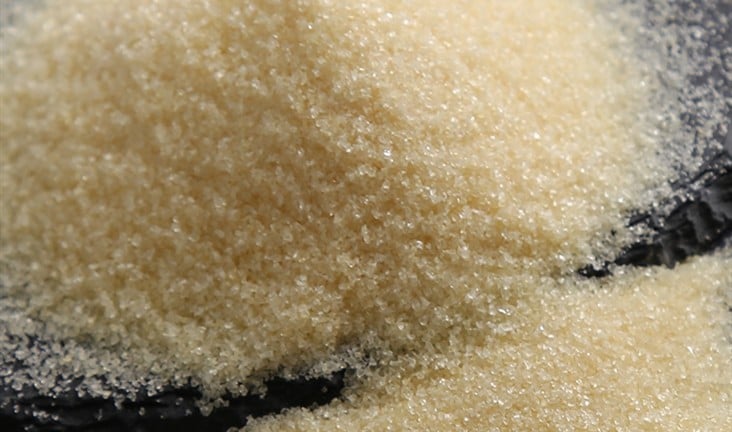
01
Coarse 8–20 mesh bovine gelatin granules engineered to suppress dust and trap fewer air bubbles during vacuum capsule melting.
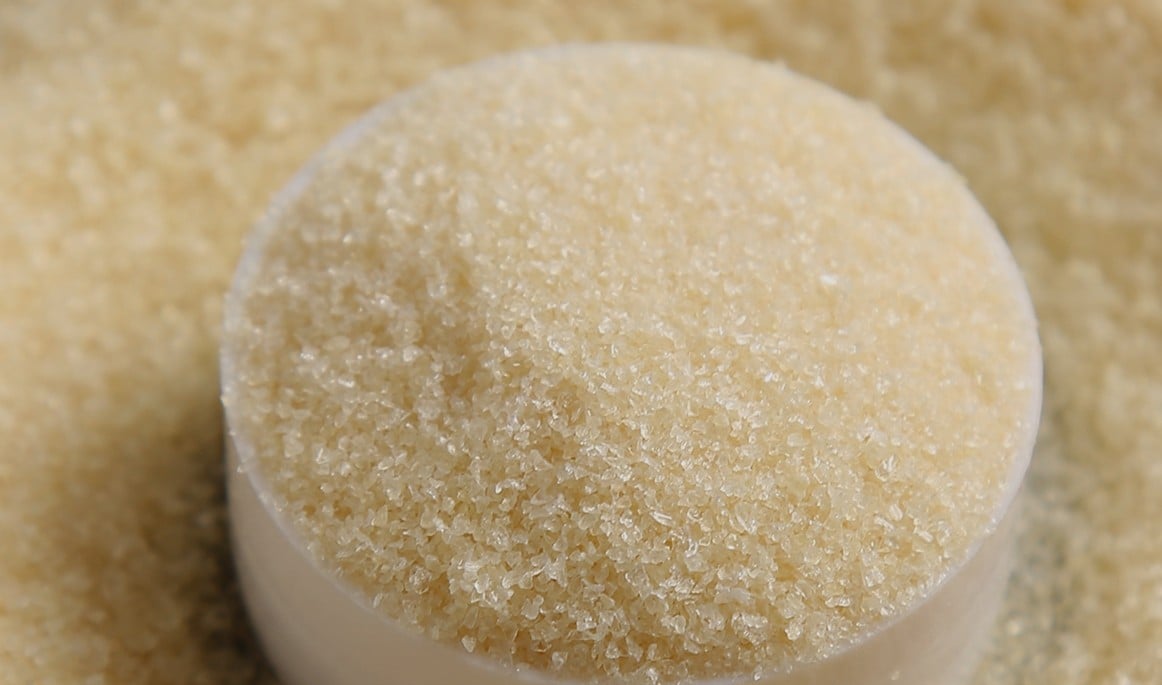
02
Fine 40–60 mesh milled powder engineered for dry-mix dessert sachets, whipped dairy mousses, and beverage fining slurries.

Bulk Pricing Drivers, MOQs, Evaluation Samples & Lead Times
Landed export pricing reflects Bloom extraction yield, compendial assay burden, raw hide or bone supply availability, and shipping terms (FOB or CIF). Standard commercial grades operate on clear baseline thresholds below.
Standard Food / Capsule Tiers Specialty Hemostatic Raw Grade
Commercial ParameterReference Export Pricing & Incoterms
FOB and CIF ($5.00–$8.00 USD/kg baseline planning reference across 100–300 Bloom food and capsule grades; exact FOB vs. CIF ocean freight quoted per port)
Minimum Order Quantity (MOQ)
500 kg for standard bovine hide and bone granules/powder; 2,000 boxes for leaf sheets
Trial Sample Policy
Free sample up to 500 g for standard bovine food and capsule qualification (courier dispatch arranged on request)
Production & Delivery Window
20 days standard gelatin factory production within a 15–30 days delivery window
Payment & Quote SLA
T/T and L/C (O/A terms available for qualified long-standing VIP partners); engineering quotes issued within 24 hours on business days
Reference Export Pricing & Incoterms
Quoted separately upon technical review of buyer hemostatic specifications
Minimum Order Quantity (MOQ)
25 kg specialty batch trial MOQ
Trial Sample Policy
Excluded from free samples; supplied via 25 kg specialty trial contract
Production & Delivery Window
Scheduled per production campaign & bacterial endotoxin test queue
Payment & Quote SLA
T/T or irrevocable L/C per signed technical agreement
Bloom Strength, Dynamic Viscosity & Pharmacopoeia Specifications
Selecting bovine gelatin based on single-point Bloom stiffness alone risks pin-hole leaks on softgel dies or tailing strings under gummy depositors. Peer-reviewed encapsulation research in Advanced Healthcare Materials establishes that softgel shell performance relies jointly on Bloom strength (~150–220 g), dynamic viscosity (2.8–4.5 mPa·s at 60 °C), moisture equilibrium, and Type A/B extraction chemistry. [1]
The Bloom-to-Viscosity Hydrolysis Matrix
Two extraction lots holding the exact same 180 Bloom rigidity differ in pumpability and ribbon setting due to variation in hydrolysis cut severity. According to Yasin's plan, purchasing engineers verify Bloom stiffness against the dynamics of viscosity, mesh size and additives.
Low-viscosity high-Bloom softgel cuts
(200 Bloom target at 3.0–3.4 mPa·s under a custom extraction cut) reduce stringing through heated rotary dies compared with thicker hard-capsule melts.
High-viscosity hard-shell cuts
(200–250 Bloom at 4.5–5.0 mPa·s) keep a uniform dip film thickness on stainless pin bars during two-piece hard-shell forming.
Thermoreversible melt hysteresis:
bovine bone Type A and Type B systems melt near 33.0–33.6 °C for clean mouthfeel while showing less brittle break and lower syneresis than pure agar gels (whereas hybrid gelatin-agar confectionery reaches higher ~50 °C melting tolerance for hot logistics).[7][8]
Crosslinking prevention:
Trace aldehydes in fills or heat aging crosslink softgel ribbons and cause insoluble pellicle films during stability testing. Qualifying pharmaceutical gelatin powder and pharmaceutical gelatin capsules requires pairing low-conductivity bovine bone gelatin powder with aldehyde-screened excipients[1] and verifying the active ChP 2025, USP, or EP monographs for each order.

Bovine Hide Food General
Bovine Bone Standard

Pharma Softgel (Elasticity)
High-Tensile Softgel 200B
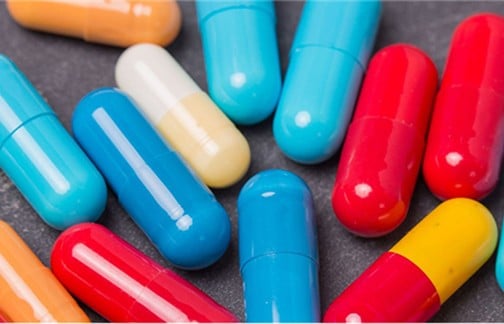
Pharma Hard Capsule Shell
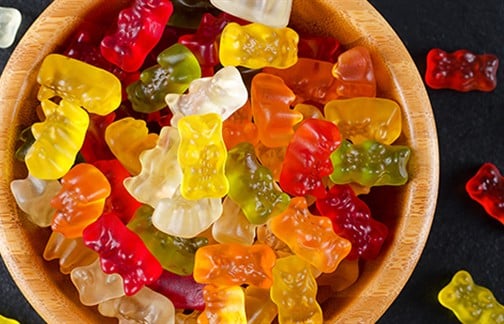
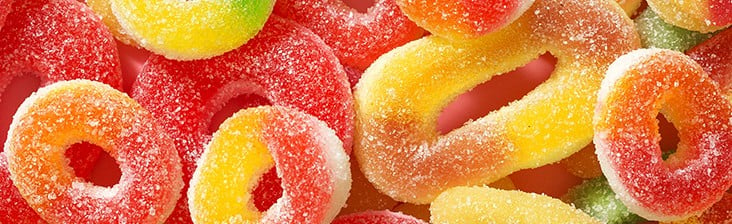
Confectionery Gummy & Marshmallow
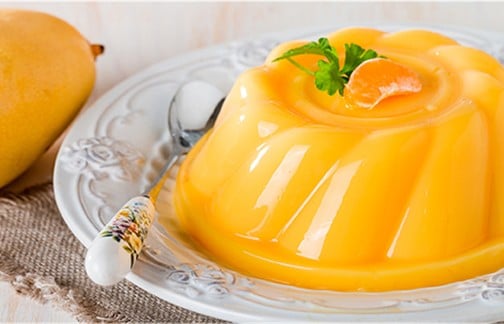
Dairy, Yogurt & Dessert
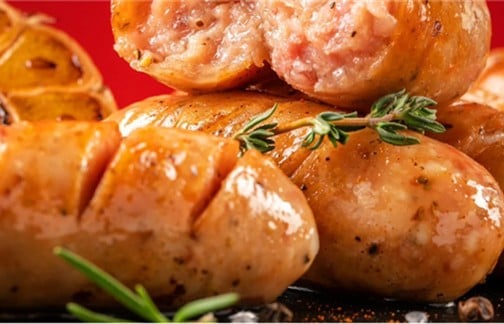
Meat Binding & Sausage Aspic
Beverage Clarification / Fining
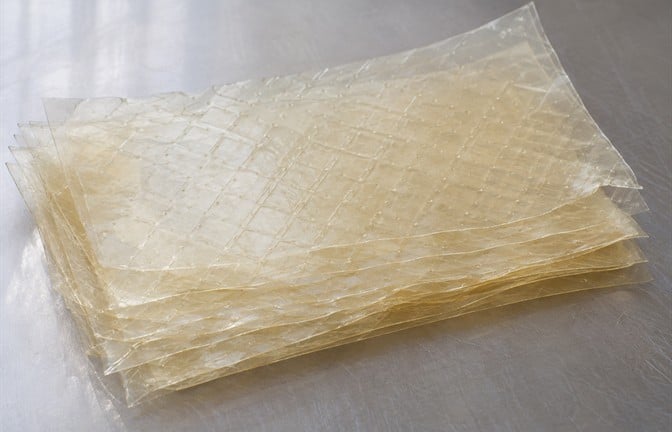
Culinary Leaf Gelatin Sheets
Hemostatic / Plasma Substitute (Raw Spec)
Factory Order Workflow, CCP Controls & Batch COA Release
A structured five-step sequence prevents a number of common issues at the destination port including hydration clumps, capsule crosslinking, and veterinary paperwork.
01
This application and specification intake includes the target product matrix, Bloom/viscosity target, Type A/B or hide/bone choice, destination port and active standard (GB 6783-2013, USP, EP or ChP 2025).
02
Engineering grade pairing issued within 24 hours on business days alongside reference COA bounds and up to 500 g free sample dispatch for eligible standard applications.
03
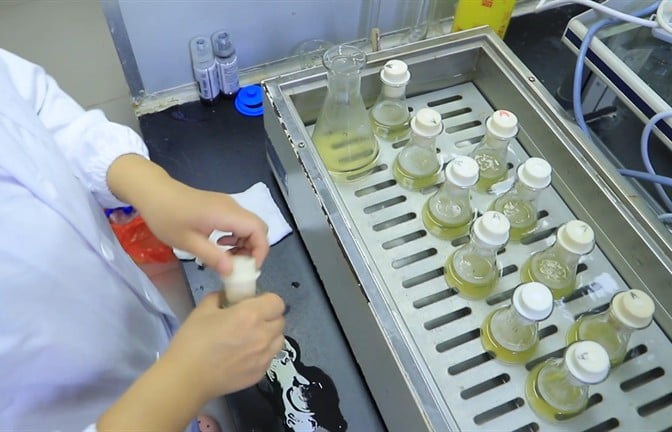
Buyer pilot kettle verification validating local water swelling ratio, heated dissolution completeness (bench-verified for time-temperature profile while guarding against extended 57–60 °C molten holding hydrolysis), setting curve, and excipient compatibility before commercial scale-up.
04
Scheduled bulk campaign production (20 days manufacturing lead time inside a 15–30 days delivery window) audited across incoming chromium (<=10 ppm), 138°C UHT (>4s), 8,000-Gauss magnets, and 2.0/3.0/2.5 mm metal detection ahead of filling 25 kg kraft paper bags or jumbo bags.
05
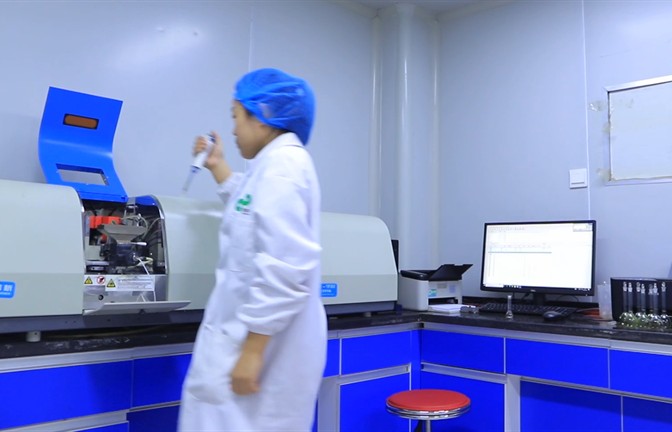
Digital release of final CNAS-lab batch COA, TDS, SDS, Veterinary Certificate, Halal, Kosher, and ocean shipping files prior to port arrival, supporting traceability across the 5-year product shelf life.
Export Track Record & Batch COA Test Results
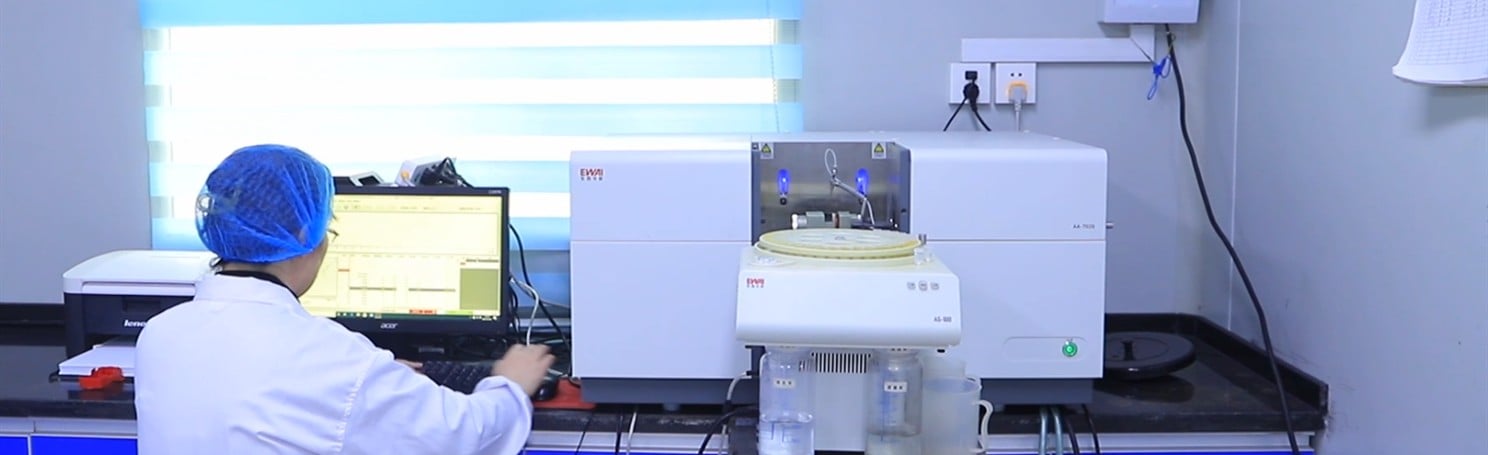
Lot-level European Pharmacopoeia (EP) tests performed in June 2026 at the partner factory Shandong Hengxin Biotechnology Co. Ltd. alongside third-party SGS nutritional assay QDF26-0022186-05 (sample lot 2603002; CNAS L0604 belonging to SGS Qingdao laboratory) and four anonymized commercial deliveries, substantiate lot-release control across export shipments.
| Verified Parameter (EP Assay) | Lot 2606121 (Target 160B) | Lot 2606065 (Target 180B) | Lot 2606106 (Target 200B) |
|---|---|---|---|
| Measured Bloom Strength | 169 g | 184 g | 204 g |
| Dynamic Viscosity (6.67% w/w, 60 °C) | 3.9 mPa·s | 3.6 mPa·s | 4.0 mPa·s |
| pH / Conductivity | pH 5.8 / 0.1 mS/cm | pH 5.9 / 0.1 mS/cm | pH 5.9 / 0.1 mS/cm |
| Loss on Drying (Moisture) | 12.2% | 12.5% | 12.6% |
| Sulfur Dioxide (SO2) / Chromium (Cr) | 18 ppm / 0.38 ppm | 12 ppm / 0.47 ppm | 22 ppm / 0.47 ppm |
| Single-Lot Microbiology (June 2026 Release) | <10 CFU/g; E. coli / Salmonella ND | <10 CFU/g; E. coli / Salmonella ND | <10 CFU/g; E. coli / Salmonella ND |
Labeled Shelf Life & SGS Nutrition (QDF26-0022186-05)
5-year labeled shelf life; single-time release SGS report QDF26-0022186-05 (sample lot 2603002) records 87.1 g/100 g protein, 1481 kJ (353 kcal), <0.1 g fat, <0.1 g carbohydrate, 1340 mg/kg sodium
Across Lots 2606121, 2606065, and 2606106, measured chromium (0.38–0.47 ppm) sits over twenty-fold under the 10 ppm internal factory gate, SO2 (12–22 ppm) sits well below the 50 ppm regulatory limit, and single-time June 2026 release microbial counts test under 10 CFU/g (not representing continuous five-year stability retesting).
Thailand hard-capsule manufacturer:
supplied 200 Bloom bovine bone gelatin, achieving more than 30% reduction in formulation cost versus prior sourcing while maintaining consistent dipping shell uniformity.Colombia jelly powder customer:
ongoing 5-year commercial partnership running 260 Bloom bovine hide gelatin for Colombian dessert mixes with stable batch transparency.South Korea medical patch producer:
consistent procurement of 160 Bloom 8-15 mesh bovine hide gelatin, tuned for predictable pre-swell dispersion, prior to casting.Dominican Republic softgel line:
continuous deliveries of 180 Bloom 8–15 mesh bovine hide gelatin, coupled with Veterinary Certificate customs dossiers, since 2019.Scientific Literature Basis Behind Batch Limits
"The physical, mechanical, and chemical properties of soft gelatin capsules depend directly on raw gelatin Bloom value, dynamic viscosity, cross-linking propensity, and controlled moisture equilibrium." (Advanced Healthcare Materials encapsulation review[1])
"Experimental acid-extracted and alkali-extracted cattle bone gelatins exhibit distinct isoelectric points (7.44 vs. 5.42) alongside melting transitions around 33.0 to 33.6 °C driven by differing pretreatment cleavage." (Gels 2025 cattle bone characterization[8])
When Not to Specify Our Bovine Gelatin
Clear commercial and formulation boundaries prevent failed customs clearance, unexpected hydration lumps, and unvalidated regulatory filings before sample testing begins.
Chinese-origin animal-derived bovine gelatin is excluded from EU export under Yasin's commercial facility scope policy. While consolidated EU Decision 2002/994/EC lists gelatine at country level[3], European Commission Non-EU Authorised Establishments rules require the producing plant to appear on the applicable EU Section XIV approved establishment list tracked in TRACES; EU buyers should source EU-listed producers or select non-animal alternatives.
those requiring porcine gelatin capsules or non-edible industrial glues lie outside Yasin’s cattle food, halal, kosher, and pharma extraction programs.
Purchasing teams looking to buy finished empty capsule shells rather than bulk gelling granulates or leaf sheets must work directly with dedicated shell molders.
because native bovine gelatin swells in cold water first before heated dissolution (requiring controlled heated kettle melting verified on the buyer's bench, distinct from cold-soluble hydrolyzed collagen peptides[2][6]), instant unheated protein drinks should specify cold-soluble hydrolyzed collagen peptides instead.
bovine collagen protein is the wrong choice where zero animal content is required, so pectin, agar-agar, and carrageenan indicate where to look instead for plant hydrocolloid gelation.
raw hemostatic lots (>180 Bloom, <30 EU/g, 25 kg MOQ) never carry terminal sterile-device clearance; finished device manufacturers retain ultimate regulatory responsibility for 10^-6 SAL sterilization validation (even when delegating process steps to contract sterilizers) and ISO 22442-3 viral/TSE clearance where determined by risk management and validated batch test data.
Bovine Gelatin Procurement & Formulation FAQ
Yes. Yasin supplies bovine hide gelatin (120–300 Bloom, 2.0–5.0 mPa·s) for gummies, meat emulsions, yogurt, and softgels alongside bovine bone gelatin (150–250 Bloom catalog range, plus tailored hard-capsule 4.5–5.0 mPa·s and raw hemostatic <30 EU/g cuts).
No. Native gelling gelatin swells in cold water first before melting under heat rather than dissolving cold-instantly like hydrolyzed collagen peptides, so 40–60 mesh dry-blends still require bench dissolution and thermal-dwell verification.
Type A uses acid pretreatment (pI 7.0-9.0), while Type B uses prolonged alkaline lime treatment (characteristic pI 4.6-5.2 per encapsulation studies). The exact window for Bloom and viscosity is matched per extraction cut and COA rather than fixed by pH alone.
Export sets include partner CNAS-lab batch COA, TDS, SDS, bovine source statement, Veterinary Certificate, Halal (MUI, BPJPH, HFC), and Kosher paperwork matched to destination port rules.
Consumer tins packaged per serving for retail shelves carry canning, multi-tier distribution, warehousing, and parcel delivery markups that raise retail cost per kilogram well above industrial container lots. Under Yasin's commercial planning baseline, standard 100–300 Bloom grades packed in 25 kg kraft paper bags reference $5.00–$8.00 USD/kg across baseline FOB and CIF discussions (with exact port freight and insurance confirmed in the formal quotation); hemostatic medical grades are quoted separately.
No. Standard food and capsule grades qualify for free samples up to 500 g upon inquiry, while specialty plasma-substitute hemostatic gelatin carries a 25 kg MOQ and does not qualify for free samples.
No. Chinese-origin bovine gelatin is excluded from EU export under Yasin's commercial facility scope, and EU buyers are routed to EU-listed producers or plant/marine alternatives.
While plant gums or starches can deliver shear thickening without thermal melting, gelatin develops a thermoreversible protein network that melts smoothly near 33 °C on the palate for crisp flavor release in gummies, desserts, and chilled dairy cups.
Xiamen Yasin Industry & Trade Co., Ltd. (formalized in September 2009 alongside production heritage dating to 1986) directs global trade contracting, grade matching, and export regulatory filing across North America, Latin America, Asia, and the Middle East. Extraction typically runs inside audited cooperative Chinese facilities such as Shandong Hengxin Biotechnology Co., Ltd. holding current 36,000 tons capacity, ISO 22000, GMP, BRC, and HACCP certifications aligned with FSMA procedures, plus lab testing.
Engineer-reviewed quotes return within 24 hours on business days. Confirmed bulk production schedules typically run 20 days at the plant within an overall 15–30 days delivery window under T/T or L/C (with O/A open-account credit schedules, entered as Q/A on Yasin's raw VIP onboarding sheet and confirmed in the written contract, for qualified repeat buyers).